

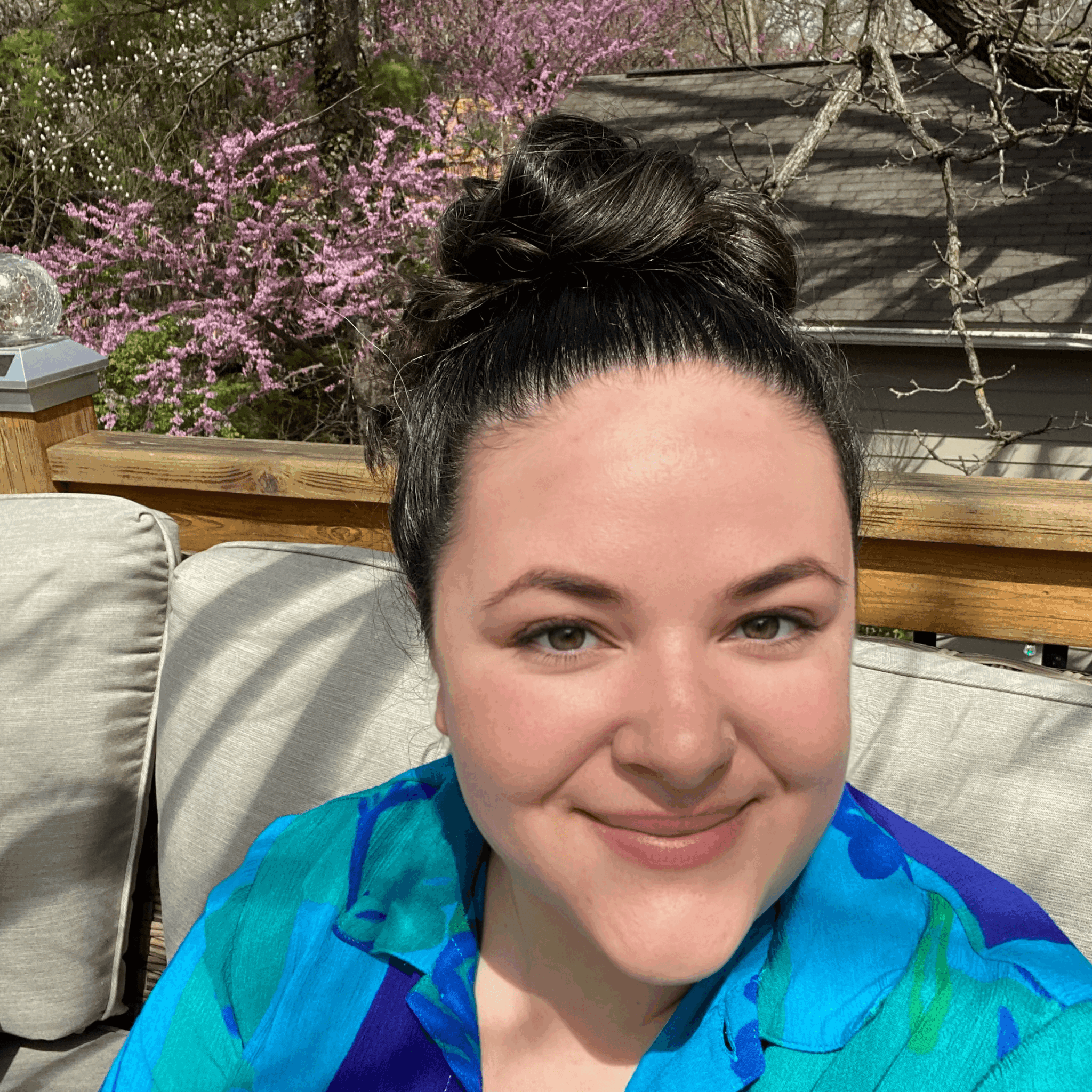

Alright – so today we’ve got the honor of introducing you to Ella S. We think you’ll enjoy our conversation, we’ve shared it below.
Hi Ella, thanks for joining us today. Let’s kick things off with your mission – what is it and what’s the story behind why it’s your mission?
My mission with Arondite Vintage is to help people realize that they can fully express themselves with a secondhand wardrobe. I want to help people step away from the trend cycle and change their ideas around consumption. I think we all cling to trends and “rules” of fashion that dictate what we should wear at a certain age, during certain seasons, etc. and we forget that all of this is designed simply to sell us more stuff. Trends and rules don’t serve us, they make us feel like we lack something so we’ll consume more to fill that manufactured hole in our lives. We don’t need to jump on every micro-trend that goes viral. Not only should we think twice about buying clothing new at all, but we should think twice about putting our wardrobe budget into the hands of corporations. I want people to fall in love with the idea of getting to know their favorite vintage sellers, working with us personally to build a wardrobe that works for them, enjoying that process, and ultimately feeling good about what they put on in the morning. Large fashion brands are jumping on the vintage and secondhand bandwagon in bad faith. They’re well-versed in the shorthand of “sustainability”, and they know it’s a major selling point for secondhand. But they see their secondhand offerings as just another way to grow their customer base for new goods. Their only interest is profit.
I knew that starting Arondite would make me think more about what I buy and whether my habits are in line with my values, and that was something I wanted for myself. Now I have a series of questions I ask myself before buying something to keep me honest about why I need it, whether I’ll use it, how I’ll take responsibility for it once I’m done with it, etc. I always think of one of my favorite lines from chapter 19 of Henry James’ The Portrait of a Lady:
“What shall we call our ‘self’? Where does it begin? where does it end? It overflows into everything that belongs to us–and then it flows back again. I know a large part of myself is in the clothes I choose to wear. I’ve a great respect for THINGS! One’s self– for other people–is one’s expression of one’s self; and one’s house, one’s furniture, one’s garments…–these things are all expressive.” Madame Merle may be a shifty B, but she’s not wrong! We imbue the things we own with energy and that energy flows into and out of our lives and helps us define ourselves. What does it say about us when we bring the bad energy and human misery of fast fashion into our homes and lives? I think we all desperately need to redefine our relationship with “things”, build that kind of respect for every item we own, and recognize the power our belongings have to define us and impact others.
I did not always understand this, and it took me many years to change my own habits. When I was a young College grad living in New York City, I worked as a merchandiser at a huge sample sale venue in Chelsea and was floored by the volume of unsold goods that would flow in and out each weekend. It was the first time I remember being curious about where it would all go at the end of the day. I worked other jobs in and around the garment district and would constantly hear rumors about stock being destroyed, which sickened me. But I didn’t really grasp my own place in the cycle of waste. In the 2010s I was working at a Chicago-based eCommerce company where I was hired to coordinate product photo shoots. It was about 90% clothing and accessories, much of which was poorly manufactured junk that nobody needed or asked for. I was tasked with finding homes for product samples once the company was done with them. We tried donating to local charities, but few needed or had the infrastructure to deal with the volume of items we had. At the end of the day, we coordinated bulk donations with Goodwill. As I spoke to my contacts there, I learned more about the staggering volume of donations they deal with, where it all goes, what happens if it doesn’t get purchased, etc. It blew my mind. I started feeling very disenchanted with my work and felt I was contributing personally to the problem of runaway consumerism. During that time I became interested in concepts around de-growth, on both a personal and societal level. I had amassed a large personal collection of vintage and archival pieces over the years, none of which I was using or enjoying- I started collecting at around 13 and had added many pieces while traveling abroad and living in NYC. I was still buying new clothes, and I felt very detached from everything I was buying and wearing. It all felt like it belonged to someone else, I had really gotten away from the joy I used to feel getting dressed. So I hatched a plan to sell my collection and rebuild my relationship with clothes in the process, and that’s how Arondite started!
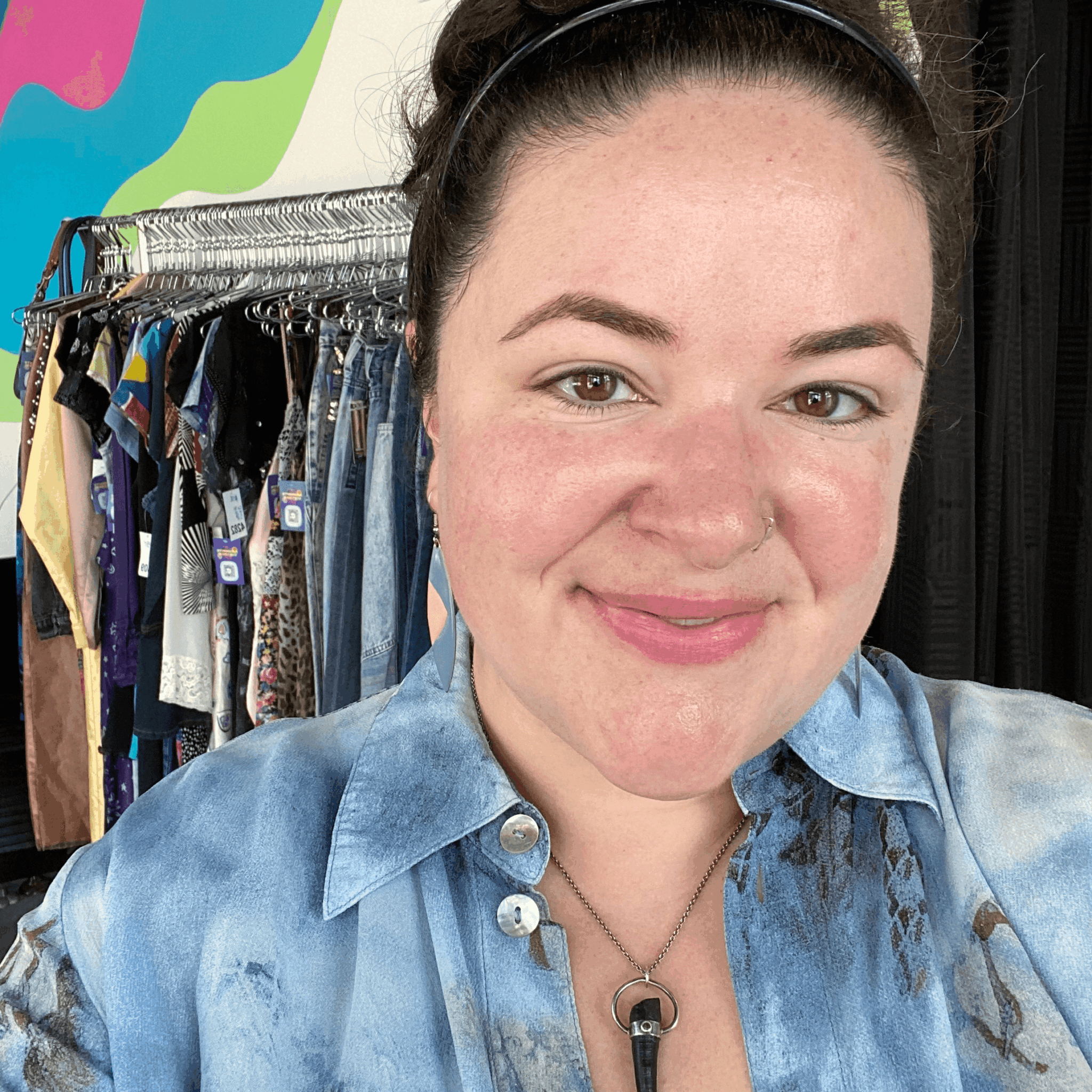
Ella, love having you share your insights with us. Before we ask you more questions, maybe you can take a moment to introduce yourself to our readers who might have missed our earlier conversations?
I trained originally as a theater actor, and my interest in vintage has always gone hand in hand with that world. I started seeking out vintage when I was very young after exploring the costume closets of community theaters where I performed. I learned how to sew in middle school and was always tinkering with found objects to make them into wearable pieces. I remember fashioning a dress out of a silky bedsheet from Delia’s and wearing it, mostly held together with safety pins, to a school awards ceremony! While I was studying theater at University there were always opportunities to do a costume practicum or work with Summer Stock costumers during acting gigs on breaks from school. I would drive around on all my days off and scour the countryside for vintage and antiques to add to my collection. Any actor will tell you how transformative costuming can be. As you build a character, it’s always a huge turning point to finally put on your costume and feel that missing piece of that person click into place. Having experienced the palpable physical and mental transformation that the right costume brings, I think there’s truth to the adage that if you dress for the life you want you’re halfway there. And if we’re not wearing things that free us and make us feel good, if we’re not expressing ourselves fully, we feel less and less like ourselves. That’s a major lesson I’ve carried from my performing past into my work with vintage.
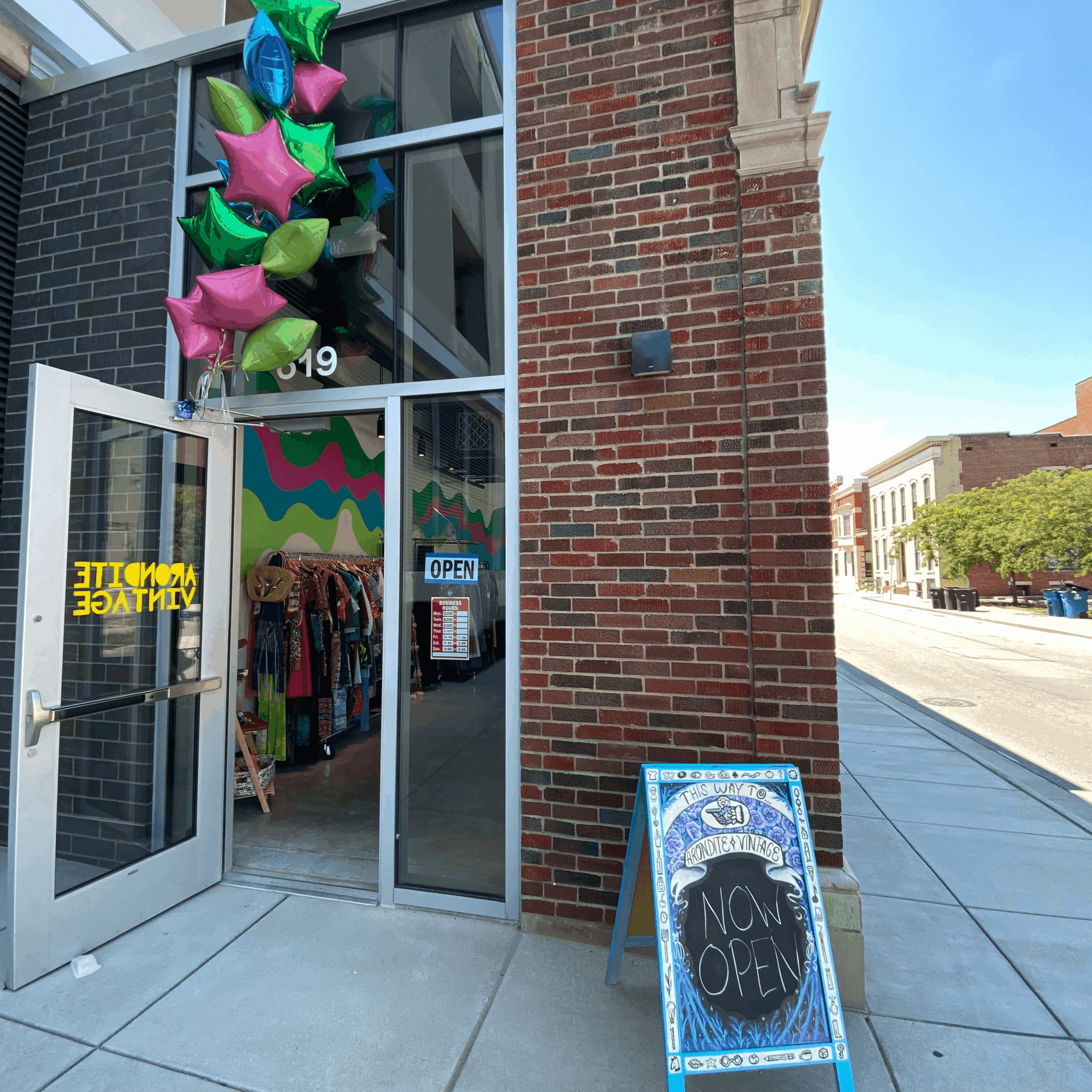
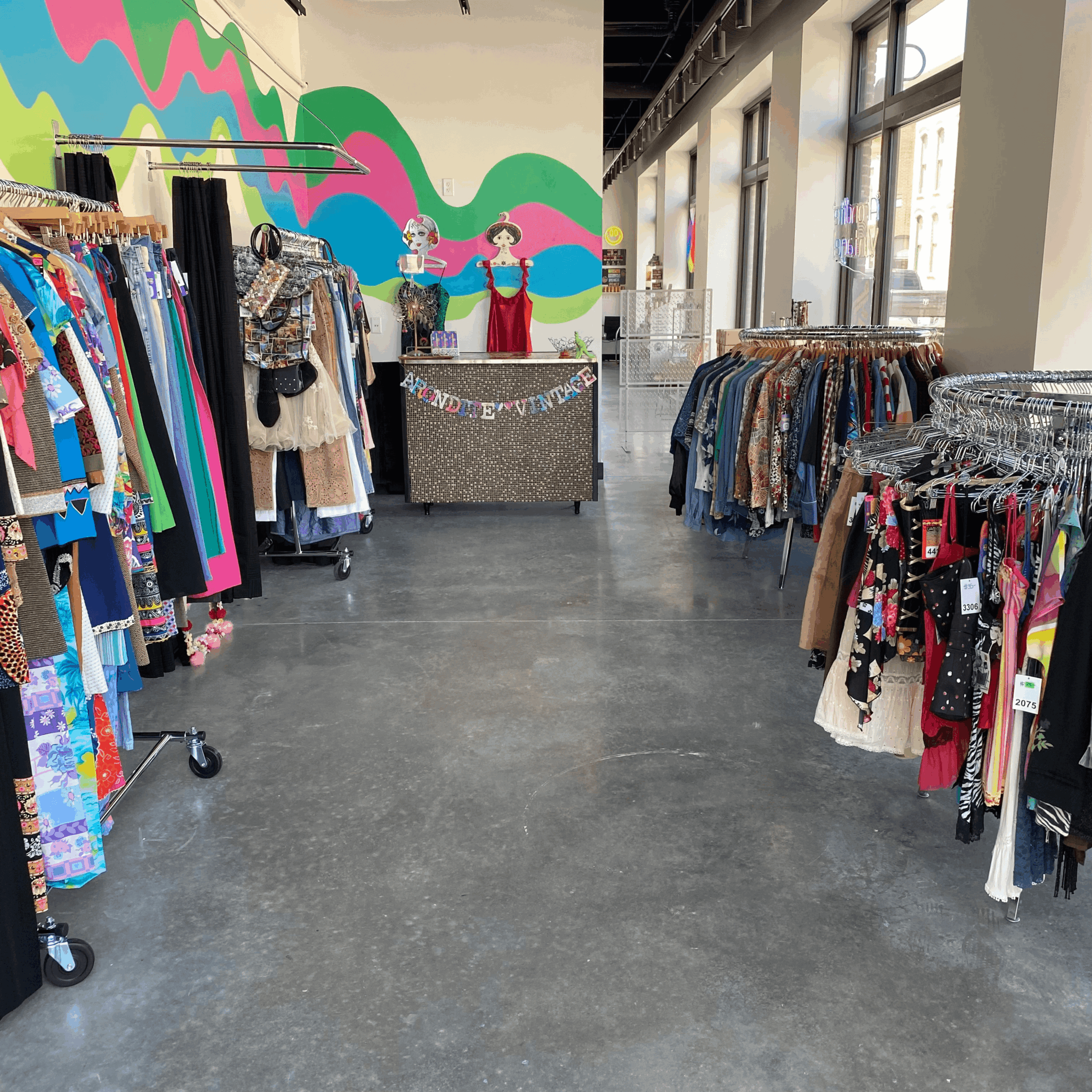
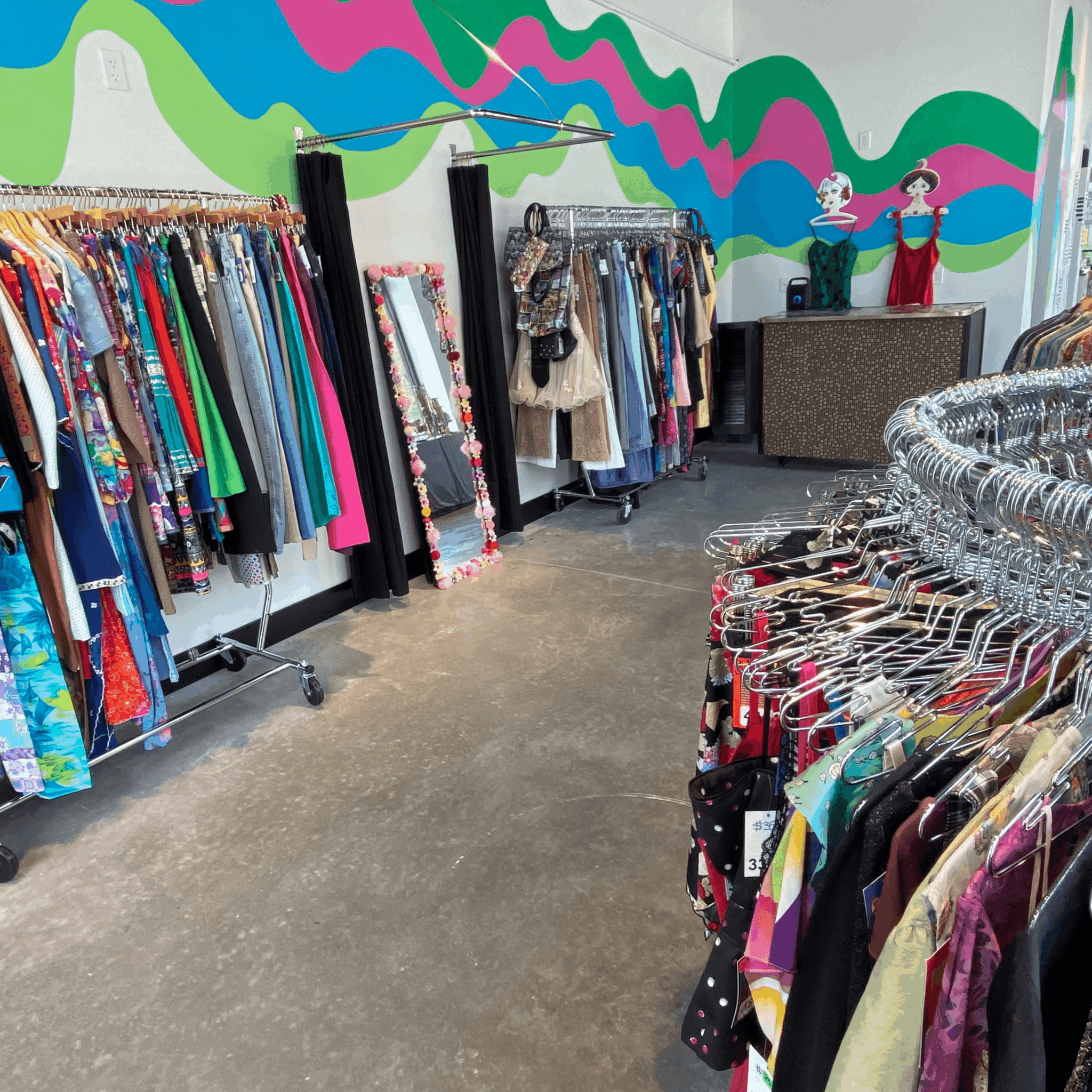
Curation is one of my favorite parts of the job. I love building collections around a theme or audience. I’ll often curate pieces for a specific event or space. I’m currently working on more retail offerings in the Midwest, and I’m having fun planning the vibe for each one. I’m doing an event this Fall that attracts a big rockabilly crowd, so I’ve been having fun with that collection. It’s always fun to break out the spooky separates for Halloween, and the sparkles for the end-of-year holidays. I’m also very excited about my recently opened micro-retail space in Lafayette Indiana, near the Purdue campus, which carries mostly recent vintage- 80s, 90s and Y2K. I love curating for the collegiate crowd. I was born in the 80s, so I’m uber nostalgic for that decade in the way that only someone who wasn’t old enough to fully experience it would be. The 90s and early 2000s are a favorite because that’s when my personal style was first taking shape, so many of those fashions carry core memories with them.
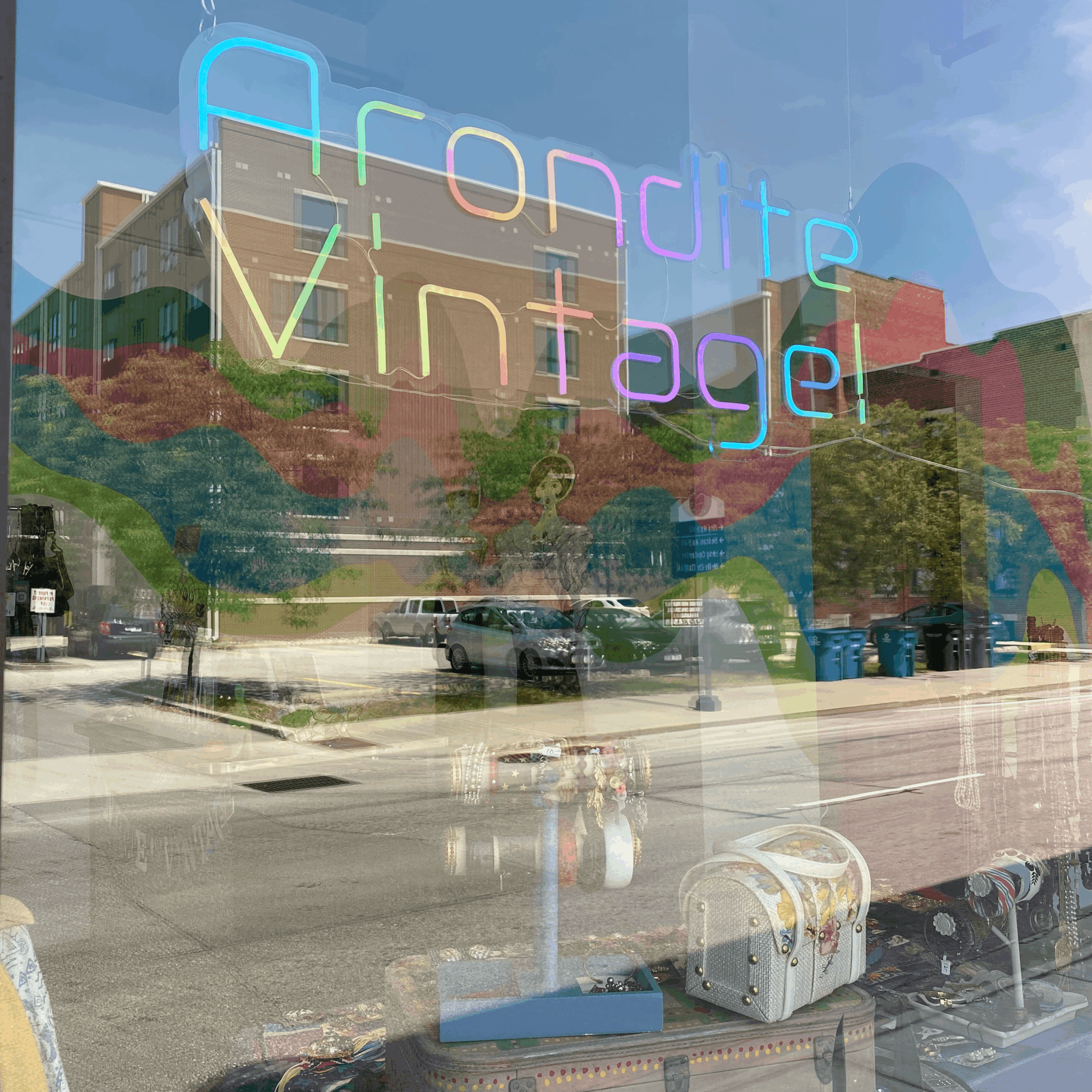
With Arondite, I offer clothing, accessories, jewelry and small home goods. I generally keep sizes XXS-3X in stock and really focus on having that range available. I firmly believe that all clothing is genderless, but I do sometimes get asked whether I carry men’s clothes, so I typically answer that my stock is about 70% femme-leaning and 30% unisex/masculine. I almost exclusively sell vintage, but I do offer antique pieces as well (especially jewelry- I’m very into Victorian mourning jewelry at the moment). I will pepper in some archival designer pieces and high-quality boutique brands here and there, but even these are hand-picked secondhand. I often describe my collection as being comprised mostly of eclectic mix-and-match statement pieces. Everything I choose has a lot of personality. At first glance, the vibe may appear to be all over the map, but people will often comment on how well everything seems to go together. A lot of folks will grab a pile of seemingly random pieces to try on and end up walking out with a whole unexpected outfit! I love to see that creative switch flipping on for someone as they shop. The best comment I ever got from a customer was that my collection made them feel like they were a kid again wandering through a room full of all the cool stuff they couldn’t wait to wear when they grew up. That made me smile!
Can you tell us about a time you’ve had to pivot?
I was very focused on performing early in my career. I toyed with the idea of selling vintage more than once but didn’t originally plan to become a full-time vintage dealer. Struggles with illness early in my performing career effectively took me out of that world (with the exception of voice-over, which I still do). When I left the industry, I took a string of traditional jobs for the health insurance benefits but never felt that the lifestyle was a fit. It certainly wasn’t time wasted, as I acquired many of the skills it took to start Arondite in those jobs! But many aspects of traditional work are still not friendly to anyone with chronic illness or disability. I knew I wanted to move on, and began to work on my business plan for Arondite while I was still working in corporate eCommerce. Vintage has been a natural fit given my lifelong collecting habit. It scratches a lot of creative itches, uses most of the random skills I’ve picked up while working in different fields, and there’s a really supportive community of people to connect and collaborate with. I love that there is always something new to learn. Meanwhile, it allows me to focus on my health when I need to. Of course there are ups and downs, but I’m very happy with the lifestyle and the flexibility it offers.
Does your business have multiple or supplementary revenue streams (like a ATM machine at a barbershop, etc)?
There are so many potential revenue streams under the vintage umbrella, it’s impossible to pursue them all. You can work from home and vend with online platforms full time, you can launch your own website, you can travel and vend pop-up markets and festivals, you can open a brick and mortar location or rent booth space at a vintage mall, you can sell in online live streams and social media collectors groups, you can consign with local boutiques, you can sell wholesale to fellow vendors. Lots of vendors learn to tailor and construct garments so they can offer those services or carry upcycled pieces. If you want to expand beyond vending, you can organize and manage vendor events, own a vintage mall or collective space, become a professional stylist or personal shopper. With some additional education, you can even go the costuming or fashion archival route. There is so much potential. I’m currently a one-woman show with plans to hire in the next few months, so at the moment I’m focused on putting one foot in front of the other. I’m managing my new space in Lafayette, I’m consigning with a couple of boutiques, I’m active in online collector’s groups, I do live sales, and I pop up to vend at markets and festivals frequently. I’m very excited to keep growing!
Contact Info:
- Website: https://linktr.ee/AronditeVintage
- Instagram: https://www.instagram.com/arondite.vintage
- Facebook: https://www.facebook.com/arondite.vintage/
- Twitter: https://x.com/aronditevintage
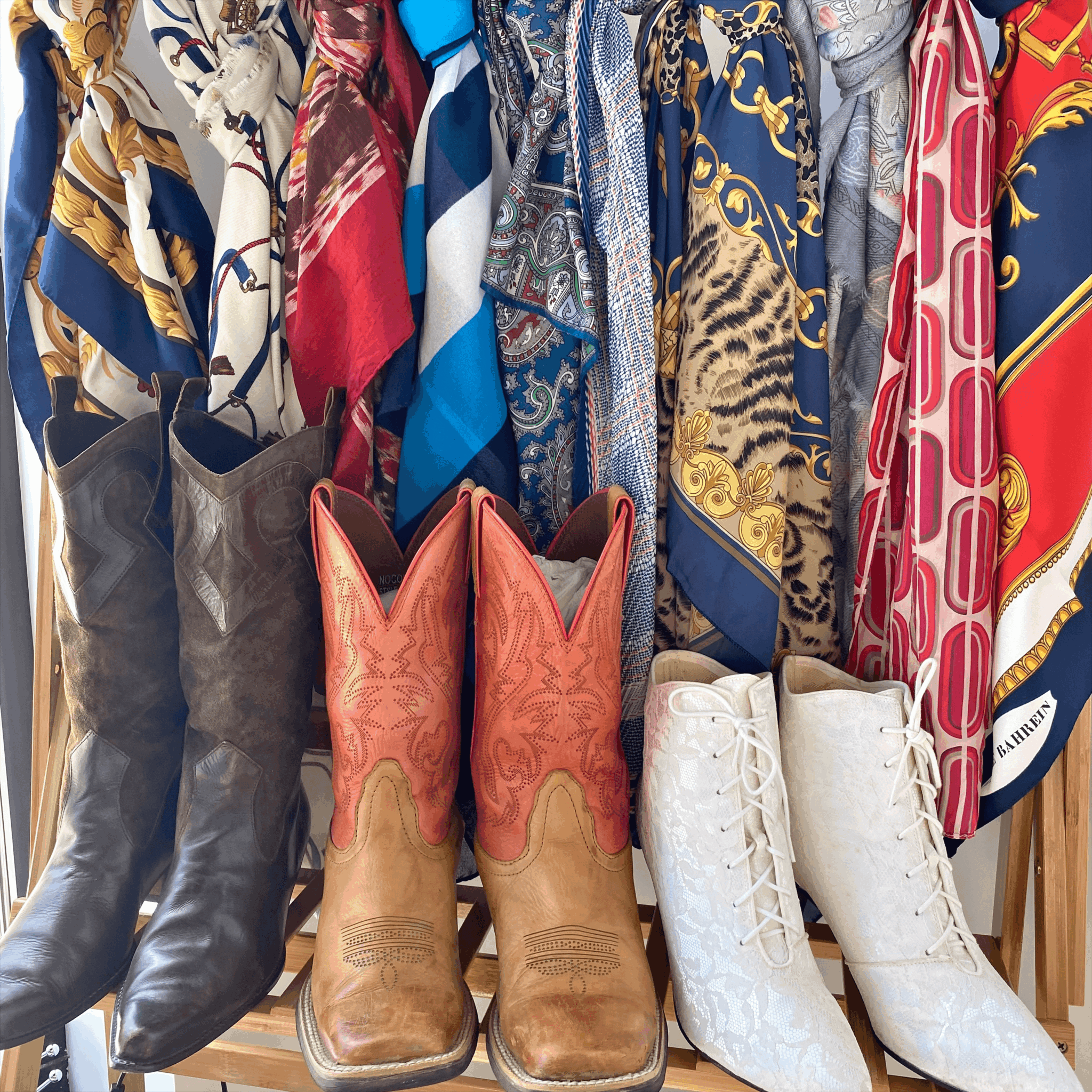
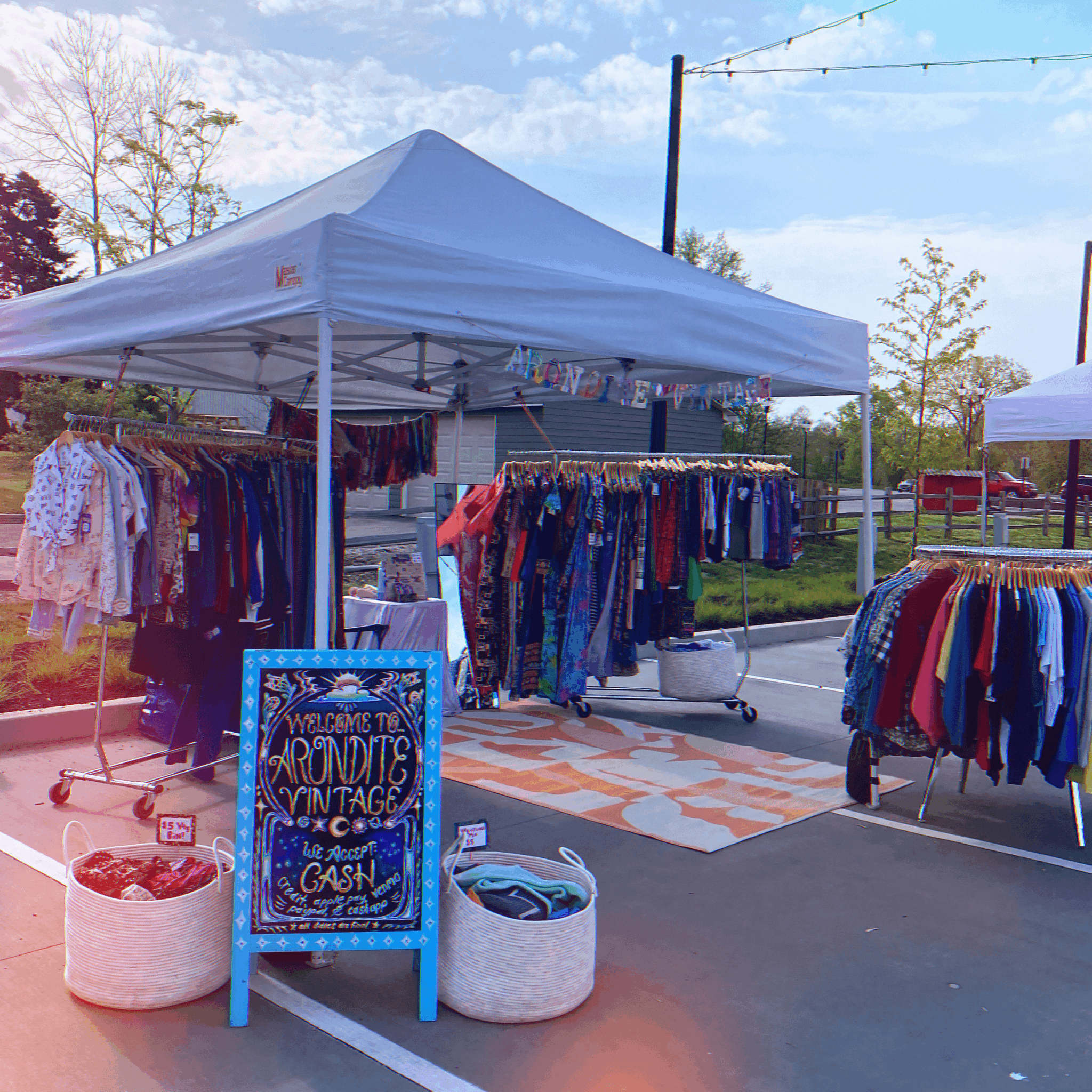
Image Credits
All were taken by me!