



We’re excited to introduce you to the always interesting and insightful Elizabeth Start. We hope you’ll enjoy our conversation with Elizabeth below.
Elizabeth, thanks for taking the time to share your stories with us today Do you have any thoughts about how to create a more inclusive workplace?
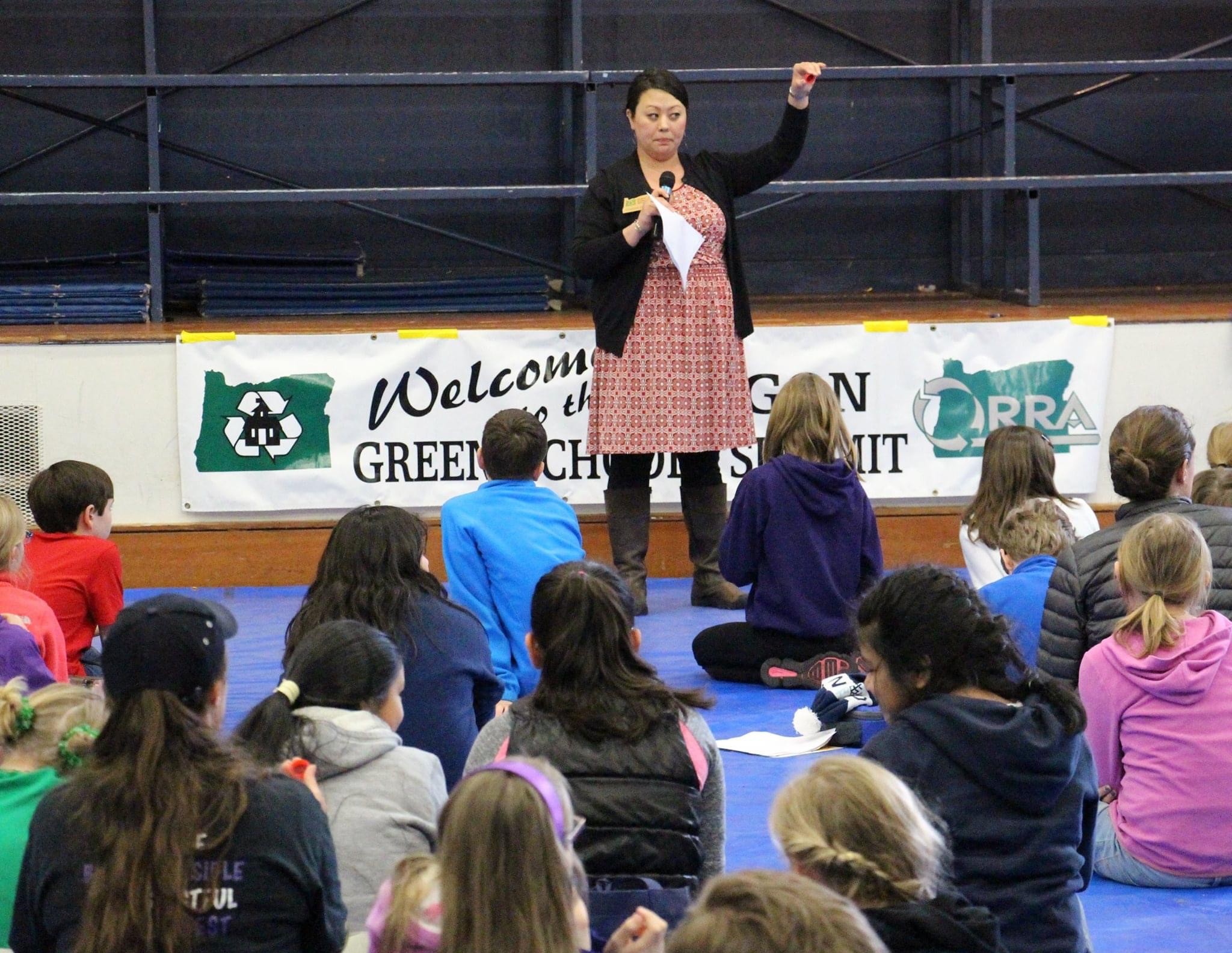
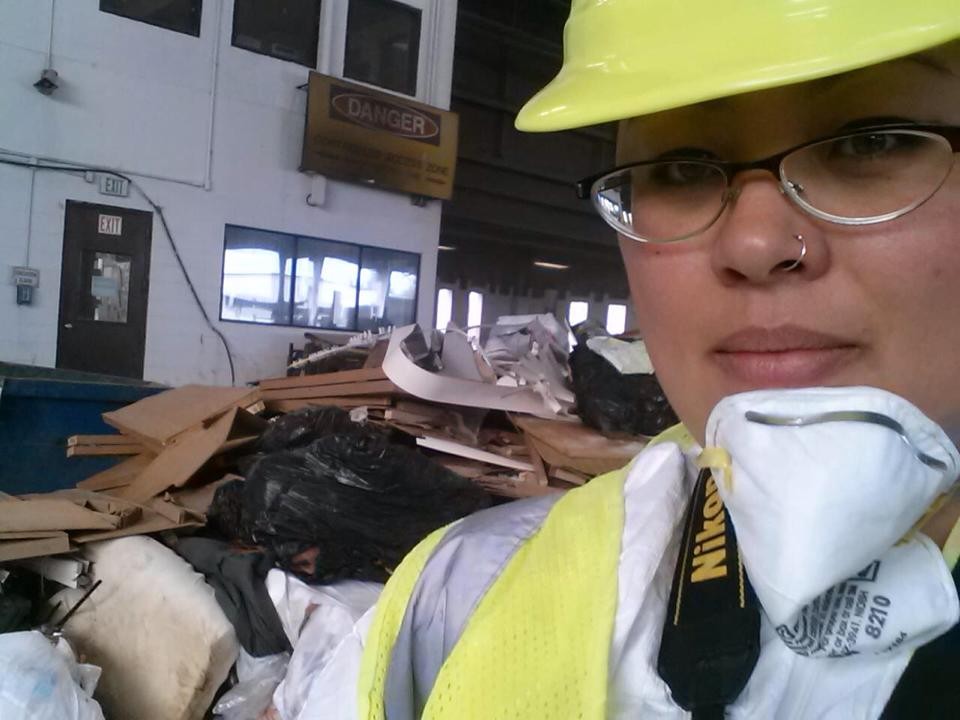
I work in environmental materials management (recycling, reuse, etc.) which has traditionally been a male-dominated field that excluded people of color and women from many roles, especially leadership. In the past, I was one of few women and the only person of color in the room. There was additional intellectual labor to ensure my voice was heard.
Years ago, in a leadership meeting, I had something to add to the topic at hand. The facilitator didn’t acknowledge my comment and went to the next person. I said, “Excuse me, I don’t think you heard me” and repeated what I said and told him it needed to be acknowledged. It was awkward, but he stopped and acknowledged what I said. By speaking up I never had that issue in those meetings again.
Elizabeth, love having you share your insights with us. Before we ask you more questions, maybe you can take a moment to introduce yourself to our readers who might have missed our earlier conversations?
In the game Two Truths and a Lie, I can generally win by saying that I was born in a helicopter. While the details are fuzzy and my mom has passed to continue to confirm more details, she would tell me that she gave birth to me en route to a bigger hospital from an American Army base in South Korea that was not set up for women’s health. My family came to the U.S. when my American father got stationed here. He was not part of my upbringing and left my immigrant mother to raise three kids on her own in a new country while learning a new language and culture. I was raised with an immigrant and cultural experience although I was an American citizen by birth. As a child, I idealized what I thought American culture should be and looking back wish I had celebrated my Korean cultural identity as a mixed-race kid. Now, as a mother, I try to celebrate some of that identity and not lose those ties. I am grateful for a strong mother and my cultural identity.
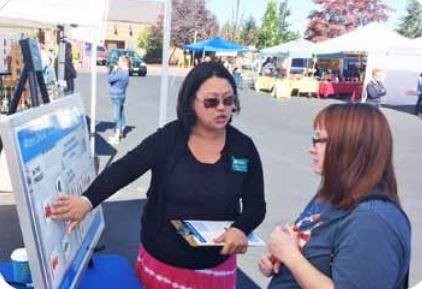
I stumbled into my industry. I went to school to do religious work and as my philosophies and ideals change, stepped away from that. As a mission-driven person, when I got into the waste and recycling industry, I gravitated towards recycling and reuse systems being accessible for everyone. My career in this field has spanned working for local government, a recycling and garbage company, running a reuse nonprofit, and most recently consulting. My consulting work is driven by working with clients to create systems that are accessible for everyone, especially communities of color and people living with low-incomes who traditionally have been excluded from recycling and reuse.
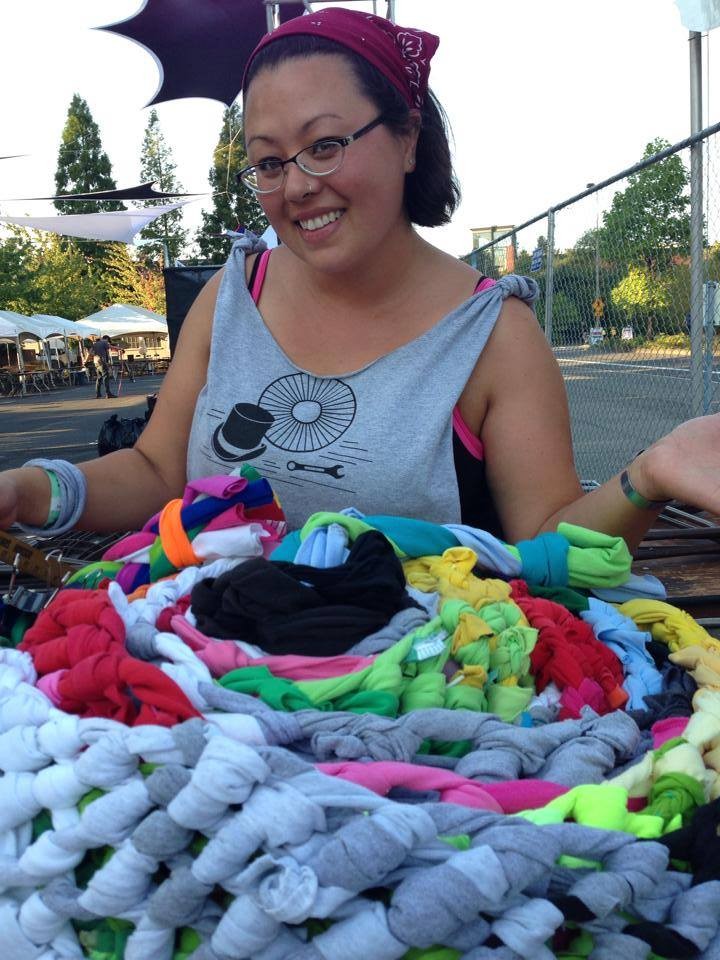
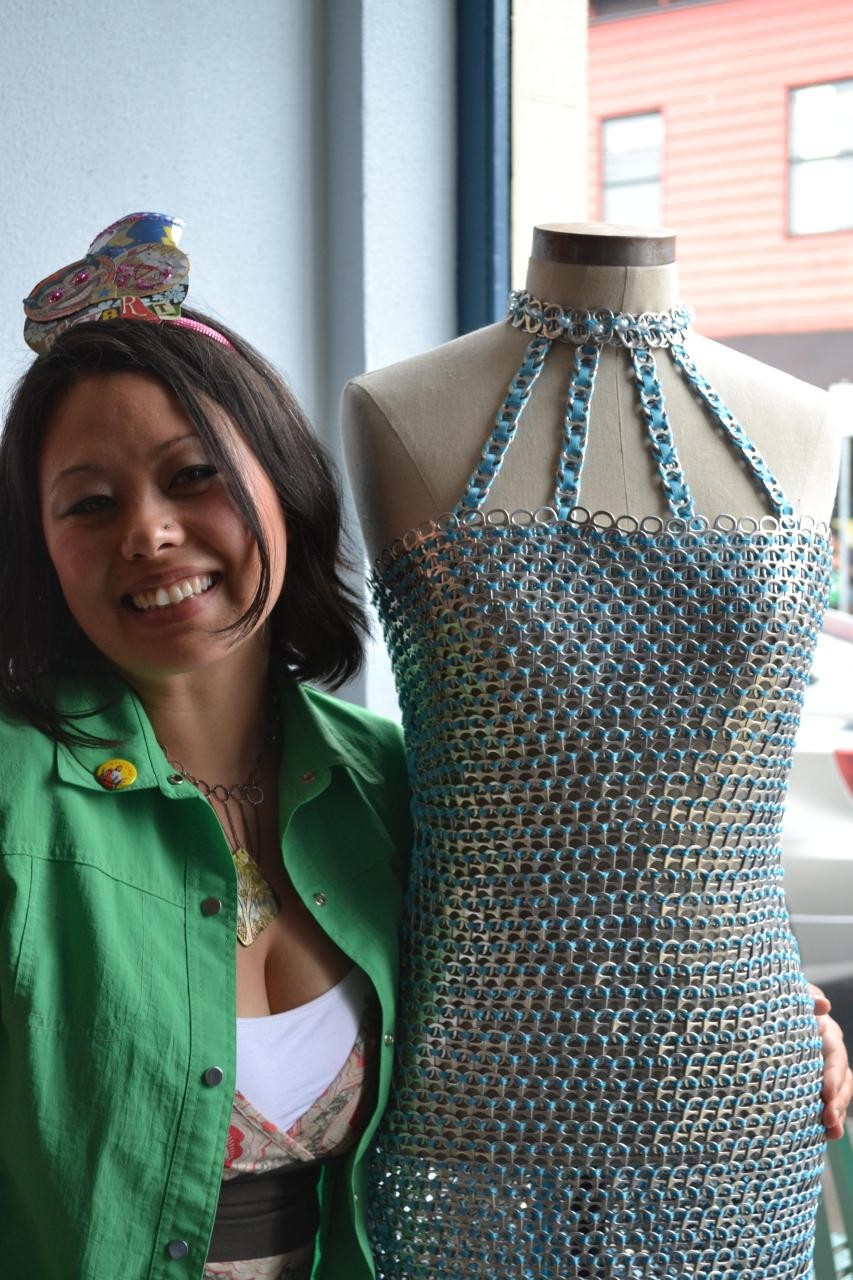
As adulthood strikes, we lose our moments of creativity. Surprisingly, my love for creating things was reinvigorated by an upcycling project I was part of for work. We hosted one of the first “trash fashion” shows with outfits made from discarded materials. This project was the spark I needed to create. I started with making gowns made from items like discarded Tyvek envelopes, soda cans, pull tabs, and bicycle inner tubes.
I am a magpie who collects shiny objects I find on the side of the road or garbage. I am a mixed media artist who works with non-traditional materials. Creating things has been a great outlet for me to balance some of the deep work I do in my consulting practice.
I am most proud of my work in creating an intersection for accessible and equitable recycling and reuse systems and making people feel seen in my consulting work.
How’d you build such a strong reputation within your market?
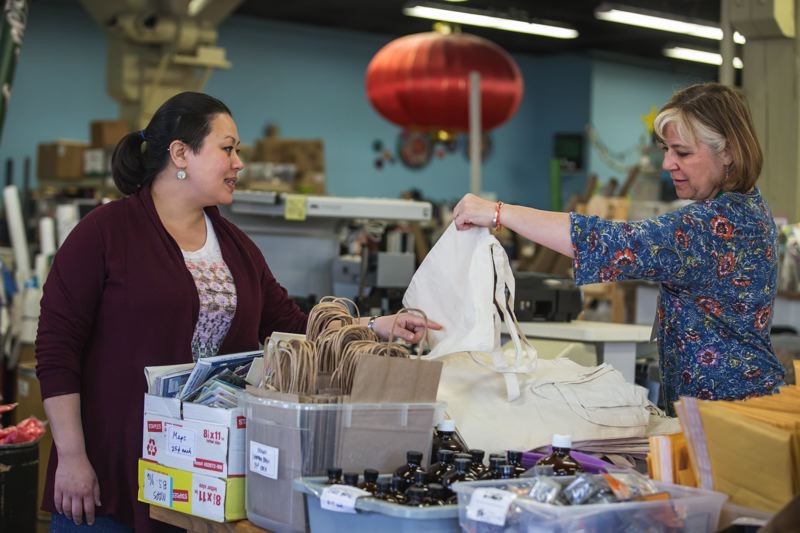
My reputation in my market is based on a focus on equity inclusion and accessibility. Early in my career, I saw that people of color and people with low-incomes living in apartments or renting their homes didn’t have access to recycling systems. Sustainability was (and still is) marketed as a privilege to those who could afford to buy “green” products. I worked on pilot programs and engagement strategies to make recycling systems more accessible and was vocal about this gap in my industry.
Another area that built my reputation in my market/industry, was my work at a Portland-based creative reuse center. Along with equitable systems, I worked towards building stronger systems of reuse and waste prevention to keep materials in circulation longer instead of looking at recycling as the solution.
Being an advocate for accessible systems along with my broad background in many sectors of my field positioned me to move into consulting. My reputation as a person who cares deeply about equity and inclusion and passionate about reuse has helped me with clients and projects to improve these systems.
Let’s talk about resilience next – do you have a story you can share with us?
Being raised by a strong mother has been foundational to my resilience. That resilience came into play when my brother was killed in action in Iraq while serving in the Army. He and I were very close and talked on the phone every day leading up to his deployment. The grief I experienced in losing my brother and friends was immense. The process of military funerals and making arrangements for his return while processing my grief required that I pull all of my resilience to make it through a challenging time for me and my family. This resilience has helped me know that when I face challenges in life, I can make it through.
Contact Info:
- Website: startsustainability.com
- Instagram: https://www.instagram.com/restartsomethinggood/
- Linkedin: https://www.linkedin.com/in/elizabethstart/
Image Credits
pdx trib liz and marion.jpg photo credit – Portland Tribune (I can’t find the photog name but paid for rights to use photo)