

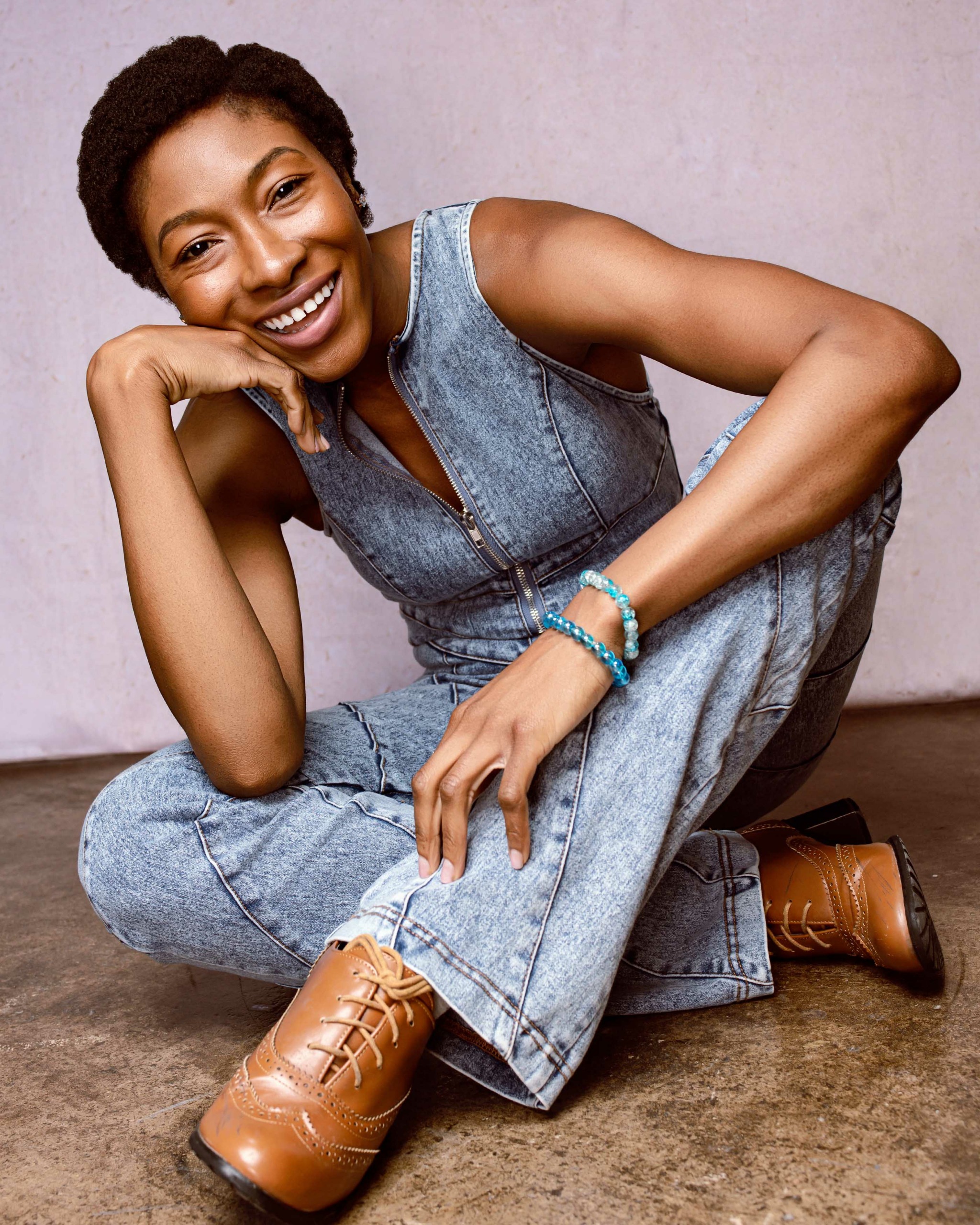

We were lucky to catch up with Elizabeth Akudugu recently and have shared our conversation below.
Alright, Elizabeth thanks for taking the time to share your stories and insights with us today. We’d love to hear about a project that you’ve worked on that’s meant a lot to you.
The most meaningful project I’ve worked on so far is a devised piece called, “The Widow.” To give a little backstory, I happen to have attended a high school with an exceptional musical theater program, and so, fell deeply in love with the genre – performing it, watching it, you name it! Fast-forward to years later, when I became a professional actor, I got the opportunity to audition for a musical at a prestigious theater in Cape Town, whilst also reading for a role for an emerging playwrights festival (coincidentally at the same theater, but on a much smaller scale, so to speak.) I was then both fortunate and unlucky enough to have received offers for both projects and therefore had a decision to make. Even though this would’ve been my first professional opportunity to perform in a musical (one that was highly publicized, to boot,) I opted for the straight play instead. Truth is, I felt the story had more substance and was drawn to it. Suddenly, the playwright decided to pull his play for personal reasons, and we were reduced to one director, four actors, and zero plays. Then our director, Siphokazi Jonas, was struck with the wonderful idea to take inspiration from transcripts of interviews from a widow’s support group and devise our own play. The thing is, many of us take for granted the stigma that comes with widowhood – particularly in an African context where, in some cases, women are blamed for the deaths of their husbands. The list of accusations can range anywhere from negligence to witchcraft, and a lot of these women are left to pick up the pieces of their shattered homes without much support. So, we devised a (fictional) story inspired by their many voices. I think there was already a sense that what we were doing was an act of service, but what cemented that notion was when some of the women whose stories we drew our inspiration from, came to watch our closing performance. During the post-show talkback, many expressed their gratitude, but what I still remember vividly was when one lady noted how moved she was by our ability to put into words what she could not express of her own experience. I left South Africa not long afterwards, and though there seemed to be enough interest in the play that it was redeveloped for another run, being part of its original inception will always be special to me.
As always, we appreciate you sharing your insights and we’ve got a few more questions for you, but before we get to all of that can you take a minute to introduce yourself and give our readers some of your background and context?
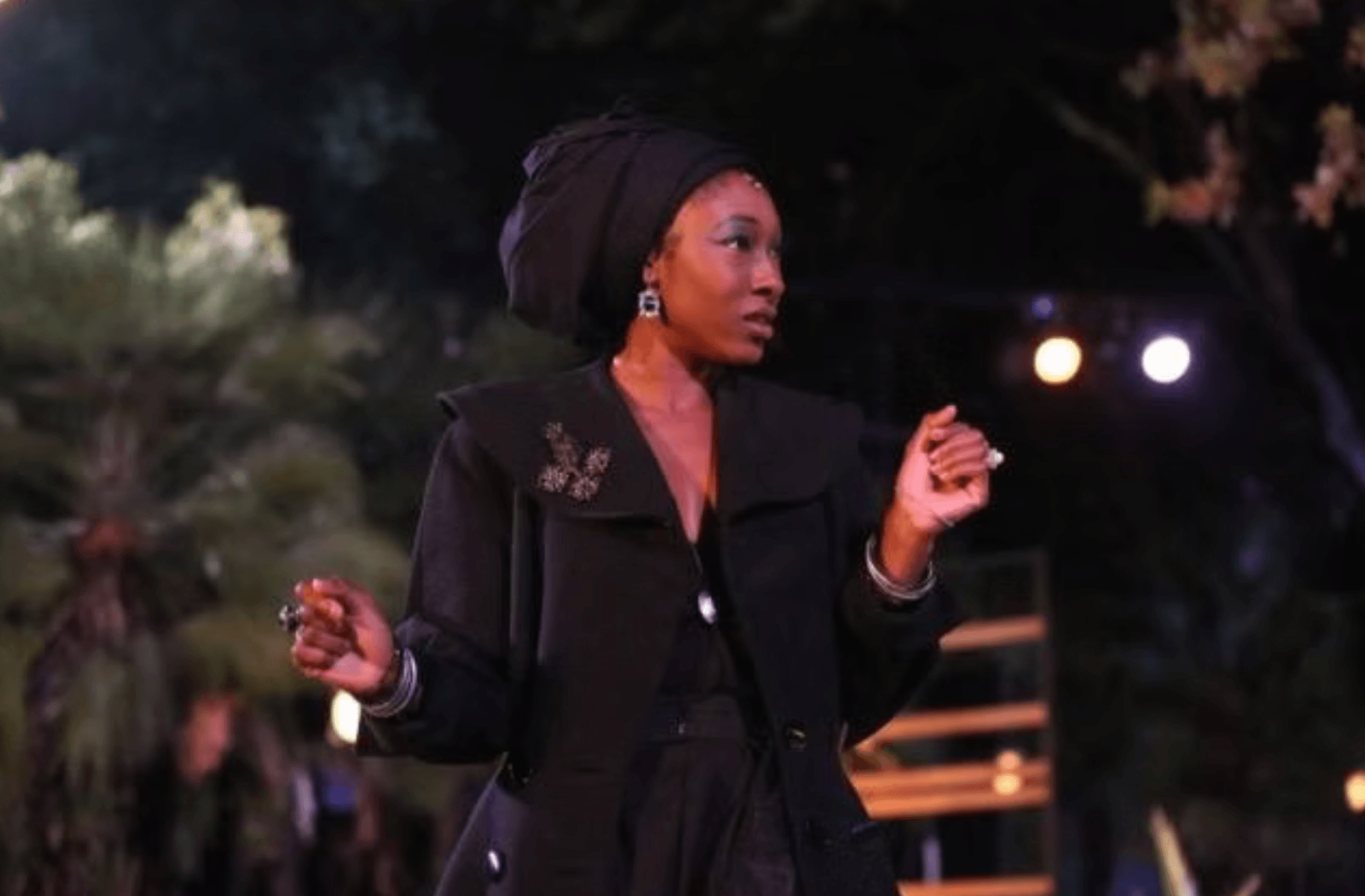
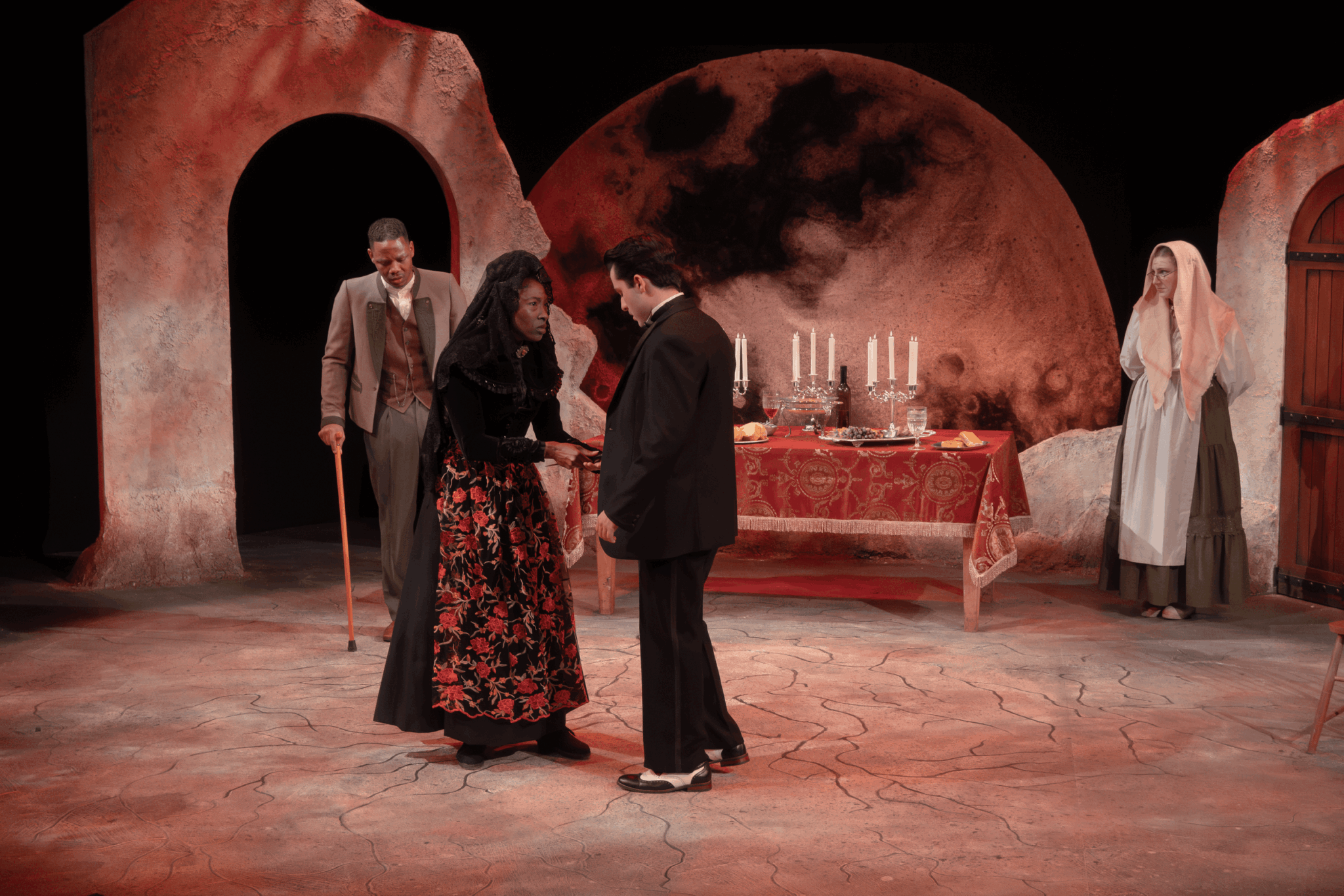
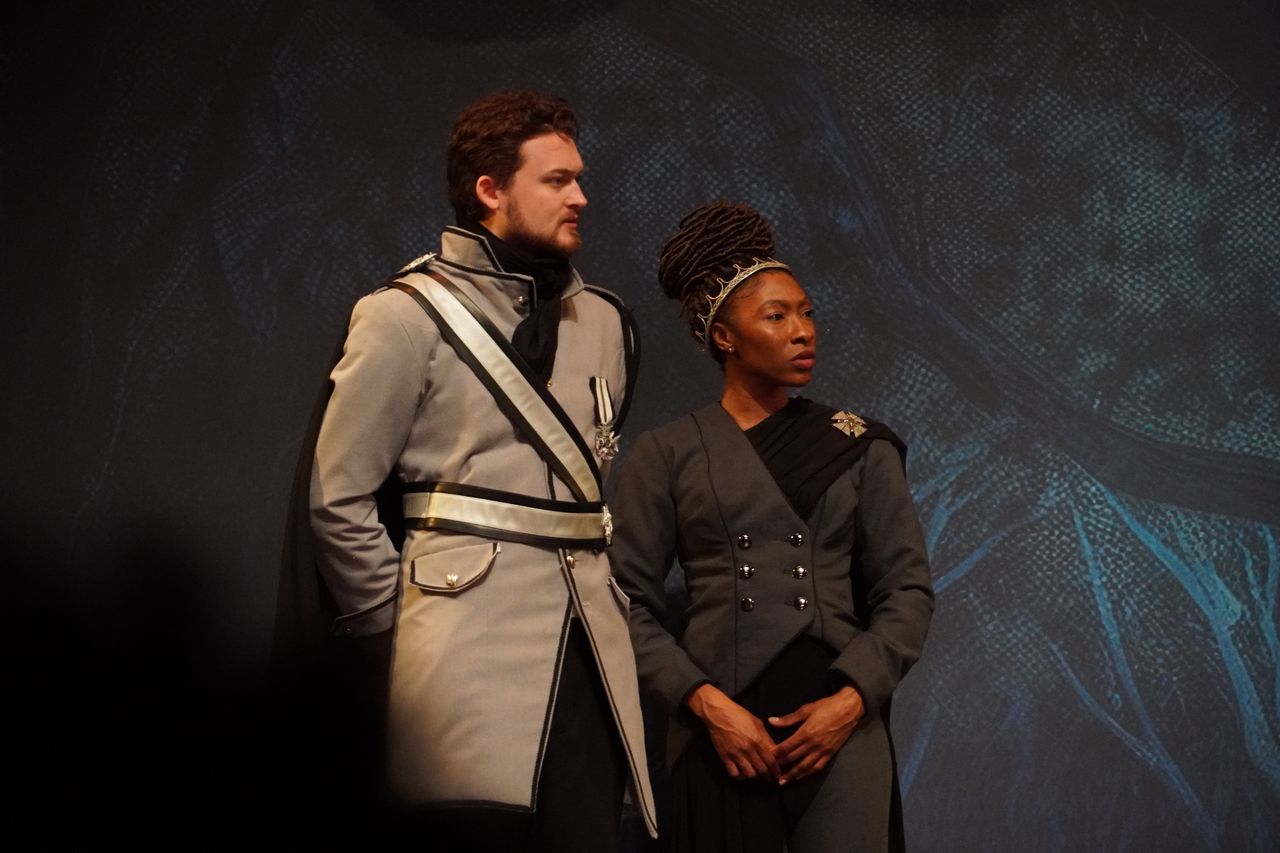
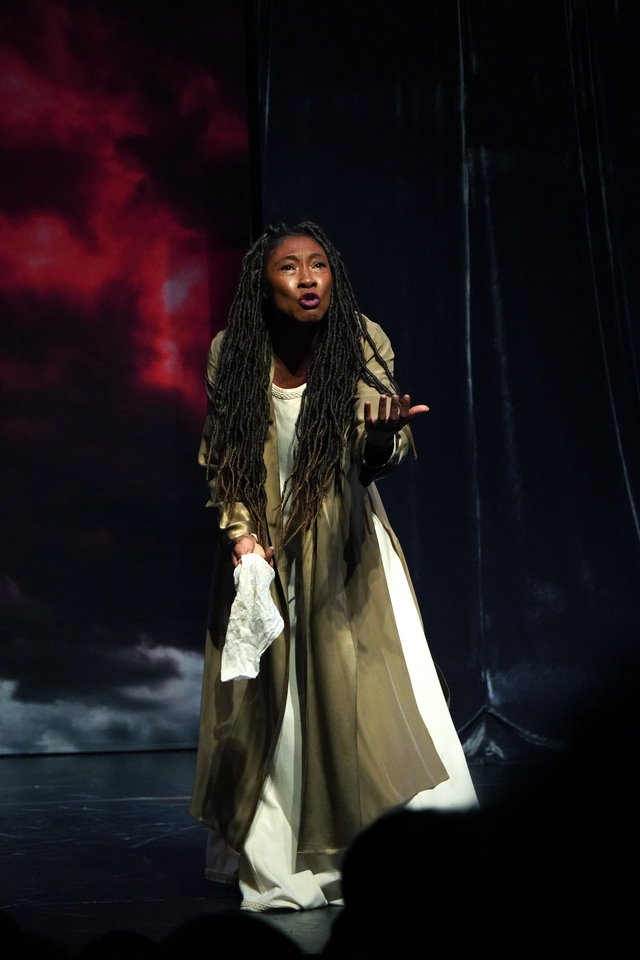
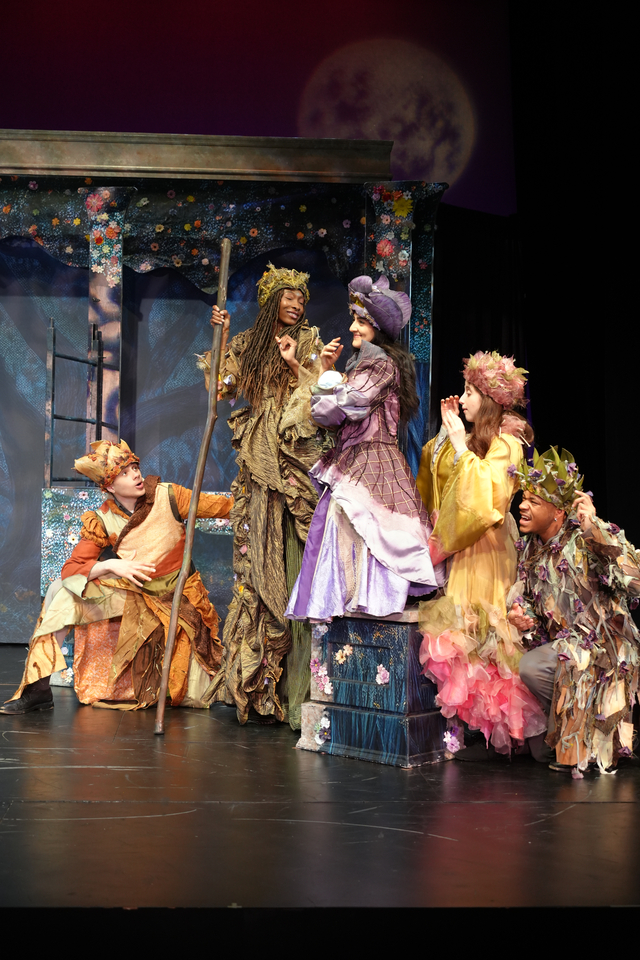
When I was growing up, becoming an actor was not on the list of careers I’d imagined myself in as an adult. To be frank, I don’t even think “actor” registered as a job. However, I remember having somewhat of an obsession with a Ghanaian children’s TV program called By the Fireside. (My mom would have to record the episodes on VHS, so I could immediately rewatch them because my young 3- or 4-year-old brain did not understand why the program had an end.) Essentially, By the Fireside involved the telling and reenacting of different Ghanaian folk tales (particularly those featuring Anansi the Spider.) Even years after my family left Ghana, I would find myself getting up on my feet and, à la By the Fireside, recreating moments from movies I’d seen or stories I’d made up in my head. It wasn’t until my family moved to the US during high school, that I was able to fully express that side of myself. My school offered theatre as a course and the thought alone of being able to take that class spoke directly to my soul! Up until then, I was certain I was going to do something involving the sciences (one of my former teachers had even nicknamed me “Doc”,) but hadn’t quite decided which branch of science to pursue. Well, I was thrust full force into the world of theater and studying it after high school was the logical next step for me. So, I did it. I got my Bachelor’s in Theatre and Performance at the University of Cape Town (UCT) and worked professionally as an actor for a few years. Since I felt the need to more richly hone my craft, I decided to attend a graduate acting program. So, I hit pause on my acting career – in a manner of speaking – and went to teach drama to children in China. My initial plan was to make enough money to pay off my undergraduate debt as well as the cost of grad school. What I did not count on though, was how fulfilling teaching would be! After three years in China, it was time; so, I moved back to the US and attended Southern Methodist University in Dallas, Texas, where I got my MFA in Acting. I also taught during grad school and confirmed that my love for teaching was still in full bloom. After graduating, I transitioned back into the professional sphere, both as an educator and an actor. I have spent the entirety of the last year attached to the theatre world in many forms: as a teaching artist, a dresser, a box office associate, and most recently as a member of Shakespeare LIVE! – the Shakespeare Theatre of New Jersey’s educational touring company – where I played Lady Macbeth in Macbeth and Titania/Hippolyta in A Midsummer Night’s Dream. Shakespeare LIVE! performed for over 13,000 people (the majority being students) across New Jersey, New York, Pennsylvania, and Maryland. For many of the students, this was their first introduction to the Bard, so being able to gift them that experience (and seeing how receptive and engaged they were with the material) really reinforced why I do what I do both as a performer and an educator.
What can society do to ensure an environment that’s helpful to artists and creatives?
I think one of the things that society can do in support of artists/creatives is to unlearn the notion that we are all hobbyists. Now, this is not to say that hobbyists don’t exist. However, in this context, the idea that creative careers (particularly ones that are for the most part dependent on real, organic, humans) are not “real” jobs is the root of several of the struggles we are faced with daily. Apart from the fact that being told one doesn’t have a “real job” annihilates morale, one of the most disheartening effects of this way of thinking, in my opinion, is the severe underpayment of most creatives – (staying in my lane) particularly non-unionized performers. Even within unions, the gap between high earners and low earners is extremely lopsided. I listened to a podcast few years ago where they gathered statistics that shared something like only 5% of unionized screen actors (at the time) made enough to live solely off their acting work. I am sure that now, as trends are changing, that number has diminished. I might be naïve, but if there was a social shift in this way of thinking, perhaps there may come a time when a systemic shift follows suit.
Any resources you can share with us that might be helpful to other creatives?
Yes. As someone who thought she may have to miss out on professional training due to a lack of finances, the URTA’s were brought to my attention at the perfect time. URTA stands for the University Resident Theatre Association, and every year they run a program that permits actors seeking professional training to audition in front of a panel of representatives from various graduate schools across the US (as well as a few in Europe.) The auditions are held both in person and virtually. In my case, for instance, I was living in China at the time of my URTA audition. Another perk (because I know how expensive applying to, let alone attending, traditional programs can be) is that URTA allows you to pay a blanket registration fee for all the programs in your audition slot. From my experience during the callback stage, some schools require that you submit an application through their main university portal, and if an additional registration fee is needed, the representatives will typically provide you with a few waiver. In addition, there are several strong tuition-free training programs, as well as others that offer competitive financial packages, Teaching Assistantships, and health/dental/vision insurance. It often breaks my heart when I see artists share their struggles about financial hurdles getting in their way as they pursue professional acting training. So, I hope highlighting URTA’s program may help someone find the answer that they are looking for.
Contact Info:
- Website: https://elizabethakudugu.com
- Instagram: elizabeth_akudugu
- Linkedin: Elizabeth Akudugu
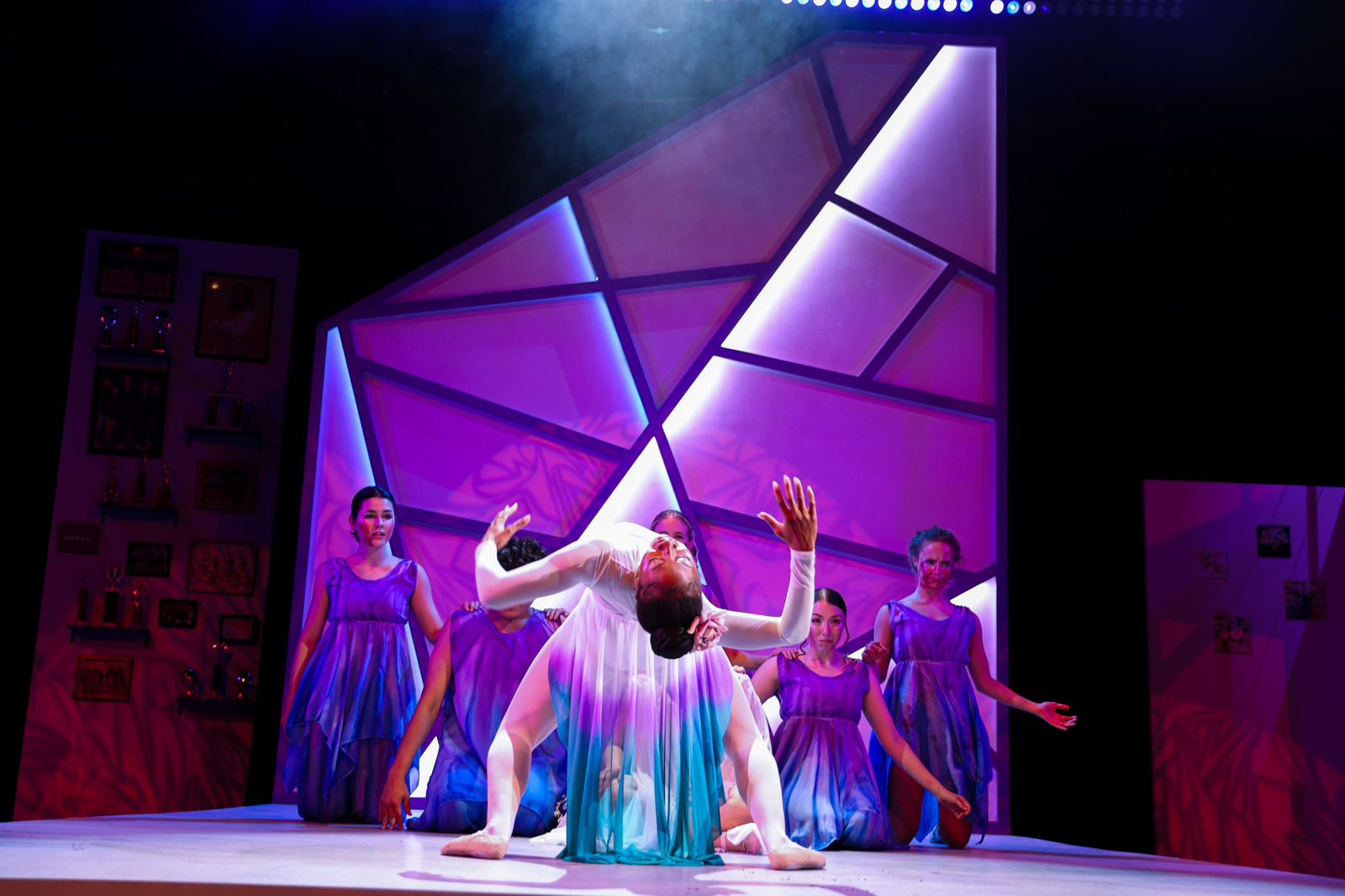
Image Credits
Personal Photo _ Jordan Fraker
Twelfth Night_ Pat Bromilow-Downing
Blood Wedding _ Linda Blase
A Midsummer Night’s Dream / Macbeth _ Daphne Sardis
Constellations _ Linda Blase
King Lear _ Shafkat Anowar
Dance Nation _ Drew Schoenhofer