We’re excited to introduce you to the always interesting and insightful Elisabeth Anumele. We hope you’ll enjoy our conversation with Elisabeth below.
Elisabeth, thanks for taking the time to share your stories with us today What’s the backstory behind how you came up with the idea for your business?
AdaFlow Foundation was born from both my personal experiences and what I witnessed as an educator.
For years, I struggled with fibroids and heavy menstrual cycles. I understand the physical discomfort, emotional stress, and financial burden that can come with managing menstrual health. It wasn’t until I became a middle school teacher that I truly saw the depth of the problem and how many young girls were suffering in silence.
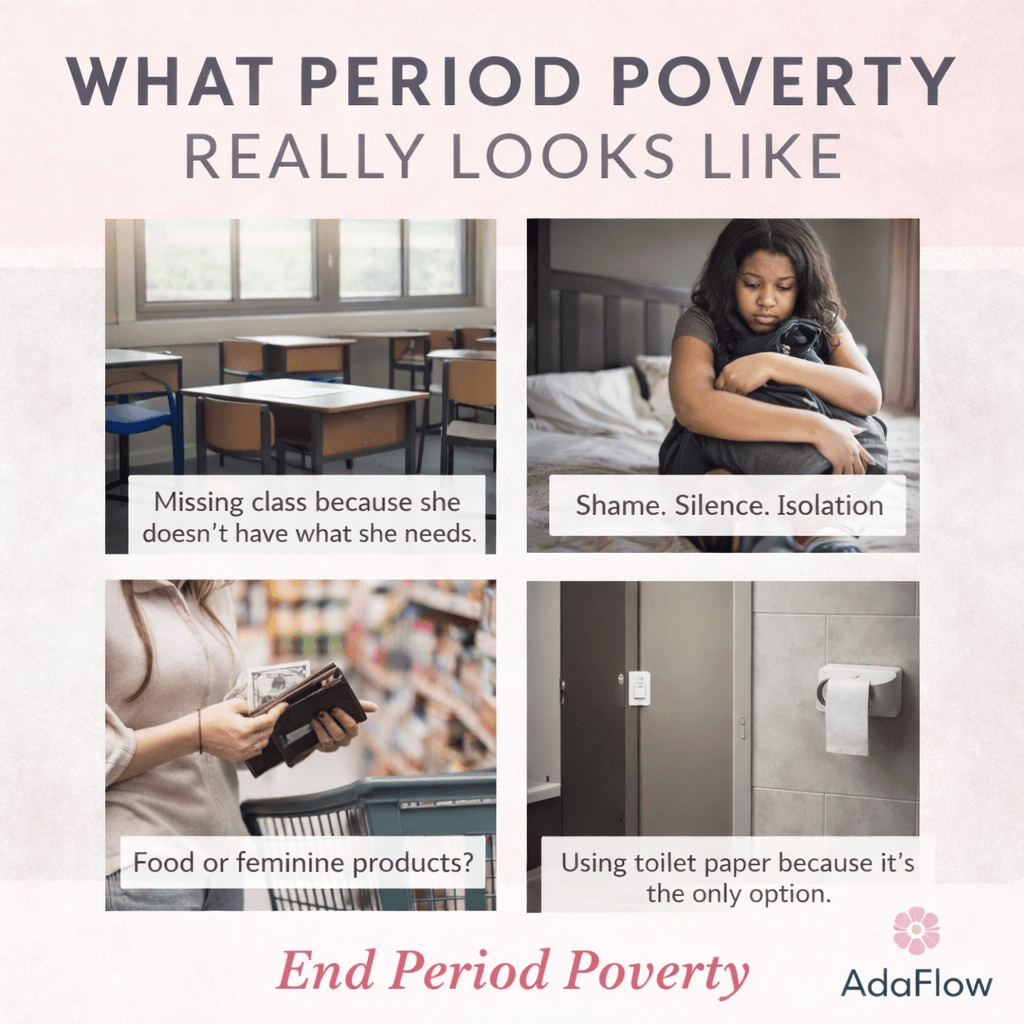
During my time teaching middle school, one thing became impossible to ignore: girls were constantly coming to my classroom asking for pads. At first, it was an occasional request. Then it became a regular occurrence. I started keeping menstrual products in my classroom because I never wanted a student to feel embarrassed or unprepared. What broke my heart was realizing that many of these girls weren’t forgetting products at home—they simply didn’t have access to them.
I began noticing patterns. Some girls would miss school during their periods. Others would come to class visibly uncomfortable, distracted, or anxious because they were worried about leaking through their clothes. Some were trying to make products last longer than they should because they didn’t know when they’d be able to get more. As a teacher, I knew that when a student isn’t physically comfortable, it’s difficult for them to focus on learning.
Watching this happen day after day stirred something in me emotionally. These were bright, talented, capable young girls whose education and confidence were being impacted by a basic need that should never be a barrier to success.
I found myself asking, “How many opportunities are being missed because a girl doesn’t have access to menstrual products? How many classroom lessons, tests, field trips, and memories are being lost because she’s staying home?”
Those questions stayed with me.
At the same time, I reflected on my own journey with fibroids and menstrual health challenges. I realized that while my struggles were difficult, I had resources and support that many young girls did not. The combination of my personal experience and what I witnessed in my classroom made it impossible for me to look away.
That’s when the vision for AdaFlow Foundation was born. The name AdaFlow is deeply personal and rooted in both identity and purpose. “Ada” is an Igbo name that means “first daughter.” As a first and only daughter myself, the name reflects leadership, responsibility, nurturing, and service to others—values that have shaped who I am and how I show up in my community.
“Flow” represents more than menstruation. It symbolizes movement, access, confidence, opportunity, and the ability for girls and women to move through life without barriers. It reflects our vision of creating a world where periods never prevent a girl from attending school, pursuing her dreams, or living with dignity.
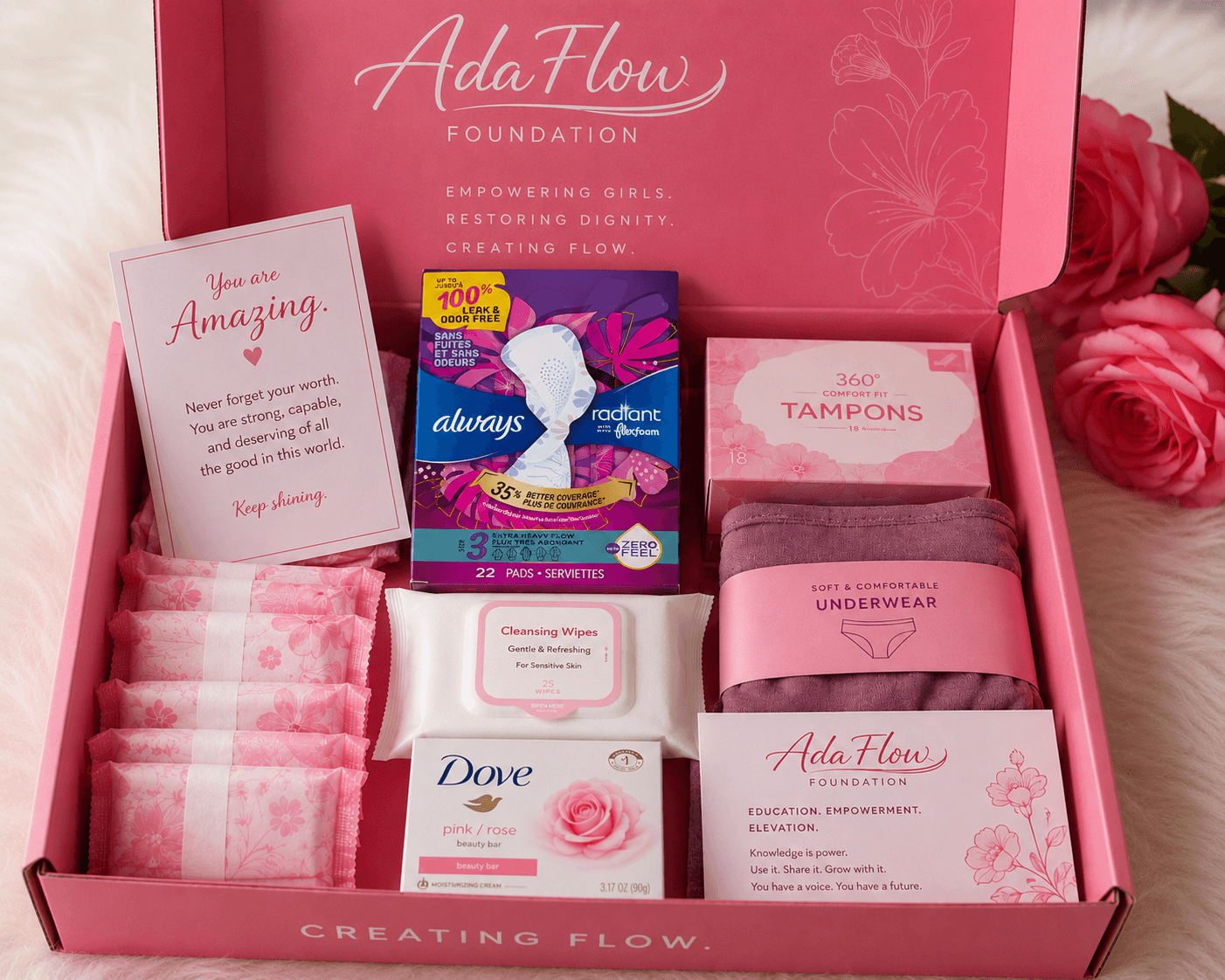
I didn’t want to simply provide pads. I wanted to create something that restored dignity, confidence, and hope. I wanted girls to know they mattered. That’s why AdaFlow boxes include menstrual products, hygiene essentials, educational resources, and encouraging messages. Every box is designed to meet both a physical need and an emotional one.
What excited me most was that we weren’t just handing out products—we were removing barriers. We were helping girls stay in school, participate in activities, protect their health, and maintain their confidence. We were creating opportunities.
From a practical standpoint, I knew this was a worthwhile endeavor because the need was already standing right in front of me every day. I didn’t have to search for evidence. I saw it in the faces of my students. I heard it in their requests. I witnessed it in their absences.
While there are organizations working to address period poverty, the need remains enormous. I believed AdaFlow could make a difference by combining access, education, empowerment, and compassion in a way that truly centers the dignity of girls and young women.
What started as a teacher keeping pads in her classroom has grown into a mission to ensure that no girl has to choose between her education and her period.
Today, AdaFlow Foundation exists because I saw a problem, felt called to act, and refused to believe that something as natural as menstruation should prevent a girl from reaching her full potential. Every box we distribute represents more than supplies—it represents dignity, opportunity, confidence, and the belief that every girl deserves to thrive.
Elisabeth, before we move on to more of these sorts of questions, can you take some time to bring our readers up to speed on you and what you do?
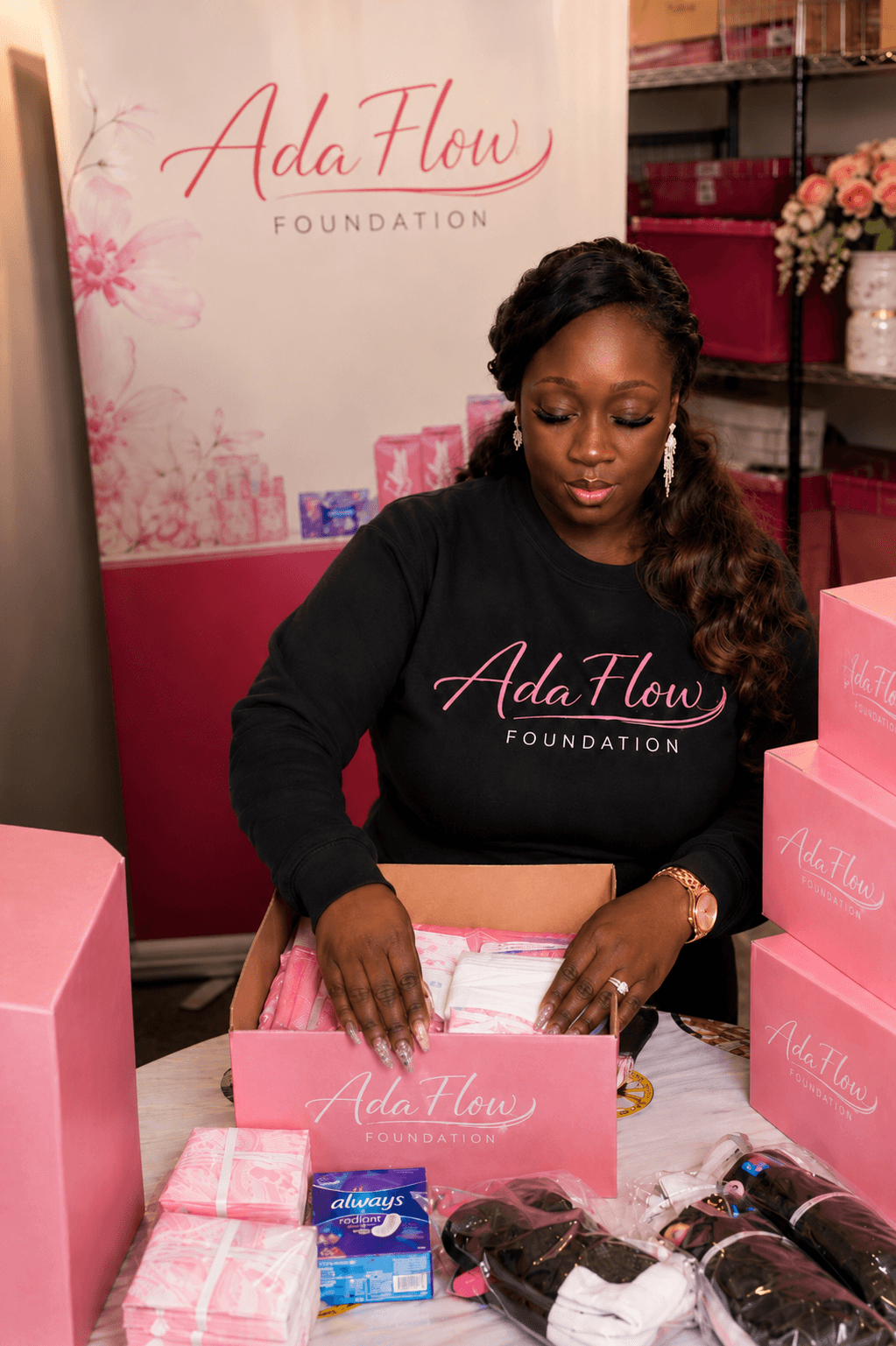
My name is Elisabeth E. Anumele, and I am an educator, author, nonprofit founder, podcaster, advocate, and community leader based in Houston, Texas. I hold a Bachelor of Arts in Political Science from Southern University and A&M College in Baton Rouge, Louisiana and a Master of Public Administration from Texas Southern University in Houston, Texas. Throughout my career, I have been passionate about creating opportunities, empowering others, and addressing issues that directly impact underserved communities.
Professionally, I spent several years in public education teaching both elementary and middle school students. While teaching middle school, I encountered a problem that would ultimately change the trajectory of my life. Girls frequently came to my classroom asking for menstrual products. At first, I thought it was an occasional need, but I quickly realized it was much more significant. Some students were missing school because they were on their periods and didn’t have access to basic hygiene products. Others were distracted, uncomfortable, or embarrassed because they were trying to manage their menstrual cycles without adequate resources.
As an educator, I understood that students cannot perform at their best when their basic needs are unmet. As a woman who had personally struggled with fibroids and heavy menstrual cycles, I understood their challenges on a deeper level. I began keeping pads in my classroom because I never wanted a student to feel helpless or unsupported. Over time, I realized that what I was witnessing wasn’t simply an inconvenience—it was a widespread issue known as period poverty.
That realization led to the creation of AdaFlow Foundation, a nonprofit organization dedicated to combating period poverty through access, education, and empowerment.
Through the AdaFlow Foundation, we provide menstrual care boxes filled with essential hygiene products such as pads, tampons, wipes, soap, underwear, and educational resources. However, our work extends beyond products. We strive to restore dignity, reduce stigma surrounding menstruation, increase awareness about menstrual health, and ensure that girls have the support they need to stay in school and thrive.
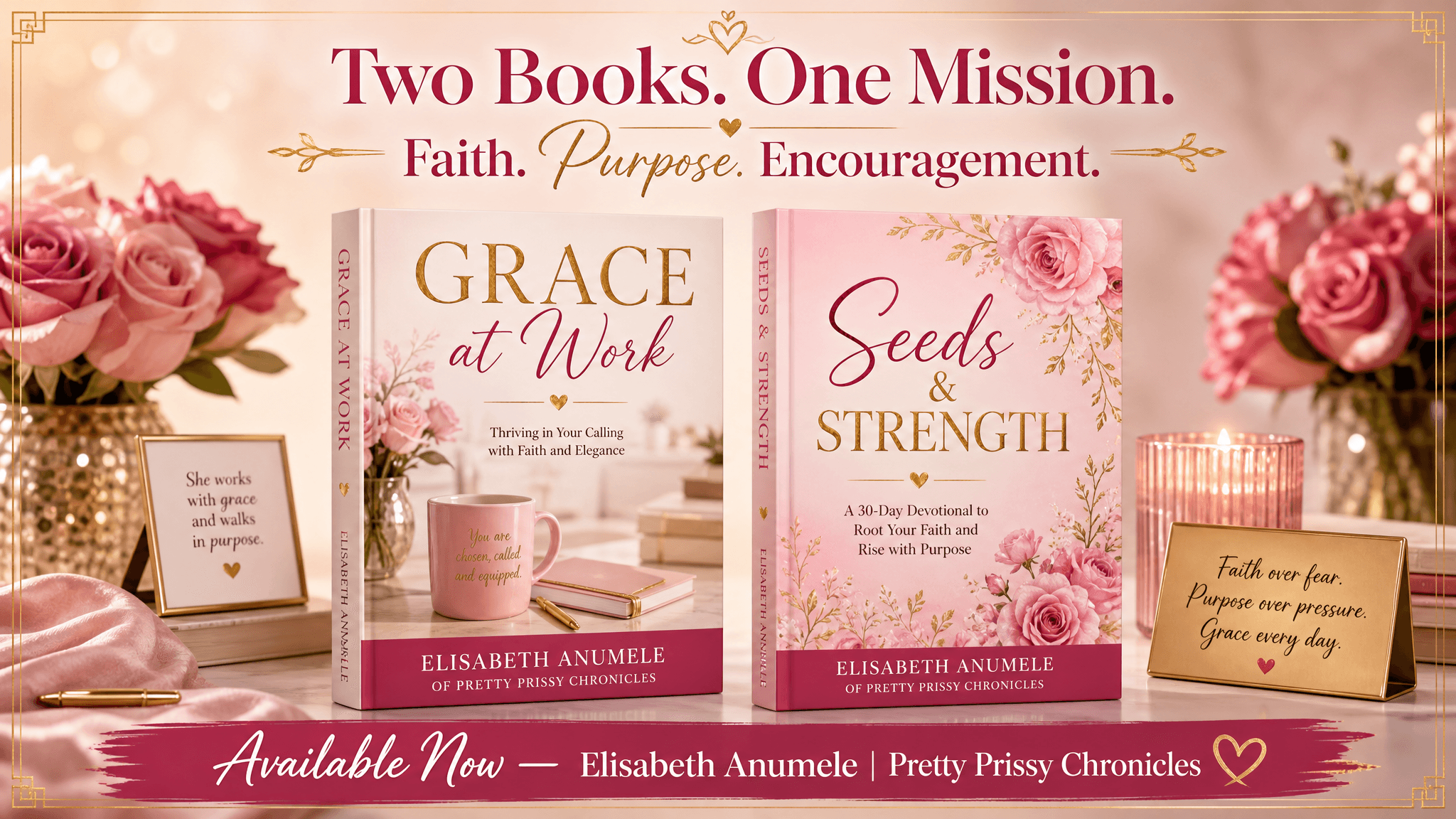
In addition to my nonprofit work, I am also an author of faith-based devotionals and educational resources, including Seeds & Strength and Grace at Work. Through my podcast, Pretty Prissy Chronicles, I engage in meaningful conversations about education, culture, faith, politics, personal growth, and community issues. Across all of my platforms and ventures, my mission remains the same: to educate, empower, and inspire.
What sets me apart is that my work is rooted in lived experience. I am not addressing problems from a distance; I have experienced many of them firsthand. Whether it is navigating health challenges, advocating for educators, supporting young women, or building a nonprofit from the ground up, I lead with authenticity, compassion, and a genuine desire to serve.
The accomplishment I am most proud of is turning a problem I witnessed every day into a purpose-driven movement. What began as keeping a small supply of pads in my classroom has grown into a mission to help girls maintain their dignity, confidence, and educational opportunities.
More than anything, I want people to know that AdaFlow Foundation is about more than menstrual products. It is about creating access, restoring confidence, and ensuring that no girl has to choose between her education and her period. Every box we distribute represents hope, opportunity, and the belief that every girl deserves the chance to reach her full potential.
At the heart of everything I do is a commitment to service. Whether through education, advocacy, writing, nonprofit leadership, or community engagement, my goal is simple: to leave people and communities better than I found them.
What’s a lesson you had to unlearn and what’s the backstory?
One of the biggest lessons I had to unlearn was the belief that working harder automatically leads to being valued, protected, and/or rewarded.
For most of my life, I was the person who went above and beyond. I was taught that if you work hard, stay loyal, do the right thing, and give your all, people and organizations will recognize your dedication and do right by you in return. I carried that mindset into my career in education.
As a teacher, I poured everything into my students. I spent my own money on supplies, worked long hours, attended events, answered messages after school hours, and constantly looked for ways to help students succeed. Like many educators, I believed that if I gave my best, my efforts would be appreciated and my commitment would matter when it counted.
Then I experienced one of the most difficult seasons of my professional life when I was terminated from a position that I had worked incredibly hard to succeed in. It was painful, confusing, and honestly heartbreaking. I found myself questioning everything—my worth, my career path, and whether all of my sacrifices had mattered.
Looking back, I realize that experience forced me to unlearn the idea that my value is tied to my productivity or to other people’s approval. I learned that loyalty should never come at the expense of self-respect. I learned that being a servant leader doesn’t mean allowing yourself to be taken advantage of. Most importantly, I learned that an organization’s decision does not define my purpose.
Ironically, what felt like a devastating setback became one of the greatest turning points in my life. It pushed me to explore new opportunities, deepen my faith, launch new projects, grow AdaFlow Foundation, expand my writing and podcasting, and recognize gifts that I might never have fully pursued otherwise.
Today, I still believe in hard work. I still believe in excellence but I no longer believe that my worth is determined by how much I sacrifice or how much I can endure. I’ve learned that healthy boundaries, self-advocacy, and trusting God’s direction are just as important as dedication and perseverance.
If there’s one thing that experience taught me, it’s this: Your value is inherent. It is not earned through exhaustion, and it cannot be taken away by someone else’s decision. Sometimes the lesson isn’t learning how to work harder—it’s learning that you are already enough.
Let’s talk about resilience next – do you have a story you can share with us?
One story that best illustrates my resilience is what happened during my teaching career.
Education wasn’t just a job for me—it was a calling. I poured my heart into my students, often spending my own money on classroom supplies, staying late to prepare lessons, and doing everything I could to help children succeed. Like many educators, I believed that if I worked hard, cared deeply, and remained committed, things would work out.
Then one of the most difficult experiences of my professional life happened: I was terminated from my teaching position.
At the time, it felt devastating. I had dedicated years to education and genuinely loved working with students. I remember feeling hurt, embarrassed, angry, and uncertain about what would come next. There were moments when I questioned myself and wondered whether all of my hard work had mattered.
But instead of allowing that experience to define me, I made a decision: I would not let a setback become my ending.
While navigating the emotional and professional challenges that followed, I continued to advocate for myself. During that season, I leaned heavily on my faith. I continued writing books, growing my podcast, serving my community, and building AdaFlow Foundation. Rather than allowing disappointment to stop me, I used it as fuel. The pain became purpose.
In fact, some of my greatest accomplishments were born from one of my most difficult seasons. I launched initiatives that impact others, expanded my platform, and found new ways to serve beyond the classroom. What initially felt like a closed door became an opportunity to walk through several new ones.
That experience taught me that resilience isn’t about never falling. It’s about getting back up when life knocks you down. It’s about continuing to move forward even when the future is uncertain. It’s about believing that your purpose is bigger than your circumstances.
Today, when people ask me how I overcame that season, my answer is simple: I trusted God, I kept going, and I refused to allow one chapter of my story to determine how the rest of the book would be written.
If my journey has taught me anything, it’s that setbacks can become setups for something greater. Sometimes the very thing that breaks your heart is the thing that ultimately reveals your strength.
Contact Info:
- Website: https://www.adaflowfoundation.org
- Instagram: @adaFlow.foundation