

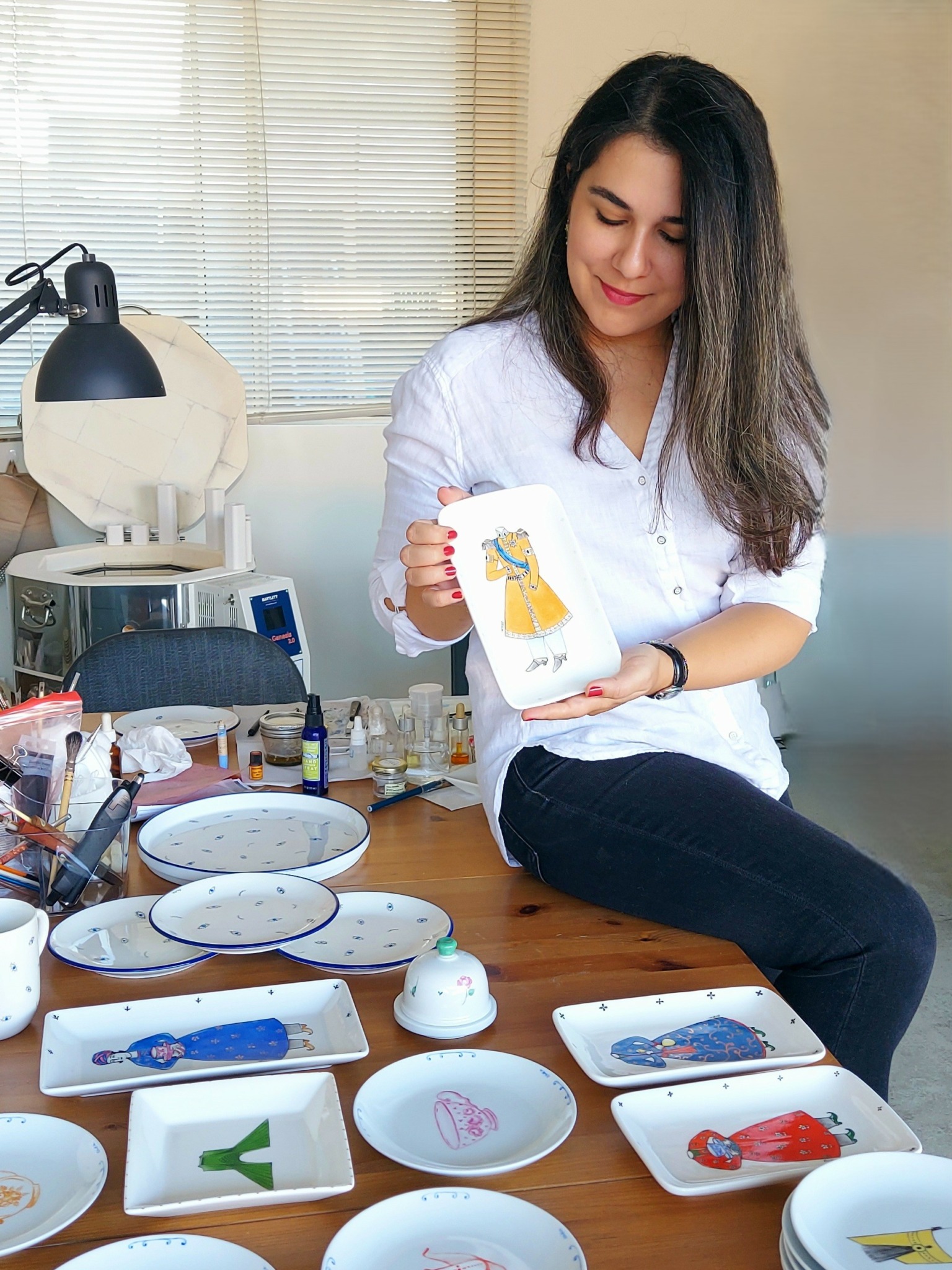

Alright – so today we’ve got the honor of introducing you to Elika Dehghani. We think you’ll enjoy our conversation, we’ve shared it below.
Elika, thanks for taking the time to share your stories with us today What’s the backstory behind how you came up with the idea for your business?
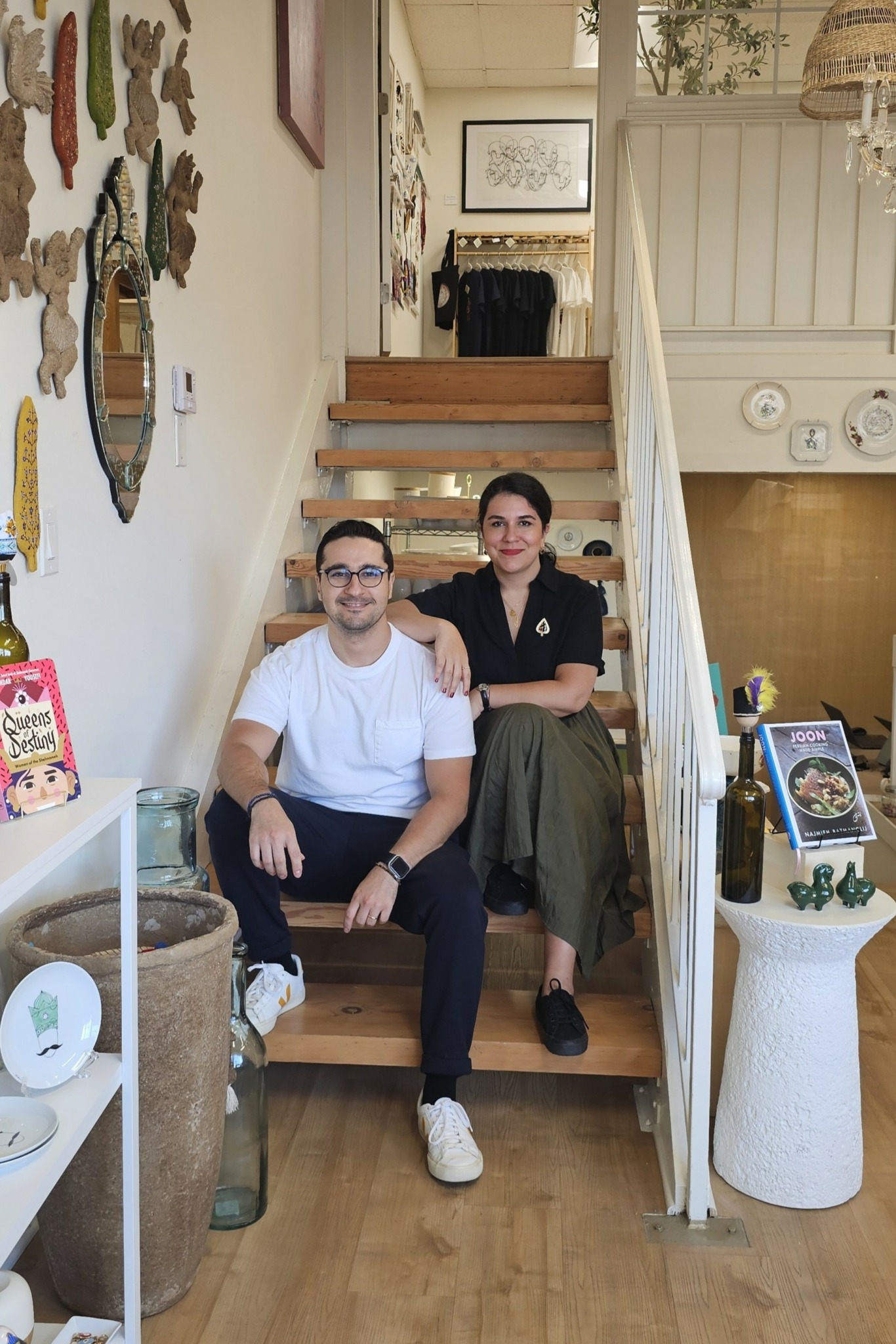
My journey as an entrepreneur grew naturally from my relationship with art and culture. Painting, ceramics, and gifting meaningful handmade pieces were creative practices of mine, but they slowly showed me that I wanted to go beyond my personal work. I wanted to create a space where Persian and Middle Eastern artistry could be seen, valued, and appreciated. I wanted to help other artists like myself to have a place where they can be their true selves, display what they create, and have the freedom to evolve their art. I could see that there was a need for spaces that honored Persian artists, especially young individuals; ones that moved beyond stereotypes and tradition, and focused on the contemporary expression of culture. Entrepreneurship became a way for me to foster two things that I love, creation and community. It was through this vision that I, alongside my husband, Ali Ghaffaripour, co-founded Diyar. Starting Diyar was less about building a “business” and more about building a home for stories, creative exchange, and where other communities can be introduced to Persian art and traditions. And so, Diyar became a space for connection between past and present, artists and art-lovers, culture and community.
As always, we appreciate you sharing your insights and we’ve got a few more questions for you, but before we get to all of that can you take a minute to introduce yourself and give our readers some of your back background and context?
My path into this work began with my background in architecture. I became deeply drawn to the handmade tiles found in traditional and historical Persian and Middle Eastern structures, and this fascination led me to explore ceramics more closely, not just as a material but as a form of storytelling and cultural expression. Over time, this evolved into working with ceramic surfaces and eventually porcelain painting, where I could combine my detailed eye and hand-crafted artistry.
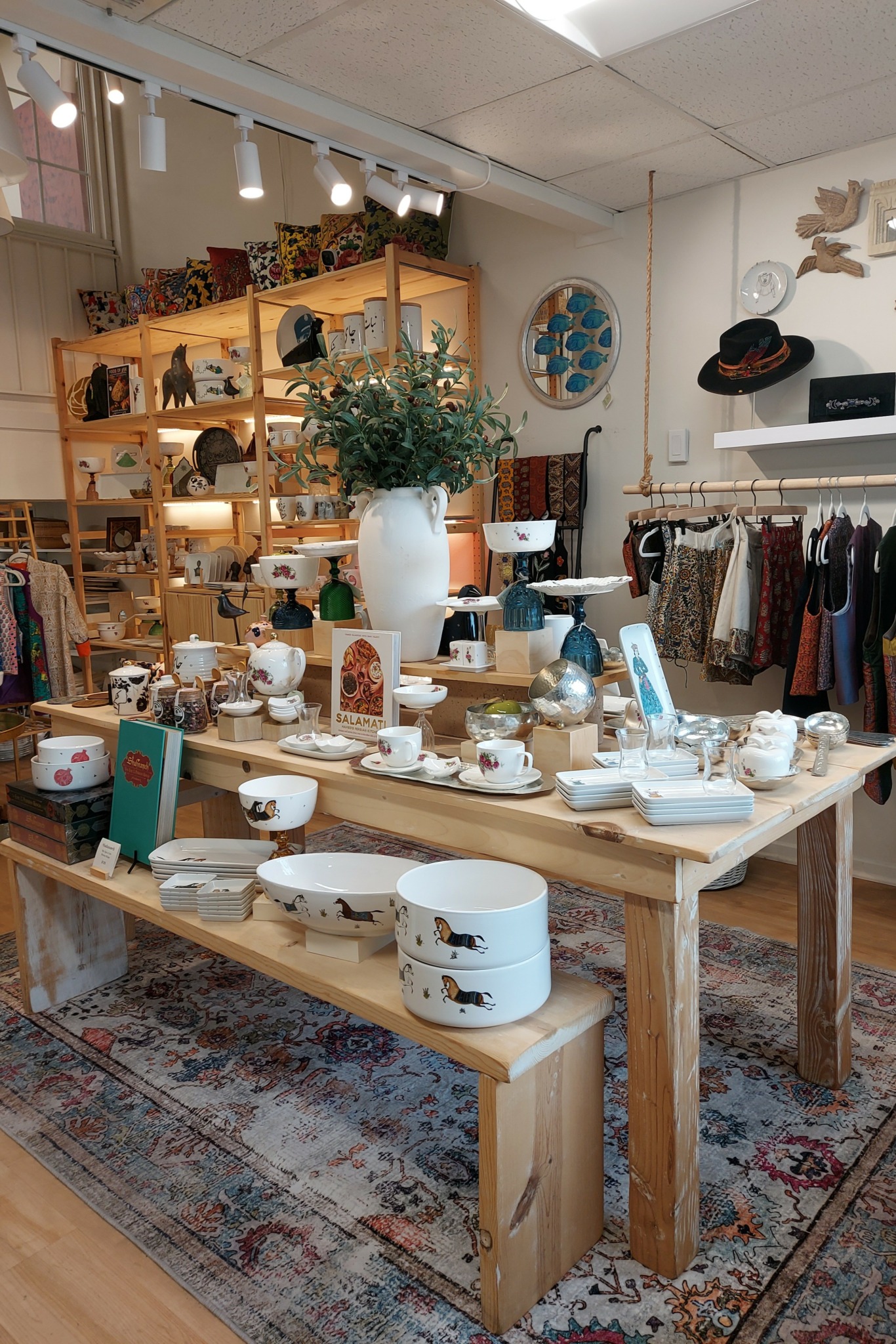
Building on my own journey, I wanted to create a space for artists like myself, and this vision became Diyar. In Farsi, “Diyar” means land or home, and for us, Diyar is about more than a physical space, it’s about the feeling of home, even when home feels distant or uncertain. As a concept store, Diyar exists at the intersection of cultural heritage, handmade work, and everyday life.
At Diyar, we offer a carefully curated selection of home goods, servingware, custom ceramics, paintings, sculpture, jewelry, clothing, and books, many of them handmade or produced in small batches. Each piece is chosen for its excellent quality, craftsmanship, and the story it carries.
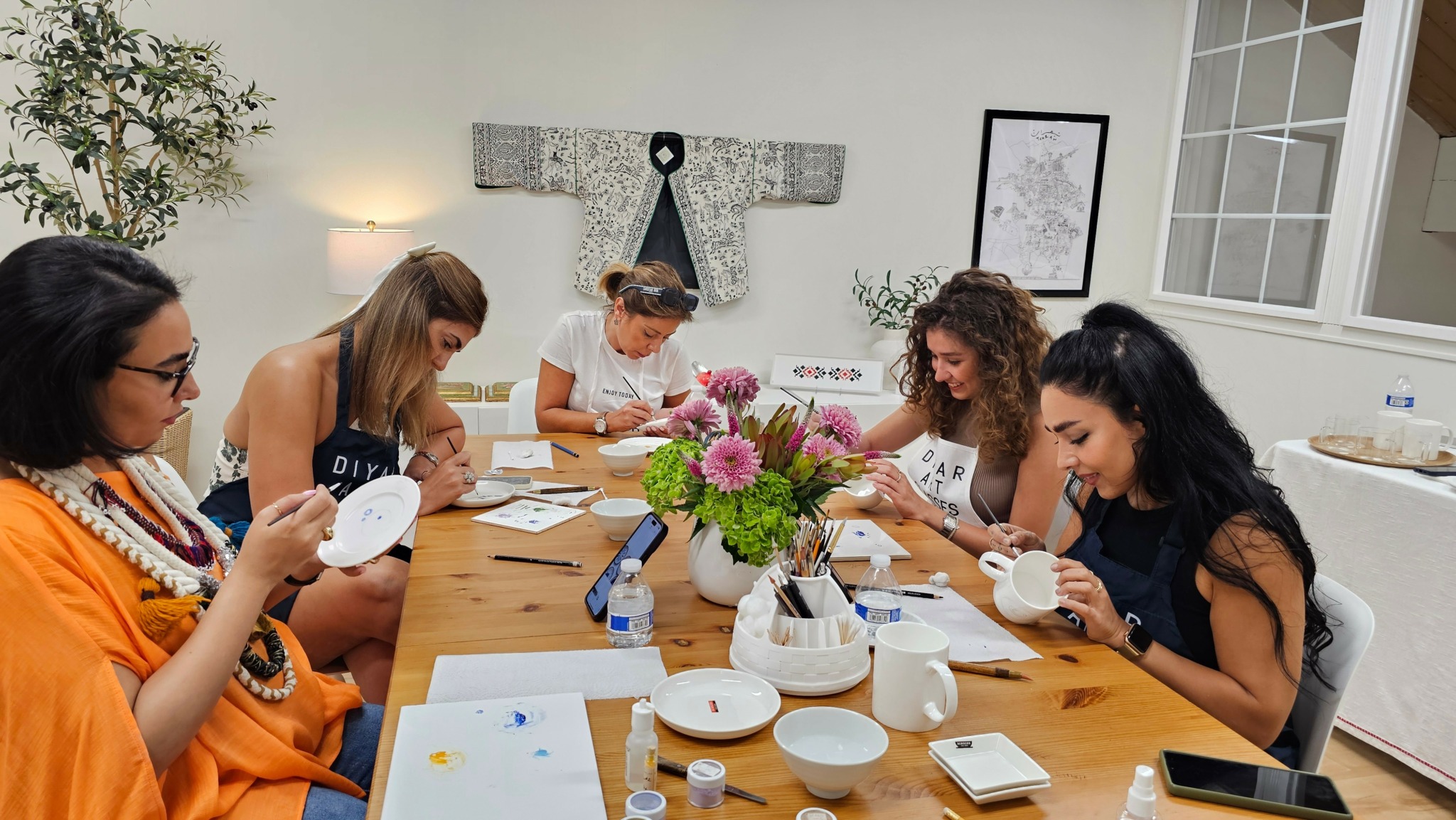
Beyond products, Diyar provides creative experiences through workshops such as porcelain (china) painting, pottery painting, and hands-on pottery. These classes allow people to slow down, tap into their own artistic potential, create something personal, and reconnect with traditional art forms in an accessible, contemporary way. Our porcelain painting workshops are especially distinctive, as they revive a historic craft that is now rare and difficult to find classes for.
What sets Diyar apart is our focus on intention, care, and cultural authenticity, and supporting underrepresented voices. At the heart of Diyar is our collaboration with emerging independent makers creating fully handmade work. Despite cultural and political challenges, their art stands as a testament to resilience, passion, and meaningful expression. What we are most proud of is building not just a store, but a home for meaningful objects and the people who create them.
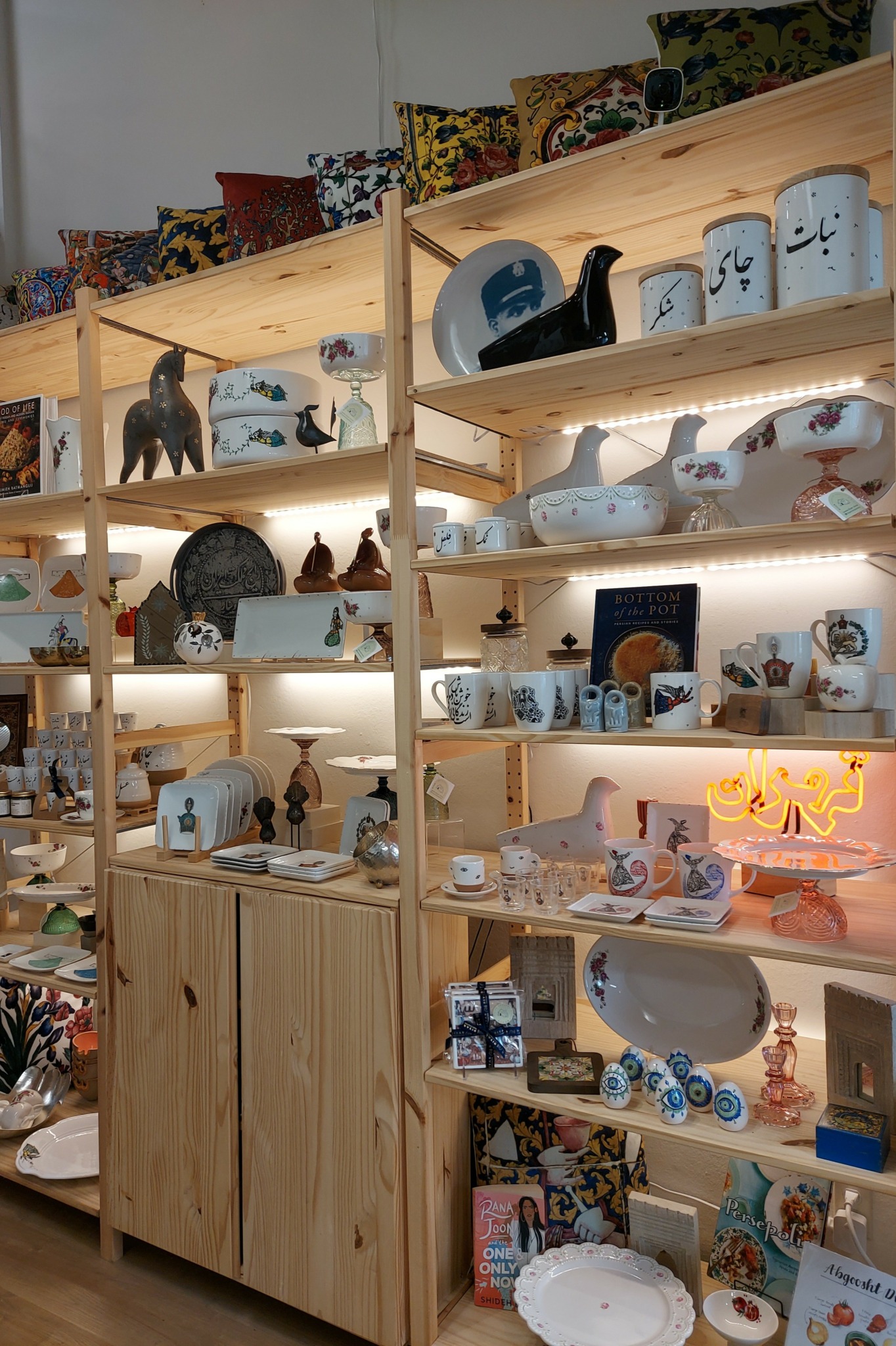
Can you talk to us about manufacturing? How’d you figure it all out? We’d love to hear the story.
Some of our products are made directly by me and my brand, Hand-Painted by Elika, while others are created by the independent artists we collaborate with. I began by adding designs and painting my own porcelain and ceramic pieces by hand, learning through practice, research, and experimentation. My background in architecture helped me understand materials, surfaces, and design, but working with ceramics and porcelain painting required developing a new, hands-on skill set over time.
As Diyar grew, it became important to work with skilled artisans and small studios who shared the same values of quality and craftsmanship. Today, we work with over 30 independent artists, each with their own unique craft and handmade process. Many of their works are produced in small batches or as limited pieces, making every collection feel personal and intentional rather than mass-produced.
Rather than working with large-scale manufacturers, we focus on building relationships with makers who honor traditional techniques and thoughtful production. These partnerships developed gradually through personal networks, research, and direct communication with artists and workshops whose work aligned with Diyar’s vision.
One of the most important lessons learned has been the value of time and patience in making. Handmade production requires flexibility, respect for process, and realistic expectations around scale. We’ve also learned how important it is to communicate clearly with makers, test materials carefully, and never compromise on quality or cultural integrity. Manufacturing, for us, is not about speed or mass production, but about preserving the spirit of the craft and the story behind each piece.
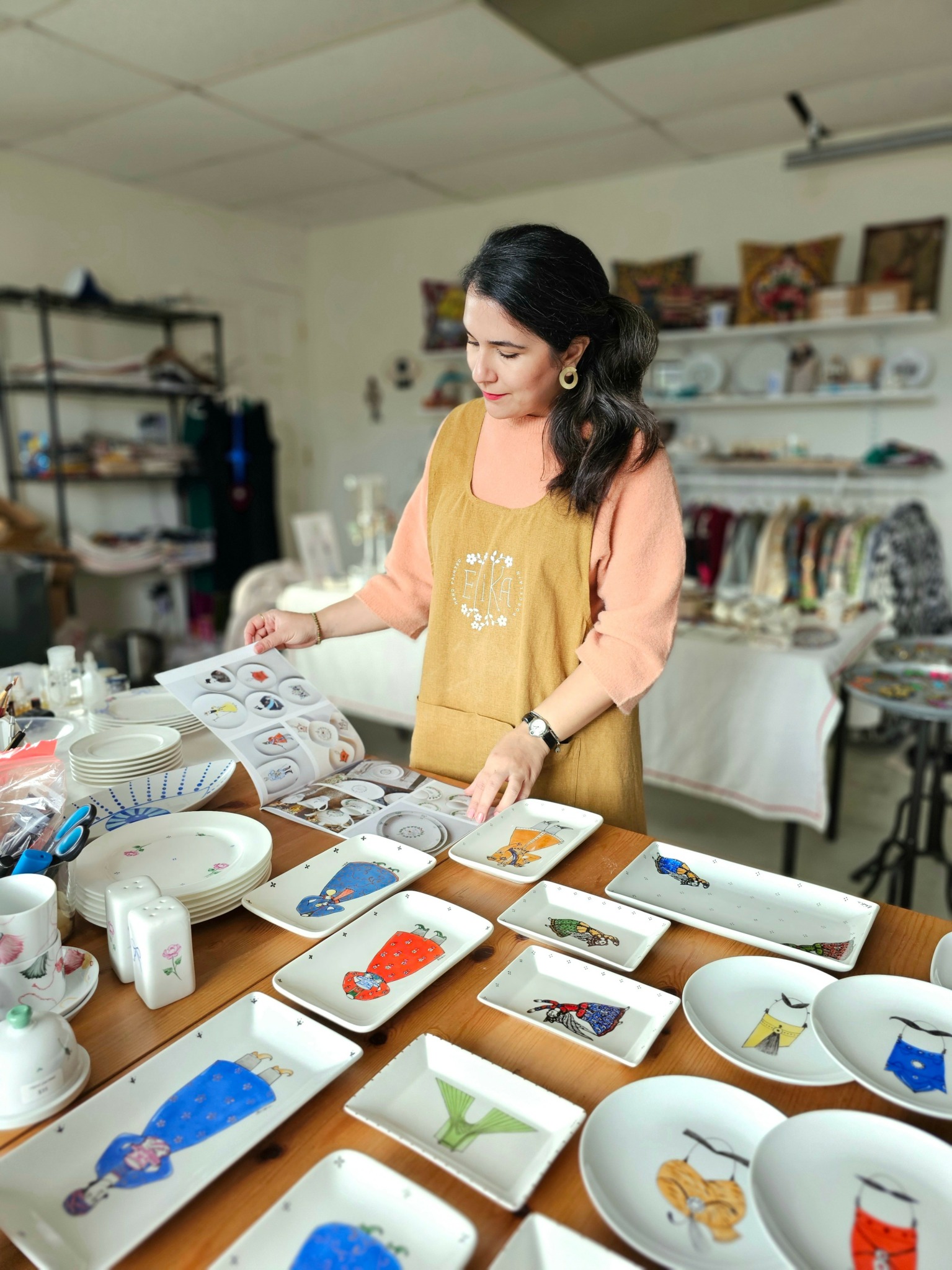
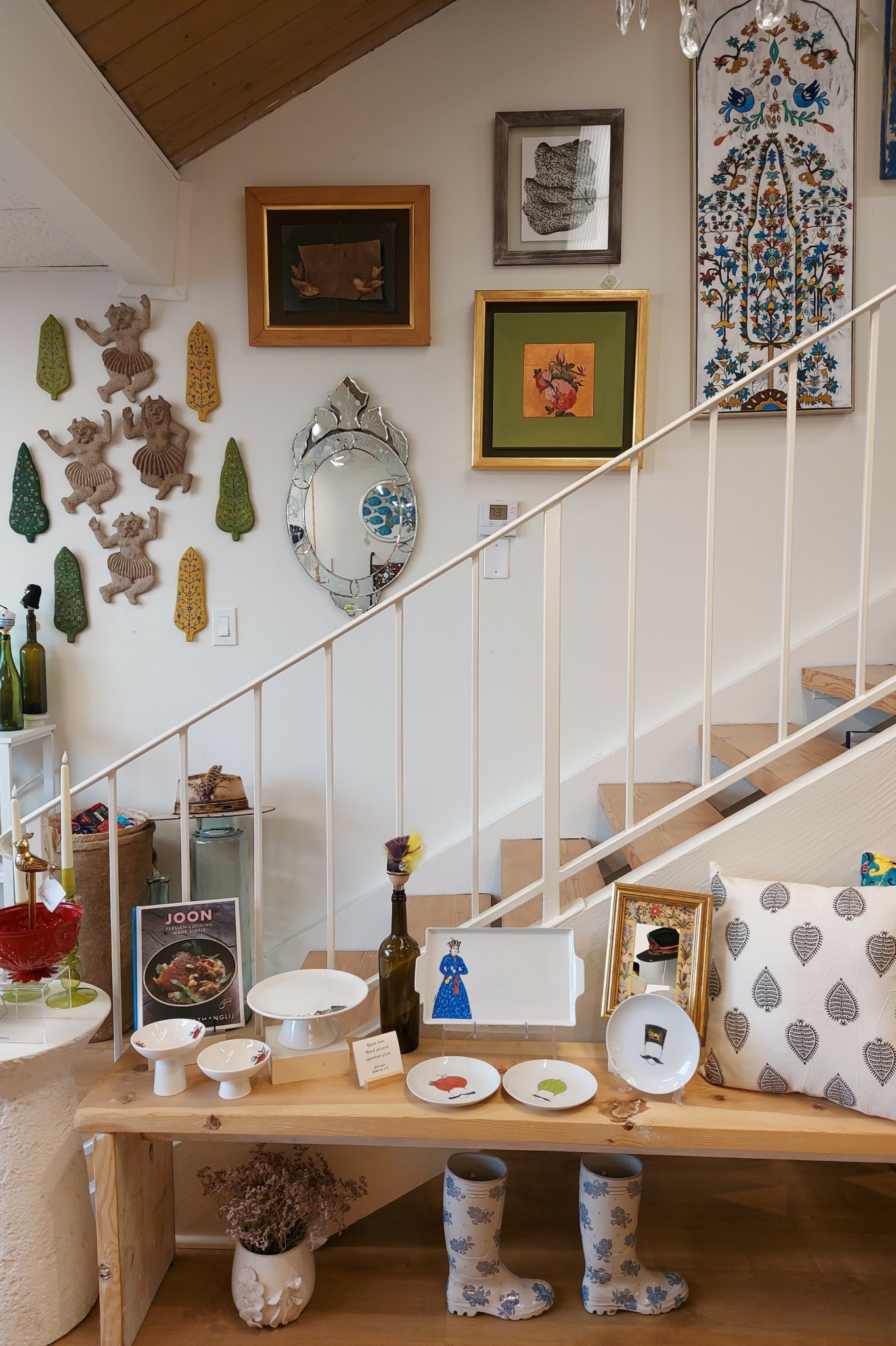
What else should we know about how you took your side hustle and scaled it up into what it is today?
What began as a personal creative practice for me gradually grew into my full-time path. While working full time, I continued painting on porcelain on the side, driven by my growing interest in traditional craft and surface design. As my artistic practice developed, I realized I needed to dedicate more time and focus to it, which led me to shift from full-time work to part-time in order to make room for my art.
With more time devoted to creating, I saw significant growth in my skills, and the response made it clear there was a strong interest in culturally rooted, handmade pieces. This momentum eventually led me to transition fully into my artistic practice. As my work expanded, so did my vision. I wanted to build a space and begin collaborating with other artists whose work reflected similar values of craftsmanship and heritage. This vision became the foundation of Diyar, and formally establishing it was a key milestone. What started as a small, passion-driven side project gradually grew into a full-time commitment as the store, workshops, and artist collaborations expanded.
Contact Info:
- Website: https://www.diyar.store/
- Instagram: https://www.instagram.com/diyarconceptstore/
- Facebook: https://www.facebook.com/profile.php?id=61560759380756
- Other: https://www.tiktok.com/@diyarartshop?is_from_webapp=1&sender_device=pc
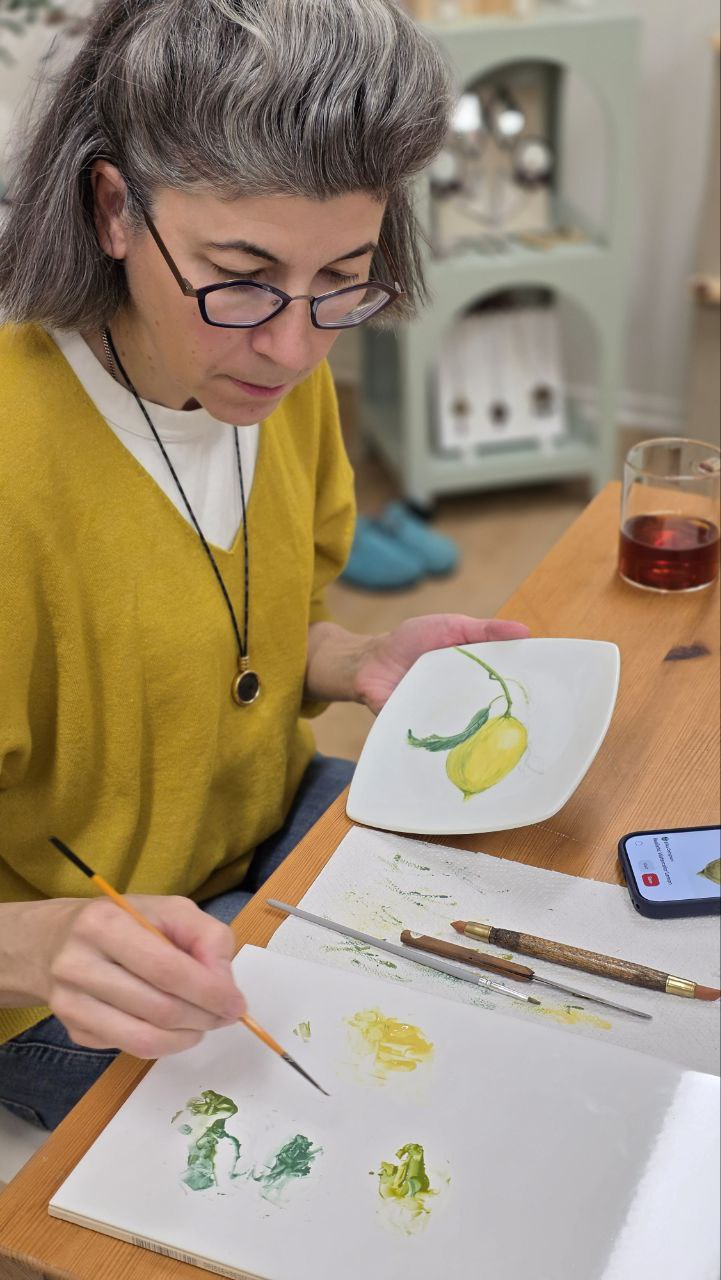
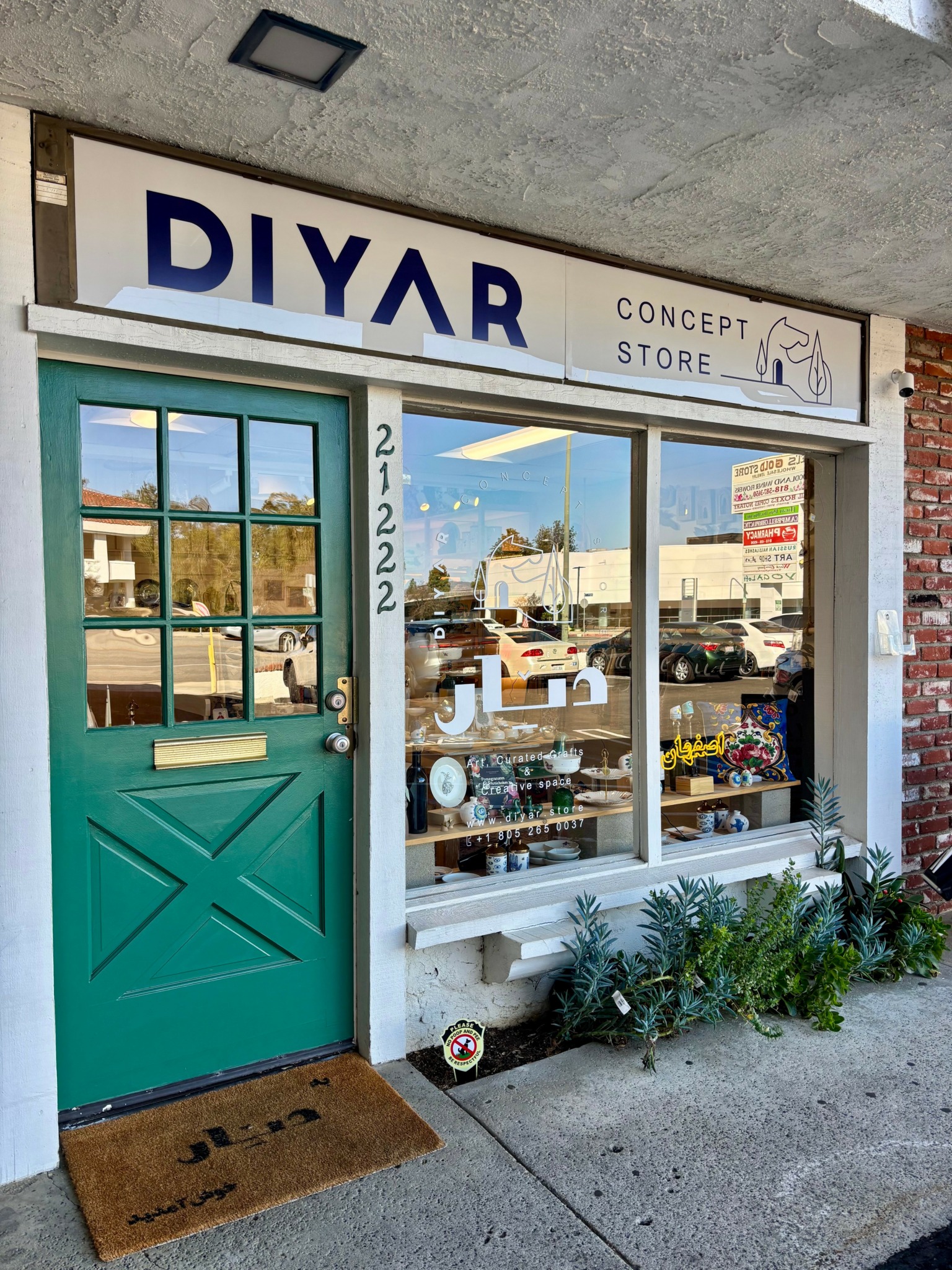
Image Credits
Diyar holds the credit for all photos.