

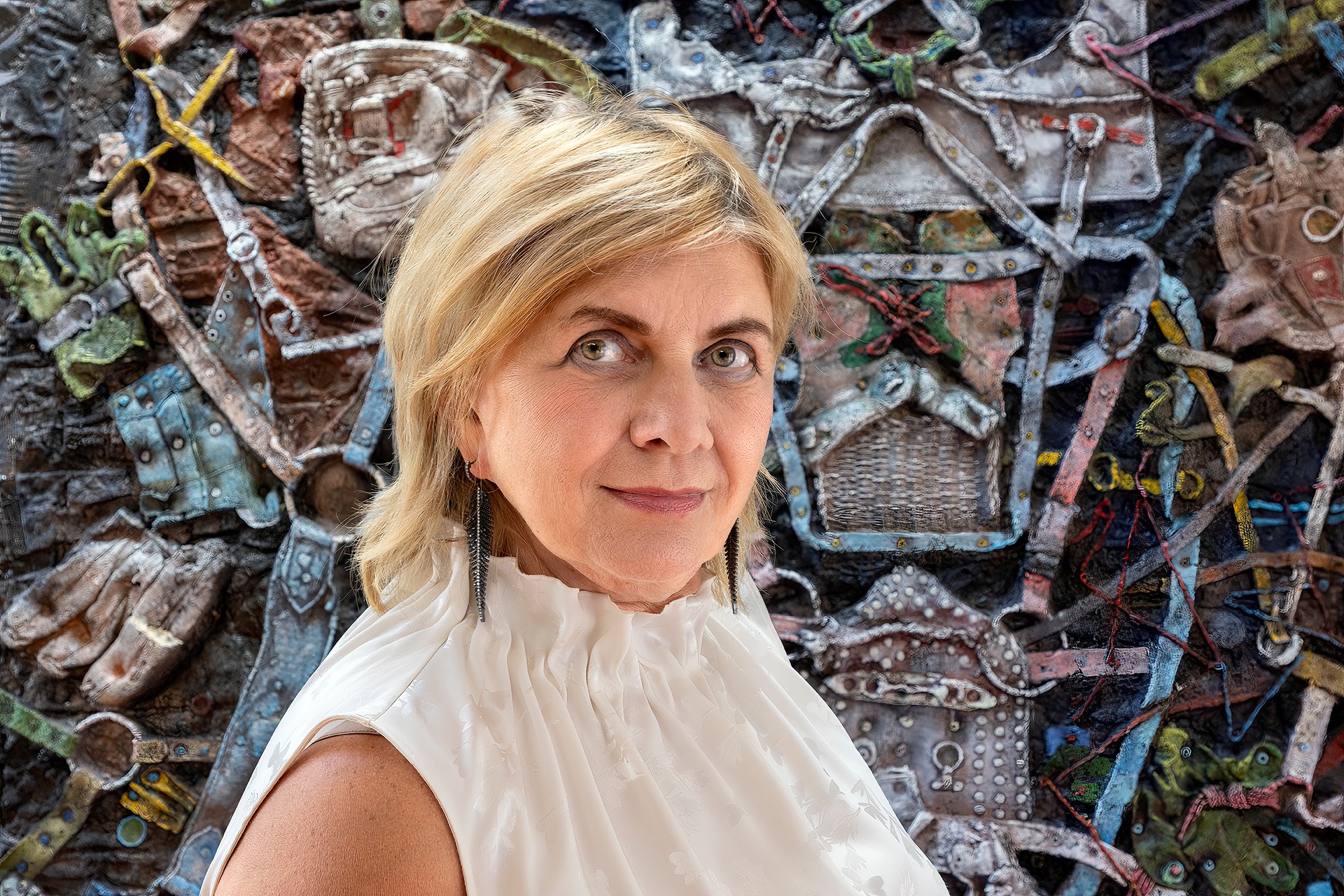

We were lucky to catch up with Ekaterina Khromin recently and have shared our conversation below.
Ekaterina, appreciate you joining us today. What’s been the most meaningful project you’ve worked on?
I often think about the role of the artist and realize that, in my case, art functions almost like litmus paper—it absorbs and reveals the atmosphere of the time in which I live. No matter what I create, the work inevitably becomes a personal reflection of the world around me.
I do not intentionally address politics, environmental issues, or current events directly. Instead, these realities enter the work through an inner response. What appears on canvas or in relief is not a literal narrative but a materialized emotional reflection of experience.
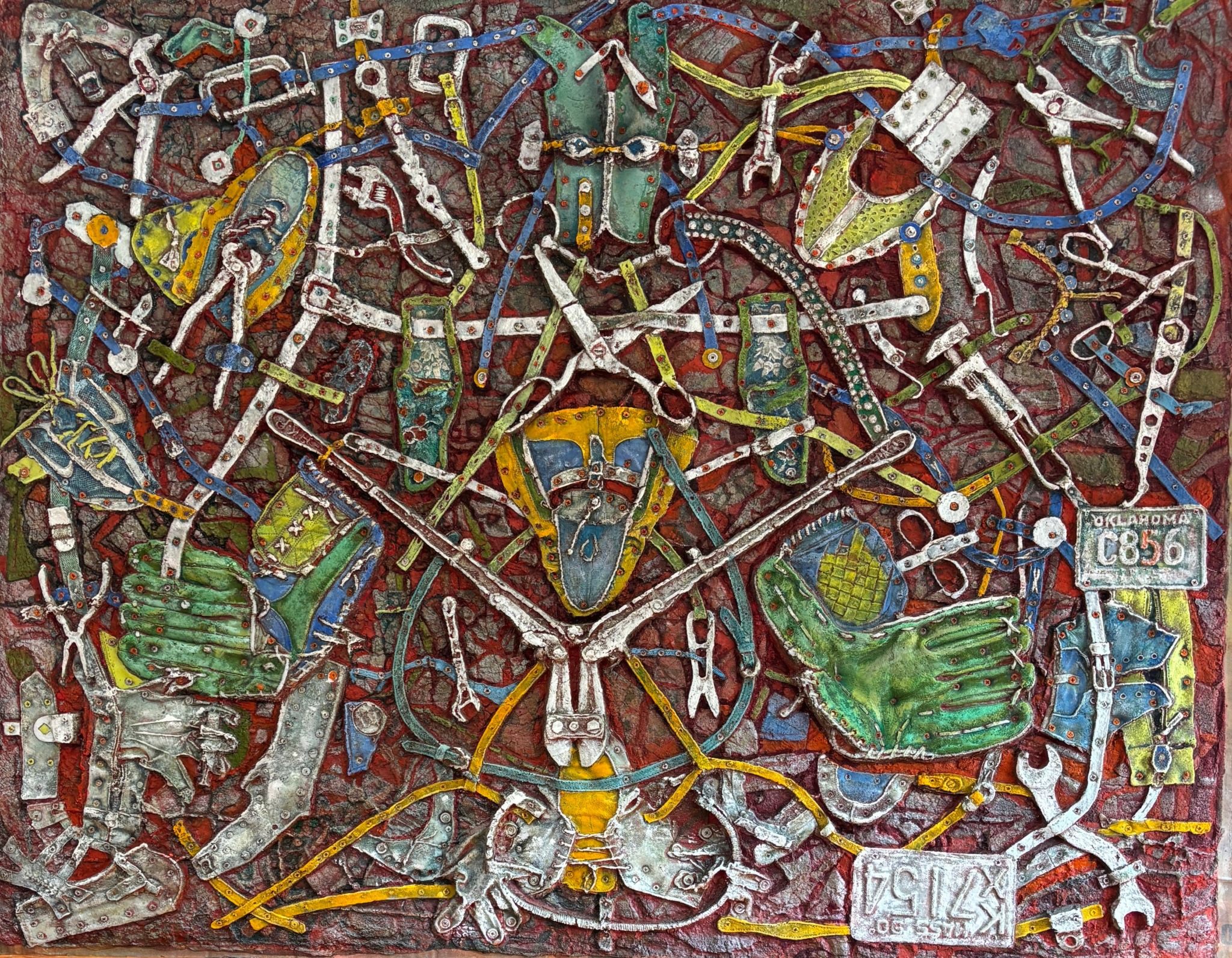
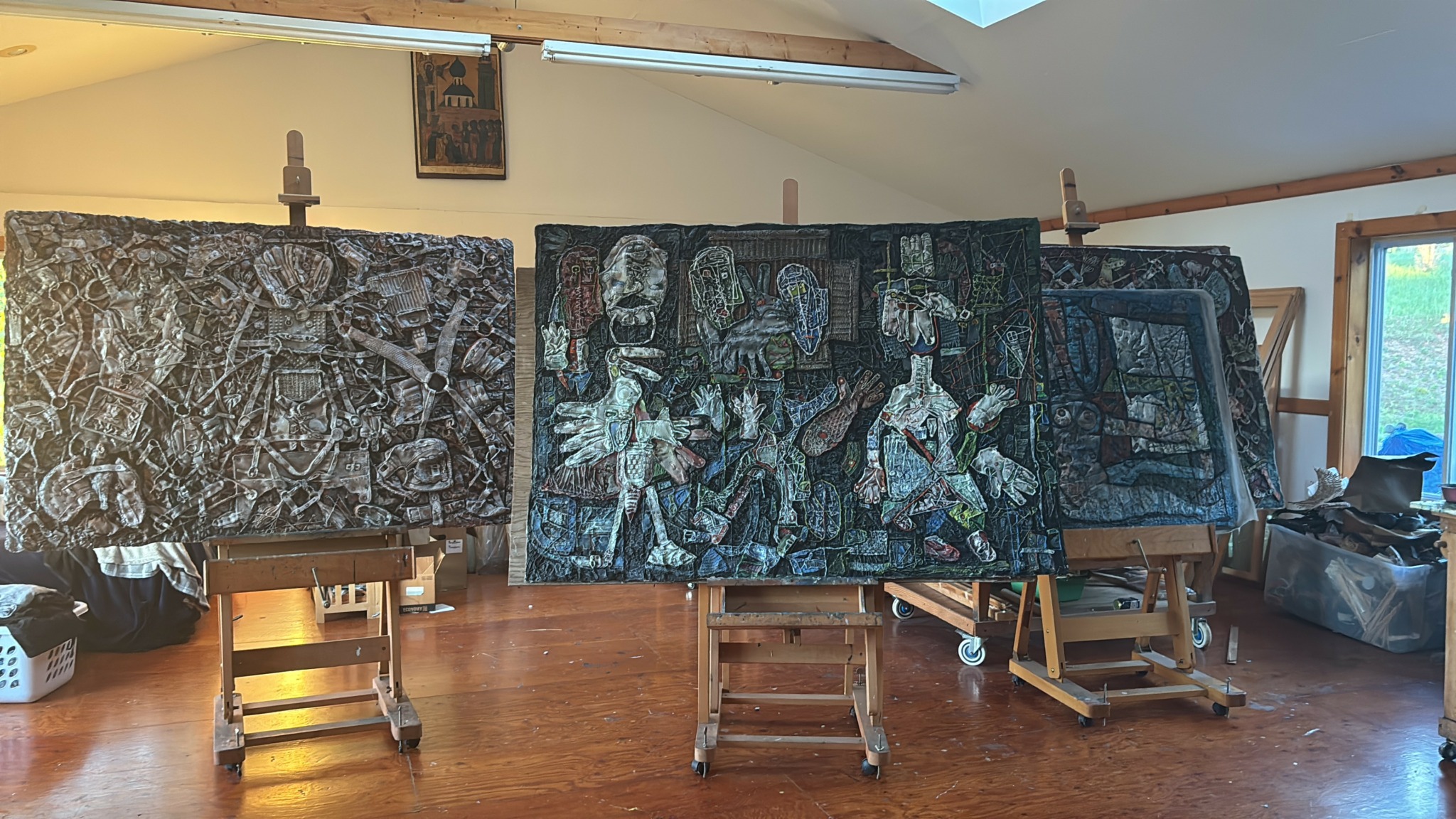
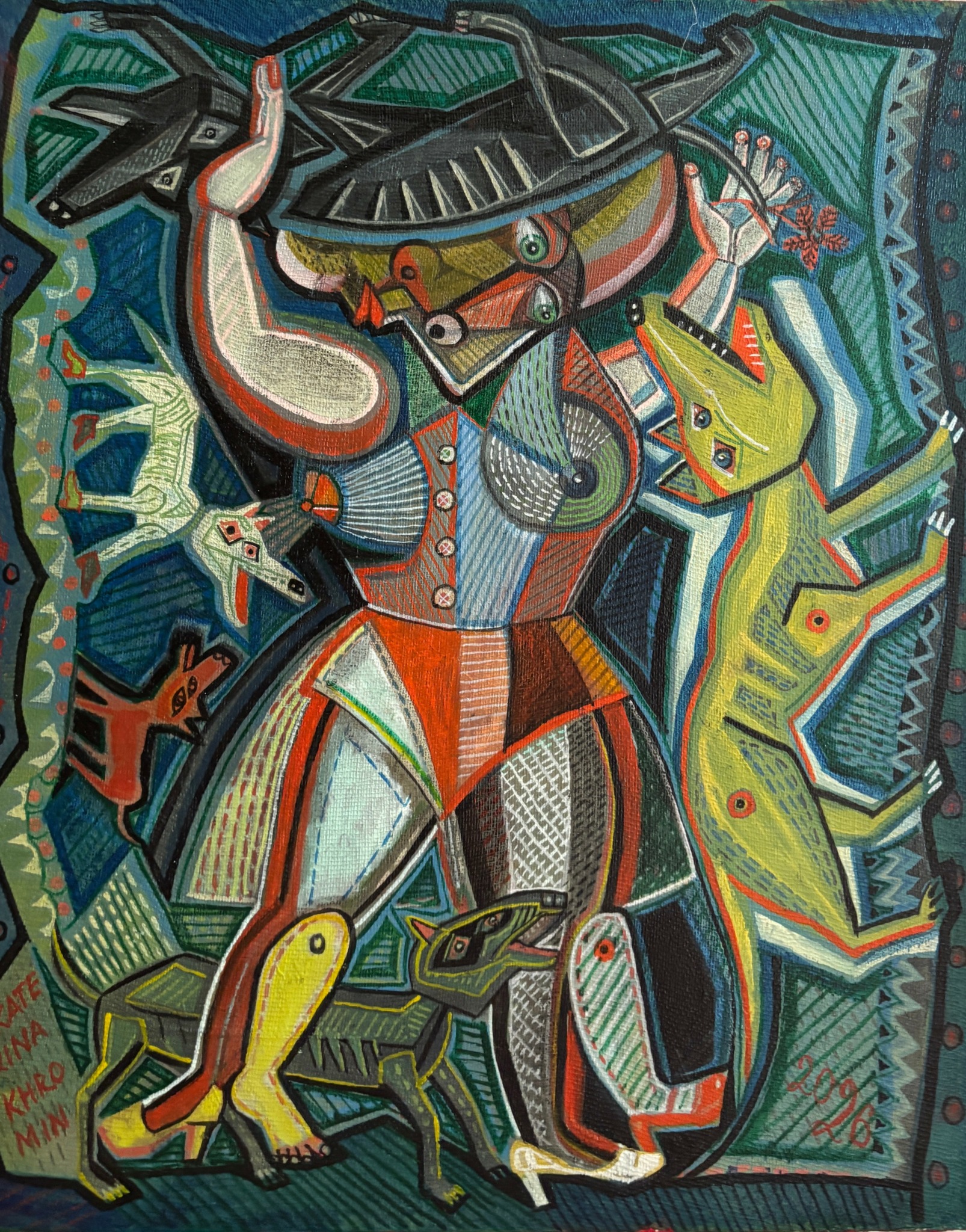
I developed Synergism as a method of dissolving boundaries—between painting and sculpture, restoration and creation, observation and invention. Through this process, I translate fragments of objects, histories, and personal experience into visual narratives where material becomes memory and form becomes emotion.
As always, we appreciate you sharing your insights and we’ve got a few more questions for you, but before we get to all of that can you take a minute to introduce yourself and give our readers some of your background and context?
My works often begin with assembled compositions created from found objects and fragments connected to personal stories or traces of the past. These elements are transformed through relief, collage, and painting into new visual structures. Found objects become carriers of previous lives, and physical materials acquire emotional presence.
Perhaps this process is connected to my naturally dream-like way of perceiving the world: reality does not disappear but transforms, carrying traces of time, feelings, and previous lives into new forms.
My experience as an art appraiser and conservator is inseparable from my artistic practice. When I encounter an artwork, I instinctively begin deciphering it for myself. I ask: what creates attraction? Is it exceptional proportion, the color palette, the aesthetic language of a historical period, or a subtle combination of these elements?
Working as a conservator for more than thirty years has taught me close observation and intimate attention to artistic decisions embedded in materials, surfaces, corrections, and gestures. Conservation became more than technical work—it became a way of approaching the artist’s state of mind and reading emotional traces preserved within the artwork.
This experience deeply influences my own process. Every artwork carries evidence of thought, feeling, and time.
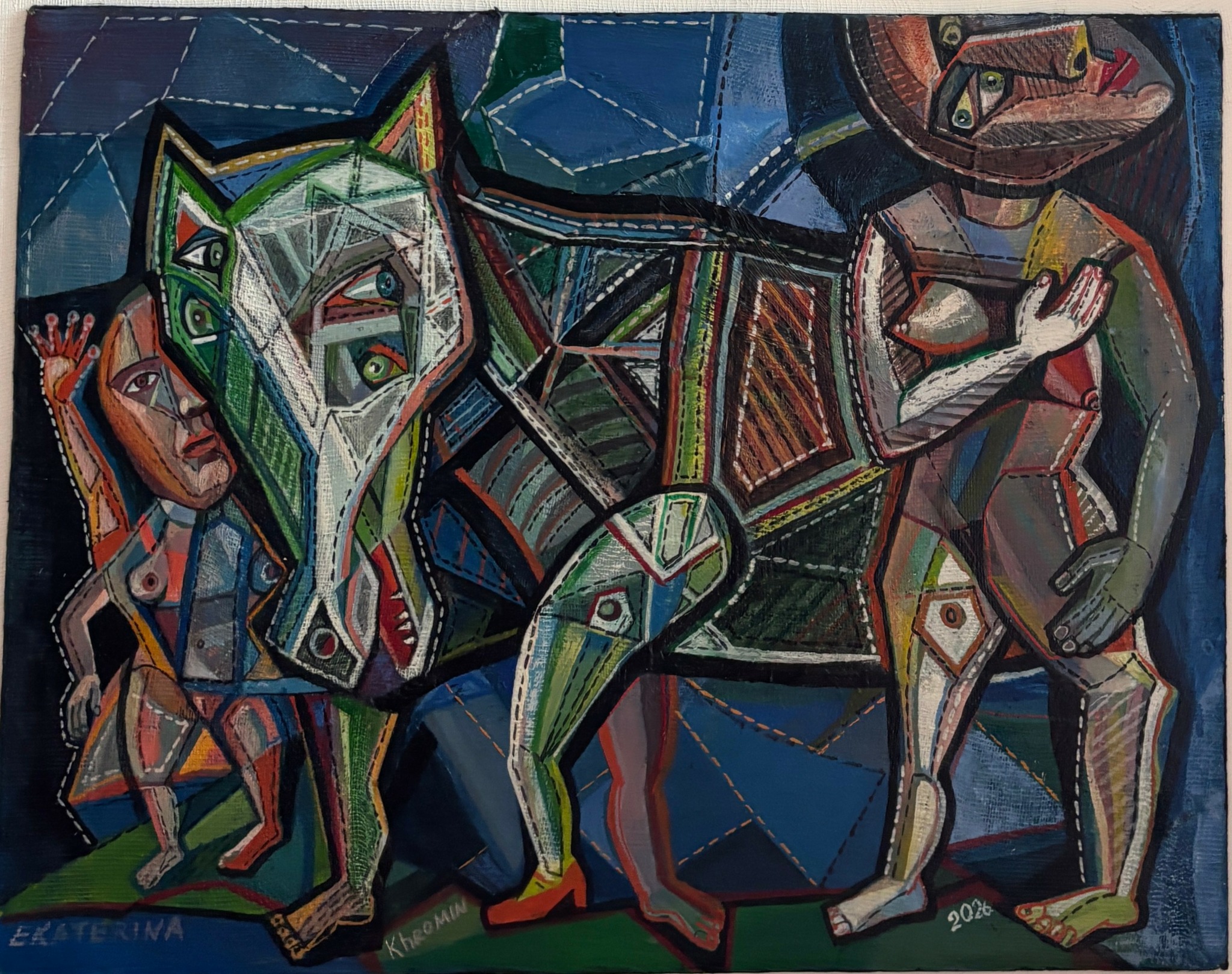
My most recent series was inspired by encounters with pre-Columbian art during visits to Mexico. Those experiences redirected my visual language toward symbolic compression, ritual presence, and the poetics of fragments, and initiated an ongoing fascination with collecting and studying objects from this cultural period.
One of the achievements I am most proud of is the development and recognition of my original artistic method, Synergism—a process that dissolves the boundaries between painting, sculpture, and conservation practices. Through this method, I transform fragments of found objects, personal memories, and historical references into layered visual narratives.
Seeing this body of work recognized and exhibited at the Museum of Contemporary Art North Miami was especially meaningful to me, as it affirmed years of experimentation and commitment to creating a unique artistic language. I am also deeply honored that my work became part of the collections of Mead Art Museum at Amherst College and The Museum of Russian Art in Minneapolis—an acknowledgment that my artistic vision and research continue to resonate within institutional collections.
I was also honored to receive recognition through the Miami Individual Artist Grant Program for 2023–2024 and 2024–2025 from the Miami-Dade County Department of Cultural Affairs. These acknowledgments strengthened my belief that innovation can emerge from combining disciplines and from giving new life to materials that carry traces of history and human experience.
What sets me apart is that my work is rooted not only in artistic practice but also in my background as a conservator and restorer. I approach each artwork as both an act of creation and preservation—building bridges between memory, material, and imagination.
Can you share a story from your journey that illustrates your resilience?
Can you speak about your artistic practice and what drives your work?
I often think about the role of the artist and realize that, in my case, art functions almost like litmus paper—it absorbs and reveals the atmosphere of the time in which I live. No matter what I create, the work inevitably becomes a personal reflection of the world around me.
I do not intentionally address politics, environmental issues, or current events directly. Instead, these realities enter the work through an inner response. What appears on canvas or in relief is not a literal narrative but a materialized emotional reflection of experience.
I developed Synergism as a method of dissolving boundaries—between painting and sculpture, restoration and creation, observation and invention. Through this process, I translate fragments of objects, histories, and personal experience into visual narratives where material becomes memory and form becomes emotion.
My works often begin with assembled compositions created from found objects and fragments connected to personal stories or traces of the past. These elements are transformed through relief, collage, and painting into new visual structures. Found objects become carriers of previous lives, and physical materials acquire emotional presence.
Perhaps this process is connected to my naturally dream-like way of perceiving the world: reality does not disappear but transforms, carrying traces of time, feelings, and previous lives into new forms.
My experience as an art appraiser and conservator is inseparable from my artistic practice. When I encounter an artwork, I instinctively begin deciphering it for myself. I ask: what creates attraction? Is it exceptional proportion, the color palette, the aesthetic language of a historical period, or a subtle combination of these elements?
We’d love to hear a story of resilience from your journey.
Working as a conservator for more than thirty years has taught me close observation and intimate attention to artistic decisions embedded in materials, surfaces, corrections, and gestures. Conservation became more than technical work—it became a way of approaching the artist’s state of mind and reading emotional traces preserved within the artwork.
This experience deeply influences my own process. Every artwork carries evidence of thought, feeling, and time.
My most recent series was inspired by encounters with pre-Columbian art during visits to Mexico. Those experiences redirected my visual language toward symbolic compression, ritual presence, and the poetics of fragments, while initiating an ongoing fascination with collecting and studying objects connected to this cultural period.
Teaching occupies an equally important place in my life. I am deeply passionate about education, and I could say that this impulse is partly inherited—my mother taught architecture at the college level. I grew up with the understanding that knowledge should be shared and passed forward.
After decades of working as an artist, conservator, and appraiser, I feel a responsibility to transfer what I have learned to future generations. I hope to help students develop their ability to observe art more consciously and reach conclusions through visual analysis more quickly than it took me, shortening their path toward a clearer vision of themselves as creators.
At the same time, I believe that art does not always require explanation. Too much interpretation can narrow the experience of looking. Art communicates emotionally, and the viewer’s personal reading of my materialized feelings—their own associations, memories, and interpretations—is ultimately more important than my explanation.
Contact Info:
- Website: https://www.ekaterinakhromin.com
- Instagram: @katerinakhromin
- Facebook: Katerina Khromin
- Linkedin: Ekaterina Khromin
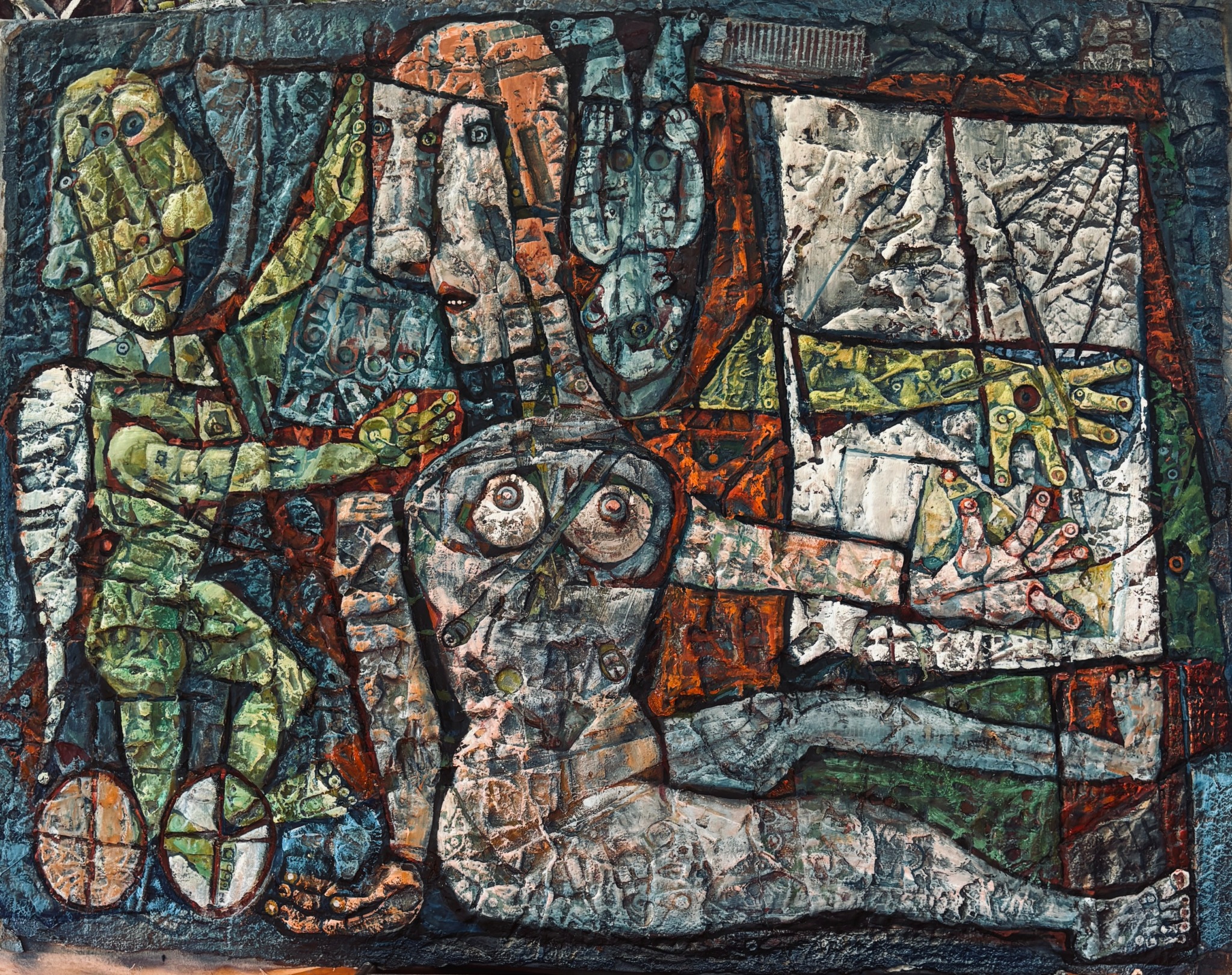
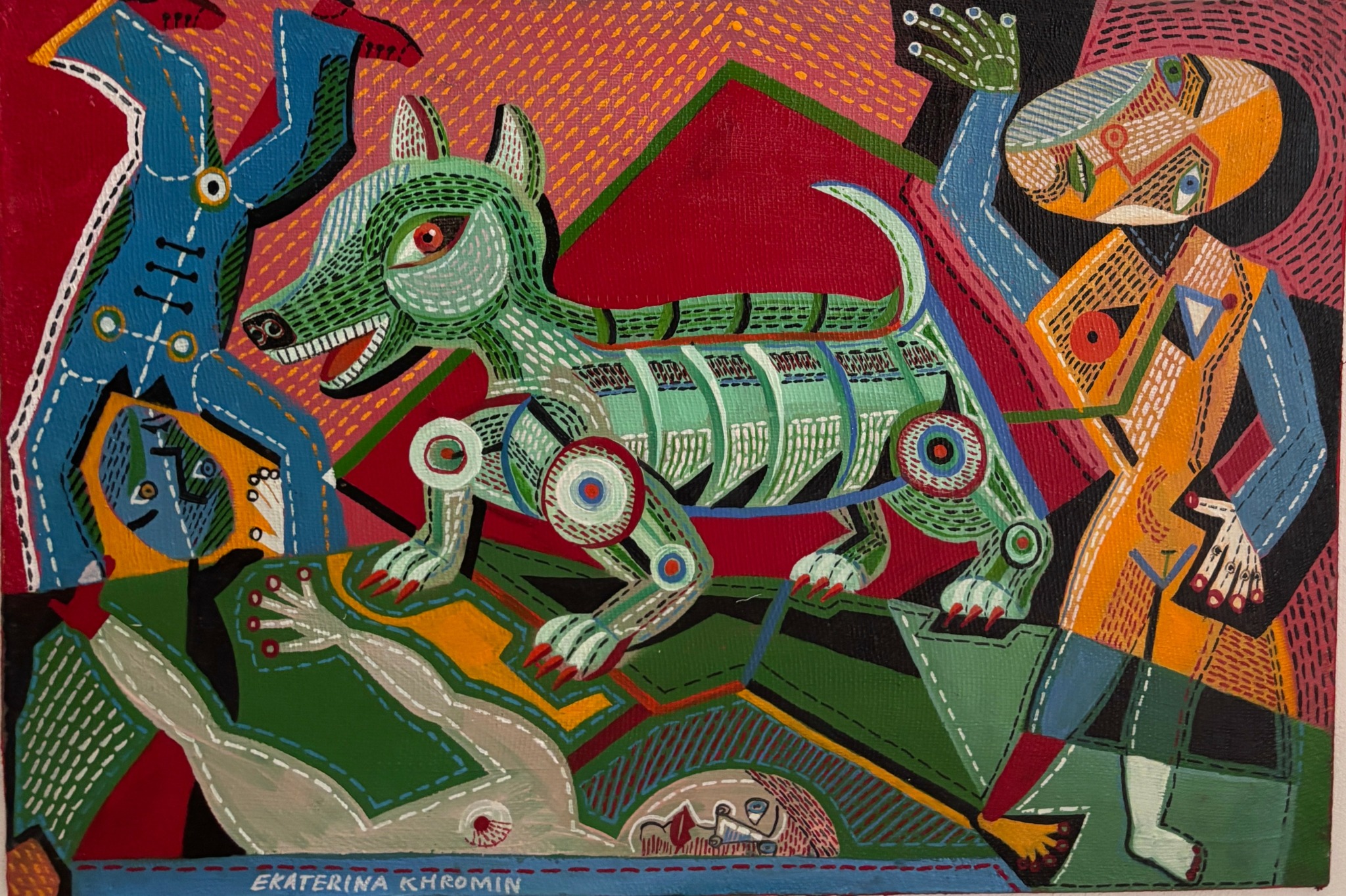
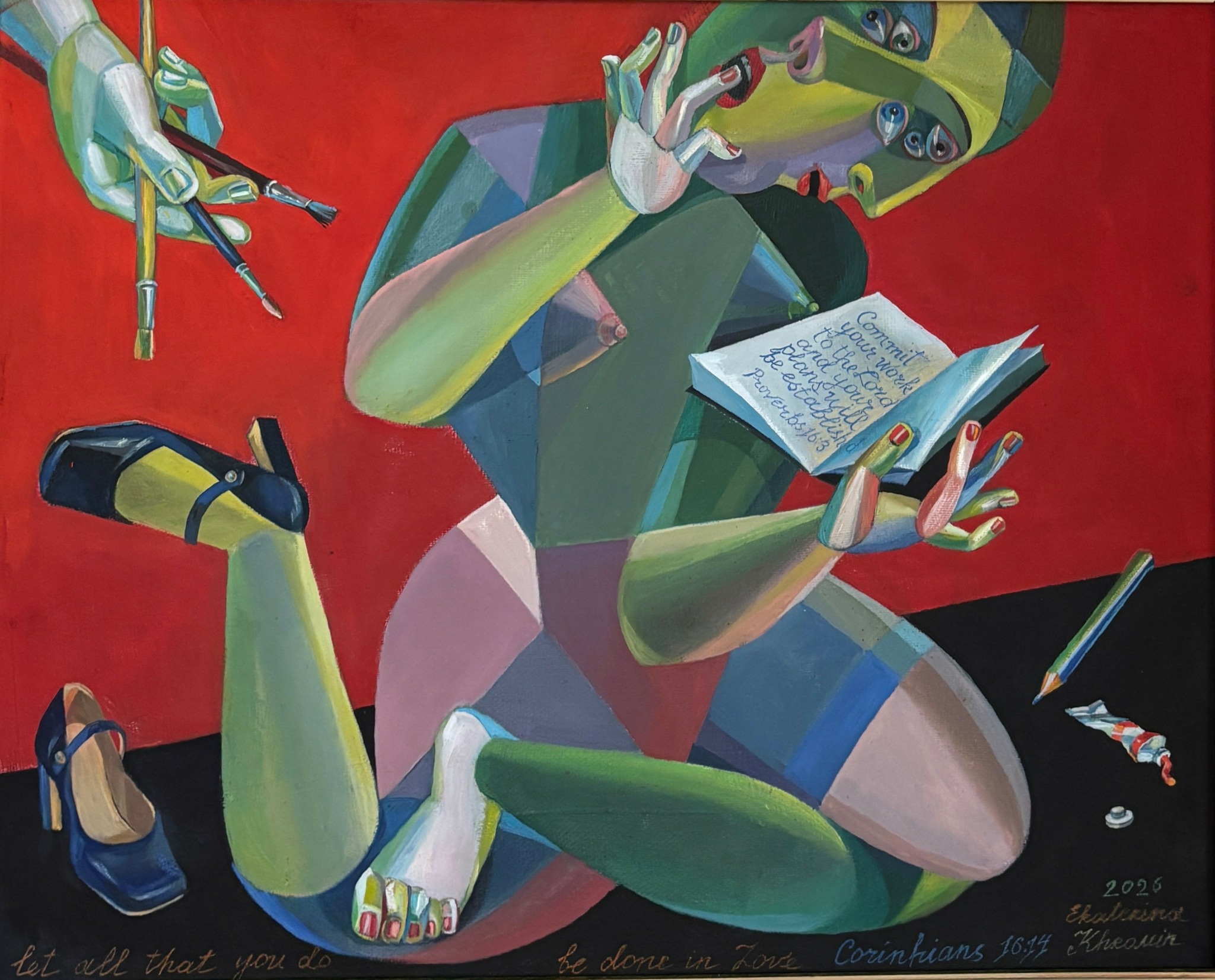
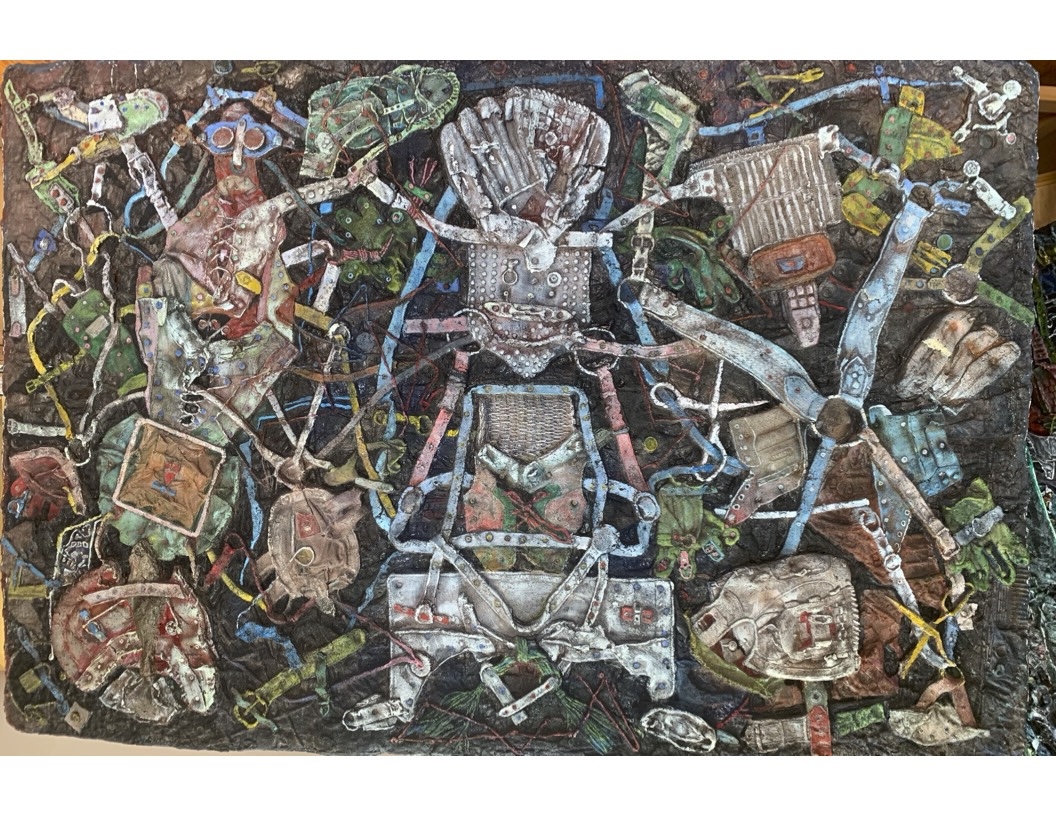
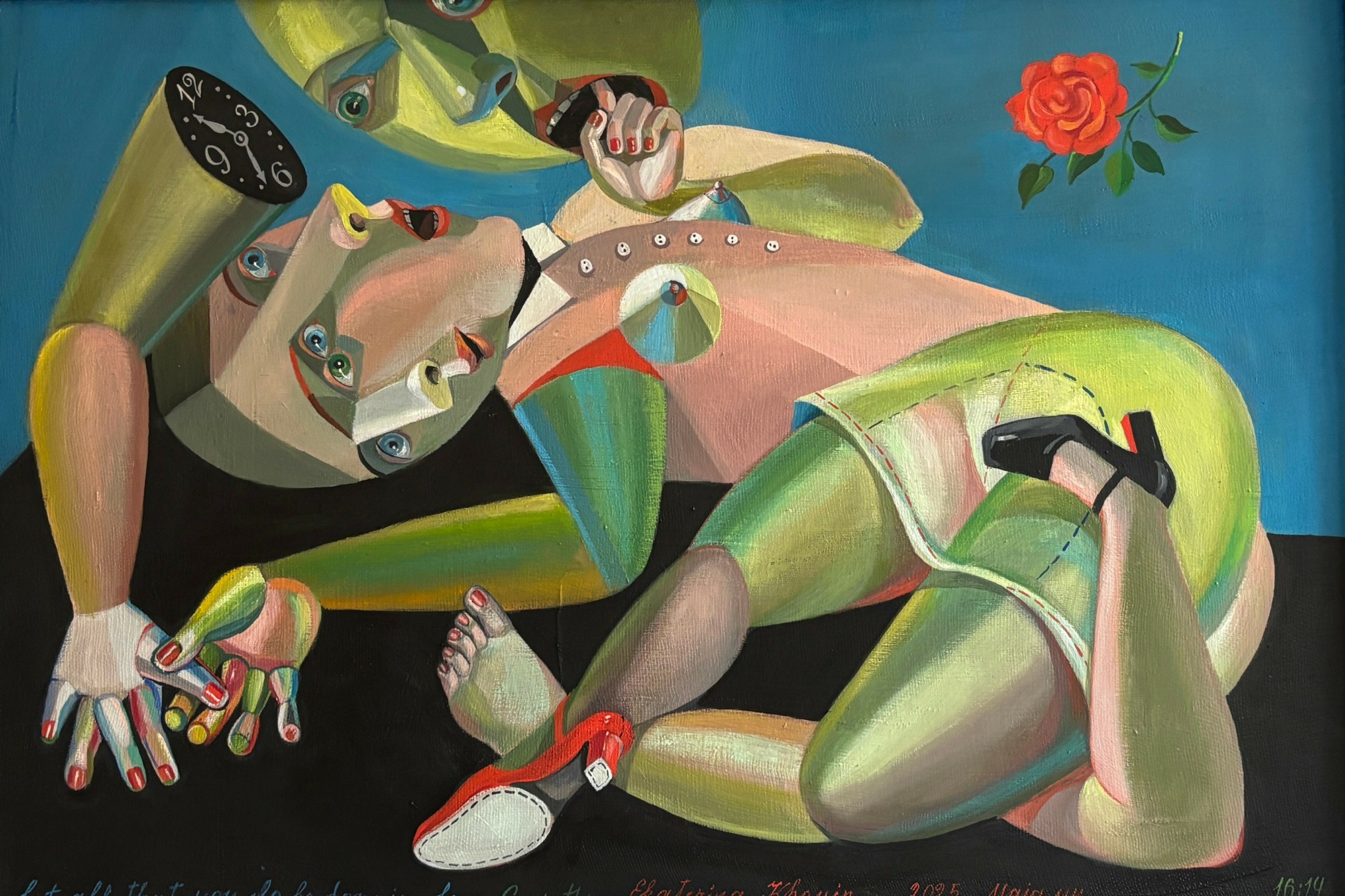
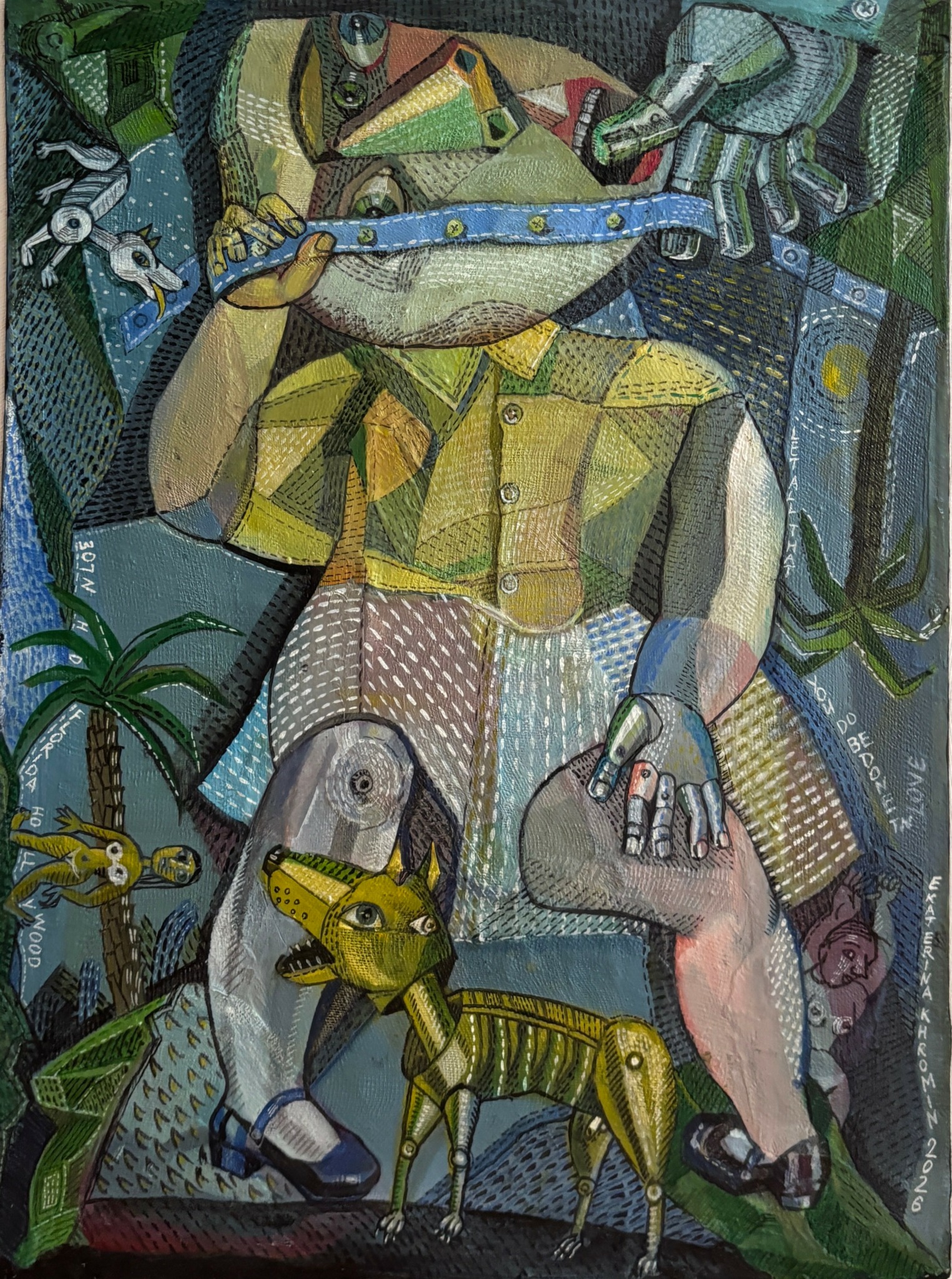
Image Credits
Photos by Ekaterina Khromin