
We recently connected with EJ Alvarez and have shared our conversation below.
Hi EJ, thanks for joining us today. Earning a full time living from one’s creative career can be incredibly difficult. Have you been able to do so and if so, can you share some of the key parts of your journey and any important advice or lessons that might help creatives who haven’t been able to yet?
I’ve been able to earn a full-time living from my creative work, but it definitely wasn’t like that from day one. In the beginning, it was more like survival mode, taking whatever projects I could get, saying yes a lot, learning fast, and trying to prove I could deliver at a high level even when the budget didn’t match the vision. I wasn’t just building a reel; I was building trust. I obsessed over the craft, cinematography, editing, story, sound, pacing, because I wanted my work to feel “expensive” no matter the circumstances. Little by little, that consistency started to turn into momentum. People didn’t just hire me for a camera; they hired me because they knew I cared about the final product and I’d deliver when it mattered.
The real shift to making a dependable full-time living happened when I stopped thinking like a freelancer selling a video and started thinking like a business delivering outcomes. I started packaging my services in a way that made sense to clients, production plus post, campaign assets instead of random one-offs, systems instead of chaos. As I built relationships with bigger clients and brands, each successful project became proof that opened the next door. Those milestones, repeat clients, stronger case studies, recognizable work, and eventually a real studio footprint, stacked on top of each other until the work wasn’t just coming from luck or hustle; it was coming from reputation and structure. Creating Digital Dinosaur and building out a full production ecosystem gave me capacity, and adding additional lanes like studio rentals and equipment rentals gave me stability even when I wasn’t actively on set.
Looking back, I don’t think I could have skipped the learning phase, but I do think I could have sped up the business side if I knew then what I know now. I would have raised my pricing earlier, positioned myself sooner as someone who delivers results instead of someone who just makes content, and locked in retainers faster so I wasn’t constantly restarting from zero each month. I also would have built a case-study engine earlier, showing the why and the impact behind the work, not just the visuals, because that shortens sales cycles and attracts better clients. And I would have delegated sooner, even in small ways, because my highest value has always been in taste, direction, and execution at the top level.
Overall, it wasn’t overnight, it was a staircase, but once I learned how to turn my creativity into repeatable systems and multiple income streams, it became sustainable, and it became real. I follow these stepping stones till’ this day and continue to be a student in today’s world of creative.
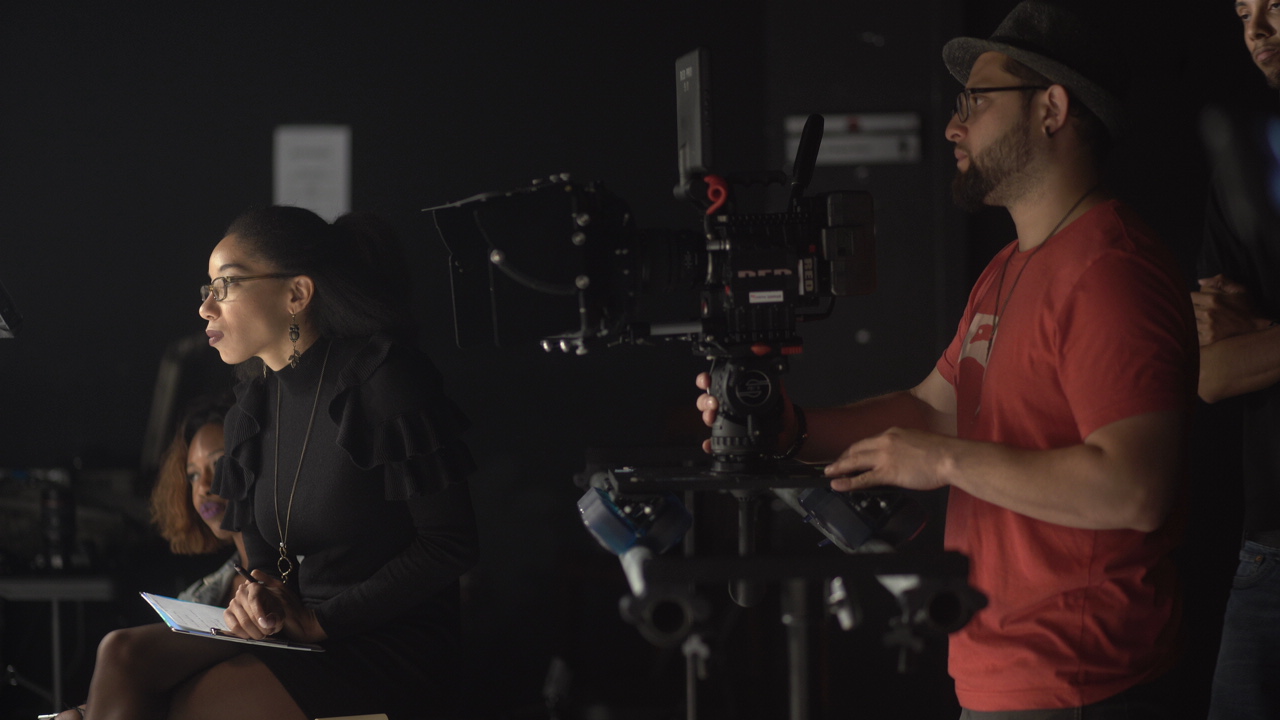
Great, appreciate you sharing that with us. Before we ask you to share more of your insights, can you take a moment to introduce yourself and how you got to where you are today to our readers.
I’m EJ Alvarez, a cinematographer, senior editor, and creative director who turned an obsession with cinematic storytelling into a full-service production brand. I came up the hands-on way: shoot, edit, repeat, learning how to make something feel big even when the budget wasn’t. Over time, that “make it look expensive” mindset became my signature, and it’s what grew into Digital Dinosaur Co., my studio and creative engine built to help brands and artists create work that actually moves people.
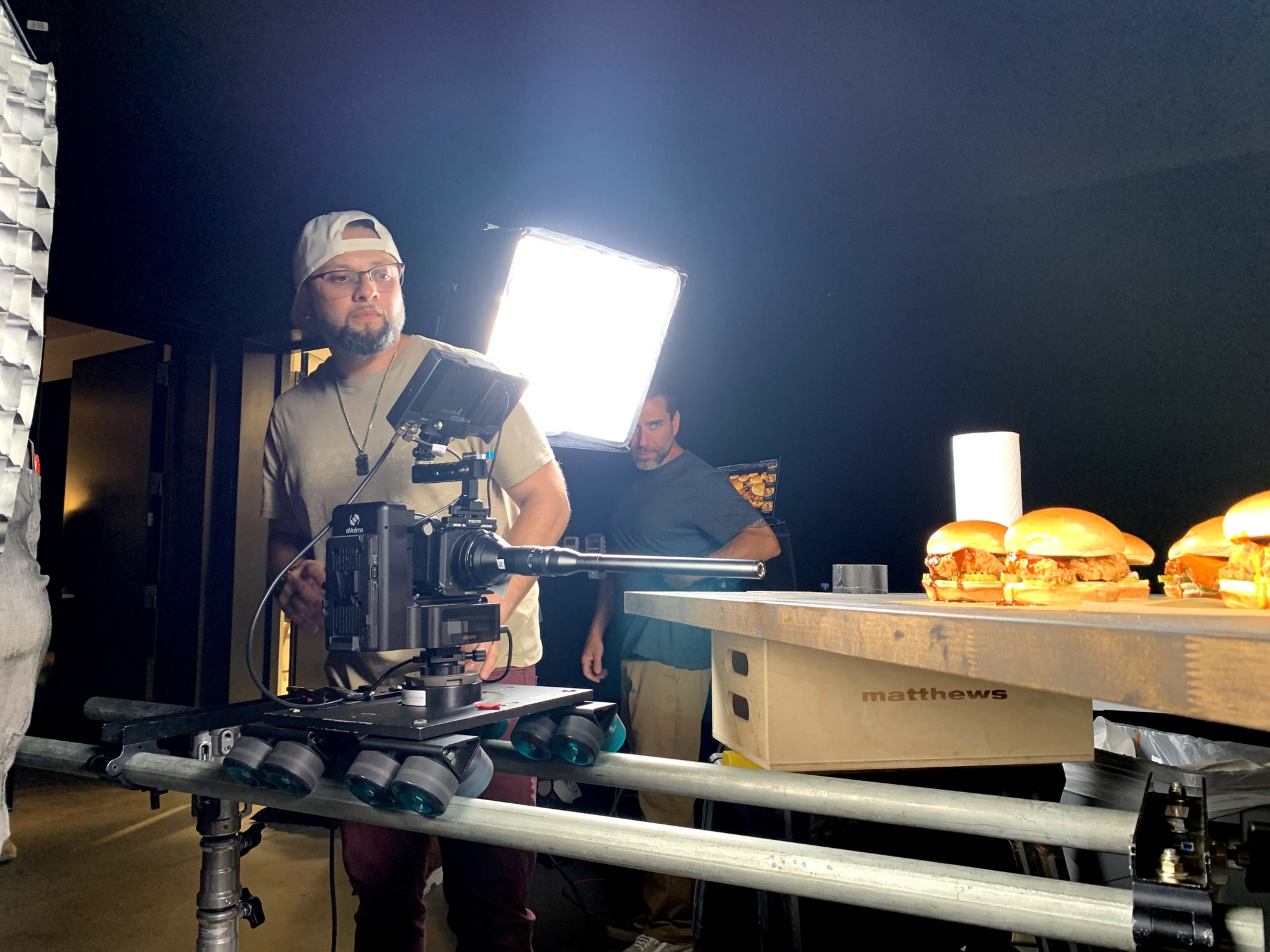
What I do is simple to say but hard to replicate: I build visuals that feel like films, not content. My team and I produce commercials, brand films, product videos, music videos, and high-end social campaigns, plus post-production, editing, sound design, and creative strategy. We also run a full studio and equipment rental operation, so clients aren’t just hiring a shooter, they’re tapping into a complete production ecosystem. The problem I solve is clarity and impact. Most brands have a message but no cinematic language to make people care. I translate their story into something you can feel, not just watch, then I deliver it fast, clean, and consistently across every format they need.
What sets me apart is that I’m a rare hybrid. I can direct the vision, shoot it at a high level, and then finish it in post with the same taste all the way through, including color, pacing, sound, music, everything. That continuity is why clients come back. I’m most proud of building a real creative home, a large studio that supports big ideas, big crews, and big execution, and doing it without losing the hunger that got me here. If you’re a client, I want you to know I’m not here to “make a video.” I’m here to make your brand look undeniable. If you’re a follower or fan, I want you to know the work is always the point: cinematic storytelling, real craftsmanship, and a mindset that treats every project like it’s going to the big screen.
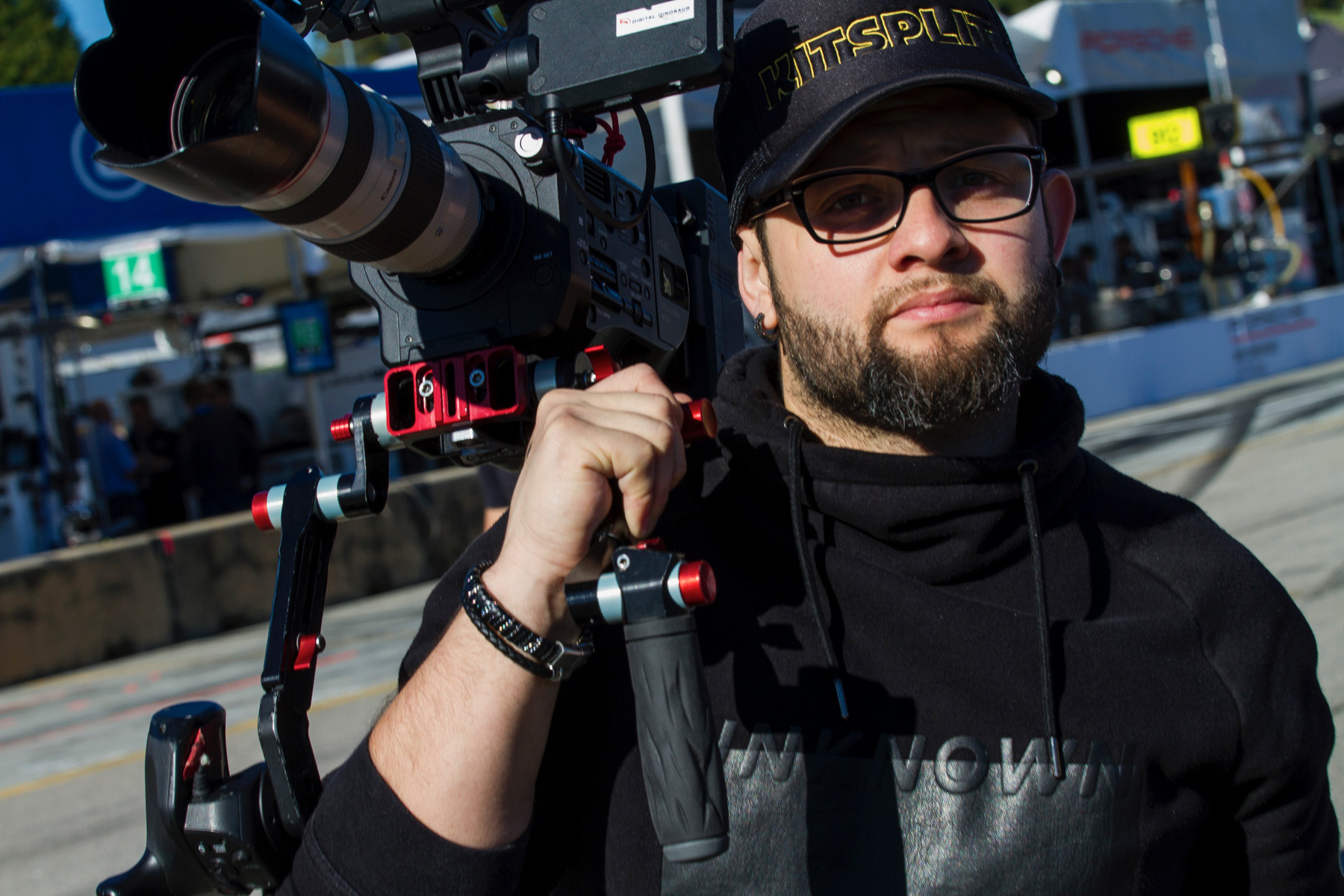
Have you ever had to pivot?
One of the biggest pivots for me was realizing I couldn’t stay in the “freelancer hamster wheel” if I wanted real stability and bigger creative freedom. For a long time, I was booking project to project, wearing every hat, and relying on constant hustle to keep the pipeline full. It worked, but it was fragile. One slow stretch and everything felt like it could dip. That was the moment I decided to pivot from being just a shooter-editor for hire into building an actual production company and a real creative home for myself and like-minded freelancers.
The pivot looked like risk in real time. I took what I had, my reputation, my client relationships, my ability to execute, and I bet on infrastructure. I committed to building out a studio, expanding services, and creating systems so the business didn’t depend on me doing everything personally, every single day. Instead of only selling a “video,” I started selling outcomes: campaign assets, consistent content pipelines, full production plus post, and a space where brands could create at a high level without piecing it together. That shift changed everything because it turned unpredictable gigs into repeatable offers.
What I learned is that pivoting isn’t about doing something totally new, it’s about packaging what you already do in a way that scales and protects you. I didn’t stop being a creator, I just built the structure around my creativity so it could last. That pivot is what made my work more sustainable, my pricing stronger, and my opportunities bigger, because I wasn’t just a person with talent anymore, I was a brand with a machine behind it. Today, I am able to pivot once again, as the need for studios is less, and clients are shifting to online transactions, the volume and diverse type of work has me working remote when I don’t have to be on set.
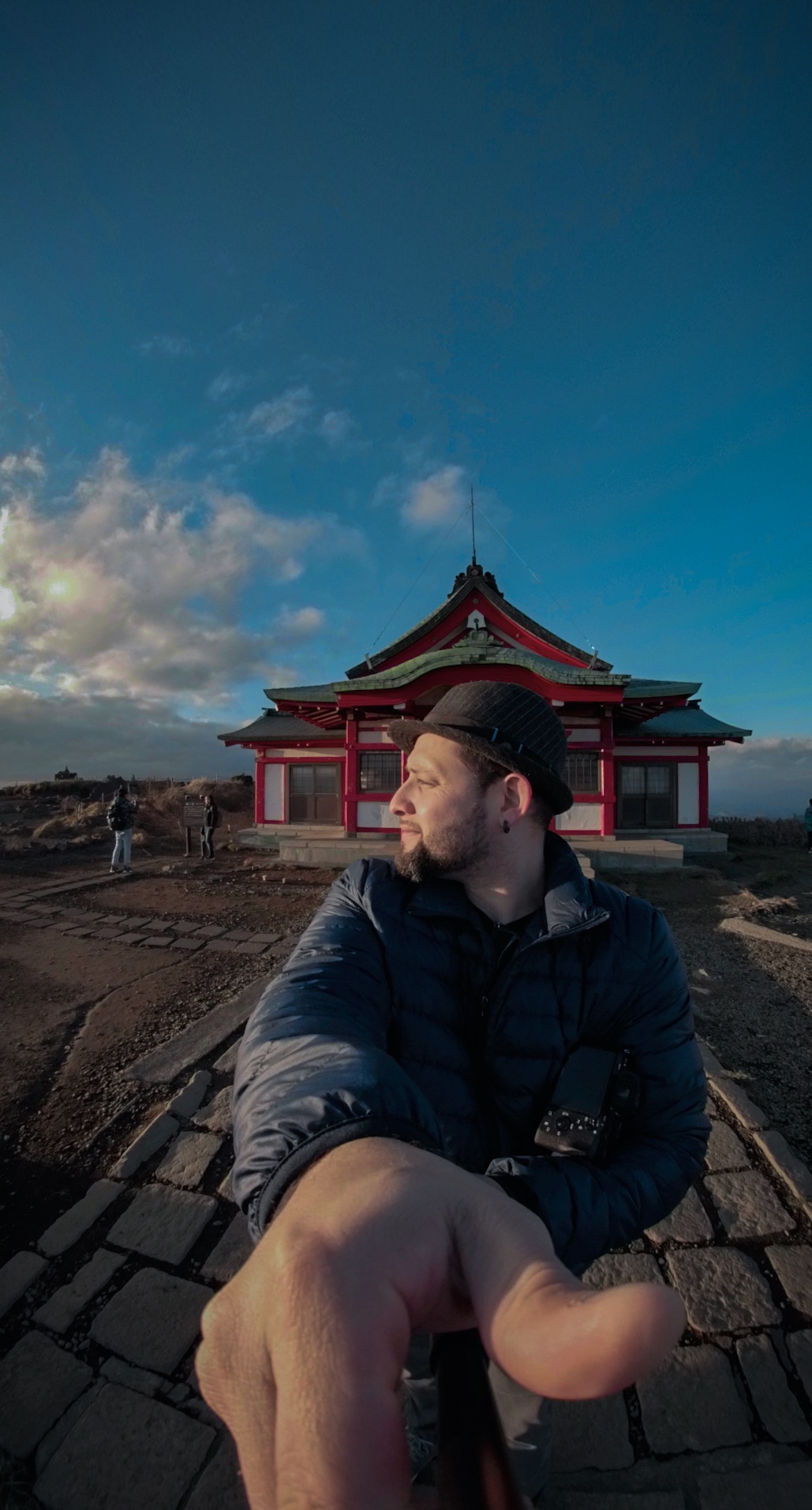
Is there a particular goal or mission driving your creative journey?
Yes. My mission right now is bigger than just making cinematic work. I’m building Digital Dinosaur to be an all-in-one studio platform that can be duplicated anywhere, so other creatives can step into a proven environment and create at a high level using the same working system. I want it to be a place where production, post, gear, space, and workflow all live together, so creators and brands don’t have to piece everything together from scratch.
At the core, I’m focused on building a workflow that can be rebuilt anywhere and still work, not just for me, but for future creatives. The goal is to develop a modern creative operating system that blends analog craft, digital production, and AI tools to create what’s next. I’m proud of the work, but I’m even more proud of building something that can outlive a single project, a single era, or a single person. I’m building for the future, and I want people to feel that every time they walk into the system and create.
Contact Info:
- Website: http://digidino.co
- Instagram: filmedbyej