
We caught up with the brilliant and insightful Eduardo Alvarez a few weeks ago and have shared our conversation below.
Eduardo, appreciate you joining us today. We’d love to hear the backstory behind a risk you’ve taken – whether big or small, walk us through what it was like and how it ultimately turned out.
My art journey mirrors that of many others. Unpredictable circumstances often challenge our ability to dedicate the necessary time and effort to building an art career, forcing us to take risks and make sacrifices in order to succeed.
When I first realized, as a teenager, that my path and art were intertwined, Chile had just come under an autocratic military dictatorship. This made it nearly impossible to make a living as an artist. Nevertheless, I received support from my parents and was able to study fine arts at Universidad Católica de Chile, the most prestigious art school in the country at that time.
The political climate persisted, and when it came time to support my newly formed family, I turned to graphic design as a means of making a living. All those years of artistic dreams and early works, many of which carried a strong political message, were pushed aside as I entered a world of shallow advertising work. Despite this shift, I found success in the field, eventually leading to the establishment of one of the leading commercial photography studios in the country.
Around 2000, I reconnected with the art community as a photographer, supporting various emerging artists of the time. This involvement quickly reignited my passion for painting, and I picked up the brushes once again to reclaim my place at the easel. However, having now a family of seven, I realized I needed to move to a more sustainable environment to pursue this dream. My wife, my kids, and I arrived in Utah in March 2001, full of hopes and with a clear sense of possibilities. Come September 11 and the catastrophic events that took place, I realized that the journey would take a little longer still. These events echoed September 11, 1973, in Chile, where nearly 3000 souls also lost their lives during a military overrun of power leading to the aforementioned dictatorship.
It took 20 additional years to seriously pick up the brushes once more. Current social and political circumstances somewhat resemble the uncertainty I experienced in the early years. However, this time, even though I still work a graphic design day job, I cannot wait any longer. I find solace and healing through the artistic process and, in turn, hope to share that with my audience. There will always be risks associated with our artistic practice, but the end results are always fulfilling.
Great, appreciate you sharing that with us. Before we ask you to share more of your insights, can you take a moment to introduce yourself and how you got to where you are today to our readers.
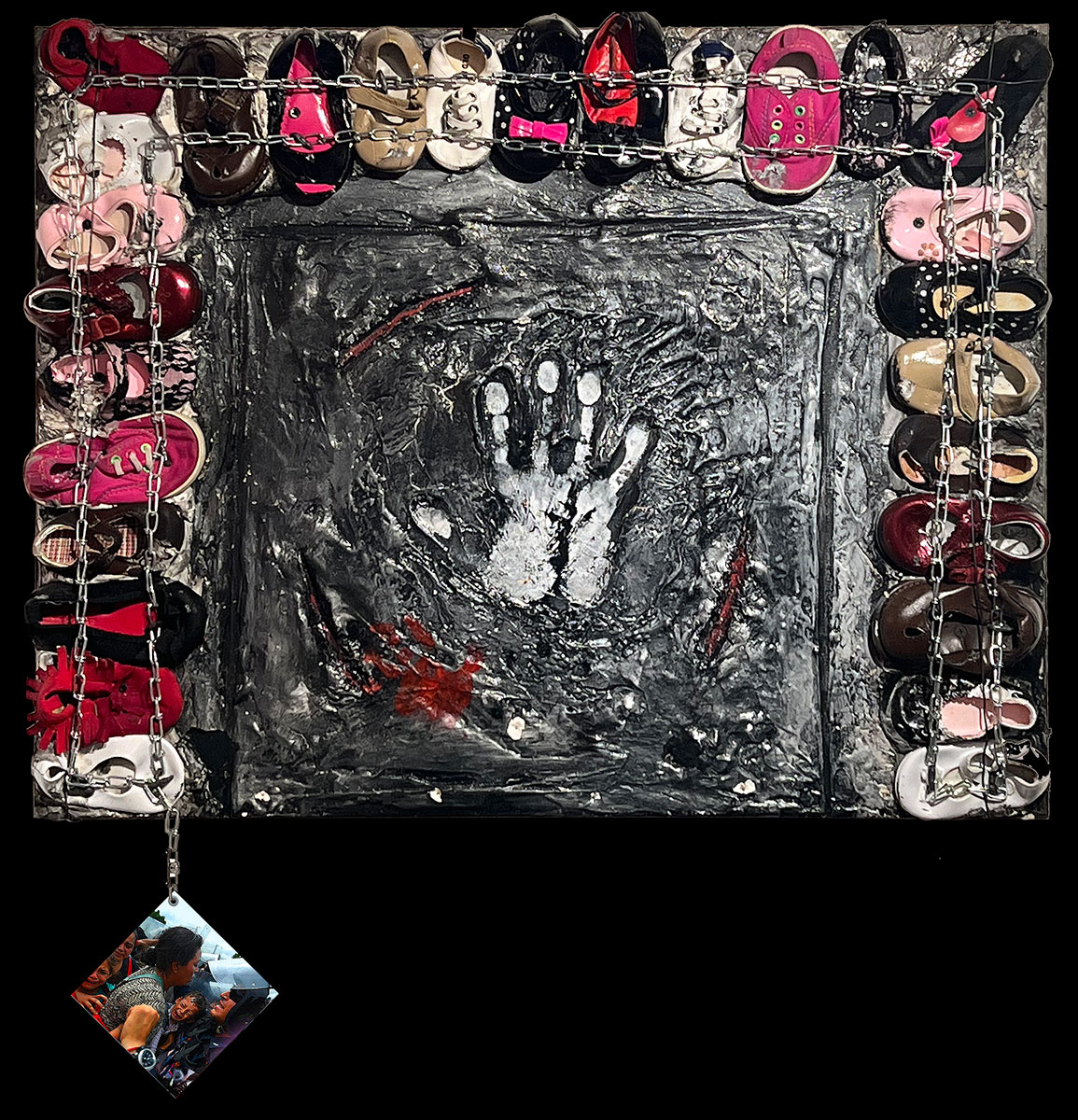
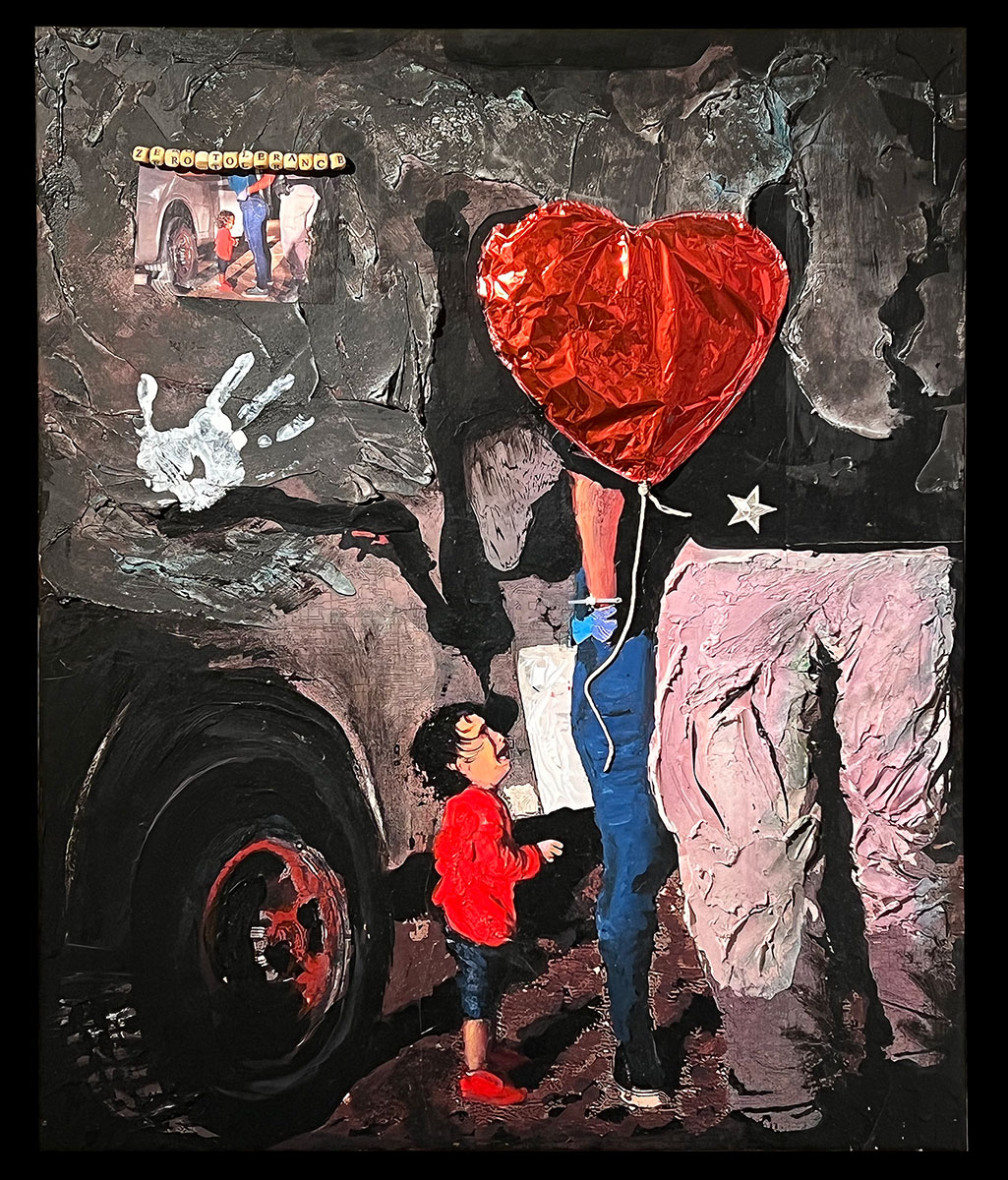
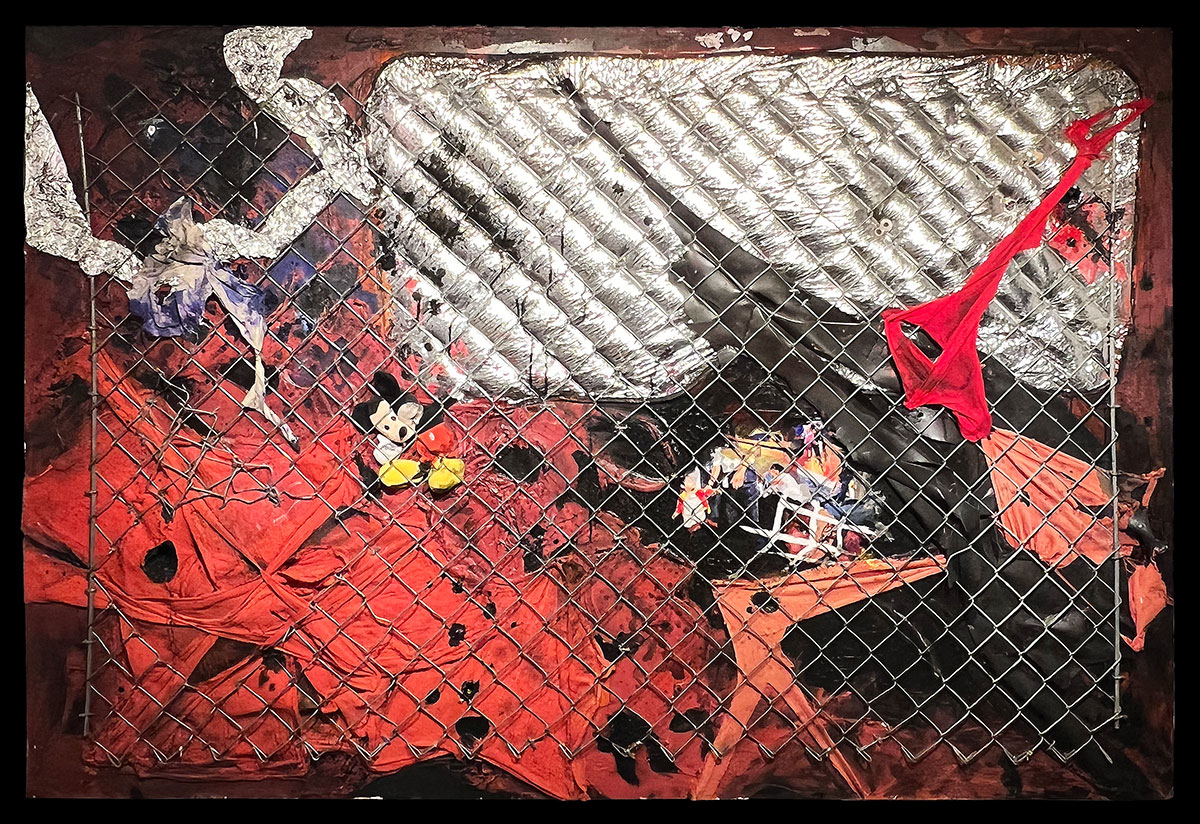
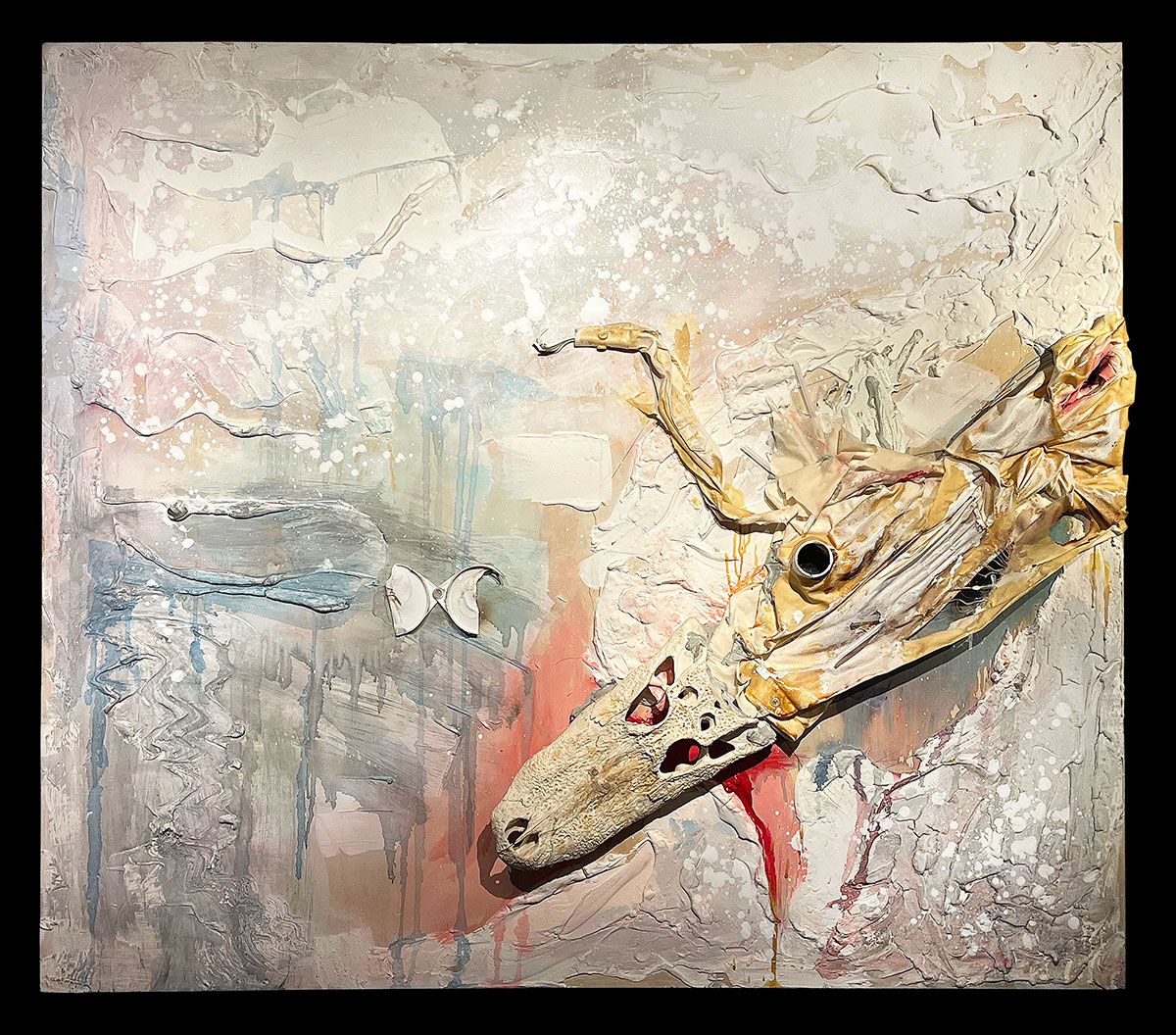
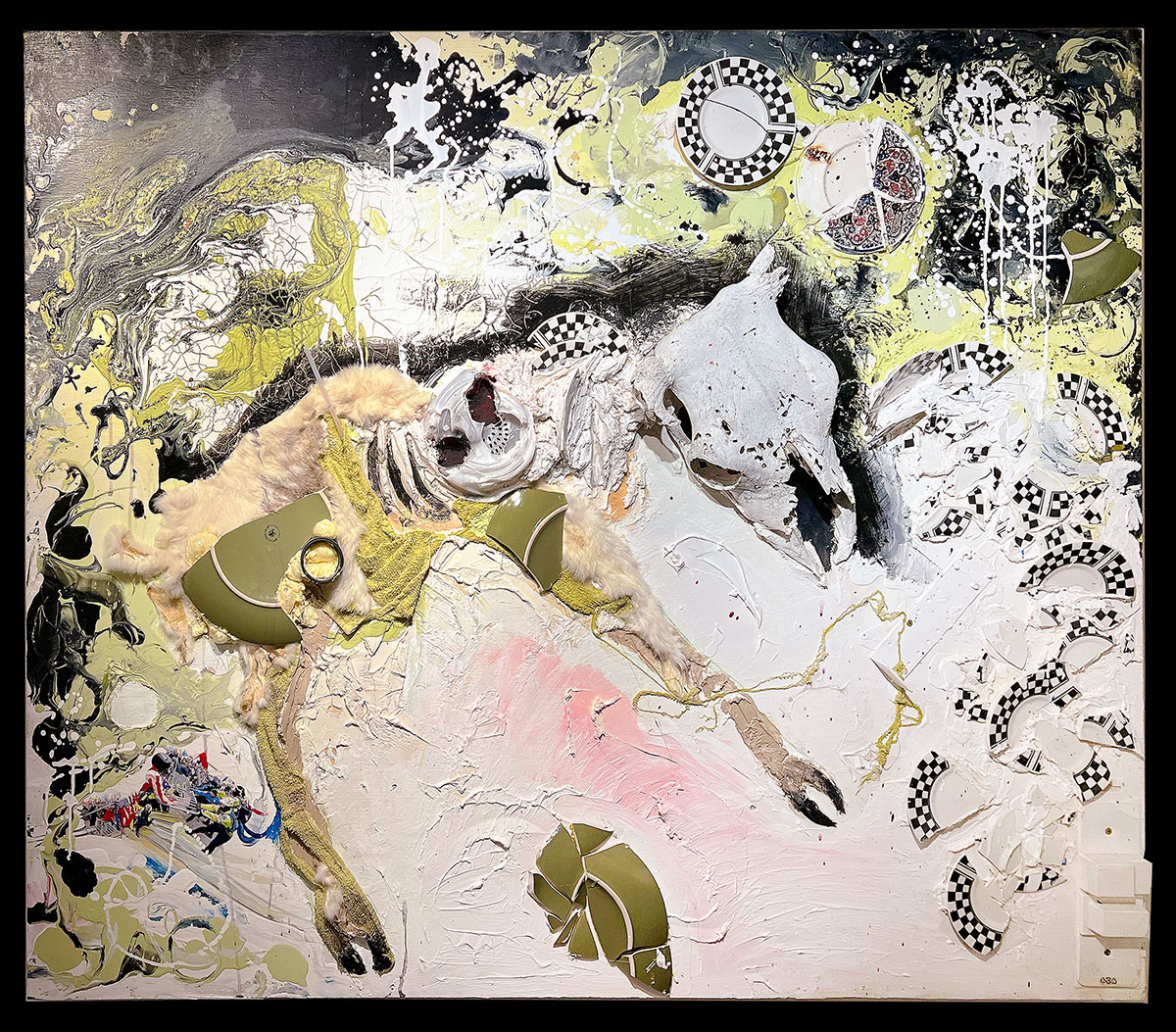
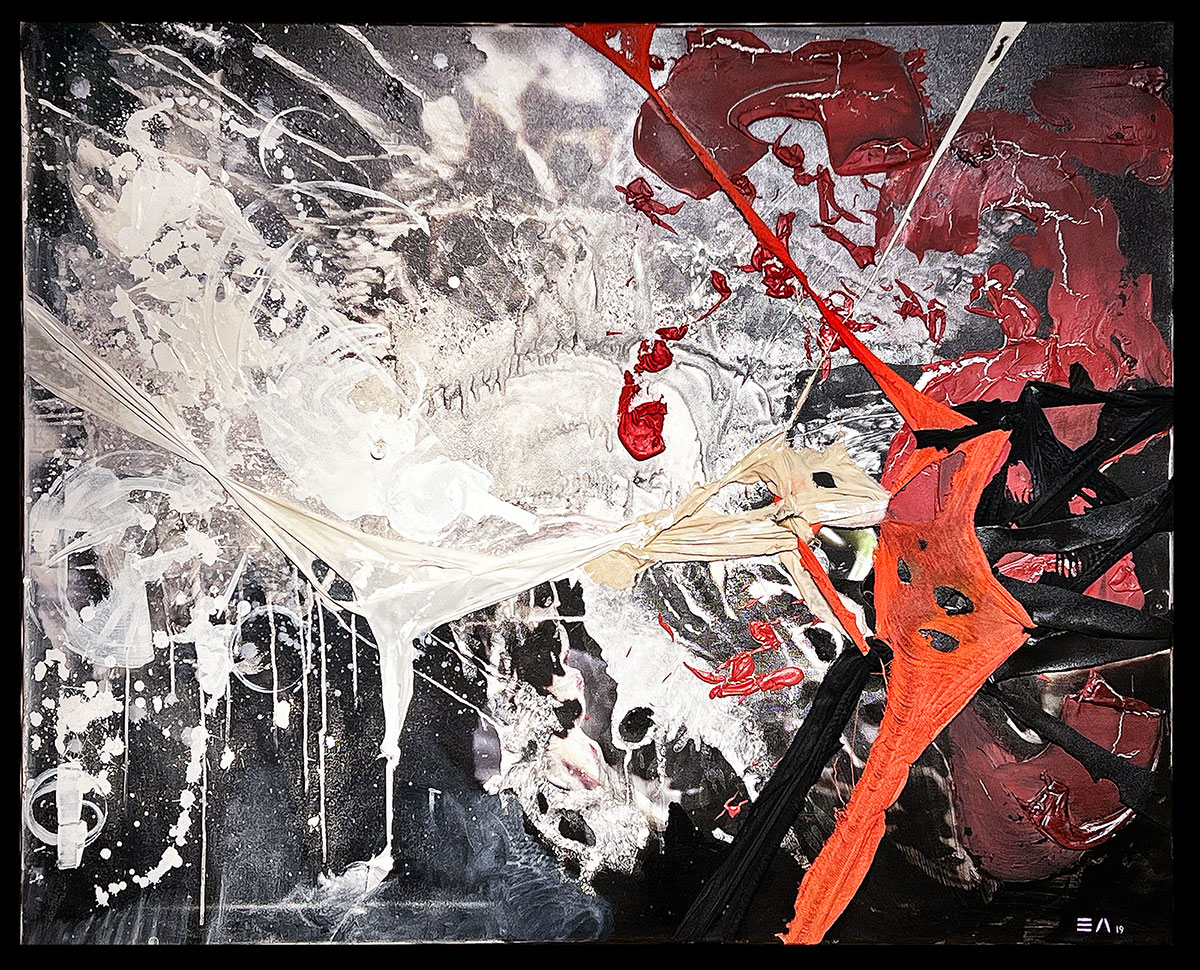
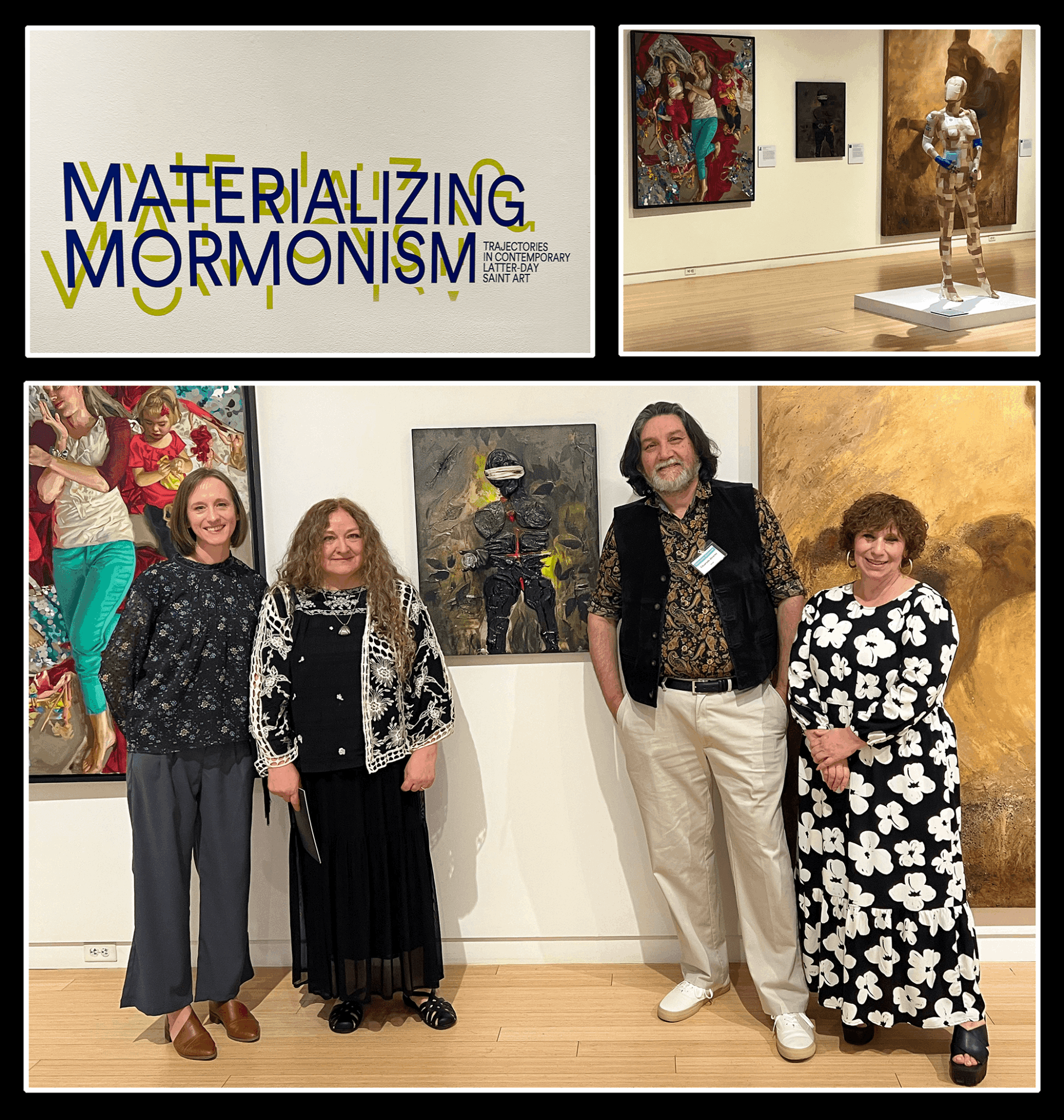
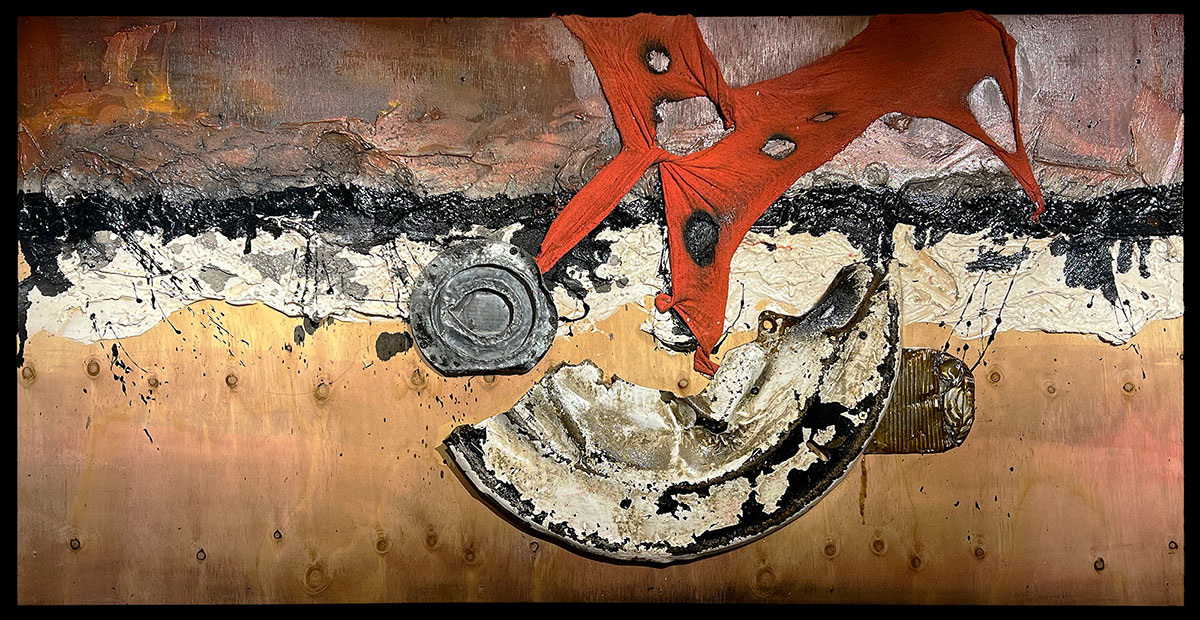
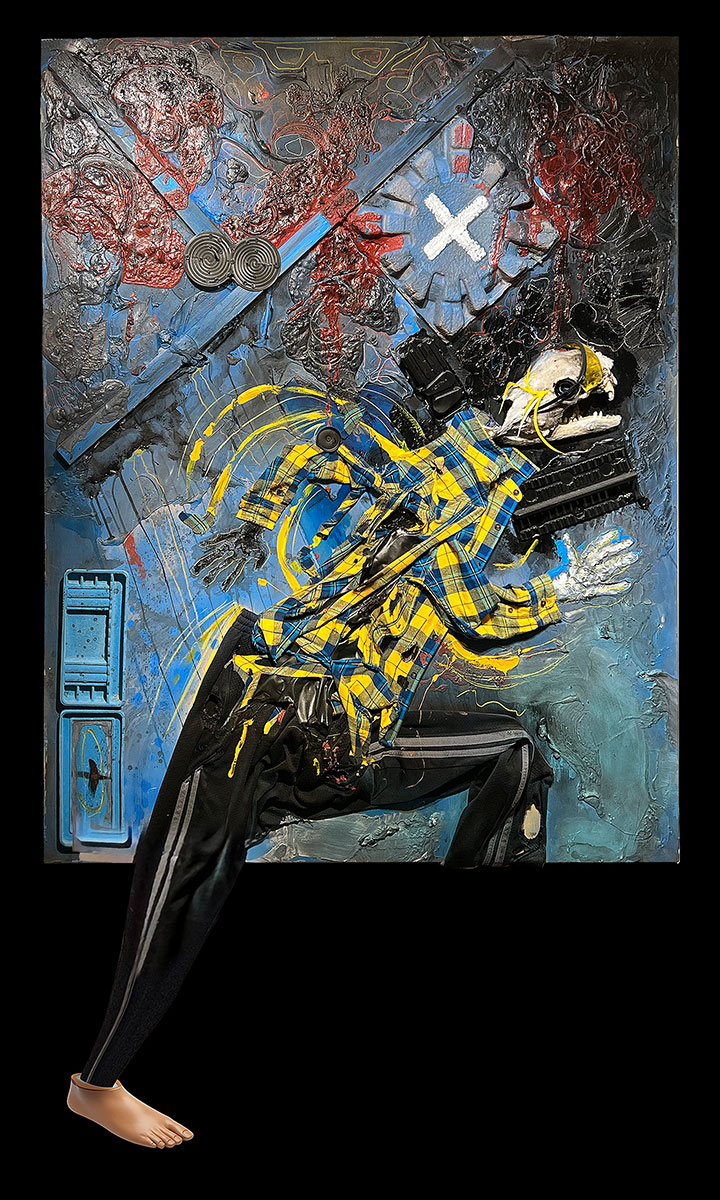
My work is shaped by the complexity of matter and the delicate balance between shape, texture, and color. As I engage with this material, the resulting textures, cracks, tears, colors, and mixtures interact with one another, creating a refined form of expression. The primary goal is to question the nature of truth. Our world contains many aspects that are surreal and relative, yet they are often accepted as absolute reality.
I use a variety of materials in my work, including plaster, wood, fabrics, ceramics, soil, rags, twigs, metals, found objects, and organic materials such as bone, hair, and plant fibers. The colors I employ come from acrylics, oils, enamels, and natural pigments, which I infuse and apply to various surfaces and objects. By combining painting with found objects, I invite viewers to explore themes of mythology, daily struggles, identity, personal anxiety, and political conflict.
This creates a world filled with lost entities and objects, much like characters in a Samuel Beckett novel. It evokes deep feelings of loss, grief, pain, frustration, death, memory, absence, and mourning. However, not everything in this universe needs to be somber. The use of scrappy materials, found objects, and messily applied paint often brings about feelings of tenderness and happiness. I aim to communicate dreams more powerfully than words can convey, allowing the spectator to savor both large and small moments, recognize the beauty around them, and ultimately cherish the experience of being alive!
In your view, what can society to do to best support artists, creatives and a thriving creative ecosystem?
One thing that stands out to me on this journey is that, although our personal output as artists is individual, it is impossible to succeed entirely on our own. We are all part of a community, and the way we engage with this community influences our artistic perspectives and creations.
I live in Provo, Utah, and because of the incredible landscape surrounding us and the deep religious roots of the Utah community, it is not a surprise that it has produced a vibrant, eloquent, and insightful pool of artists. Utah lends itself to deep thought and observation. However, even though we have the numbers, we have not succeeded in building a flourishing artist community. Many attempts have been made by several artist groups and non-profits, but it has not yet ignited. The prevailing mentality remains timid at best.
Because of conservative anti-bohemian views prevailing in Utah County, there is a lack of a social hub for artists, writers, poets, musicians, and the like to gather frequently and share experiences and support each other’s initiatives. We enjoy the company of two major universities that hold art degrees and museums. However, their outreach into the community is very poor. Outside university walls, there is hardly any sharing of what their students are doing or the amazing exhibitions held in the museum walls that include prominent artists from all over the world.
From a commercial standpoint, conventionalism shows its face with low market pricing. It appears that art is not worth its value to the general public. Every local artist who dreams of being successful has to focus mainly on out-of-state efforts.
I believe that the solution lies in educating the public about the art world and its value. This should involve an institutional shift initiated by local governments, established universities, and the local business community. Grants should be established, and educational programs and outreach efforts should be strengthened. A vibrant art scene brings significant value to a community, and it’s essential for people to recognize this.
Have any books or other resources had a big impact on you?
My artistic journey was cradled by a love for books, museums, and science. My parents had an extensive library to which I was attracted as a child. There, I first read about dinosaurs, African wildlife, and great heroes like Tarzan, the Wright brothers, Louis Pasteur, and Jules Verne. As I grew older, my interest shifted towards literature and good cinema. Franz Kafka became the doorway to many turn-of-the-century writers like James Joyce, Jean Arthur Rimbaud, Andre Breton, Jean-Paul Sartre, Samuel Beckett, and others. I delved into Italian neorealism cinema like Fellini, Antonioni, Visconti, and Lina Wertmüller. I swallowed Ingmar Bergman, David Lynch, and Peter Greenaway.
One of the pivotal influences in my life was the lengthy incursions and treasure hunts with my parents into thrift stores, flea markets, and antique stores. Though they primarily focused on books, I was attracted to 2nd World War helmets, antique toys, National Geographic magazines, and all kinds of odd curiosities. Along with my love for Natural History Museums, skulls, eggs, and seashells, these passions have followed me my whole life. Along with Ruby, my sweet wife, who shares the same passion, we constantly collect these treasures and muse about those who used these objects daily at some time or how the remnants of some species roamed in the wild.