


We recently connected with Dwight Yee and have shared our conversation below.
Dwight, looking forward to hearing all of your stories today. Can you tell us about an important lesson you learned in school and why that lesson is important to you?
The most impactful lesson I learned from school was that you can’t treat your work as precious.
I learned this my first year in Architecture School. We were asked to create a series of drawings that we then turned into a 3-d model. I remember spending so much time on the model, feeling really proud of the results. We presented to our professors, and after everyone in my class had shown their work, the professors asked to take our models to the woodshop to cut them in half.
I remember being so devastated by the idea. Of ruining something I had spent so much effort and energy creating. Why would they have us do this?
The importance of the process, however, became clear after I finally gave in. In cutting the model in half, we could look at the cross-section of the model, to understand how our construction process could be communicated to others. And, from that, we learned how to more clearly draw sections that could communicate our ideas to others.
This really changed how I thought about the process of design. I originally had fixated on the result. But the reality is that the process is more important. We have to be willing to critically evaluate what we do – and recognize when we might need to change things dramatically to get to a better result. If we treat everything we come up with as precious – as something that shouldn’t be changed/modified/undone, we blind ourselves to potentially better, far more successful solutions.
Dwight, love having you share your insights with us. Before we ask you more questions, maybe you can take a moment to introduce yourself to our readers who might have missed our earlier conversations?
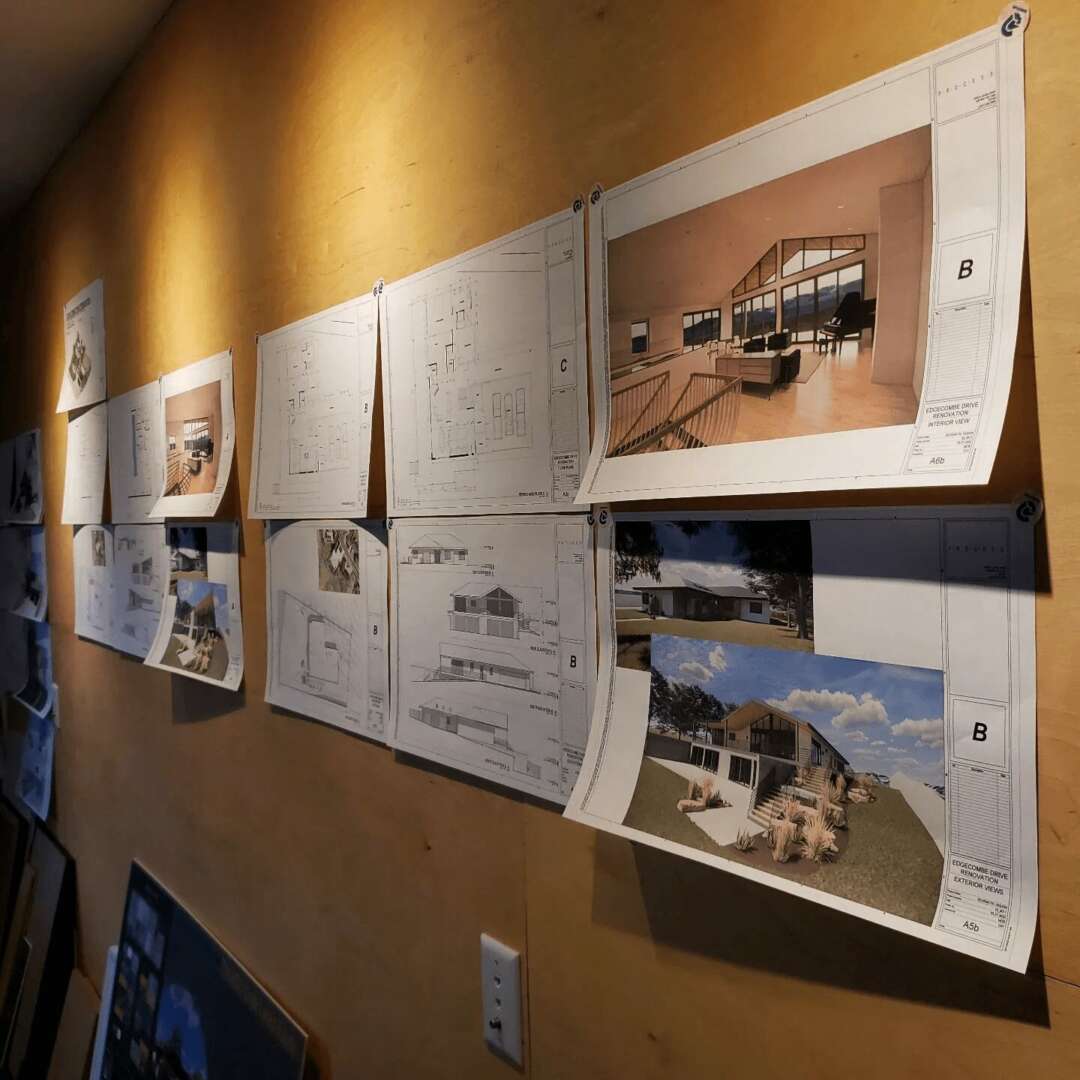
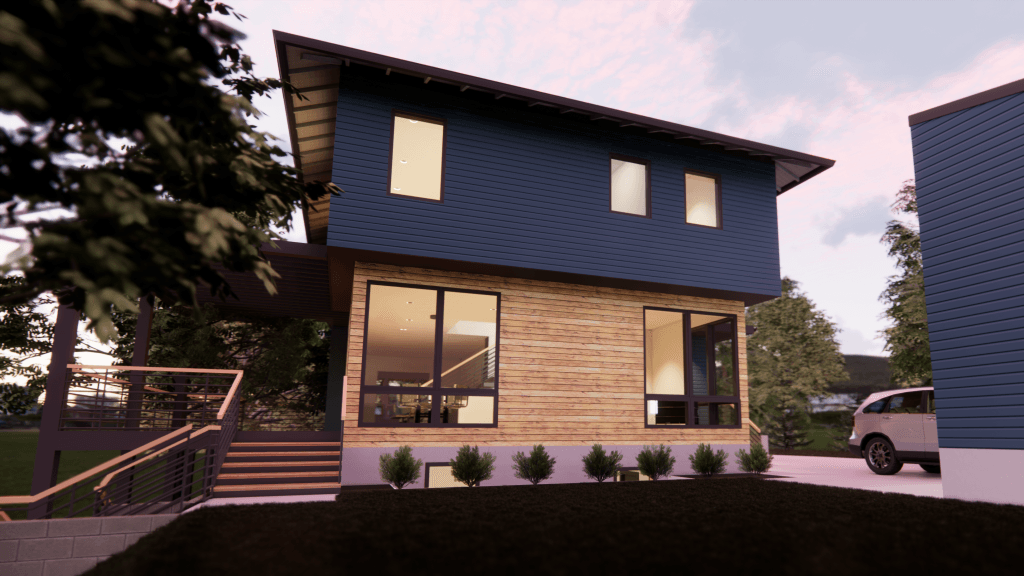
I’m a Native Utahn, Chinese-American. I am a Practicioner and Educator. I have a small Architecture firm, Process Studio, which I started with my business partner, Eric Egenolf, in 2011. I also am a Clinical faculty member at the School of Architecture at the University of Utah.
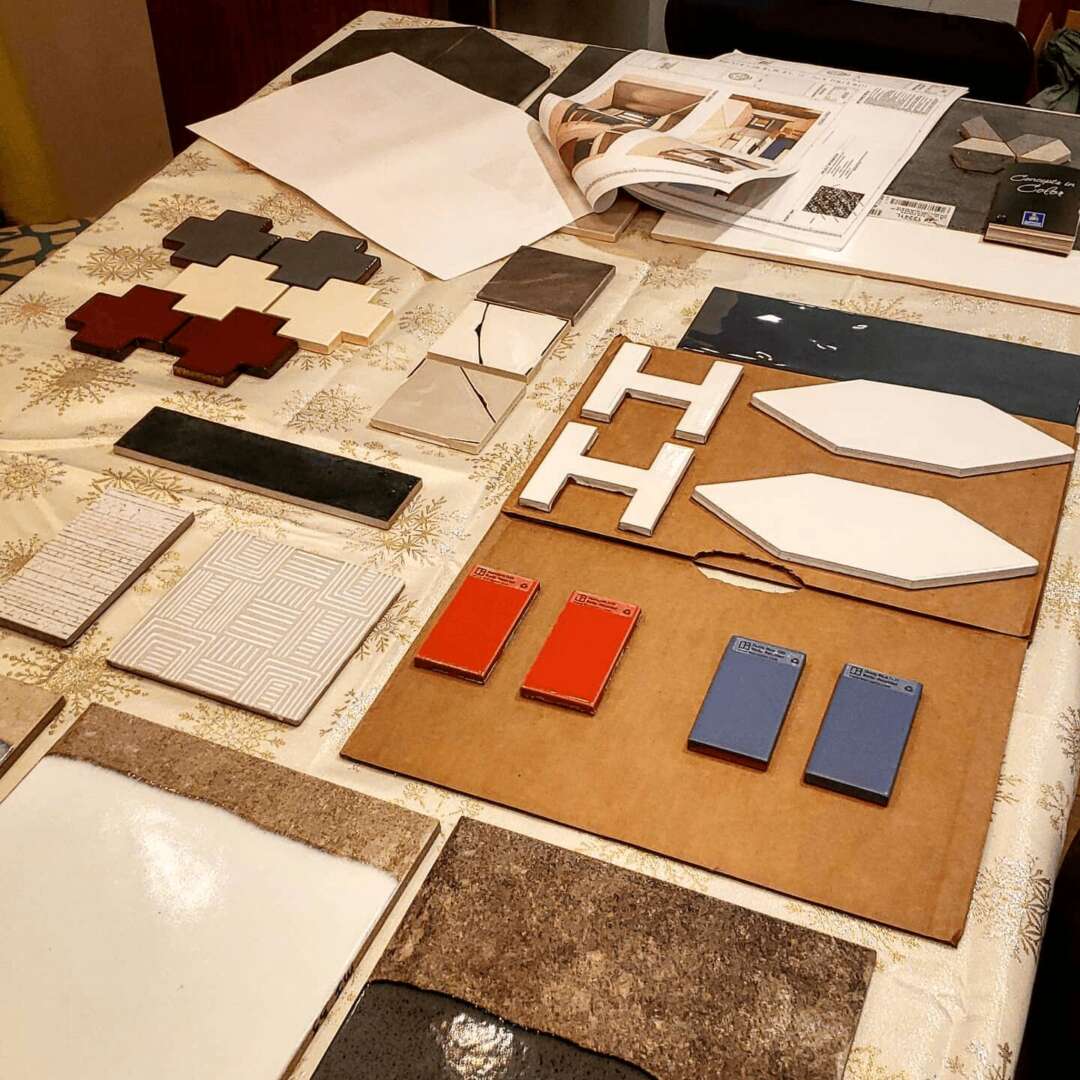
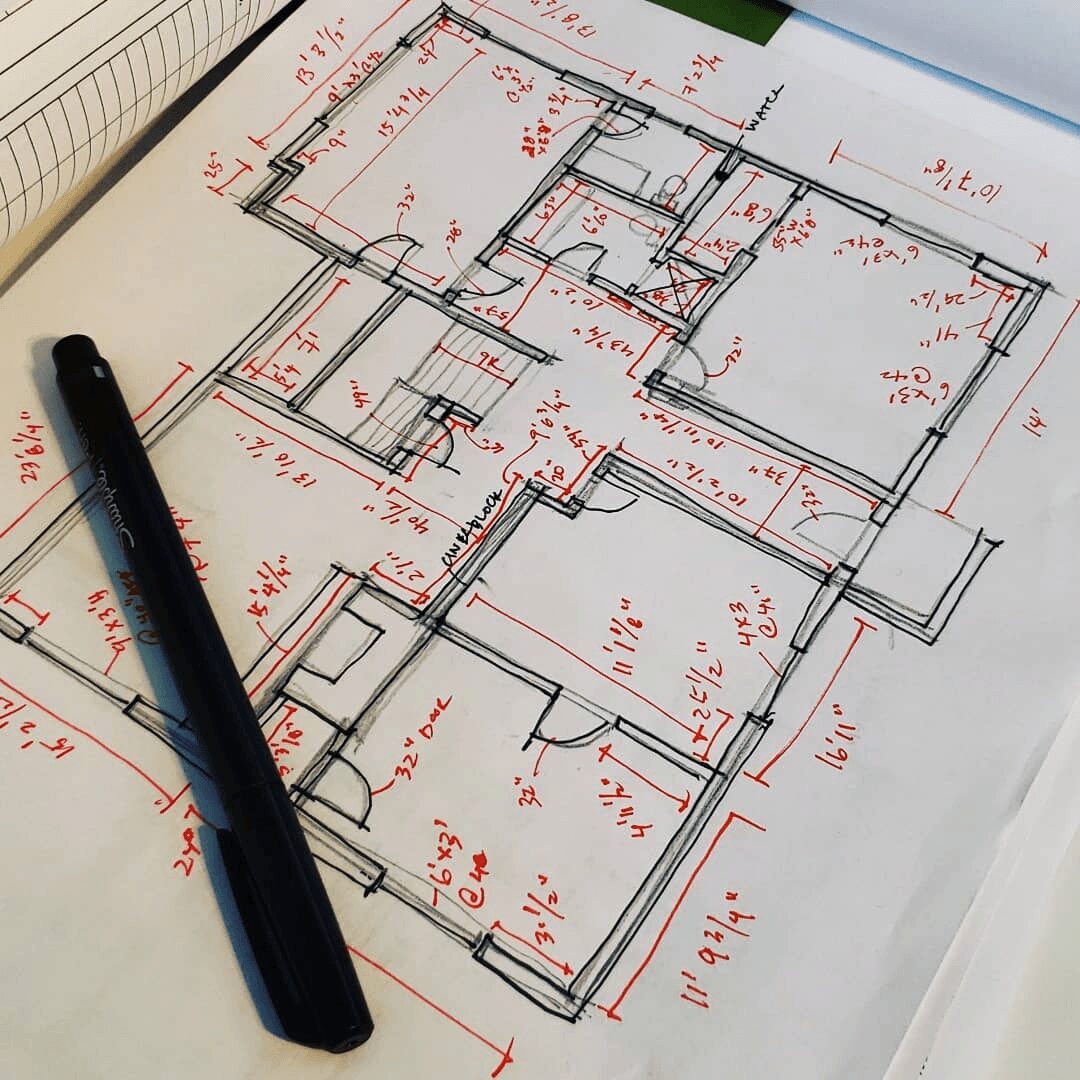
As an Architect, I am interested in process – both the design side and construction side. I see ourselves as as translators, taking the words of our clients and transforming them into the language of physical space. It means we need to be good listeners – trying to understand through our engagement with our clients the key values they have, which are sometimes more implicit than explicit.
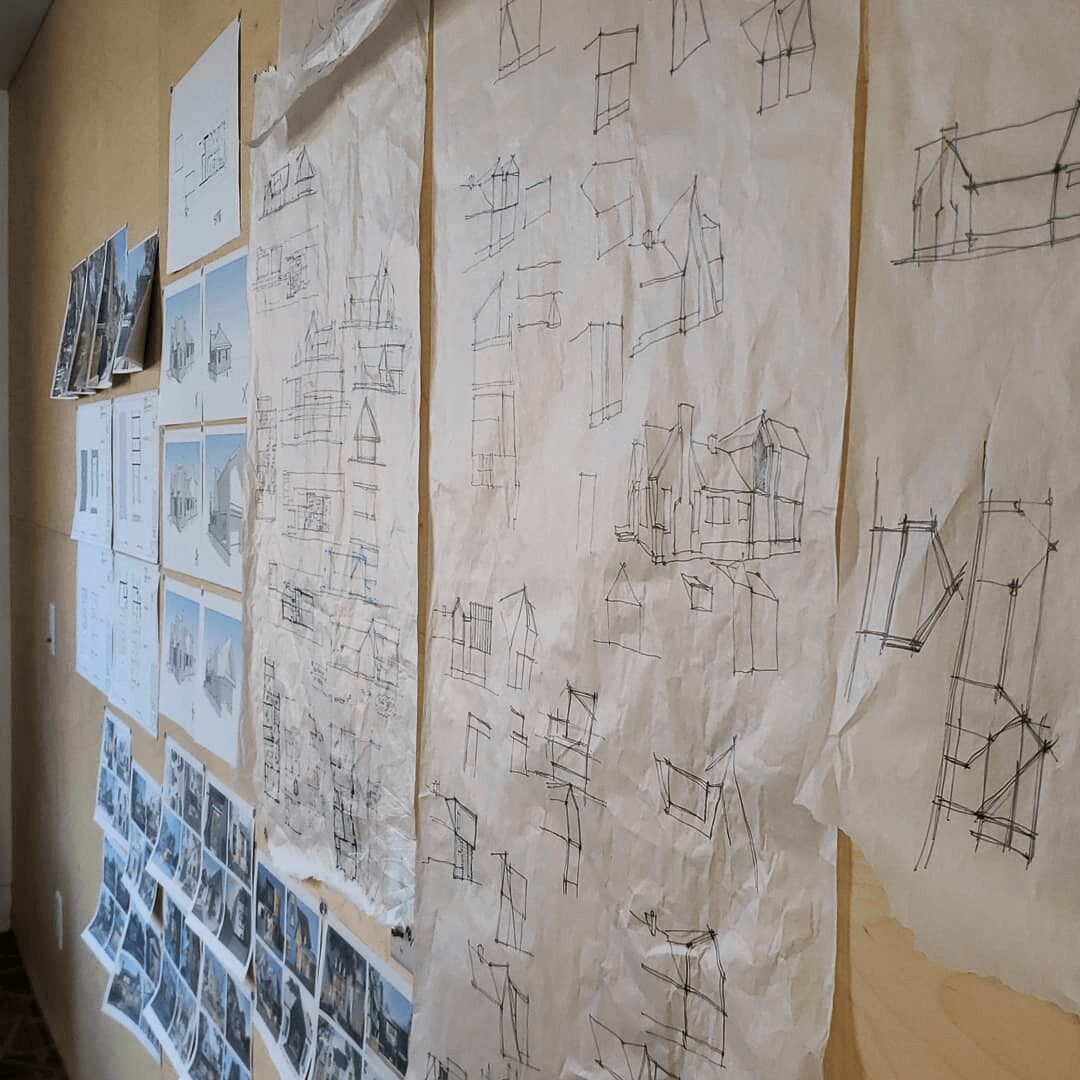
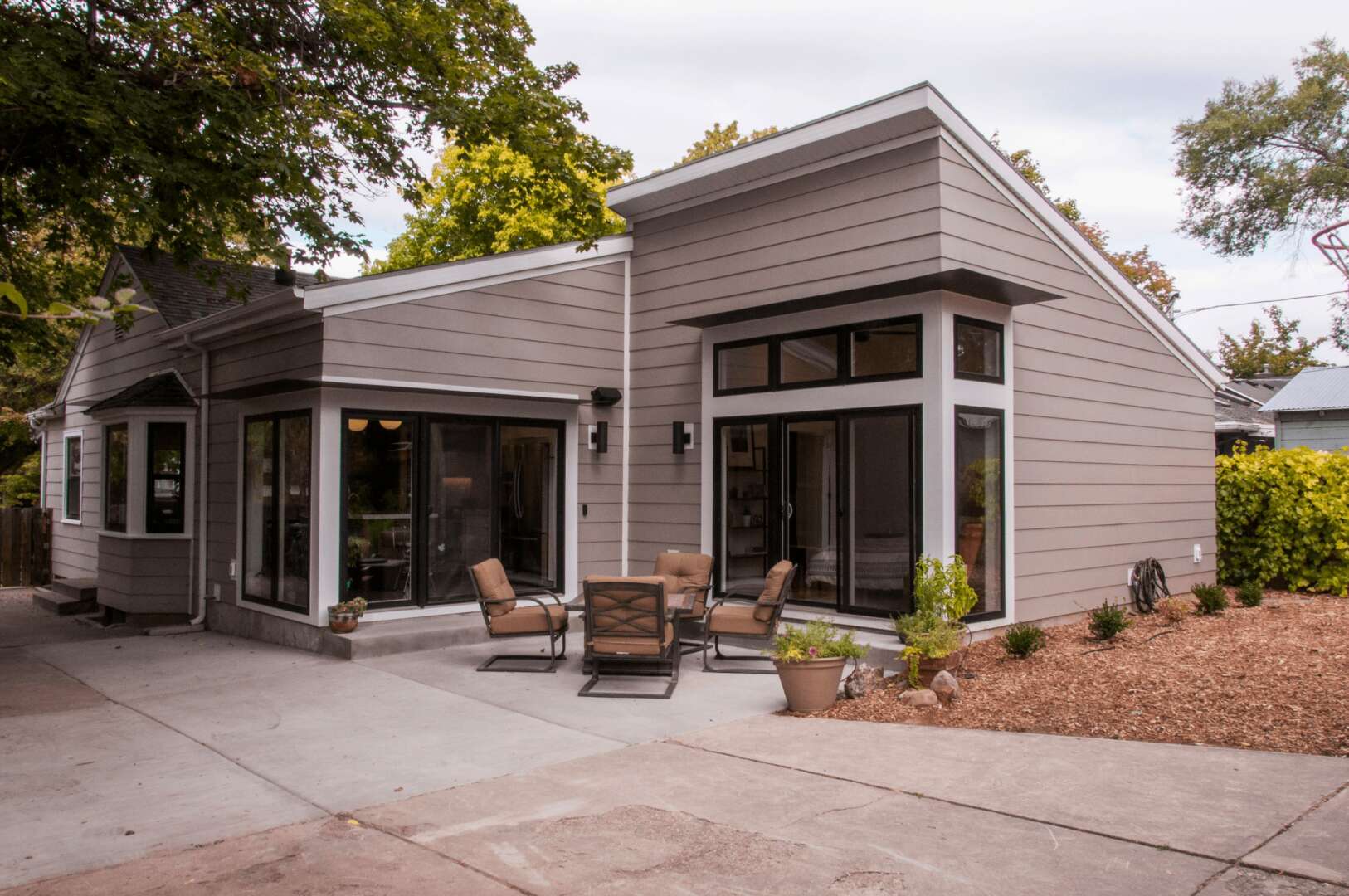
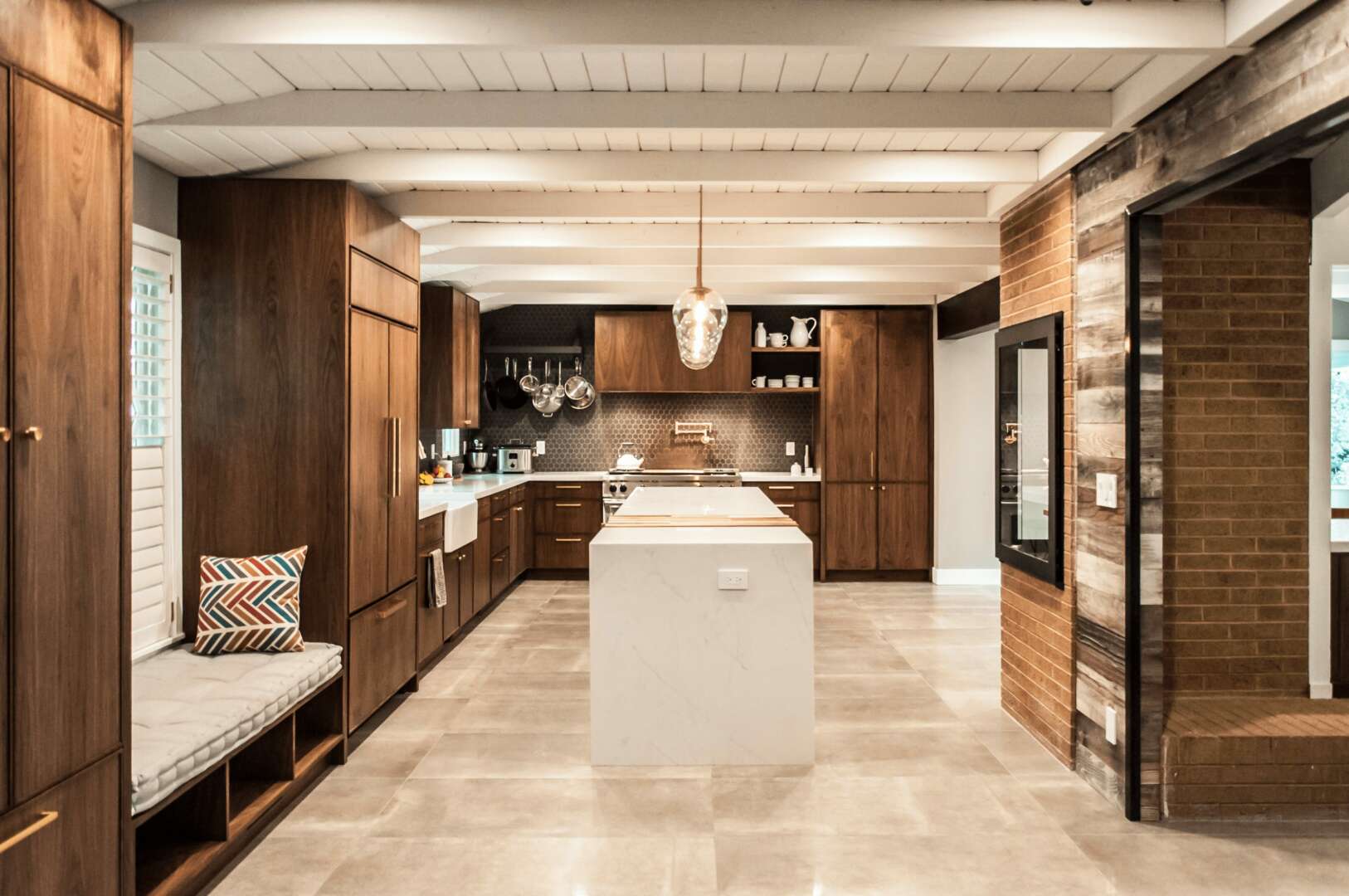
We see our projects as a big puzzles. Often times, particularly when we renovate existing buildings, we are identifying key issues that make the space non-functional for our clients. Sometimes these issues are obvious. Other times, we are able to help our clients realize things about their own habits and preferences that help unlock solutions that they may not have even considered. We do this through iterating ideas, developing options, and considering how different possibilities best address the needs of our clients.
We are most proud of how happy our clients are with the final results. After all, they are the ones that will spend their lives in the spaces we have helped them create. We prioritize this most, and find the greatest value from helping our clients fulfill.
How’d you meet your business partner?
I meet my business partner, Eric, while in school. We both went to Carnegie Mellon University for our professional degree in Architecture. He was a couple of years older than me, and while in school, I knew him primarily through his wife (girlfriend at the time), who I was good friends with.
His and his wife moved to Utah for her to attend a PHd program at the University of Utah. I had returned to Utah after working in New York City, and was doing some freelance work. We decided to enter a couple of design competitions together, and in doing so, realized we work well together. This helped us understand each others design process, likes and dislikes, and what we valued in the work we wanted to do.
This compatibility made it easy to consider starting a firm together. Eric was looking to leave his current office to pursue something that gave him more autonomy, and I was still freelancing. We figured, why not give it a shot and invest our time in creating something that we owned.
Where do you think you get most of your clients from?
How best source for new clients has always been referrals. We value this for two reasons – 1) it assures us that our clients enjoyed working with us and value what we accomplished for them and 2) they trust us enough to share our contacts with their friends, who trust them.
When we get referrals, there are much higher odds that we will eventually get the commission. Also, we find that, if we had a good relationship with the clients that provided the referral, we will likely have a good relationship with the person referred. There is a confidence in feeling as though, from the beginning, the project will be engaging, positive, and successful.
Contact Info:
- Website: https://www.processpllc.com
- Instagram: @processpllc
- Facebook: https://facebook.com/processpllc


Image Credits
all photographys by dwight yee.
rendering by process studio