



We were lucky to catch up with Drew Beavers recently and have shared our conversation below.
Drew, looking forward to hearing all of your stories today. Have you been able to earn a full-time living from your creative work? If so, can you walk us through your journey and how you made it happen? Was it like that from day one? If not, what were some of the major steps and milestones and do you think you could have sped up the process somehow knowing what you know now?
I’ve been able to support myself through tattooing. Some years were better than others. With a career like this your income is never guaranteed, so you have to constantly make adjustments. After 17 years, it’s been a little easier not to panic when things get slow because you’ve seen it before and understand it’s only temporary. Budgeting is definitely key when you are self employed.


Drew, before we move on to more of these sorts of questions, can you take some time to bring our readers up to speed on you and what you do?
My name is Drew Beavers and I’ve been tattooing professionally since 2008. I was taught the craft by John Baize in Wilmington, North Carolina. I come from a religious family that often struggled financially, but always had everything we needed. I was first attracted to the idea of tattooing through the skateboarding and punk rock subcultures. I started skateboarding around 8th grade and had been listening to bands like Green Day, Pennywise and NOFX since around 6th grade. I always liked the look of tattoo designs covering the arms. My Dad was a Chief Petty Officer in the Navy and he had some tattoos already when I was very young, so the idea of being tattooed was always there. Growing up I was always drawing and was interested in art. Everyone around me would tell me I should make art my career. After getting a few tattoos I really fell in love with the tattoo culture and atmosphere of the tattoo shops. Being a broke young man with terrible money skills I had to seek a working apprenticeship since I never could seem to save the money to pay for an apprenticeship.
Hard work and tenacity pay off and I eventually learned to tattoo. My mentor taught me great principles like every tattoo is important no matter the size or design, and we must always give it our very best effort. Cleanliness is another very important aspect of this business. In tattooing the artist has to bring the idea the client has in their mind and bring it to life on the skin. That’s something I think I do very well. At least, that’s what a lot of my clients tell me.
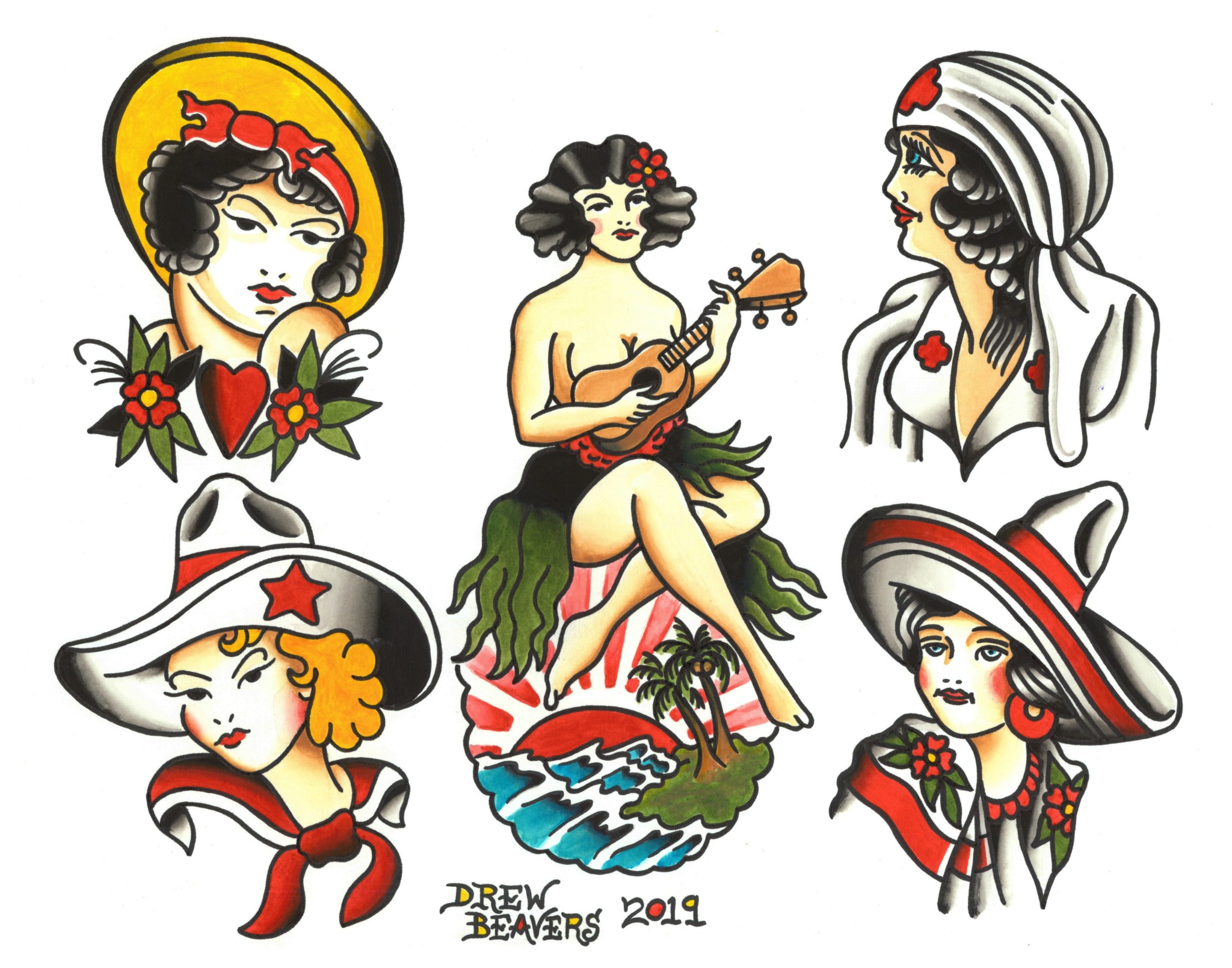
My specialty is American and Japanese Traditional. I try to bring a unique approach to these styles because it’s very easy to be stuck in rigid parameters when it comes to execution of these designs. I’m also able to accommodate many other styles such as new school, neotrad and of course black and grey.


For you, what’s the most rewarding aspect of being a creative?
For me it’s being able to provide a means of expression for people. Tattoos are very effective in expressing an emotion or passion. When I hear the words, “it’s exactly what I was thinking” or “ it looks even better than I expected”, then I know I’ve done my job. There’s a lot of pressure and anxiety when it comes to putting permanent marks on people. I try to take time to really pin down the idea and design. We live in such a rush most of the time. Everything seems to cater to the instant and the immediate. With tattoos, it’s so permanent you must not rush the process.

What do you think is the goal or mission that drives your creative journey?
I’m a big history nerd. I love history. I love learning how things came to be, what happened in the past and why things are done the way they are. I would say one of my goals is to preserve the core of American tattooing. The hustle and passion that helped it survive and thrive for over a century. My tattoo station is surrounded by tattoo art from the 1920’s to the present day. I really like telling people about the history of tattooing. I want to earn my place in this industry and honor the giants whose shoulders we stand on. To quote Gustav Mahler “ Tradition is not the worship of ashes, but the preservation of fire.”
Contact Info:
- Website: https://www.inkeeperstattoo.com
- Instagram: @drewbeavers
- Facebook: https://www.facebook.com/DrewBeaversTattooing

