

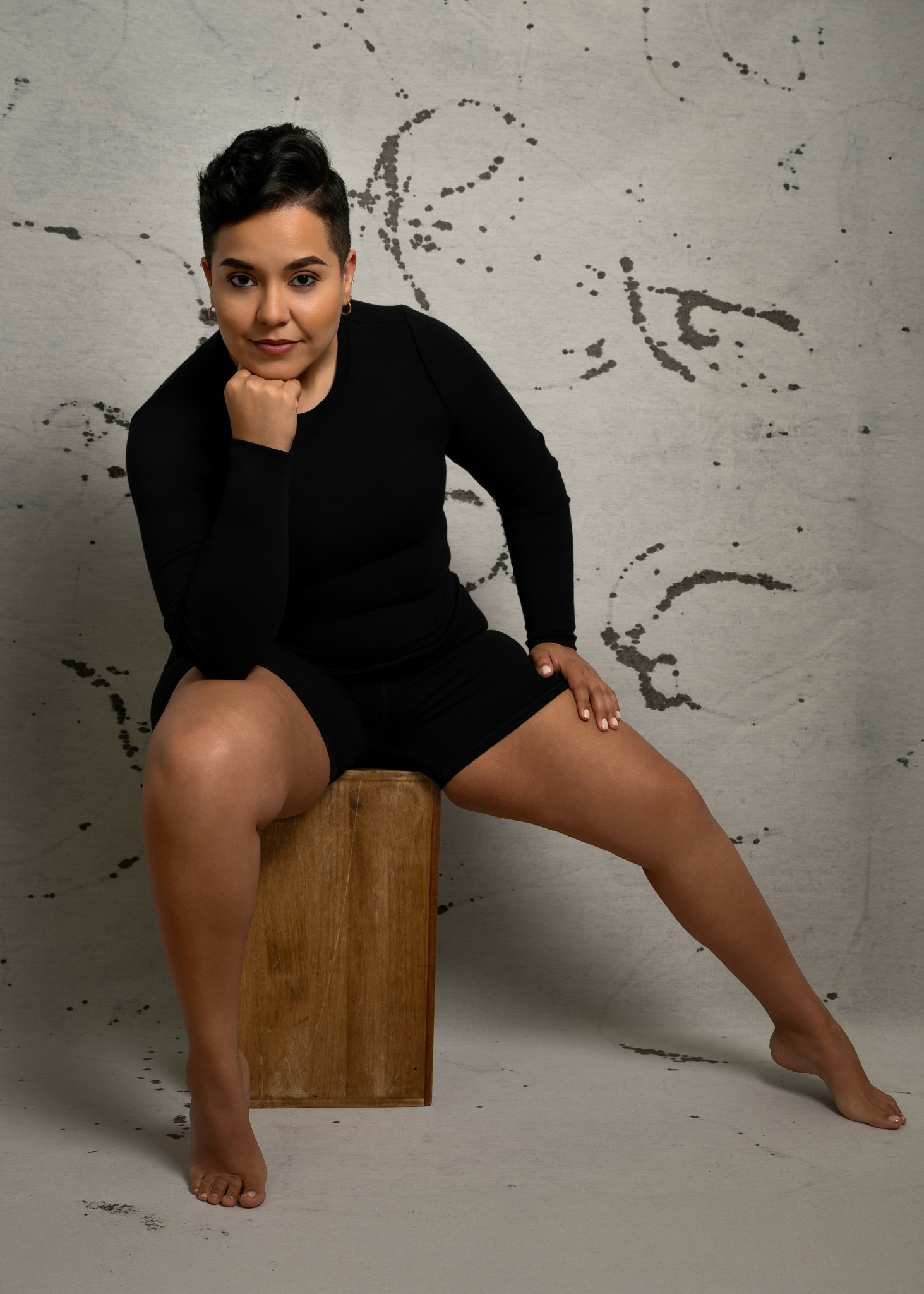

Alright – so today we’ve got the honor of introducing you to Dr. Nury Lizeth Castro. We think you’ll enjoy our conversation, we’ve shared it below.
Dr. Nury Lizeth, thanks for taking the time to share your stories with us today It’s always helpful to hear about times when someone’s had to take a risk – how did they think through the decision, why did they take the risk, and what ended up happening. We’d love to hear about a risk you’ve taken.
After finishing my doctoral program in 2023, I found myself at a loss regarding what would come next. I was so focused on this academic achievement my entire life that I never thought of life beyond it. I think there is a sense of loss and grief that accompanies big achievements, particularly ones that require a focused amount of attention, capacity, grit, dedication, and resilience. I was too focused on reaching this milestone that I never considered there would be life after reaching it. So, life after a doctorate felt empty, confusing, and lacking. I started therapy and was able to unpack how much of my identity and self-worth was tied to the academy and to my academic accomplishments. Via this therapy journey, I was also officially diagnosed with an eating disorder and disordered eating. For as long as I can remember, I have had a tenuous relationship with food and with my body. I knew this about my relationship with food and my body, but having the language of a diagnosis made it feel different… made it feel real and worth addressing, especially now that it seemed like I had more time and capacity after being a student most of my life. With this newfound diagnosis and feelings, I started to research personal training, nutrition support, workout programs, and so on. To make this portion short, I stumbled upon a nearby CrossFit gym that prided itself on being mission-driven and trauma-informed. I had never been athletic or an athlete. I wouldn’t dare even consider CrossFit (or so I thought, huh?). I did not believe trauma-informed and mission-driven could co-exist with CrossFit, based on the stereotypes and perceptions of CrossFit and who did CrossFit. I kept coming back to the page, to the reviews, to their social media, and the nagging idea of checking it out wouldn’t leave me. So, I scheduled an intro appointment with this gym after getting back to town. I met with the gym owner, and I was further intrigued but very skeptical. I still am not sure how to fully express what took over me, but I knew this would be my new challenge. Taking on CrossFit was a risk in and of itself, but the biggest risk for me was meeting my body and trusting that we could explore this new endeavor together. With support from a nutritionist, I was simultaneously re-developing my relationship with food and learning the very real and direct correlations between how I ate to fuel my body and my performance in workouts. I began to see food as fuel, as good, as sustenance, and less as an enemy, a hardship, a vehicle of shame. I stopped wanting to disappear and make my body small; I learned that starving would not serve me, in any way, and especially with my performance. I saw muscles, definition, and broader shoulders, and I began to wonder how I could ever question my body’s strength and worthiness. I have lost nearly 40 pounds, increased muscle mass, regulated every concerning number on medical lab reports, but most of all, I have started to build a life that feels holistically mine and so worth living for.
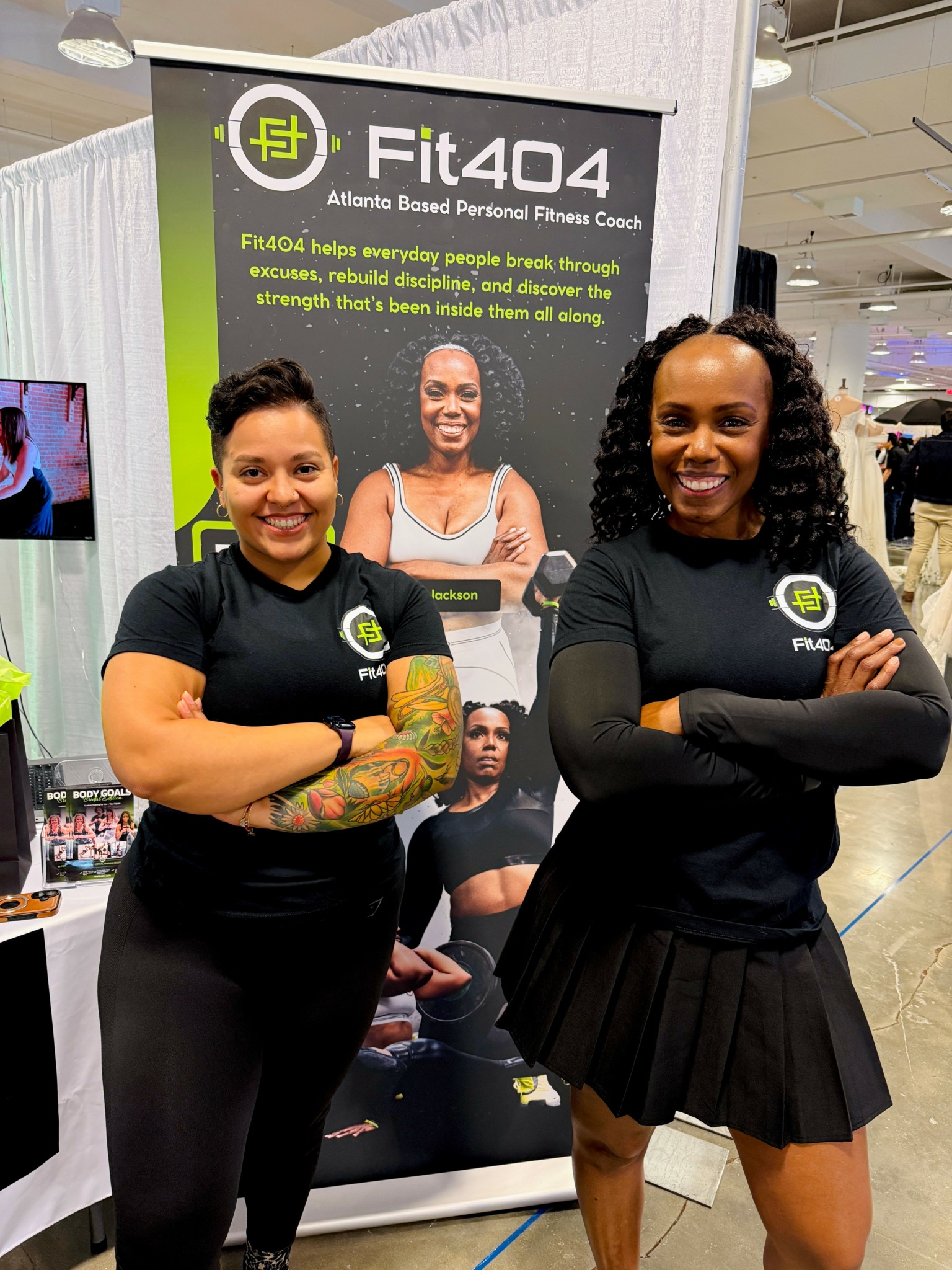
I took a risk to trust my body and my mind to meet and do really hard things — the same grit that saw me through rigorous academic journeys is seeing me through a wellness and fitness journey I never would have thought possible. I bet on myself, and the risk was so worth it. Now, over two years later, I am a CrossFit trainer at the very same gym that has seen the day one version of me, and along with trauma-informed training, my main goal is to help every single athlete bet on themselves and accomplish the very things they never thought possible, because the reward so outweighs the risk.
Dr. Nury Lizeth, love having you share your insights with us. Before we ask you more questions, maybe you can take a moment to introduce yourself to our readers who might have missed our earlier conversations?
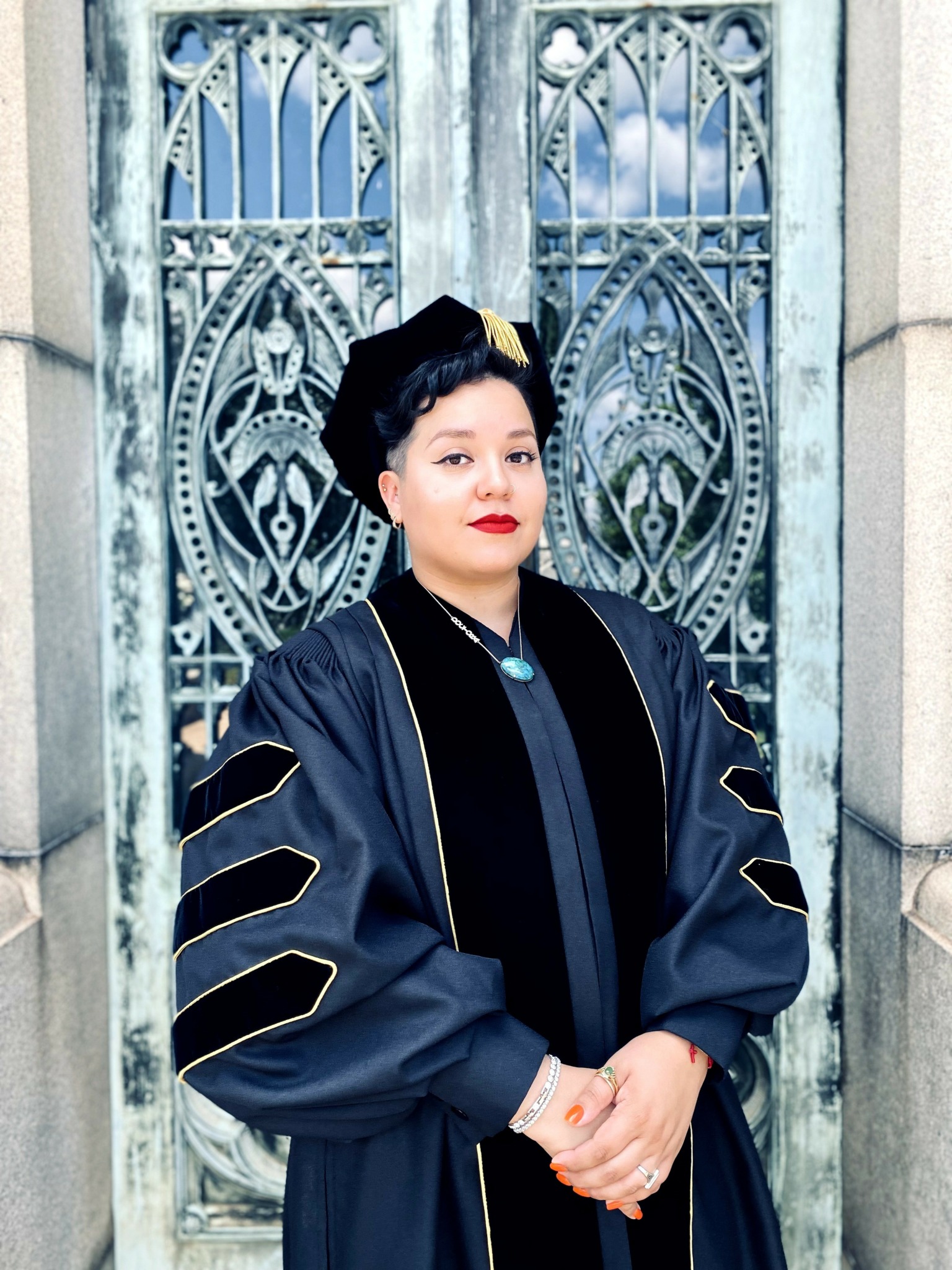
My work, expertise, passions, and I exist at the intersection of many things; mostly, if I had to pick, I would say I live somewhere between strategist, educator, and consultant/coach/trainer. My academic and early career training were in higher education and local government. My doctoral research focused on how local governments in the American South can, and should, be inclusive of immigrant communities. I have worked at small, medium, large, public, and private institutions of higher learning. My work in higher education was primarily in student affairs — the portion of colleges and universities that supports students outside of the classroom. Within such roles, I have planned and led social events, workshops and trainings, executive leadership trainings and certifications, faculty and staff support, and service learning opportunities. My work in local governments has similarly centered around community engagement, community social support programs, and outreach initiatives focusing on historically minoritized backgrounds.
I have, and still, work with organizations to create systems and policies that are both impactful and human-centered. I have led work as a practitioner and advised on work as a consultant, coach, and board member for various colleges, universities, local governments, and non-profits. My experiences with student development and designing curricula and training opportunities for adult learners have supported me in developing and fostering the skills necessary to work with individuals on setting realistic and attainable goals and personalized plans. Whether working with a student to create a college or graduate school plan, or working with someone on personal training, both require the same skills I’ve fostered as an educator — being teachable myself, centering creativity for everyone’s different learning styles, leaning into challenging them, and always supporting and cheering them on through their wins. When I work(ed) with college students, it was important to see them fully and remember that they were developing and bringing so much more than just their student identity into our spaces. Similarly, when I coach people at the gym, I center that they bring so much experience with them, aside from their physical abilities. Working with people and being trauma-informed in our practice, whatever the discipline, means seeing, honoring, and working with people and their fullness, including the trauma and very real life experiences they carry with them. Most of all, I care about people, especially those from minoritized backgrounds like mine, seeing themselves in academic programs, leadership positions, and in fitness and wellness spaces.
What I think sets me apart is that my approach to everything is intentional, experience and research-driven, trauma-informed, and cognizant of how systemic realities and inequities have a role in everything around us. I believe that all systems are made of people, and people deserve to be their best selves, so our systems can function for everyone’s common good.
Have any books or other resources had a big impact on you?
A book that has changed my life and given me a well-rounded philosophy for approaching my professional and personal work is Emergent Strategy: Shaping Change, Changing Worlds by Adrienne Maree Brown. Brown wrote this book, inspired by Octavia Butler’s explorations, to help us interrogate and build the world we want to see while embracing the fact that the most constant thing in our lives is change. An excerpt from the book that felt like a defining moment for me is: My life is a miracle that cannot be recreated. I can never get these hours, weeks, years back […] I have to use my life to leverage a shift in the system by how I am, as much as with the things I do. This means actually being in my life, and it means bringing my values into my daily decision making. Each day should be lived on purpose. […] Adapting to the changes of life, yes, but with a clear and transparent intention to keep deepening with my loved ones and transforming together (p. 54, print).
This was a reminder to me that we all have a role in building our collective future and our collective world. We all hold and exercise such unique and necessary talents. It has been important to me to find my place in the world outside of the academy and outside of my professional title and responsibilities. I would like to believe that my contributions to our world in helping people build, honor, and bring forth their best selves will be one that carries on for generations beyond me and my existence.
What’s a lesson you had to unlearn and what’s the backstory?
I have had to unlearn perfection. I have always been very hard on myself, a trait that I think brought me much success, but also much trauma, hardship, and endless grind culture. I have had to unlearn wanting everything I do to be perfect before starting it, sharing it, or putting it out into the world. There is a truth that the confidence you build in the gym transfers to other parts of your life — one of the biggest lessons I have learned from training in CrossFit is to be curious. This curiosity requires an openness to failure, or, well, not being perfect. Instead of witnessing a new movement and thinking, “I can’t try that because I won’t be good at it,” I try my best to re-frame and lean into curiosity by wondering: “What if I tried that?” “What if I tried some of the progressions and built up to the full thing?” “What could be true about my relationship with my body if I just tried?”
This same lesson of leaning into curiosity has brought me to explore and foster other talents, hobbies, and roles. I started coaching my own CrossFit classes a little over a year ago. I was hesitant to try coaching because I continued to center all the things I didn’t know or couldn’t yet do. Then one day, while writing, I realized that I was missing out on an opportunity to put my educator skills to use in a completely different setting. I knew what it was like to teach and facilitate in small, medium, and large rooms, with people of all ages, abilities, and roles. While coaching a CrossFit class comes with many new considerations, I knew I had some of the foundational skills — teaching, managing, coaching, motivating, and celebrating. This has been an affirming reminder that my skills are transferable, perfection isn’t real, and trying things scared is more than half the battle.
Contact Info:
- Instagram: @LaVidaConGrace
- Other: https://ladoctoranlc.substack.com/
Image Credits
– Turron House Studio