

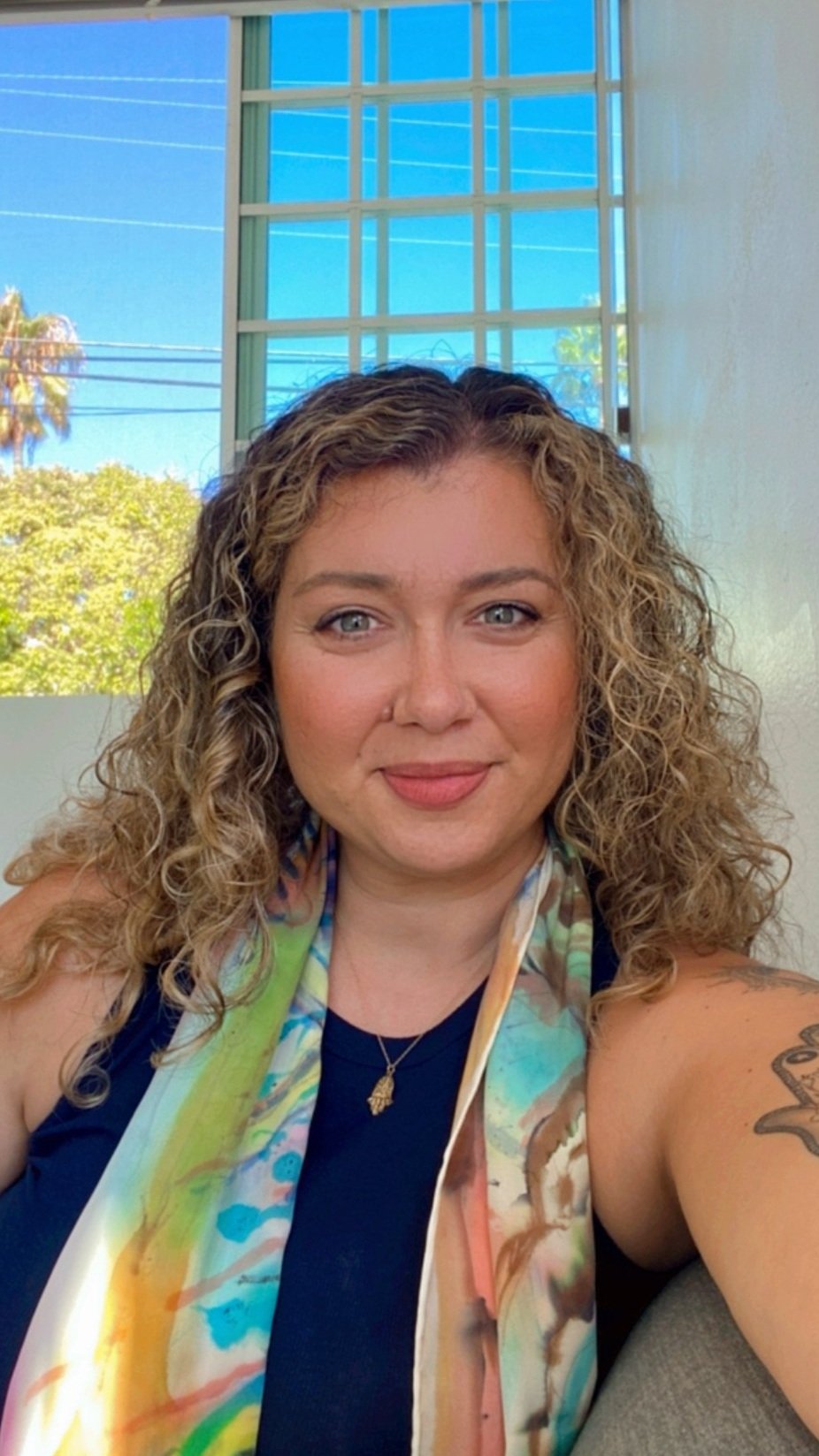

We caught up with the brilliant and insightful Dr. Ann Hirsch a few weeks ago and have shared our conversation below.
Hi Dr. Ann, thanks for joining us today. We’d love to have you retell us the story behind how you came up with the idea for your business, I think our audience would really enjoy hearing the backstory.
I completed much of my training in inpatient psychiatric facilities–adolescent psychiatric hospitals, to be precise. My caseload was predominately made up of teens (and their parents), who were engaging in self harm, and/or struggling with intense suicidal thoughts. Again and again, our teams would stabilize these kids, create discharge plans, facilitate family therapy, provide referrals to other providers upon discharge…and then these kids would come back. I remember feeling so sad and hopeless for some of my kids–teens who were wracking up three, four, five hospitalizations before they were even 16 years old. At that age, each hospitalization entails not only an often traumatic separation from family, it also builds an identity of being “the sick kid,” or, as my kids put it “members of the grippy sock club.” It was a darkly humorous ode to the grippy hospital socks that our kids were provided upon intake. I desperately wanted to refer my kids to a clinic that, upon discharge, would be able to provide long term support and stabilization. I dreamed of a place where these teens received evidence-based support–psychological intervention that was proven to really work at reducing their distress. I also imagined a place there their parents–often exhausted, traumatized, and burnt out in their own rights–could receive support for themselves as individuals, and for their marriages, which were often strained to the point of exhaustion. So the San Diego Institute of Therapy (SDIT) was born–from the ashes of my own burnout, exhaustion, grief, and hope. I opened the clinic with the psychologist who would become my best friend, Dr. Sarah Levinson. Together, we shared a vision for a clinic that provided therapy for children, teens, and their families that really worked. And we’ve spent the last four years slowly expanding, with intentionality and commitment to providing an exceptionally high level of science-driven care.

Great, appreciate you sharing that with us. Before we ask you to share more of your insights, can you take a moment to introduce yourself and how you got to where you are today to our readers.
I’m a clinical psychologist, and the founder and Executive Director of the San Diego Institute of Therapy. We provide psychotherapy to children, teens, and parents/couples. We specialize in high fidelity, evidence-based care for our clients, providing symptom reduction and graduation from treatment, rather than creating “perma-patients.”
I am deeply proud of the way we have connected folks to live-saving care and intervention, but I am MOST proud of how many clients “graduate” from treatment and live full, values-driven lives!
We’d love to hear about how you met your business partner.
Dr. Sarah Levinson is my business partner, among many titles we share–she was the officiant at my wedding, I am her daughter’s godmother, she flew in for a week when I had my son–and we are truly best friends. We met working on the adolescent unit of an inpatient psychiatric unit. Together we ran therapy groups, created safety plans for teens in crisis, navigated emotional phone calls with parents, and built a deep trust in each other’s clinical skill that became an unshakeable foundation for the clinic we now operate together.
Let’s talk about resilience next – do you have a story you can share with us?
Starting at 15 years old, I struggled with substance use. I quickly ended up in a chaotic, painful life. Every day, things seemed more and more painful and out of control. I ended up getting sober at age 21, and after barely a year sober, applied to graduate school to get my doctorate. Newly sober, living in a new city, working, and completing clinical rotations, I was exhausted almost constantly. And yet, I learned from that experience that my ability to do hard things is far beyond what I previously knew. That knowledge of my own resilience, and of my ability to survive both exhaustion and uncertainty, was so key when I opened SDIT. For the first 9-12 months that we opened, I constantly wondered if I could trust this clinic that we were building to put a roof over my head and pay my bills. But that knowledge that I have survived–and pvioted!–before carried me into where we are now.
Contact Info: