

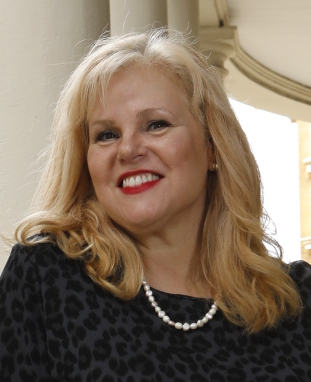

We were lucky to catch up with Donna Blanchard recently and have shared our conversation below.
Donna, appreciate you joining us today. Have you been able to earn a full-time living from your creative work? If so, can you walk us through your journey and how you made it happen? Was it like that from day one? If not, what were some of the major steps and milestones and do you think you could have sped up the process somehow knowing what you know now?
The first show I auditioned for was The Curious Savage by John Patrick. I was a high school freshman who landed the sweet role of Lily Belle – a bit of a villainous woman. It was the greatest experience of my 13 year old life. I still cannot describe the thrill of it accurately. I can tell you that have loved every moment Iʻve spent on stage, even in shows that paid the bills, but werenʻt very well written.
When I am on stage, each second includes more time. I have been on stage when my zipper broke, an actor should have entered, but didnʻt, and mouse ran up my leg, (all at different times, different shows, thank god), and I swear, in those moments 1000 different thoughts ran through my head and I still had time to choose the best possible option, execute it, and carry on as though it had been rehearsed all along. The art of being getting inside the head of a character in a script and bringing her to life with every breath and nuance, yet living so “in the moment” in life is not only thrilling, itʻs the most addictive substance on earth as far as Iʻm concerned.
And that is why I decided to pursue a career in acting. I got a BFA in acting, moved to Chicago with a great education in being on stage, but not knowing much about what it takes to get on the stage in the first place, so I did what most of us do; I became a waiter.
I only spent a small portion of my adult life actually earning a living as an actor. I learned how to work in a restaurant as a waiter and eventually a trainer for a restaurant corporation, which eventually led me in a roundabout way to managing several business offices while I acted as a hobby and served on the board of directors of a theatre. Because I had a good head for numbers and organizational leadership skills AND a passion for theatre, I was eventually offered the job of managing a theatre that was experiencing financial distress and needed both sides of my brain to resurrect it. I left my fat corporate salary and never looked back.
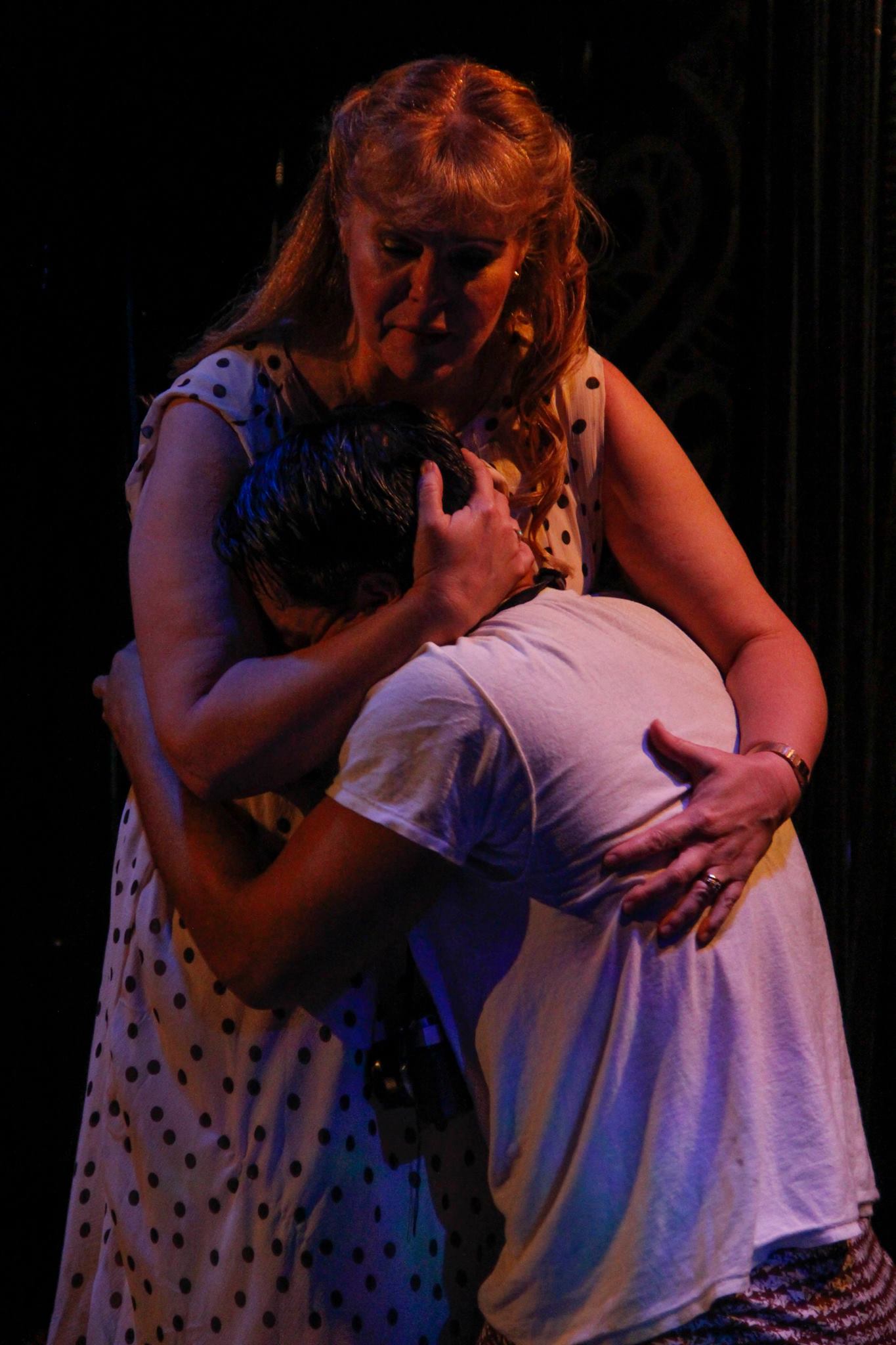
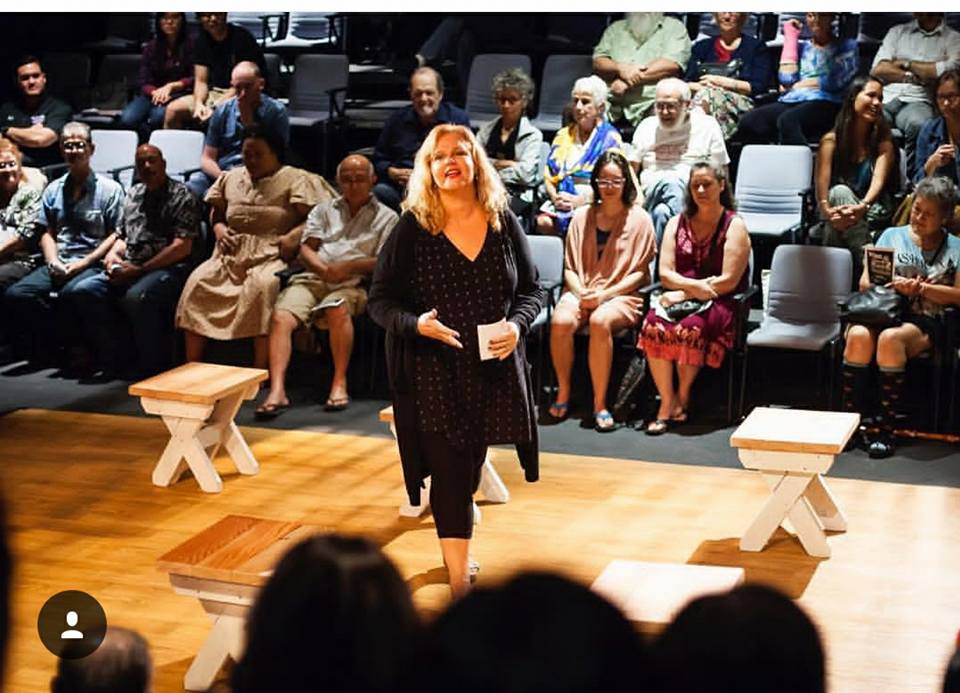
Today, I manage a theatre here in Honolulu whose board of directors recruited me for my experience in organizational turnaround. I came because of the theatreʻs unique mission to produce plays written by and about people living here. I manage by day and have also acted, directed, and taught acting classes at Kumu Kahua Theatre. I also narrate books for Audible, which does a good job of scratching my acting itch for now.
Donna, before we move on to more of these sorts of questions, can you take some time to bring our readers up to speed on you and what you do?
As a managing director, I believe my job is to determine needs and answer them, solve problems and identify and execute changes needed to eliminate or at least ameliorate them in the future, and hire the best possible people and then support them as well as possible. It works the same if Iʻm managing an office, board, or theatre. My analytical brain loves the clarity of it all, but that side of my brain cannot function without the nurturing effects of art in my life. Itʻs sort of the equivalent of a good nightʻs sleep for my spirit.
Acting is a form of living for me and my style of acting is both cerebral and chaotic. I read a script, study it, make decisions about why my character would say and do what is on the page, let that sink in, then get up and let my instincts take over. I have literally surprised myself in rehearsals because of this. Note: when I teach, itʻs easy enough for me to walk students through my thought process, but the instinct piece of the puzzle is an esoteric stumbling block for many. I canʻt teach that, but I can teach students the cycle of try-evaluate-try-evaluate-etc. in a safe environment. When I direct, I cast the best possible actors, designers, and technicians and put them where they need to be; the rest is coaching.
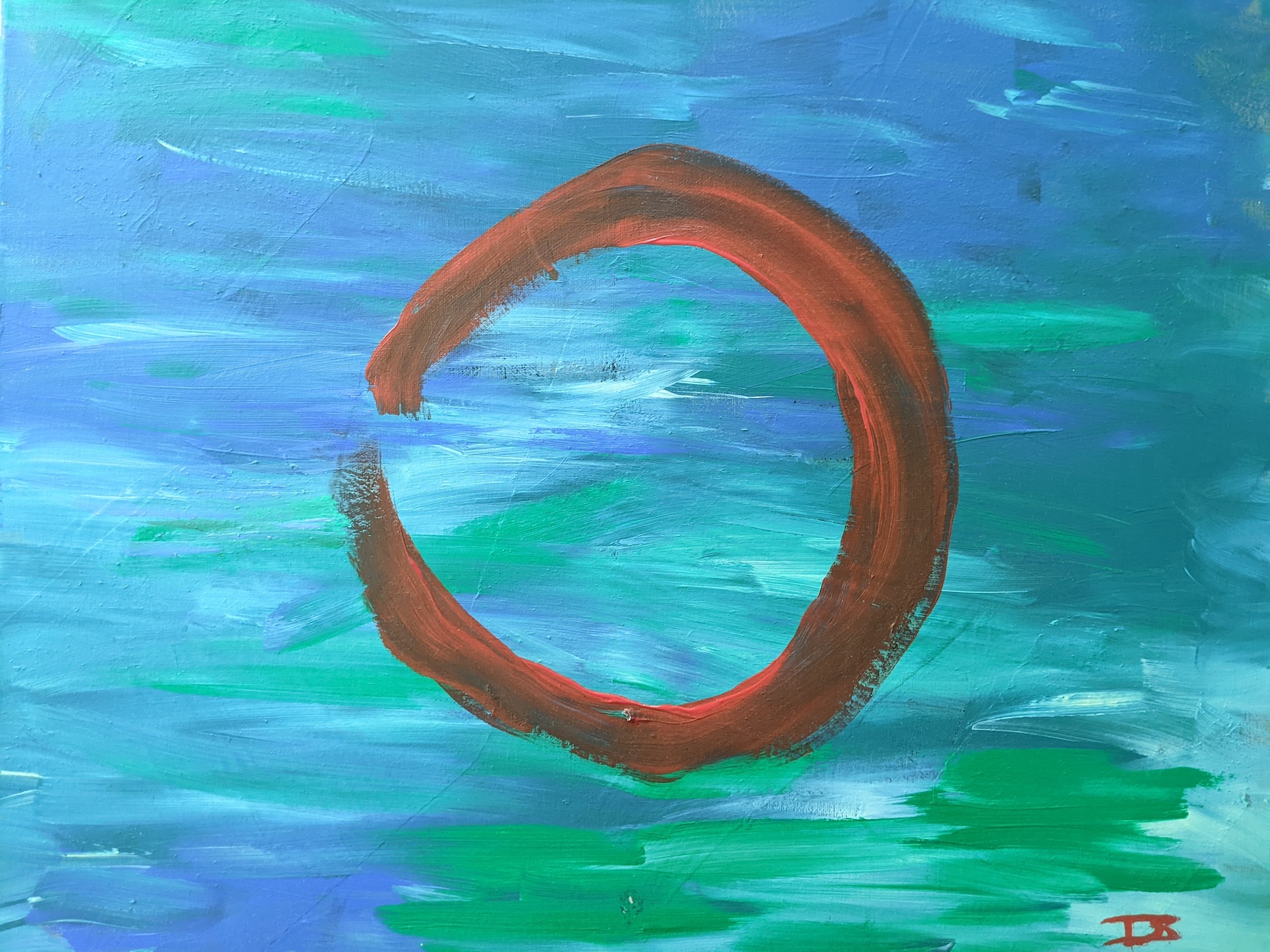
My style of living away from the theatre is also completely filled with art. When I began managing my first theatre, I couldnʻt be on stage for a while because getting acclimated to the new job meant that my schedule wouldnʻt allow it. I felt an incorrigible urge to paint even though Iʻd never done it outside of my elementary school art classes. I bought brushes, acrylic paints in the primary colors plus black and white, and a pad of canvas, and then just started putting paint on that canvas. I still paint regularly and have even sold some of my work. When I moved to Hawaiʻi and once again had a grueling acclimation period, I got an ukulele and started learning how to play it from a chord chart (I learned how to read music and sing when I was quite young). In other words, if I donʻt have a clear channel for my art, it will leak out of me in other ways. This is why I now paint, collage, sing, play ukulele, host a podcast, write, make rugs, and built a recording studio in my home. Other than narrating books, the rest is just for the experience of it – giving my spirit a good nightʻs sleep.
Do you think there is something that non-creatives might struggle to understand about your journey as a creative? Maybe you can shed some light?
I donʻt think thereʻs any such thing as a “non-creative.” I think itʻs a spectrum and weʻre all on it.
My brother Jeff has been an engineer all his life. Our dad was a auto-mechanic instructor who taught Jeff to not only fix engines, but to appreciate them and the vehicles surrounding them. Jeff was a nuclear engineer in the Navy and both a competitive sharp-shooter and slalom water skier (not at the same time!) who now spends his free time building and racing his own stock cars (as our dad did when he was young). Jeff is a design and engineering artist. When he was a competing sharp-shooter, because they werenʻt allowed to have scopes on the guns, he had a pair of glasses designed to allow him to see both the target 500 yards away and the end of the gunʻs barrel well. When he and two of his skiing buddies bought land that included a lake and built their houses around it, they lowered the water level of the lake to allow them to dig out a gently sloping shore, then brought the water back in. They did that so they wouldn’t have to ski in their own wake, which is apparently abhorrent to a skier, Iʻm telling you this not to brag about my brother – who is arguably brag-worthy – but to illustrate the artistry behind his clever engineering.
I could go on and on about Jeff and our nephew Noah, the doctor who was required to take art in school and hated every minute of it – I think it was the only class he didnʻt excel in. When Noah and his wife bought their first house, Noah turned an unfinished basement into a nightclub-worthy space with a bar, fireplace, projector TV, and guest suite. He did everything himself, including the wiring and tiling in the shower, and it was gorgeous.
If thereʻs anything these fellow artists would struggle to understand about my journey itʻs “why would I be willing to give up the comfort of a fat corporate salary to work for a theatre on the brink of financial failure?” “Why would I add hosting a podcast to my already packed schedule? The answer is that Iʻm at the far end of the spectrum and that made it worth it to risk my own financial solvency to be a part of something Iʻm passionate about. I have lived in the absence of that fulfillment, climbing the corporate ladder successfully, but my soul was like Sisyphus, trying to muster my joy each day. That was soul-crushingly exhausting and I was becoming a depressed individual. My mental health depends on art in my life – the more, the better.
In your view, what can society to do to best support artists, creatives and a thriving creative ecosystem?
Buy the tickets. Go to the place and buy the things local people are creating. Listen to a podcast and consider buying the things their sponsors are selling. Take a chance on the theatre youʻve never been to and go see a show next Saturday night instead of streaming something at home. Go see the art exhibit, the concert, the opera, the local art fair. I promise you it will be worth it. Even if you donʻt like it, it will be a more interesting story to tell!
I get it – itʻs so easy to buy from Amazon and watch Netflix and some days, I donʻt want to go to a new place, find parking, wonder if the seats will be uncomfortable, etc., but supporting artists, particularly local artists is supporting our humanity and sometimes we need to remind ourselves of that and just do it. After all, supporting local artists is supporting our economy. Would you rather send your money to Jeff Bezos, or the neighborhood bar that hosts bands playing the music your grew up with?
I write a lot of grant proposals for my theatre. One thing Iʻm always justifying is why weʻre important enough to fund when food banks and affordable childcare are asking for the same money. I am a Type A and an artist. Sometimes you see a live show and a mistake happens that isnʻt or canʻt be covered well and it hurts my heart. My chest sinks just thinking about it, but that risk is sometimes also the reward because when the sound cue doesnʻt come and you know it should have and the actor has to answer a phone that never rung (classic), you just witnessed humanity. The actorʻs struggle we all see, the audience holding their breath, the stifled chuckles around you when he picks up the phone anyway and says ʻhello?ʻ THAT is our shared humanity. That is the stuff that creates community.
Hereʻs an easy way to support artists: the next time youʻre on vacation, make local art a part of your experience. Buy a little $35 earrings and $50 painting souvenirs and see a live show or open mic in addition to the touristy things people do. Once you start associating those activities with “vacation,” youʻll start appreciating them more at home as well.
Contact Info:
- Website: https://mickeyisdying.com
- Instagram: ohinashowcase
- Facebook: kumukahuatheatre
- Linkedin: donnablanchard
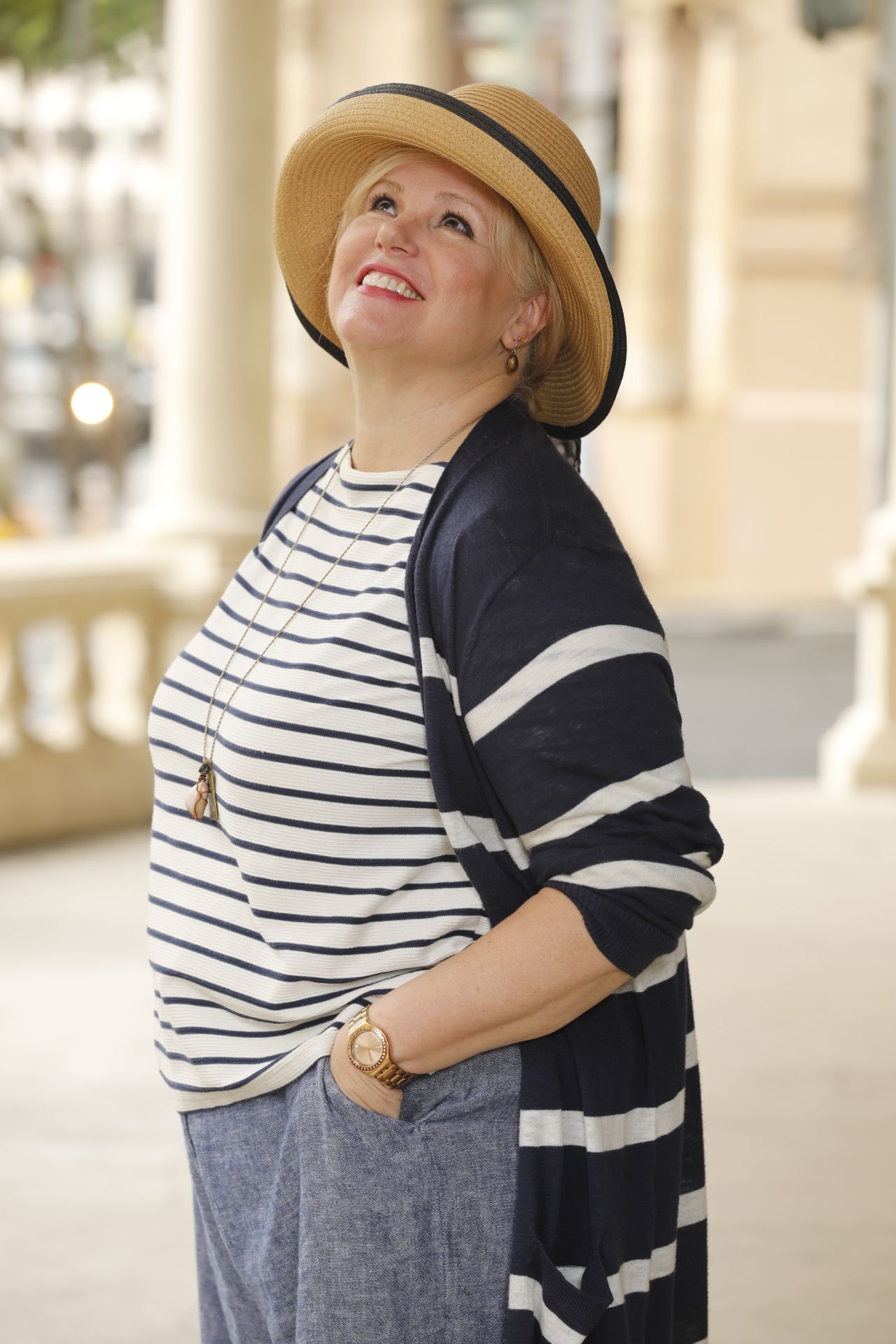
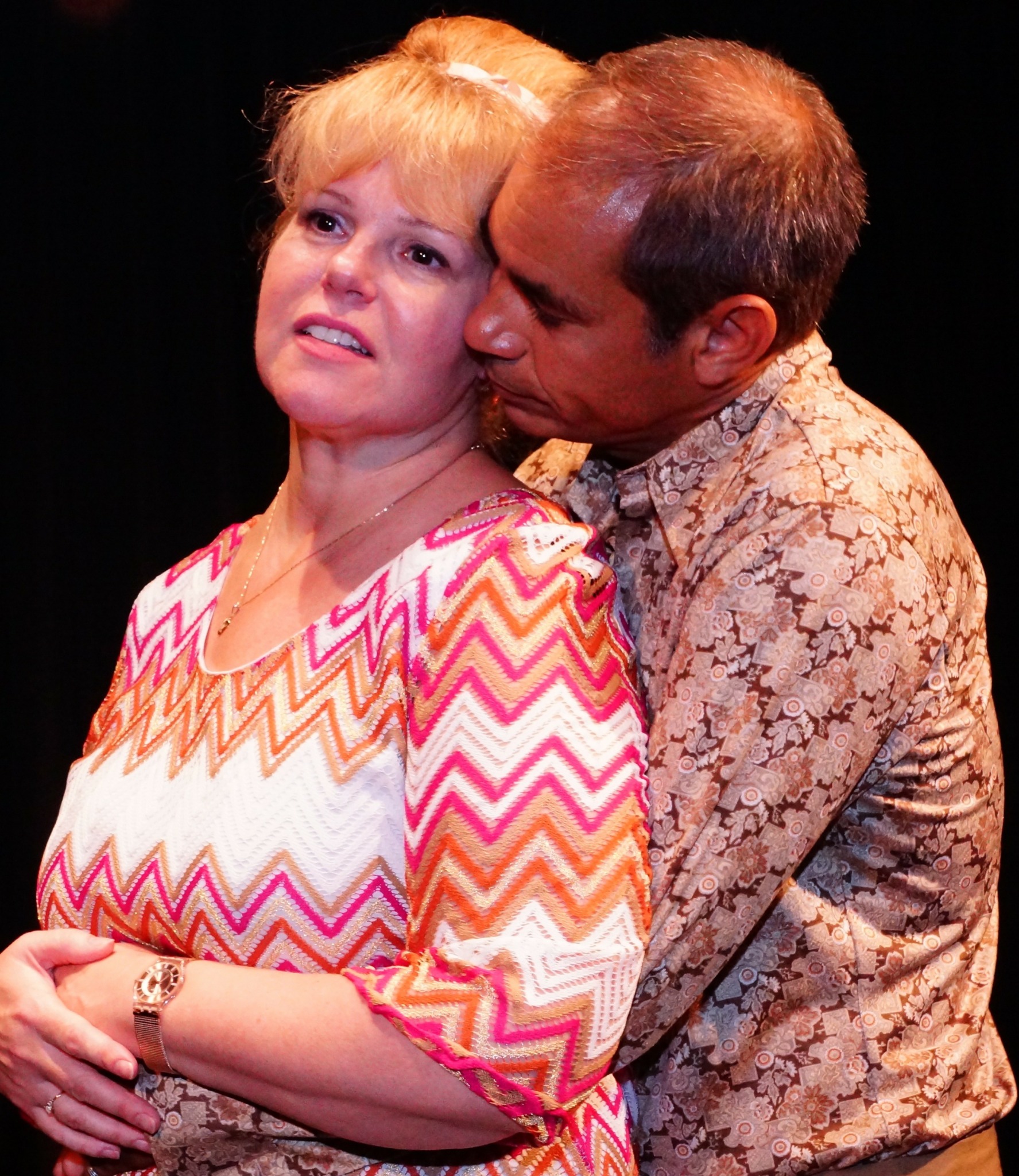
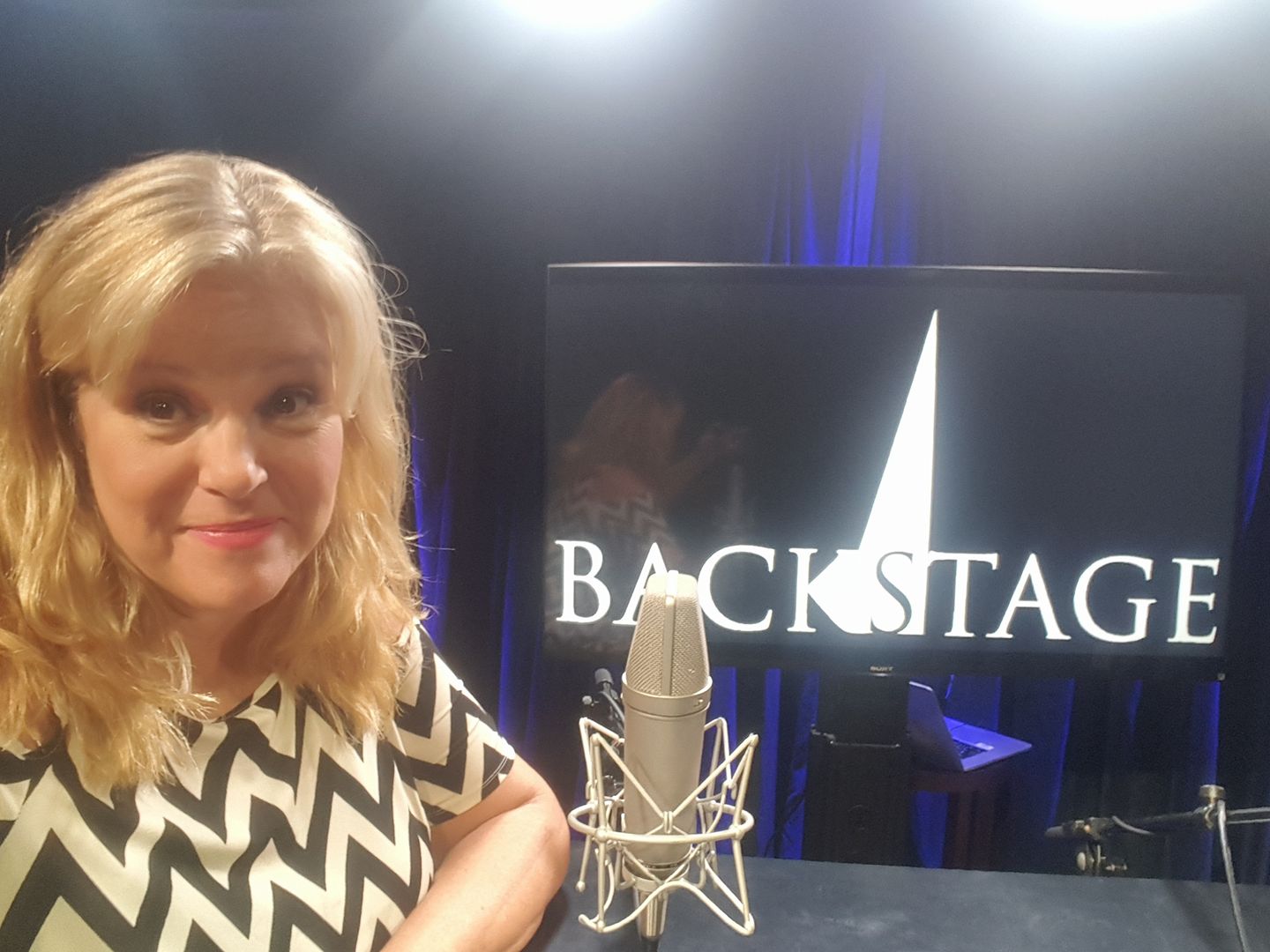
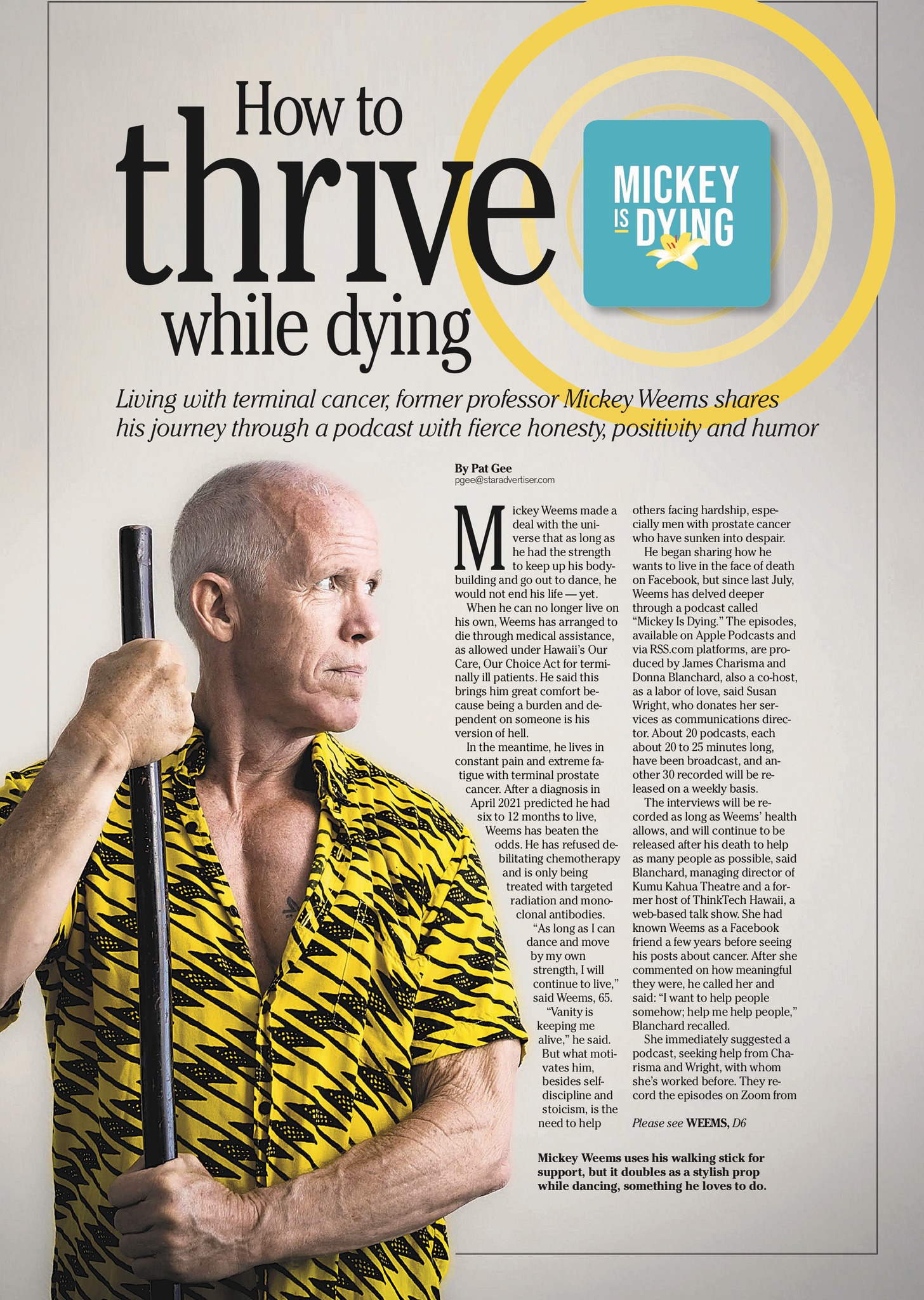
Image Credits
Adam Jung took the lifestyle shots – the headshot with pearls and the one of me in a hat. The performance photos are courtesy of Kumu Kahua Theatre