

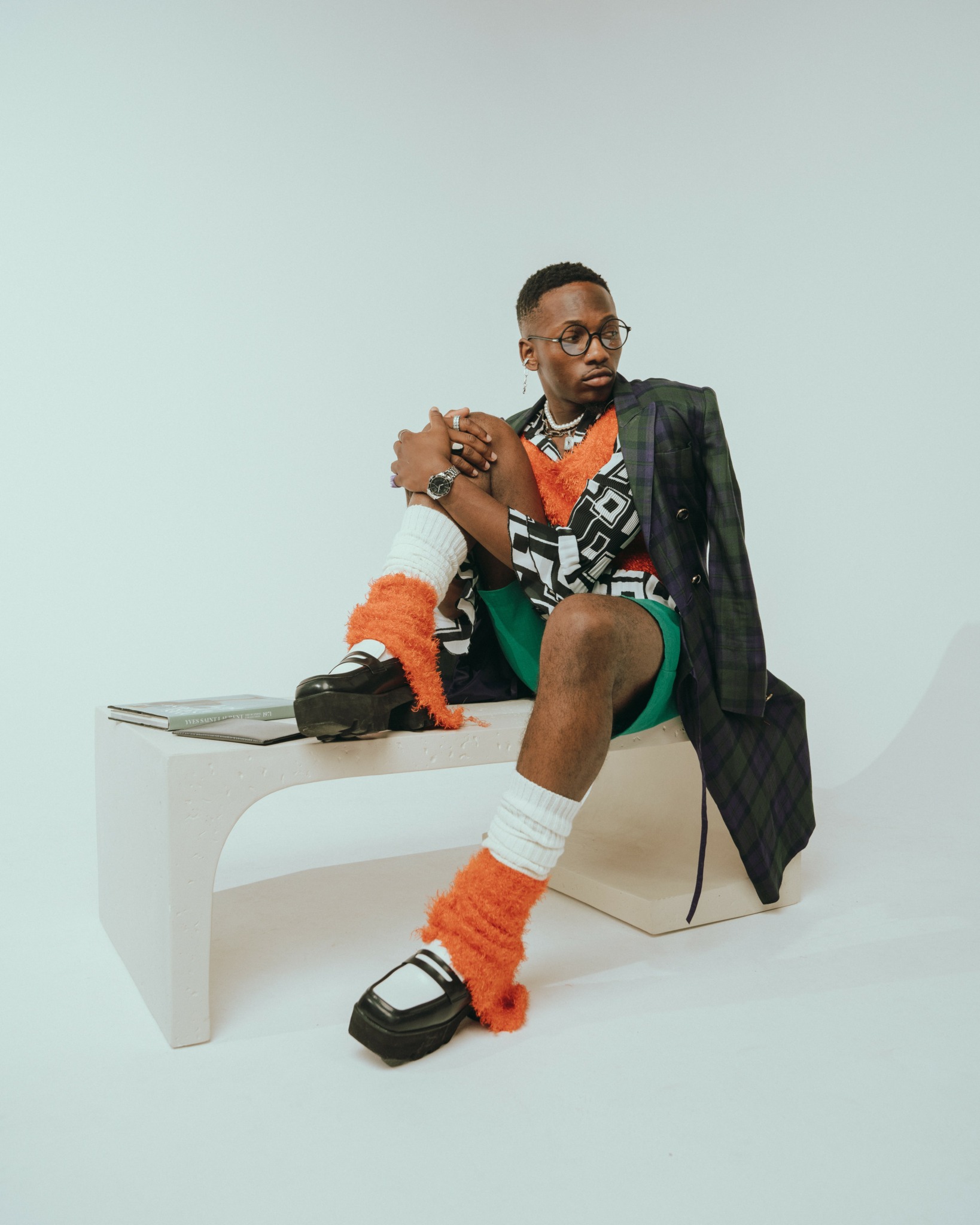

We were lucky to catch up with Donavan Jehiel recently and have shared our conversation below.
Donavan, appreciate you joining us today. Was there an experience or lesson you learned at a previous job that’s benefited your career afterwards?
From working in luxury retail, the biggest thing I learned was that talent for a craft wasn’t the only talent a person can have. I learned quickly that being likable, having interpersonal & other soft skills, are also talents that serve a person best. Especially when a lot of my earlier clients have come from them knowing me or from them being able to get to know me fast enough to go from stranger to client. By being likable, you’re able to maintain relationships with people and develop them better than if you were a person that was a task to connect to or if you were a person that people avoided. It allows you to connect with people because they want to, not because you’re forcing them! After having worked with/hearing of people who had great talent but were likable, I realized myself just how awful of an experience that creates for a person (and especially a client). Other soft skills like being able to listen and relate to others, having empathy, having emotional intelligence, etc all play into that as well, making the experience people have with you something they enjoy & are willing to do again!
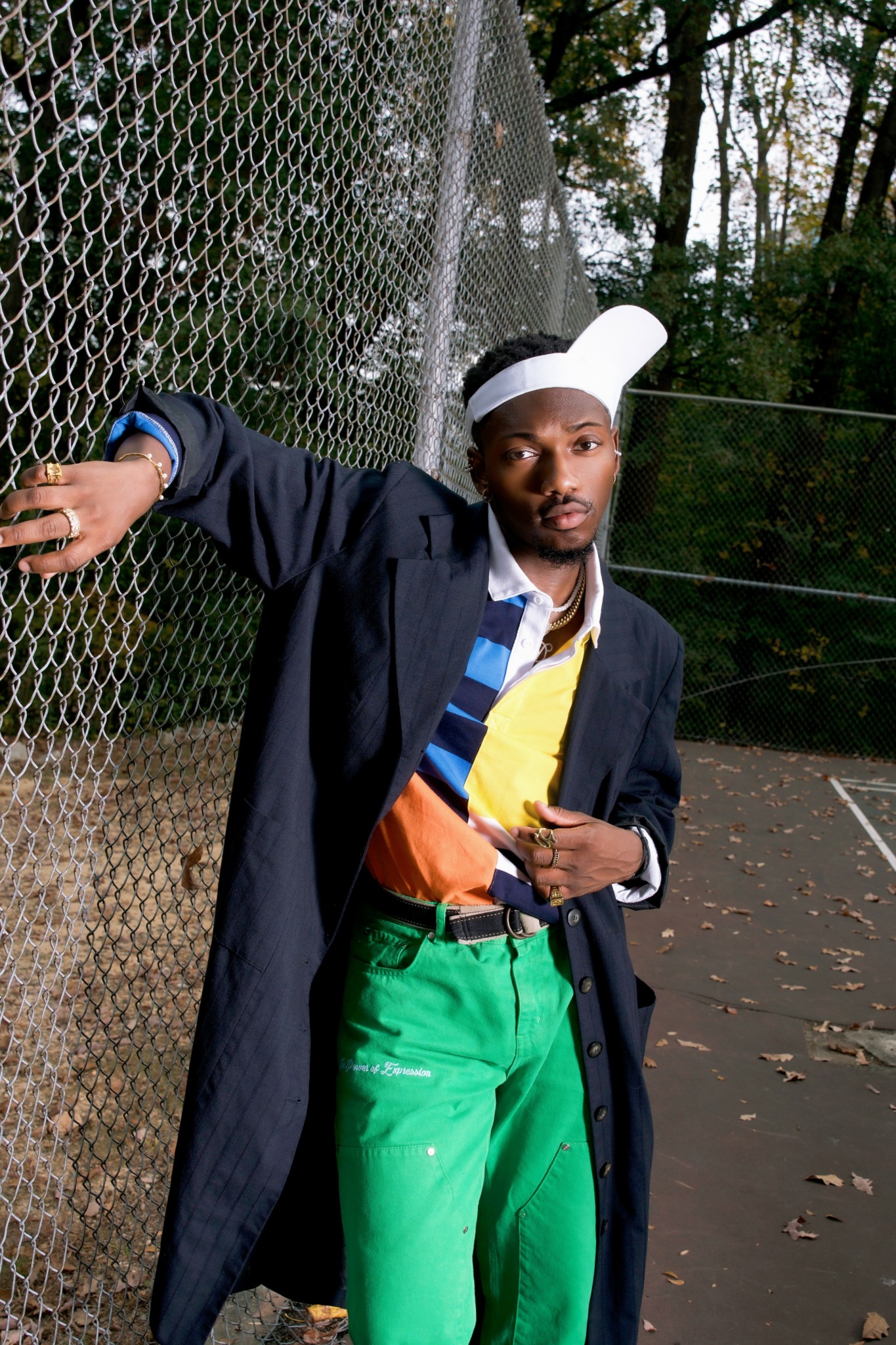
Donavan, before we move on to more of these sorts of questions, can you take some time to bring our readers up to speed on you and what you do?
I initially started off as part of a modeling troupe in Undergrad, doing runway shows. But eventually my relationship to style developed and turned into a core, guiding belief of mine. I fell in love with the ability to transform myself and others through how we visually represented ourselves in the world. So I switched my focus halfway through to styling others, using myself as a living demonstration. I started posting photos on social media, constant outfit photos, constantly trying to connect with other creative, mostly photographers and models. I built solid rapports with local models and photographers in my city that needed stylists and did many collaborations to build my portfolio. Eventually I began to garner more attention from the right people via social media where people asked for advice, if I was open to taking them on as a clients, if I did runways, events, etc. Though it was a slow pour in and was not super consistent, I was extremely proud! There were more people that were willing and wanting to trust me with helping them evolve visually and not in a “I don’t like myself” but in a “I know I’m more” kind of way!
As a queer male presenting brown kid in the bible belt region of the country, I’ve always been at an intersection. I always saw how capitalism nudged everyone toward fast fashion but also rose barriers that stopped people from dressing sustainably and with more freedom that the fast fashion brands’ trend focused models allowed. Since I grew up with a resourceful and practical mother, I took many notes and found this as my time to apply them. I began thrifting and using pieces from my ventures in my work. Of course, with my upbringing I also experienced a lot of terrible homophobia and racism too, and generally just hurtful things in my life. Because of who I am, it was hurtful to be called slurs. However, it was devastating to realize there are many little brown skinned boys of varying shades that face the same things and potentially worse. From those sentiments, I’ve developed a new facet of creative to explore.
Now I have begun writing, creative directing, and doing my best to promote softness for black boys that remind me of myself. By centering them in my works, highlighting them, discussing them, and providing representation for them, I am aiming to shed light on our struggles while still keeping style, intention and sustainability as prominent messages too.
Learning and unlearning are both critical parts of growth – can you share a story of a time when you had to unlearn a lesson?
I had to unlearn the interchangeability of style and fashion.
Fashion is the umbrella term and thus the broad and generic term to say that we like clothing and shopping. Fashion also is a greater tool of capitalism, that is often used for profit and to reinforce classism and other “isms” in the most prominent yet subtle way. It isn’t inherently or entirely a bad thing on it’s own though. It also helps us to categorize and theorize things and breakdown various populations, subcultures, and anything clothing centered.
Style is a more direct concept but serves as an umbrella term itself. It’s almost like a belief system where it guides the intention and how, backed by the “why” a person may have. Style applies to how a person dresses, how they play a game, how they approach social interaction, and how they decorate their homes. Style mostly comes from our innermost selves, our most honest selves. To develop it, you have to learn yourself and become well acquainted with yourself. And it shows. I’m a huge fan of playful stylings from harajuku culture in Japan, so there’s often small notes in my outfits such as leg warmers that are nods to it.
I had to unlearn style and fashion being the same because within fashion, I see the many challenges like the intersection of clothing costing too much and fashion fashion, being a “solution,” being more damaging to the wallet. It is with style that we learn we can weaken faster fashion brands’ power. By being more intentional, by avoiding faster fashion where we can or minimizing our consumption, we reduce our reliance on them to carry our wardrobes. It hit me when I realized that shopping second hand really helps as our primary means of shopping with faster fashion brands used to supplement them. I also had realized faster fashion brands are not inherently evil. They simply became tools of capitalism as they grew in size.
It’s very heady, but that’s how I mentally got here.
We’d love to hear the story of how you built up your social media audience?
I honestly am just crossing the 10K mark on Instagram as of 2025 myself, after feeling like I tried sooo many ways to get out there. But what I’m learning so far, that I’m not seeing enough people talk about, is that there is no one way that works for everyone, regardless. I believe the pieces of content that have done the best for me have all been pieces of content that sparked debate/conversation, drove engagement, were genuine/authentic and had a higher level of sharability.
I wear skirts, I “overdress,” and I have a reputation of being well dressed that people who come across my page AND know me in the physical world all come to a general consensus about. So recording b-roll style moments are easier for me. I just need a 9 second clip at minimum. I also realized that the hook matters tremendously, so having plenty of footage from different angles is cool but the hook needs to always be strong!
Lastly, a lot of people in my life have not agreed with many of my perspectives. I let people in other niches and with other sentiments share “advice” and took those words like they were from a bible because they had more followers, had “more success” than I felt I did. But in actuality, None of the content born from trendy stuff I’ve ever tried or advice I ever followed from others (especially those with drastically different audiences/communities) got me the results that content that aligned with me best did. So my last note is to listen to yourself more than everyone else. Advice is just that advice. It’s not that you have to follow it, it’s not that you even have to agree with it. It’s your content and journey. You have all the final says.
Contact Info:
- Instagram: https://www.instagram.com/donjehiel/
- Facebook: https://www.facebook.com/profile.php?id=61575939953044
- Youtube: https://www.youtube.com/@DonJehiel
- Other: https://payhip.com/JehielJottings – my ebook
https://www.pinterest.com/thedonjehiel/ – my pinterest
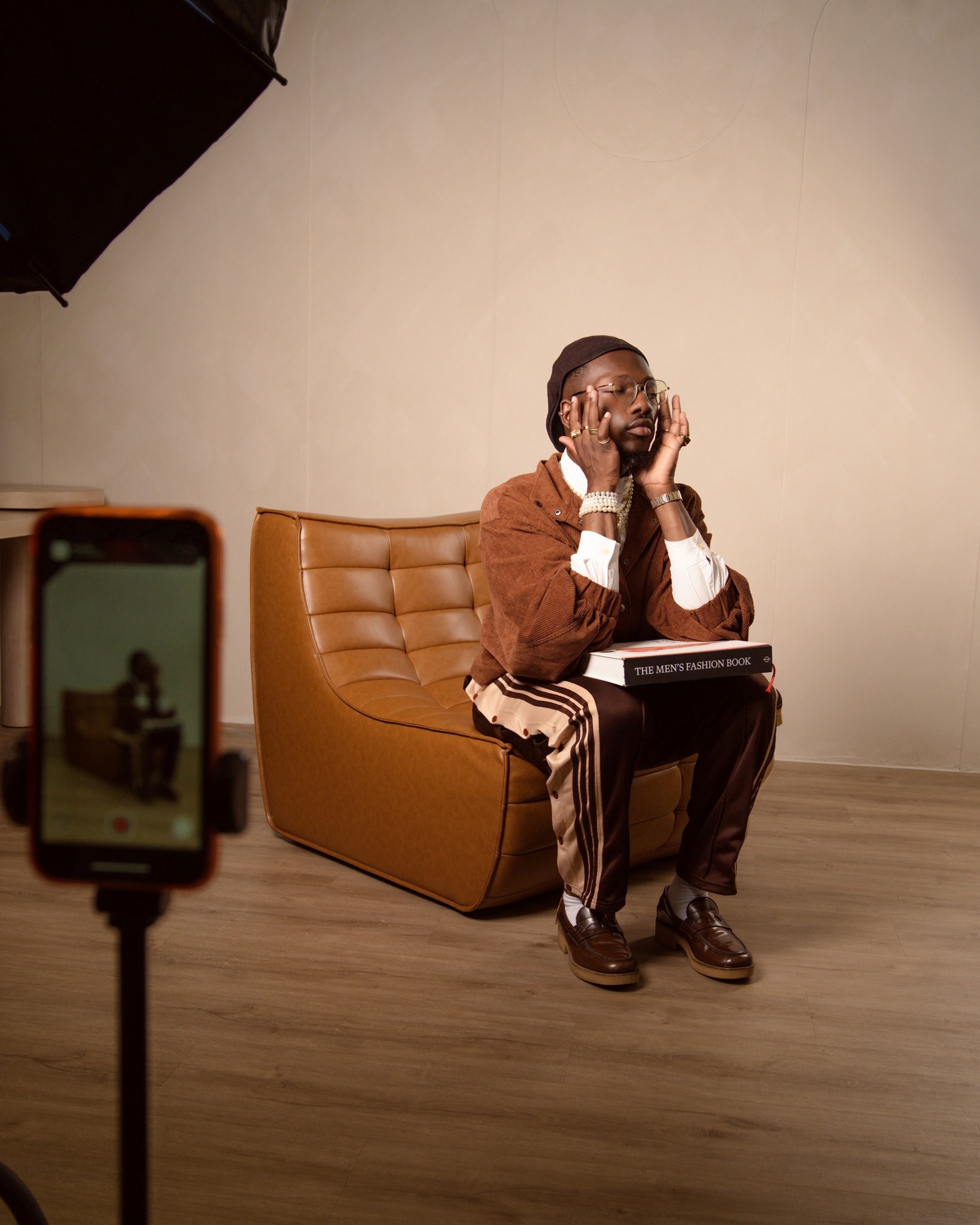
Image Credits
Matthew/Midwest
Darius Aaron
Brikarri William
Candor Films
Jammes Nieves
Piper Gotts
Victoria Roberts
Sharice White