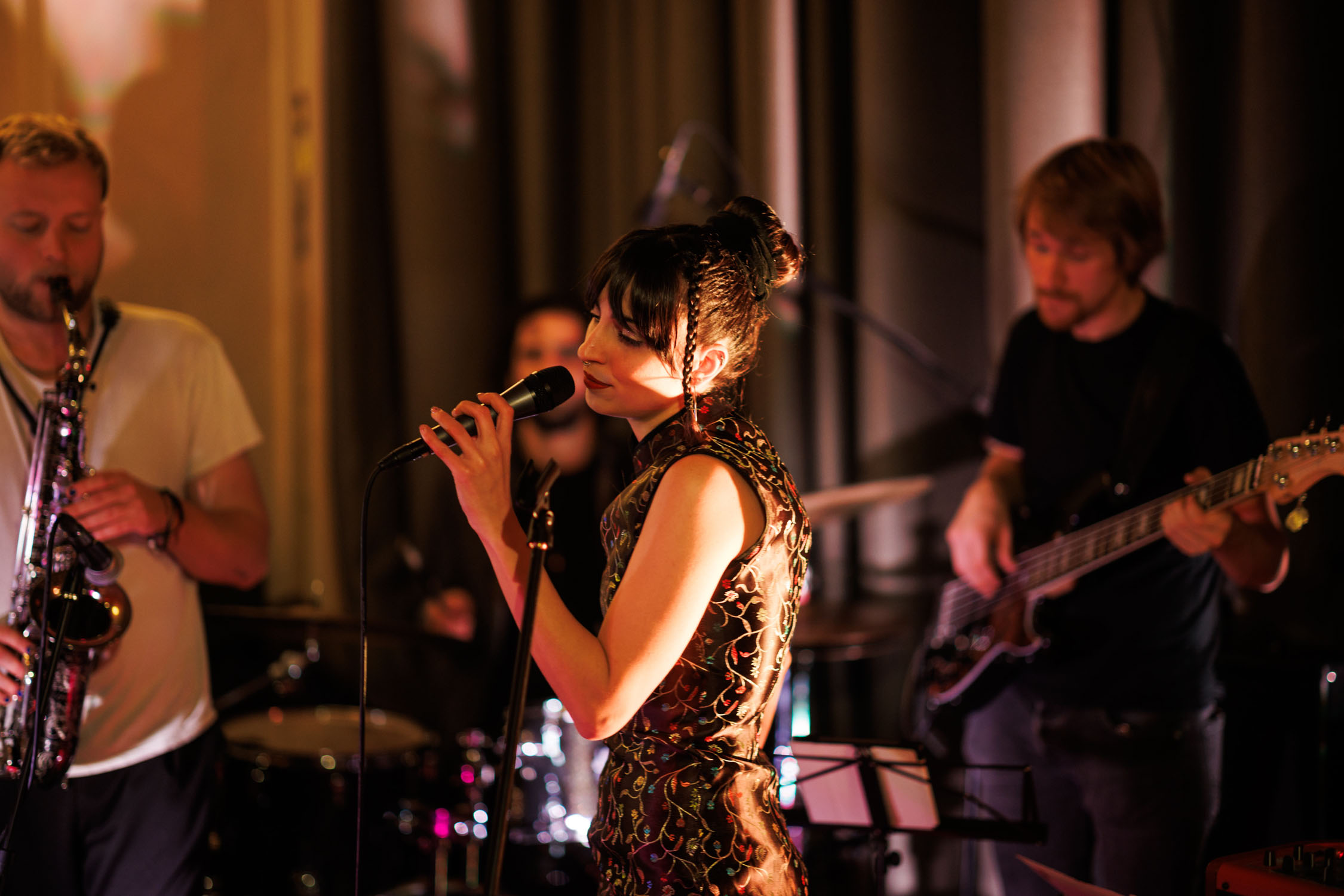

We recently connected with Domino Spada and have shared our conversation below.
Alright, Domino thanks for taking the time to share your stories and insights with us today. We’d love to hear the backstory behind a risk you’ve taken – whether big or small, walk us through what it was like and how it ultimately turned out.
For me, there are three key moments of risk that have shaped and defined my life.
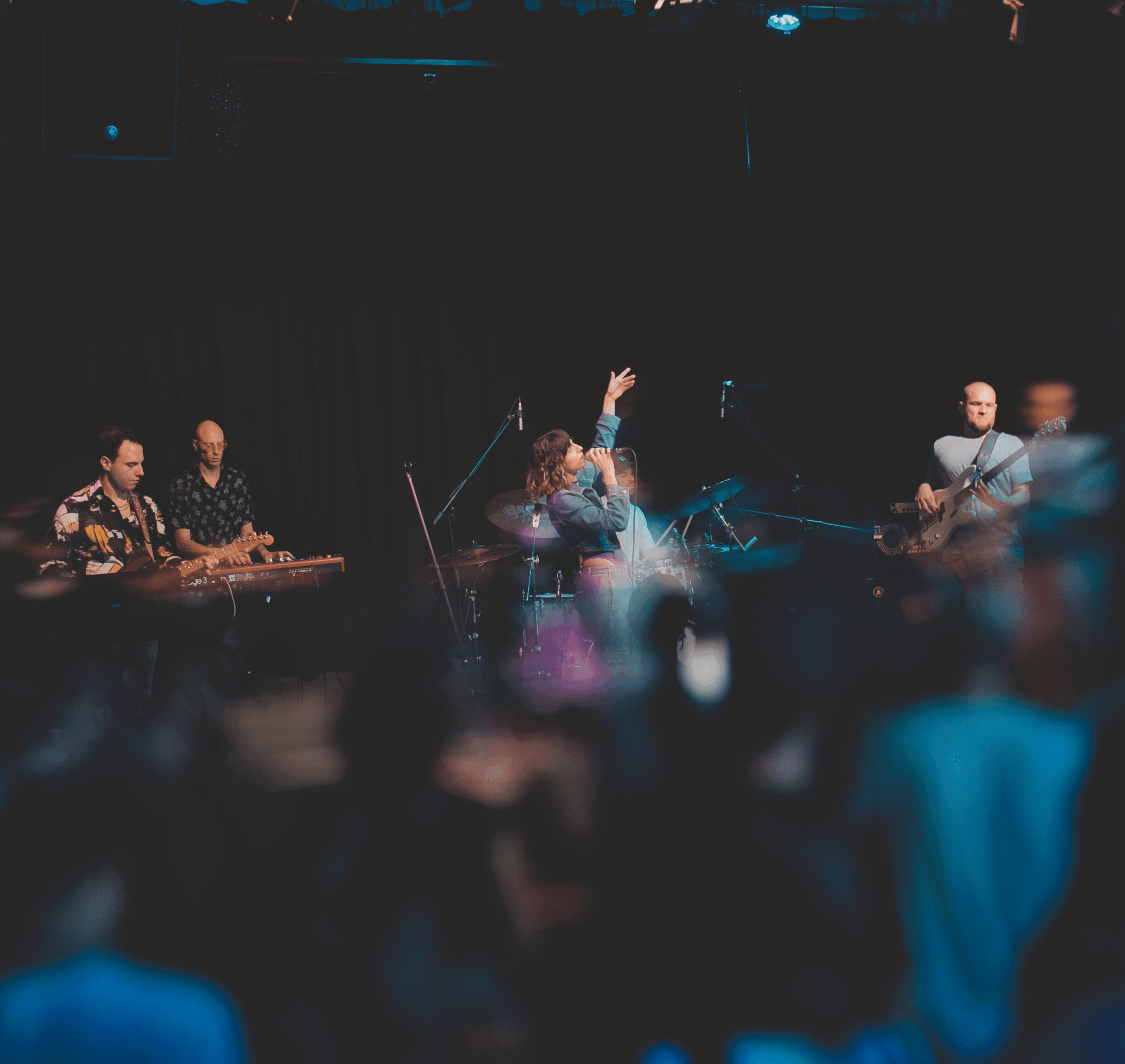
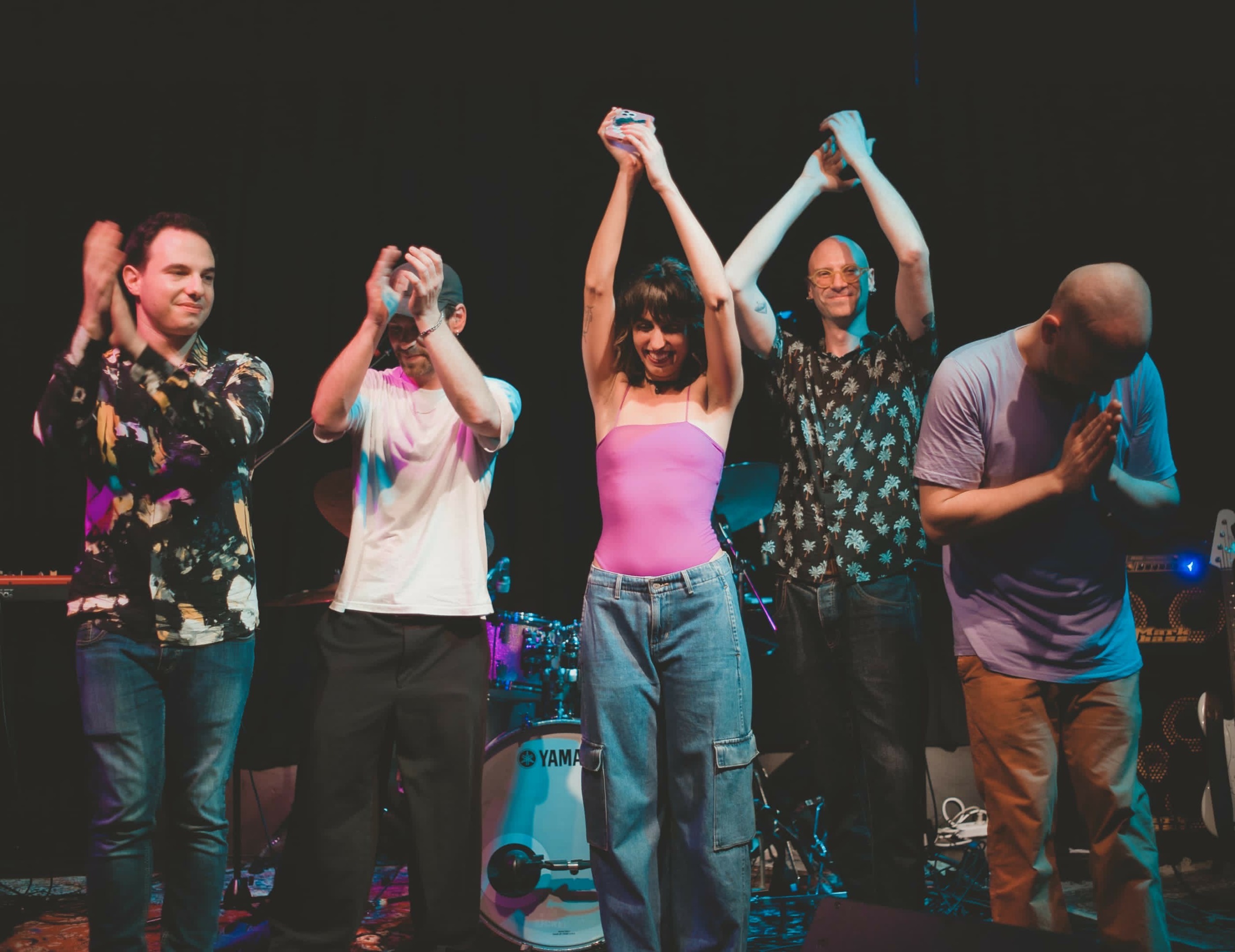
The first of these was moving to Berlin at the age of 22. When we feel an inner pull towards profound change, risk becomes a door that opens to new opportunities. I didn’t speak English, and I was in a completely new environment, but the urge to leave everything behind and reinvent myself somewhere else was too strong to ignore. I didn’t have a clear plan, only an inner drive to challenge myself. That decision allowed me to discover parts of myself I would never have known if I had stayed in my comfort zone, and it taught me that growth comes from embracing uncertainty. Now, almost four years later, I live here and have built my music career from scratch. I started teaching at SRH University in Berlin (in English), and have worked on several projects, receiving the respect and admiration of many people I never expected. Despite all the changes, I’ve never lost my Italian roots. In fact, people who come to my concerts have learned to sing my songs in Italian with me, just as I learned English with them.
The second risk I took was choosing music as my career. Making music for passion is one thing, but making it a life goal is another. Every day, as an artist, you wake up with the courage to put yourself out there, knowing the path is never easy. There will be moments of frustration, days when you feel defeated, but it’s in those moments that the question arises: “What if?” It’s that small voice that pushes you to keep going, to still believe in your dream, even when everything seems to be going wrong. The real risk is continuing to fight, even when the road feels dark, when every step seems pointless.
The third and perhaps greatest risk was choosing to be authentic, to be myself. As an artist, being authentic means confronting your vulnerabilities, accepting your imperfections, and incorporating them into your art. For years, I tried to hide the confusion I felt about who I truly was, trying to become someone else. But I realized that this confusion is an essential part of me, a resource that allows me to evolve. Being authentic means facing your vulnerability, not fearing to show yourself as incomplete or imperfect. It’s a painful risk, but it’s also what allows you to be truly free and creative.
These three risks have shaped the most significant moments of my life, pushing me to grow and transform. Each risk brought challenges and difficulties, but also the deepest lessons, which have allowed me to become the person and artist I am today. Each risk has forged my evolution, and now I know that it is the risks that make life authentic and meaningful.
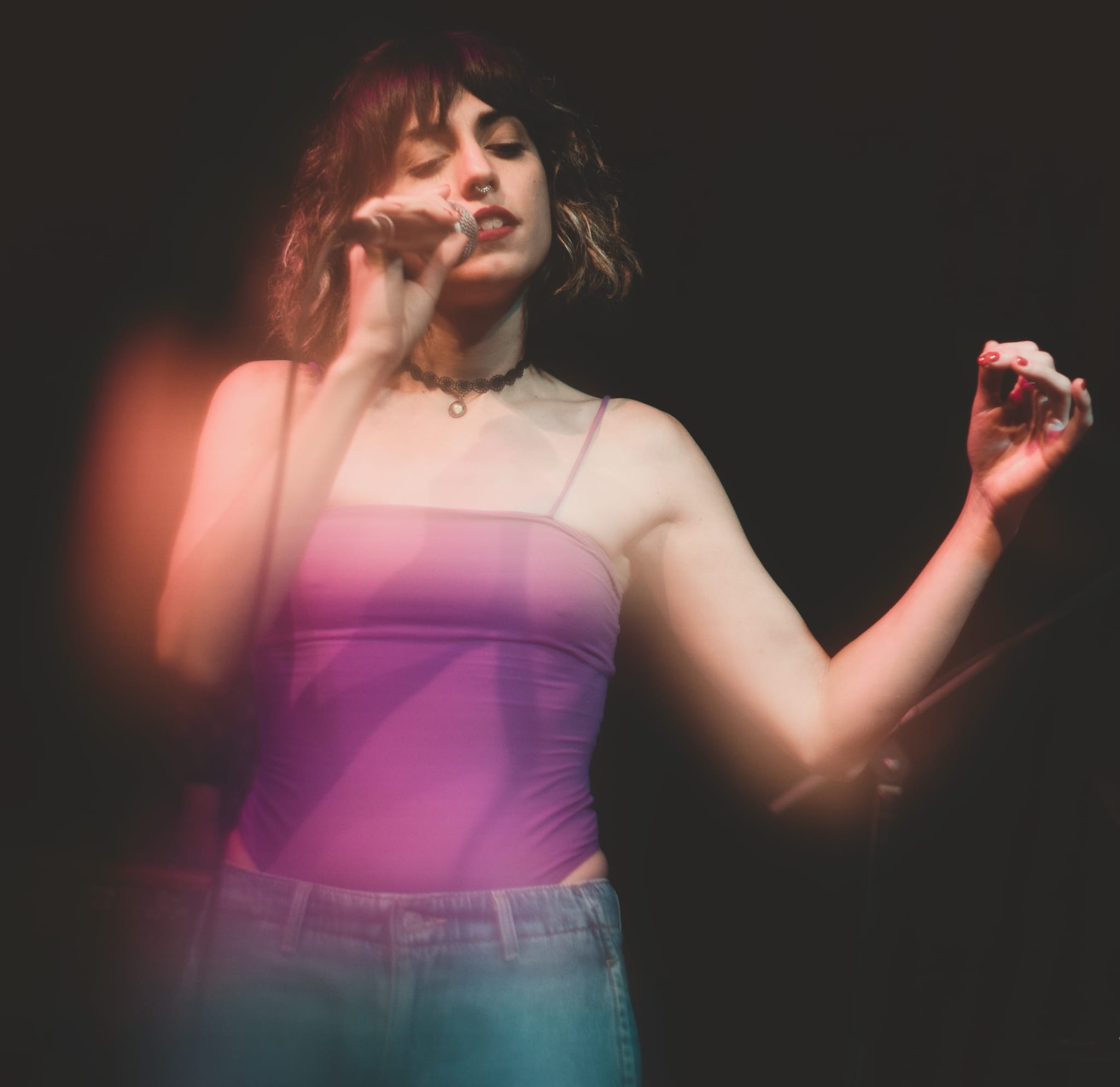
Great, appreciate you sharing that with us. Before we ask you to share more of your insights, can you take a moment to introduce yourself and how you got to where you are today to our readers.
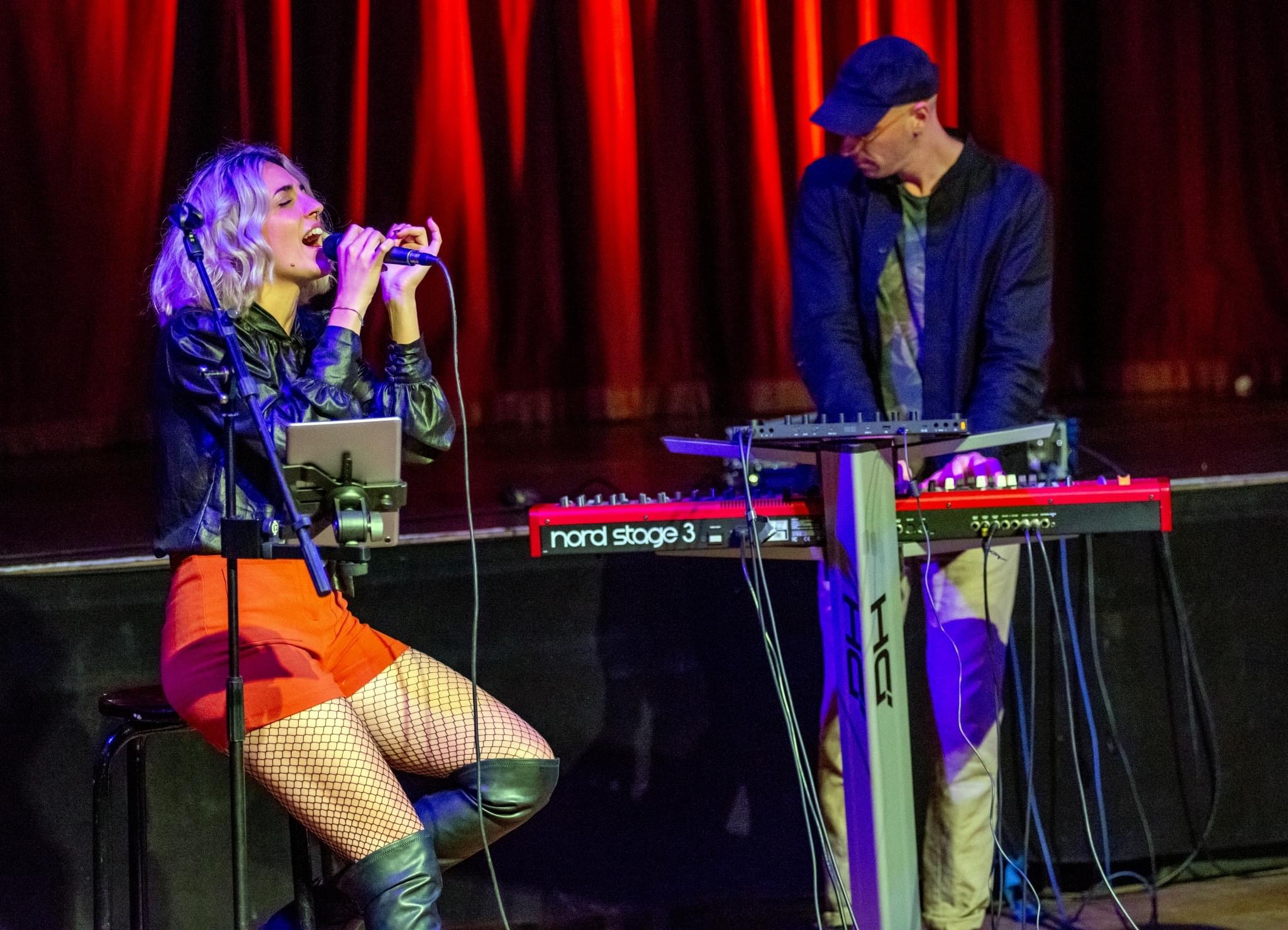
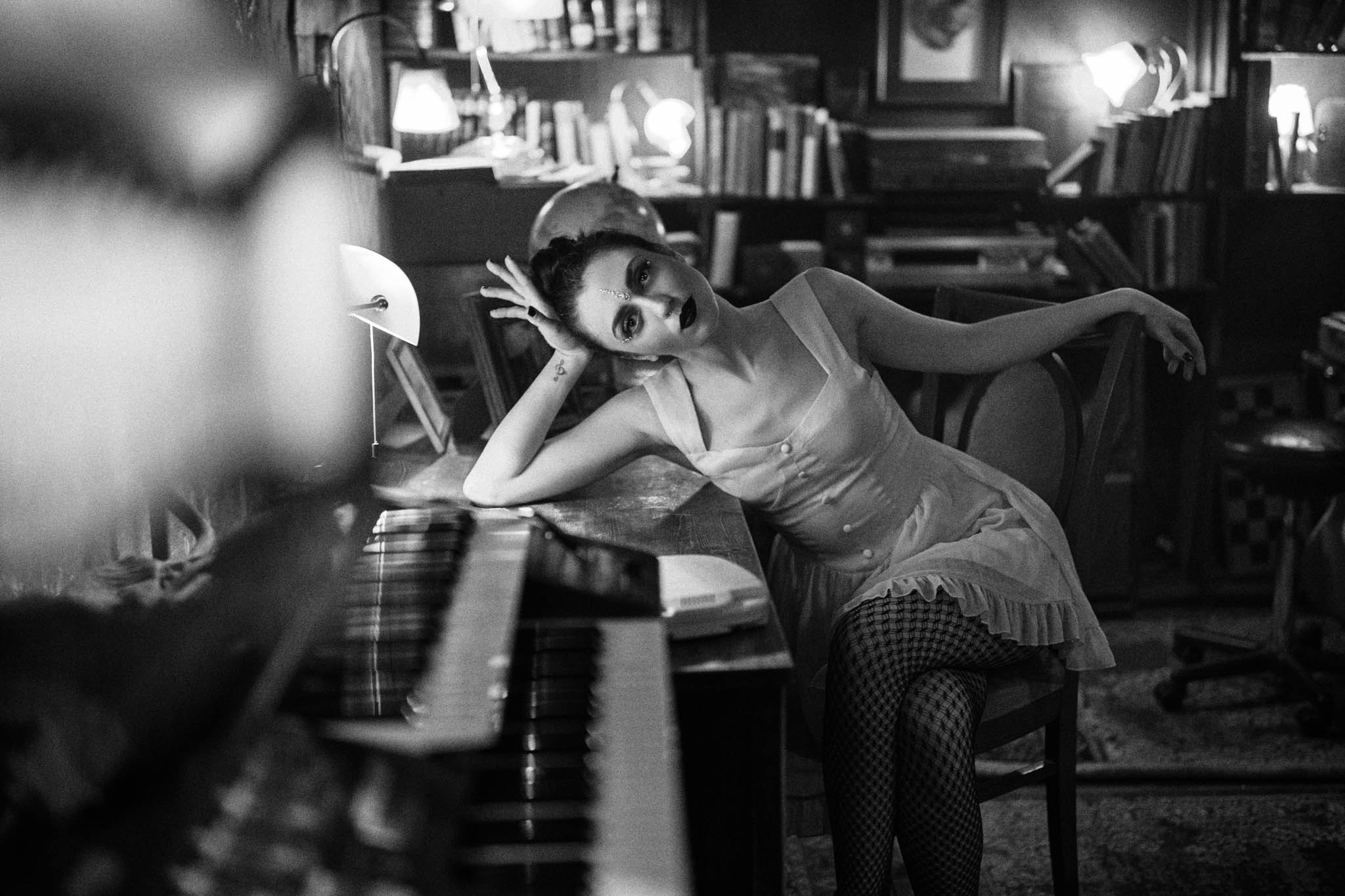
My name is Domino Spada, I was born in 1998, and I am a singer. I like to think of myself as an artist, though I know there’s still a long way to go before I reach my goal. Music has always been a part of me since I was a child, and over time, I have explored various artistic fields like dance, acting, and painting. Every form of art made me feel alive and taught me how to express myself. At the age of 17, I decided to dedicate myself seriously to music and began my academic journey at the Saint Louis College of Music in Rome. This marked the beginning of a path that led me to explore music through jazz, singing, and the works of great artists like Bill Evans and Cole Porter, but also to understand the practical realities of life as a musician.
The Challenges of Being an Independent Artist
Unfortunately, today, being an independent artist comes with many limitations, the most significant of which is financial. Art is increasingly seen as a luxury good, and it’s becoming more and more difficult for artists to promote their music, as there is less and less funding available. Often, one has to learn to do everything on their own, make compromises, and find ways to fund artistic projects by taking on different jobs. I’ve often found myself accepting work that doesn’t truly reflect who I am, simply to gather the funds necessary to promote my music or produce my albums.
This is exhausting, especially when you feel that music is no longer valued as it should be. Nowadays, people often try to pay less for something that is priceless. Despite these challenges, persistence and determination keep me moving forward, and every day I take one more small step because I truly believe in my art.
Being an artist today also means being an entrepreneur. They don’t teach you this at university, but you must be both a creator and a seller, and you must know how to manipulate your art 100%. It’s a continuous challenge, but that’s also what makes the artist’s journey so unique.
Productivity
Productivity is essential for an artist, but it’s also one of the most difficult aspects. Being creative every day and bringing your art to life isn’t always easy. Creativity doesn’t come on command, but it needs to be trained and nurtured, just like a muscle. Every day, you need to work on improving and continue creating, even when inspiration seems to be lacking.
Networking
Another key aspect of growing as an artist is networking. To make a career in music, it’s essential to know people who can help your project grow. Building a network of contacts with other musicians, producers, and industry professionals helps you get noticed and be seen as a “professional.” It also helps you better understand your target audience: who might appreciate your music and how to reach the right people.
Marketing
Marketing is a crucial step because it involves understanding who you are and what you want to communicate. It’s important to know exactly what you represent as an artist, what you want to convey through your music, and how you want the public to perceive you. Marketing helps define your identity and position you in an increasingly competitive market. You need to be able to identify your audience, understand their interests, and what drives them to connect with your music. This allows you to develop a targeted strategy to reach those who may truly appreciate your work.
Self-Promotion
Self-promotion is another essential aspect. As an artist, you need to be able to effectively promote yourself and your work. It’s no longer enough to just make great music; you also need to make it known. Being active on social media, creating engaging content, and knowing how to talk about your art are necessary actions to attract the attention of both your audience and industry professionals. Promotion is not just about your image; it’s also about how you tell the story of your music and your journey.
The Uniqueness of Art
I don’t believe I am fundamentally different from other artists. In fact, I think the very idea of being an artist is something unique in itself. The awareness of this uniqueness is what helps us face all the challenges I’ve mentioned. The ability to put yourself into everything you do is what will always make your art unique and always distinguishable, no matter what you create. But it is this awareness and authenticity that guide you through the process of artistic individuality and help you know exactly where you want to go.
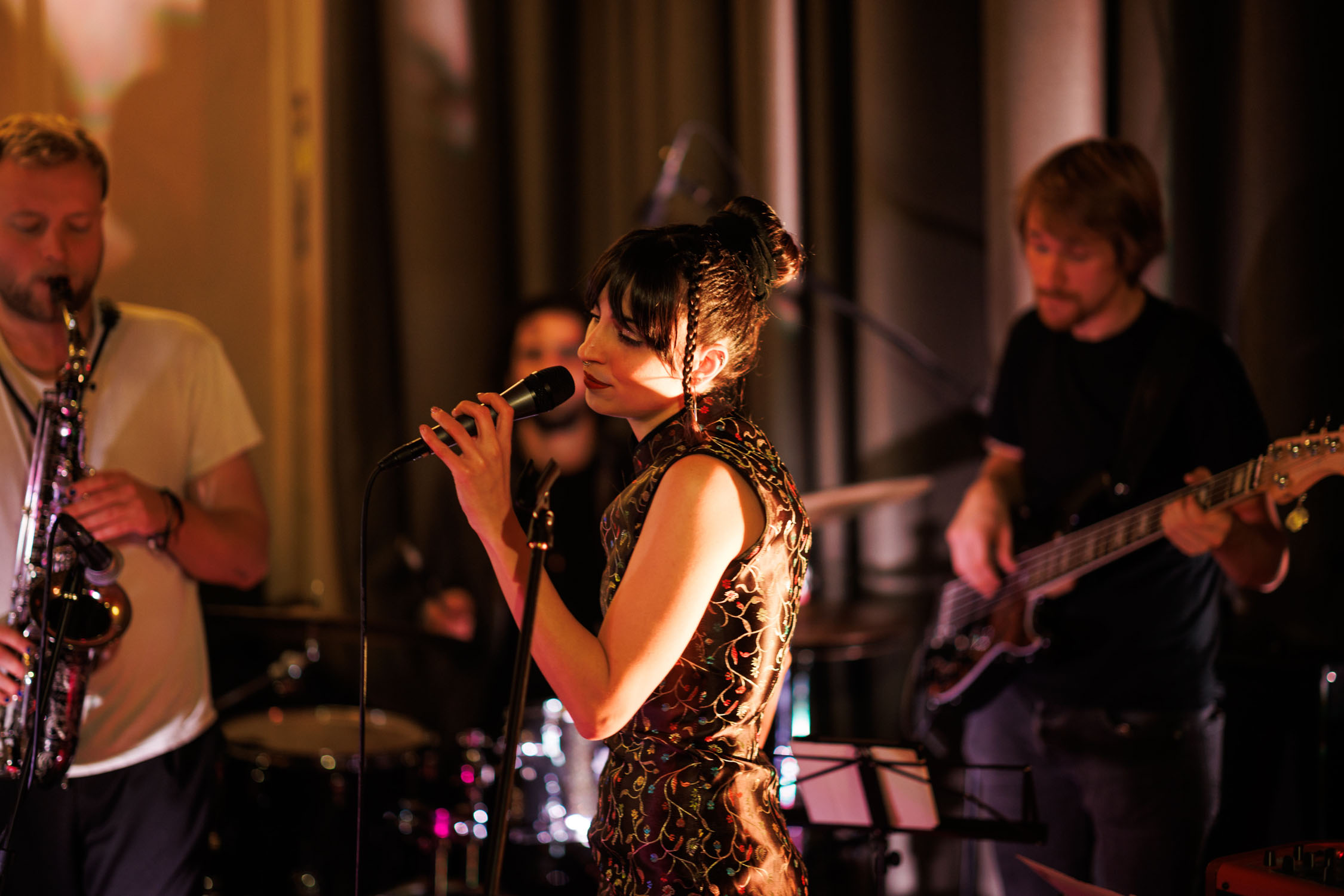
In your view, what can society to do to best support artists, creatives and a thriving creative ecosystem?
A society that wishes to support artists and creatives must first recognize art as a common good, not just as a tool for consumption or social status. Unfortunately, today, art, especially music, is often viewed more as a commodity to “consume” than as a form of deep emotional expression. Music, for example, is often seen as a product that accompanies our days or enriches our spaces, but we rarely ask ourselves what would happen if music didn’t exist. And what if art were no longer present? Art is not just a means of appearing, but a language that deeply connects people, inviting us to reflect, feel, and experience more authentic moments.
Reconnecting with the Emotional Side of Art
It would be beautiful if people reconnected with the more emotional aspect of art, rediscovering the deep value it can have in our daily lives. Art should not just be a product to sell or a way to build a “brand,” but a means of emotional and personal exploration. If the music industry and art, in general, placed emotion at the center, there might be more space for emerging artists and for those who don’t fit into large commercial circuits. Art, in its purest form, should be a reflection of our humanity, capable of communicating without filters and without the weight of consumerism.
Curiosity and Inclusivity
To grow a healthy and flourishing artistic ecosystem, it’s essential to increase curiosity towards unknown artistic realities, even those that don’t completely align with our taste. Art has the ability to surprise us and push us out of our comfort zones. The beauty of art lies in the fact that it invites us to engage with what we don’t know, and what we might not have thought would interest us. Inclusivity plays a central role in this: art should provide space for all voices, from the marginal to the mainstream. It is through inclusivity that we can truly enrich the artistic landscape and give voice to different experiences, which enrich us all.
Spreading and Supporting Art
It is important to spread art in all its forms and on many levels, both social and cultural. Every time we come across something that moves us, we should make an extra effort to support and share it. Art, even when it is difficult to understand or seems distant from us, has the power to enrich our lives and invites us to reflect. Don’t let a form of art go unnoticed, but try to give it the value it deserves and ensure it reaches as many people as possible.
Creating Spaces for Creativity
One of the key aspects of fostering the growth of artists is creating accessible spaces for creativity. Unfortunately, many emerging artists cannot afford studios, rehearsal rooms, or galleries, and the costs to work in these spaces are often prohibitive. Creating accessible and sustainable creative spaces is essential so that artists can freely develop their ideas without facing excessive financial barriers. These spaces could be studios, workshops, rehearsal rooms, or even online platforms where artists can collaborate, showcase, and grow together.
In Berlin, where I live and work with music, I’ve seen many of these aspects in action, which are an integral part of this city and community that inspires me every day and has allowed me to make music my profession. However, year after year, it becomes increasingly difficult, and the challenges grow larger. Despite this, what strikes me is the strength with which artists continue to support art and protect their cultural ecosystem. It’s like a continuous revolution, a fight to defend the deep value of art and to make it grow. There are many people who do not give up and do everything they can to keep art alive and bring it to the hearts of people. It is inspiring to be part of this community that believes in art as something essential.
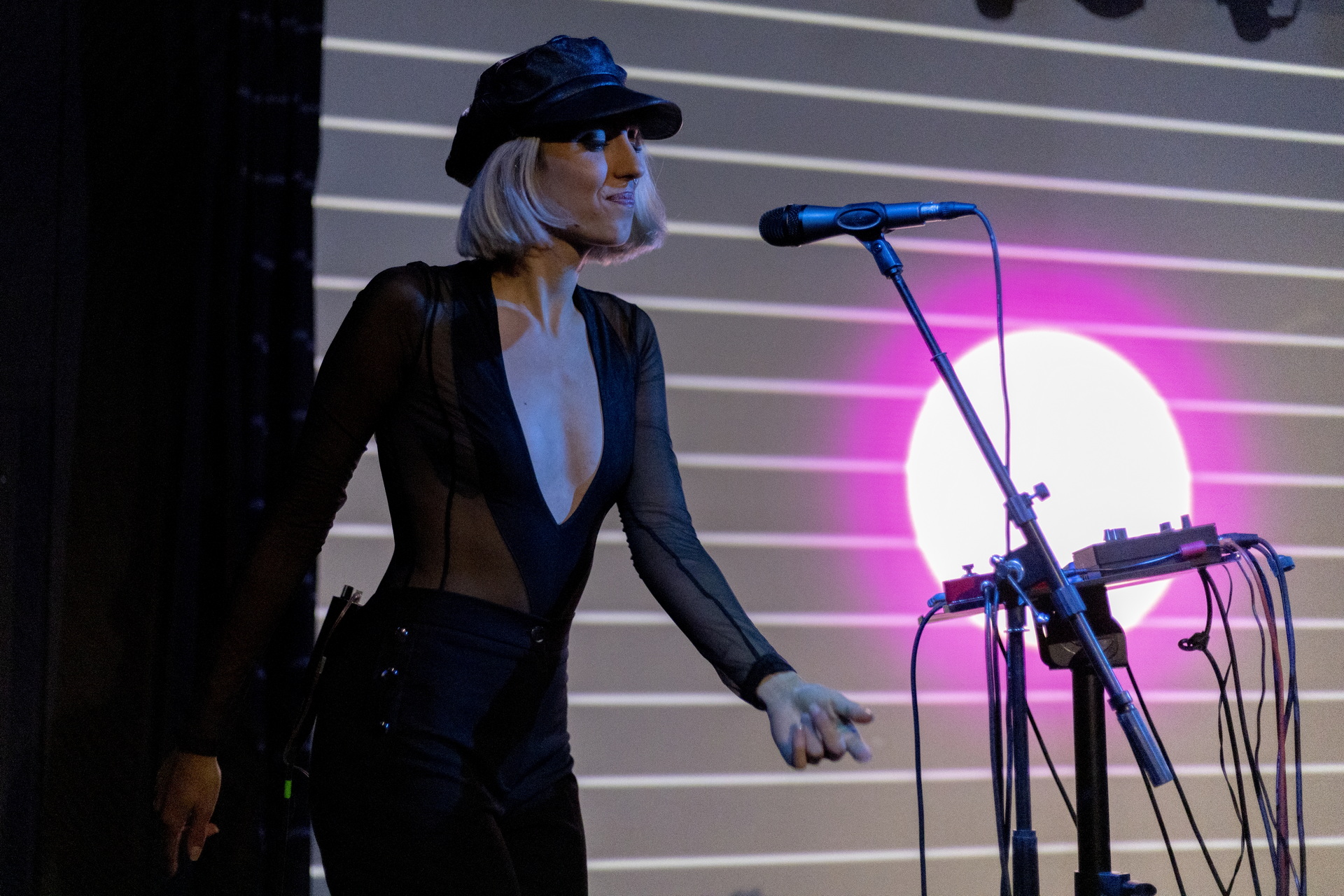
What do you find most rewarding about being a creative?
For me, the most rewarding part of being an artist is waking up every morning feeling happy with who I am and what I do. I reflect on all the effort and hardships, but I also realize how fulfilled I am, and I feel deep gratitude towards life and myself every day for this.
In my career, I pursue several projects, some of which I enjoy more than others, naturally. I dedicate myself to my original music, and that’s what truly brings me the most satisfaction. However, I often find myself performing covers at private events, working as a session musician on anything that comes my way (because, of course, we all have bills to pay), or teaching. I’ve made countless sacrifices—long rehearsal days, events that never seem to end, endless waiting, long drives, flights, setting up audio equipment at 5 a.m., experiencing panic attacks when I feel overwhelmed, yet still managing to keep a smile on my face during the performance.
I face the pressures of my work, learning 30–40 songs a week, constantly finding the best way to communicate with my colleagues and manage stress, working day and night, with no vacations or weekends for months at a time.
This is my life, my passion, and it fills me with joy every day knowing that each new day brings the possibility of something unexpected. Life never fails to surprise me.
Contact Info:
- Instagram: https://www.instagram.com/domi_sword/
- Youtube: https://www.youtube.com/@dominomusic5079
- Soundcloud: https://soundcloud.com/user-693558227/sets/lora-del-te
- Other: Linktree: https://linktr.ee/Domino_linktree?fbclid=PAZXh0bgNhZW0CMTEAAaYkEMXQGOSZo6l55-4UqfSIK5m19r05s5tiumv-a4KwSouhwLsuSS9VXzA_aem_5hrvPnm8xnbW7oiBNAcu3w
SPOTIFY: https://open.spotify.com/intl-it/artist/4WQwn7ytHits5BrmCmZzSi