


Alright – so today we’ve got the honor of introducing you to Dina Guergawi. We think you’ll enjoy our conversation, we’ve shared it below.
Dina, looking forward to hearing all of your stories today. We’d love to hear about how you got your first non-friend, non-family client. Paint the picture for us so we can feel the same excitement you felt on that day.
I’ve been a designer my whole life. Bringing a space to life — finding that last thing that makes it complete — that’s always been what drives me.
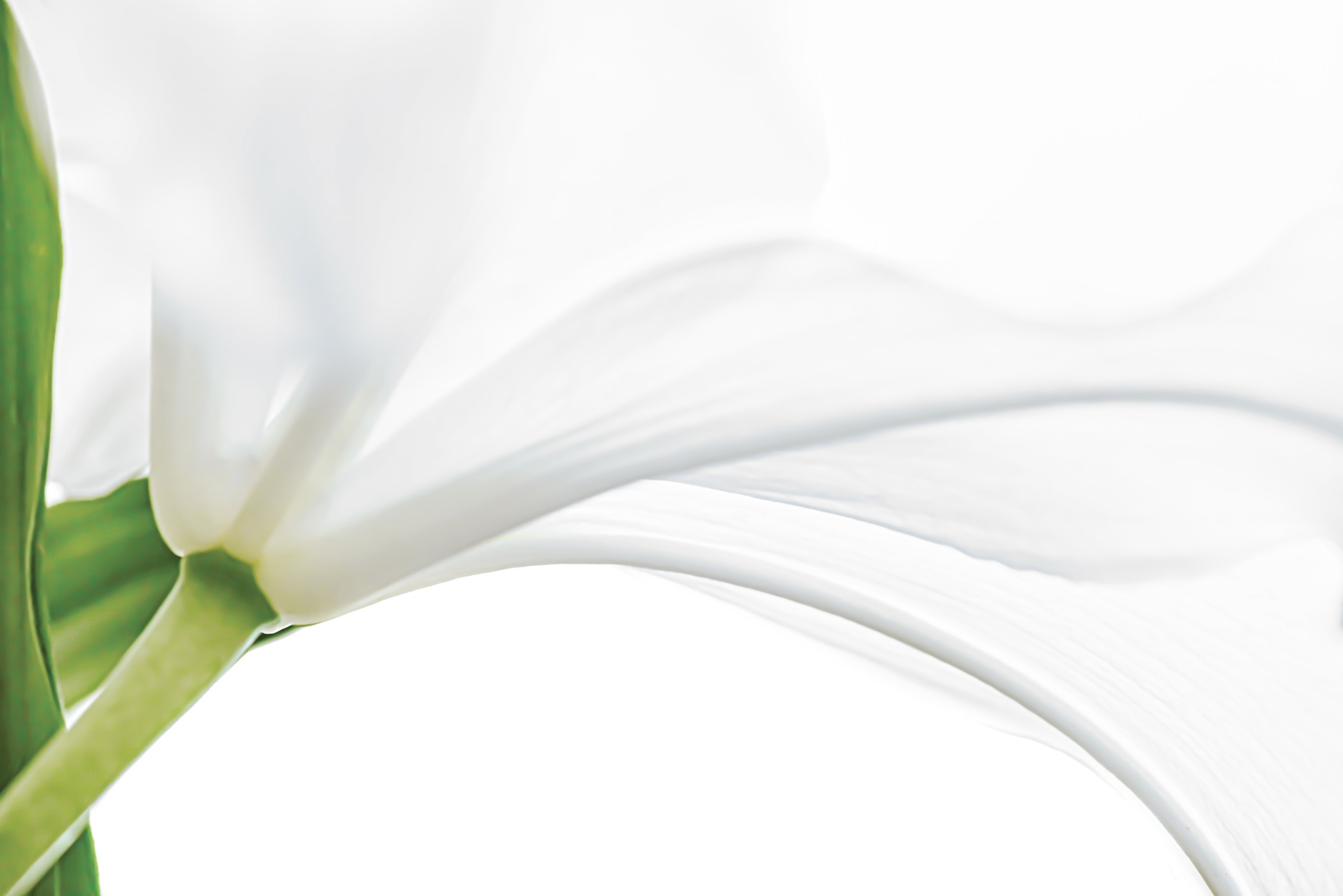
I had a client doing a penthouse overlooking the water. He wanted a large custom floral mosaic designed for the entry — a real statement piece. It was a challenging design problem. To get it right, I needed to understand flowers — how they moved, how they held themselves, what their personality was. So I bought an entry-level camera and started shooting. Just for reference. Just to understand what I was working with.
I shot thousands of images. Flowers from every angle, in every light, until I finally landed on a hibiscus and designed the inset around it. The mosaic came together beautifully.
But then came the part every designer knows — finishing the space. I needed art for the walls and I could not find exactly what I was looking for. Nothing felt right. One day I was talking it through with my client and I pulled up some of the reference images I had been shooting. I told her I was looking for something with that same quality — that movement, that feeling.
She looked at the screen and said, “Why don’t you just print and frame those? They’re beautiful.”
I hadn’t thought of it that way. Not once. To me they were working files.
But I tried it. Had them printed and framed. And they were beautiful — and they became the first pieces of art under my own name that I ever sold.
That penthouse client didn’t just buy photography. She saw something in my work before I did.
Dina, love having you share your insights with us. Before we ask you more questions, maybe you can take a moment to introduce yourself to our readers who might have missed our earlier conversations?
I’ve been an interior designer for over 35 years. My firm, Creative Edge Design, has taken me through every kind of project — residential, commercial, hospitality — working with clients all over the country. Design has never been just a job for me. It’s how I see the world. Every space tells a story, and my job has always been to help that story land.
The photography grew out of that. It started accidentally — shooting thousands of flower images as reference for a custom mosaic I was designing for a client’s penthouse. Somewhere in those thousands of frames I fell in love with it. My client saw the images and told me to print and frame them. That was the beginning of Dina Marie Views.
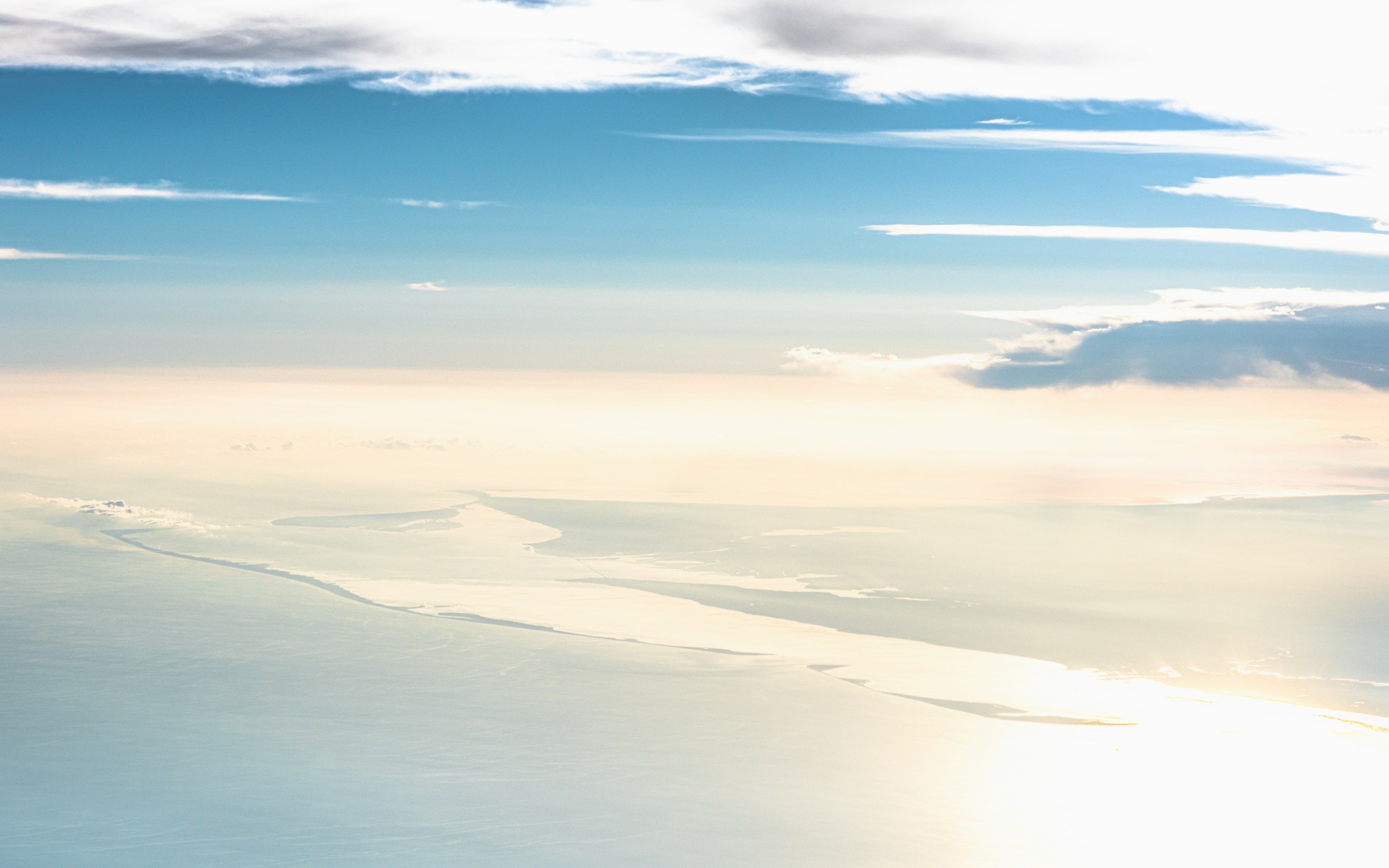
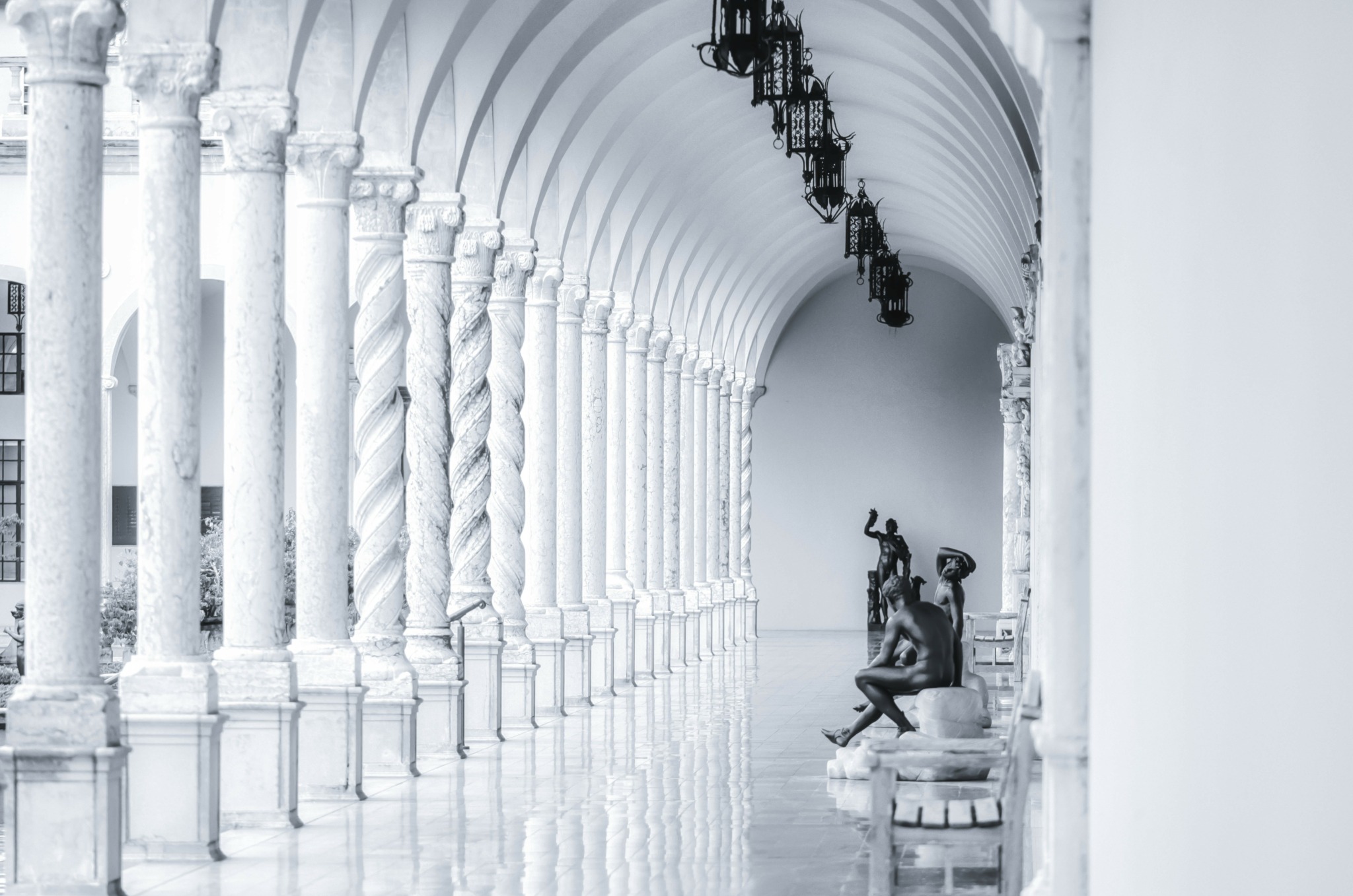
I shoot with a designer’s eye, thinking about how an image will live on a wall, how it will interact with light, how it will make someone feel when they walk into a room. The work is non-literal, almost abstract in places — I’m after the essence of a subject, not just a record of it.
I work with other designers and architects directly, which I genuinely enjoy — I understand that collaboration from both sides of the table. I’ve also placed work through art consultants and galleries, and in major healthcare and senior living environments. That last part means a lot to me. When someone is going through something hard, the space around them matters more than most people realize. If one of my images makes that environment a little quieter, a little more human, that’s not a small thing.
For you, what’s the most rewarding aspect of being a creative?
For me it happens in the field, in the moment. There’s a point when I’m shooting where something shifts — I stop thinking about the technical side and I feel genuinely connected to whatever I’m looking at. Almost like a conversation. Like the subject and I are in the same space together and I’m just listening.
That sounds strange, maybe. But I think it’s what separates an image that has life in it from one that doesn’t. You can feel when a photographer was really present with their subject, and you can feel when they weren’t.
The other side of it is seeing a finished piece installed in a space and watching it do its job — especially in a healthcare or senior living environment where the people in that room really need to feel something other than where they are. That never gets old.
What’s a lesson you had to unlearn and what’s the backstory?
For most of my career I was a designer. That was the credential, the business, the identity. When I started selling photography I didn’t know what to call myself. Artist felt like a word that belonged to other people — people who went to art school, people who had gallery shows, people who had been doing it their whole lives.
What I had to unlearn was the idea that you earn that word from the outside. That someone grants it to you. I kept waiting for some kind of external validation — a gallery, a publication, enough sales — before I’d let myself use it.
The truth is nobody gives you that permission. At some point you just have to decide what you are and stand in it. I make work that moves people. I make work that changes how a space feels. I make work that a stranger will hang on their wall and live with for years.
I’m an artist. It just took me a while to say it out loud.
Contact Info:
- Website: https://www.dinamarieviews.com/
- Instagram: https://www.instagram.com/dina_marie_views/
- Facebook: https://www.facebook.com/dinamarieviewsart/
- Linkedin: https://www.linkedin.com/in/dina-marie-23249455/
- Twitter: https://x.com/Dinamarieviews
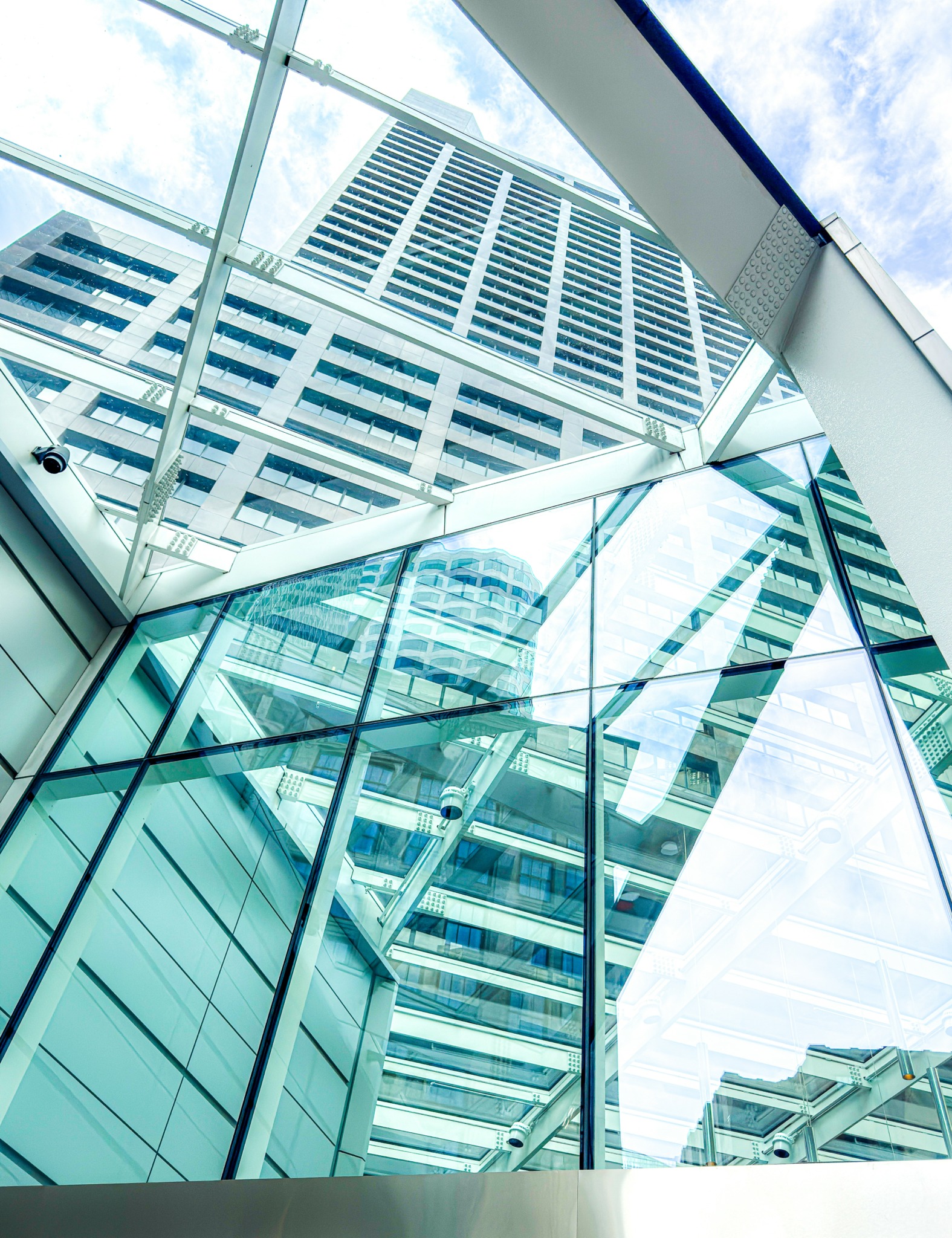
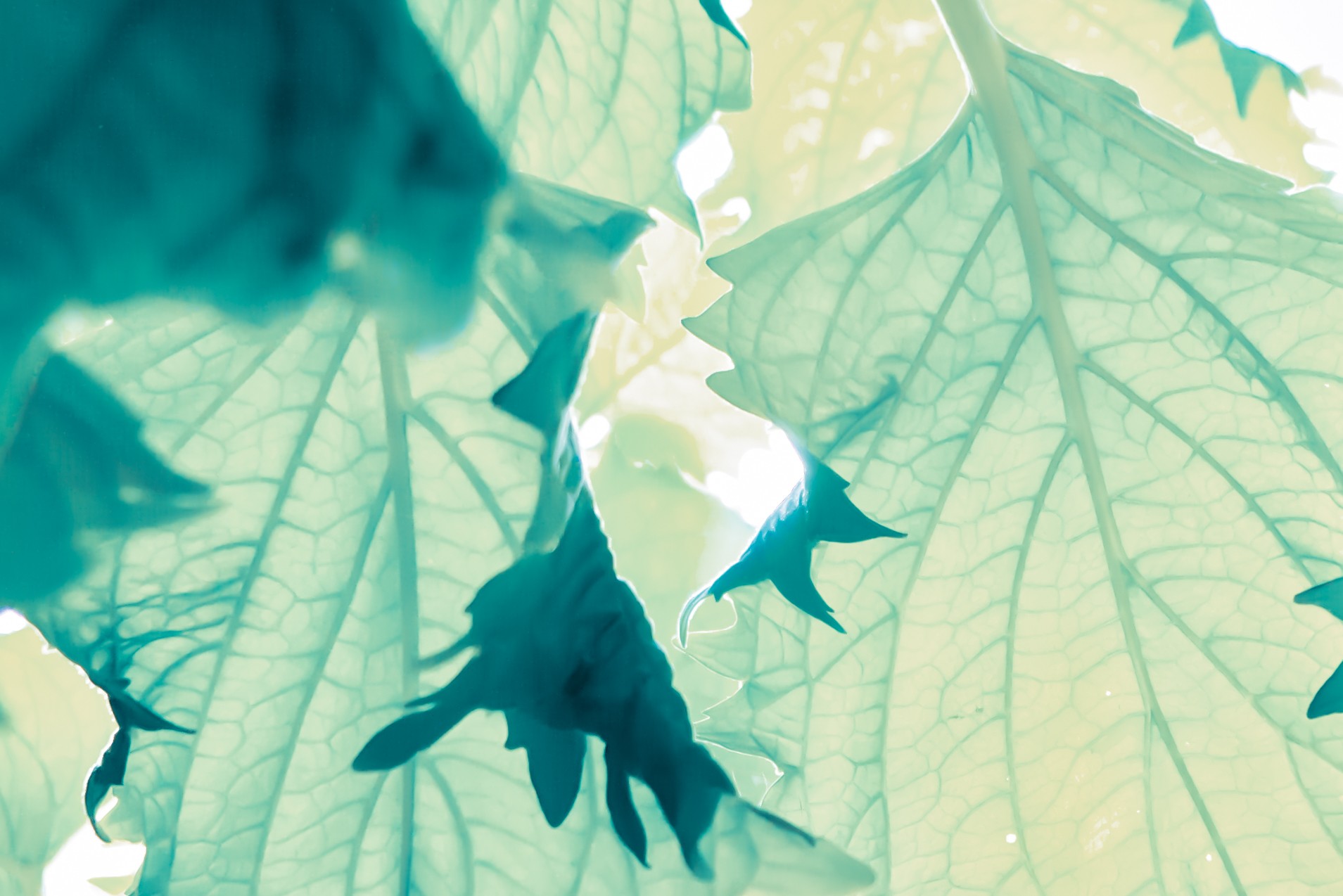
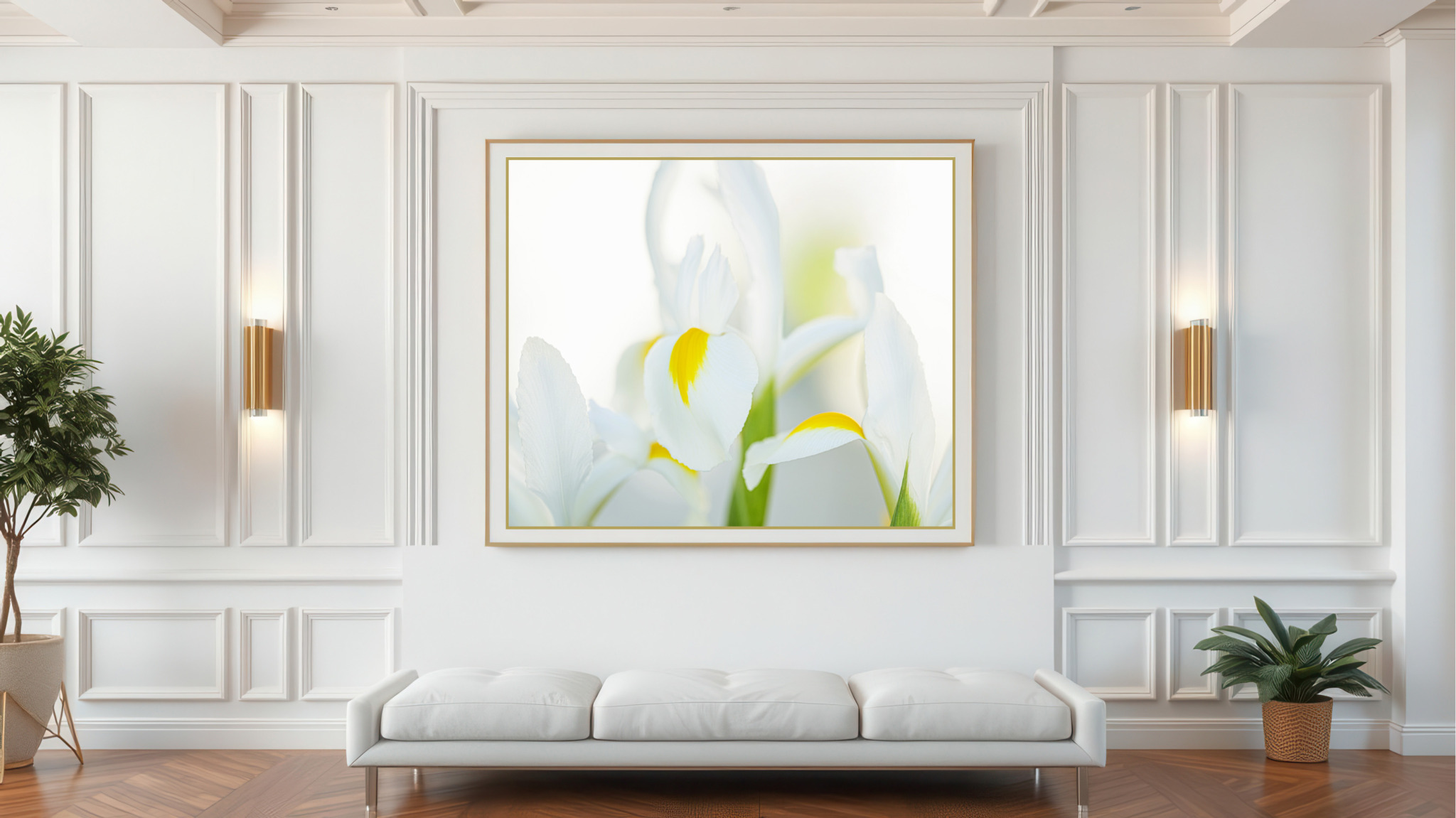
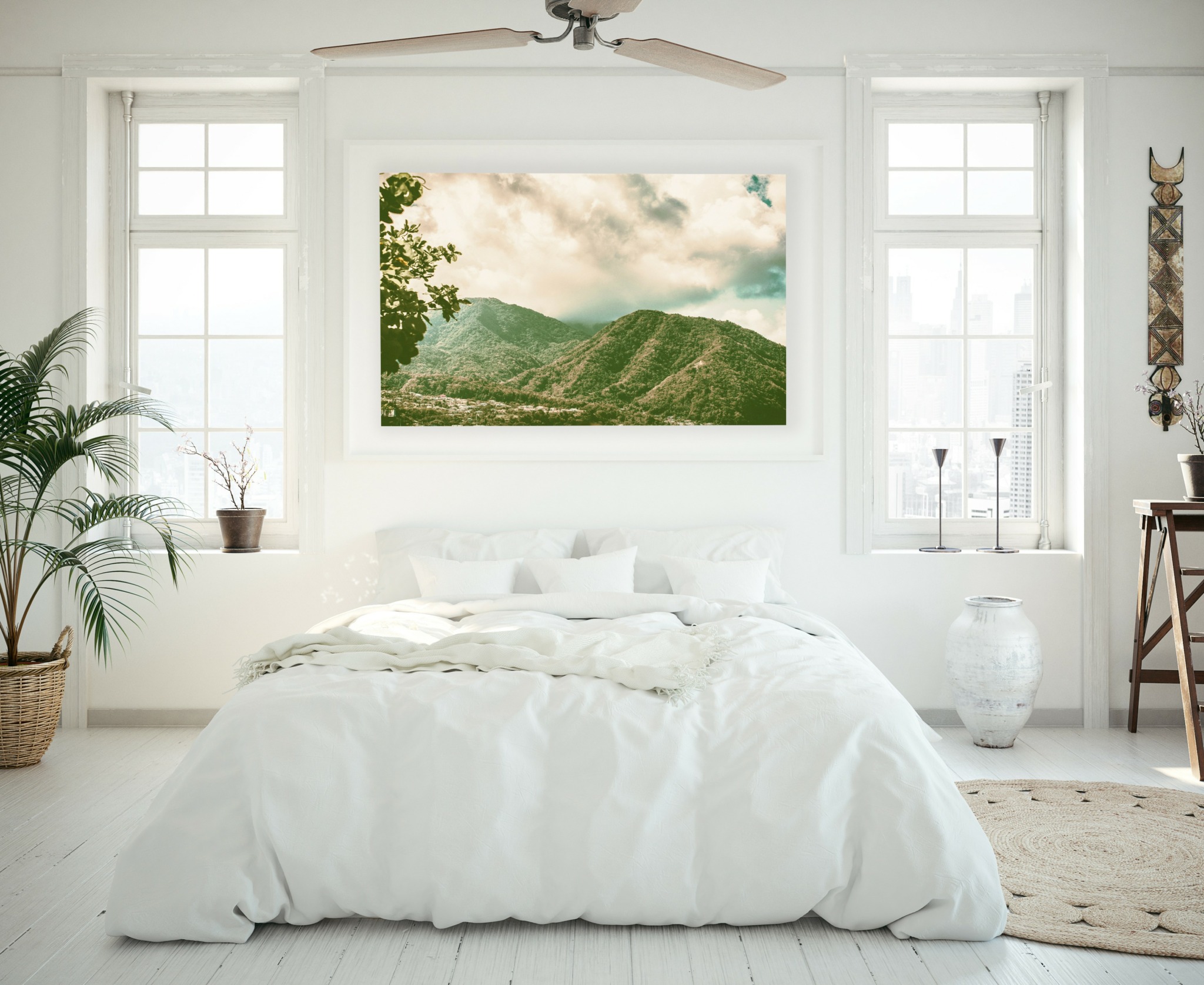
Image Credits
All images by Dina Marie