


Alright – so today we’ve got the honor of introducing you to Diane Davis. We think you’ll enjoy our conversation, we’ve shared it below.
Alright, Diane thanks for taking the time to share your stories and insights with us today. We’d love to hear the story behind how you got your first job in field that you currently practice in.
My first job as a dance/movement therapist was at a behavioral healthcare hospital in Las Vegas, and getting that role was a journey that stands out vividly. At the time, I was living in Boston, wrapping up my Master’s program and preparing for a big move back to Las Vegas. While I was searching for positions, I came across an opening on at a behavioral healthcare hospital that immediately resonated with me. I don’t remember the specific job title, but the listing mentioned that they were interested in someone with experience in art, drama, or dance therapy—which felt like the perfect fit for me. I was also excited because there weren’t many jobs specifically for dance/movement therapist in Las Vegas at the time.
I applied, and shortly after, the clinical director reached out for an interview. She was firm about wanting it in person, even though I was still in Boston, which was a little nerve-wracking but also exciting. We kept in touch, connecting several times over the phone, and each call solidified my interest in the role. The hospital had a geriatric unit, which aligned with my passion for working with older adults, a population I’d grown deeply connected to over my years of study and practice.
While I continued interviewing elsewhere, I was hesitant to accept anything because I didn’t want to give up on the possibility of this specific position. It just felt right, and I decided to wait for it. The week I finally moved back to Las Vegas, I went in for the in-person interview, and I think the director could sense my enthusiasm and dedication because she offered me the job on the spot. Working at the hospital was challenging and often stressful, but looking back, I’m grateful I trusted my instincts and took that chance—it was the perfect entry into my field and laid the foundation for everything that followed.
As always, we appreciate you sharing your insights and we’ve got a few more questions for you, but before we get to all of that can you take a minute to introduce yourself and give our readers some of your back background and context?
I’m happy to share a bit about my journey and the work I do as a registered dance/movement therapist. I’ve loved dance since I was a little girl. My parents enrolled me in a local studio when I was just 5 years old. From that age, I immersed myself in tap, jazz, ballet, and musical theater. My passion led me to earn a BA in Modern Dance and a BS in Dance Education, and after graduation, I began teaching dance full-time in public high schools and private studios. Teaching brought incredible fulfillment, but navigating the challenges within public schools revealed to me that this environment wasn’t the right long-term fit. That realization pushed me to explore how I could use my love of movement in a way that felt more aligned with my personal values.
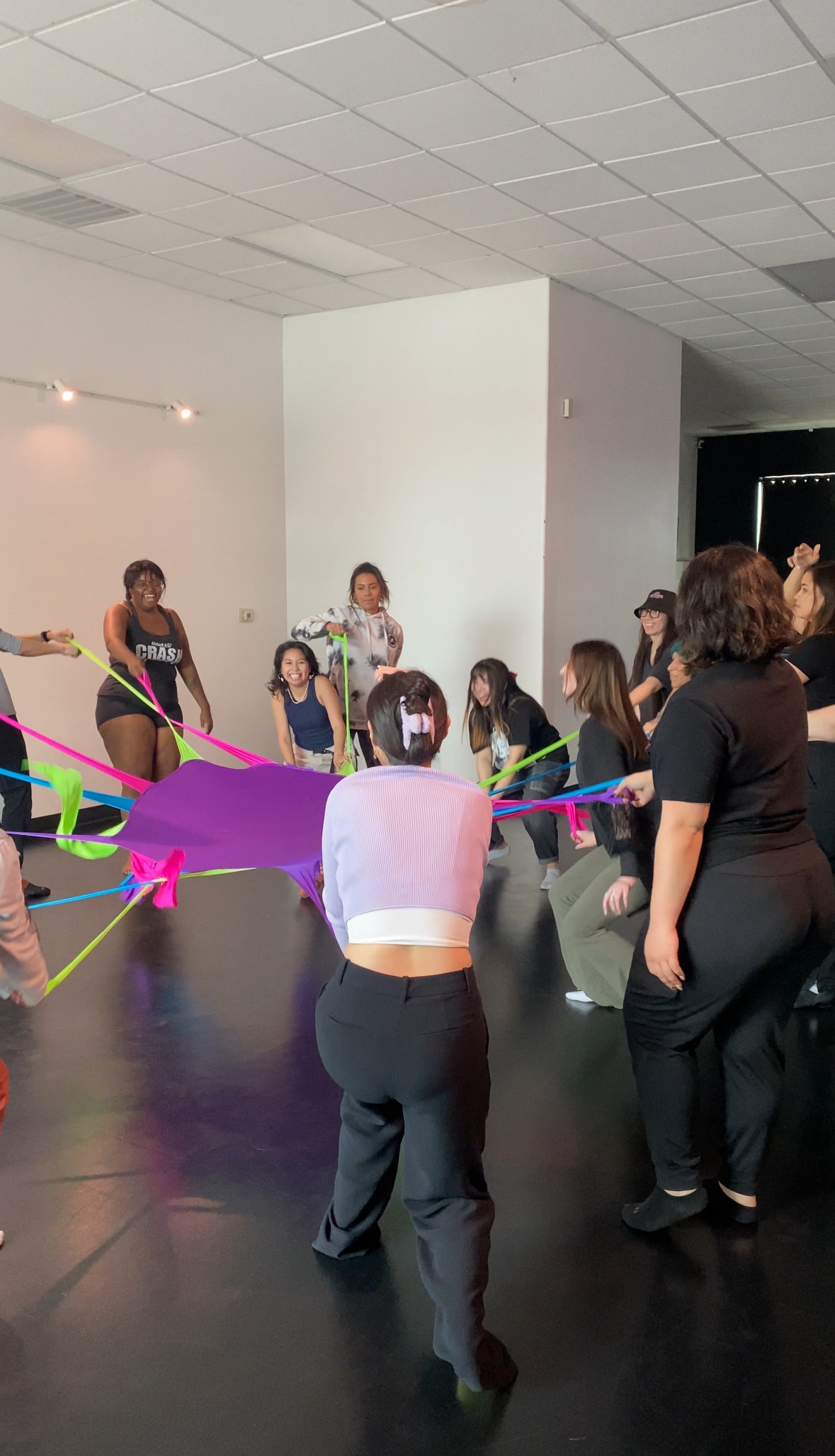
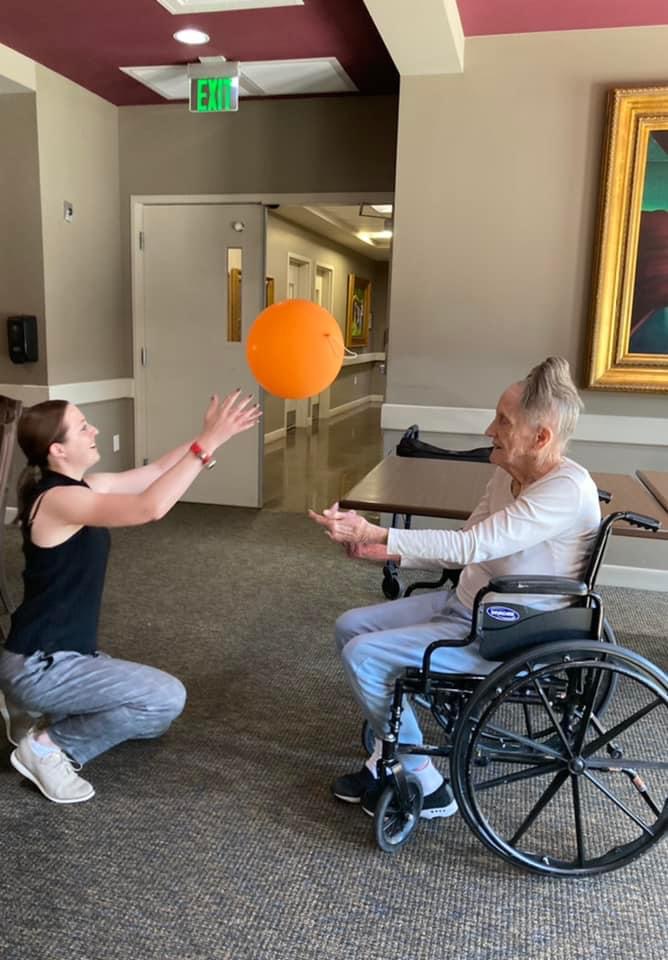
This led me to pursue a master’s degree and become a licensed dance/movement therapist. Dance/movement therapy (DMT) is a psychotherapeutic approach that combines the power of movement and psychology to support mental health and well-being. Today, I offer individual and group DMT sessions, as well as community workshops, retreats, and presentations to help more people experience the benefits of a holistic mind-body approach to mental health. I work with a wide range of people, addressing anxiety, depression, and trauma, though I feel a particular calling to support individuals living with dementia. I began my DMT career with a focus on dementia, and it’s deeply meaningful to me as a way to honor my own grandpa, who was diagnosed with vascular dementia and passed away in 2015.
I feel excited to be one of the few DMT practitioners in Nevada and am passionate about sharing this transformative approach in a place where it’s not as widely known. What sets me apart, I believe, is my dedication to helping people forge deeper mind-body connections, which can be life-changing for emotional and physical well-being. I’m incredibly proud of my clients and their progress, and seeing their breakthroughs is a constant source of motivation. I’m equally proud of myself for embracing change and advocating for this field so it can benefit more people. For anyone looking to explore healing and mental wellness through movement, I invite them to connect with me and discover the profound impact that dance and movement can have on their lives.

Can you share a story from your journey that illustrates your resilience?
Resilience has truly been a core part of my journey to becoming a registered dance/movement therapist. To pursue this career, I moved across the country to enroll in a program approved by the American Dance Therapy Association (ADTA), as Nevada doesn’t offer these programs and doesn’t recognize low-residency mental health programs. I moved in 2020, right in the middle of the COVID-19 pandemic, and nearly all my courses had to transition to virtual learning, which made finding in-person internships a real challenge. Still, I pressed on, determined to complete my training.
When I returned to Nevada after graduation, I faced another setback: my application for a state intern license was rejected. The state board didn’t accept my virtual practicum experience, even though it was the only option available during the pandemic. With the support of my supervisor and university, I appealed the decision in a live meeting. Despite our best efforts, the Board held firm, requiring me to complete an additional 10 weeks of practicum experience. This was challenging, as I had already graduated, and practicum placements are typically reserved for enrolled students. I was also working full-time as a case manager at a behavioral healthcare hospital, but couldn’t use this as a practicum site since it didn’t meet the unpaid learning requirements set by my university.
After some searching, I found a group practice that allowed me to come in on my days off to complete my practicum hours. My university created an independent study course for me, with my former student supervisor willing to oversee it. Six months after graduating, I finally received my clinical professional counseling intern license, which has allowed me to work toward full licensure in the state of Nevada. This experience taught me that resilience isn’t just about pushing through—it’s also about creatively adapting to unexpected barriers and finding new paths to reach your goals. It’s an experience I now draw from to support my clients, knowing firsthand how difficult it can be to navigate obstacles, stay committed, and adapt.
What do you think helped you build your reputation within your market?
Building my reputation within the dance/movement therapy and mental health community has been largely about fostering genuine connections. I believe people can tell when you’re truly invested in what you do, and I’ve always prioritized building authentic relationships over simply networking. Many of the opportunities I’ve had have come through people who reached out to me because we connected on a meaningful level—whether its teachers from my time in the school district or fellow mental health professionals I’ve met through supervision groups and workplaces.
These connections have been invaluable, not only in providing opportunities but in creating a support network of colleagues who trust me and understand my commitment to this work. I think that trust and authenticity have set the foundation for my reputation, and I’m grateful that my approach has led to such fulfilling collaborations and growth within the field.
Contact Info:
- Website: https://www.dianedancemovementtherapy.com/
- Instagram: https://www.instagram.com/dianedancemovementtherapy_/?igshid=YmMyMTA2M2Y%3D
- Facebook: https://www.facebook.com/people/Diane-Dance-Movement-Therapy/61551304919400/
- Linkedin: https://www.linkedin.com/in/diane-davis-b9b37093/
- Other: Tiktok: https://www.tiktok.com/@dancemovementtherapylv?is_from_webapp=1&sender_device=pc
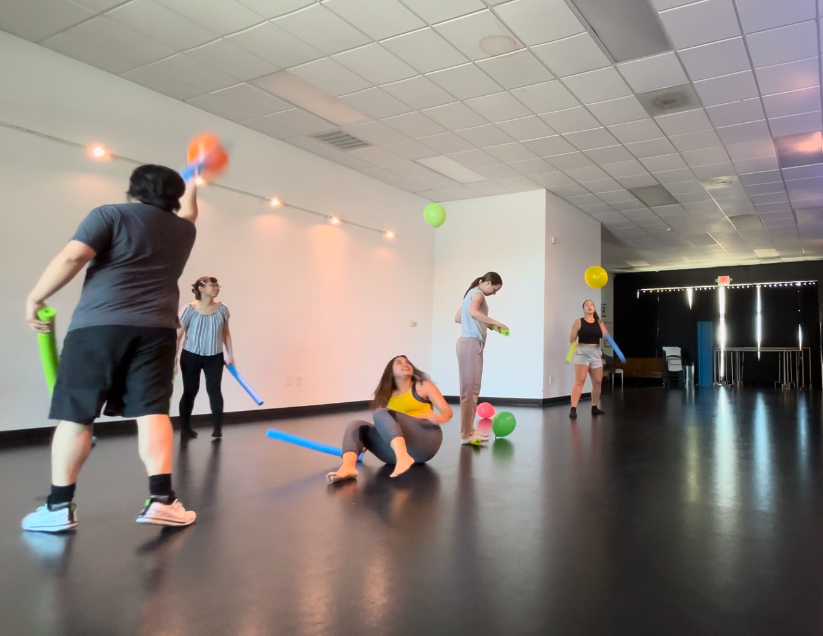
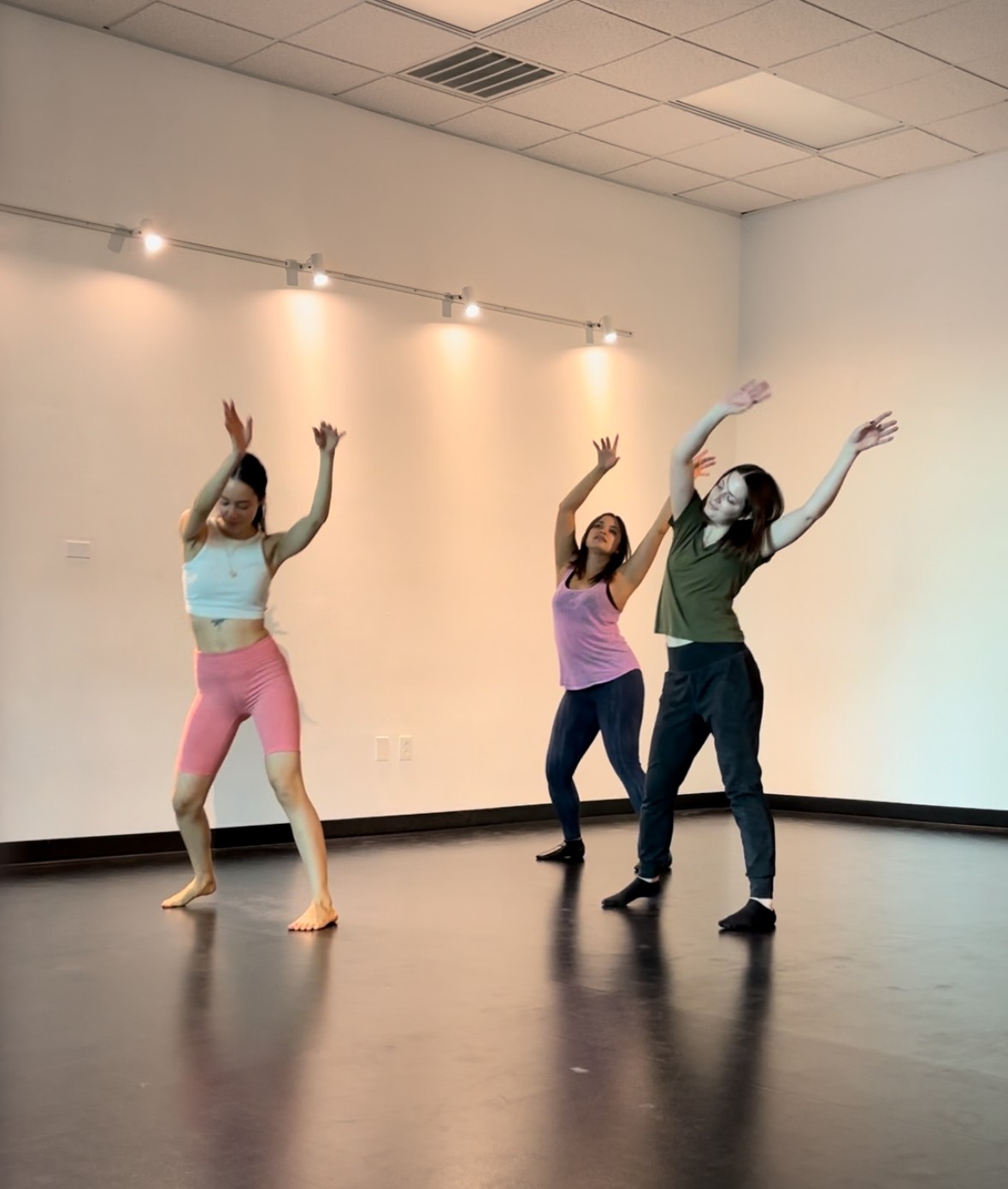
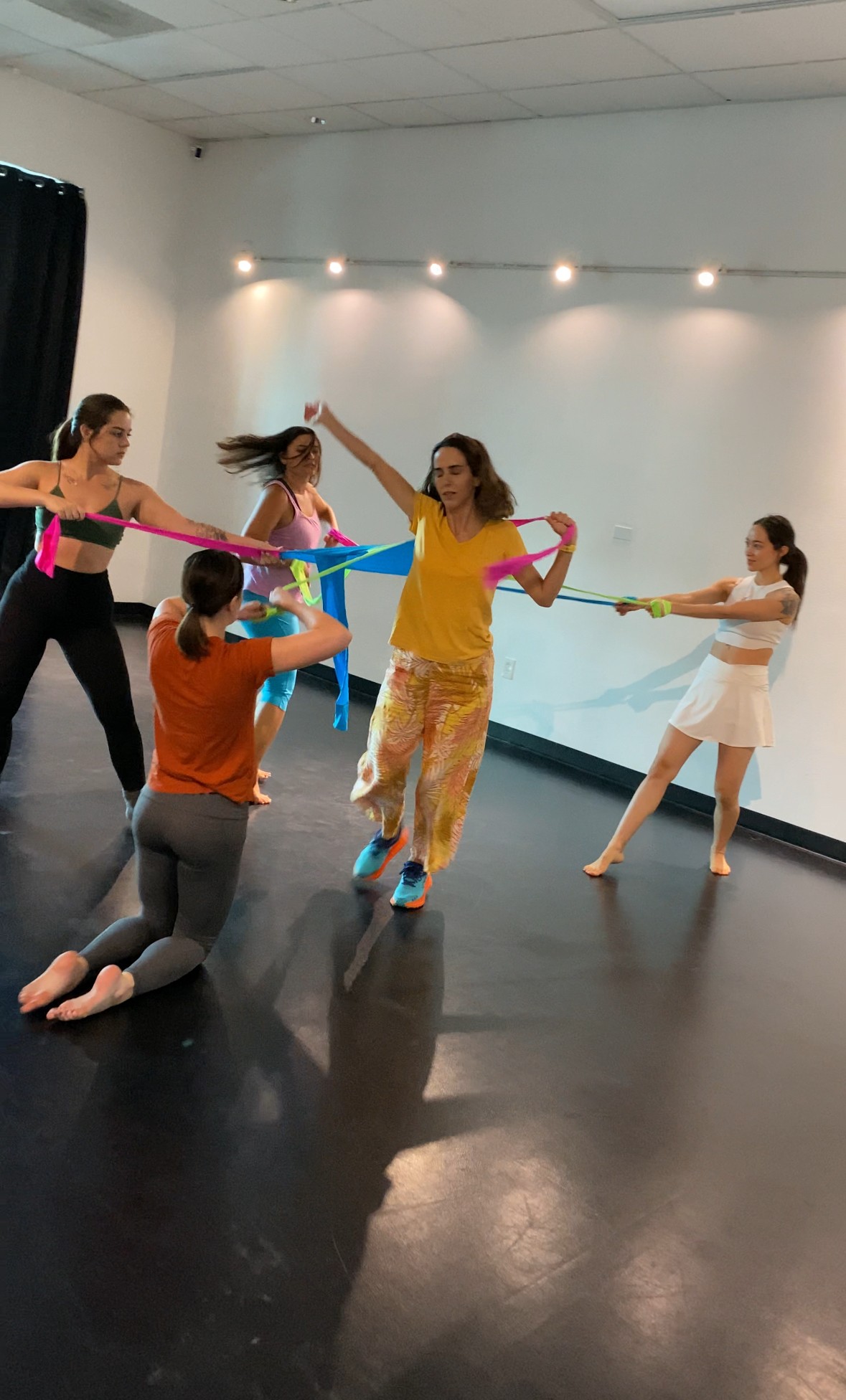

Image Credits
headshot image credit: Carosfootprint/Carolyn Lajara
Dance shot on the water: Mickey West Photography/Michela West
images with older adults: Avenir Memory Care
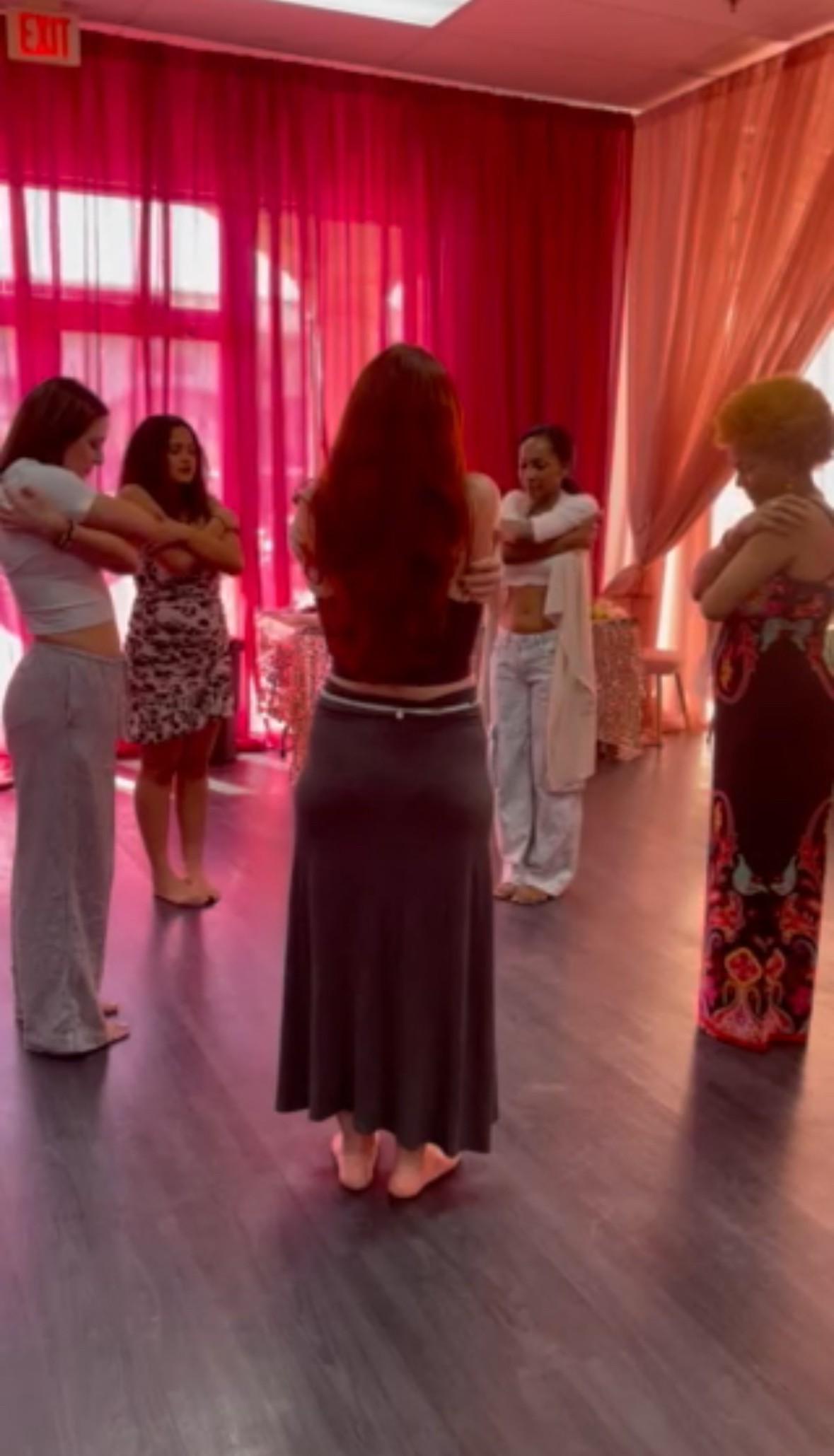
Group image in circle with hugging: Public Karma Events/Porscha Newton
All other group images in studio space: Millennium Dance Complex Las Vegas