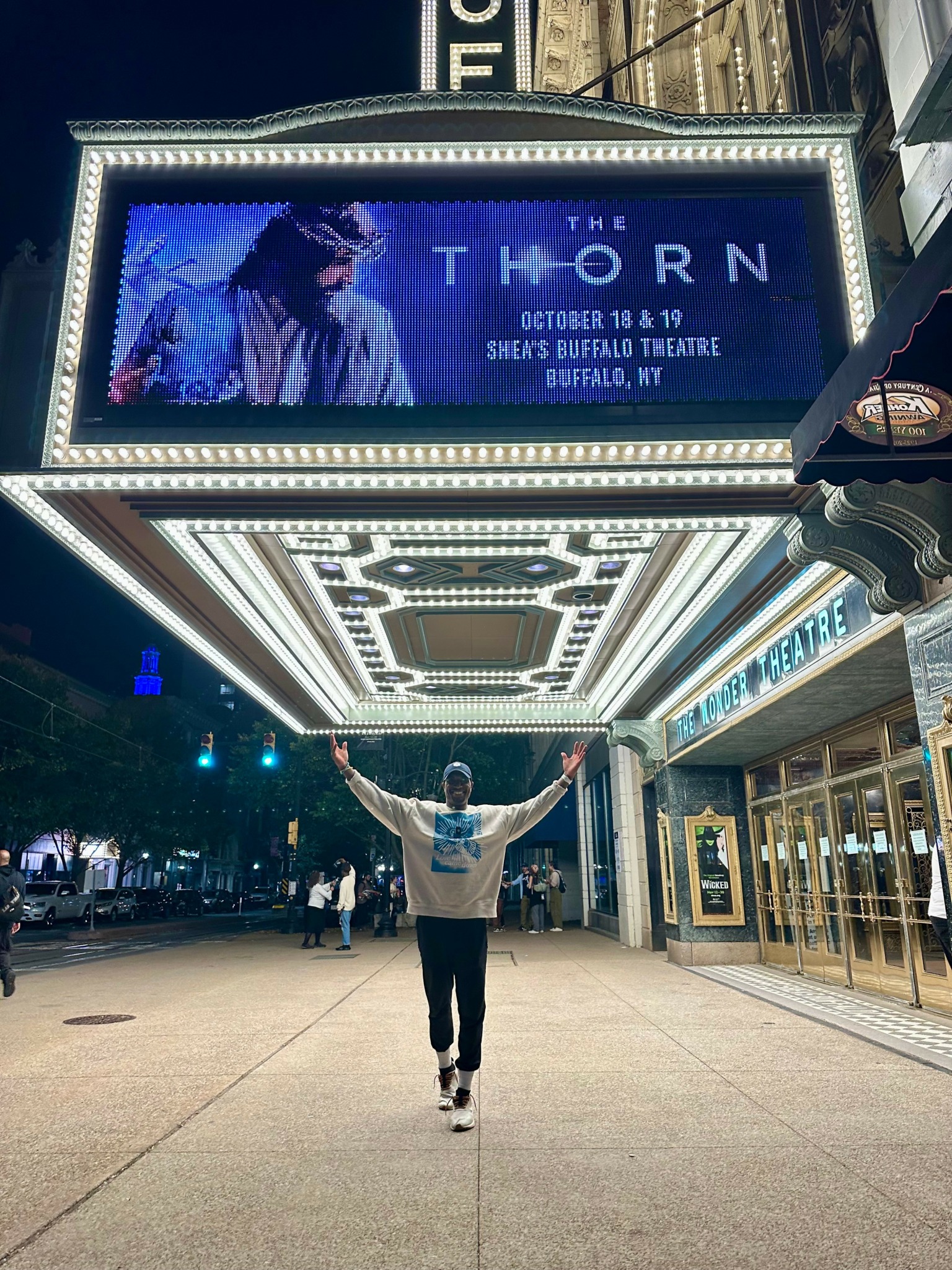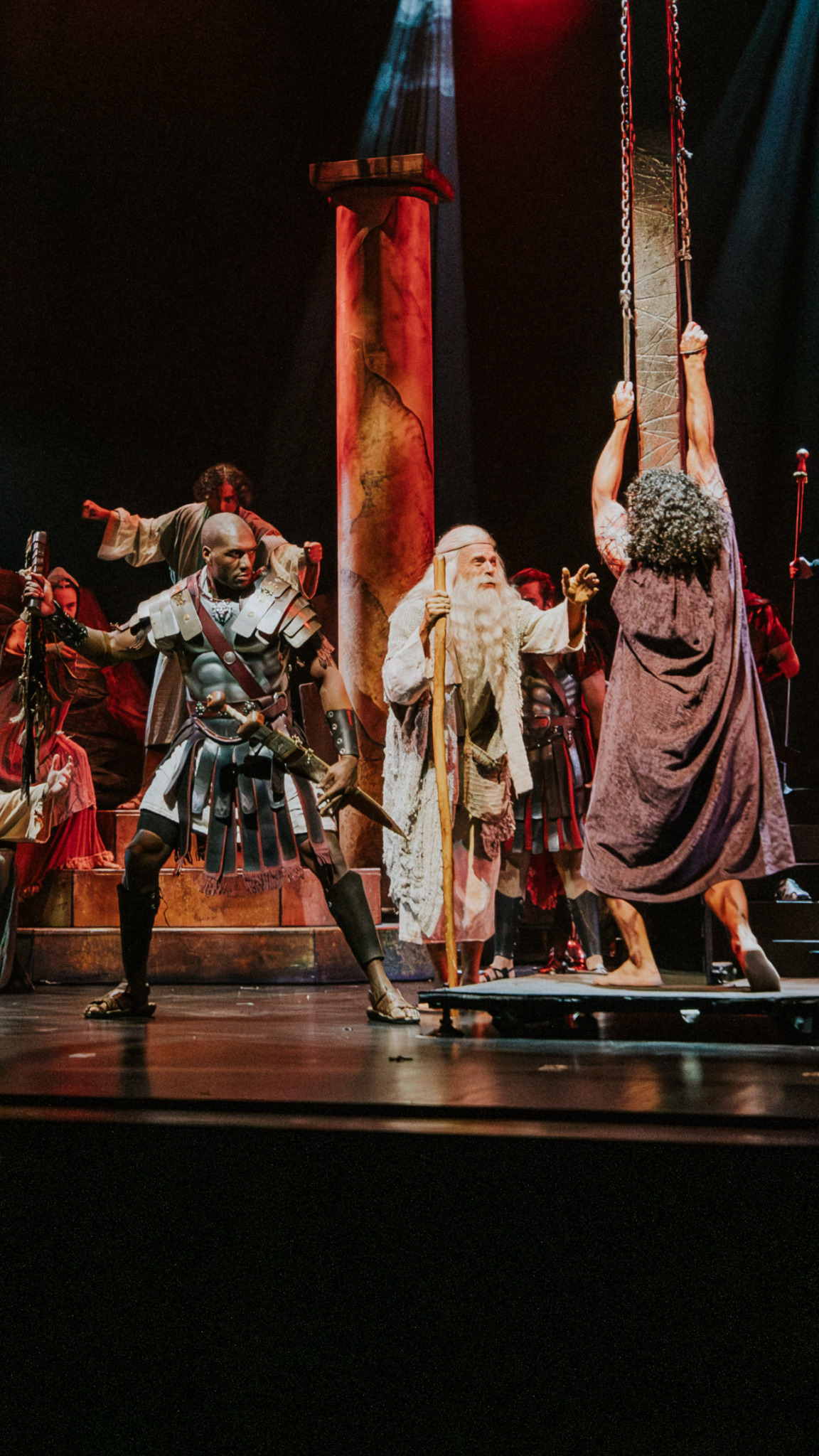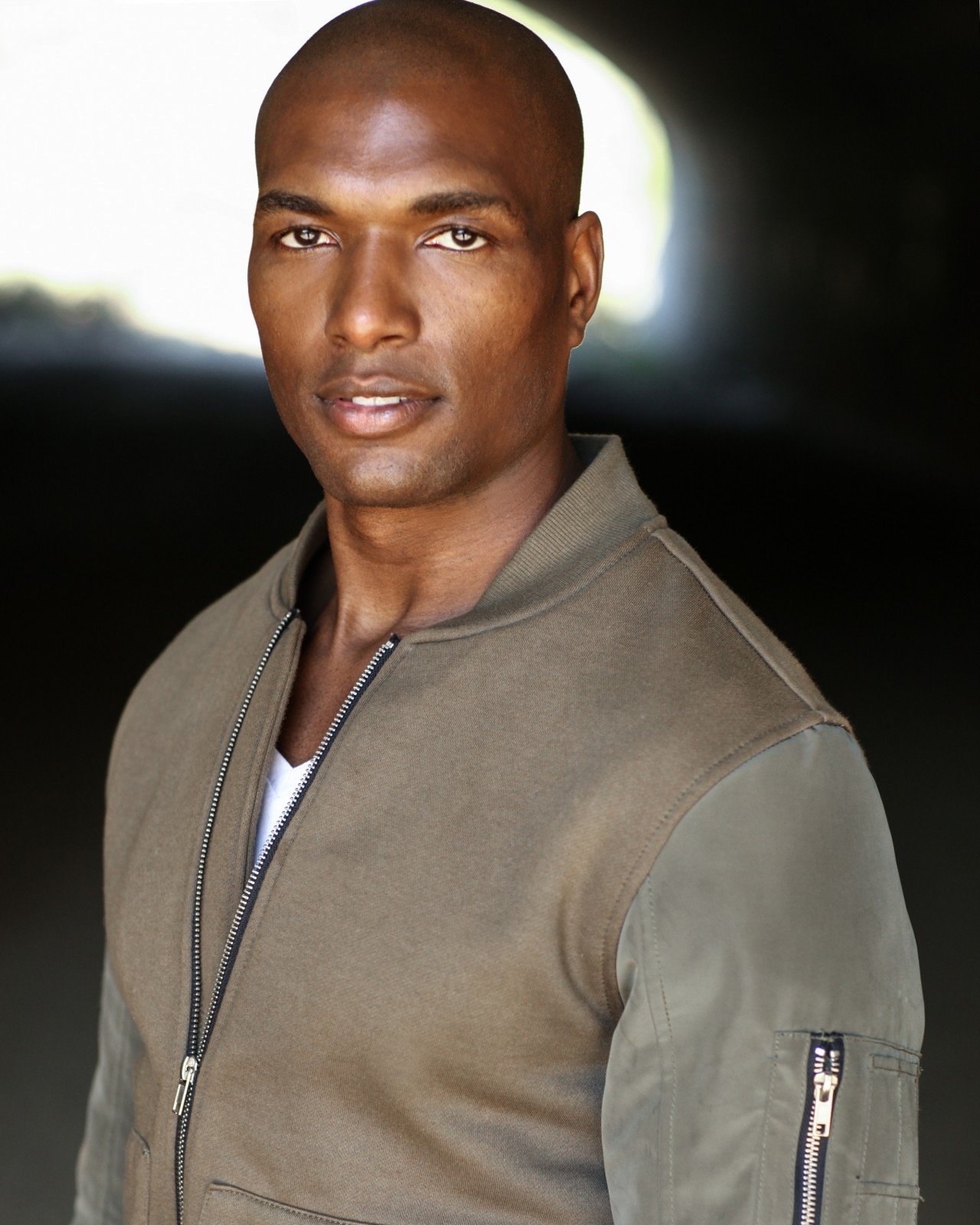

We caught up with the brilliant and insightful Devonric Johnson a few weeks ago and have shared our conversation below.
Devonric, thanks for joining us, excited to have you contributing your stories and insights. Can you recount a story of an unexpected problem you’ve faced along the way?
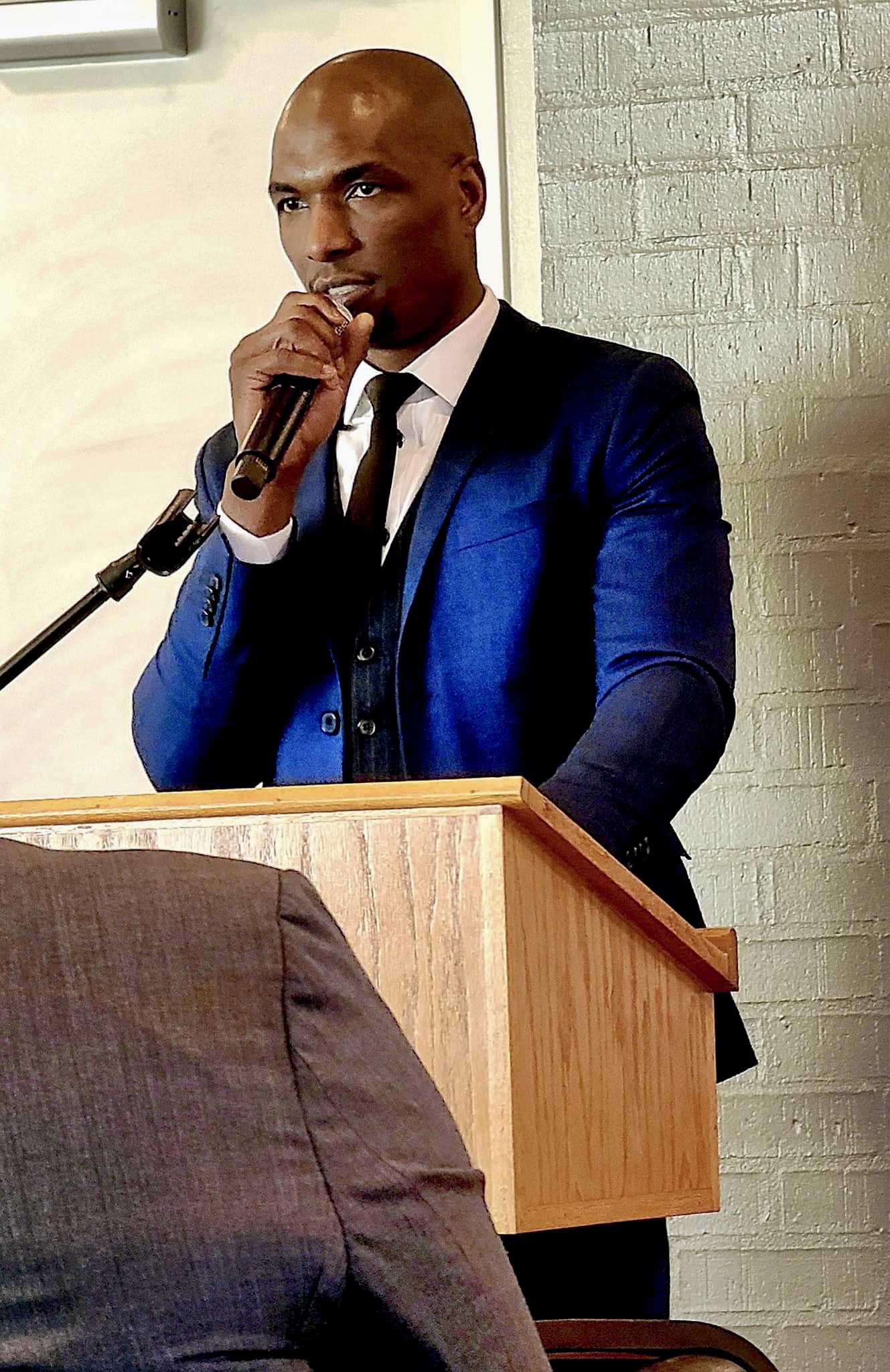
One of the most defining and unexpected moments of my creative journey was the sudden loss of my father — not just as a personal tragedy, but as something that fundamentally reshaped why and how I create.
At that point in my life, I was building momentum. I was traveling, creating content, and carving a path forward that I was proud of. But underneath all that forward motion, there was something fragile: my dad’s health was declining, and I was constantly balancing hope, fear, responsibility, and the relentless pace of what I was trying to build.
When he passed, it didn’t just hurt emotionally — it pulled the rug out from under me in a way I didn’t see coming.
For the first time, discipline and structure — the things I lean into every day — weren’t enough. I showed up for workouts without filming. I opened my laptop without inspiration. Even the routines that had once grounded me felt hollow.
I wasn’t just grieving — I was disoriented. I lost my center.
Eventually, I realized that the way to move forward wasn’t by trying to force myself back into “normal.” There was no normal anymore. What I needed was honesty — honesty with myself, and honesty in my work. I had to let grief live in the work instead of ignoring it.
So I started slow:
• I trained without an audience.
• I wrote without publishing.
• I created without performance attached.
And in that space — quiet, imperfect, unperformative — something shifted.
The work stopped being about momentum or visibility. It became about meaning.
I began to ask deeper questions:
• What am I creating for?
• What am I creating about?
• How do my stories hold space for truth, not just traction?
That loss didn’t break my creativity.
It deepened it.
And it taught me that the most powerful work doesn’t come from perfection — it comes from the places where we are willing to show up honestly, even when it hurts.
Devonric, before we move on to more of these sorts of questions, can you take some time to bring our readers up to speed on you and what you do?
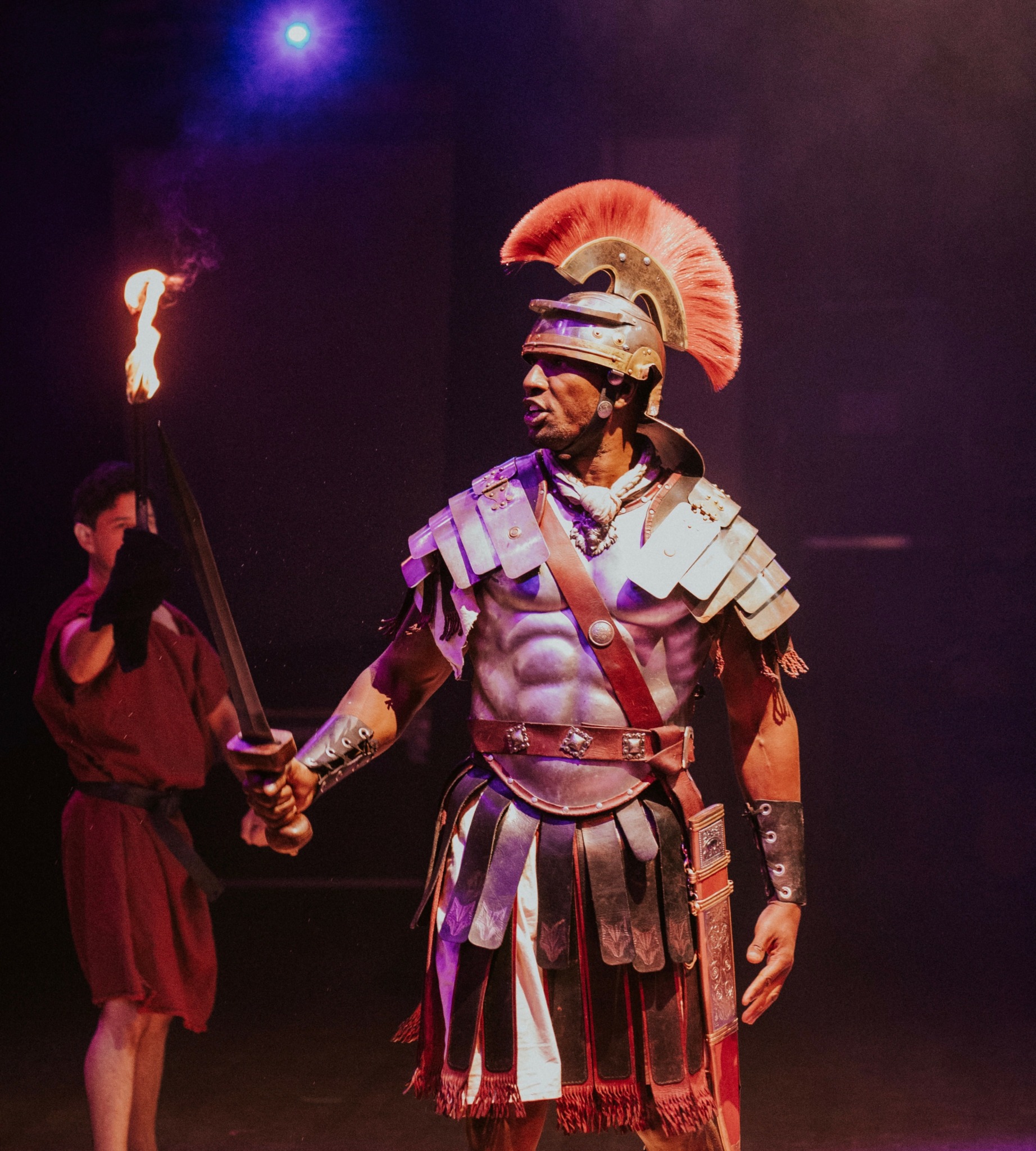
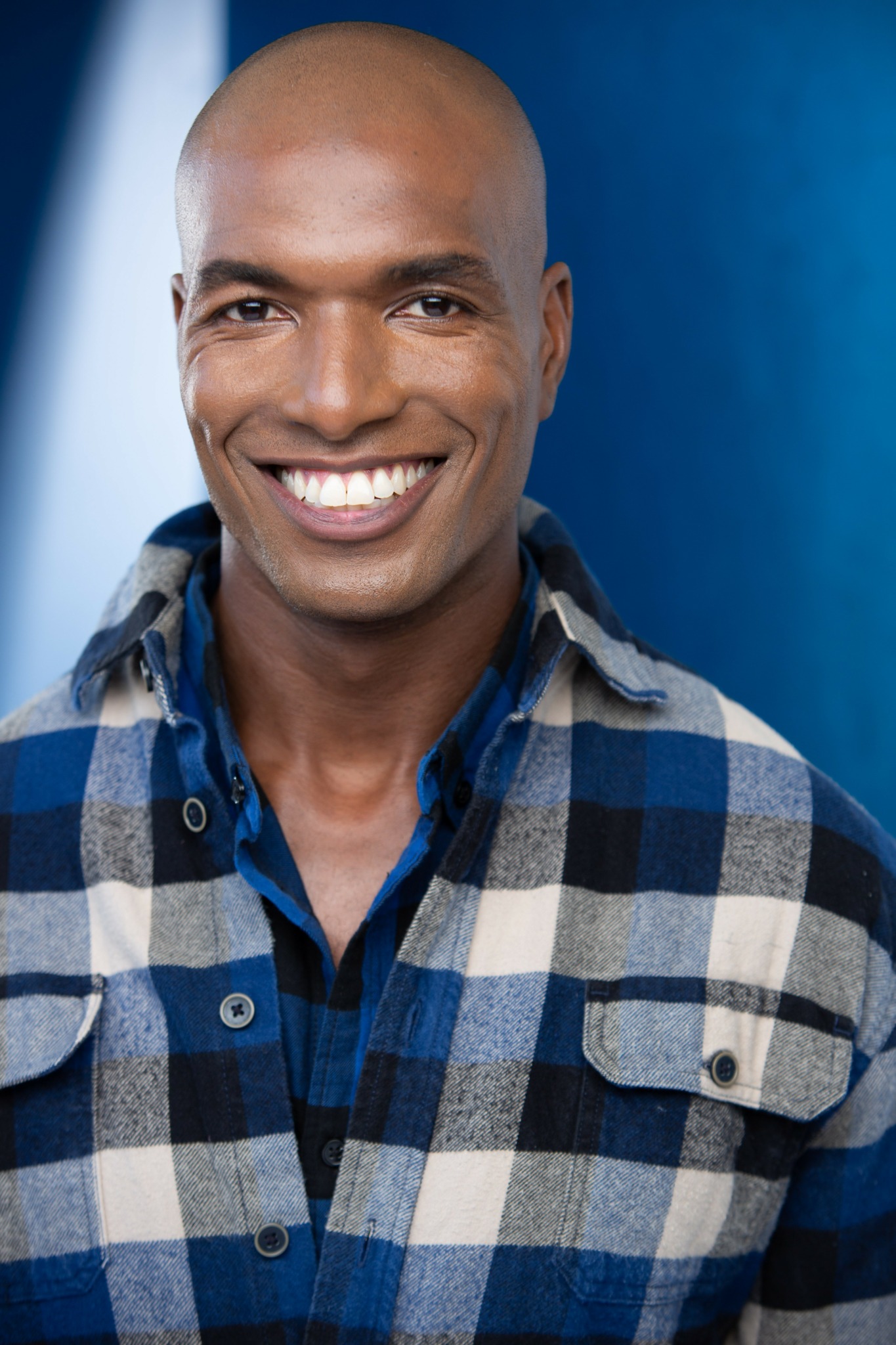
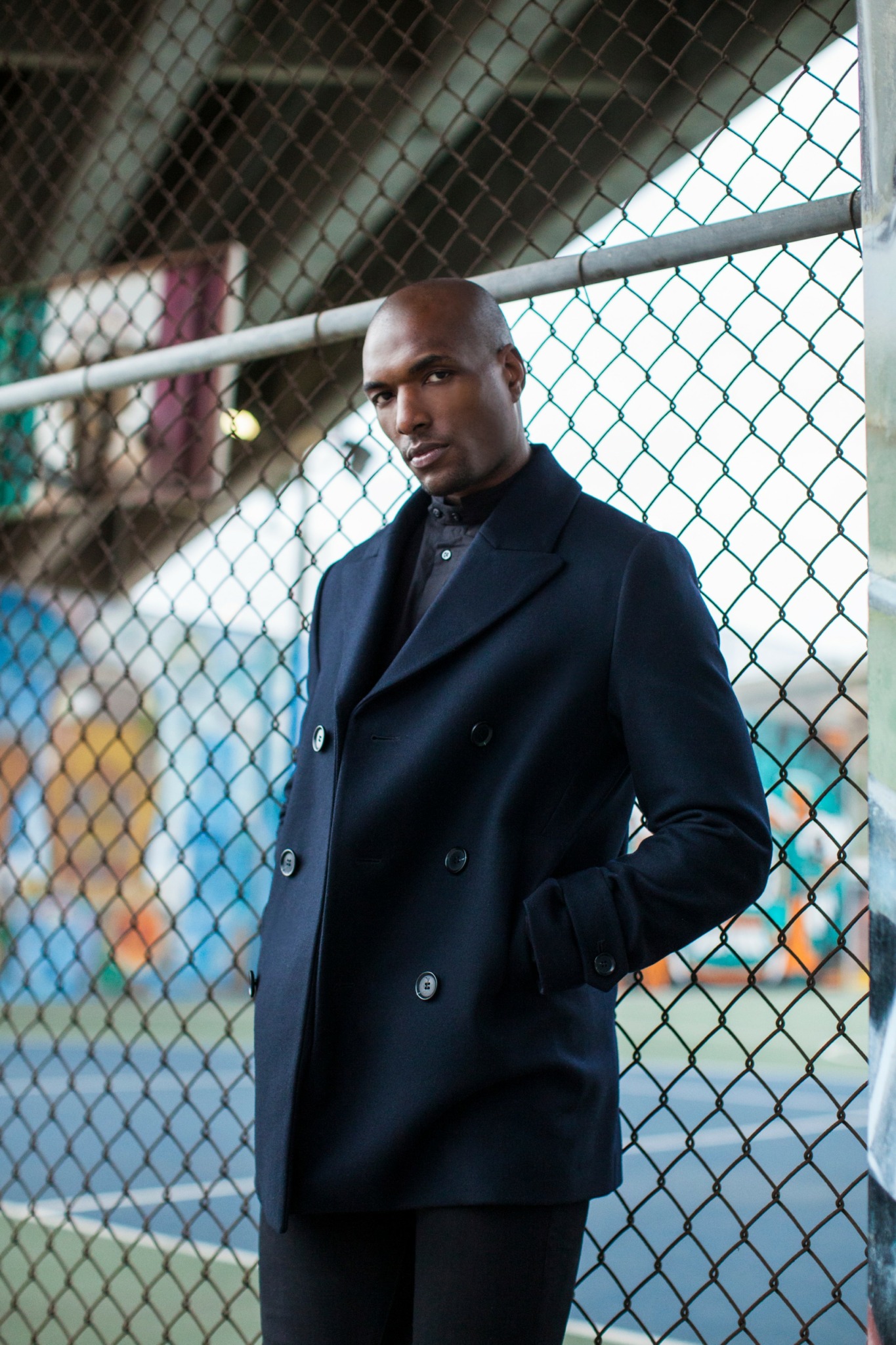
I began my career in front of the camera as a model, but I didn’t stay there long because I realized early on that what interested me wasn’t being seen — it was being understood.
Modeling taught me awareness: how to hold space, how posture and stillness communicate something before a word is spoken, how the smallest physical adjustment can change the entire feeling of an image. I learned how to be present, how to listen to direction, and how to translate an idea through my body. Those skills became my foundation.
But over time, something felt incomplete.
I wasn’t satisfied with just capturing a moment — I wanted to explore what led up to it and what came after. I wanted context, motivation, internal life. I wanted to understand who the person in the frame was, not just how they looked.
That curiosity is what pulled me toward acting.
The transition wasn’t a clean break. It was gradual. I started approaching modeling jobs like scenes instead of poses — building backstory, intention, and emotional tone even in still frames. That shift changed how photographers and directors responded to my work, and it confirmed what I already felt: I was more invested in story than surface.
Acting allowed me to expand that instinct fully.
It gave me permission to explore vulnerability, conflict, restraint, and transformation — things that can’t always live in a single image. I became especially drawn to roles that relied on physical storytelling, where movement, breath, and silence carried as much weight as dialogue. My background in athletics and training helped me stay grounded in those spaces, but acting challenged me to soften, listen, and let go of control in ways modeling never required.
What modeling gave me was control of the frame.
What acting gave me was truth inside the frame.
Today, I don’t see modeling as something I left behind — I see it as the doorway that taught me how to exist in front of the camera with awareness and discipline. Acting is where that awareness became expressive, emotional, and alive.
What sets my work apart is that I don’t separate physicality from storytelling. I treat the body as an instrument, not a prop. Whether I’m working on a set, on stage, or in front of a still camera, I’m always asking the same question: What is this moment trying to say?
That transition — from modeling to acting — wasn’t about changing industries.
It was about moving closer to the kind of work that felt honest to who I am.
And that’s the work I’m committed to continuing.
Is there a particular goal or mission driving your creative journey?
My long-term artistic mission is to use acting as a vehicle for self-examination, growth, and honest storytelling. I see the craft not just as a profession, but as a disciplined practice that continually challenges me to understand myself more deeply and to show up with truth.
Through each role, I aim to explore the inner lives of people — their contradictions, vulnerabilities, resilience, and quiet strength. I’m drawn to stories that live in the body as much as the mind, where presence, restraint, and emotional clarity matter more than performance for its own sake.
As an artist, my goal is to create work that feels grounded and human. I want to contribute to stories that allow audiences to reflect, not escape — stories that sit with complexity and invite introspection rather than offering easy answers.
Over time, I hope my work reflects integrity, consistency, and evolution. I want to be known for roles that carry weight, for preparation that’s rooted in discipline, and for a creative process that respects both the craft and the people involved in telling the story.
Ultimately, my mission is to continue using acting as a mirror — one that sharpens my self-awareness, deepens my empathy, and allows me to grow not just as an artist, but as a person.
That ongoing pursuit of truth is what keeps me committed to the work for the long run.
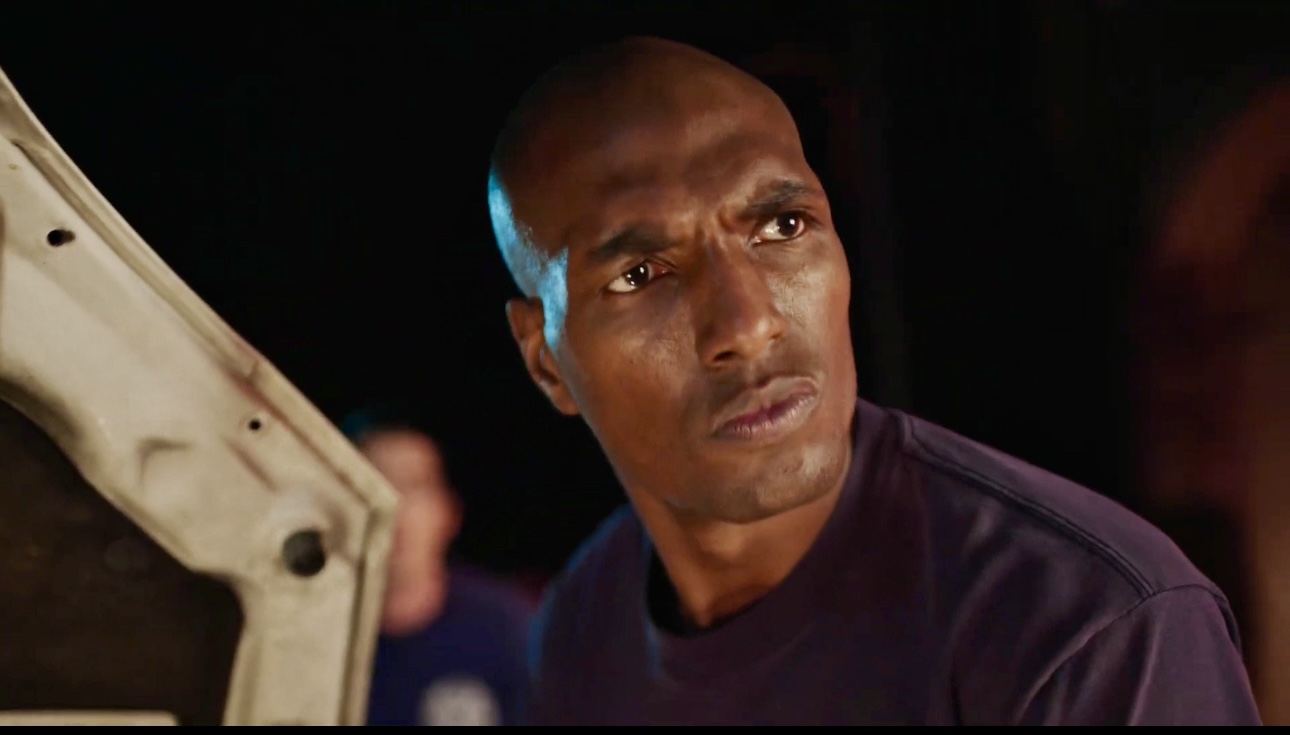
Do you think there is something that non-creatives might struggle to understand about your journey as a creative? Maybe you can shed some light?
I think one of the biggest things non-creatives struggle to understand is that what they see as a “result” is usually the smallest part of the journey.
Most people only see the finished product — the image, the performance, the credit, the moment that looks like success. What they don’t see is the time equity, sweat equity, and financial investment that often comes with no immediate return. They don’t see how many hours are spent training, preparing, studying, auditioning, refining, and waiting — often without feedback, validation, or reassurance that any of it will pay off.
What’s especially difficult to explain is that this work involves a constant relationship with rejection. For every yes, there are dozens — sometimes hundreds — of no’s. And those no’s aren’t just professional. They seep into your confidence. They test your self-belief. They make you question whether you’re progressing or just standing still.
There’s also a personal cost that rarely gets talked about.
Creative work often requires sacrifices that aren’t visible: missed family time, strained relationships, long periods of uncertainty, and moments where stability has to take a back seat to possibility. You invest money without knowing when — or if — it will come back. You invest time knowing you can’t get it back at all.
And then there’s the internal part — the self-doubt.
Even when things are moving, there’s a quiet voice asking whether you’re good enough, whether the work matters, whether you’re too late or too early or in the wrong lane entirely. Learning to work with that doubt instead of being paralyzed by it is part of the craft.
What I wish non-creatives understood is that persistence in this space isn’t blind optimism — it’s a deliberate choice. It’s choosing to keep showing up without guarantees. It’s believing in the process even when there’s no external proof yet.
If there’s any insight I’d offer, it’s this:
the creative journey isn’t about chasing outcomes. It’s about committing to the work long before anyone is watching — and continuing even when the rewards are invisible.
That’s the part most people never see.
Contact Info:
- Instagram: https://www.instagram.com/devonricjohnson
- Facebook: https://www.facebook.com/devonricjohnson
- Linkedin: http://linkedin.com/in/devonricjohnson
- Twitter: https://www.twitter.com/devonricjohnson
- Youtube: https://www.youtube.com/devonricjohnson
- Other: https://www.thethorn.com