We’re excited to introduce you to the always interesting and insightful Devinne Schultz. We hope you’ll enjoy our conversation with Devinne below.
Devinne , thanks for joining us, excited to have you contributing your stories and insights. Can you talk to us about a project that’s meant a lot to you?
I didn’t think I’d live past 25.
After multiple suicide attempts between 15 and 20, I was convinced that depression would eventually win. It felt like I was floating in an endless sea, sometimes drowning, sometimes clinging to buoys of hope – friends, my therapist, and writing.
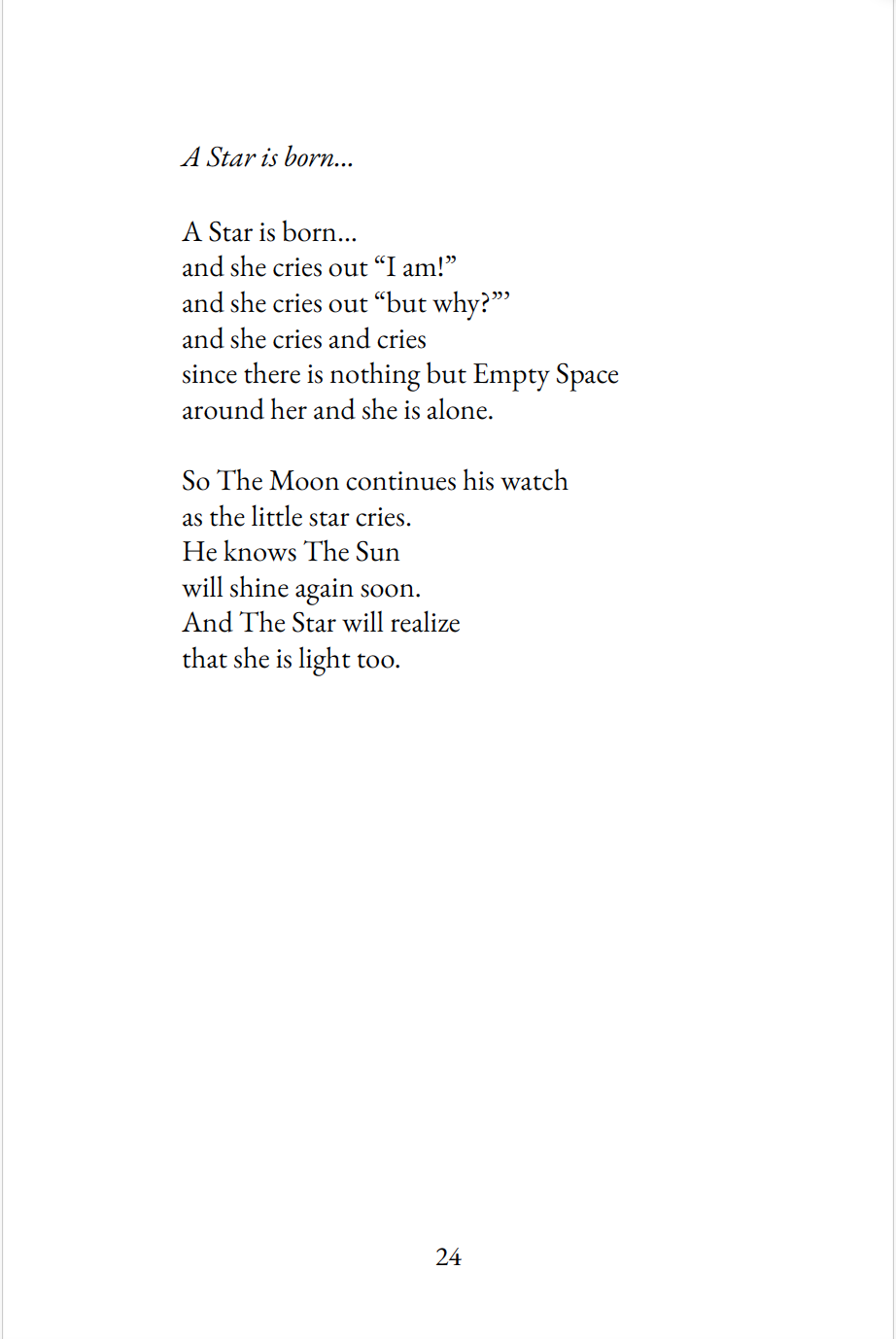
Writing had always been my refuge and I had the faintest hope that one day, if I somehow got to dry land, I would write a book, one that laid bare my most painful experiences, exposing the depths of my trauma and the tumultuous journey of healing. But I needed to get myself to land first, so over 10 years I poured my pain into poetry about complex PTSD, depression, and the lingering effects of both sexual and religious trauma.
The project was born out of necessity. An event had occurred that slapped me awake. It was not unsimilar to things that had happened before in my life, but it was much, much more serious and damaging – the final straw. I left that experience completely drained and devastated, but for the first time, I had the privilege of being able to sit and contemplate why I continued to find myself in the same cycles of pain and trauma. I poured back over my journals from the last 10 years trying to find clues, patterns, answers. I dove deep into recovery. Therapy, reiki, meditation, support groups, yoga, and – as always – writing.
In the early stages, it wasn’t even meant to be a book. I was just trying to make sense of everything—writing about the anger, confusion, shame, and fear that haunted me daily. Every poem felt like a small release, a way to process feelings I couldn’t yet talk about with anyone. Some days, writing was the only thing keeping me grounded. I wasn’t thinking about an audience or what others might think. I was writing for survival. Then slowly, very slowly, I started to move towards healing.
Then something shifted. As I kept writing, I noticed that the poems weren’t just about pain anymore. They were also about healing, hope, and the small victories that came with reclaiming my life. There was a transformation happening, and I wanted to capture it—not just for myself, but for anyone who might be going through something similar. I realized that my words could speak to others who felt broken, those who believed their pain was too much to bear.
So I made the decision to turn these personal poems into a book. It was terrifying, knowing that I’d be putting my rawest, most vulnerable self on display. But I also knew it was necessary. I wanted to show others that healing is messy, but possible. That trauma can shape you, but it doesn’t have to define you. And most importantly, that even when you feel like damaged goods, you still have worth, beauty, and strength.
The process of putting the book together was both cathartic and challenging. I revisited some of my darkest moments, but I also found incredible peace in knowing that this book would help others who needed the words I was once searching for. I connected with people who shared their own stories of survival and healing, and it made me realize just how powerful sharing our stories can be.
Publishing this book was an act of reclaiming my voice, and in doing so, I hope I’ve helped others find theirs too. It’s not just my story—it’s a story for anyone who has ever felt lost, broken, or silenced. It’s proof that our words, our stories, have the power to heal not only ourselves but those around us.
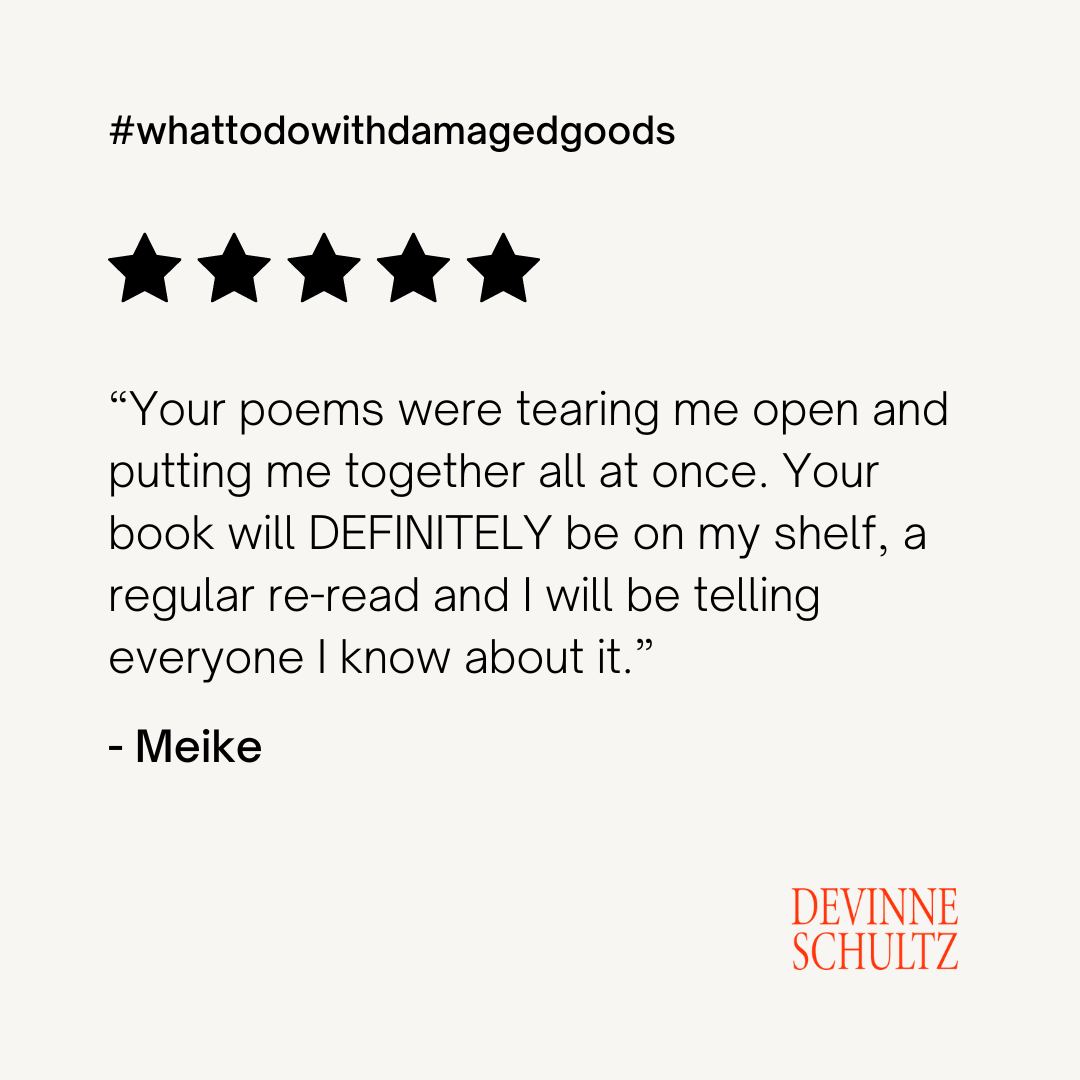
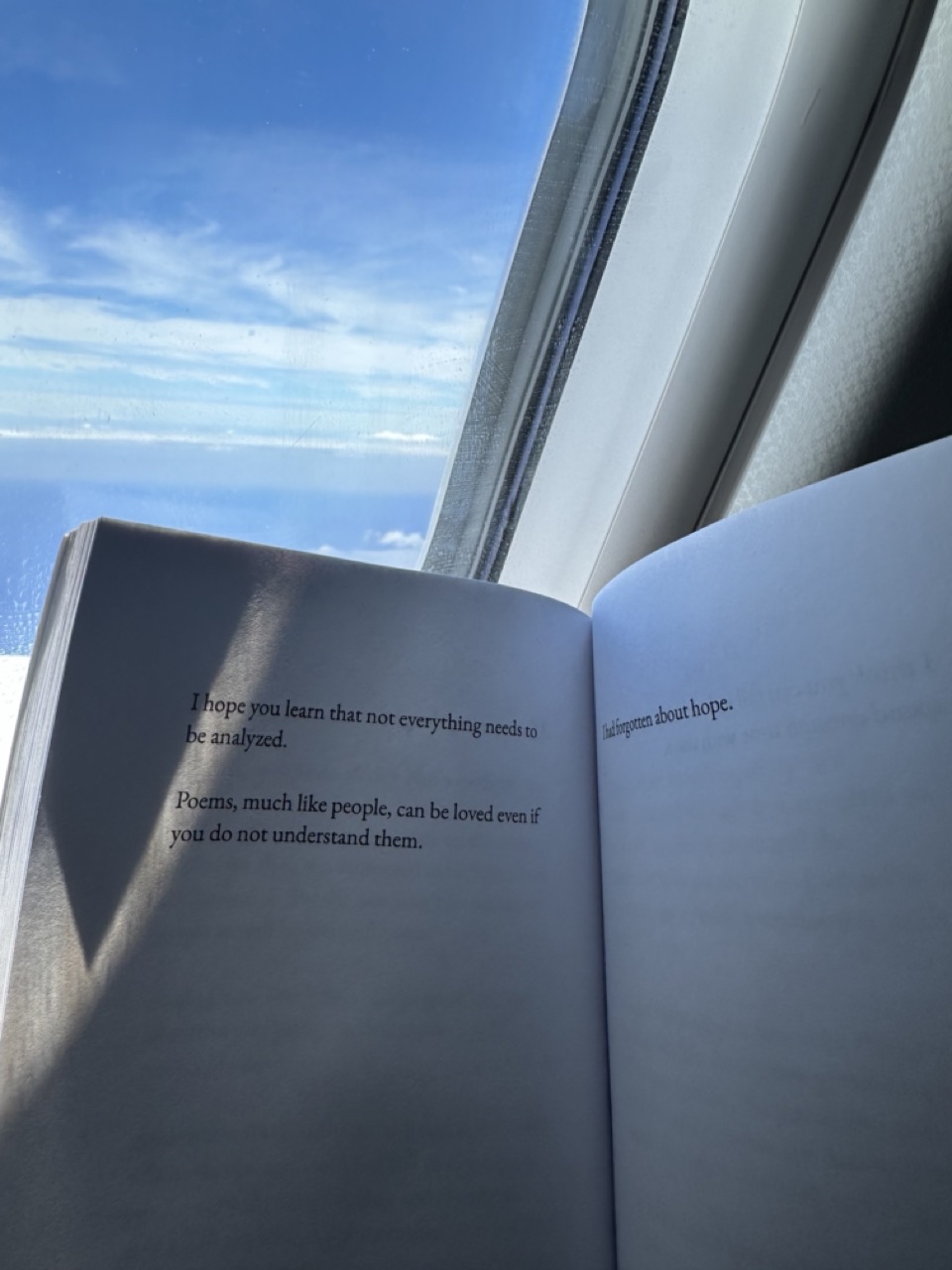
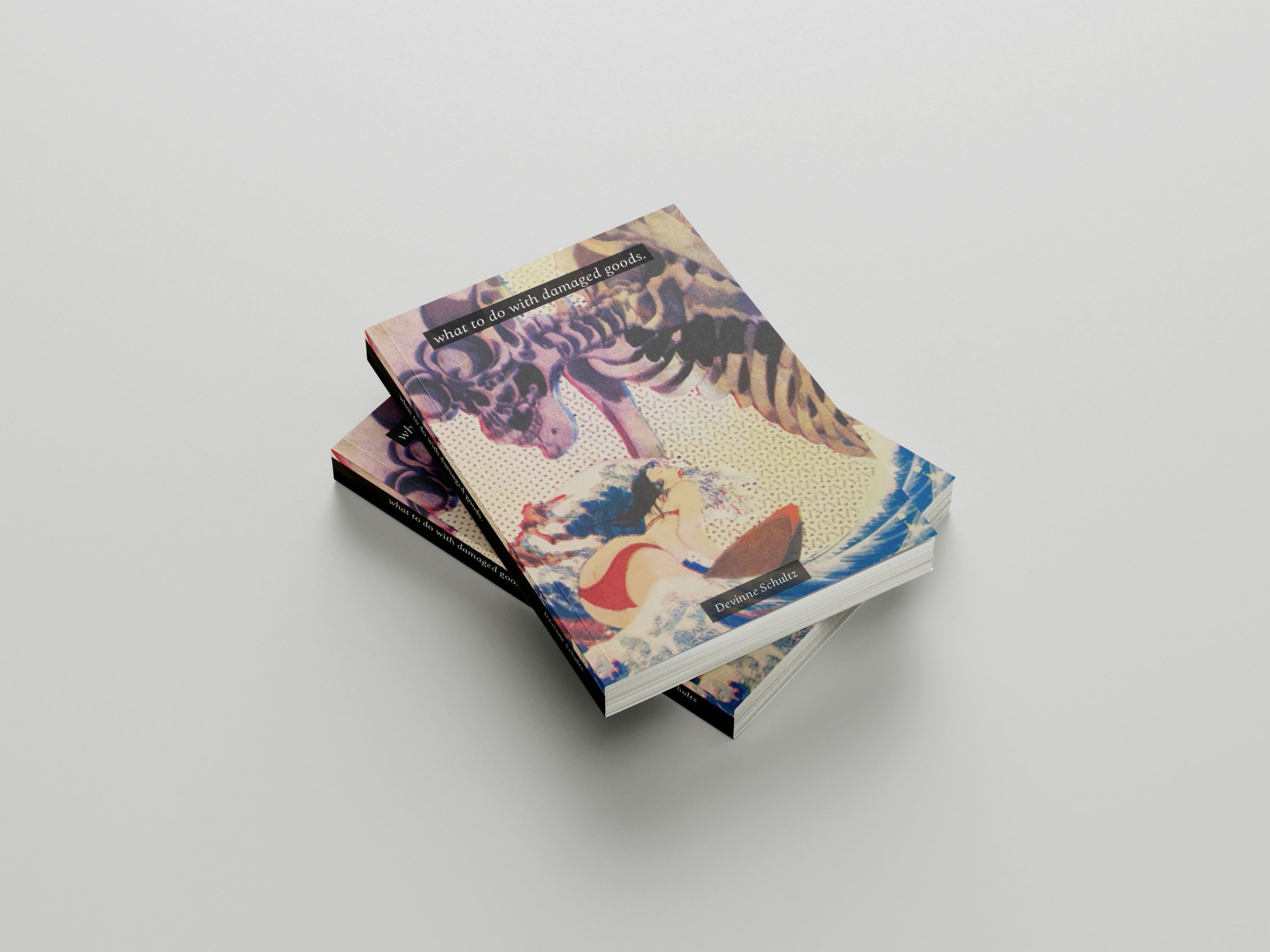
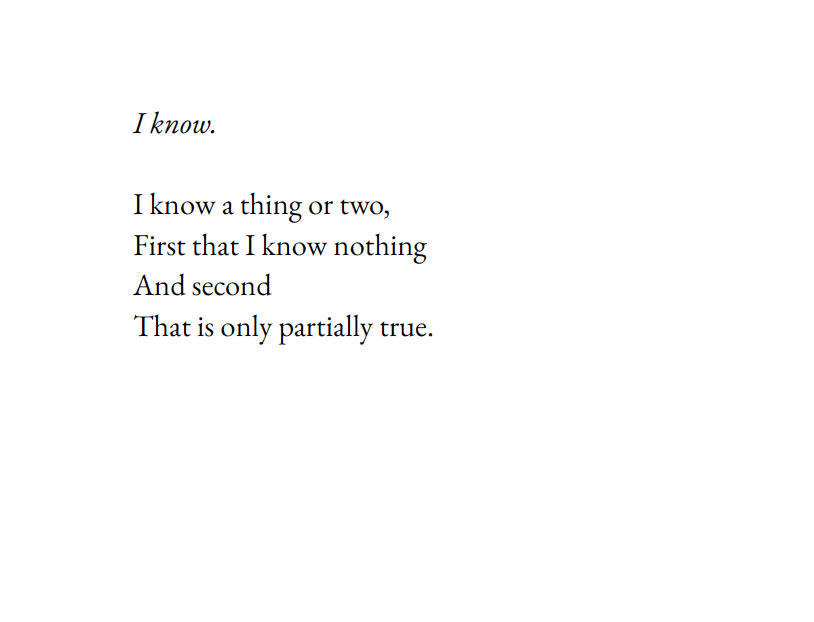
*what to do with damaged goods* isn’t just a book of poetry to me. It is the culmination and release of the person I was, a testament to her resilience, and a symbol of the person I’ve become. It’s a reflection of my journey—one that started in darkness but found its way to the light. It’s a reminder that no matter how broken we feel, we have the capacity to heal and rise.
As always, we appreciate you sharing your insights and we’ve got a few more questions for you, but before we get to all of that can you take a minute to introduce yourself and give our readers some of your back background and context?
I’m Devinne, a writer, poet, and speaker based in Austin, Texas.
About My Work: Most of my writing reflects my personal experiences with sexual assault, growing up in Christian purity culture, recovering from depression & C-PTSD and learning how to love again. In everything I do, I want to stay true to my values and what aligns with me personally. I feel especially called to share my story. I hope that it resonates with and encourages people who have been through similar experiences.
Speaking: Currently, I am preparing to launch a speaking circuit in high schools across Texas. I can’t wait to be able to share this message of hope and love with young people.
Projects: I have two projects currently in the works – a proof of concept for a TV Series on sexual harassment and dating violence & a book of poetry called “what to do with damaged goods.” available now.
A Cause I Care About: I also volunteer at an amazing non-profit, Texas Advocacy Project. They provide free legal services to victims of domestic violence, sex trafficking, sexual assault, and stalking. I’m especially fond of their Teen Ambassadors Program – these young people are fierce advocates for teen dating violence prevention and healthy relationships.
Are there any books, videos or other content that you feel have meaningfully impacted your thinking?
During the writing of the screenplay and my book, I listened to the audio version of “The Creative Act” by Rick Rubin on repeat. There were so many “lightning strike” moments for me, but the 2 that have forever altered my brain are:
1. “A river of material flows through us. When we share our works and our ideas, they are replenished. If we block the flow by holding them all inside, the river cannot run and new ideas are slow to appear.”
and
2. “When you believe the work before you is the single piece that will forever define you, it’s difficult to let go. The urge for perfection is overwhelming. It’s too much. We are frozen, and sometimes ends up convincing ourselves that discarding the entire work is the only way to move forward.”
These two moments of ah-ha started to chisel away the block of perfectionism, fear, and shame inside me so I could bravely release my art into the world. I highly recommend that creatives and non-creatives alike read or listen to “The Creative Act.”
Do you think there is something that non-creatives might struggle to understand about your journey as a creative? Maybe you can shed some light?
If you call yourself a “non-creative” or say “I’m not creative”, I’d urge you to reframe your perspective. Creativity is a muscle, when utilized it will strengthen. Everyone has the innate ability to create and be creative – it’s actually imperative to our survival. Every time we solve a problem or make dinner or even speak, we are creating. You are creative.
Pursuing creative avenues as income, however, is another story entirely. The last 9 years or so I’ve been in Marketing, which is essentially mass emotional manipulation. I hated it. It felt like a slimy con. Unfortunately, I find myself back in the position of marketing, though this time for my art and for myself, which feels infinitely harder. All the feelings of insecurity, of unworthiness, of “who the hell would even want to read your poems” comes up and clogs my throat and if I’m not careful, shuts down my brain so I am incapable of moving forward. And, from experience, I know if I stop moving, it will be so much harder to start back up again. So, I’ve been solely focusing on taking the one tiny step in front of me and not thinking about how far I have until I get to the peak. It’s how I approached writing and publishing and marketing my book.
That’s not to say that a reset isn’t sometimes needed. After launching my book, I spent a month trying to push organic social and paid ads with very little success so I did stop to recalibrate my approach. I looked at the mountain and picked a new path forward. I’m taking my time to become “successful” in the arts and in the meantime supporting myself with other revenue streams. You’re still an artist, even if money doesn’t come from it. It’s still work, even if money doesn’t come from it. It’s still important and valuable, even if money doesn’t come from it.
Don’t stop, keep going, take the tiniest step forward you can.
Contact Info:
- Website: https://devinneschultz.com/
- Instagram: https://www.instagram.com/devinne.schultz
- Linkedin: https://www.linkedin.com/in/devinneschultz/