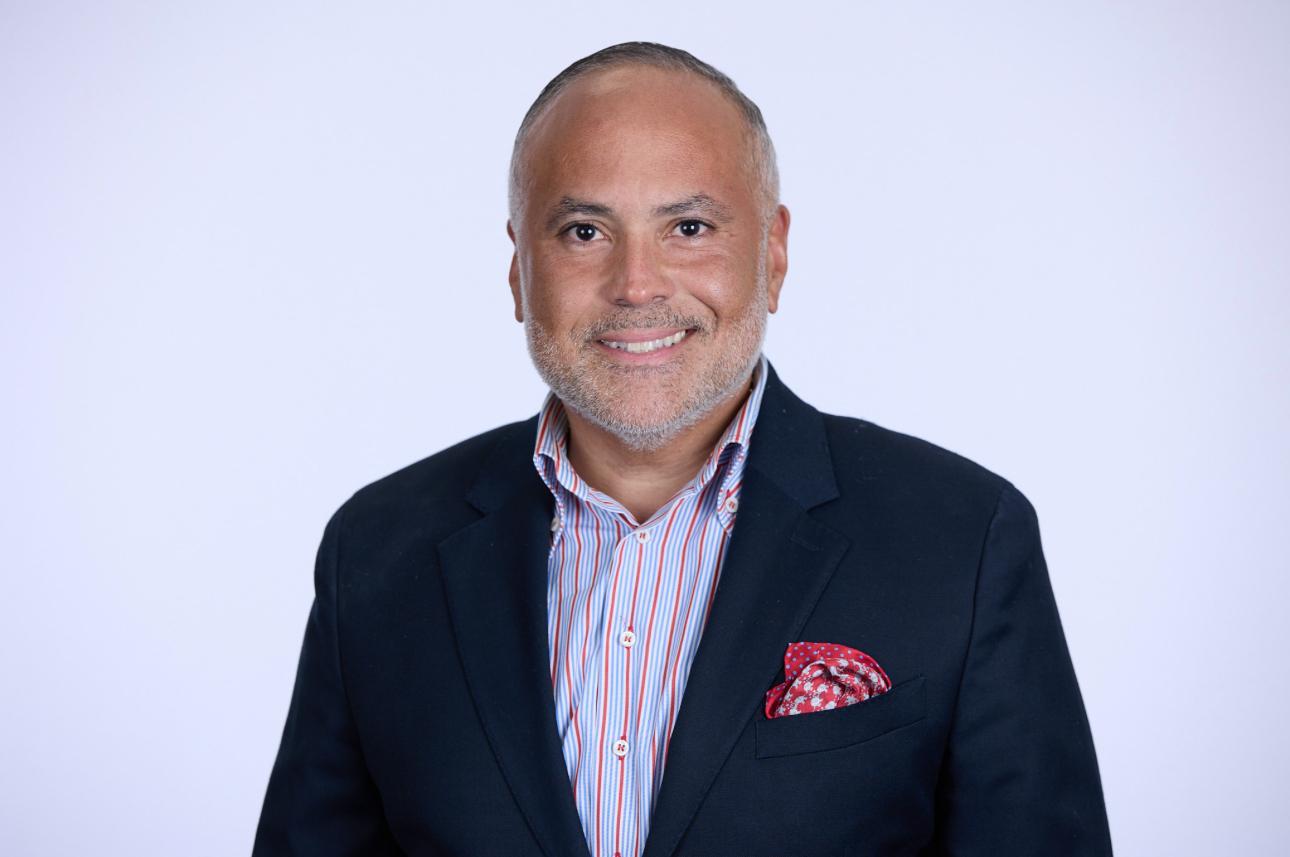

We recently connected with Derek Francis and have shared our conversation below.
Derek , thanks for joining us, excited to have you contributing your stories and insights. How did you come up with the idea for your business?
Ideas aren’t spontaneous. They’re forged.
They’re shaped early—Ideas rarely appear out of thin air. They’re forged—early, quietly, and often long before we know what we’re building.
For me, ideas were shaped by exposure. By environment. By moments that left a permanent imprint. Growing up, my mother was classically trained in culinary school and worked as a baker. Fine dining wasn’t something reserved for special occasions—it lived at home. The recipes she brought back from school became our meals. Through food, I learned how a single dish could transport you to a culture, a memory, a moment in time.
My father, an engineer and successful business owner, introduced me to restaurants, hotels, and travel in a different way. For him, these experiences were rewards—milestones earned through discipline and hard work. For me, they became inspiration. I was fascinated by the mechanics of hospitality: the choreography of service, the precision behind execution, and the power of making people feel welcome.
That combination—craft from my mother, structure from my father—created something lasting. I became deeply business-driven, but hospitality spoke to me on a human level. Restaurants, and later hotels, became the medium through which I understood service, leadership, and connection.
One of the most defining ideas of my life came when I had the opportunity to open my own restaurant in New York City. At the time, I was living in Miami, but returning home to build something meaningful felt inevitable. From the beginning, the vision was ambitious. I wanted to create a restaurant worthy of Michelin recognition, paired with a bar program rooted in serious mixology.
That vision became Suyo—a Peruvian-Asian fusion restaurant in the Bronx, inspired by my love for Asian cuisine and the deep cultural influence Asia has had on Peru. I immersed myself in research, visiting Michelin-recognized restaurants, studying elite bar programs, and recruiting talent from some of New York’s most respected establishments. Together, we built something intentional—from the menu to the cocktail program to the overall experience.
The result was humbling. Suyo became the first restaurant in the Bronx to receive two Michelin Bib Gourmand awards, and our bar program went on to win every mixology competition it entered.
As an entrepreneur, my mind is rarely still. I’m always building, always observing, always learning. For more than twenty years, I’ve studied the best hospitality concepts in New York City. Danny Meyer has long been a guiding influence—his philosophy, his leadership, his commitment to excellence. I hope to meet him one day. I know that when I do, new ideas will follow.
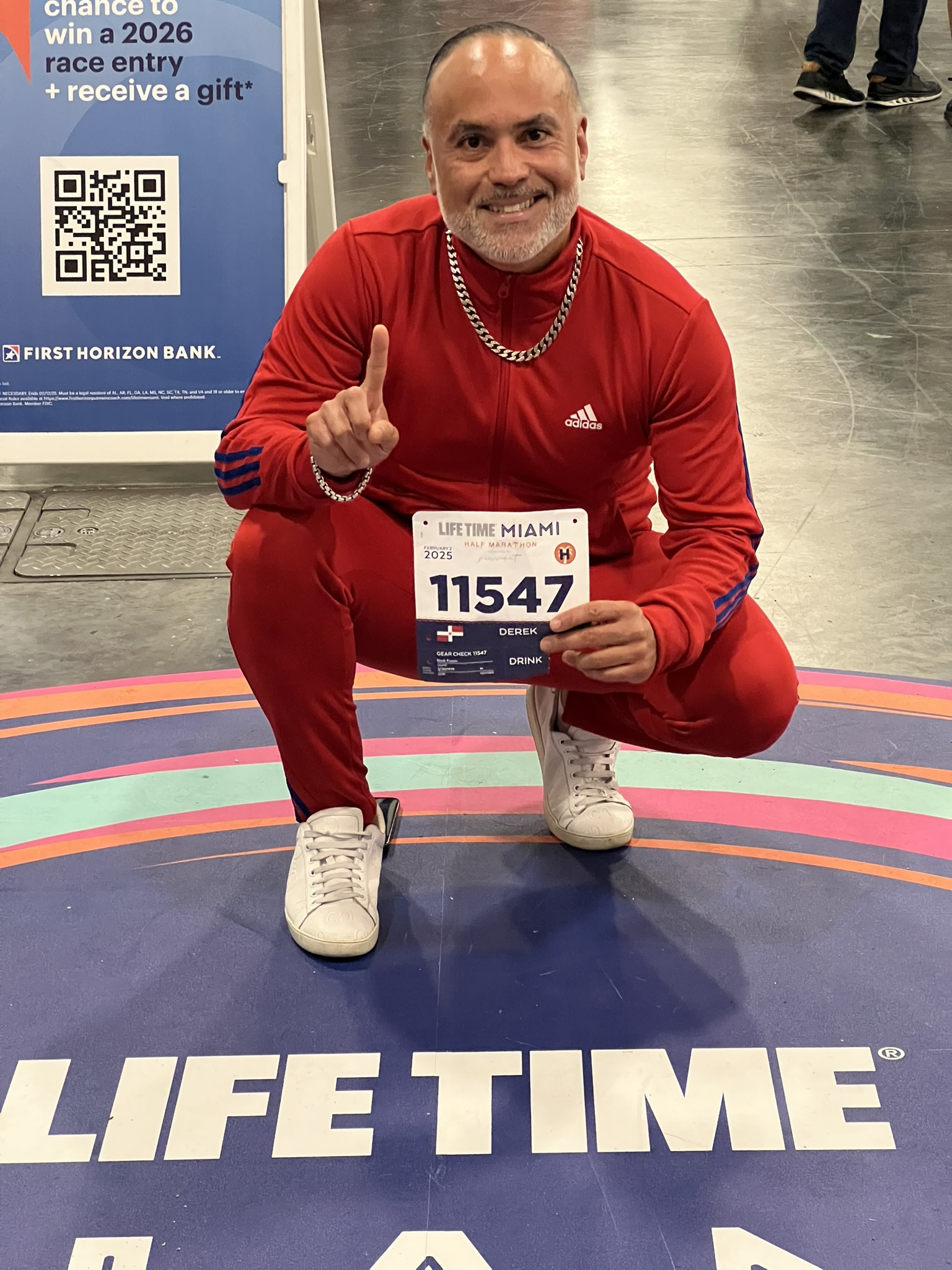
Derek , before we move on to more of these sorts of questions, can you take some time to bring our readers up to speed on you and what you do?
Connecting the Dots: A Life Built on Service, Craft, and Resilience
I’m a Brooklyn kid at heart. Born in Brooklyn, raised in the Dominican Republic, and later returning to New York to complete my formal education, I was shaped by movement—between cultures, expectations, and standards.
At the time I opened Suyo, New York City was home to more than 28,000 food establishments, ranging from fast food to three-star Michelin restaurants. Competition wasn’t abstract—it was relentless.
Hospitality has always been in my blood. My father’s engineering mindset and business acumen, paired with my mother’s passion for food and craft, formed the foundation of who I am. What ultimately brought me into business wasn’t profit—it was a calling to serve.
What sets me apart is an uncompromising attention to detail. I believe experiences should be memorable, and memory is built through discipline and intention.
At Suyo, for example, I spent three months researching ice machines. Not branding. Not lighting. Ice. We wanted cocktails that held their integrity from first sip to last. That meant ice cut to an exact inch-and-a-quarter, free of trapped oxygen, minimizing condensation and preserving flavor. I visited the best bars in New York—Dead Rabbit, Employees Only, Attaboy, The Growler—studying their systems, speaking with bar managers, learning their process.
When the restaurant was built, I personally sat in every single seat—all 300 of them—in a 10,000-square-foot space. That practice came from Danny Meyer’s philosophy: every guest should feel something distinct, yet consistently excellent. We calibrated sound with professional engineers and partnered with a company known for Disney theater audio—not hospitality.
I don’t compromise on quality. Because for me, it’s never about the product or the space. It’s about the people who experience it. This is what sets me apart.
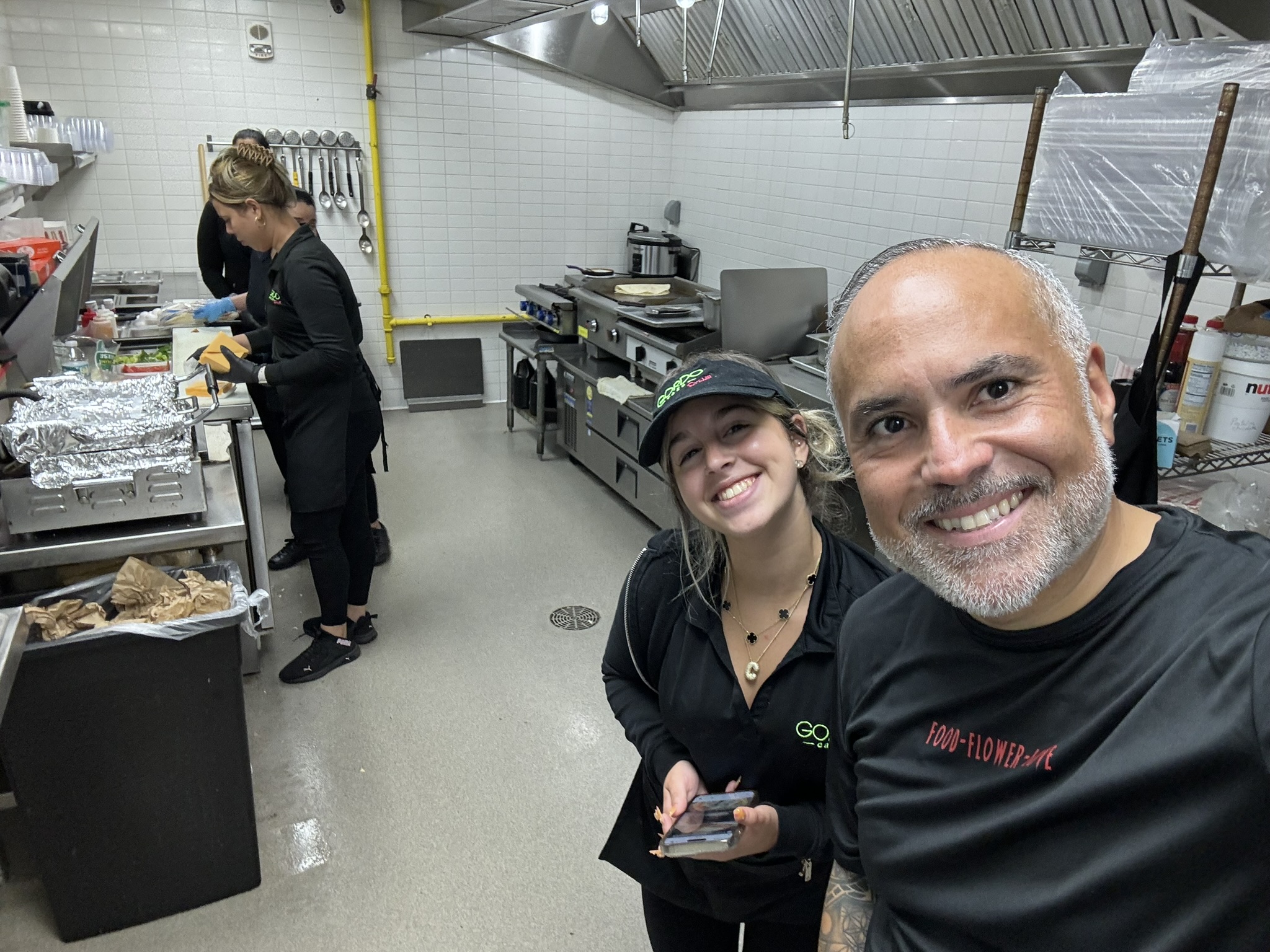
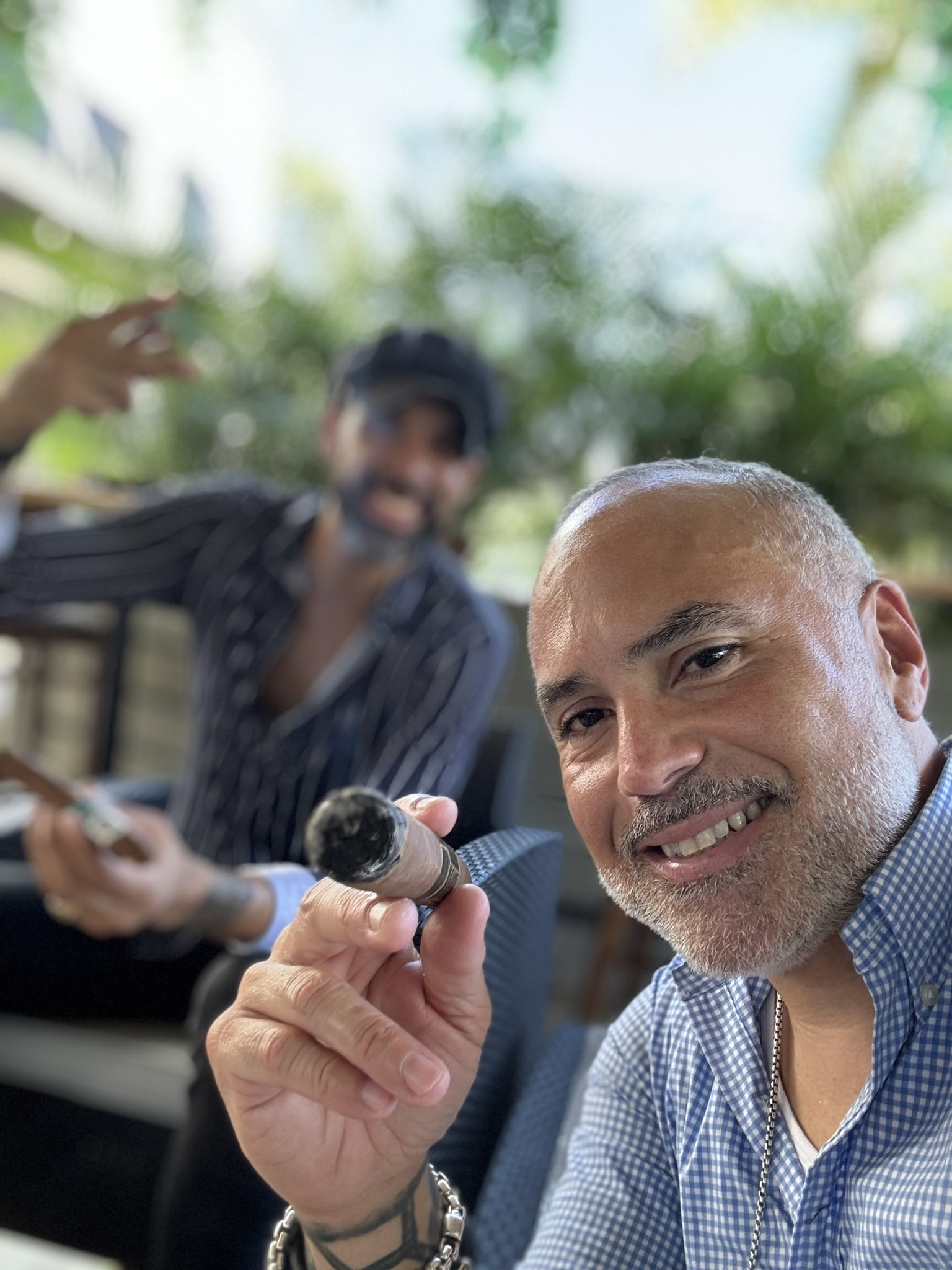
Can you share a story from your journey that illustrates your resilience?
Resilience isn’t optional in business—it’s mandatory.
Building Suyo was one of the greatest tests of my resilience. It was a defining chapter in my life—one that, looking back, revealed many of the qualities life had been quietly preparing me for.
We began with optimistic projections: a $1–$1.5 million budget and a 12- to 16-month timeline. The reality unfolded very differently. Two and a half years later, after investing more than $3.5 million, Suyo finally opened.
Every step tested us. One of the earliest challenges was securing our liquor license. Although the space had previously housed a licensed establishment, New York’s grandfathering laws required reactivation within five years. Ours had been inactive for nearly ten. Without that license, the project would have ended before it began.
I found an attorney who had spent four decades working with the New York State Liquor Authority and convinced him—just before retirement—to take our case as his final one. That process required a formal hearing and resulted in a nine-month delay, consuming nearly all of our free-rent period.
There were moments when selling the project mid-build felt like the only option. What kept me going was the people—the team we had begun to assemble, the talent that believed in an unproven concept of that scale in the Bronx.
Then came COVID.
Through the recognition we had received from the Michelin Guide, Chef José Andrés and his team reached out and used our kitchen to prepare meals for first responders. That partnership helped keep us afloat and reminded us why hospitality exists: to serve when it matters most.
That chapter taught me resilience not as survival alone, but as purpose under pressure.
Today, I look back at Suyo with gratitude. It was a powerful chapter—not the entire story. And it prepared me for what comes next.
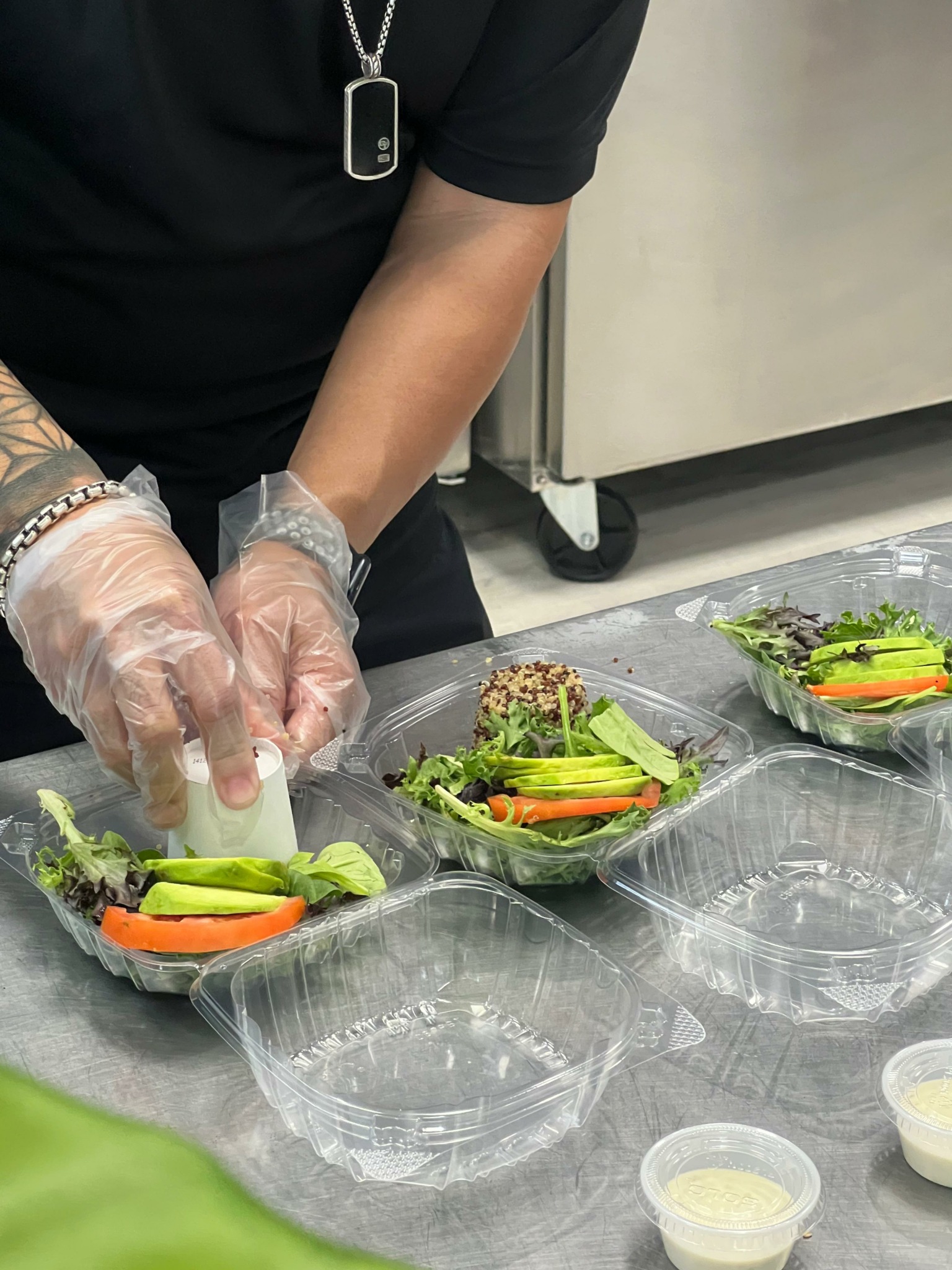
What’s been the most effective strategy for growing your clientele?
I don’t believe in “clients.”
I believe in guests.
Everyone who walks into a space I own or manage is a patron, a family member—someone I hope to know beyond a single visit. The goal is always to build relationships that outlast the transaction.
Two books shaped that philosophy early on: How to Win Friends and Influence People and The Tipping Point. Both emphasize something simple, yet powerful—people’s names matter.
I make it a point to remember birthdays, anniversaries, preferences, allergies, favorite colors, travel stories, and country of origin. Depending on the industry, I’ll remember sizes, habits, and personal details that make people feel seen. I have a genuine interest in people’s stories—and that curiosity is real.
The first visit is an opportunity.
The second visit is a responsibility.
Every industry offers alternatives—better pricing, trendier concepts, newer products. What endures is connection.
My advice to any entrepreneur is simple: learn your people, listen to their stories, and care deeply. That closeness builds relationships that last—and businesses that stand the test of time.
As Steve Jobs once said, you can’t connect the dots looking forward; you can only connect them looking backward. The relationships you forge, the people you choose to truly know, eventually reveal why you did what you did—why the passion exists, and why the desire to succeed never fades.
Contact Info:
- Linkedin: https://www.linkedin.com/in/derek-francis-229075394/
- Other: ThinkGroup@me.com