

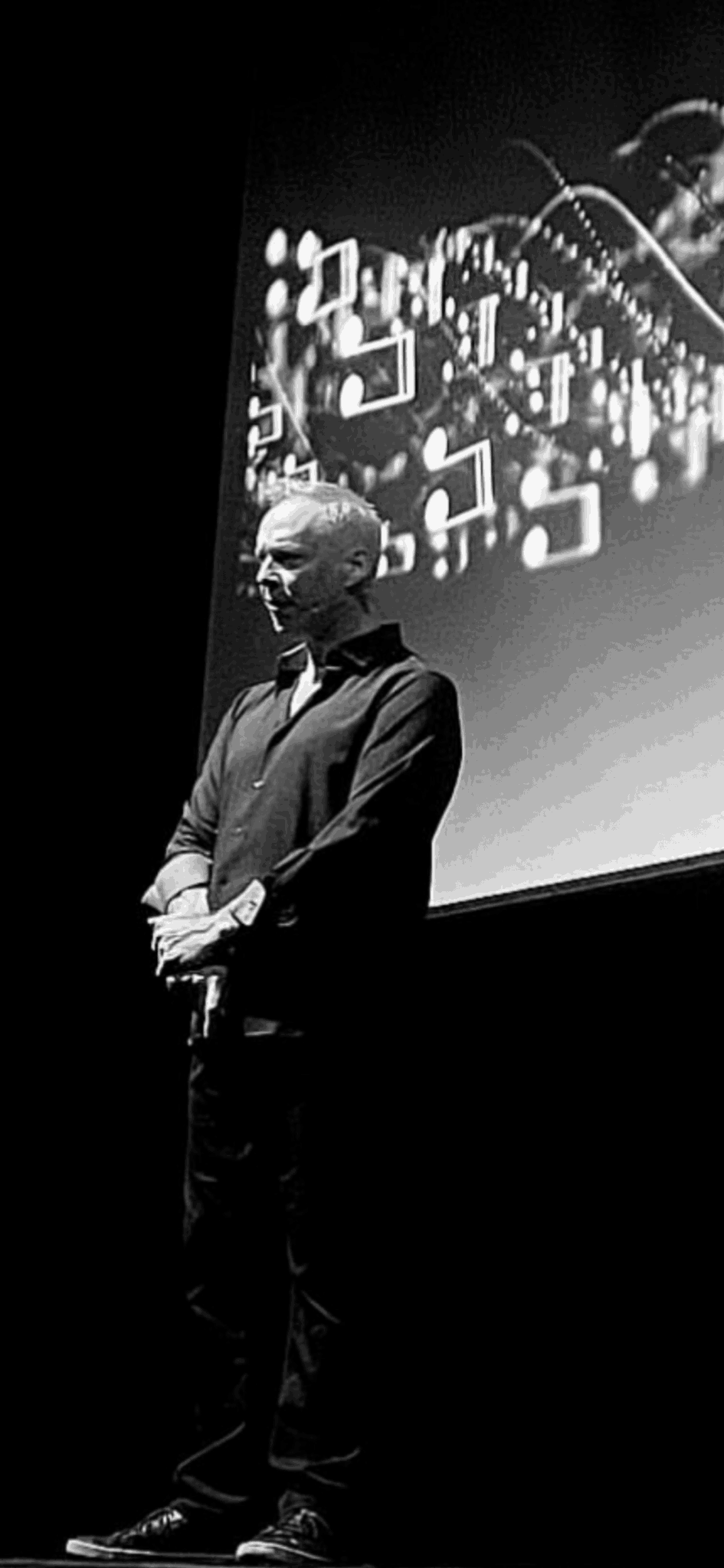

We’re excited to introduce you to the always interesting and insightful Derek Amato. We hope you’ll enjoy our conversation with Derek below.
Derek , thanks for joining us, excited to have you contributing your stories and insights. Have you ever had an amazing boss? What did you learn from them? Maybe you can share a story that illustrates the kind of boss they were or maybe you can share your thoughts on what you think made them an awesome person to work for?
I’ve come to believe that I am my best boss, but that belief was earned, not assumed.
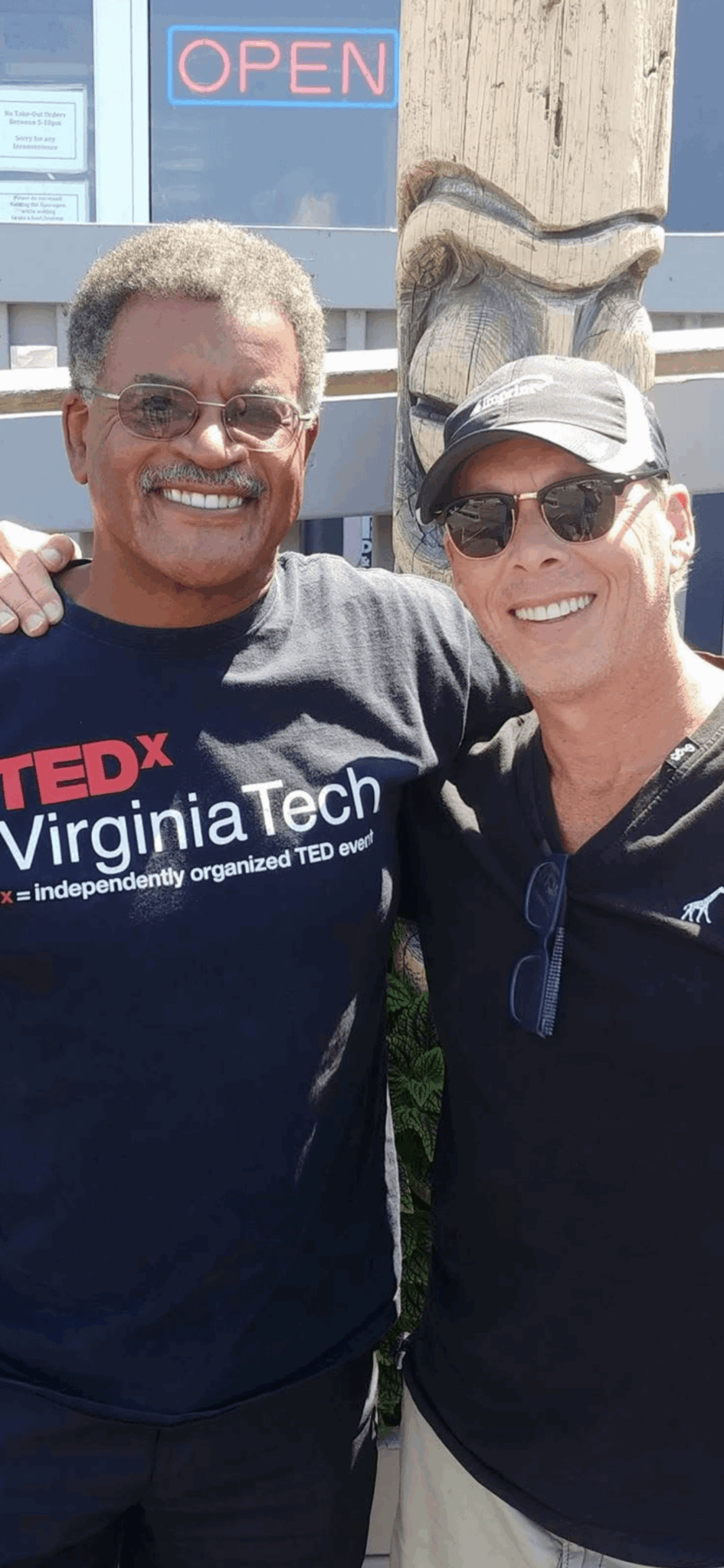
I was raised by a single mother and grew up as an athlete, shaped largely by the coaches who guided me along the way. Through them, I learned discipline, accountability, and how to lead myself when no one else was watching. Among all of them, one person stands apart: Coach Jerry Gaines, the all star from Virginia Tech.
Calling Coach Gaines a “boss” would never quite fit. He is a leader of men in the truest sense. He doesn’t lead through authority or fear; he leads through presence, standards, and example. He has that rare ability to see potential before obvious, and he demanded excellence not just in performance, but in character.
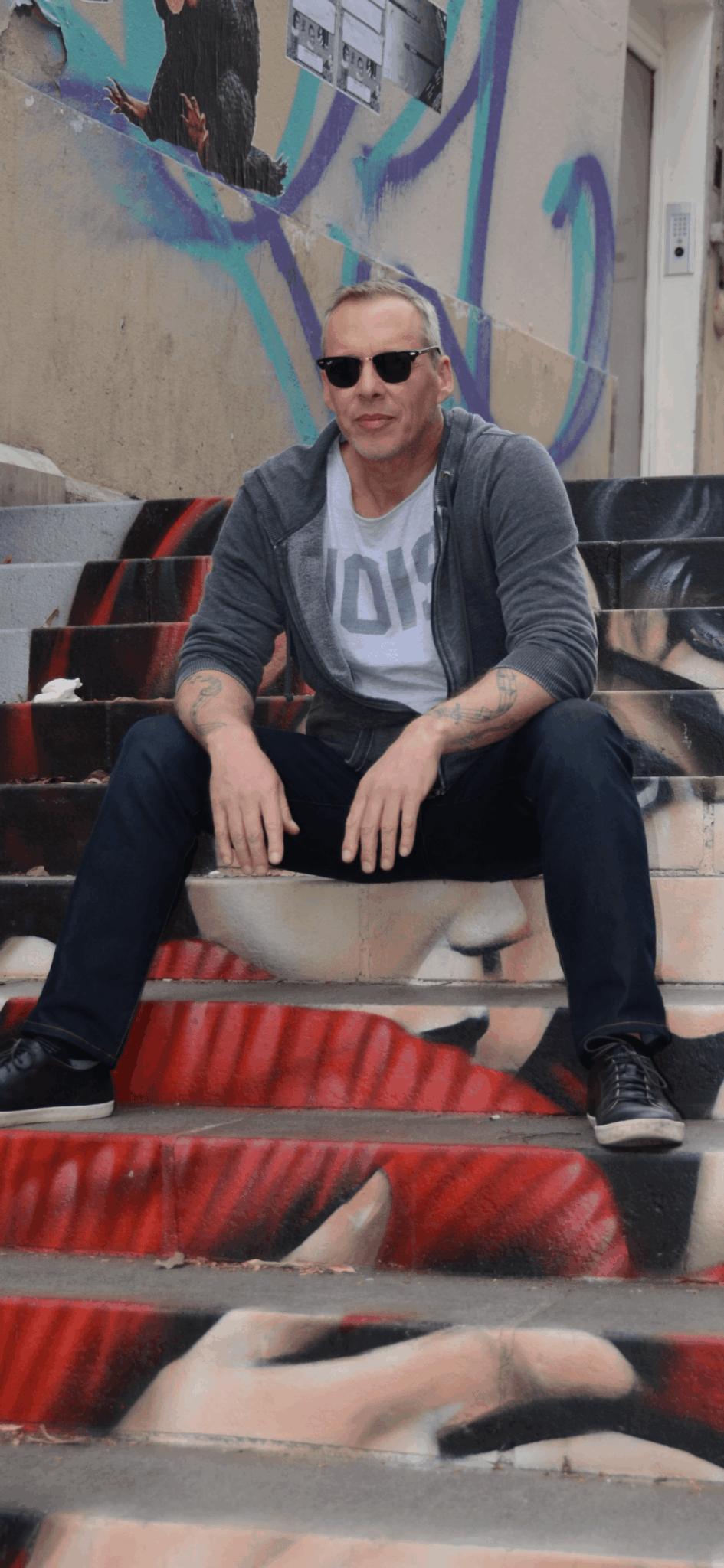
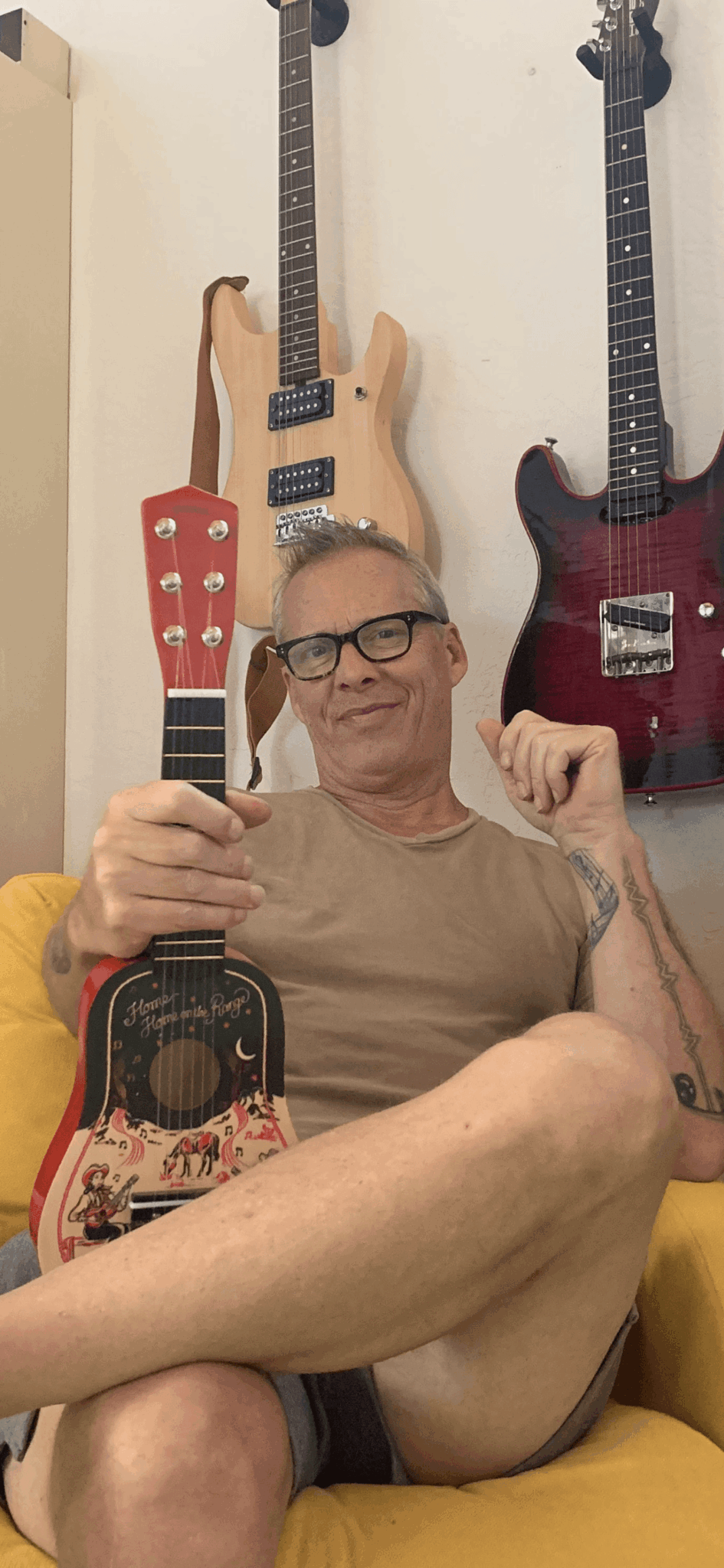
Awesome – so before we get into the rest of our questions, can you briefly introduce yourself to our readers.
At my core, I am a father, an athlete, a storyteller, and an acquired savant, someone whose life and work sit at the intersection of discipline, disruption, and discovery.
My path into my craft was anything but conventional. I was raised with an athlete’s mindset: training, repetition, resilience, and accountability shaped how I approached everything. That foundation became critical later in life, after a traumatic brain injury fundamentally altered how I perceive and process the world. In the aftermath of that injury, I developed rare cognitive abilities, particularly in music, pattern recognition, and conceptual synthesis, that I did not possess before. What followed was not simply a new skill set, but an entirely new way of understanding creativity, learning, and human potential.
Today, my work spans live performance, storytelling, music, and thought leadership. I create immersive experiences on stage, in intimate venues, and through television and media, that blend narrative, live music, humor, and insight. Whether I’m performing, speaking, or collaborating creatively, the product is always the same at its core: an experience that challenges assumptions about talent, intelligence, and what’s possible after adversity.
What I solve for my audiences and clients is not a technical problem, it’s a human one. People are searching for meaning, resilience, and inspiration that feels authentic rather than manufactured. I don’t offer motivational slogans. I offer lived experience. I translate complexity, neurology, creativity, failure, reinvention, into stories people can feel and apply to their own lives. For organizations, venues, and audiences, that means connection, perspective, and a lasting emotional impact.
What sets me apart is that I am not performing a role, I am the work. My story is not a brand construct, it is a documented transformation. I bring the rigor of an athlete, the vulnerability of someone who has lost and rebuilt themselves, and the perspective of a mind that now sees patterns and possibilities differently. That combination allows me to bridge worlds, science and art, discipline and intuition.
What I am most proud of is not the recognition or the novelty of being a savant, it’s the fact that I’ve been able to turn an unpredictable, life-altering event into something that creates value for others. I’ve built a body of work that invites people to reconsider how they define intelligence, creativity, and resilience.
What I want people to know about me and my work is simple, this isn’t about spectacle, it’s about substance. Every performance, story, and collaboration is grounded in authenticity, curiosity, and respect for the human experience. If you engage with my work, you won’t just be entertained, you’ll leave seeing possibility differently.
How’d you build such a strong reputation within your market?
What truly helped me build my reputation within my market was an uncompromising commitment to personal connection and follow-through.
From the beginning, I made a conscious decision not to operate at a distance from the people I work with or the audiences I engage. I don’t rely on intermediaries to carry my message or my values. I show up. I reach out directly. I take the time to understand who I’m speaking to, what matters to them, and how my work can genuinely serve them. That level of effort is not scalable in the traditional sense, but it is impactful, and it builds trust.
I’ve gone beyond what’s expected by treating every interaction, whether with a venue owner, collaborator, client, or audience member, as a relationship rather than a transaction. I follow up personally. I listen more than I speak. I make myself accessible. Over time, that consistency has created something far more valuable than visibility, credibility.
Another critical factor has been alignment between who I am privately and what I deliver publicly. People quickly recognize when authenticity is present. When your work, your story, and your behavior all reinforce one another, reputation becomes organic rather than manufactured. Word travels not because of promotion, but because people feel genuinely seen and respected.
Ultimately, I believe my reputation was built one conversation at a time. By making the effort to connect personally, honor commitments, and treat people as partners in the experience, I earned trust, and trust is what sustains any market over the long term.
Let’s talk about resilience next – do you have a story you can share with us?
Resilience, for me, has never looked like pushing through without consequence, it has meant learning how to adapt without surrendering momentum.
After my brain injury, when I became an acquired savant, the world often saw the outcome, the music, the cognitive shifts, the performances. What they didn’t see were the physical and emotional costs that came with it. I was dealing with chronic migraines, sensory overload, light and sound sensitivity, and periods of profound fatigue. At the same time, my emotional landscape became far less predictable. The highs of discovery and creative clarity were often followed by deep exhaustion, frustration, or isolation. The very mind that gave me new abilities also demanded a completely new way of living.
There was a moment early on when I realized that resilience wasn’t going to come from pretending those challenges didn’t exist. It came from acknowledging them honestly and restructuring my life around what was sustainable. I had to learn when to step back instead of powering forward, when rest was not weakness but strategy, and when protecting my nervous system was as important as refining my craft.
One defining experience came during a period when I was actively performing and creating, while my body was signaling that the pace was too much. Rather than quitting or numbing myself to the discomfort, I recalibrated. I shortened performances. I built recovery time into my schedule. I learned how to communicate my limits without apology. That decision preserved my ability to continue doing the work at a high level rather than burning out entirely.
What that taught me is that resilience isn’t dramatic, it’s disciplined. It’s waking up every day and choosing adaptation over denial. It’s staying emotionally engaged even when unpredictability becomes part of your identity. As a savant, my journey has required constant adjustment, but it has also sharpened my self-awareness and respect for balance.
My resilience is not defined by surviving one traumatic moment, it’s defined by the ongoing choice to evolve, to listen to my body and mind, and to continue creating meaning in a life that no longer operates by conventional rules.
Contact Info:
- Instagram: https://www.instagram.com/derekamato
- Facebook: https://www.facebook.com/derekamato
- Linkedin: https://www.linkedin.com/derekamato
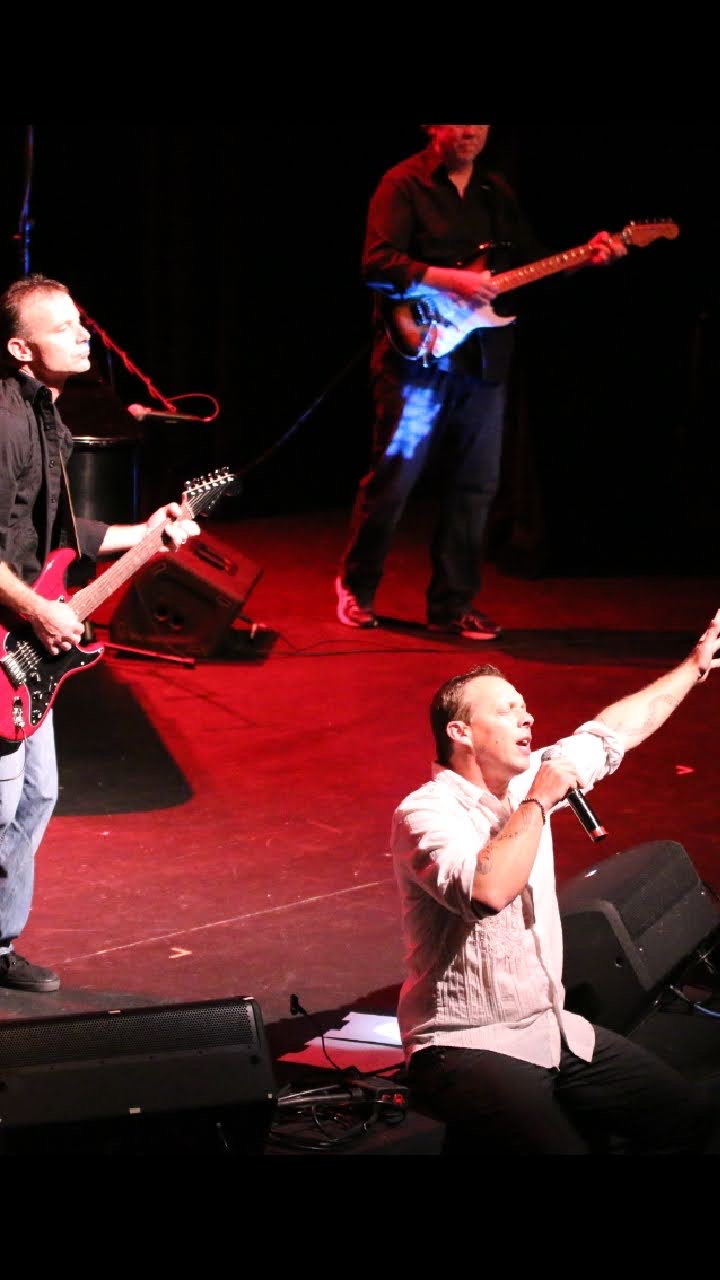
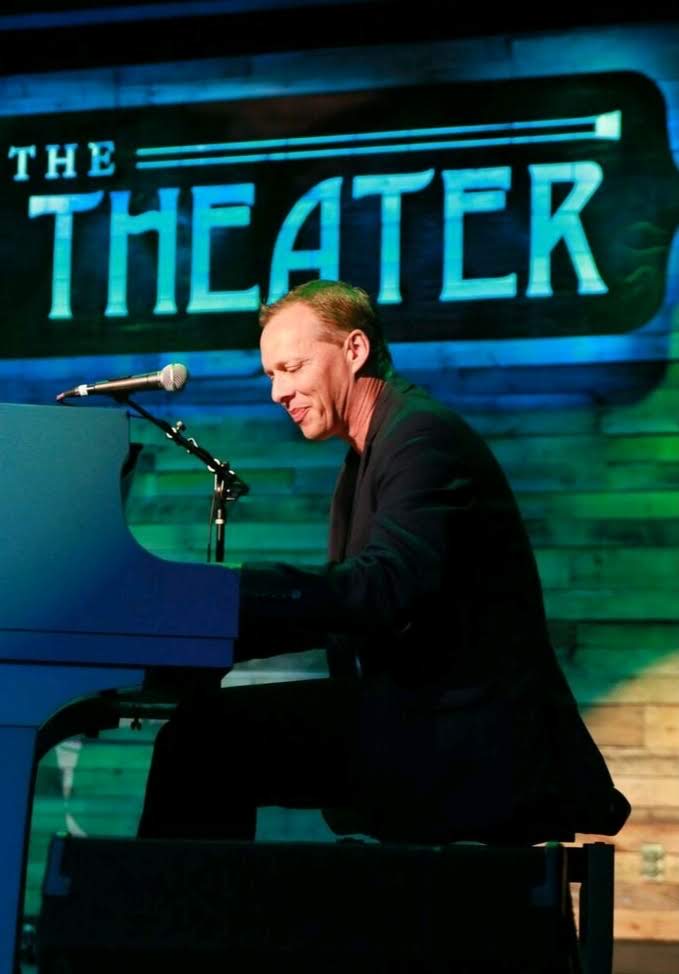
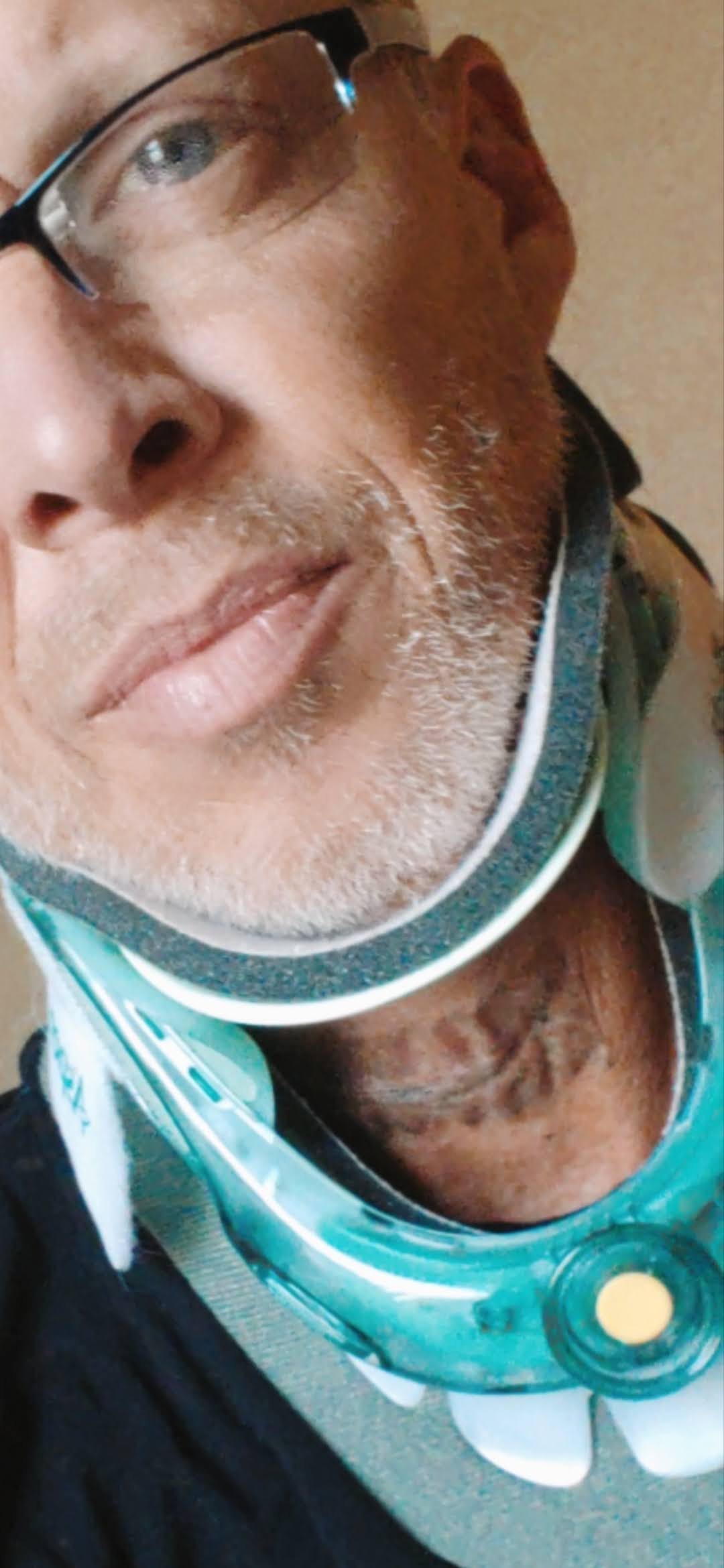
Image Credits
David Brown