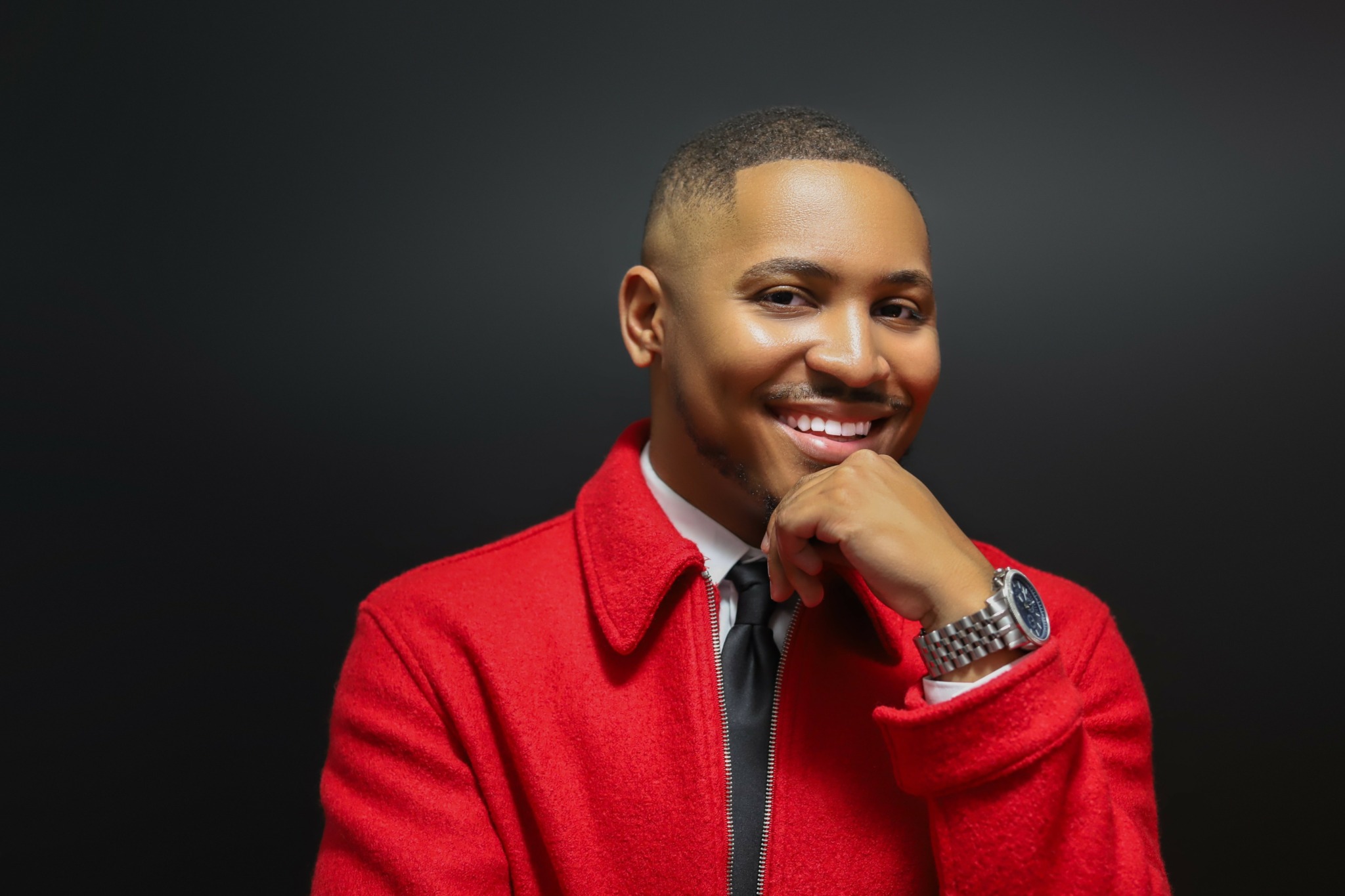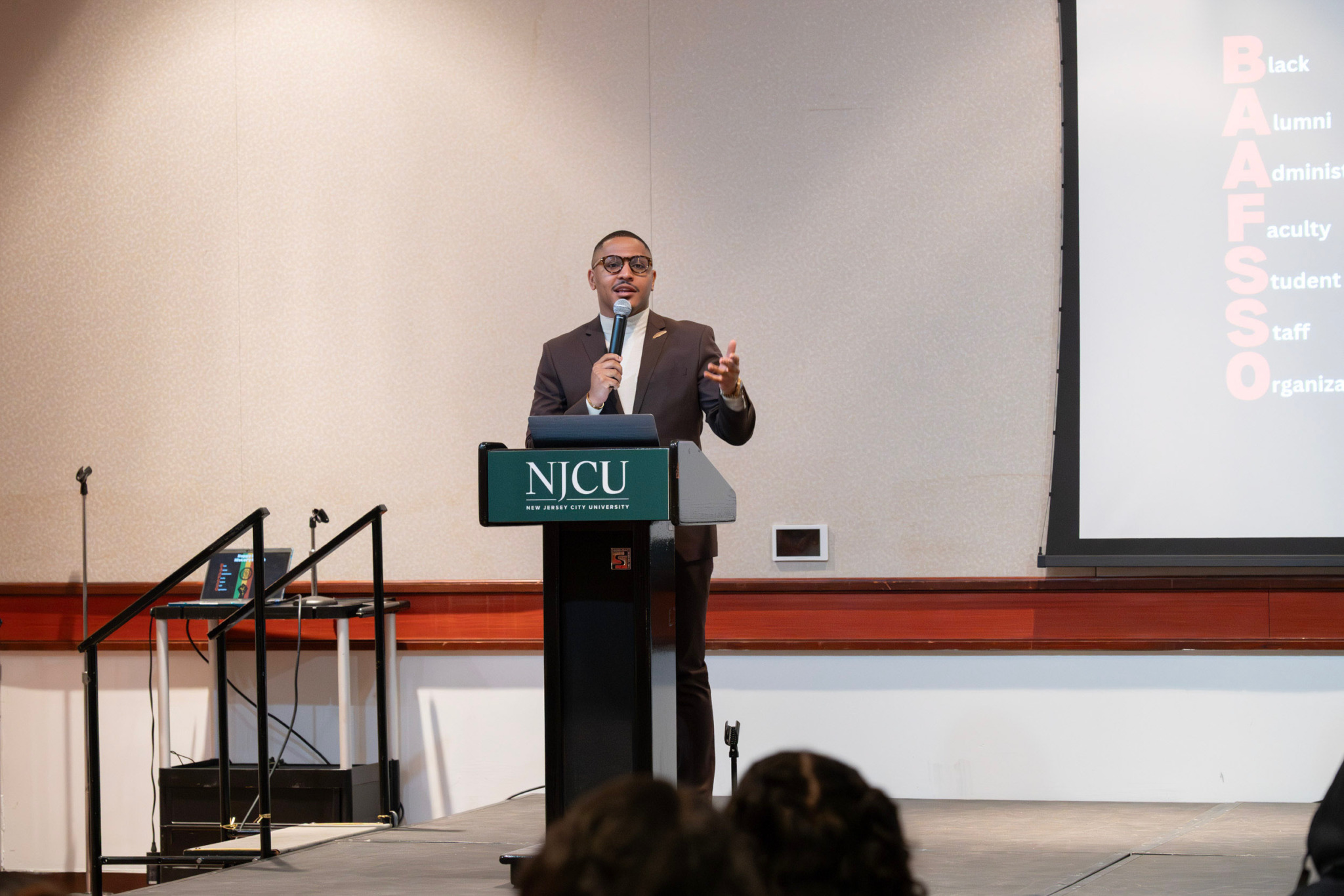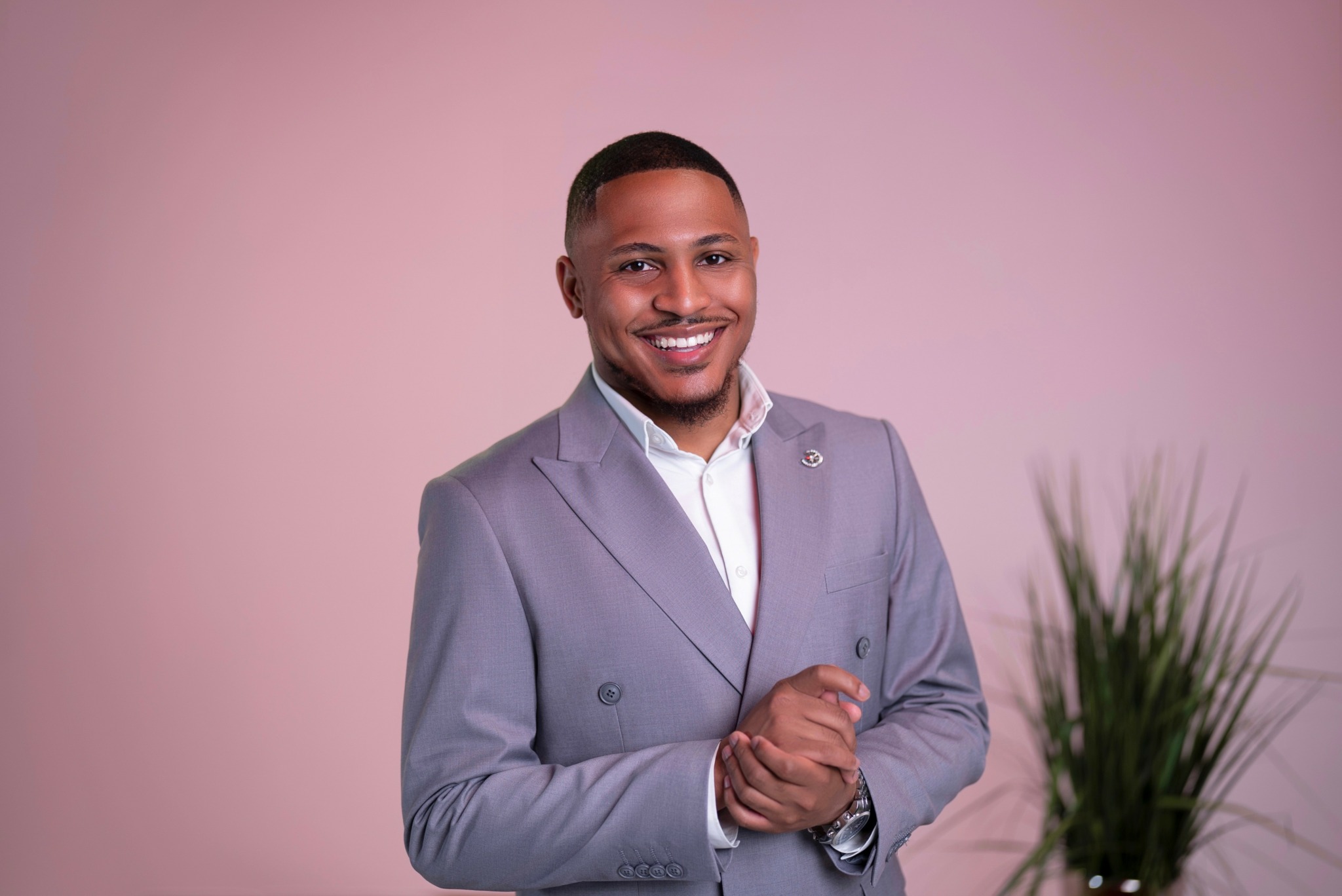

We caught up with the brilliant and insightful Deonté Griffin-Quick a few weeks ago and have shared our conversation below.
Alright, Deonté thanks for taking the time to share your stories and insights with us today. We’d love to have you retell us the story behind how you came up with the idea for your business, I think our audience would really enjoy hearing the backstory.
What started as a transition in my career ultimately became a moment of clarity and calling. After leaving a previous role, I found myself reflecting deeply on what I was truly passionate about and what kind of impact I wanted my next chapter to have. During that season, I felt strongly led by my faith to build something that fully embodied the intersection of arts, culture, community, and faith — not as separate interests, but as interconnected parts of who I am. That became the foundation for DGQ Culture, a creative consultancy rooted in strategy, faith, and social impact.
What excited me most was realizing that I was stepping into a space that very few people were intentionally occupying. I saw arts organizations trying to engage communities more authentically, and I saw faith-based organizations wanting to connect with culture and the arts in more meaningful ways, but there was often a disconnect. Both groups talked about the importance of each other, yet many lacked the strategy, language, partnerships, and cultural competency to build authentic relationships or sustainable initiatives together.
I recognized a real gap in the market. There were consultants focused on nonprofit development, there were agencies focused on branding, and there were organizations doing community engagement work — but very few people were helping institutions navigate the intersection of culture, creativity, faith, and social impact in a strategic way. I knew there were other people curious about these intersections because I was already having those conversations organically with artists, pastors, nonprofit leaders, and community organizations. What was missing was someone willing to unapologetically center those conversations and build infrastructure around them.
That is what made DGQ Culture feel worthwhile to me. It was never just about starting a business; it was about solving a relational and strategic problem. I wanted to help organizations move beyond performative partnerships and create initiatives that were culturally relevant, community-centered, and mission-aligned. I wanted artists to feel seen as thought leaders and changemakers, and I wanted institutions to understand that creativity is not an accessory to impact — it is essential to it.
The logic behind the business was also very clear to me. We are living in a time where organizations are being challenged to think differently about engagement, diversity, storytelling, and community trust. Culture influences everything — how people connect, how they give, how they organize, and how they experience belonging. I realized that organizations needed guidance from someone who understood both the creative world and institutional strategy. My background across arts leadership, DEI work, curation, public speaking, and community engagement uniquely positioned me to bridge those worlds.
At its core, DGQ Culture was born from both conviction and observation. Conviction because I knew this work aligned with my purpose, and observation because I could clearly see the unmet need. What continues to inspire me is the opportunity to help organizations and leaders reimagine what collaboration, creativity, and cultural impact can truly look like when approached with authenticity, strategy, and vision.
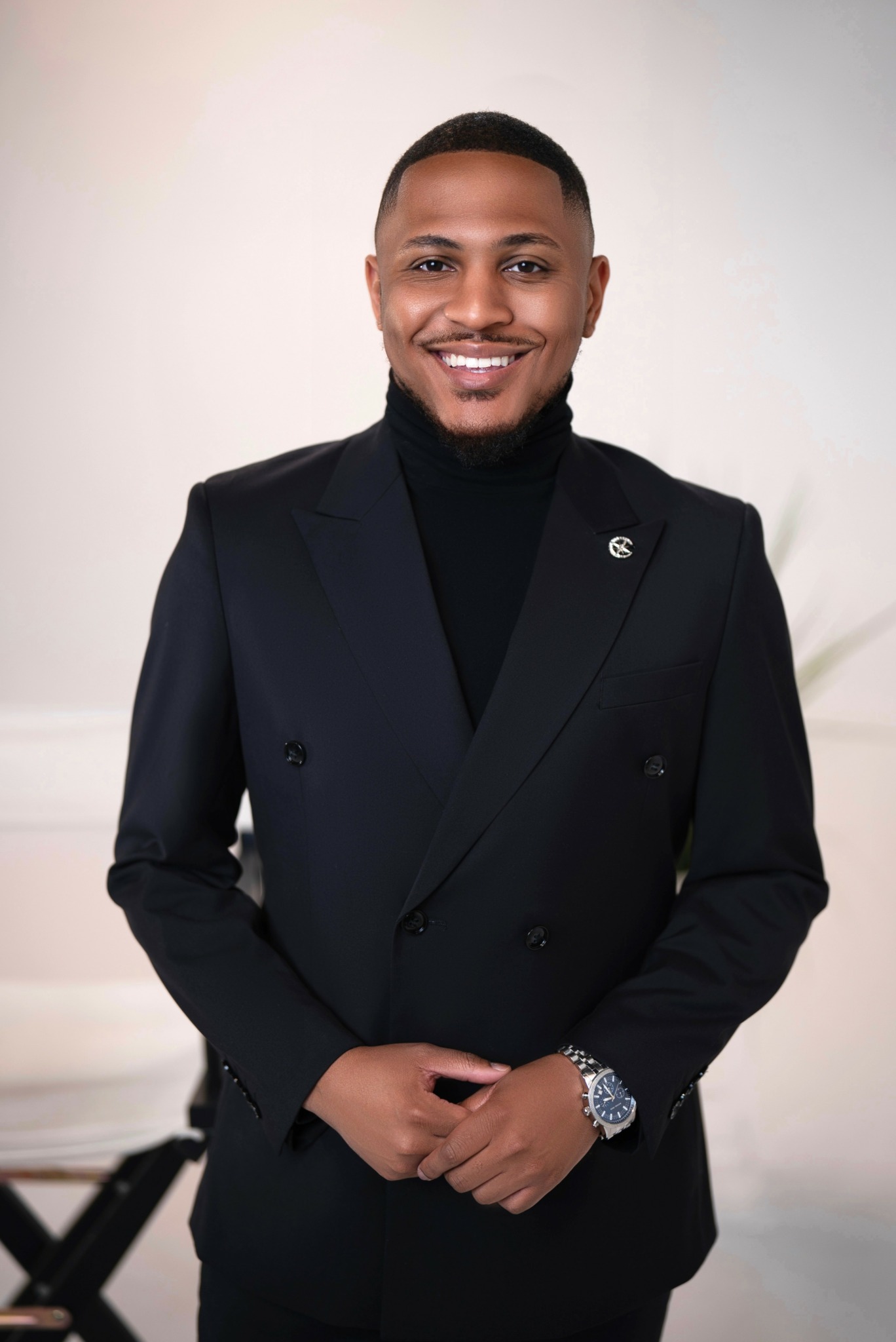
Awesome – so before we get into the rest of our questions, can you briefly introduce yourself to our readers.
I am an artist, a cultural strategist, an arts administrator, speaker, and consultant whose work exists at the intersection of arts, culture, faith, and social impact. As the founder of DGQ Culture, my mission is to help organizations, institutions, artists, and leaders build strategies that are culturally relevant, faith-centered, and rooted in authentic impact.
My journey into this work has been deeply personal and purpose-driven. I have always been passionate about creativity, leadership, and community engagement, but over time I realized that many organizations struggled to bridge the gap between vision and execution. I saw arts organizations wanting deeper community relationships, nonprofits trying to engage audiences more meaningfully, and faith-based institutions searching for ways to connect with culture in an authentic and sustainable way. At the same time, I noticed that artists and creatives were often undervalued as strategic thinkers and changemakers despite their ability to shape conversations, inspire communities, and drive innovation.
That realization pushed me to build a business that could serve as both a bridge and a catalyst. DGQ Culture was created to help organizations think beyond traditional models of engagement and embrace creativity as a tool for transformation. Through consulting, strategic planning, partnership development, program development , curation, public speaking, and facilitation I help clients clarify their vision, strengthen their community impact, and create initiatives that genuinely resonate with the people they are trying to serve.
What sets my work apart is that I approach strategy through both a cultural and faith lens. I do not believe in one-size-fits-all solutions or performative engagement. I believe organizations have to understand the communities they are trying to reach, build authentic relationships, and create spaces where people feel seen, valued, and connected. My work is informed by my experiences across the arts, nonprofit leadership, DEI work, faith communities, and community engagement, which allows me to navigate multiple worlds while helping organizations find common ground and shared purpose.
One of the biggest problems I solve for clients is helping them move from intention to alignment. Many organizations have strong missions, but they struggle with clarity, collaboration, audience engagement, or strategic direction. I help them identify opportunities for growth, strengthen partnerships, develop culturally responsive programming, and communicate their impact more effectively. Whether I am advising a nonprofit, curating a cultural initiative, facilitating conversations around equity and inclusion, or helping leaders rethink their engagement strategies, my goal is always to help organizations operate with greater authenticity, creativity, and sustainability.
What I am most proud of is the ability to create work that feels both impactful and meaningful. I am proud that DGQ Culture has become a platform where creativity and strategy can coexist. I am proud of the relationships I have built across industries and communities, and proud to represent a new generation of leadership that believes culture is not separate from business or community impact — it is central to it.
More than anything, I want people to know that my work is rooted in purpose. I want clients and collaborators to understand that I care deeply about helping organizations and communities thrive, not just through ideas, but through intentional action and meaningful connection. My brand is about creating spaces where innovation, culture, and faith can come together in ways that inspire transformation and lasting impact.
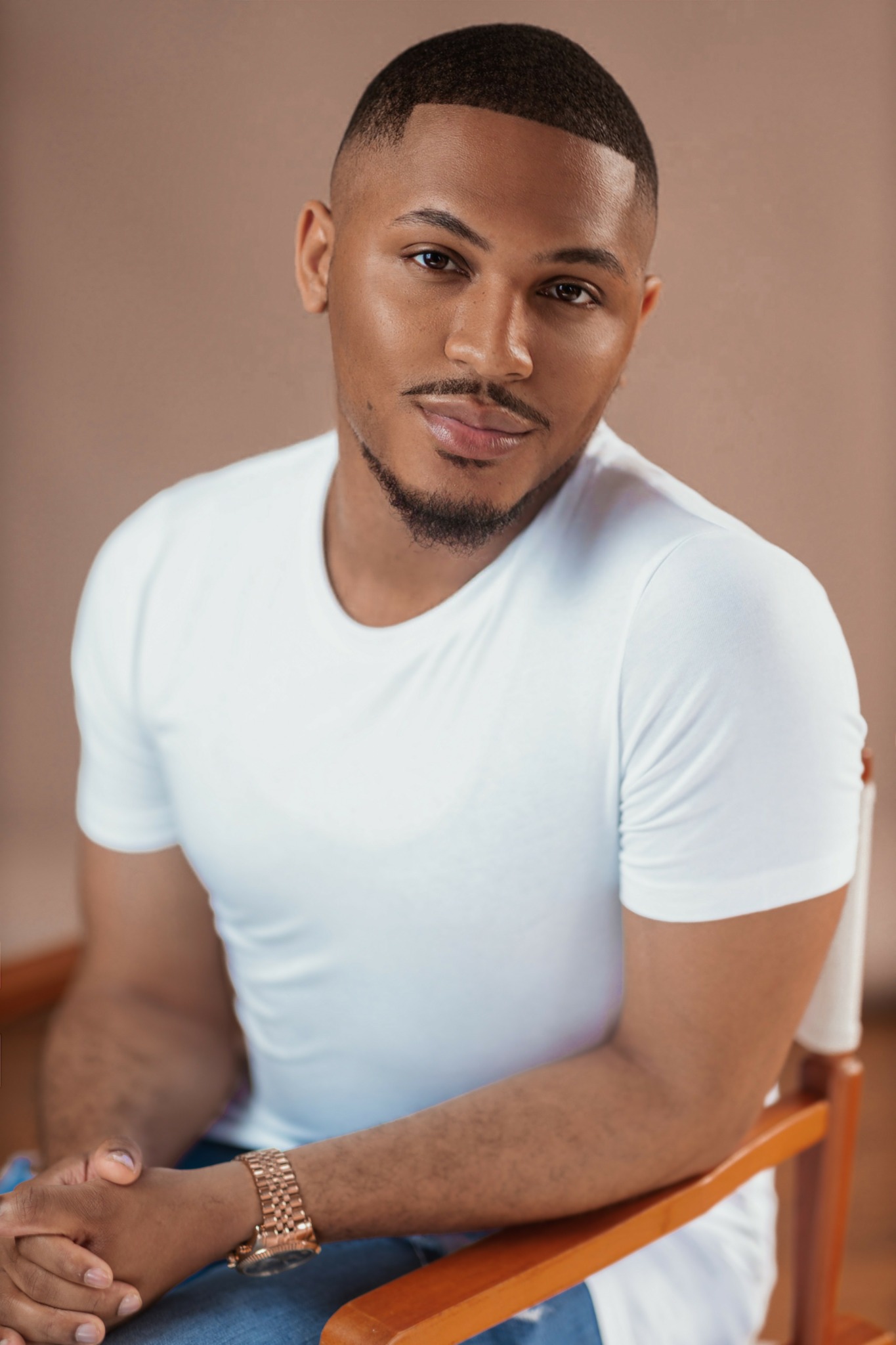
Any insights you can share with us about how you built up your social media presence?
Building my audience on social media really started with understanding my strengths and being intentional about how I wanted people to experience my brand. When I launched DGQ Culture, I knew I did not want my platform to feel transactional or overly curated in a way that disconnected people from who I really am. I wanted people to feel like they were engaging with a real person, a real voice, and a real perspective.
Very early on, I made the decision to invest in high-quality video content — both short-form and long-form. I recognized that we are living in a very visual and personality-driven digital culture, and I wanted my audience to connect with me beyond graphics or captions. As a trained actor and public speaker, one of my greatest strengths has always been communication and storytelling through conversation. I knew that if people could hear me speak, see my passion, and experience my authenticity directly, it would create a stronger and more genuine connection.
That decision became a defining part of my brand strategy. The consulting space is extremely oversaturated, and many people rely heavily on written content or generic business messaging. I wanted to differentiate myself by making my content feel more human, conversational, and culturally engaging. Video allowed me to communicate emotion, conviction, personality, and thought leadership in a way that static content sometimes cannot. It gave people an opportunity to understand not only what I do, but why I do it.
I also think consistency and clarity played a major role in building my audience. I was intentional about talking about the intersections of arts, culture, faith, creativity, leadership, and social impact because those conversations genuinely reflect who I am. I did not try to chase trends that did not align with my brand identity. Instead, I focused on building a platform rooted in authenticity and value. Over time, that helped attract an audience that was not just following for content, but genuinely connected to the mission and perspective behind the work.
Another important part of growing my audience was understanding that social media is not just about visibility — it is about community. I engage with people intentionally. I respond to messages, build relationships, collaborate with others, and create content that sparks dialogue instead of simply broadcasting information. People want connection. They want to feel seen and inspired, not marketed to constantly.
I would also encourage people to think strategically about what makes them distinct. What perspective do you bring that other people cannot? What experiences shape your voice? Social media becomes much more powerful when you stop trying to sound like everyone else and start leaning into what makes your story unique. That is ultimately what helped me build an audience — not just creating content, but creating connection.
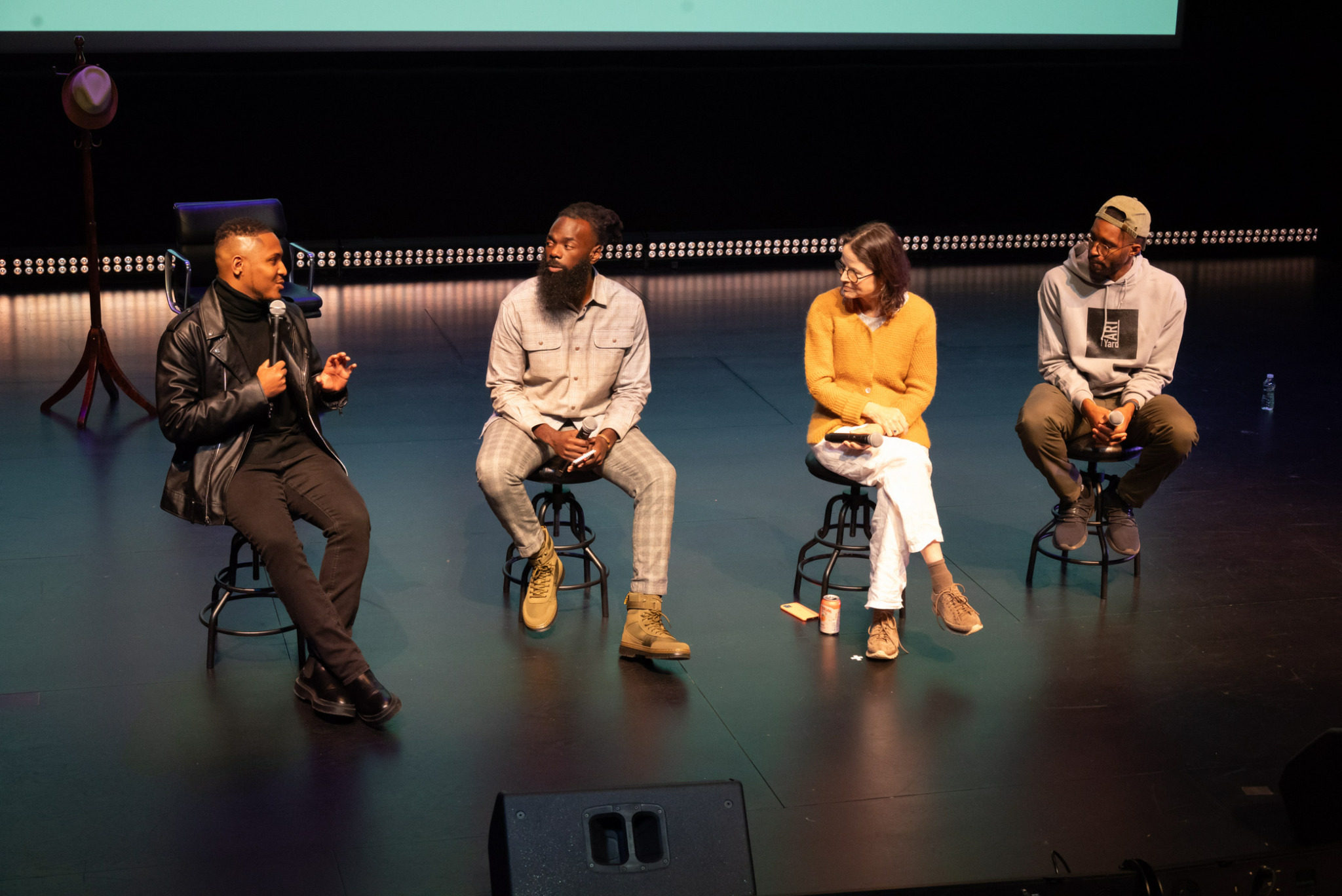
Where do you think you get most of your clients from?
The best source of new clients for me has honestly been referrals and word-of-mouth from people who know me personally or have worked with me professionally. A large part of my work through DGQ Culture is relationship-driven, so trust and reputation matter tremendously in this field.
I think that speaks to the importance of leading with excellence, authenticity, and genuine connection in every project and interaction. Many of my opportunities have come from people who experienced my work firsthand — whether through consulting, speaking engagements, partnerships, community initiatives, or collaborative projects — and then recommended me to others because they trusted both my vision and my ability to execute.
What I have learned is that people do not just refer services; they refer experiences. They refer people who made them feel heard, supported, inspired, and valued. Because my work often involves strategy, culture, creativity, and community engagement, clients want someone they feel aligned with relationally as much as professionally. That has been one of the greatest strengths of my brand.
I also believe referrals have been strong because my work sits at the intersection of several different industries and communities. I have relationships across the arts, nonprofit sector, faith communities, DEI spaces, and cultural institutions, which creates opportunities for organic connection and collaboration. One introduction often leads to another because the work itself is rooted in building bridges and meaningful partnerships.
For me, that has reinforced the idea that networking is less about constantly selling yourself and more about consistently showing up with integrity, adding value, and building authentic relationships over time. When people trust your work and trust your character, they naturally become advocates for your brand
Contact Info:
- Website: https://www.dgqculture.com
- Instagram: @deontegq and @dgqculture
- Facebook: Deonté Griffin-Quick
- Linkedin: https://www.linkedin.com/in/deontegq/
- Youtube: DGQ Culture