

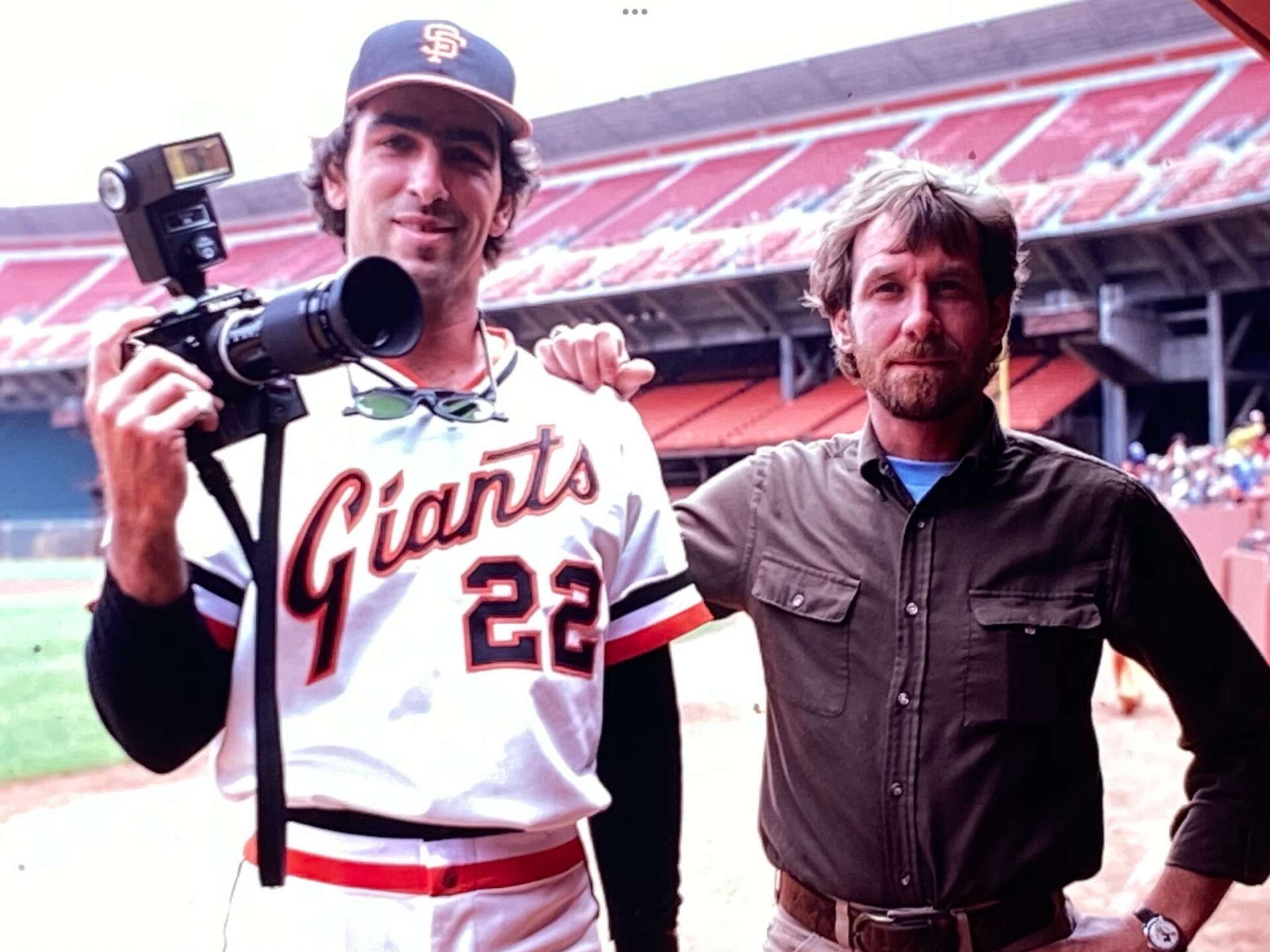

We recently connected with Dennis Desprois and have shared our conversation below.
Dennis , appreciate you joining us today. When did you first know you wanted to pursue a creative/artistic path professionally?
I was the kid in school who could draw better than everyone else but by the time I was in high school realized that a career in art was kind of an iffy thing. The time it would take to become a recognized artist and able to make a living selling paintings wasn’t realistic since I was on my own and needed an income. Illustration, commercial art and graphics held no interest. Being the Vietnam era, I enlisted in the USAF where I learned basic photography which was the perfect medium for me…especially since I always hope for the pencil to outlast the pencil when drawing.
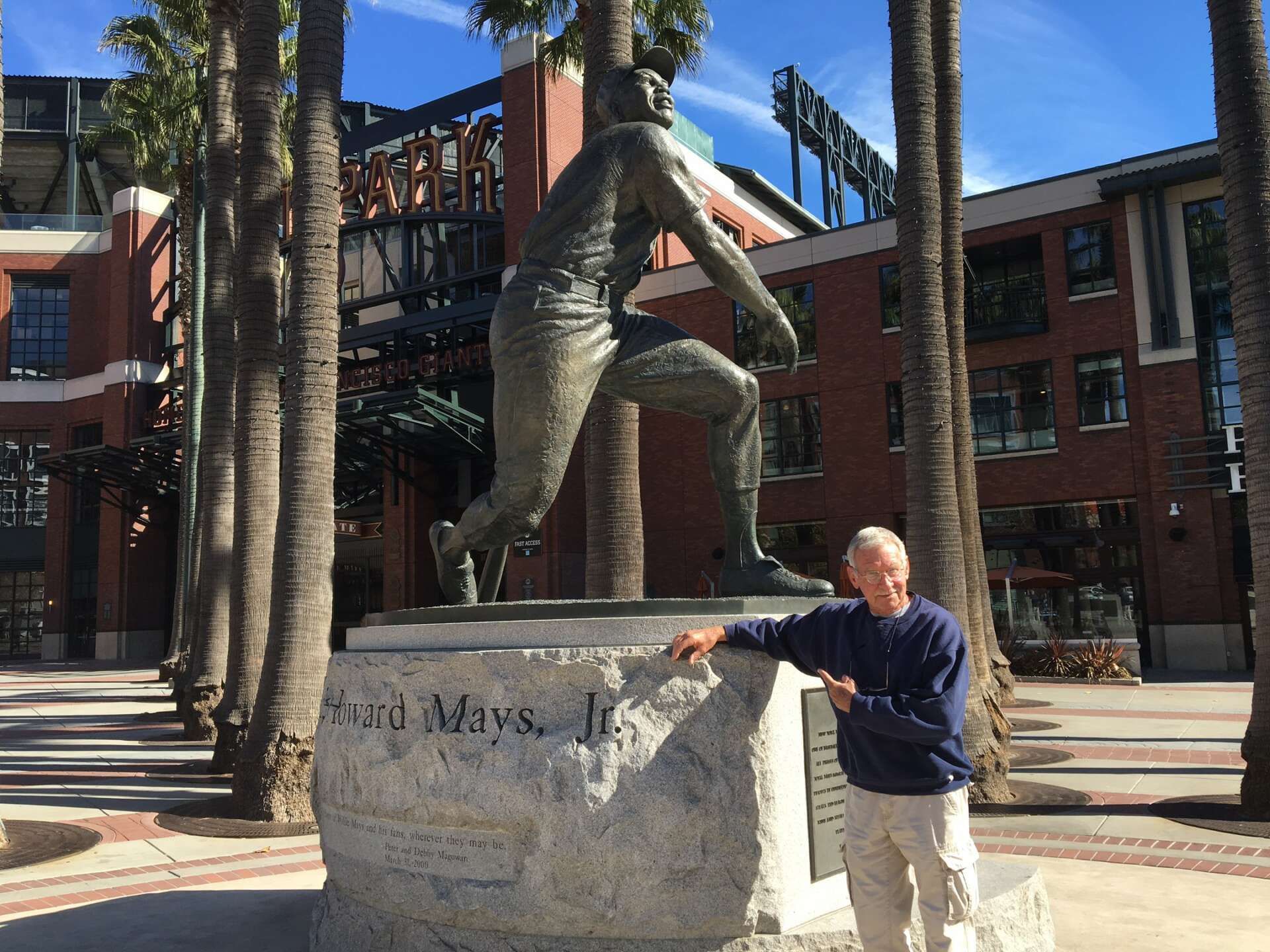
Great, appreciate you sharing that with us. Before we ask you to share more of your insights, can you take a moment to introduce yourself and how you got to where you are today to our readers.
After a tour in Southeast Asia in 1969, I had to figure out exactly what I was going to do for a career. I grew up in the shoe business and was working in a high end salon in Sacramento after being discharged in 1970, not a bad thing during the tall boots and mini-skirt era. However, being a career shoe salesman wasn’t a consideration. I wanted to be a photographer and specifically, the San Francisco Giants team photographer. A lady friend who worked part time for the Giants got me a job working in the parking lot on game days (a story in itself). I asked the Giants PR guy (Art Santo Domingo) if I could take game pictures after the parking lot closed. When Art gave me a press pass, I shot the last four or five innings of the 1971 season with the limited Nikon equipment that I had. . At the end of the season, I showed Art fifty or sixty 8×10 photographs that he was impressed with and bought for three hundred bucks. I was officially a professional baseball photographer!
In 1972, the Giants brought up a young home run hitter who struck out a lot (Dave Kingman). Horace Stoneham, the Giants owner, asked me If I knew how to work an old Bolex 16mm movie camera they had in the clubhouse to take movies of the kid so he could see why he was swing through the ball more than he should. I had no idea how to work the Bolex, but I said that it wasn’t a problem and I would film Kingman the next game. Filming players for coaching purposes was revolutionary in those days.
Only the Pirates, Astros and Dodgers were doing it. By the end of the season, I was filming all of the players, including the pitchers and had a film room set up in the clubhouse. When video came in and we set up “Video Central” in the clubhouse, watching individual game performance became part of the game.
I continued shooting all the team’s still photographs that were used in the program, scorecards, schedules, postcards, publicity stills and the award winning Giants Magazine. I was made department head in a newly created position where I was responsible for the video department, still photography and all of the club’s printed material.
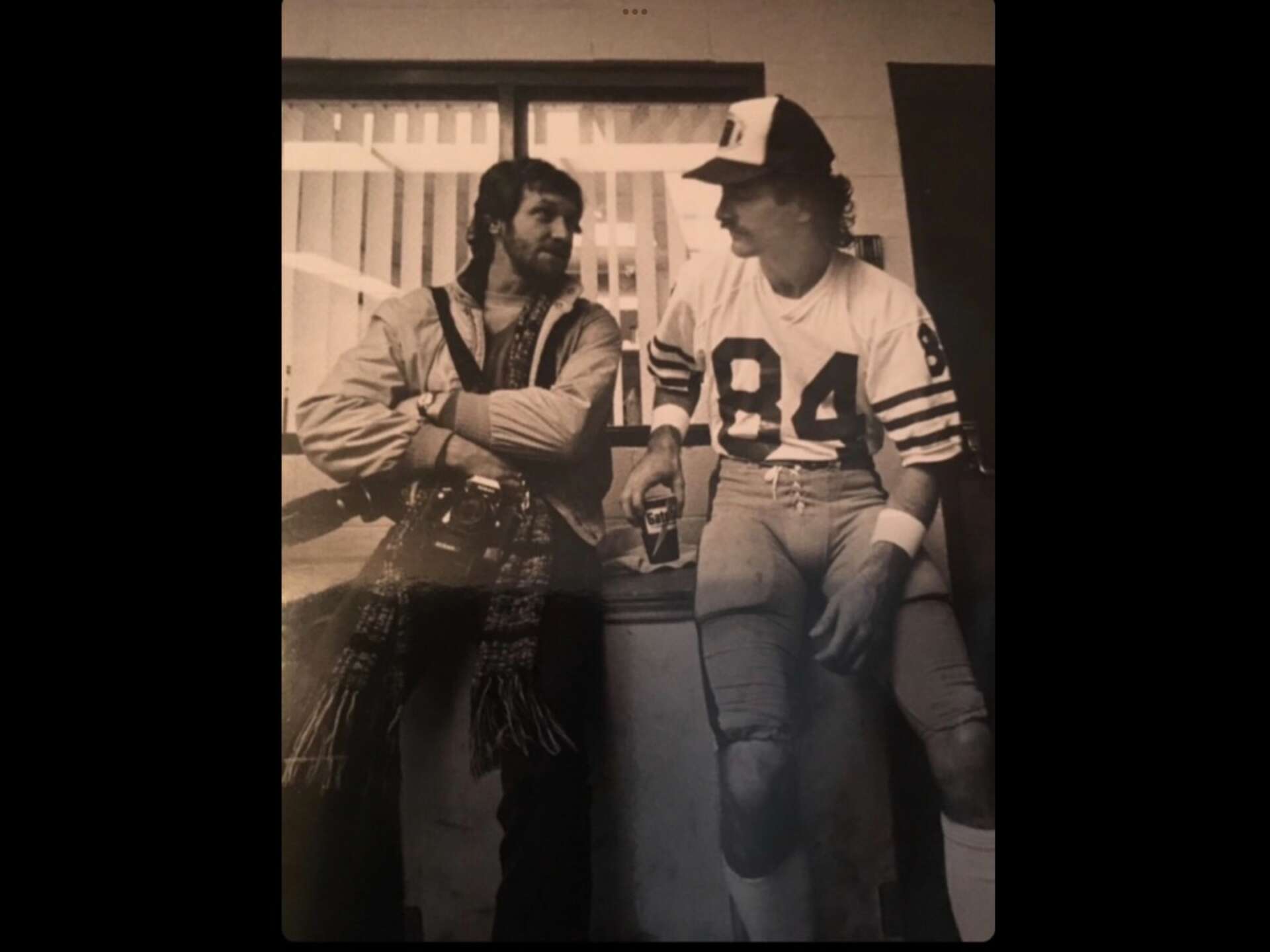
I kinda BS’ed my way onto the field for 49ers games during the 1972 season and George Heddleston, the 49ers PR guy, liked my action photographs. The next season, Michael Zagaris and I were the two team photographers. I also shot for the Raiders when they played in post-season games and Super Bowl XI—my first Super Bowl and I made the iconic shot of the players carrying John Madden off the field. With the 49ers, I was fortunate to make another iconic photograph of “The Catch”.
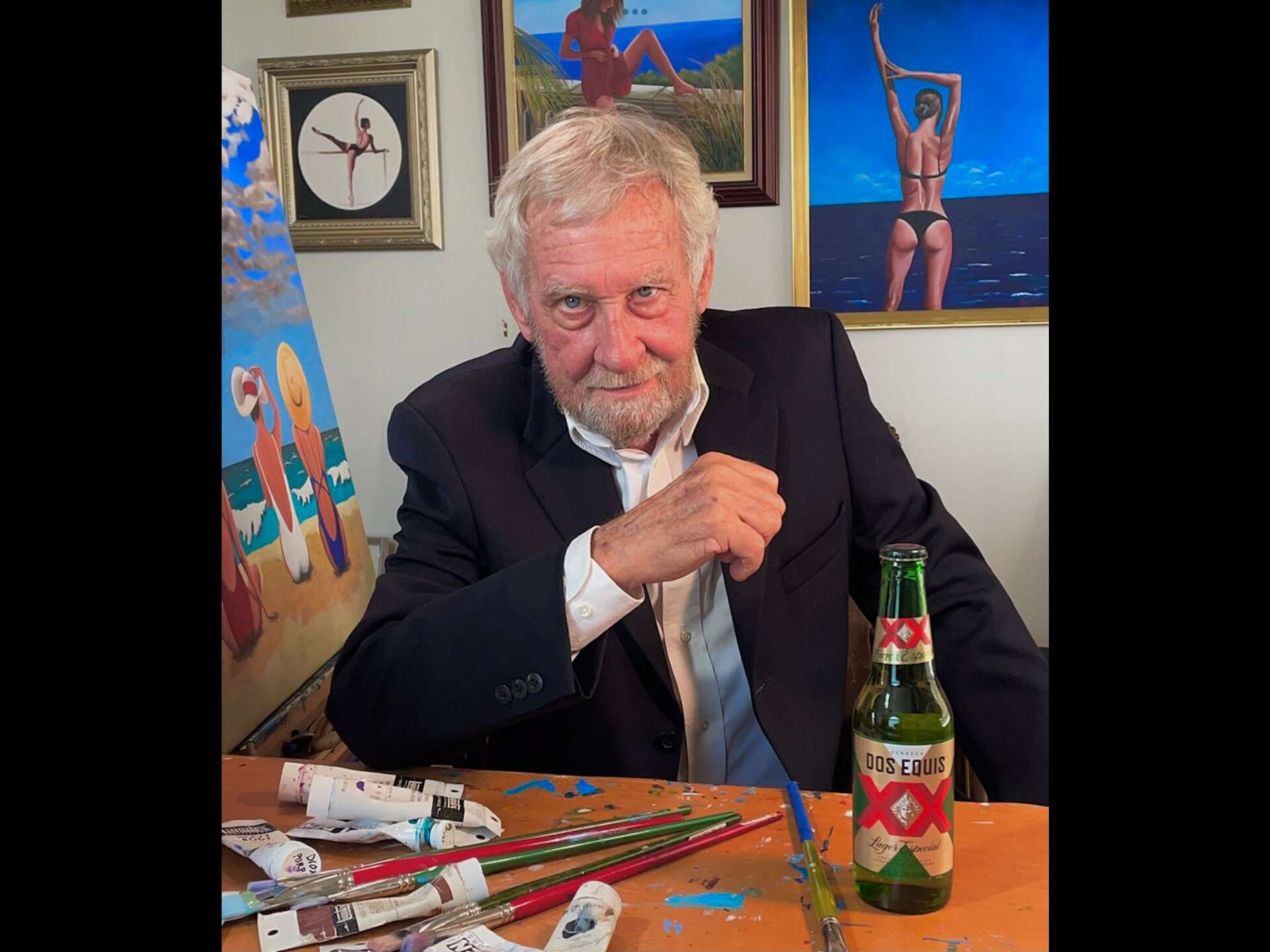
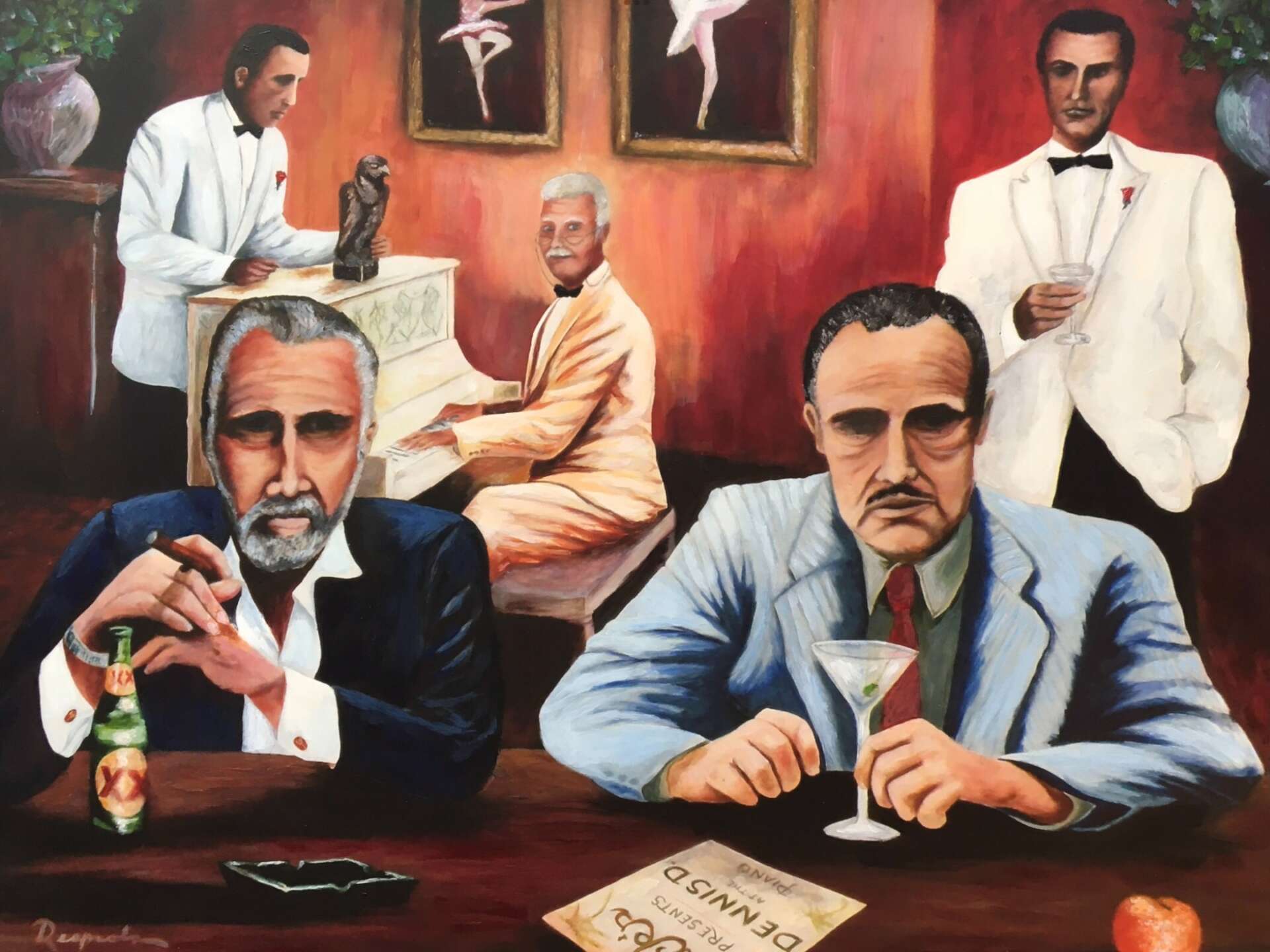
When I retired after the 1989 Earthquake World Series in San Francisco, I moved to Scottsdale and concentrated on being a full time artist. My early art was in two galleries in Scottsdale’s art district. In 2016 I was one of the artists in residence at the Gallery at elPedrigal . When the Finer Arts Gallery opened in Cave Creek three years ago, I joined them as a legacy artist.
For the last ten or so years, I’ve been known for reverse perspective scenes that seem to move,
art deco women, a long ballerina period and recently a series of vanishing women who blend into the background. I also have an eclectic collection of desert scenes, seascapes and women.
What’s the most rewarding aspect of being a creative in your experience?
My background in sports at its highest level taught me the rush of winning the big game. As an artist, I’ve never lost the feeling you get when a painting sells. Being rewarded for athletic skills, business acumen, creative talent, or a great day on the job is a flat out rush!
We’d love to hear a story of resilience from your journey.
The first couple of years I worked for the Giants shooting stills and coaching films, I only got paid during the season and perhaps a month or so after while organizing everything I had done during the season. I put money away during the season that i intended to last the entire off-season. The second year I drastically miscalculated my cash flow…a clever way of saying I ran out of money a few weeks before the season began. I was down to my last couple of bucks with not a clue about what to do. Being creative, I decided to have my usual cup of coffee and spring two bits for a Chronicle for the sports page then the front page. I was sitting on my front porch on Beulah Street in the Haight and, like every country song, smoking my next to last cigarette’ reckoning with a for real financial crisis. I looked down the street to see the mail carrier walking my way. When he reached me sitting on my porch steps, he handed me a couple bills and an envelope with a magazine postmark that could only mean a check was inside —an unexpected payment for a photograph. Realizing that I had dodged a bullet, I seriously vowed to actively (which for me was still pretty laid back) get into shameless self-promotion. Which I did.
Contact Info:
- Website: DennisD