

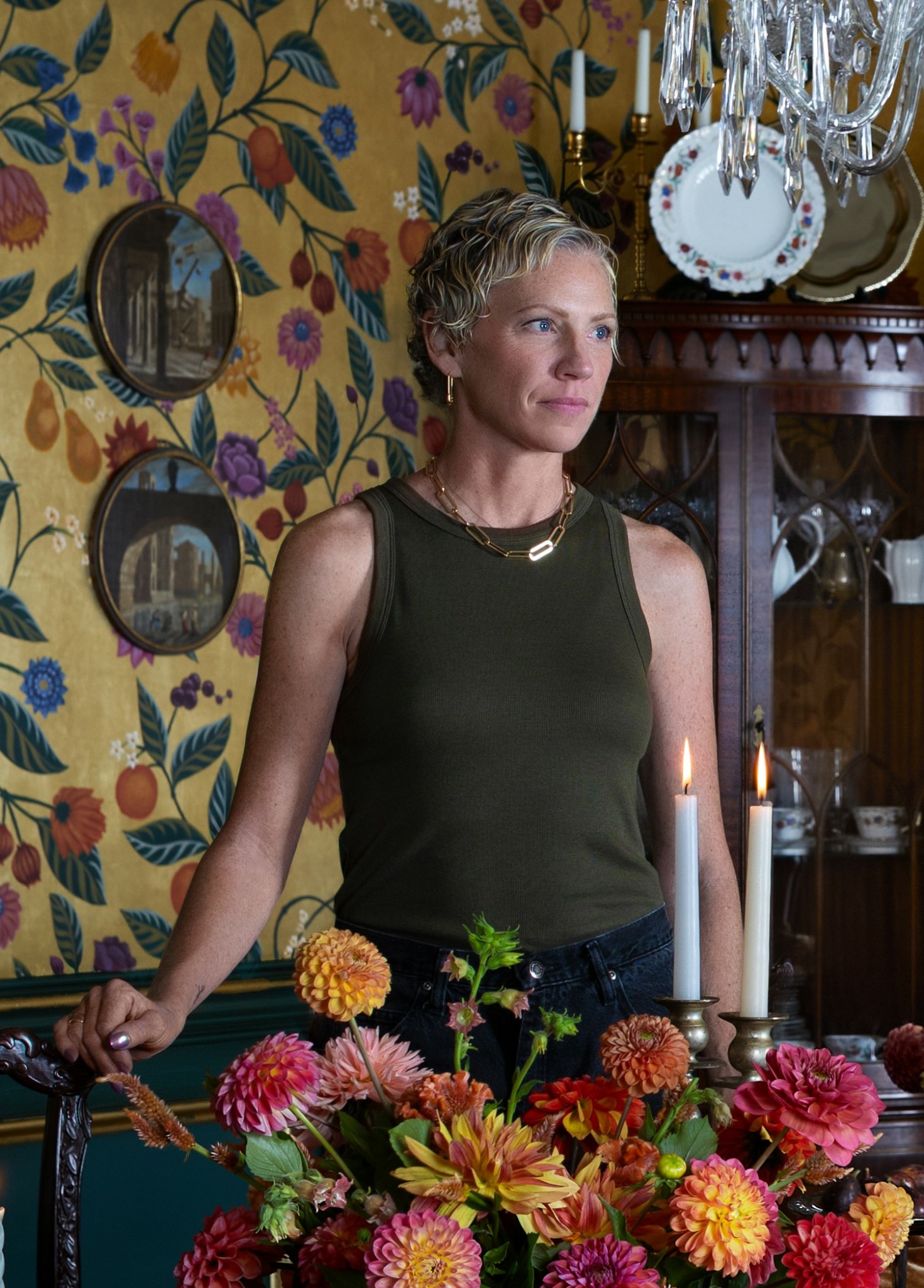

We recently connected with Deanne Lenehan and have shared our conversation below.
Deanne, thanks for taking the time to share your stories with us today Have you been able to earn a full-time living from your creative work? If so, can you walk us through your journey and how you made it happen? Was it like that from day one? If not, what were some of the major steps and milestones and do you think you could have sped up the process somehow knowing what you know now?
Yes, I’ve been able to earn a full-time living from my creative work, but it definitely didn’t happen overnight. Like most artists, my path was gradual and built step by step.
I began my career as a high school art educator after earning my degree in Art Education from Towson University. Teaching gave me a strong foundation in both art and communication, but I always knew I wanted to pursue a career creating art professionally, but I wasn’t sure how. I began taking on decorative painting and mural projects on the side while continuing to deepen my own artistic education through advanced studies at institutions like Pratt Institute, MICA, and McDaniel College, as well as through study abroad in places like France, Morocco, and Italy.
Eventually those small projects started turning into larger opportunities, and I made the decision to quit teaching and make my side hustle my full time career. In the early years it was very much a one-woman operation, and like many creative businesses I had to learn the realities of running a company while still developing my craft. One of the lessons I learned was that success as a creative professional requires organization, reliability, and strong relationships with clients and designers. Over time, those relationships and projects built momentum. The studio’s work began appearing in designer show houses and publications, and we were fortunate to be featured in outlets like Southern Living’s Idea House.
Another key step was becoming involved in the arts community. Serving as president of the local chapter of the International Decorative Artisans League and helping found the Ellicott City Arts Coalition helped expand my professional network and connect me with other artists and collaborators. I also became the first decorative artist to have a course accredited by the Interior Design Continuing Education Council, which opened new doors to working with interior designers.
Looking back, I think one of the biggest lessons is that building a sustainable creative career takes patience and persistence. It’s not something that typically happens from day one. If I could speed anything up knowing what I know now, it would be focusing earlier on building strong relationships with designers and positioning my work in front of the right audience. That has ultimately been one of the most powerful drivers of growth for my studio.
Deanne, love having you share your insights with us. Before we ask you more questions, maybe you can take a moment to introduce yourself to our readers who might have missed our earlier conversations?
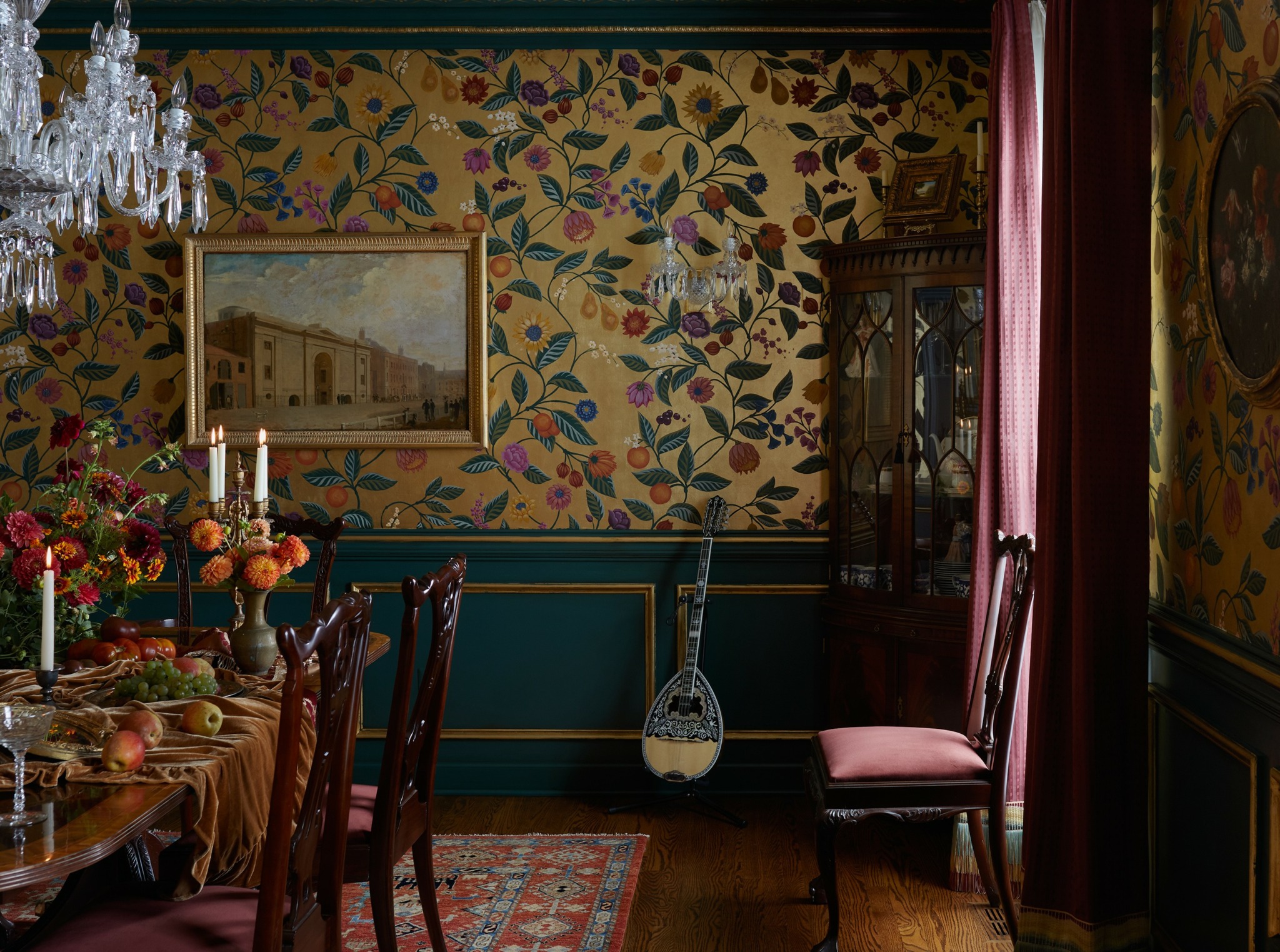
I’m the founder and creative director of Lenehan Studios, a decorative arts firm specializing in murals, decorative finishes, and custom-painted interiors. We collaborate with designers and clients to create work that’s fully integrated into a space: pieces that can’t be sourced, only created.
My path wasn’t traditional. I’ve always been able to adapt my style, which meant I never fit neatly into the “fine artist” category. I initially became an art teacher, following in the footsteps of my grandmother, who first fostered my love of art during summers spent painting with her in rural Michigan.
While teaching, I was asked to paint a mural, then took a decorative painting class shortly after. That shift changed everything. I realized I could build a career using my ability to translate a client’s vision into something artistic and highly customized. I left teaching after eight years and built my studio from the ground up.
What sets my work apart is that every project is designed specifically for the space and the client. That requires not just artistic ability, but technical knowledge, problem-solving, and a high level of collaboration.
I’ve been fortunate to have the work featured in major publications and to lead large-scale projects, but what I’m most proud of is building a sustainable business as an artist.
At its core, my work is about creating spaces that feel complete; where the art isn’t an afterthought, but an essential part of the design.
We’d love to hear a story of resilience from your journey.
There have been a few moments in my life where everything seemed to crash down at once, and those are the times that really tested my resilience.
Within about an 18-month period, I lost my mom, who was my best friend and biggest supporter, went through a divorce, and had my studio flood. Not long after that, COVID hit, which brought a whole new level of uncertainty to running a creative business. And then in 2023, I was diagnosed with triple-negative breast cancer.
None of those things individually are easy, but experiencing them back-to-back forces you to make a choice. You either step away from what you’ve built, or you find a way to keep going, even if it looks different for a while.
There were definitely periods where I had to pull back, regroup, and focus on what was directly in front of me. But I never lost sight of the bigger picture. If anything, those experiences sharpened my perspective. They made me more decisive, more focused on the kind of work I want to create, and more intentional about how I run my business.
Coming through that, I feel like I rebuilt not just my life, but my studio with a much stronger foundation. I’m clearer on my direction, more selective about the projects I take on, and more committed than ever to creating work that actually matters.
Resilience, for me, hasn’t been about pushing through nonstop, it’s been about adapting, recalibrating, and continuing forward with purpose, even when things don’t go as planned.
Is there something you think non-creatives will struggle to understand about your journey as a creative?
From the outside, a creative career can look really appealing—flexible, expressive, even glamorous at times. What people don’t see is that it’s also unpredictable, physically demanding, and requires a level of discipline that most don’t associate with creative work.
There’s a misconception that being an artist is just about talent or inspiration. In reality, it’s a business. You’re constantly balancing creative work with logistics, client management, scheduling, budgeting, and problem-solving. You don’t just show up and paint, you’re managing expectations, troubleshooting on the fly, and making sure the end result not only looks good, but performs and lasts.
There’s also a level of pressure that comes with creating something custom. Unlike buying a product off the shelf, what we do doesn’t exist until we make it. Clients are trusting you to execute something they can’t fully see yet, often at a significant investment. That responsibility doesn’t get talked about enough.
And then there’s the inconsistency. Projects ebb and flow. Timelines shift. You can go from being booked out to suddenly navigating gaps, and you have to be able to ride that without panicking or making bad decisions.
It’s not all butterflies and rainbows, it’s resilience, adaptability, and a willingness to keep showing up even when things are uncertain. But if you can handle that, it’s also one of the most rewarding paths you can take.
Contact Info:
- Website: https://www.lenehanstudios.com/
- Instagram: https://www.instagram.com/lenehanstudios
- Linkedin: https://www.linkedin.com/in/deanne-lenehan-51a76011/
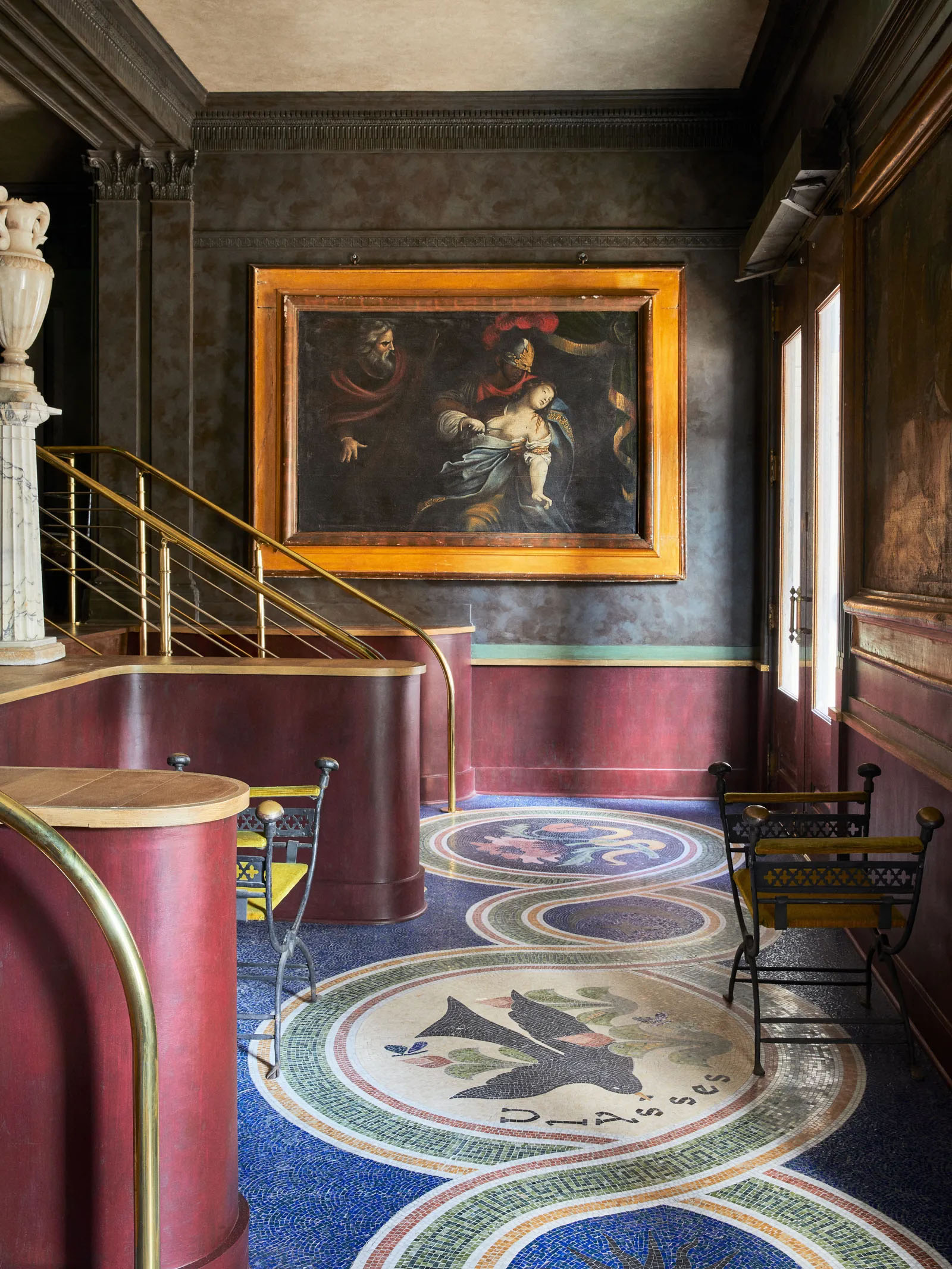
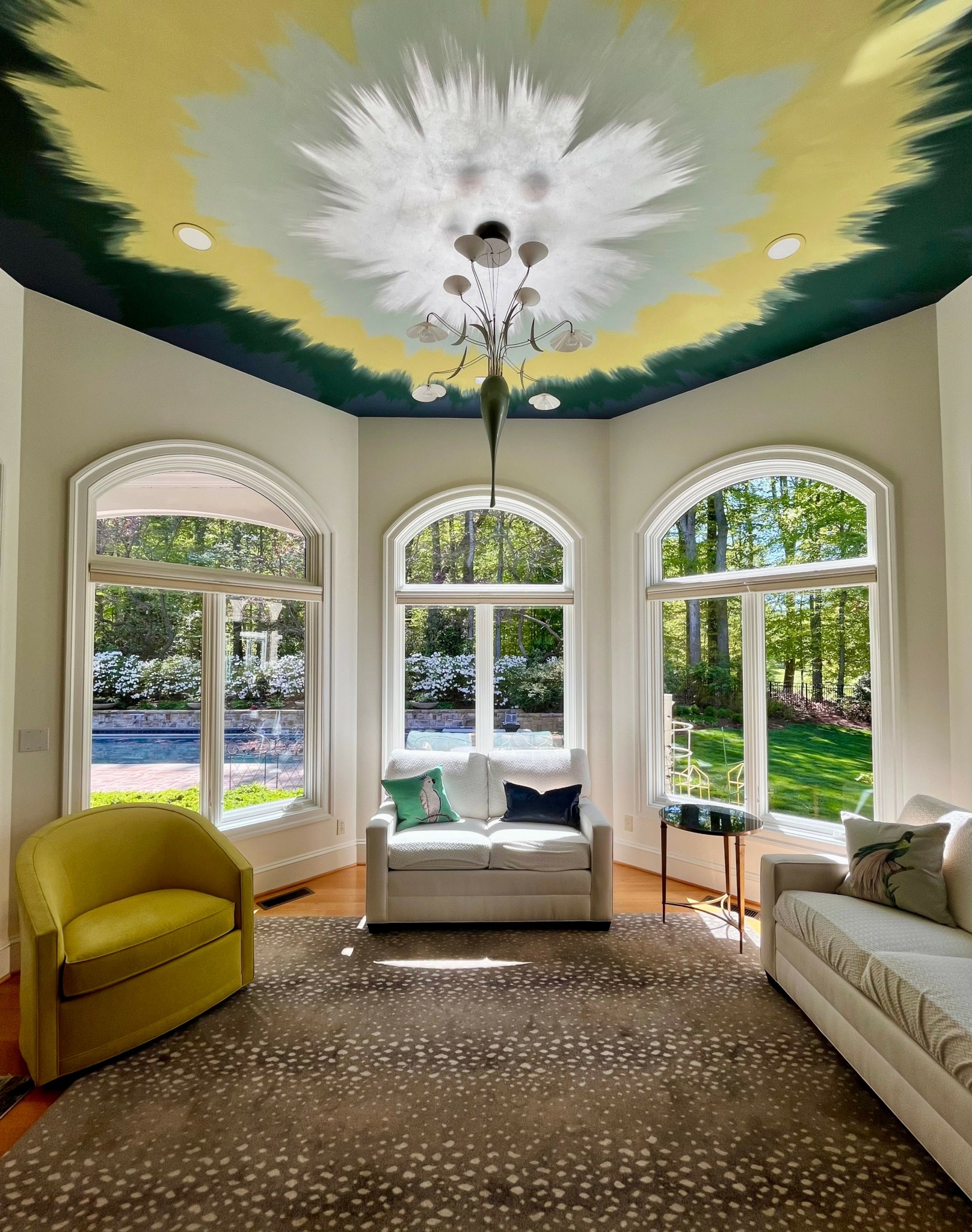
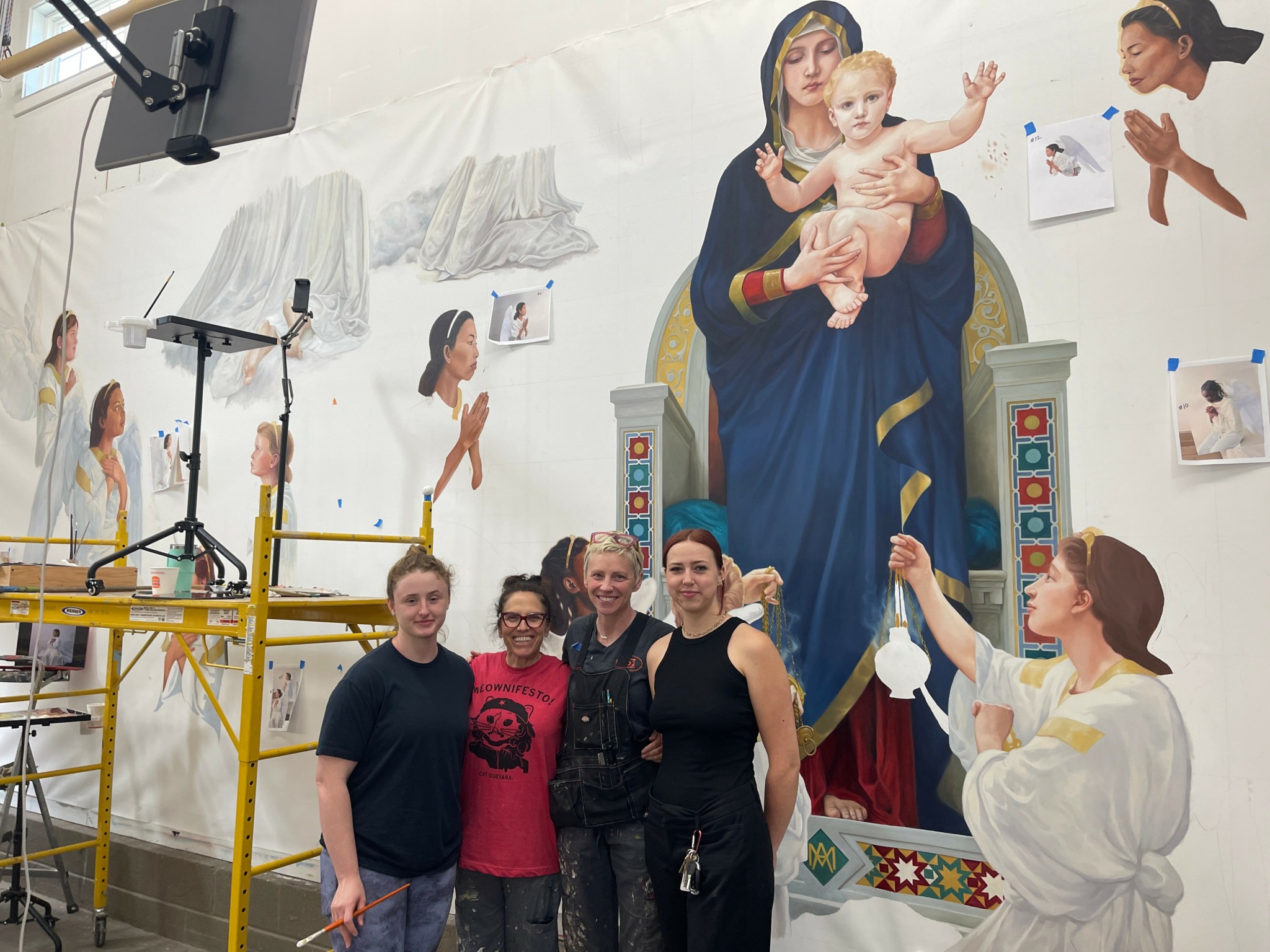
Image Credits
East and Lane, Keyanna Bowen
Laura Hodges Studio
Brett Wood