

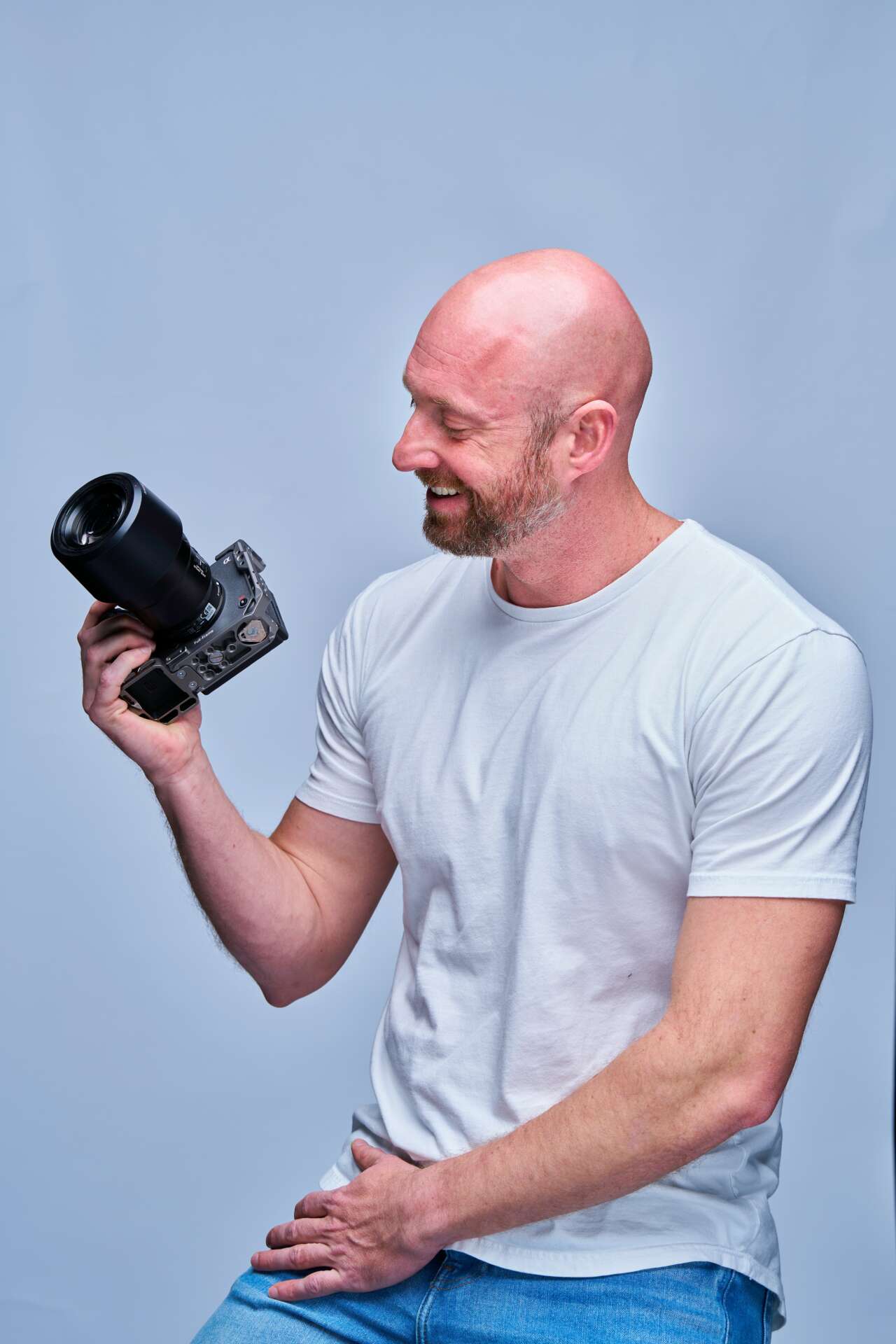

We recently connected with David Disponett and have shared our conversation below.
David, looking forward to hearing all of your stories today. Coming up with the idea is so exciting, but then comes the hard part – executing. Too often the media ignores the execution part and goes from idea to success, skipping over the nitty, gritty details of executing in the early days. We think that’s a disservice both to the entrepreneurs who built something amazing as well as the public who isn’t getting a realistic picture of what it takes to succeed. So, we’d really appreciate if you could open up about your execution story – how did you go from idea to execution?
Diving into the realms of photography and later videography felt like a natural progression for me. Recognizing the potential for additional income aligned seamlessly with my existing creative curiosity. It was a venture that required minimal upfront investment but had the promise of a substantial return, and my natural tendency to explore new ideas encouraged me to take the plunge.
At that time, I held a full-time job that I didn’t envision as a lifelong pursuit, making it the opportune moment to venture into a new direction. This decision allowed me to maintain my current career while dedicating time to my personal growth. Photography offered a level of flexibility, and I had very little to lose.
Starting with a budget-friendly yet decent camera, I began my journey. Booking one shoot after another, I gradually started generating modest earnings, which I promptly reinvested in upgrading my equipment. This progression resulted in higher-paying assignments and, consequently, elevated the quality of my work.
However, it wasn’t just the equipment that was continuously undergoing upgrades. My knowledge and ability were developing as well. I used whatever platforms were necessary to absorb information, and it was paying off. My communication and networking skills were transforming as well. I found that I began to form connections and principles for my small company.
What started as a side pursuit to complement my existing career evolved into a thriving business. I found that the trek wasn’t just about upgrading cameras but about refining skills, expanding knowledge, and fostering clear goals. Today, these foundational elements continue to shape my business, reflecting the enduring commitment to a passion that propelled me from just an idea to a full-time career in the world of photography and videography.
David, love having you share your insights with us. Before we ask you more questions, maybe you can take a moment to introduce yourself to our readers who might have missed our earlier conversations?
As an entrepreneur, I find that I wear multiple hats. I am a photographer, a videographer, and a personal trainer. I am passionate about creating visual imagery but also encouraging health and wellness. I have spent over a decade nurturing and developing myself and my expertise, but my first brainchild was photography and videography.
My creative journey began many years ago with photography and gradually ventured into videography—both skill-based businesses. What I loved about this profession was the minimal upfront preparation. It was mostly a personal commitment to learn photography, master video skills, and excel in communication.
My mission was to create a brand that clients would connect with and trust wholeheartedly. This lit a fire inside, and consistent education and authenticity became an important aspect of my life. In the beginning, I was constantly pushed beyond my comfort zone, and even had to learn new skills from YouTube the night before certain projects. It was a rush, but adapting and learning became integral to my growth, which eventually built a stable client list and transitioned me from a part-time to a full-time career behind the camera.
It wasn’t always smooth, though. I faced challenges and uncertainties but found that patience and a clear goal were key to overcoming each and every one of them. Over a decade later, I am still committed to continuous improvement and seizing opportunities to enhance my craft. What started as a side hustle eventually transformed into a full-time profession, one I am genuinely passionate about.
In essence, the process was rooted in passion, dedication, and skill refinement, rather than following a rigid roadmap. For those considering a similar path, my advice is to start with what you love, embrace every learning opportunity, and let passion be your guide.
Can you tell us about a time you’ve had to pivot?
One significant pivot in my journey occurred during COVID-19. The production industry faced disruptions as events came to a standstill, and many companies shifted to remote operations. This caused a halt in my primary source of income, as my services almost completely declined.
Faced with this challenge, I navigated the unstable environment by tapping into another skill set and passion. Just as before, I dedicated my time and a small financial investment to become certified as a NASAM personal trainer and set up a gym in the small garage behind my house. People were vocal about their health needs during this time, and a private gym became more lucrative than ever. Recognizing this, I strategically pivoted my plans and began to cater to those in need of personal training.
This shift not only helped me stay afloat during a period of financial uncertainty but also opened new avenues for professional growth. By diversifying my skills and services, I was able to weather the storm and simultaneously expand my professional horizons.
This experience taught me the importance of adaptability. Adjusting from production to fitness showcased the value of diverse skill sets, allowing me to thrive in both the health and wellness and creative industries.
Can you talk to us about how your funded your business?
Photography, videography, and personal training didn’t require substantial upfront investments. When I ventured into personal training, I put down around five to eight thousand dollars to set up my gym, obtain the NASAM certification, and cover initial operational expenses. Fortunately, I was able to utilize savings and received support from friends, avoiding the need for external funding or significant debt.
On the production side, the beauty of this skill-based business is that it didn’t demand an extensive initial capital. I started with modest equipment – a basic camera that cost around $400. As I progressed, I reinvested earnings to gradually upgrade my gear. The pivotal point came in 2023 when, propelled by the income of both businesses, I was able to invest ten to fifteen thousand dollars towards advanced equipment.
What’s noteworthy is that the funding for these businesses primarily came from organic growth. As my skills improved, my client base expanded, leading to increased revenue, and the reinvested profits back into my businesses. It’s a testament to the idea that, with dedication, hard work, and a bit of foresight, a business can flourish without relying heavily on external funding.
Contact Info:
- Website: www.daviddisponett.com
- Instagram: DavidDisponett / TransparencyFitness