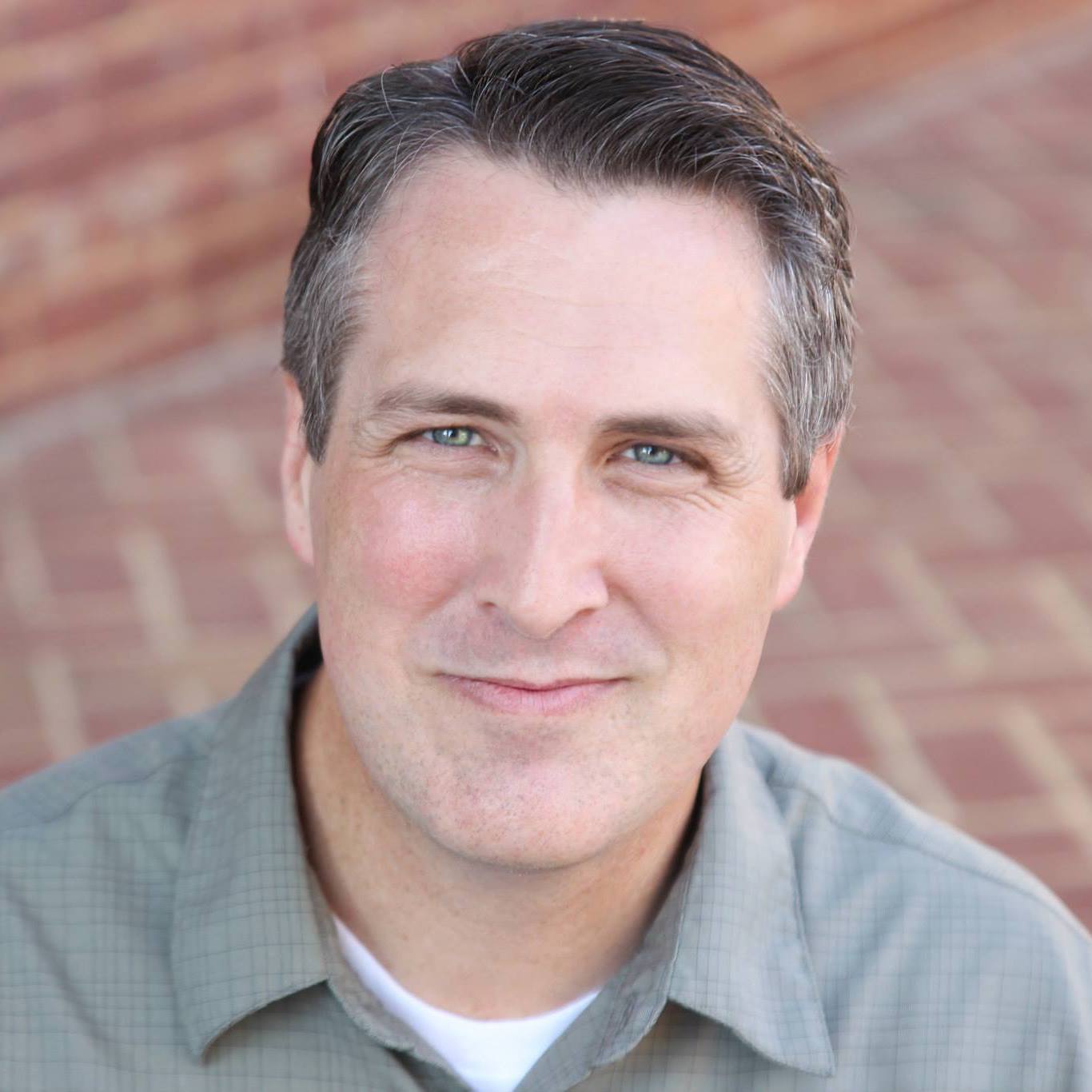

We were lucky to catch up with David Alford recently and have shared our conversation below.
David , thanks for taking the time to share your stories with us today How did you learn to do what you do? Knowing what you know now, what could you have done to speed up your learning process? What skills do you think were most essential? What obstacles stood in the way of learning more?
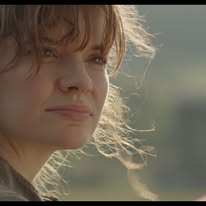
I had been dabbling in novel writing for years, but I had never taken it very far. I wanted to take a crack at playwriting, so I sat down to write a story idea that I had been brewing in my mind. I quickly realized that the story wasn’t working for the stage, but I really liked it and wondered if it could work as a screenplay. I showed the script to a few friends and family members, and they reacted strongly to it. So, I started asking around to see what it would take to produce it as a short film. I assembled a team from people I knew who had made short films in the area. After making the film, I felt it captured what it needed to, and I submitted it to film festivals across the country in 2020. To my surprise, almost all of them accepted the film, and it was picked up for global distribution.
It took tenacity and a certain level of blind self-belief to convince myself that I could make a film when I had never done so before. I found good talent to work under me and developed a project that I knew I could deliver with the resources available to me at the time. What got the project done was recognizing the talents of the people around me, many of whom had never made a film before. By identifying their passions and providing them with the encouragement and resources they needed, the entire team performed well above expectations.
Learning to become a filmmaker is not something you can read in a book. The only real way to truly learn it is by simply doing it. Because of that, one makes a lot of mistakes along the way. Overcoming those mistakes and pushing on is the only way to create consistent work in this business.
Awesome – so before we get into the rest of our questions, can you briefly introduce yourself to our readers.
I caught the acting bug as a small child, doing plays at church and school, and continued acting all the way through High School. But I went to college to study filmmaking because movies had made such a huge impact on my life. I tried to double major in Theater and Radio-Television-Film, but that became logistically impossible. I was forced to choose one. I thought I could more easily support a family with media since I had been able to work in radio during college, so I completed my Bachelor of Science in Radio-Television-Film.
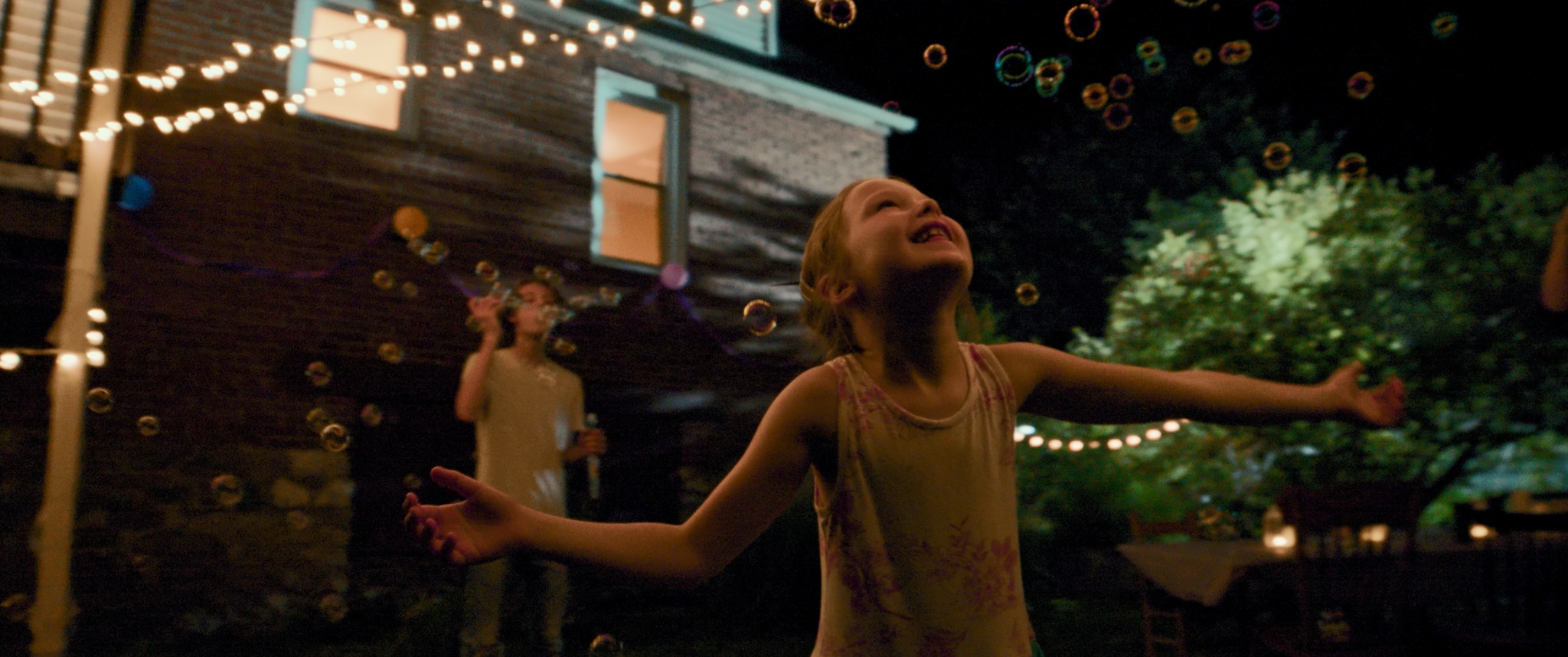
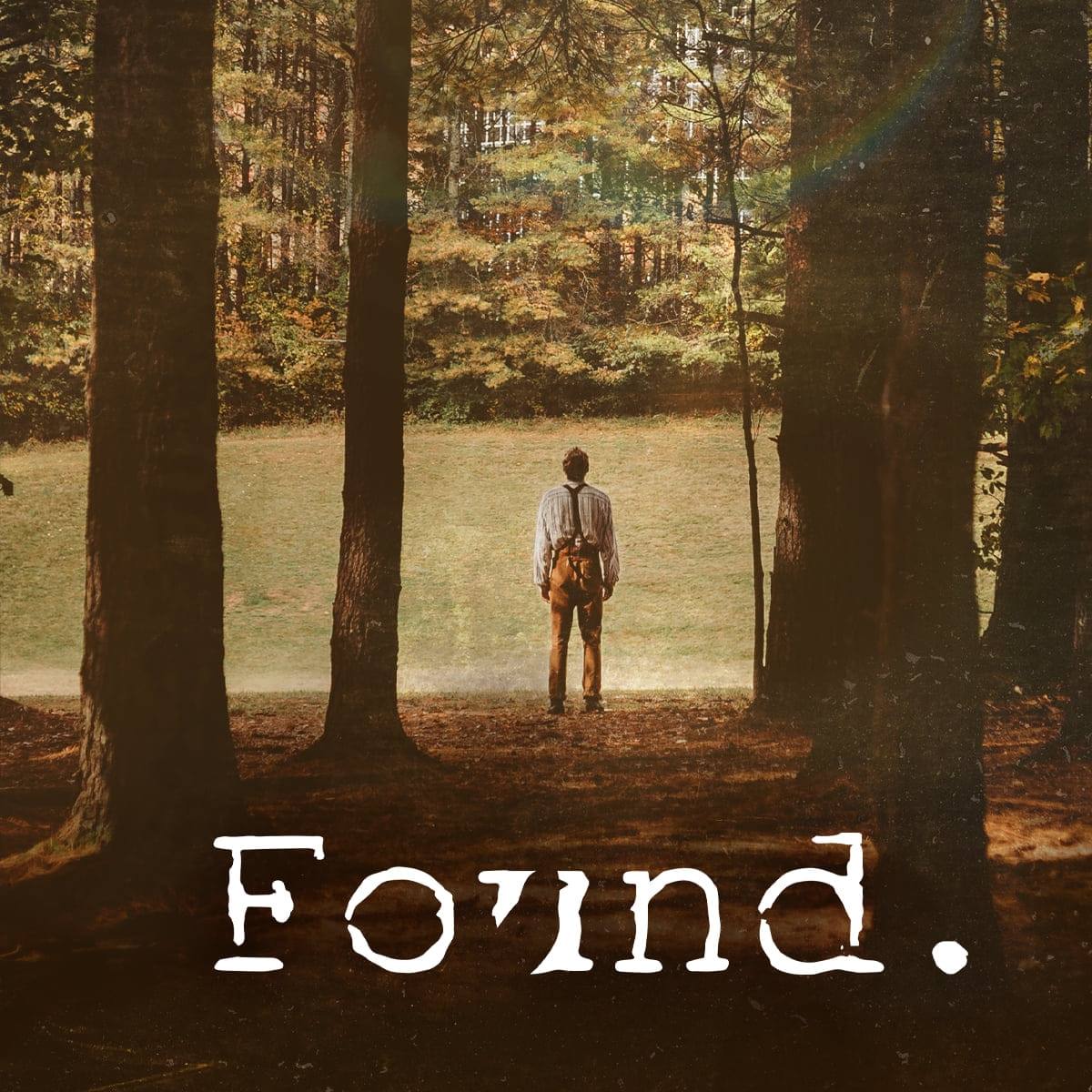
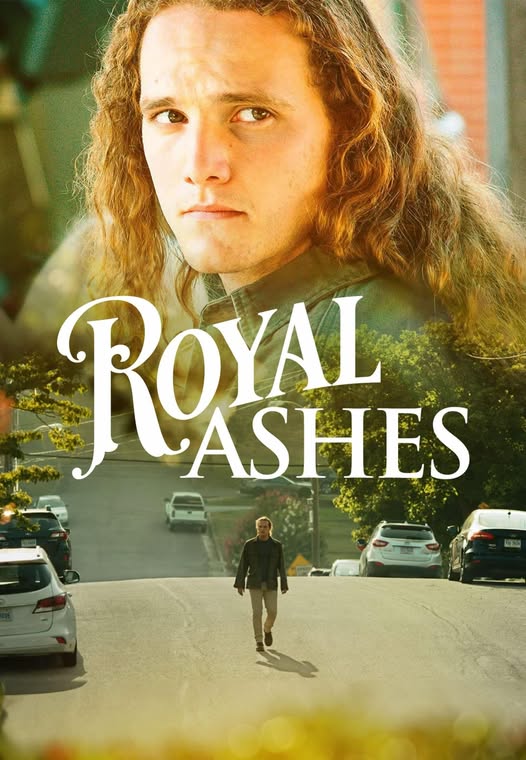
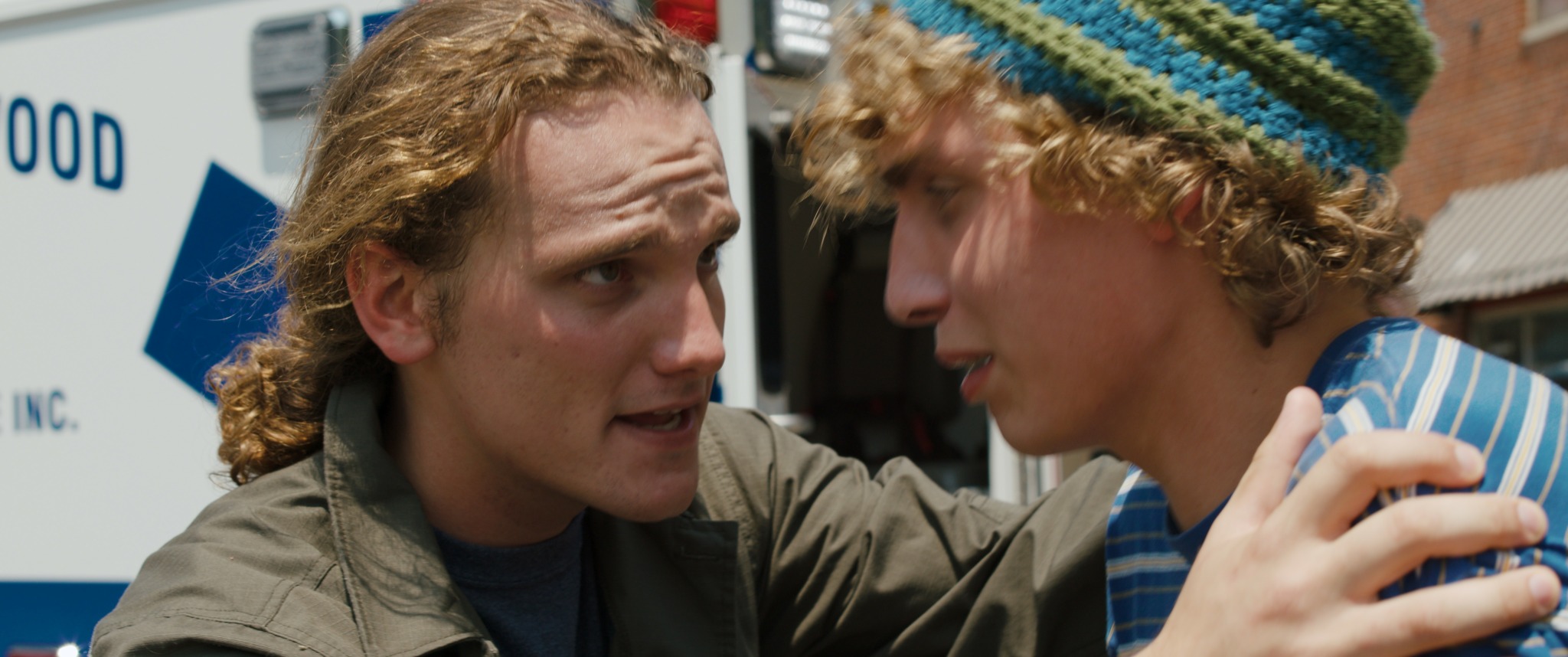
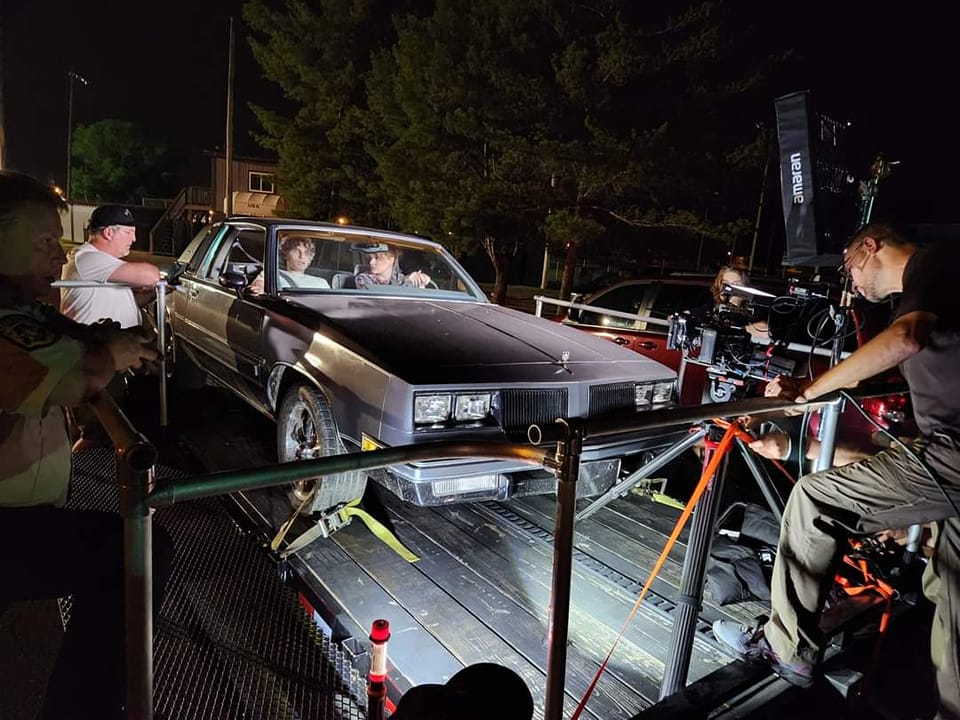
It was not until my fifties, after having a family, a lengthy career as a theatre actor and radio personality, that I came back around and finally took a shot at filmmaking. I had written a short film screenplay and produced “Cross Purposes”. A short film that was shot with two cameras and a handful of theater actors who had never performed on camera, so it was a steep learning curve for us all. We basically ran stage scenes in front of the cameras and recorded both actors simultaneously. Then we went back and edited the best takes. The hardest part of that experience for me was adjusting from what I was seeing in the room to what the camera was picking up. With my next project, a feature-length film entitled “Found.” I was reusing many of the same actors, and we were starting to get a feel for working with a camera. As a director, I also started playing around more with camera movement and depth of field in a way I hadn’t before. However, it was 2020, and the shoot was a frantic push to complete the film before the pandemic shut us down. We shot the entire film in sixteen days. Every day, we wondered if someone on set was going to get sick, and we would have to stop production. That pace didn’t allow us to explore much. Thankfully, that was an amazing cast and crew of simply delightful people, so we had a great time together despite the hardships. “Royal Ashes” was shot under much better circumstances. We had more time to plan out every shot and try different angles. As a director, I felt a lot more confident and free in that process than ever before.
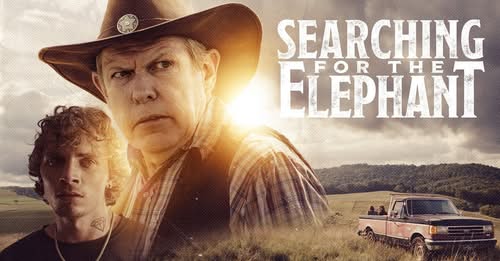
I am often asked which part of filmmaking I enjoy most, and I always answer quickly with the writing. Writing is definitely where I feel the most competent. I’ve been writing scripts and books since I was a teenager. That is where I’m the most at ease. I’ve been directing theatre for about twenty-five years but film for only five. Although there are shared skills, particularly working with actors, I’m still getting a feel for film directing. I believe all good stories start with great characters. I try to construct dynamic characters with virtues and flaws that audiences and readers will immediately identify. Then I metaphorically lock them in a room together to see what happens. As an actor, I simply act out in my mind what is said between them. Writing a scene often becomes like taking dictation of this process. Sometimes it’s great, and sometimes it goes nowhere, and I have to start again. “Searching for the Elephant” was a prime and simple example of this. I took a troubled young man in trouble with the law and forced him to spend house arrest with his grandfather, a grumpy hermit with a troubled passed. Both men had pushed everyone who cared about them out of their lives, but now they were forced to face each other. The two choices are to become a family or kill one another. The amusing and touching results compose the story you see on film.
For me, being a Christian filmmaker means the stories I tell originate from a Christian worldview. I do believe there is right and wrong in how we conduct ourselves and that those choices have consequences both good and bad. That there is a God, Jesus is His son, and they are a part of our everyday lives. Therefore, my stories are going to unapologetically reflect that point of view. I try to write stories that everyone can relate to, despite their religious background, and I attempt to give my characters real struggles and sometimes real solutions that most viewers can find believable or at least identifiable. It’s important for me to label my films as “faith-based” or “Christian” films even though it limits viewership, so that people don’t feel tricked into being caught up in my theology when they hear the Christian content. I’m not trying to trap anyone into my beliefs. I’m simply expressing what I have found to be true, having spent 57 years on this planet. I wish my work didn’t have to be delineated like that, but in the current cultural trend of specifically labeling everyone, it’s my way of trying to keep the peace.
Is there a particular goal or mission driving your creative journey?
It is critical to me to create stories that resonate honestly with audiences. Directing a play is pure humanity. It is sitting down all alone in a quiet place with a script a breaking it apart to see what’s inside. Then you get together with other artists to see what they have discovered, and you put it all together. Once you think you’ve tapped into all the greatness that you can, you put it in front of an audience and let the magic happen. As a director, at that point, your job is done. Film is a different beast. It starts off the same way, breaking down a script to see what’s inside, but that’s where everything changes. On stage, you present your audience with a panorama and then try to guide their eyes to a point where the action is occurring. Ultimately, the audience will experience what they wish in the course of the play. With a camera, it’s like taking an audience member by the hand and walking them around on stage, pointing at the exact spot and the exact angle you want them to see. They have no choice but to look at what you direct. As a film director, you try so hard not to interfere with the story so that the experience feels organic to the viewer, but you have ultimate control over every detail of the experience, and the temptation to become emotionally manipulative is a constant struggle. It is a fine tightrope that I’m still learning to walk. I want to create stories that honestly tap into the human condition so that there is no need or desire for manipulation.
What do you find most rewarding about being a creative?
There has certainly been an unintentionally consistent theme of a young man “coming of age” in my films so far. Partly because I enjoy exploring a world through the eyes of a character who is seeing it for the first time. It is present and now. And partly because that’s where my internal demons are sheltered. Those teenage years were the hardest for me personally, so that’s where I go for difficult moments. And that is what artists do, isn’t it? We rummage through our hurts and pains searching for meaning in them. We process our experiences through our stories with the hope that others will see something there that they recognize in themselves. The trick to making good art is finding those moments and relaying them in an open enough way that audiences can put their own experiences into those moments and process their pains and joys as well. When that happens, there is a palpable atmosphere in the movie theatre that makes all of the work and sleepless nights hammering out details worthwhile.
Contact Info:
- Website: www.crosspurposes.productions
- Instagram: crosspurposespro
- Facebook: cross purposes productions
- Youtube: cross purposes productions