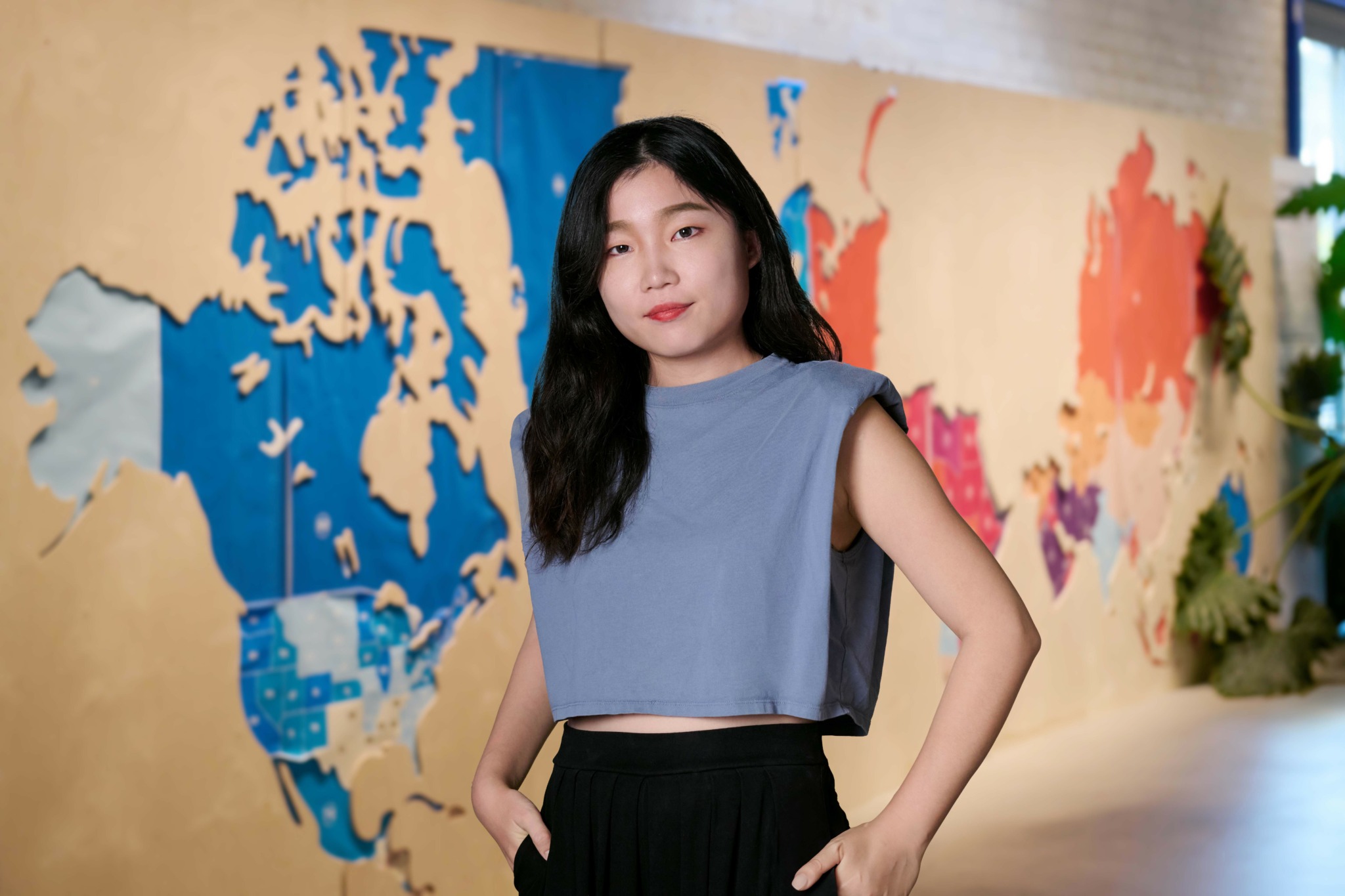

Alright – so today we’ve got the honor of introducing you to Daria Yang Du. We think you’ll enjoy our conversation, we’ve shared it below.
Daria Yang, looking forward to hearing all of your stories today. What’s been the most meaningful project you’ve worked on?
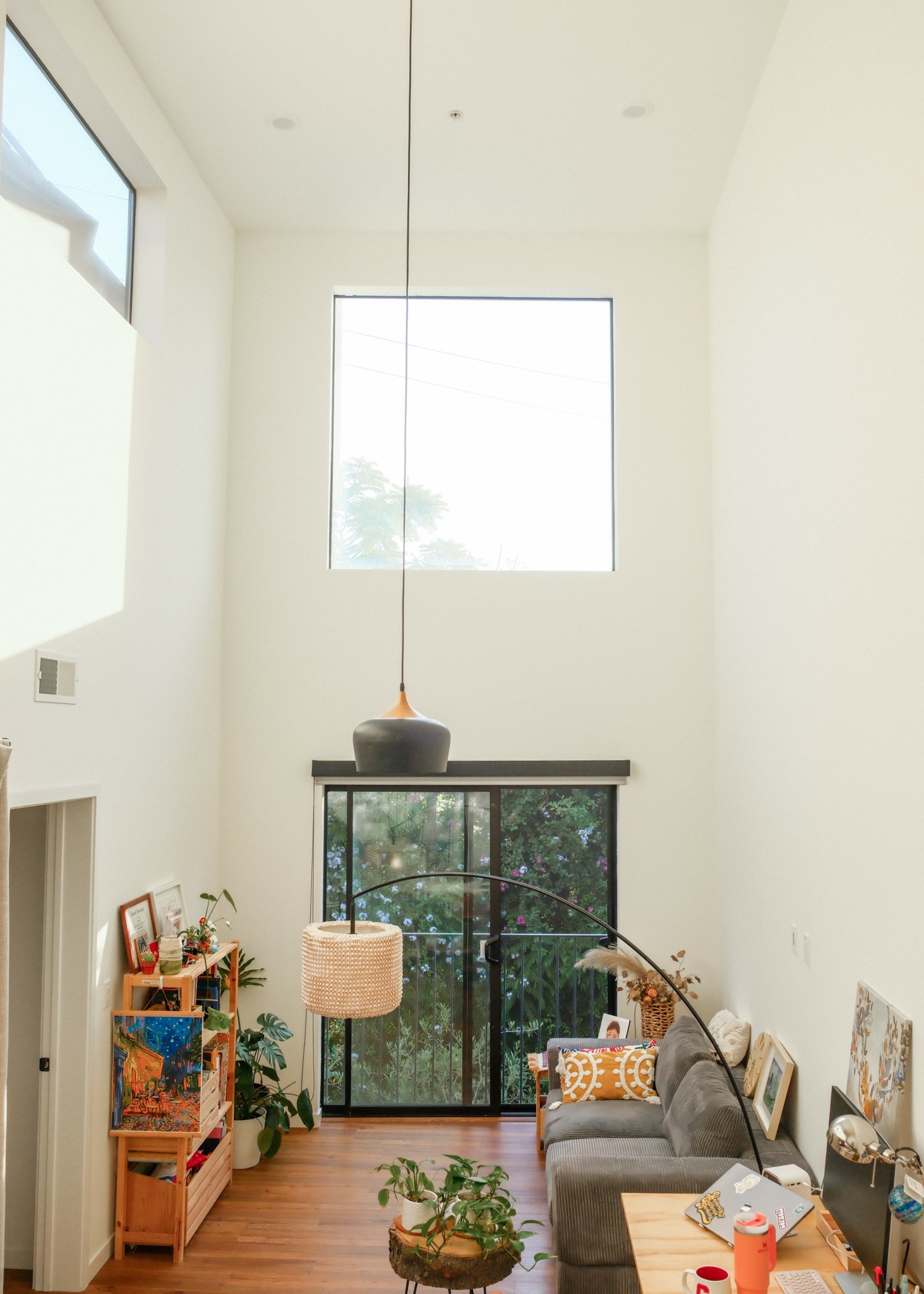
Definitely—Wilton House holds a very special place in my heart. Completed in 2025, it’s a compact, affordable modern loft located between Koreatown and Hancock Park in Los Angeles. What makes it so meaningful is that it’s not only my first fully realized built interior project, but also my personal home and the birthplace of my independent practice, DD Studio. It functions both as a living space and as my creative studio.
The unit has a beautiful double-height volume and is filled with natural light, which I enhanced through warm wood flooring and a restrained palette of white and natural textures inspired by Scandinavian simplicity. I was working with a very tight budget—under $1,500—so nearly all furnishings were sourced from IKEA, Wayfair, TJ Maxx, and Home Depot. One key feature is the oversized work desk I built myself, using IKEA legs and a custom-cut top—it’s tailored specifically to my creative needs and serves as the heart of the studio.
To me, Wilton House is more than a project; it’s a physical reflection of my values—design that is personal, poetic, and practical. It’s also a case study in accessible, self-initiated interior design for solo female living, and the foundation on which DD Studio continues to grow.
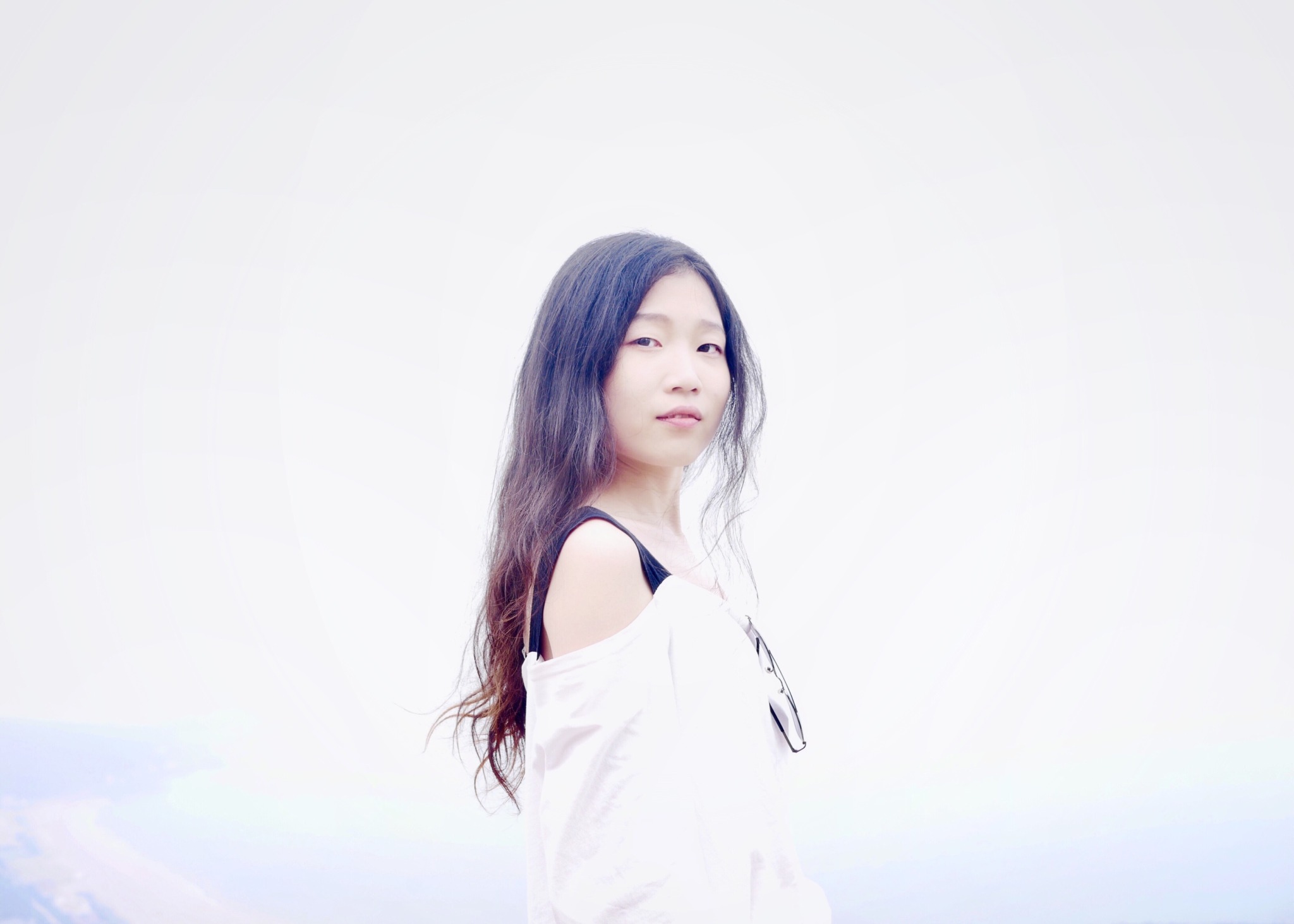
Great, appreciate you sharing that with us. Before we ask you to share more of your insights, can you take a moment to introduce yourself and how you got to where you are today to our readers.
My journey into design began when I was a child, mesmerized by a 48-hour home makeover TV show that transformed everyday spaces into something entirely new. That early fascination stayed with me. I didn’t start my academic path in architecture, but eventually transferred into the field, determined to explore how space could shape emotion, memory, and daily life.
Today, my work centers on interior architecture and small-scale spatial transformations, with a strong focus on atmosphere, narrative, and human experience. I’m drawn to how design can quietly yet profoundly affect the way people live, move, and feel. Rather than imposing aesthetics, I aim to create spaces that grow out of context, ritual, and emotional need—projects that feel lived, not staged.
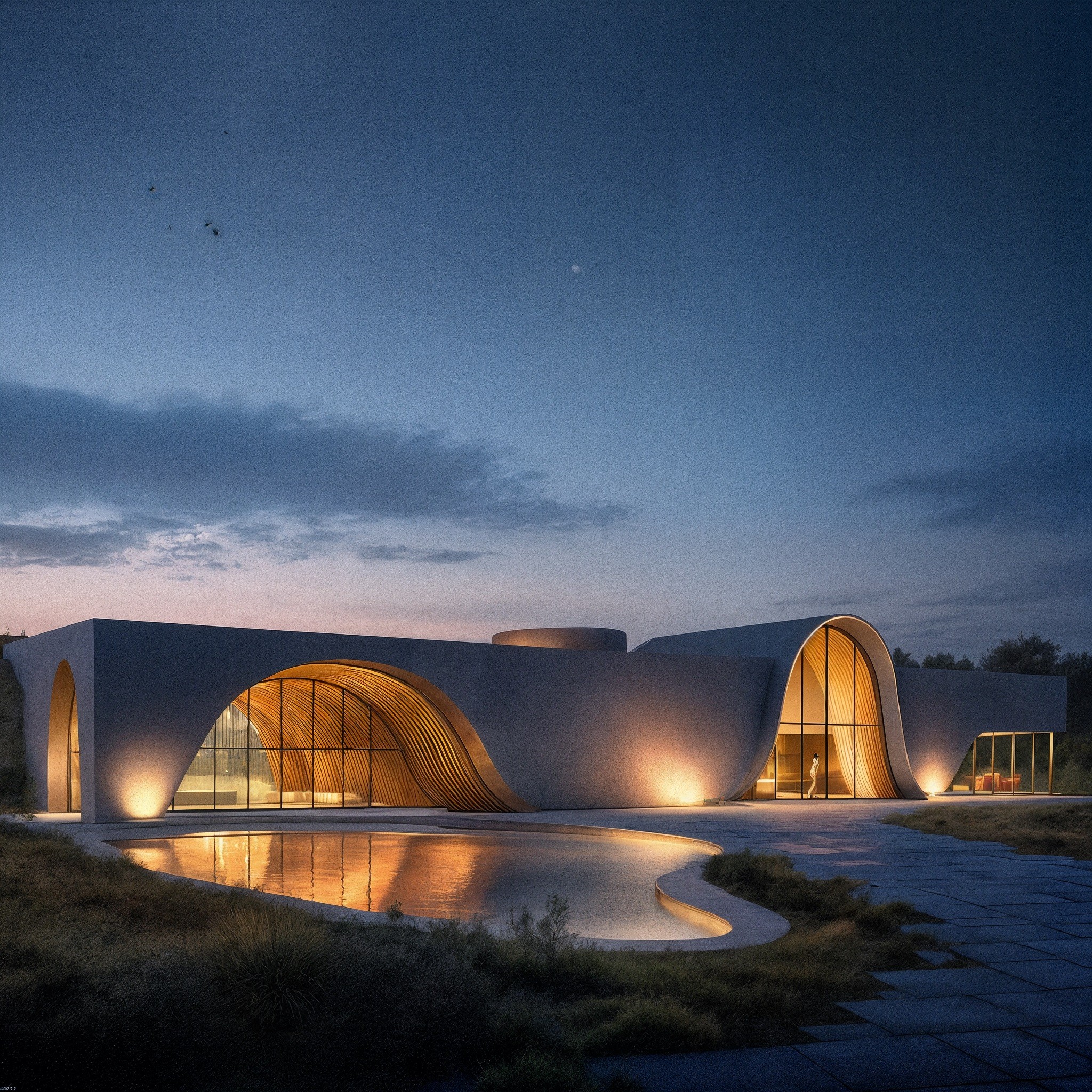
What sets me apart is this commitment to subtlety and meaning. Whether reimagining a compact loft or curating a site-specific installation, I work across disciplines to blend architecture, art, and storytelling. My work has been recognized internationally through awards including the London Design Awards (Platinum), French Design Awards (Platinum), MUSE Design Awards, as well as finalist recognition in competitions like YAC’s Pilgrims Heaven and TerraViva’s Lighthouse Hotel. My recent project ARTS: Deconstructive Utopia was also selected for the UTOPIA × A’ Design 40×40 international exhibition and will be shown in New York.
I’m proud that these projects speak not only through visuals, but through quiet transformation. I hope that anyone who encounters my work—whether walking through a built space, seeing a drawing, or visiting an exhibition—feels a sense of presence, reflection, and possibility. For me, design is not about making a statement. It’s about creating spaces that listen.
How can we best help foster a strong, supportive environment for artists and creatives?
I believe the best way society can support artists and creatives is by valuing process as much as outcome—by investing in time, space, and trust. Creativity doesn’t thrive under pressure to produce instantly consumable results. It needs room to unfold, evolve, and sometimes fail. Whether through affordable housing, artist residencies, public commissions, or just more inclusive platforms, we need systems that understand art as public infrastructure, not luxury.
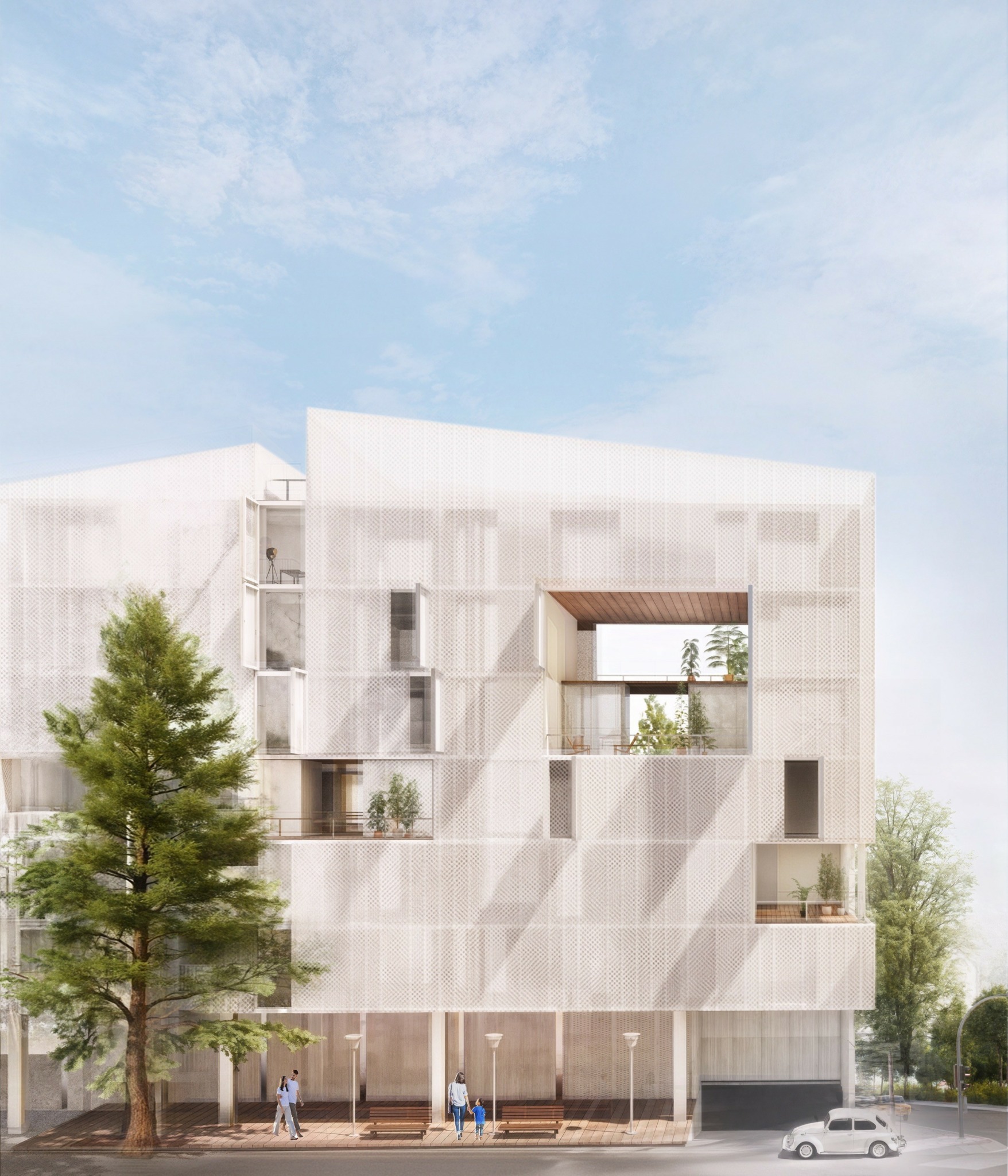
One project that embodies this philosophy for me is a platform I helped design focused on post-wildfire recovery and rebuilding in Los Angeles. In collaboration with RIOS, we created a Wildfire Recovery Resource Network—a speculative yet actionable proposal for a digital and physical toolkit to help displaced families navigate recovery. It included modular shelter typologies, community resource mapping, and culturally sensitive rebuilding strategies.
The project taught me that design can—and should—operate as a form of social care. Artists and designers have the tools to visualize futures, to hold complexity, and to respond to crisis with empathy and imagination. But for us to keep doing that, we need public and institutional ecosystems that see creative work not just as decorative, but as fundamentally civic.
Ultimately, supporting artists means supporting the conditions under which thoughtful, critical, and generous work can emerge—even (and especially) when it challenges the status quo.
What do you find most rewarding about being a creative?
For me, the most rewarding aspect of being an artist and designer is the ability to turn intangible emotions and ideas into physical, inhabitable realities. There’s something incredibly powerful about seeing a drawing, a memory, or even a quiet feeling materialize into a space that others can experience, move through, or find comfort in.
It’s not just about making something beautiful—it’s about creating something that resonates, that holds meaning for someone else. When a person tells me, “This space feels like me,” or when I see someone interact with a design in a way I never predicted, that’s when I know the work has done its job.
At its best, creative work becomes a bridge—between people and place, between vision and reality, and sometimes even between past and future. That sense of connection—of making something that truly matters—is what keeps me going.
Contact Info:
- Website: https://dariayyy.com/
- Instagram: dumiemiedy
- Linkedin: https://www.linkedin.com/in/daria-yang-du-a5228716a/