

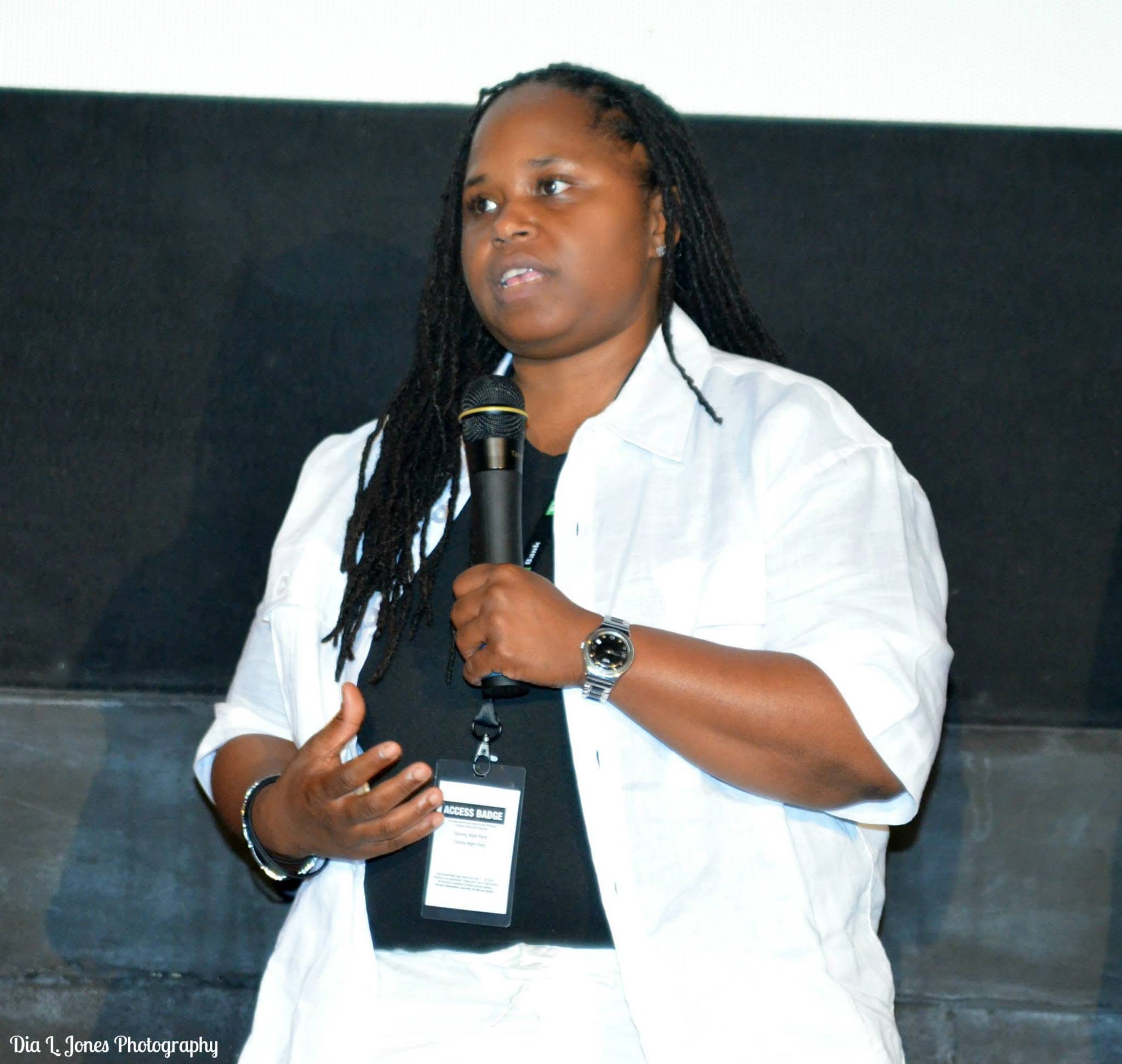

We’re excited to introduce you to the always interesting and insightful Dannie Erwin. We hope you’ll enjoy our conversation with Dannie below.
Dannie, looking forward to hearing all of your stories today. When did you first know you wanted to pursue a creative/artistic path professionally?
I knew I wanted to pursue a creative path at ten years old, sitting in front of the television watching The Cosby Show.
Now let me be clear, my family dynamic was not the Huxtables. I grew up in a low-income, single-parent household of three. We didn’t have the brownstone. We didn’t have the degrees on the wall. But what we did have was connection, personality, laughter, and love. And somehow, when I watched that show, I saw pieces of my own life reflected back at me.
The Huxtables loved each other out loud. They enjoyed being around one another. That felt familiar. Clair had the attitude, the style, the spunk. She reminded me of the women in my neighborhood who carried themselves with strength and confidence no matter what. Rudy? I was convinced she could’ve been one of the girls I played with after school, running through the neighborhood in the summer. And you couldn’t tell me Theo wasn’t my brother, especially since my friends had crushes on my actual brother because he favored Malcolm-Jamal Warner.
There was something powerful about seeing a family on television that felt aspirational but still recognizable. It didn’t feel foreign. It felt possible.
Then my mother told me that Bill Cosby was from Philadelphia, like me. That small detail shifted something in me. Suddenly, this world on television wasn’t just entertainment. It was proximity. It was geography. It was, “Wait… someone from where I’m from can do this?” That’s when the curiosity kicked in.
I didn’t just want to watch the show anymore. I wanted to understand it. I wanted to know how they were on set. How episodes were made. What happened behind the scenes. How stories were written and brought to life. I was fascinated by the creation of it all, the rhythm, the characters, the audience laughter, the magic of it.
At ten years old, I didn’t have the language for “creative direction” or “production” or “storytelling.” I just knew I wanted to be part of something that made people feel seen the way I felt seen sitting on that couch.
That was the moment. That was the spark. And I’ve been chasing that feeling of representation, connection, and creative impact ever since.
As always, we appreciate you sharing your insights and we’ve got a few more questions for you, but before we get to all of that can you take a minute to introduce yourself and give our readers some of your back background and context?
I’m Dannie Erwin, an indie director, producer, writer, and storyteller from Philadelphia. But before the titles, I’m a little girl who always knew she wanted to leave her mark somewhere in entertainment, I just didn’t know how.
I grew up creating before I had language for it. I acted and danced in school plays. In high school, I reported the morning news and became the lead videographer for the Ms. Germantown pageant. And at every family function, I was the one with the camera glued to my hand. Being behind the lens felt natural. It felt powerful. It felt like I was capturing something that mattered.
The filmmaking bug bit me hard in my early twenties. I wrote my first short film, Playin’ The Field, about a college football player coming out to his friends before entering the NFL draft. I didn’t realize at the time how bold that was, I just knew I wanted to tell stories that weren’t being told.
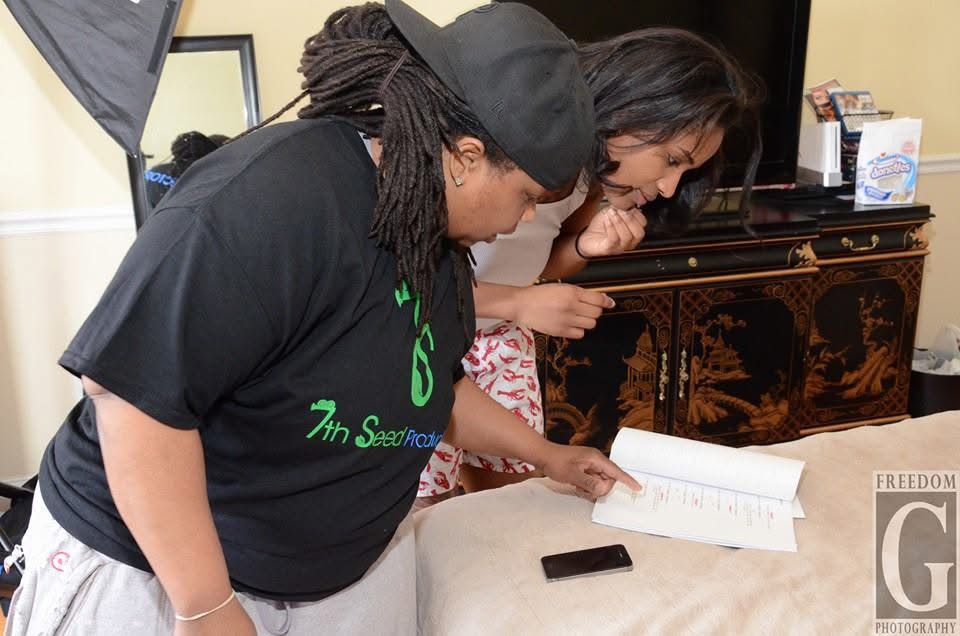
In 2011, I launched 7th Seed Productions, my independent production company, because I wanted ownership of my vision. I wanted to create meaningful, unbiased media that centered LGBTQ+ experiences and reflected our humanity with nuance. Under 7th Seed, I’ve written, directed, and produced five short films and one web series, along with directing two music videos: “My Shine” by Diva Dollz & Company and “Never Meant 2 Hurt U” by Kin4life.
But my most meaningful project to date is my 2014 web series, Crazy Sexy Cool the Series. It followed the lives of five lesbian women in Philadelphia and explored themes that every community understands, mental health, domestic violence, friendship, heartbreak, addiction, and chosen family. That project wasn’t just content, it was representation. It was therapy for some. It was visibility for others, and it affirmed for me that storytelling can be both creative and communal.
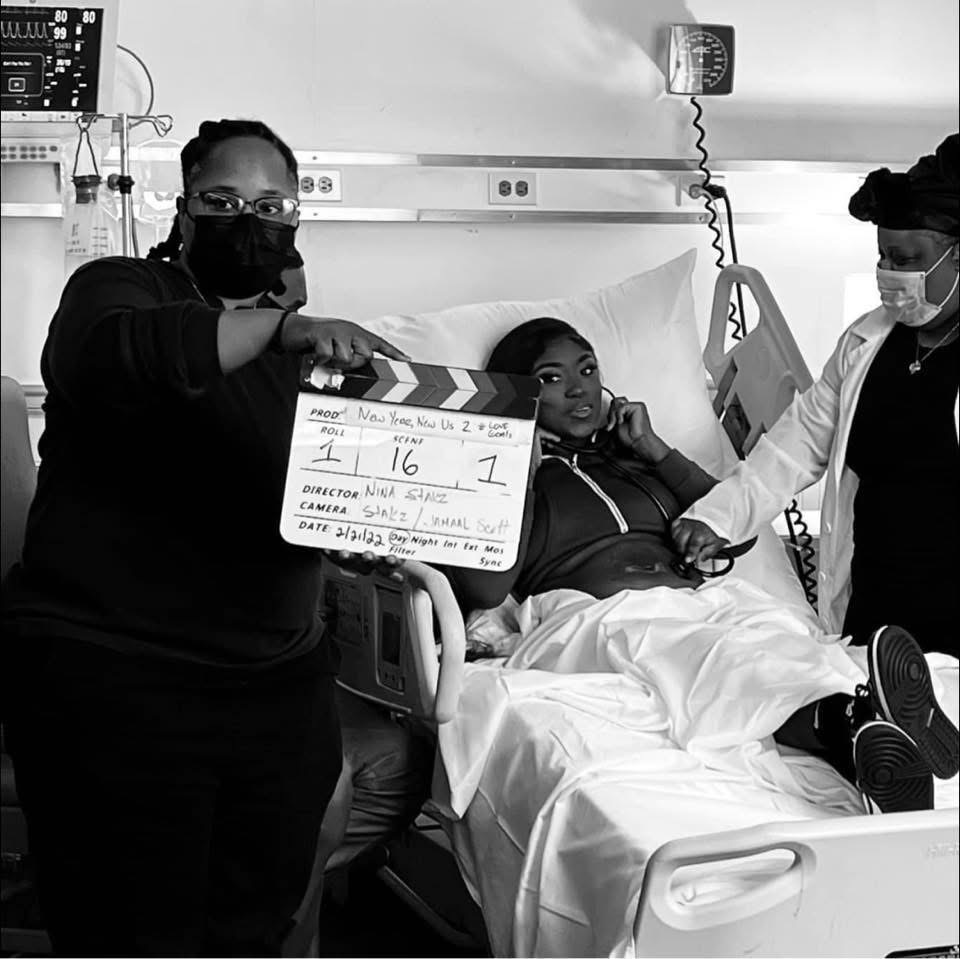
In 2018, I relocated to Georgia to expand my reach and deepen my craft. I planted my seed in Atlanta by being the assistant director of two films directed by Nina Stakz, The Aftermath (2020) and New Year New Us 2 (2023). Later I helped produce The Vigilante Chronicles, filmed in my hometown of Philadelphia and released in 2019. Even while building in a new city, I remained grounded in my roots.
What sets me apart is that I don’t just create stories, I create mirrors. I’m deeply interested in emotional truth. I want audiences to see themselves. I want them to feel understood. I want them to walk away thinking, “That felt real.” I also approach my work with both heart and discipline. I understand story structure. I understand production. But I also understand people and that matters when you’re leading a set or shaping characters who represent real communities.
Since moving to Atlanta, I haven’t yet filmed a project I’ve written, but that chapter is closing. I’m currently developing a sitcom loosely inspired by my experiences working in the nonprofit world with children. It blends humor, heart, advocacy, and it’s deeply personal to me. We’re preparing to film the proof of concept later this year, and I couldn’t be more excited.
What I’m most proud of is this: I’ve never waited for permission to create. I built my own table. I told the stories I didn’t see. And I continue to evolve without abandoning the mission.
For potential collaborators, supporters, and viewers, I want you to know this, my brand is rooted in authenticity. I create work that is intentional, culturally aware, emotionally honest, and future focused. Whether it’s a web series, a short film, a music video, or a sitcom in development, my goal remains the same:
Tell stories that matter, tell them well, and leave something meaningful behind.
In your view, what can society to do to best support artists, creatives and a thriving creative ecosystem?
In my view, if society truly wants to support artists and creatives, we have to start by respecting creativity as labor, not a hobby.
Too often, artists are celebrated publicly but unsupported privately. People love the finished film, the music video, the series, the photography, but they don’t always want to invest in the process, the development, the rehearsals, the rewrites, the failures that come before the final product. A thriving creative ecosystem requires patience, funding, infrastructure, and trust.
We also have to stop expecting artists to create from trauma alone. Yes, pain can inspire art, but creatives deserve stability too. They deserve access to grants, affordable studio space, fair contracts, health insurance, and professional development just like any other industry. When artists are secure, their work expands.
Another important shift is representation behind the scenes, not just in front of the camera. Support Black writers, queer directors, women producers, independent creators. Not as trends, but as long-term investments. When diverse creatives are funded consistently, not temporarily, the ecosystem strengthens.
Communities can also support artists locally. Attend screenings. Share projects. Pay for tickets. Don’t always ask for free access. Word of mouth matters. So does showing up in person. Art grows where it’s witnessed.
And finally, we need more intergenerational mentorship. Creatives shouldn’t have to figure everything out alone. There should be pathways, from youth programs to film sets to distribution rooms. That’s how sustainability is built.
A thriving creative ecosystem isn’t accidental. It’s cultivated. It requires structure, accountability, and belief in the value of storytelling as essential, not optional.
When society understands that art shapes culture, and culture shapes how we treat each other. Then supporting creatives won’t feel like charity. It will feel like preservation and progress.
For you, what’s the most rewarding aspect of being a creative?
The most rewarding aspect of being an artist is knowing that something that once lived only in my mind can now live in someone else’s heart. There’s something sacred about that.
When I create, whether it’s a short film, a web series, a music video, or even a proof of concept. I’m taking an idea, a feeling, sometimes a memory, and giving it structure. I’m shaping it. Nurturing it. Protecting it. And then I release it. Watching someone connect to it, seeing them laugh, cry, reflect, or feel seen that’s the reward.
It’s not the applause. It’s the recognition. It’s when someone says, “That felt real,” or “I’ve lived that,” or “I didn’t know how to explain that until I saw your story.” That moment reminds me why I started.
Another rewarding aspect is ownership. I built my own production company. I’ve written stories I didn’t see on screen. I’ve created space for voices that weren’t centered. There’s pride in knowing I didn’t wait for permission to tell meaningful stories.
But honestly, the deepest reward is growth, my own and others. As an artist, I evolve with every project. I learn discipline, patience, collaboration, humility. And through the work, I see communities reflected more fully and truthfully.
Art allows me to leave something behind that will outlive me. And that, to me, is legacy.
Contact Info:
- Instagram: @dannie_filmmaker
- Facebook: https://facebook.com/CrazySexyCooLTheseries
- Linkedin: https://www.linkedin.com/in/danielle-erwin-148a8246/
- Twitter: https://twitter.com/CrazySexyCoolTS
- Youtube: https://www.youtube.com/@CSCTheSeries
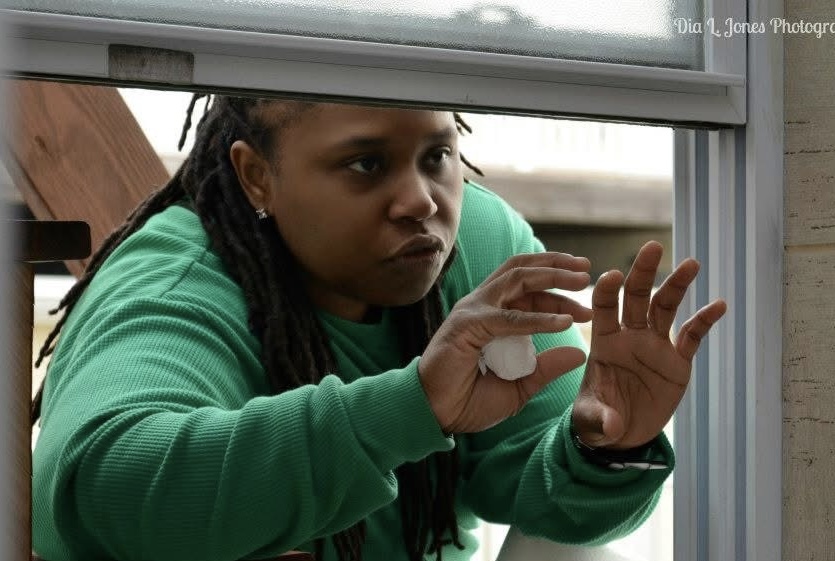
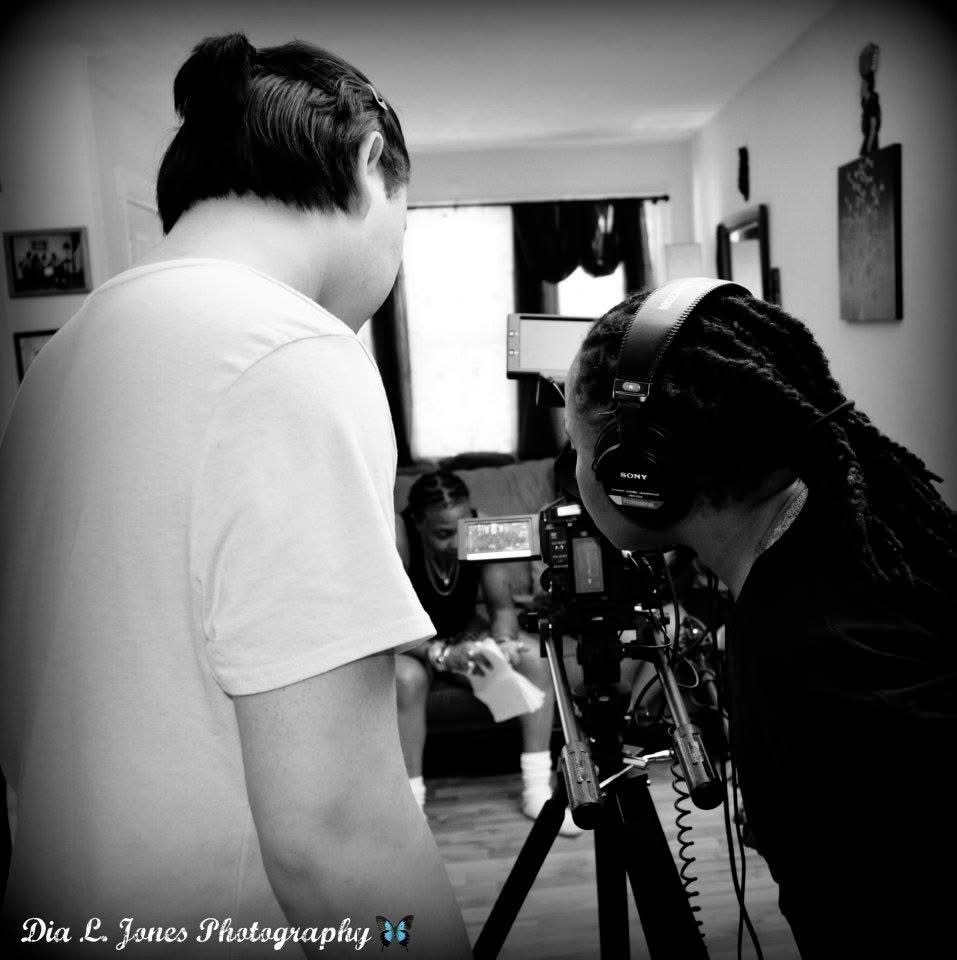
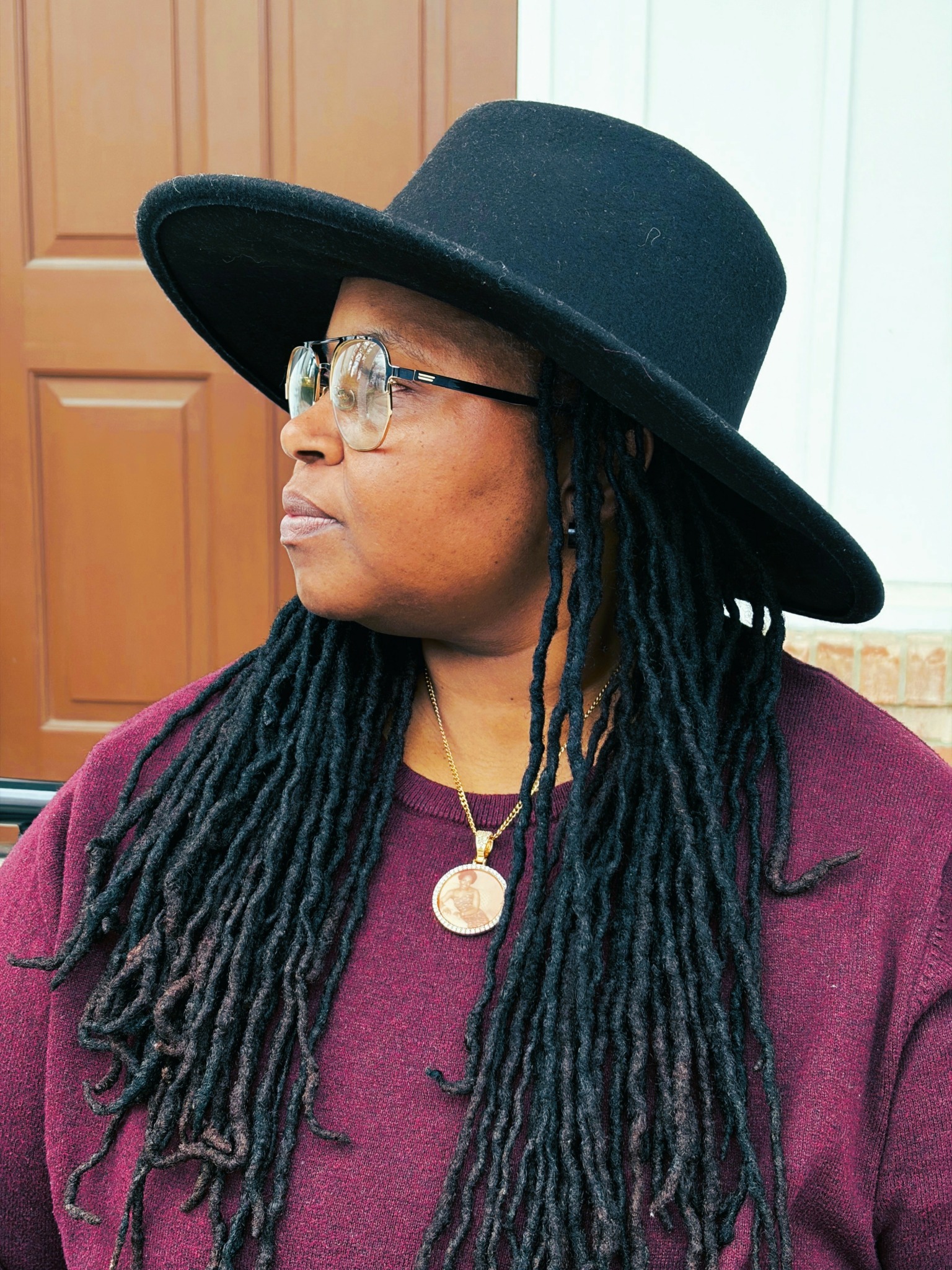
Image Credits
Tara Lessard (Freedom G Photography)
Dia L. Jones Photography