


We caught up with the brilliant and insightful Dana Lewis a few weeks ago and have shared our conversation below.
Dana , thanks for joining us, excited to have you contributing your stories and insights. Was there an experience or lesson you learned at a previous job that’s benefited your career afterwards?
The most important lesson that I had at a job came from when I was working at an outpatient mental health clinic a few years ago and I had a very insightful conversation with my clinical supervisor at the time who ended up being my mentor in the field of social work. During the conversation, I asked him: How did he become so proficient and so fluid as a clinician? He said to me in that moment that being in the position as a clinician is a role that you should never take for granted because you are handling people’s lives and because you are handling people’s lives make sure that you go all in and take seriously studying your craft. From that point on it developed within me a desire and a hunger to lean into studying my craft and getting very clear about my niche as a clinician. As I was going into studying, my why was that the information that I study will allow me to support individuals in their healing journey so that they can become the best venison of themselves.
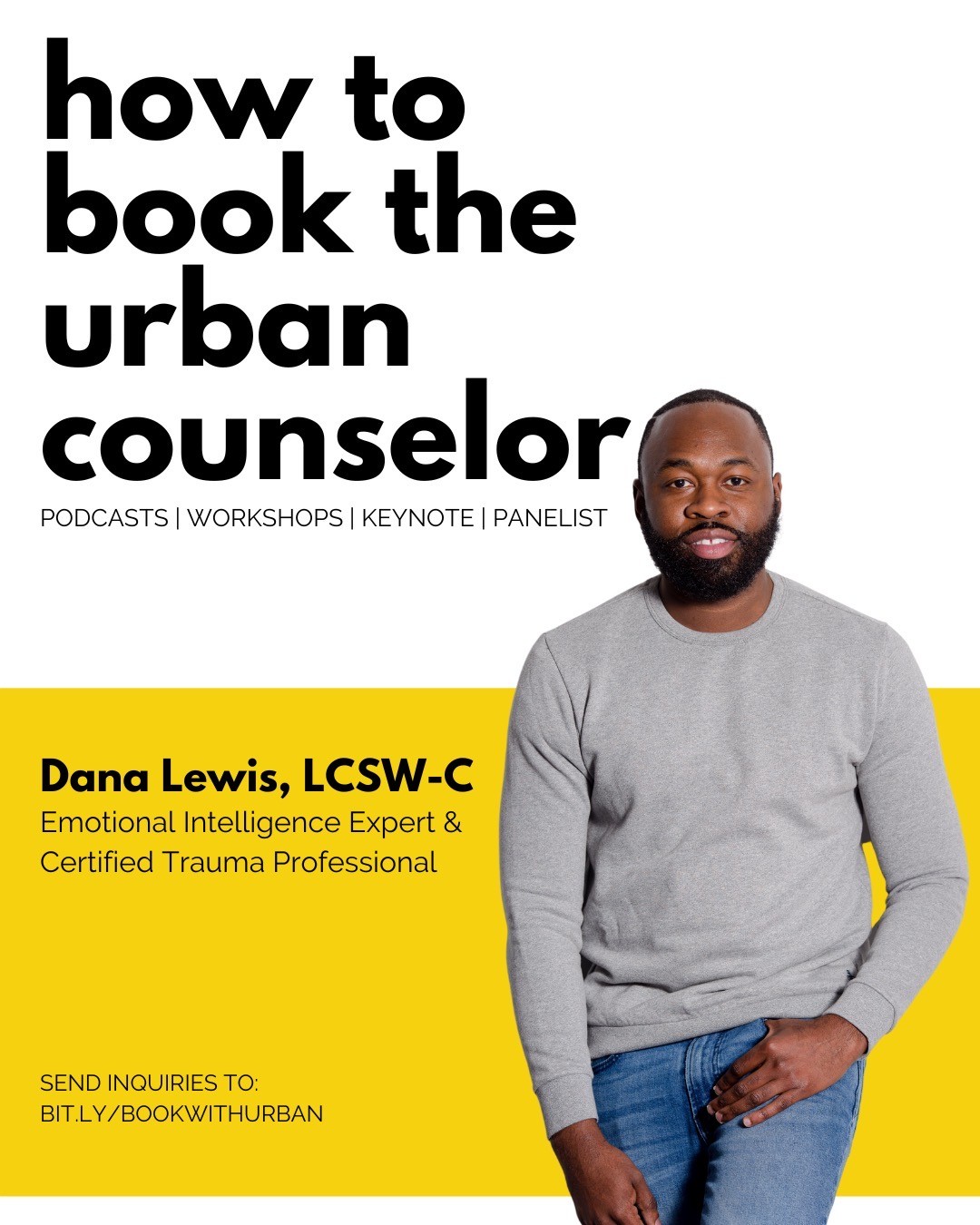
Dana , love having you share your insights with us. Before we ask you more questions, maybe you can take a moment to introduce yourself to our readers who might have missed our earlier conversations?
I was born and raised in Baltimore City along with my mother. Growing up in East Baltimore I must say was different as I saw things within my community that would get to me emotionally such as poverty, drug addiction etc. Seeing those things looking back shaped me into wanting to serve my community and help those in my community heal. In my senior year of high school, my first job was working with inner city middle school youth as a mentor through Johns Hopkins. In that role as a mentor, I was having conversations and listening to them talk about their day and some of the struggles they was experiencing in home and within the community. As we were having those conversations, I would offer support, encouragement and advice. As I was doing the job, I really felt good to be able to support the youth at time and I wanted to find out more on how I could expand on this when I graduate high school. So I went to my advisor at the time and I was asking him how could I pursue mentorship and supporting people going into college. My advisor said to me look to major into psychology. So he broke it down to me and I went into college majoring in psychology at Towson University. In undergrad majoring in psychology, I started wondering how can I expand on my degree once I graduate. That’s when I had a conversation with my father at the time who was doing his thing in the social work arena. I asked him to give me insight into what social work is about and he broke it down to me as far as the various areas I could serve in as a social worker and the impact I could make in my community as a social worker. From that conversation, I decided to pursue social work as my career and then I enrolled into the MSW program at Morgan State University and the rest is history. I have been a licensed social worker since 2014.
In August 2020, I opened up my group mental health practice Whole Life Center. The vision in opening up Whole Life Center was to provide a safe therapeutic environment where people felt seen, supported and was actually getting great services from therapy that would facilitate their healing journey. At Whole Life Center we don’t call those we work with clients, but we call them Cyclebreakers. Our mission at Whole Life Center is provide therapeutic services to first generation African Americans so that they can break generational curses and move into generational healing. At Whole Life Center, I specially work with black men and supporting black men in healing from trauma , depression and anxiety and navigating various dynamics that they experience as black men. I also work with couples as a certified couples counselor. Family is the backbone of our community, so as a couple’s counselor I work and support couples with navigating various dynamics that present itself within the relationship so that they can look to move forward in healing and restoration.
I would say what I’m most proud of is when I’m working with a black men and he is feeling safe within the therapeutic space to open up about his feelings and about himself. This makes me proud because society has created this unhealthy narrative for us as men that if we open up about our struggles, our feelings, our pain, our insecurities that we are seen as weak. So having a man breaking that stigma and opening up to me in therapy and when that man says he is opening up outside of therapy that makes my heart glad.
What I want my potential clients to know about my work as a clinician and Whole Life Center is that investing in your mental health is one of the greatest investments you could ever make. It is a great investment because our mental health is interconnected to so many things in our lives such as how we see ourselves, the decisions we make and the people we look to connect with in our life. When we have progressive and healthy mental health that is when we can experience life authentically and to the full.
What do you think helped you build your reputation within your market?
What I think has helped me to build a reputation within my market as a mental health clinician is through the services I provide to my clients in therapy and having good rapport with my fellow colleagues in the mental health field. As a clinician and business owner for the past three year, one of the things that I noticed is that clients do share about the experiences they have had coming into contact with my business and that is why it’s so important to make sure that the client experience here at Whole Life Center is intentional and on point.
As far as my rapport with my colleagues, being intentional in having great interactions with my colleagues and finding ways to collaborate and provide support to my colleagues has allow me to build connections and networks to help with expanding the work that I do within the mental health field.
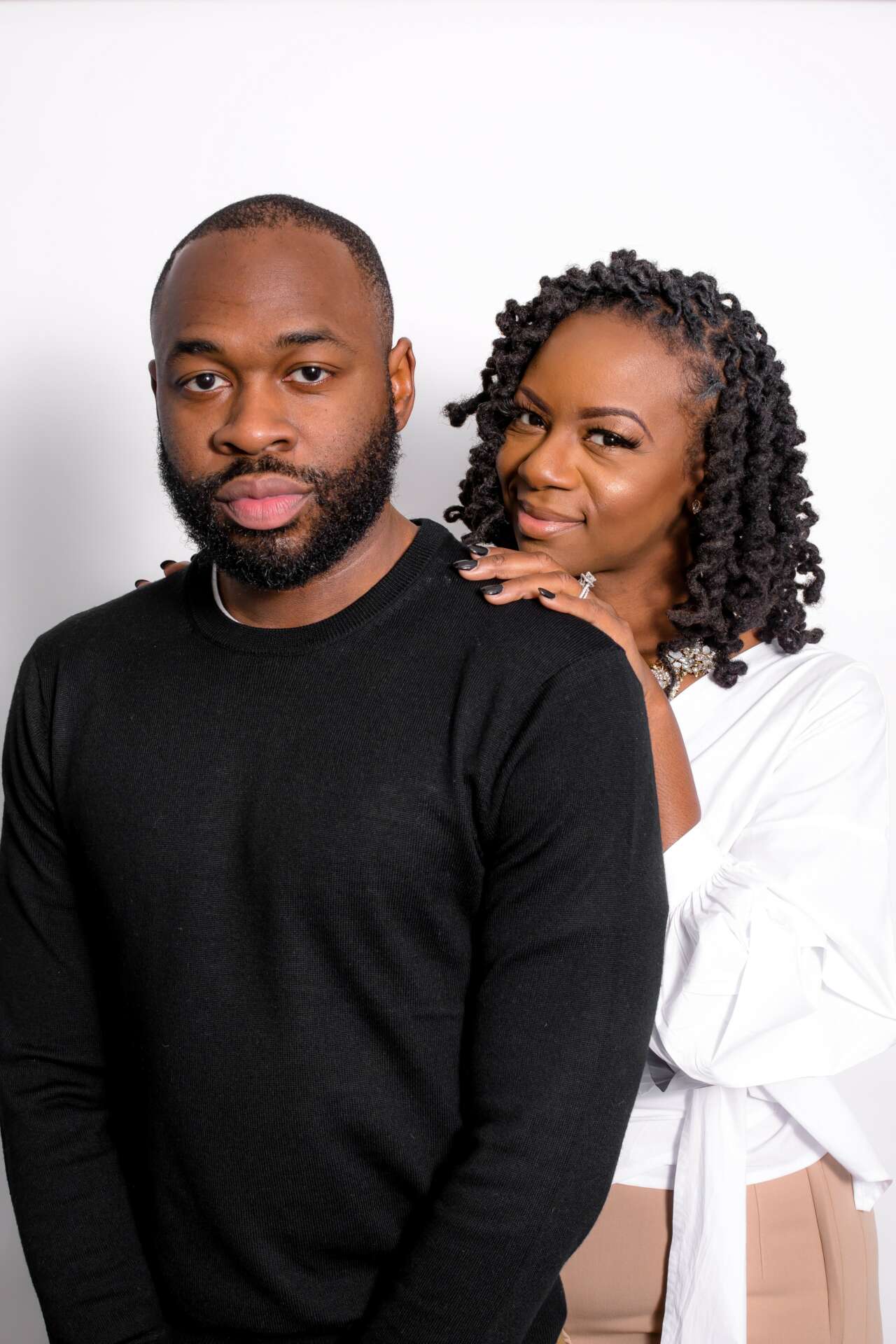
Training and knowledge matter of course, but beyond that what do you think matters most in terms of succeeding in your field?
Outside of training/knowledge, what I believe has been the most helpful in me succeeding in my field is having a heart to serve and be a light in peoples lives. People want to get help, but they want to get help from individuals that they feel who genuinely care, sees them and supports them.
Contact Info:
- Website: www.wholelifecenterservices.org
- Instagram: http://www.instagram.com/urban_counselor
- Facebook: Dana Lewis