

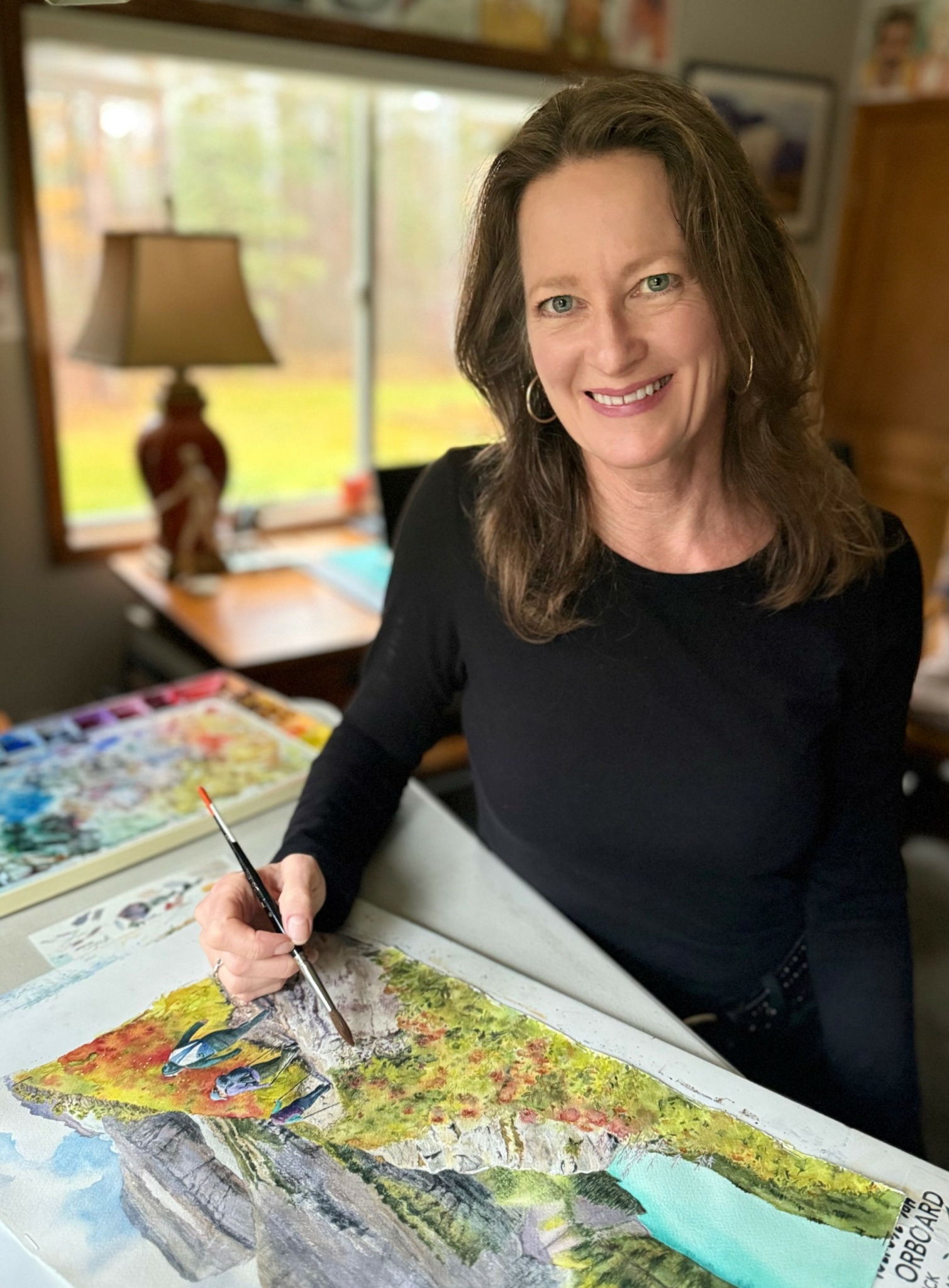

We recently connected with Cynthia Dearing and have shared our conversation below.
Cynthia, looking forward to hearing all of your stories today. How did you learn to do what you do? Knowing what you know now, what could you have done to speed up your learning process? What skills do you think were most essential? What obstacles stood in the way of learning more?
On a whim, I signed up for a 6-week course at the local community college that was one night a week for a couple of hours. Not a big commitment and easy to do. Once completed, I signed up for another 6- week course. During that class, I learned that there was a full semester of watercolor painting class at the college. I was hooked and signed up immediately. There was no going back.
The watercolor artists in the college course ranged from 20 to 80+ years old, men and women in all levels of their artistic journey. Their breadth of experience made it a very safe space to explore painting and learn techniques. During the 6 years of classes from Karen Leigh at the community college in Kalispell, I joined the Montana Watercolor Society (MTWS) and became a board member, thereby learning what it takes to submit a piece of art to a juried
art exhibit. Three years later I had earned my Signature Member status with MTWS by being juried into three of their shows, which meant I could sign my paintings with MTWS after my name. In short, that moniker acknowledged that my peers recognized my artistic accomplishments with distinction. What an honor it was to be admitted to such an elite group of painters.
Immersing myself in workshops, reading books, watching videos and experimenting with different paints, brushes, surfaces and subjects helped me learn how to paint with watercolors. In some ways, it was a slow learning process because, I work a full- time job as a real estate broker in the resort town of Whitefish, Montana but I also love to hike, backpack and cross country ski.
Perhaps that constraint on my time pushed me into not procrastinating. I had no time to wallow in fear of the white paper; instead, I had to put paint on paper and miles on my brush.
As always, we appreciate you sharing your insights and we’ve got a few more questions for you, but before we get to all of that can you take a minute to introduce yourself and give our readers some of your back background and context?
I did not grow up thinking that I wanted to be a visual artist, though I have always been a creative person. I have a BFA in dance. At 5 years old I started taking ballet lessons and continued taking dance through college. Shortly after graduation, I danced with a modern dance company for awhile in Seattle. Later in life, I volunteered at our local community theater, serving on the board, singing and dancing in musicals and acting in plays, painting sets and volunteering with the costume designer. I also choreographed for some of the musicals and taught a children’s class on how to audition for a play. My time at the theater brought me great joy. But my real estate career demanded more of my time forcing me to back away from the theater. Years later, I realized that my life lacked creativity. Without any previous training, I took watercolor classes at the local community college. While I have dabbled in acrylic painting, watercolor is my true passion and an art that will take a lifetime to learn. Watercolor is a fluid medium with a mind of its own, not to be conquered but only to be guided along its own way. I had to learn how to appreciate the “happy accidents.” I am proud of the fact that in only a few years I gained technique, recognition and artistic awards. I just had a burning desire to “get there” and did everything within my means to do it.
My website features my artwork where the public can sign up for my newsletter, get notified when a new painting is posted, buy original artwork or prints and read my blogs. My accolades include winning multiple awards in different art shows and museums, putting together a solo art show at a local art gallery, earning Signature Membership with the Montana Watercolor Society and being juried into the prestigious Sears Art Museum’s 49th Invitational Art Show in St. George, Utah.
While I focused on painting portraits for a couple of years (I painted over 60 portraits one year), my more recent paintings have been of local scenes, wildlife and landscapes from near where I live, in Glacier National Park and other public lands where I hike and backpack.
Because I want to grow as an artist, I paint regularly and take workshops from high profile watercolor artists who teach and paint in different styles than I do. In order to take my art to the next level, my current efforts go toward building my portfolio to approach more art galleries for representation and to enter more juried exhibitions across the west.
What do you find most rewarding about being a creative?
One of the most rewarding aspects of being an artist is the way I see the world in terms of possibilities, the interplay of light and shadow, patterns and color. Seeing the world through the eyes of an artist is appreciating beauty in seemingly obscure objects by slowing down. Not just looking, but really seeing and knowing a subject. I notice the sparkle of a dew drop on a leaf, the shadows that the sun throws on someone’s face, the textured bark of a tree. Another reward is that I have creative fulfillment through the way I am able to express myself through my art. Art offers me endless possibilities for self improvement, self discovery and connecting with people on a deeper level.
Let’s talk about resilience next – do you have a story you can share with us?
Absolutely! But first I need to tell you why I started my artistic journey. My sister in law is an artist in California. One summer when she was in MT visiting, she sat out on my swing, overlooking my garden and painting in watercolor. I sat with her and watched her painting come to life. The skill and process mesmerized me and I thought how fulfilling it must be to be able to bring something to life on a two dimensional surface. Then one day, I read the semi-annual flyer that came in the newspaper and saw a 6-week class for watercolor at the local community college. It was only one night a week for 3 hours. Checking online, I saw that there was only one spot left. I signed up. I thought, “This isn’t a big commitment. I can do this!”. So, without any previous art training and not even being very good at drawing stick figures, I went to the class . My first painting was a total failure. It was a painting of a cattail but it was unrecognizable. Despite that failure, I pursued my desire to learn the craft and felt my skills and technique improving over the last few years. I really feel that when you put your mind to something and aren’t afraid of failure, you are bound to grow, learn and have successes along the way. Every setback is a chance to learn and grow. Resilience in art-making is not just about finishing a piece of art; it’s about understanding that the process itself is valuable. As part of my self education process, I have read hundreds of art books and magazines, gone to art museums, taken dozens of workshops, watched hundreds of YouTube videos and joined a plein air painting group and a life drawing group, among other artful activities. We are what we surround ourselves with, therefore; I surround myself with art. Being an artist means not being afraid to fail, constantly pushing the boundaries of what’s possible, daring to explore uncharted territories, and not just thinking outside the box but reinventing it. My creative expression has been a huge gift in my life that I want to share, in hopes of inspiring, motivating or bringing joy to others.
Contact Info:
- Website: https://www.cynthiadearing.com/
- Instagram: https://www.instagram.com/cynthia.dearing/
- Linkedin: www.linkedin.com/in/cynthiadearing
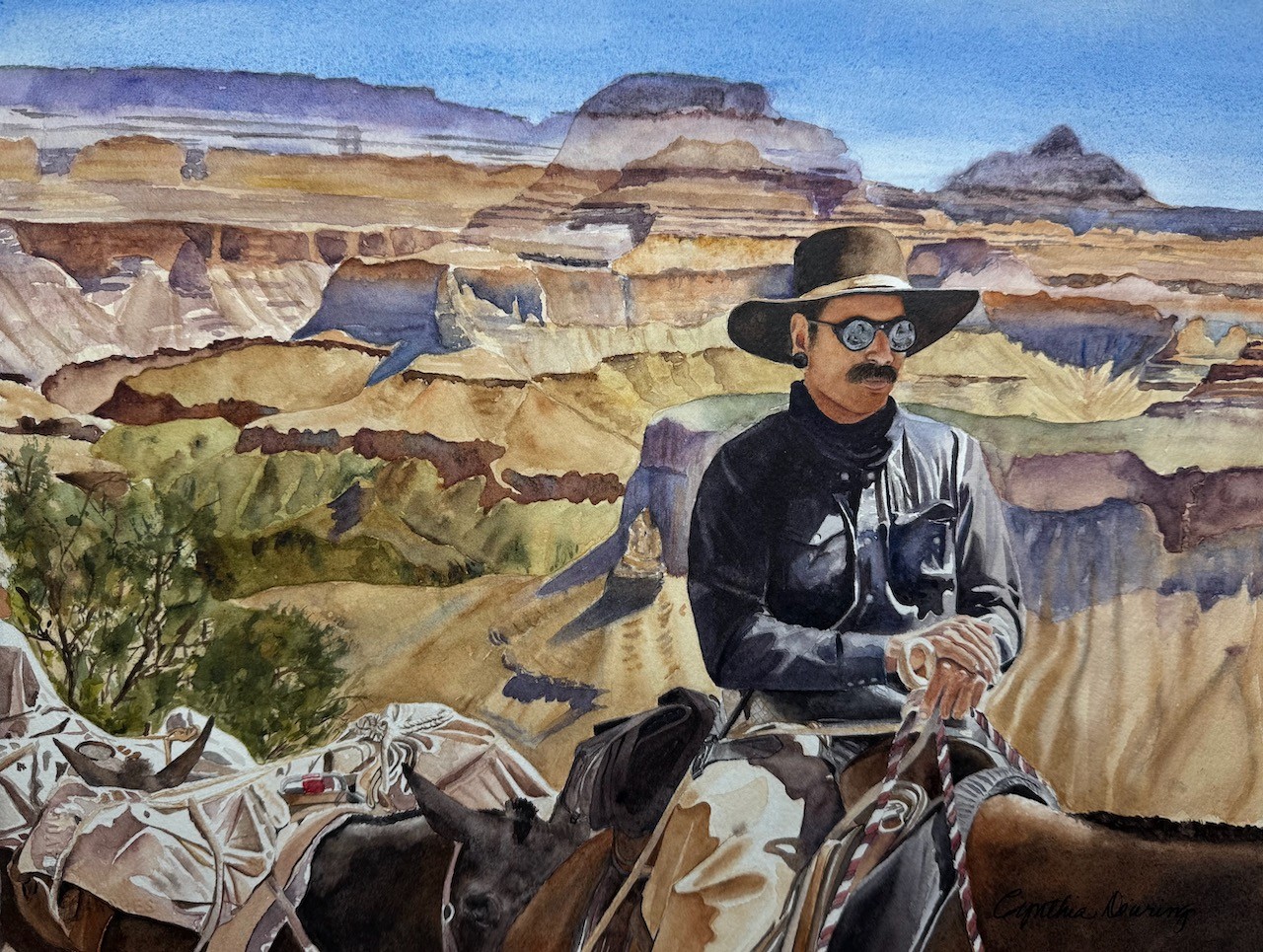
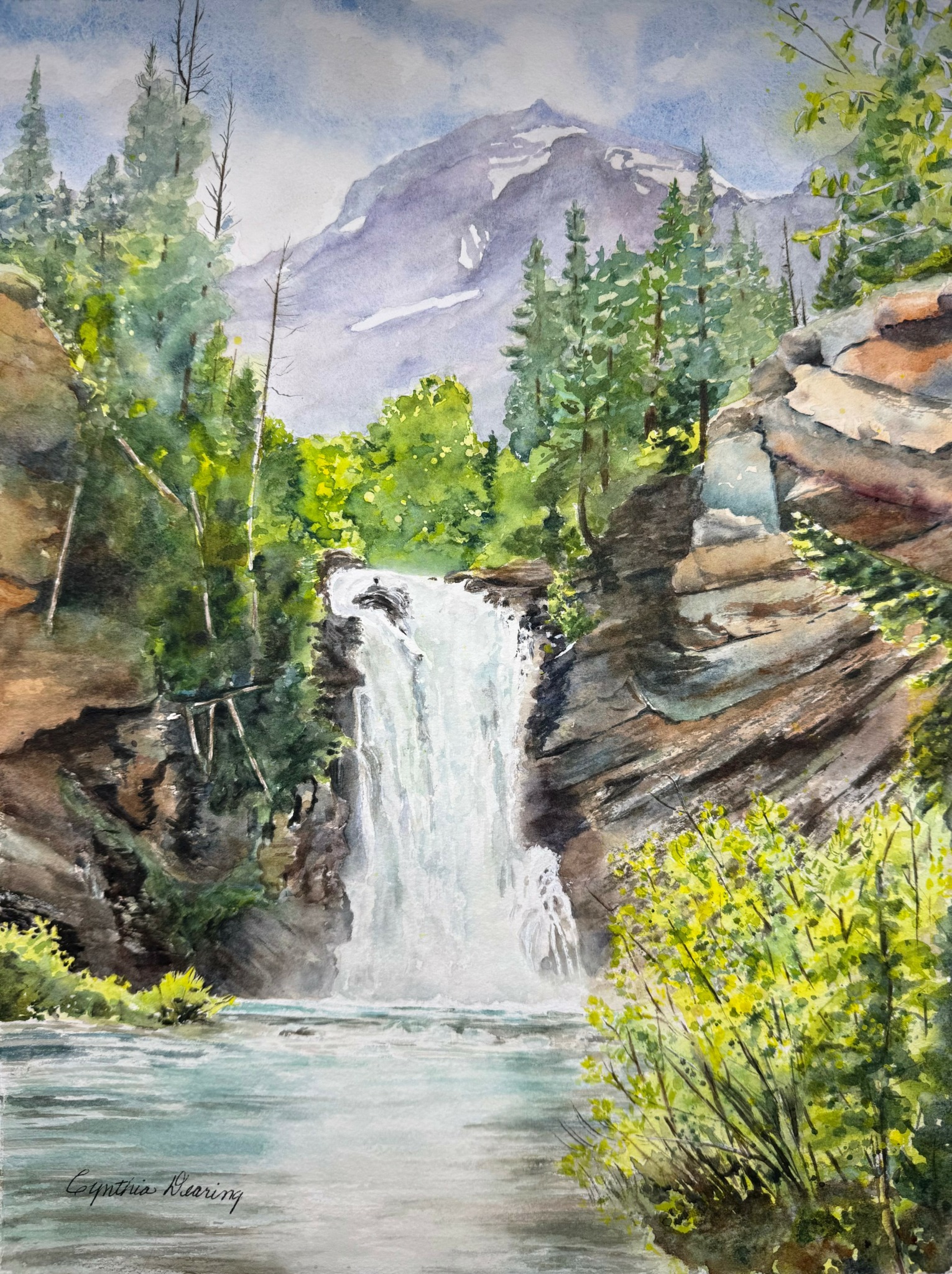
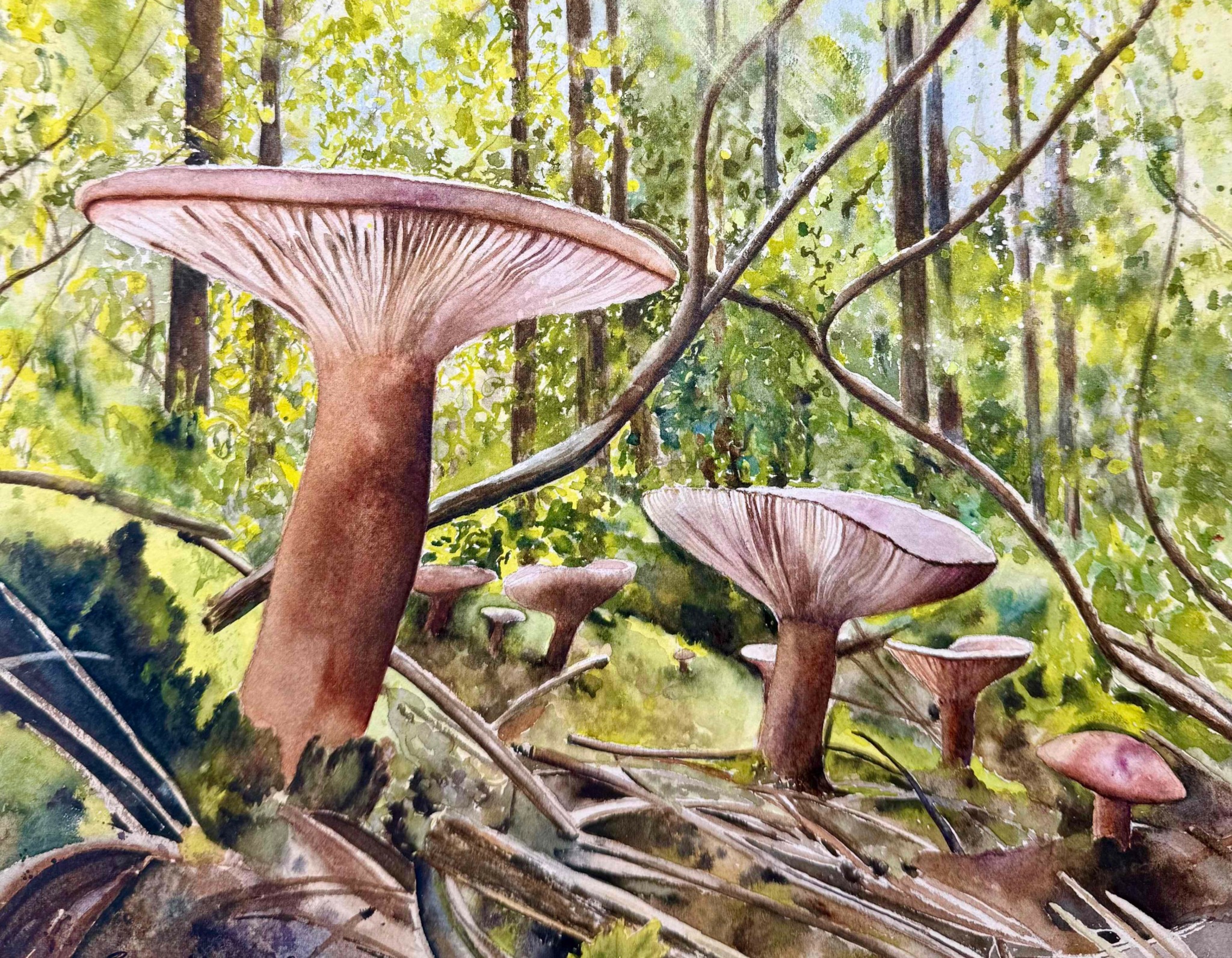
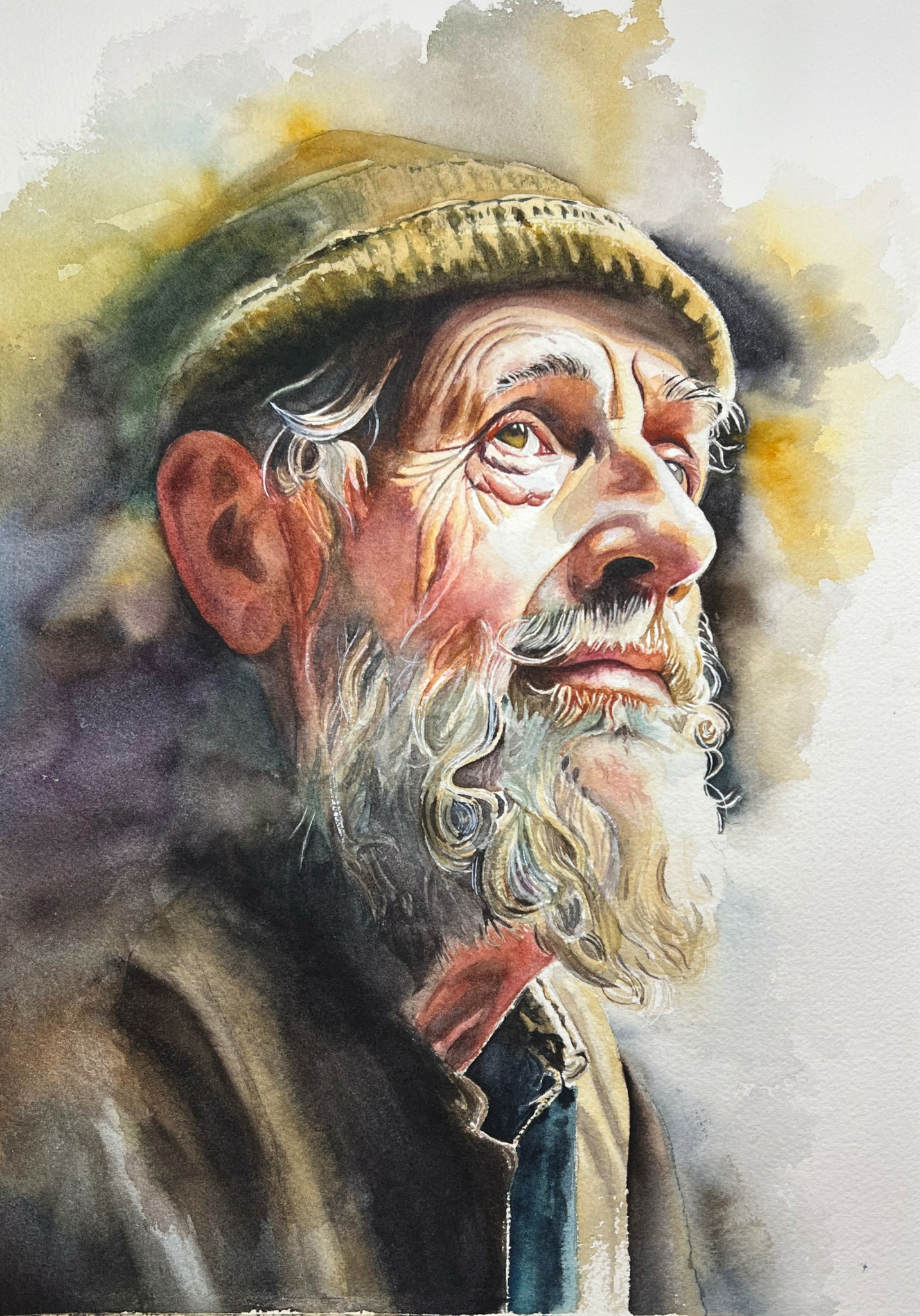
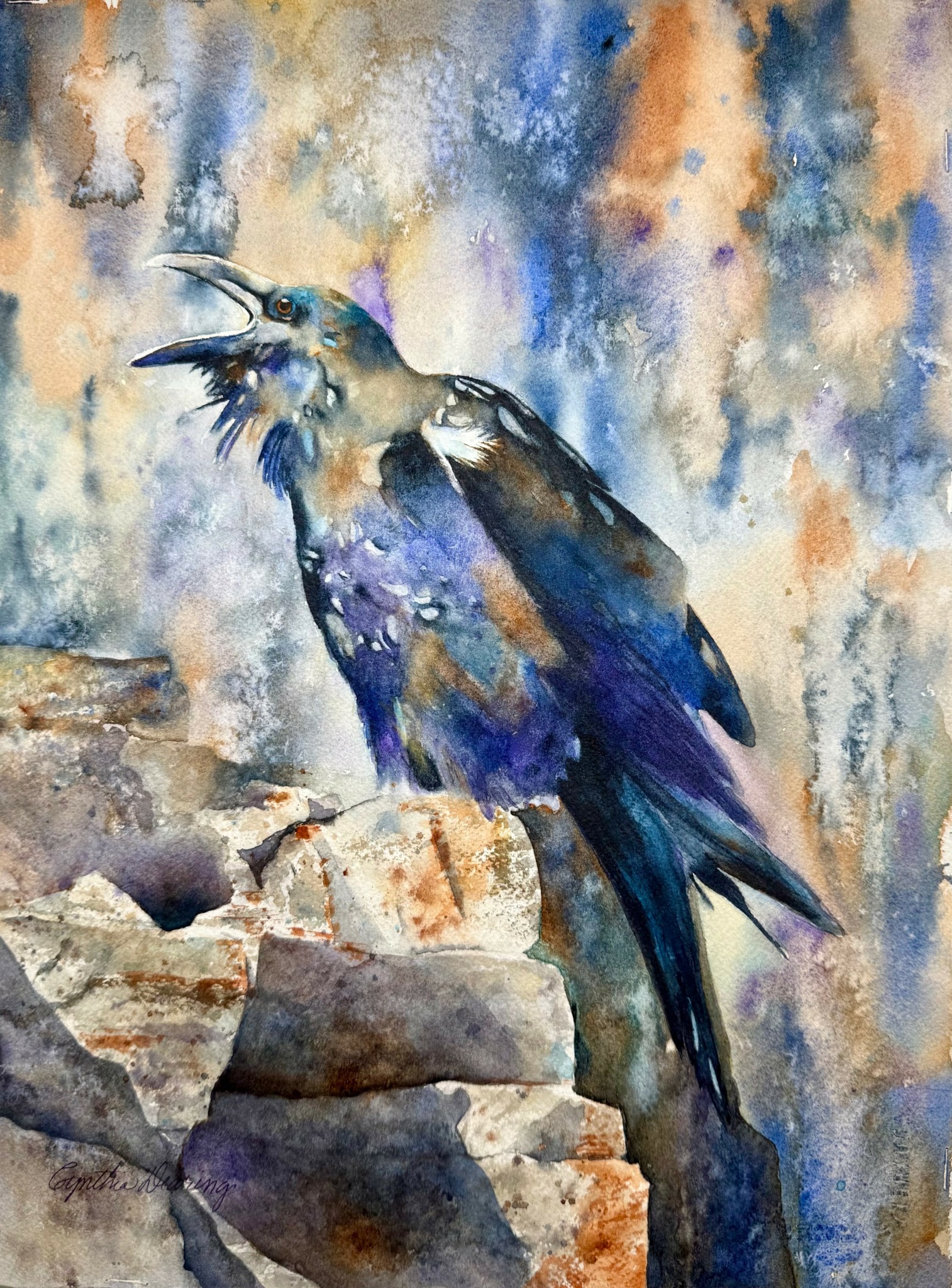
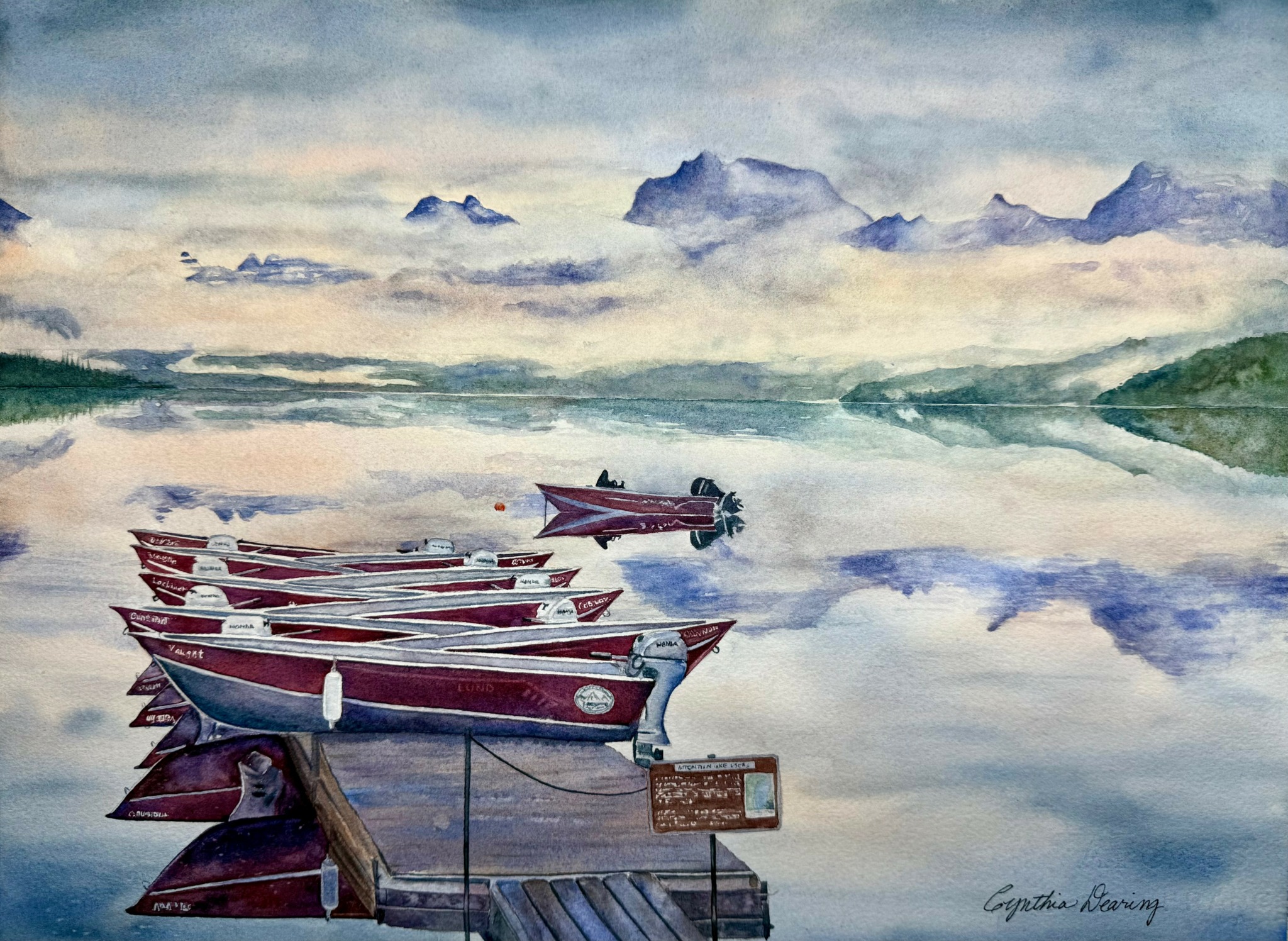
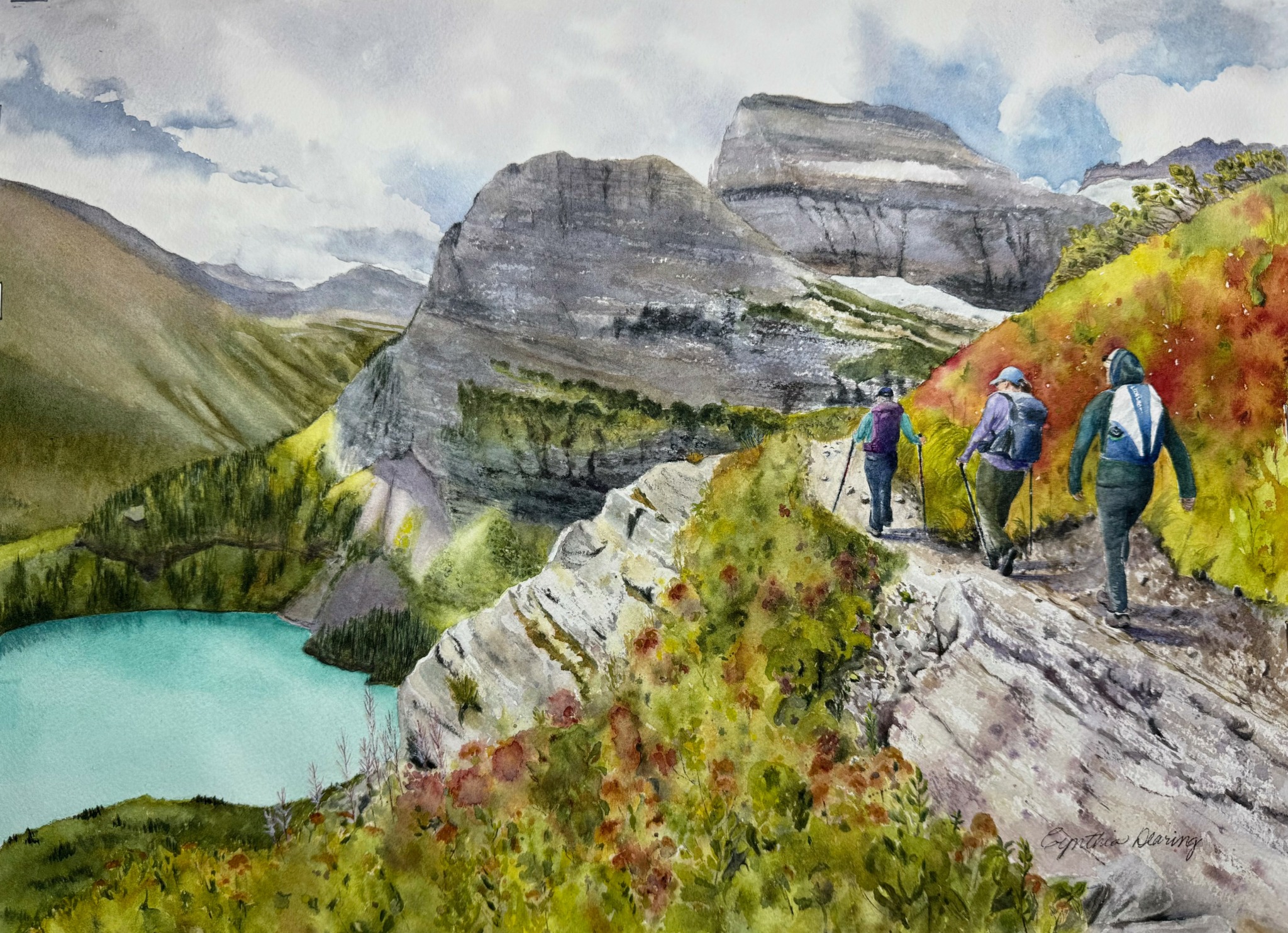
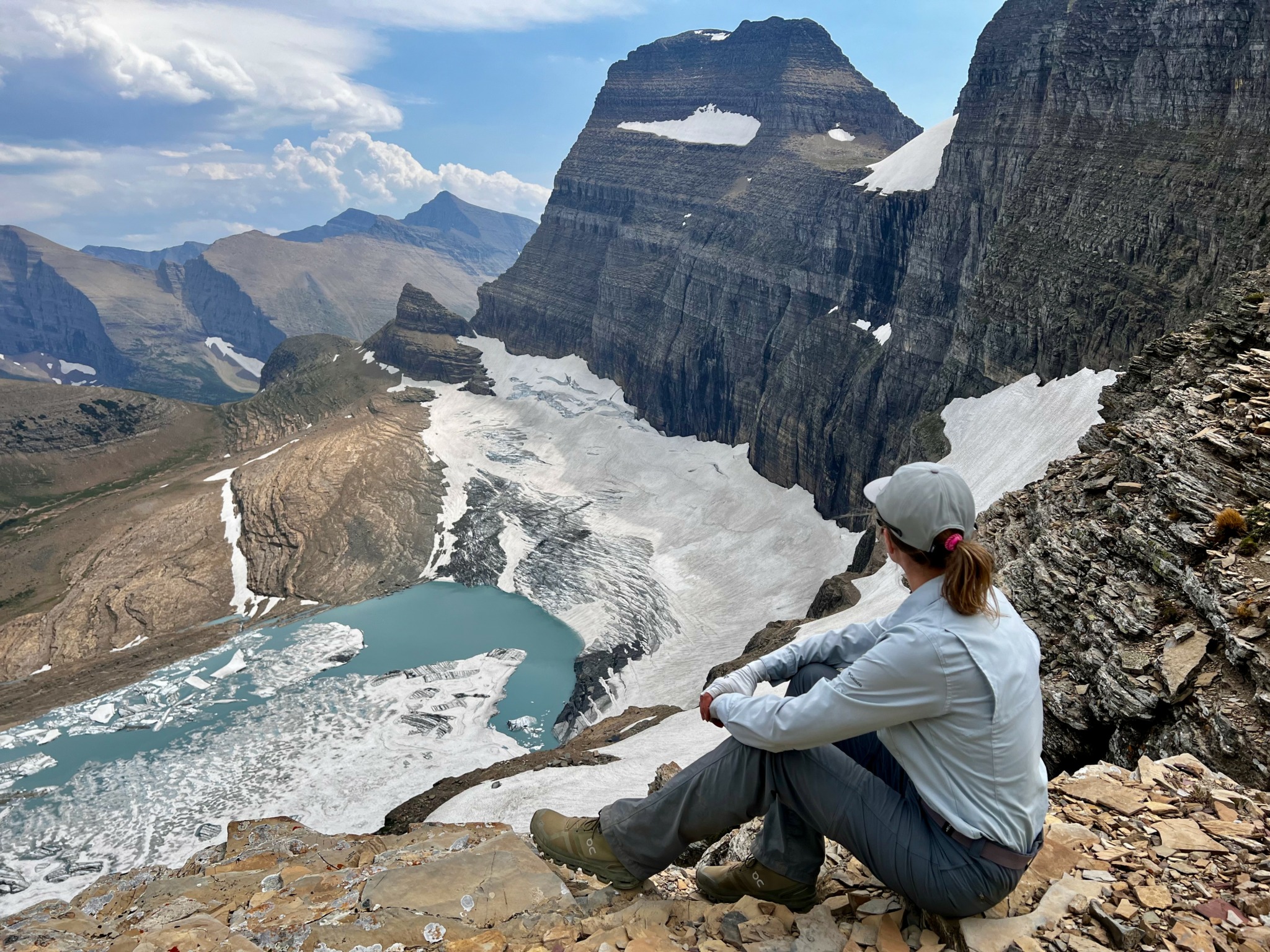
Image Credits
Photo of Cynthia overlooking a Glacier in Glacier National Park taken by her friend and writer/photographer Becky Lomax.