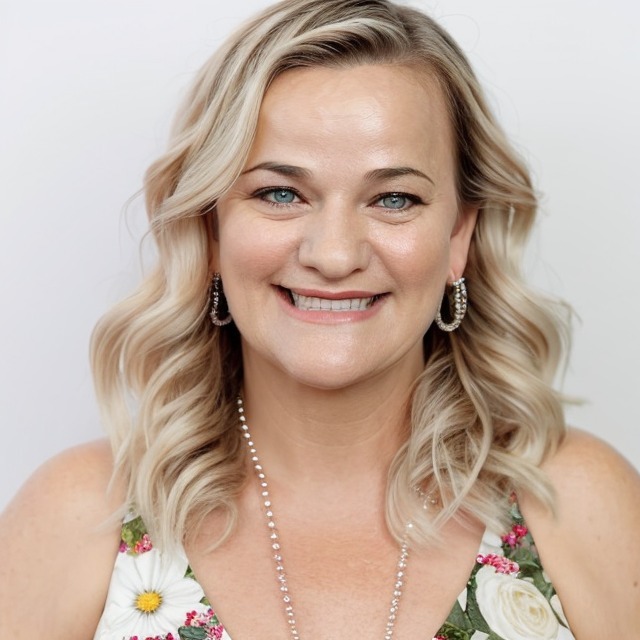

We’re excited to introduce you to the always interesting and insightful Crystal Reidy. We hope you’ll enjoy our conversation with Crystal below.
Alright, Crystal thanks for taking the time to share your stories and insights with us today. We’d love to hear the backstory behind a risk you’ve taken – whether big or small, walk us through what it was like and how it ultimately turned out.
One of the biggest risks I ever took started with a simple, honest comment.
Years ago, I mentioned to Patrice — a woman bravely fighting stage 4 cancer — that I was going on a cruise. She looked at me and said, “I would love to go and relax on a cruise.” It wasn’t dramatic. It wasn’t a request. It was just a moment of truth from someone carrying the weight of treatments, appointments, and the reality of a life-limiting diagnosis.
That moment took me back to my own experience during chemo, when I attended a survivor retreat that changed my life. I remembered how powerful it was to be surrounded by women who understood the unspoken fears and the fierce determination to live fully. So when Patrice said that, I couldn’t unhear it.
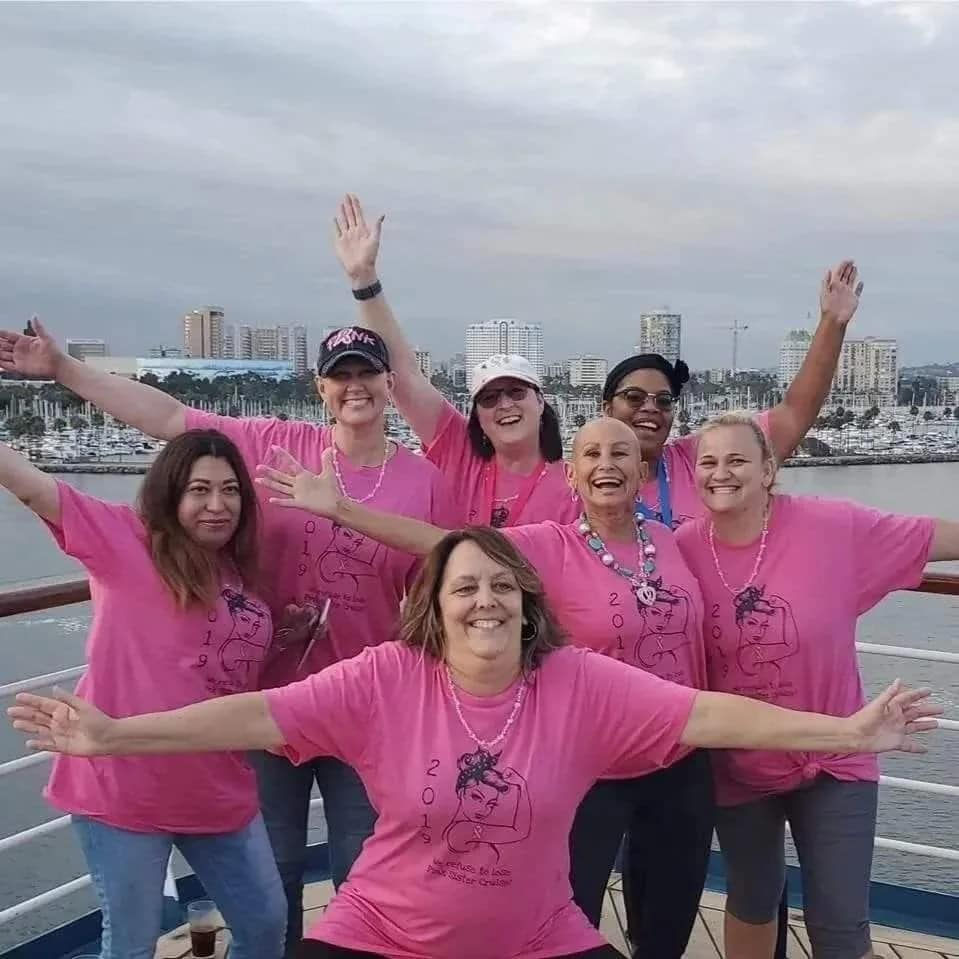
The risk was this: I had no large budget, no corporate sponsors lined up, and no guarantee it would work. But within three months, I had six women fighting stage 4 cancer boarding a cruise ship together. Financially, it was tight. Logistically, it was complicated. There were medical concerns, travel coordination, and plenty of people asking, “How are you going to pull this off?”
The honest answer was: I didn’t fully know. But I knew the “why.” These women deserved joy. They deserved rest. They deserved to be more than patients for a few days.
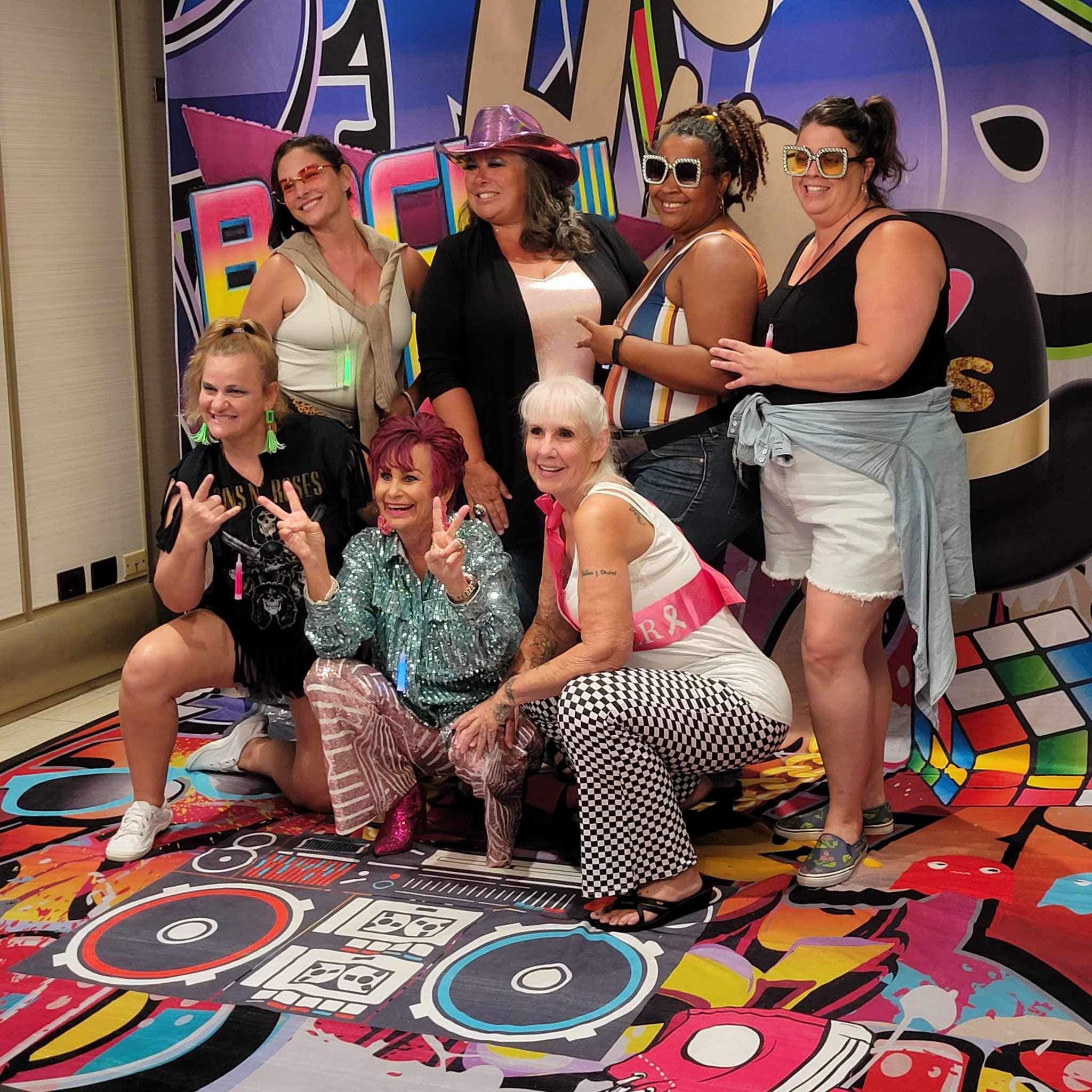
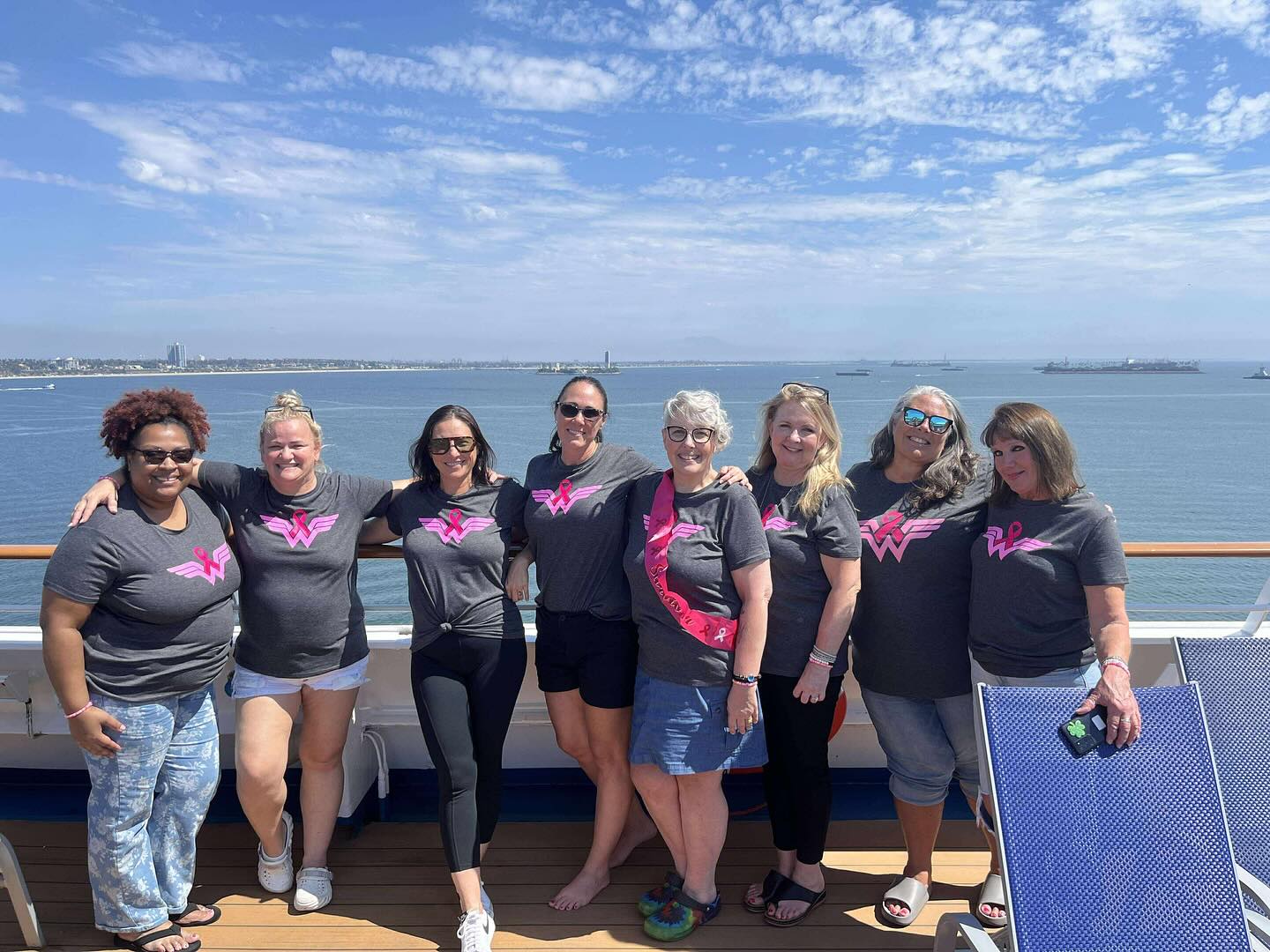
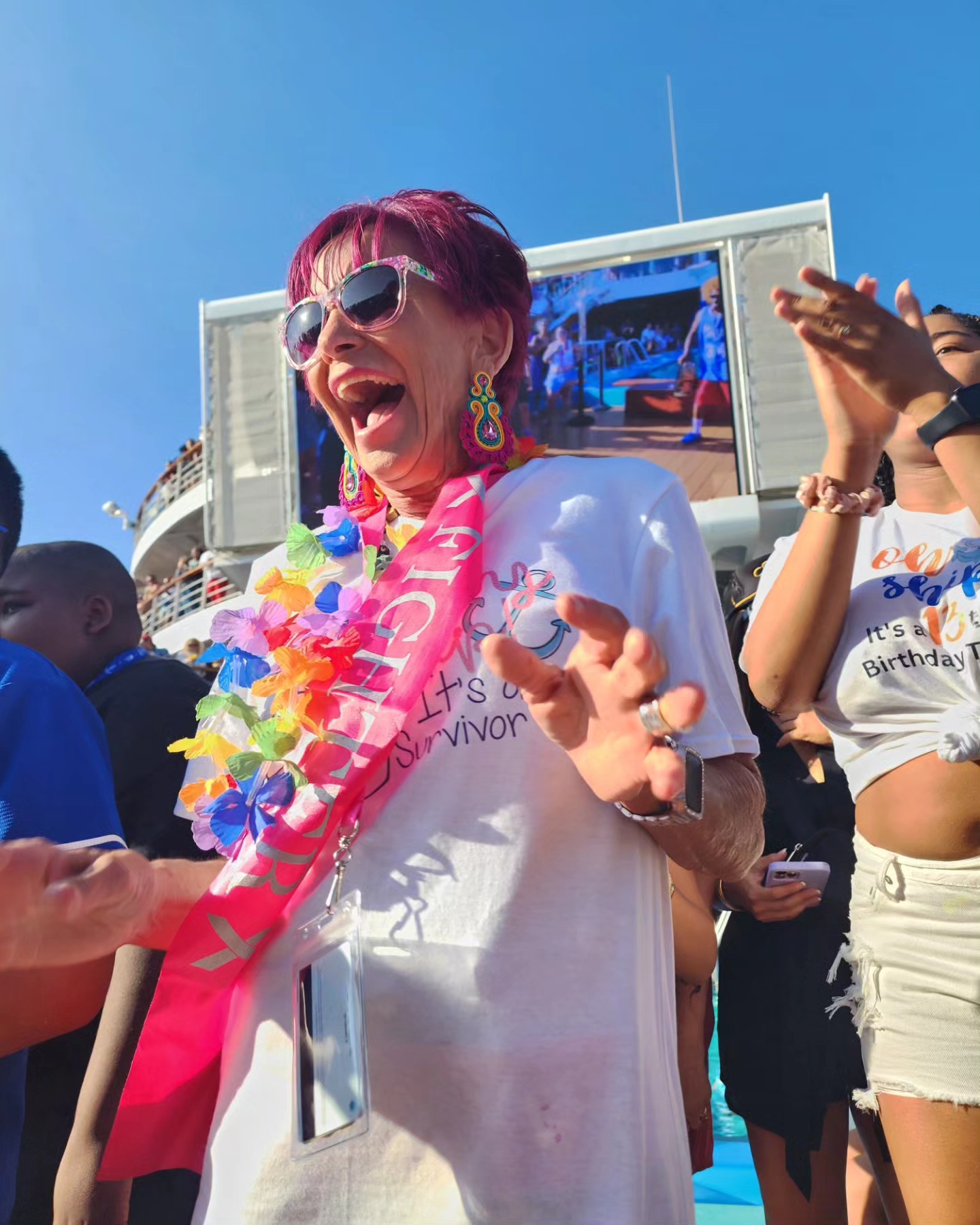
That first cruise turned into something far bigger than I imagined. It became an annual event — the Pink Sister Cruise — a space where women living with stage 4 cancer could laugh, cry, process fears, celebrate life, and build sisterhood with others who truly understood.
Then this past year brought another risk. Some women were unable to physically manage the cruise due to treatments but still deeply needed companionship. They asked for a staycation instead. Again, our budget was tight. We always barely make it work. But the mission isn’t about the cruise itself — it’s about connection. So we said yes. We found a way. We stretched the dollars. We trusted that if the need was real, the provision would come.
The outcome has been life-changing — not just for them, but for me. What started as one woman saying she wished she could relax on a cruise became a yearly sisterhood that provides dignity, joy, and emotional support to women facing the unimaginable.
The risk wasn’t just financial. It was saying yes before I had all the answers. And every single year, it proves to be worth it.
Awesome – so before we get into the rest of our questions, can you briefly introduce yourself to our readers.
My dedication to women fighting stage four cancer began during my own cancer journey. I was diagnosed with stage three cancer, and by the grace of God, I reached remission. During that time, something deeply shifted in me. I realized that while I was being given the opportunity to move forward with my life, many women diagnosed with stage four cancer would remain in treatment for the rest of theirs.
That realization changed everything for me.
I couldn’t stop thinking, “There go I, but by the grace of God.” That awareness created a calling in my heart to show up for women who don’t get to ring the same bell or step away from chemo. Women who live scan to scan. Women who carry strength and fear at the same time.
That is how my work began.
Through initiatives like the Pink Sister Cruise and other supportive experiences, I focus on creating connection, joy, sisterhood, and moments of relief for women living with stage four cancer. I don’t provide medical treatment — I provide community, hope, dignity, and experiences that remind these women they are more than their diagnosis.
What sets my work apart is that it’s personal. I understand the chemo chair. I understand the fear. I understand the gratitude of being here. This isn’t a business idea — it’s a promise I made in remission.
What I am most proud of is watching women who are actively fighting for their lives laugh, dance, travel, and feel seen. I am proud that something born from my own pain became a platform for purpose.
What I want people to know about me and my work is simple: this is about love. It’s about standing beside women who are walking one of the hardest paths imaginable and making sure they never feel alone.
That is my mission.
Can you open up about how you managed the initial funding?
Funding this nonprofit has truly been a labor of love and creativity. I’ve built our initial and ongoing capital through three primary avenues.
First, we apply for grants. While grants can provide meaningful funding, they are highly competitive and require significant time, strategy, and persistence. We’ve learned to be resilient in this space and continue applying despite the challenges.
Second, we rely on donations. Community support is incredibly important to us, but in today’s economic climate, fundraising through donations can be difficult. Many families and businesses are navigating their own financial pressures, so we work hard to steward every contribution wisely and show the impact of each dollar given.
Our largest and most consistent contributor, however, is the Pink Sister Yard Sale. This has become both a fundraiser and a community-building event. People generously donate items they no longer need, and we organize a large-scale yard sale where all proceeds directly fund Pink Sister events. It’s grassroots, hands-on, and powered by community spirit. Not only does it generate funding, but it also creates awareness and brings people together around our mission.
By combining grants, donations, and this signature fundraising event, we’ve been able to sustainably support Pink Sister programming and continue serving women in meaningful ways.
Training and knowledge matter of course, but beyond that what do you think matters most in terms of succeeding in your field?
Other than training and knowledge, I believe the most helpful thing for succeeding in this field is authenticity. The biggest lesson I share with anyone who wants to give back is to follow their own interests and life experiences. When your work is personal, it becomes powerful.
For example, I love to cruise, and I am a cancer survivor. I found a way to combine those two parts of my life by creating experiences for women fighting stage four cancer who may never otherwise have that opportunity. I also grew up in severe poverty with food insecurity, so I created a food pantry because I understand that struggle firsthand. I didn’t choose causes randomly — I chose them because they were part of my story.
I believe the most authentic way to give back is to use who you are. If you love to bike, give bikes to people who need transportation to work. If you love to sew, make blankets for people going through hard times. If you’re a survivor of something, become a light for someone still walking through it.
Success in this field isn’t just about strategy — it’s about heart. Show up for others the way you would have wanted someone to show up for you. That’s what truly makes the work meaningful and sustainable.
Contact Info:
- Website: https://healthyhabitstogo.com
- Instagram: @cgreidy
- Facebook: https://www.facebook.com/crystal.reidy
- Linkedin: https://www.linkedin.com/in/crystal-reidy