


We caught up with the brilliant and insightful Craig Quat a few weeks ago and have shared our conversation below.
Craig, looking forward to hearing all of your stories today. Can you tell us the backstory behind how you came up with the idea?
The idea for my creative services business didn’t arrive as a single moment of inspiration — it emerged slowly, through years of work in communities around the world. For more than a decade I had been traveling, teaching, and researching how juggling and movement could become more accessible for people who were normally excluded from these experiences. What I discovered again and again was that the greatest barrier was not the skill itself, but the way we defined it. Juggling was seen as something complicated, exclusive, technical — when in reality, it could be one of the simplest and most universal tools for connection, embodiment, and learning.
The shift happened when I started experimenting with new ways of teaching, new types of equipment, and new frameworks for explaining the logic of movement. I saw people who had never imagined themselves juggling suddenly light up. I watched teachers, therapists, dancers, and caregivers suddenly understand that “juggling” was never the point — the point was the experience it creates in the nervous system. When I witnessed these transformations, I realised that this was not just a hobby or a niche idea. It was a methodology with real social value.
Emotionally, I felt a kind of responsibility. If something I was creating could open doors for people, then it was my job to keep developing it. And practically, I knew I had something unique. After working in more than 30 countries, collaborating with circus schools, universities, social-development projects, special-education programs, and artistic communities, it became clear that the demand was real and the impact was consistent. People were not just learning a technique — they were discovering a new way of relating to themselves, to movement, and to each other.
The logic of why I felt I could succeed was simple: the combination of need, uniqueness, and lived experience. I had seen firsthand how powerful this work was across cultures, languages, ages, and abilities. There was nothing else like it, and no one else developing it in such an accessible way. My creative services business grew naturally from this — not as a traditional company, but as a global framework for education, inclusion, and embodied learning.
In the end, I didn’t choose this path because I thought it would be easy. I chose it because the work mattered, people kept asking for it, and I knew I had something meaningful to offer.
Great, appreciate you sharing that with us. Before we ask you to share more of your insights, can you take a moment to introduce yourself and how you got to where you are today to our readers.
My name is Craig Quat, and I am an international educator, movement researcher, and the creator of an approach known as Functional Juggling. My work sits at the intersection of circus, education, accessibility, and embodied learning. For the last 14+ years I’ve been traveling internationally, working with more than 30 countries, partnering with circus schools, universities, cultural centers, therapists, community organizations, and grassroots projects that are interested in making movement and creative expression more inclusive.
I didn’t enter this field through a traditional path. I started as a juggler, but very early on I became fascinated not by tricks, but by the underlying logic of juggling — the sensory patterns, timing structures, and neurological effects. I saw that juggling produced powerful states of focus, calm, and connection, and I began to wonder: If these effects are so universal, why is juggling treated like something only a select group can do? That question shaped everything that followed.
Over time, I developed new teaching methods, new explanations, and even new types of adaptive equipment designed to lower barriers and invite people of all abilities into the creative process. I realized that juggling is not an elite skill — it is simply a language of patterns that anyone can access when it is taught through relationships instead of technical definitions. This was the birth of Functional Juggling: an inclusive, trauma-informed, sensory-aware approach to using movement as a tool for learning, regulation, and human connection.
What I Offer
Today, my work includes:
Educational training programs for teachers, therapists, and facilitators
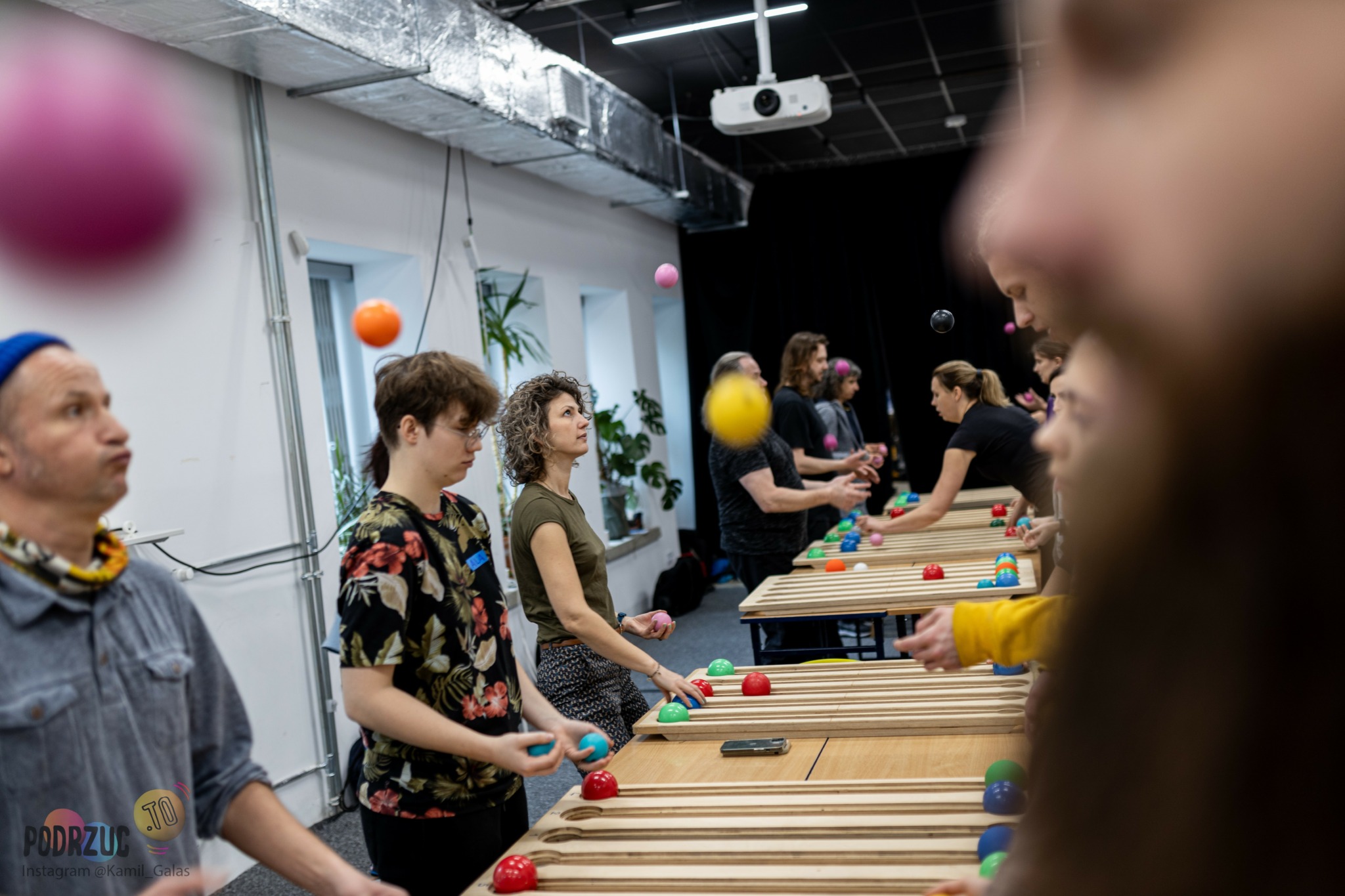
Inclusive circus and movement workshops for all ages and abilities
Curriculum design and consulting for schools, NGOs, and cultural institutions
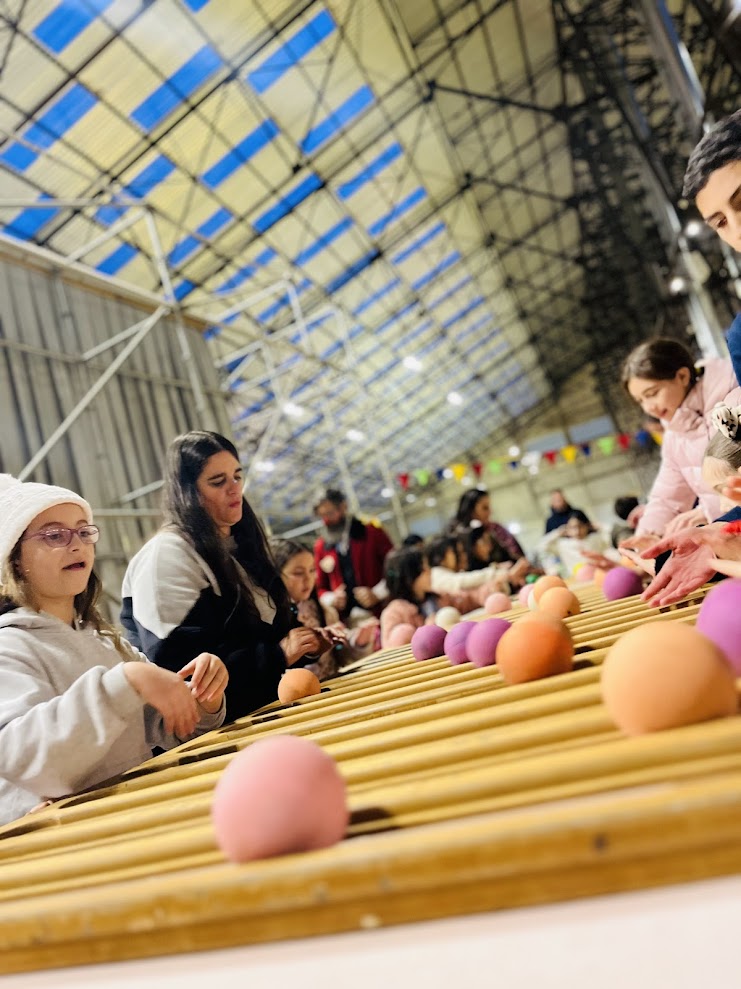
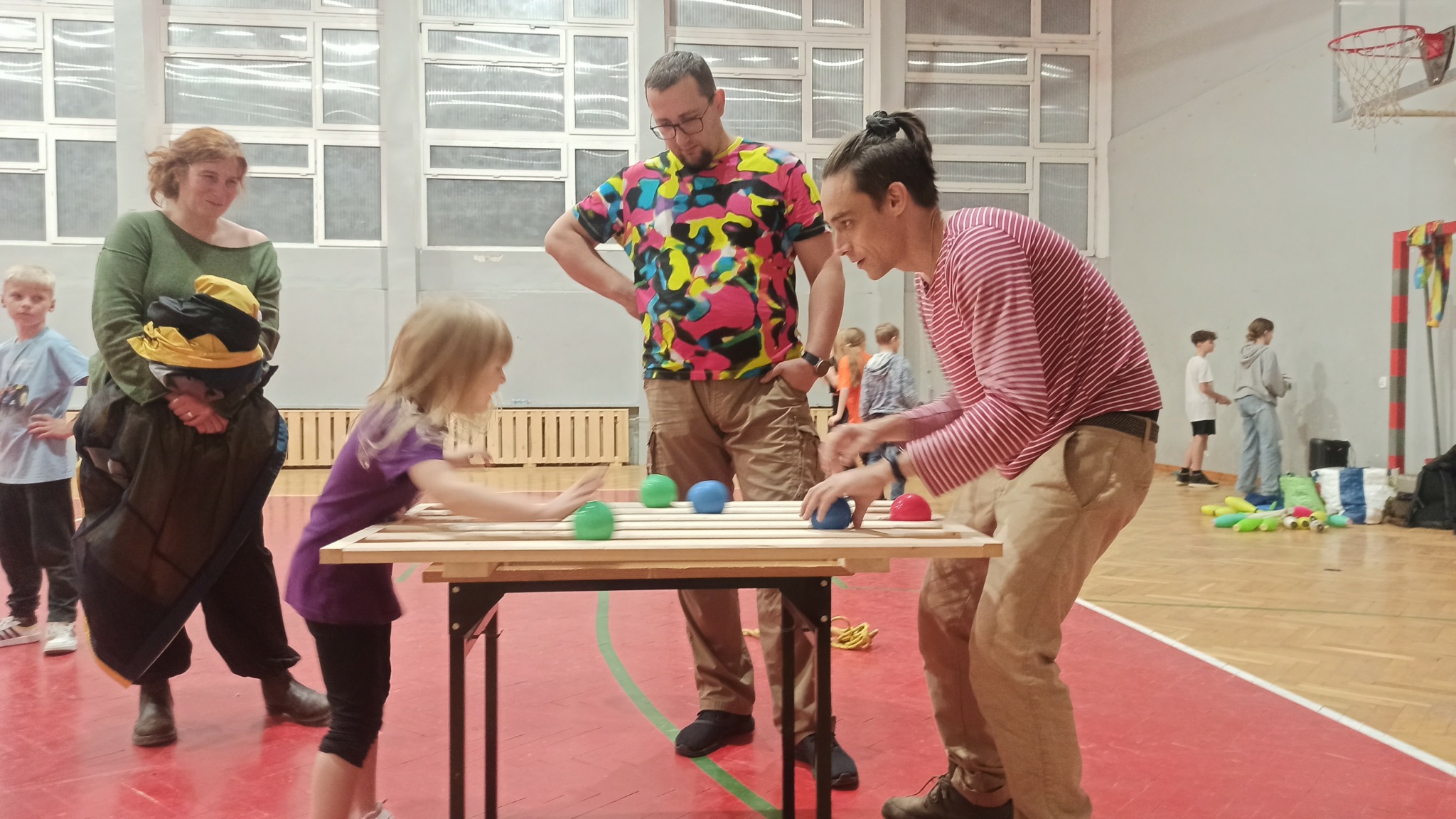
Adaptive equipment innovation, such as Juggle Boards and other tools
Digital courses, publications, and learning resources
Mentorship programs for individuals or groups building inclusive arts programs
Across all these areas, my focus is the same: helping people understand how movement affects the nervous system, how patterns help regulate attention, and how creative play can be made accessible for everyone — not just performers or athletes.
The Problems I Solve
Most of my clients come to me because they want to:
Make their programs more inclusive
Reach communities they haven’t been able to connect with
Understand the neurobiological effects of movement
Build creative experiences that center accessibility rather than performance
Learn a clear, structured method for teaching “impossible” skills in simple ways
I help them shift from technique-based teaching to experience-based learning — which opens the door for people who are neurodivergent, disabled, inexperienced, anxious, or simply convinced that “juggling isn’t for me.”
What Sets My Work Apart
There are many talented jugglers and many brilliant educators. What makes my work unique is the combination of:
Deep accessibility expertise
Years of research into the relationship between movement and attention
Adaptive equipment design
A global understanding of how different communities learn and teach
A methodology tested in classrooms, therapy rooms, circus spaces, and community centers across the world
Functional Juggling is not about spectacle, tricks, or performance — it’s about creating meaningful experiences of presence and connection through simple rhythmic patterns.
What I Am Most Proud Of
I’m proud that the work has scaled far beyond me. Functional Juggling is now part of teacher trainings, therapy sessions, public school programs, circus festivals, and social-development projects around the world. I’m proud of the communities who have taken it, adapted it, made it their own, and used it to build inclusion where it didn’t exist before.
What I Want People to Know
At the heart of my brand is a very simple belief:
Movement belongs to everyone. Creativity belongs to everyone. Connection belongs to everyone.
If you’ve ever believed you couldn’t do something like juggling — whether because of coordination, age, disability, confidence, or simply a bad experience — my work is here to show you that the barrier was never in you. The barrier was in the way the activity was taught.
My mission is to change that.
We’d love to hear a story of resilience from your journey.
One of the clearest moments of resilience in my journey came during a period when I had been traveling and teaching almost nonstop for years. On the surface, my work looked exciting — international workshops, new collaborations, creative breakthroughs — but inside I was reaching a point of profound exhaustion. I was living out of a backpack, constantly moving between countries, giving everything I had to communities and projects, and rarely giving anything back to myself.
During one particularly intense stretch in Europe, I felt myself burning out physically, emotionally, and creatively. The travel was heavy, the collaborations were complex, and I was carrying the weight of a global project almost entirely on my own. I remember a moment of sitting alone in a foreign city, feeling like I had reached my limit, questioning whether I had anything left to offer.
But instead of collapsing inward, that moment became a turning point. I made myself slow down and look honestly at what was happening. I realized that resilience isn’t just about pushing through — it’s about listening, adapting, and allowing yourself to evolve. I shifted my focus from trying to serve everywhere at once to investing more deeply in fewer communities. I started grounding my work in local relationships instead of nonstop mobility. And rather than abandoning the mission, I reinvented how I carried it.
This shift changed everything. It brought more depth to my teaching, more clarity to my writing, and more authenticity to my collaborations. It also guided me toward Latin America, where I found a much healthier rhythm of community, nature, and purpose.
That moment of exhaustion — the feeling that I couldn’t keep going — became a doorway into a more sustainable and meaningful version of my life and work. It taught me that resilience is not about being unbreakable. It’s about being willing to transform.
Is there a particular goal or mission driving your creative journey?
Yes — there is a very clear mission behind my creative journey. Everything I do is driven by the belief that movement, creativity, and embodied learning should be accessible to everyone, regardless of ability, background, or previous experience. My work is centered on the idea that creative expression is not a privilege for the few — it is a biological human need, and when it is presented in a simple, relational, inclusive way, it can support regulation, confidence, communication, and connection.
My goal is to transform how people understand and teach juggling and other movement practices. Instead of focusing on tricks, performance, or technical skill, I help people recognize the deeper sensory and neurological processes that make these activities meaningful. By doing this, I aim to make creative experiences available to people who are often excluded — neurodivergent learners, people with disabilities, individuals with trauma histories, or anyone who has been told they “can’t” do certain things.
On a larger scale, my mission is to build a more inclusive culture within the circus and movement world. I want teachers, therapists, community organizers, and artistic leaders to have the tools they need to create spaces where everyone, truly everyone, can participate. This includes designing adaptive equipment, developing accessible teaching frameworks, and supporting communities as they build their own versions of Functional Juggling within their local context.
At its core, my creative journey is about human connection. It’s about using simple rhythmic patterns to help people feel present, capable, and part of something bigger than themselves. If my work can help even a small number of people access experiences of joy, regulation, and belonging that they might not have otherwise had, then I consider that the real success.
Contact Info:
- Website: https://www.quatprops.net
- Instagram: @quatprops / @craigquat
- Facebook: Quat Props
- Youtube: @QUATPROPS
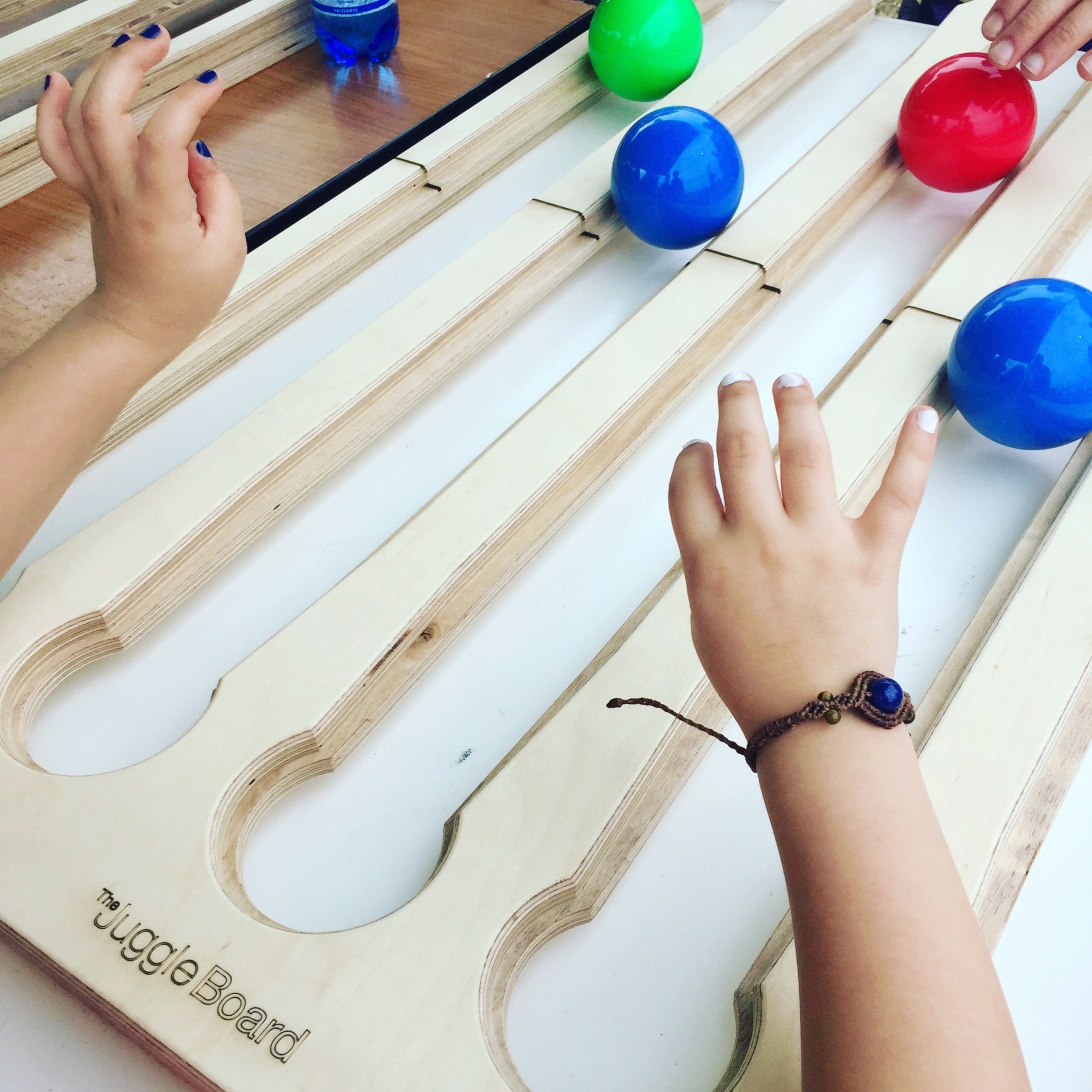
Image Credits
Pragmor Fotografia e Produção