
We were lucky to catch up with Cici Thornton recently and have shared our conversation below.
Cici, looking forward to hearing all of your stories today. I’m sure there have been days where the challenges of being an artist or creative force you to think about what it would be like to just have a regular job. When’s the last time you felt that way? Did you have any insights from the experience?
ARE YOU HAPPIER AS AN ARTIST OR CREATIVE?
Being an artist and being a creative are inseparable for me. Everyone is creative. Being an artist is simply one specific way that creativity takes form.
And yes—I’m happy being an artist. I’ve genuinely never imagined being anything else. Since I was a child, I’ve loved making things, shaping meaning, turning what I feel into something you can hold or witness. Sharing that gift with the world feels like what I’m here to do.
I’m also deeply happy exploring the freedom to create my everyday life—how I move through challenges, how I build community, how I choose hope and beauty on purpose.
DO YOU SOMETIMES THINK ABOUT WHAT IT WOULD BE LIKE TO JUST HAVE A REGULAR JOB?
Honestly, I see being an artist as a regular job.
The difference is that our culture doesn’t always treat it that way—until you start paying attention to how many parts of life rely on artists: design, storytelling, branding, public spaces, film, fashion, healing spaces, education, even the way we celebrate and grieve. Artists are part of the basic structure of how society communicates and connects.
The more we name that, the more the work becomes valued—and the more sustainable it becomes for the people called to do it.
TELL US THE STORY ABOUT THE LAST TIME YOU HAD THAT THOUGHT. REALLY PAINT THE PICTURE FOR US…
Even though I’ve worked as a professional artist for years, I started seeing my creativity in a deeper way through two experiences that asked me to translate my work instead of just make it.
First: applying for more grants and residencies. There’s something intense—and clarifying—about having to explain your art to a panel of strangers who are deciding whether to fund your vision. It forced me to slow down and really look at my process: how I make meaning, how I choose materials, what I’m actually building beneath the surface.
Second: a couple years ago I felt compelled to submit a book proposal. It started as short stories about my time in San Francisco—especially the period when I was experiencing homelessness, moving through those “where am I going to sleep?” nights and the surreal, sometimes heartbreaking, sometimes unbelievable moments that come with that. Over time, the project shifted. It became less about the events themselves and more about what carried me through them: creativity.
Writing that proposal helped me realize something I now return to constantly: we’re all creative. We were born to create. The way we show up in our daily lives—how we adapt, how we problem-solve, how we love, how we rebuild—is an act of creation.
That’s become a major focus of my work now: helping people clarify their creative identity and develop rhythms that make creating feel possible—whether they’re returning to art, finding their voice, or building work that serves their community. Right now I’m creating a kit for creatives called Creative Clarity, designed to help people find the next right step when their relationship with creativity feels obscured.
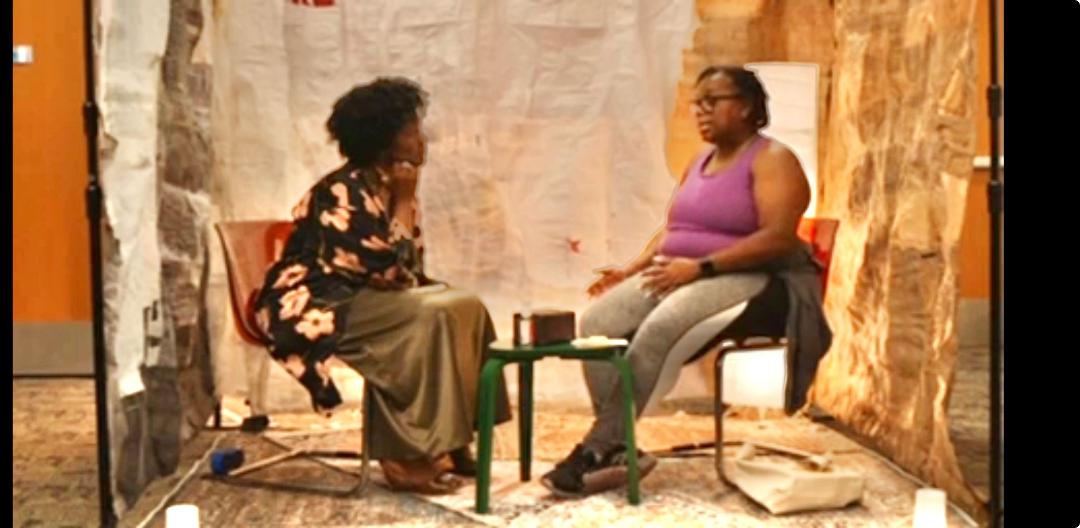
Cici, love having you share your insights with us. Before we ask you more questions, maybe you can take a moment to introduce yourself to our readers who might have missed our earlier conversations?
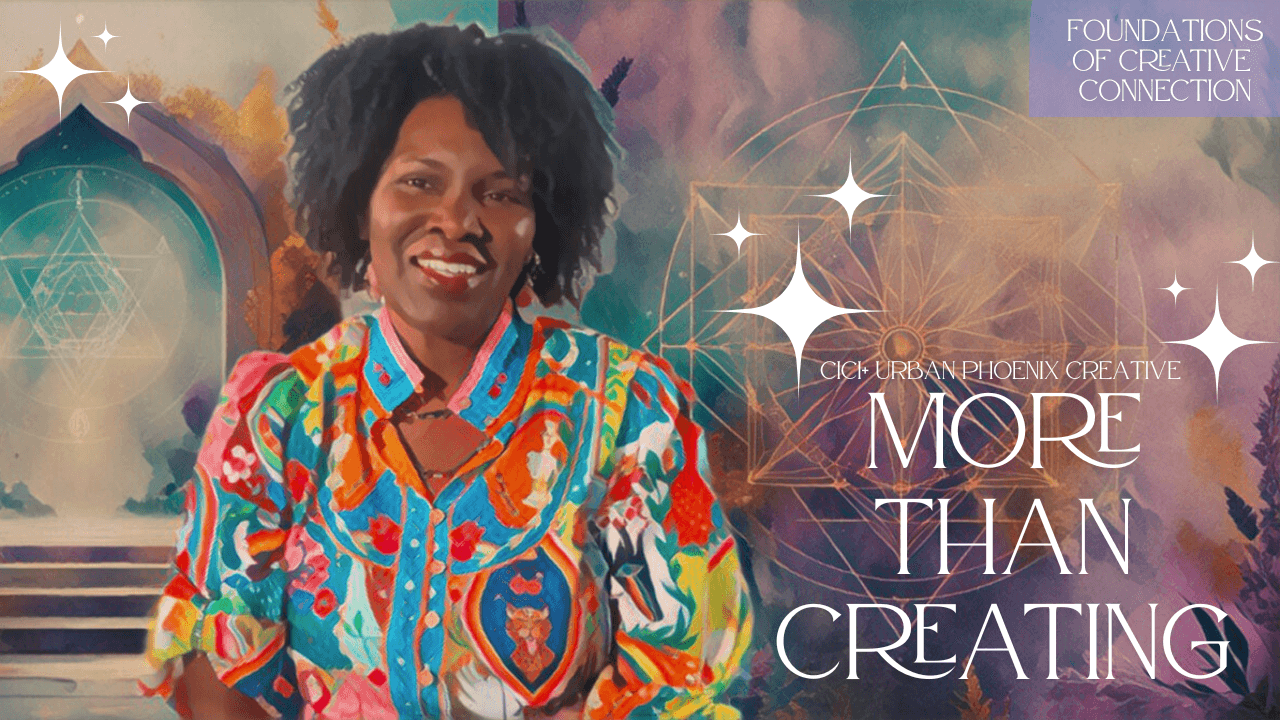
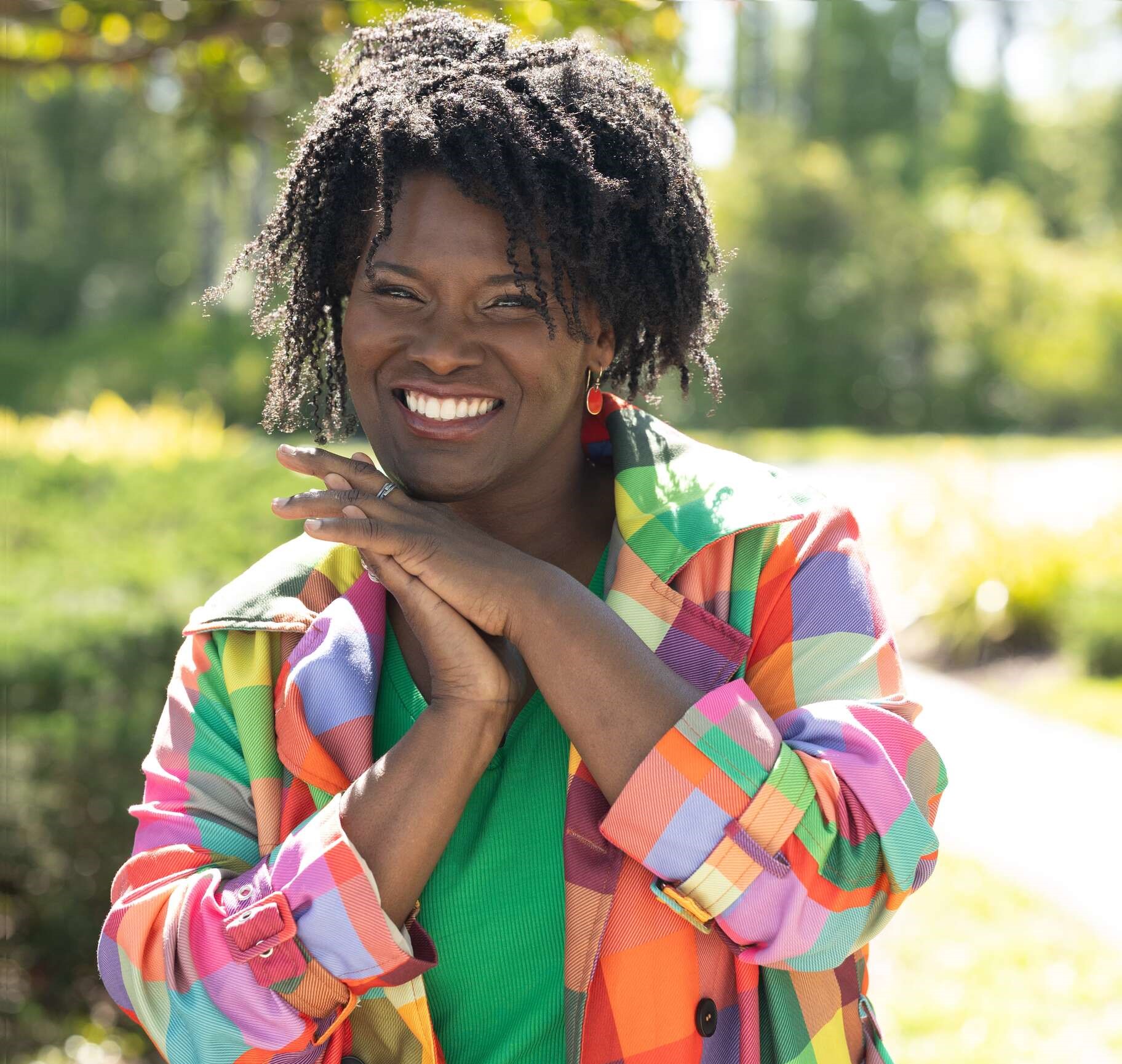
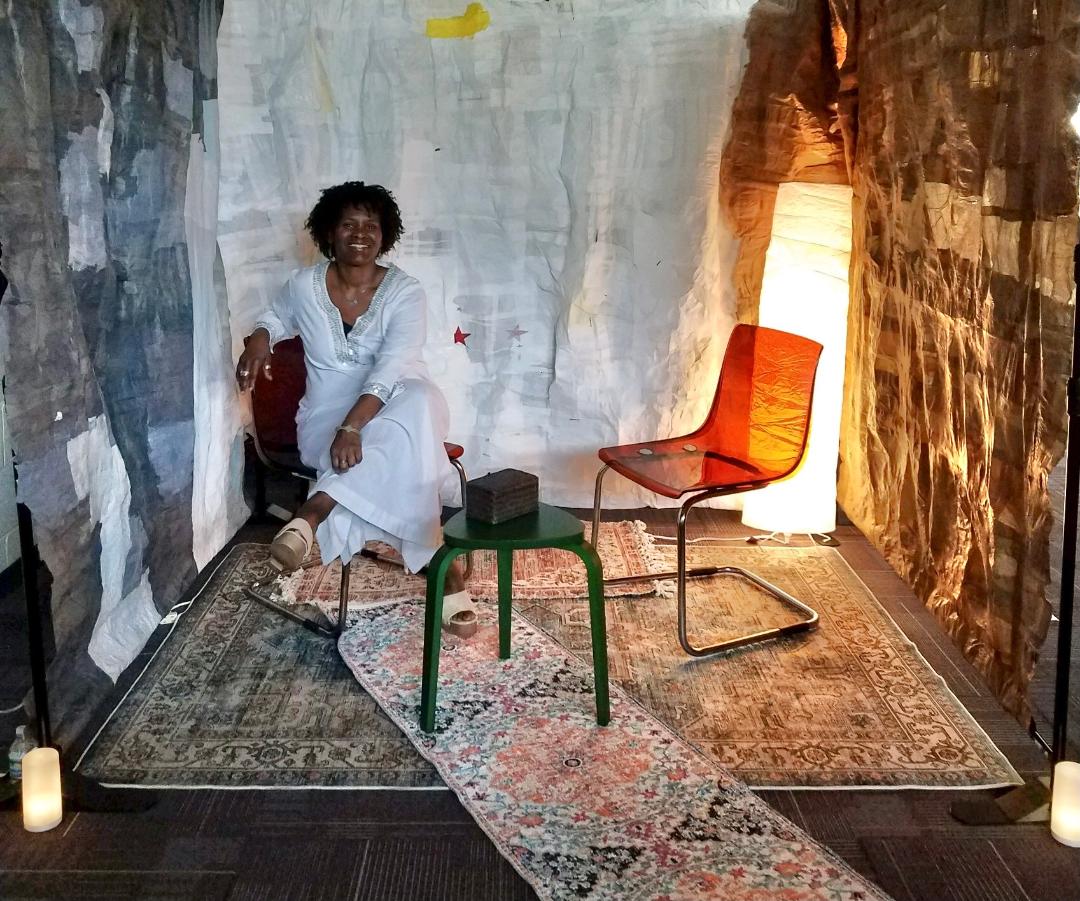
I’m Cici—an eco-mystic, multidisciplinary artist and the founder/creative director of Urban Phoenix Creative, an umbrella studio for the different ways my work shows up in the world. I also create through names that act like “frames” for specific expressions—Thorn for art activism and eco-mystic work, and Traysi Jetta for acting/modeling. At the core, it’s all one mission: using art as a soul-led creative practice and a tool for human connection, renewal, and transformation.
I’ve been making art for as long as I can remember, but my path deepened as I began to understand creativity not just as talent—but as survival, faith, and a way of rebuilding a life. Over time, my work expanded into a full creative ecosystem: wearable art and adornment, collage and assemblage, print and design, handmade books and bookbinding, origami, sculpture, performance, and experiential/public art. I’m especially known for what I call sacred salvage—working with recycled and discarded materials and giving them a second life. The elements I use come from everywhere: a market in Benin, a city sidewalk, a thrifted object with history, or a small piece of everyday ephemera that becomes the missing ingredient in a larger story.
Through Urban Phoenix Creative, I offer both art objects and creative experiences. That includes one-of-one jewelry and adornment, prints and mixed-media works, larger assemblage pieces and installations, and commissions. I also support other creatives in a more structured way as a Creative Practice & Identity Architect—because I’ve learned that so many people aren’t blocked by lack of talent, they’re blocked by overwhelm, self-doubt, and not knowing what the “next right step” is. That’s why I’m developing offerings like Creative Clarity—a kit designed to help people reconnect to their creative identity and build rhythms that make creating feel possible again.
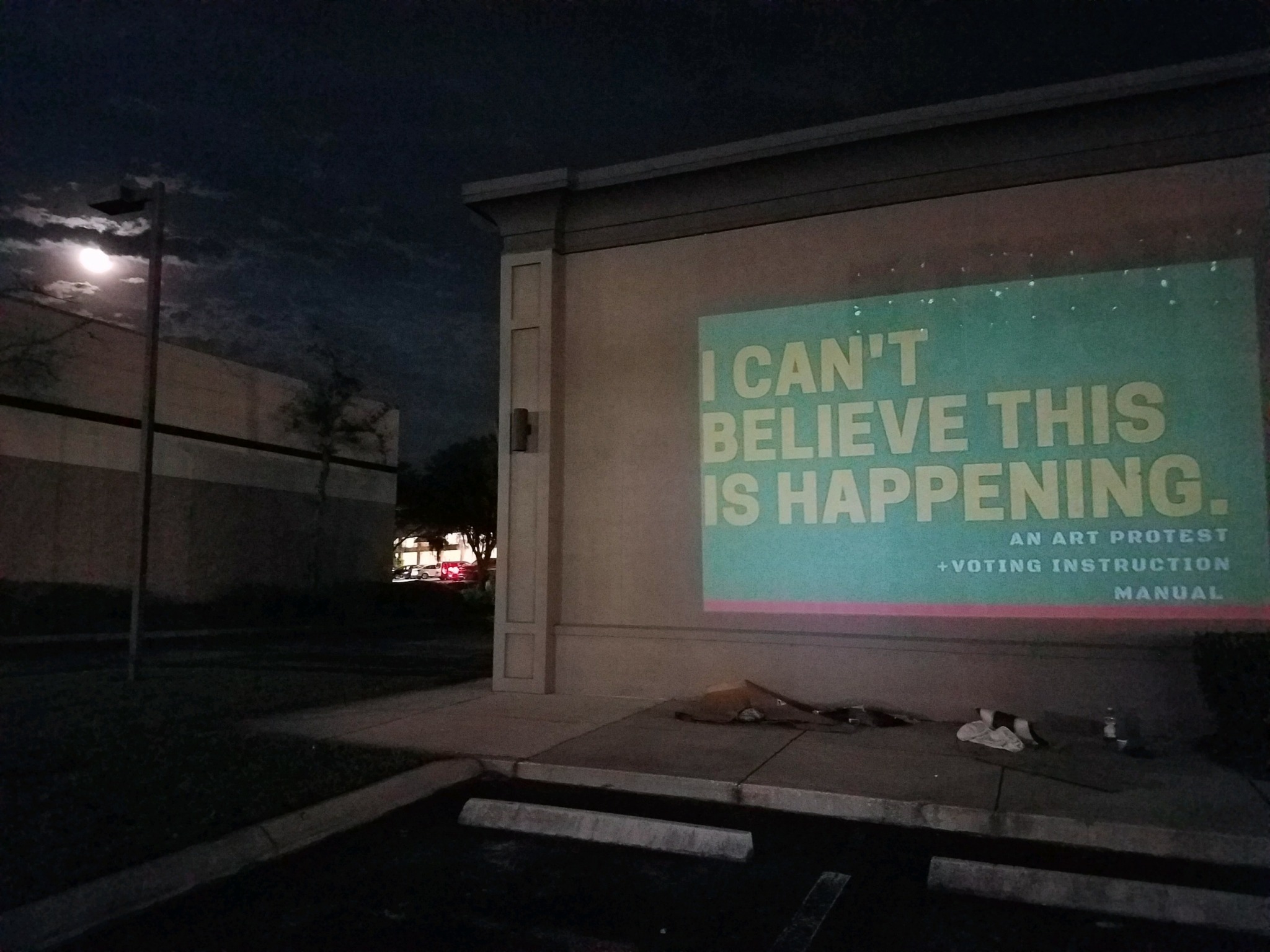
A major part of my work is advocacy—specifically, the belief that art access is a right, not a privilege. I’m passionate about bringing art into everyday spaces and protecting cultural artistry and community stories. That value has shaped multiple initiatives, including Renewed Community Initiatives (a public-art access vision I began with my mother), and collaborative projects like The Aesop Project, which used large-scale public projections to engage civic reflection during the 2020 U.S. Presidential Election. I also completed TalkTalkConvo, funded by the Community Foundation, which explored creating intentional moments for connection after pandemic lockdown and during ongoing political strain.
What sets me apart is that I’m not just making “beautiful things”—I’m building meaningful portals. My work is for people who want art that carries story, spirit, and intention. I’m proud that I’ve stayed committed to sustainability, to community, and to the belief that transformation can be tactile—something you can wear, hold, walk through, or witness in a public space. I’m also proud of the way I’ve continued to create through real life—through uncertainty, through change, through the seasons where art wasn’t convenient but it was necessary.
Right now, I’m expanding several long-form projects that weave personal narrative with social reflection—work like The Saints of San Francisco (on my experiences with homelessness and the creative faith that carried me), I’ve completed a screenplay titled The Dharma Project (currently in the editing stage), which lives inside my broader multi-pronged project The New Slave Matrix—a body of work examining profiteering and the industrial prison complex and it’s impact on families through a deeply personal lens. The Dharma Project focuses on the overlap between my mother’s cancer journey and my older brother’s experience in the justice system, asking what it means to support one another when multiple systems—and multiple forms of grief—collide. Ultimately, it’s about resilience, responsibility, and how family stays family. And last, You Are Not Yourself Right Now (navigating online dating as a woman of color). Everything I create—whether it’s a small piece of jewelry or a large public installation—comes back to the same drumbeat: human connection, renewal, balance, and soul.
If someone is discovering my work for the first time, I want them to know this: Urban Phoenix Creative is about rising—again and again—with beauty, truth, and intention. My art is an invitation to remember who you are, and to treat your life as something sacred you’re allowed to create.
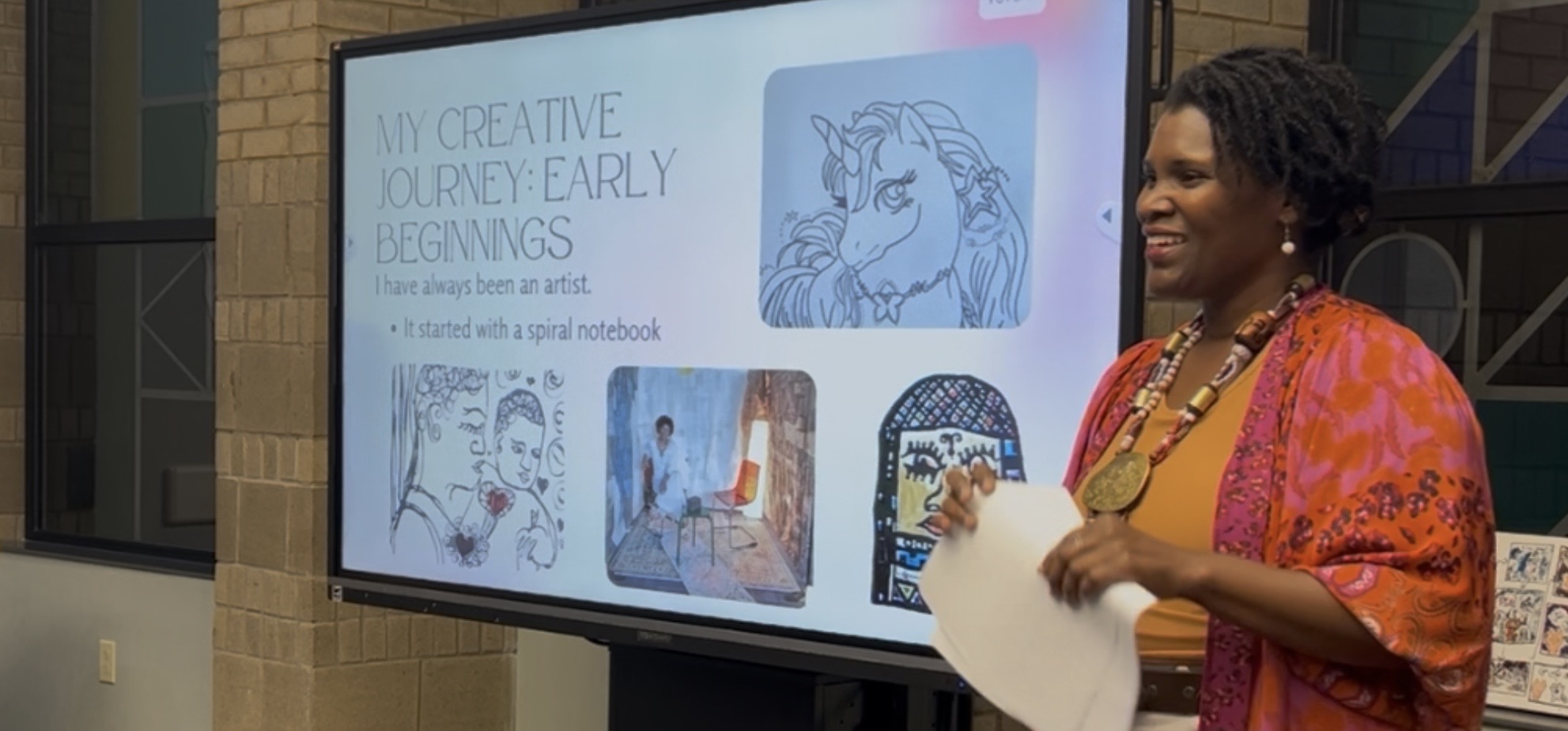
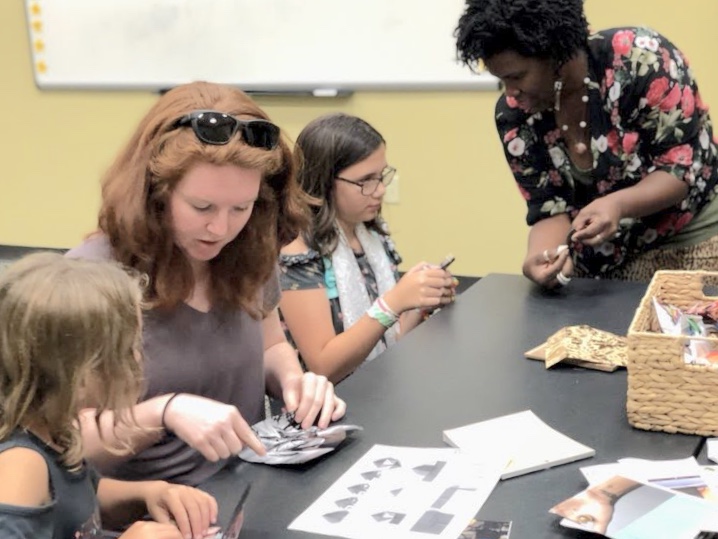
We often hear about learning lessons – but just as important is unlearning lessons. Have you ever had to unlearn a lesson?
One lesson I had to unlearn was the myth that being a “real” artist means accepting struggle as a part of your identity—starving, victimized, hurt, underpaid, unstable, and somehow morally better for it.
I heard versions of that message for years, starting when I was just beginning: artists don’t make money, you’ll need a “real” job, if you charge what you’re worth you’re selling out, and if you want stability you should teach. It was always delivered like a warning—like I needed to be sure I “knew what I was choosing.”
The backstory is that those ideas didn’t just shape my career choices—they shaped my nervous system. They created fear around money, pricing, and even visibility. I would second-guess my rates, hesitate to promote my work, change the kind of work I made, and carry this quiet vexation for wanting both meaning and sustainability and feeling as if I couldn’t have it.
One moment that crystallized it for me was an art festival. I was selling a recycled bike chain necklace I’d spent about 20 hours on, and it was priced at $90–definitely under-priced considering the labor. A friendly man approached my table—wearing the newest Apple Watch —and told me the price was too high, like he wanted to bargain. I remember thinking: no one walks into Target or the Apple Store and asks to bargain. People respect the prices and the work or product—until it’s art, and then the artist is expected to shrink and accept less.
What replaced that myth is a truth I live by now: art is not a luxury—it’s a necessity, and artists deserve to be paid like professionals because they are professionals. Marketing isn’t betrayal; it’s an invitation. Pricing isn’t arrogance; it’s clarity. And art opportunities aren’t scarce—artists are not in competition with each other. Everyone’s success won’t look the same, the jobs and funding that I don’t get and haven’t gotten weren’t meant to be mine and that doesn’t diminish my path.
I’m still evolving, but I’ve learned this: growth starts the moment you realize a belief isn’t serving you—and you choose a new one.
Can you tell us about a time you’ve had to pivot?
There’s never just one pivot. What I’ve learned is that there will potentially be numerous times in our lives when we realize it’s best to change direction.
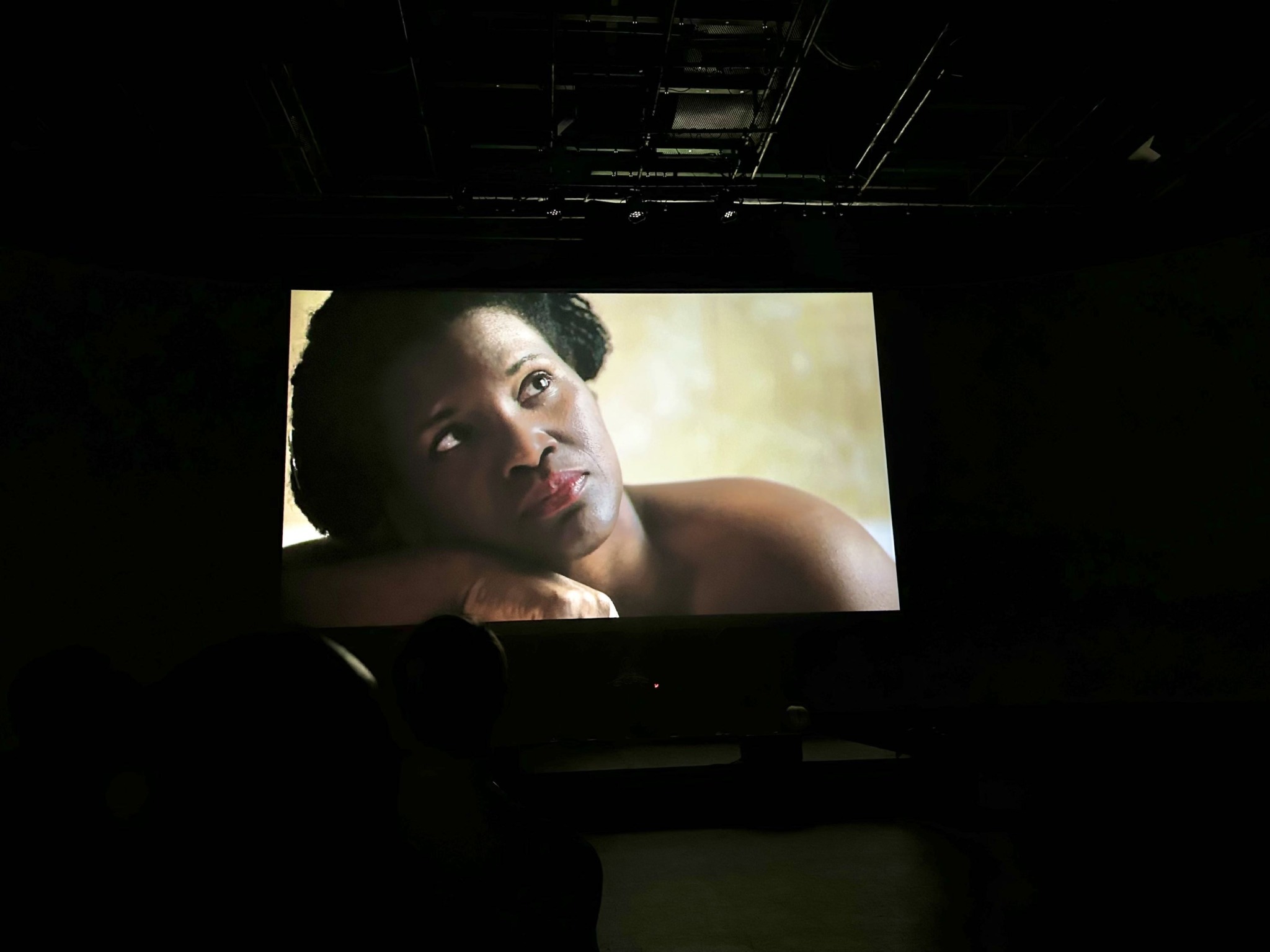
As an actress, I’ve done commercials, series, and independent film, but at one point most of my acting income came from work I genuinely loved: educational simulation—acting for educational purposes. I worked at two major health institutions: a hospital (Mayo Clinic) and a college (St. Augustine School of Health Sciences). I helped recreate real-life scenarios that strengthened diagnostic skills, patient interactions, and even employee development. At the college, I worked primarily with physical and occupational therapy students as they learned how to assess patients and determine needs. It was rewarding, I learned something new every day, and above all—it was fun.
Then the workplace dynamics in both spaces shifted dramatically in a negative direction. Neither employer was open to working through things in a healthy way, and I no longer felt valued. That was the pivot: I had to recognize my own value and leave, because our goals were no longer aligned.
It was challenging, but it opened up time, energy, and focus I didn’t realize I’d been missing. Leaving made space for me to begin and finish my first screenplay—now in the editing phase—and to start my first book. That experience taught me that the courage to pivot away from what no longer serves you can create the conditions for something even more aligned to be born.
Contact Info:
- Website: https://bit.ly/CiciCreates
- Instagram: @urbanphoenixcreative
- Linkedin: @cicit
- Youtube: @ciciurbanphoenixcreative
- Other: Visual + experiential art: www.theurbanatelier.com
Insta: @theurbanatelier
Facebook: https://www.facebook.com/theurbanatelierart/Acting: bit.ly/trayjetta
Insta: @traysijetta
Facebook: @traysijettaCommunity Advocacy: renewedcommunity.weebly.com
Insta: @renewedcommunity
Facebook: @renewedcommunityArt Activism: bit.ly/aesopproject
Insta: @theaesopproject
Facebook: @theaesopproject