

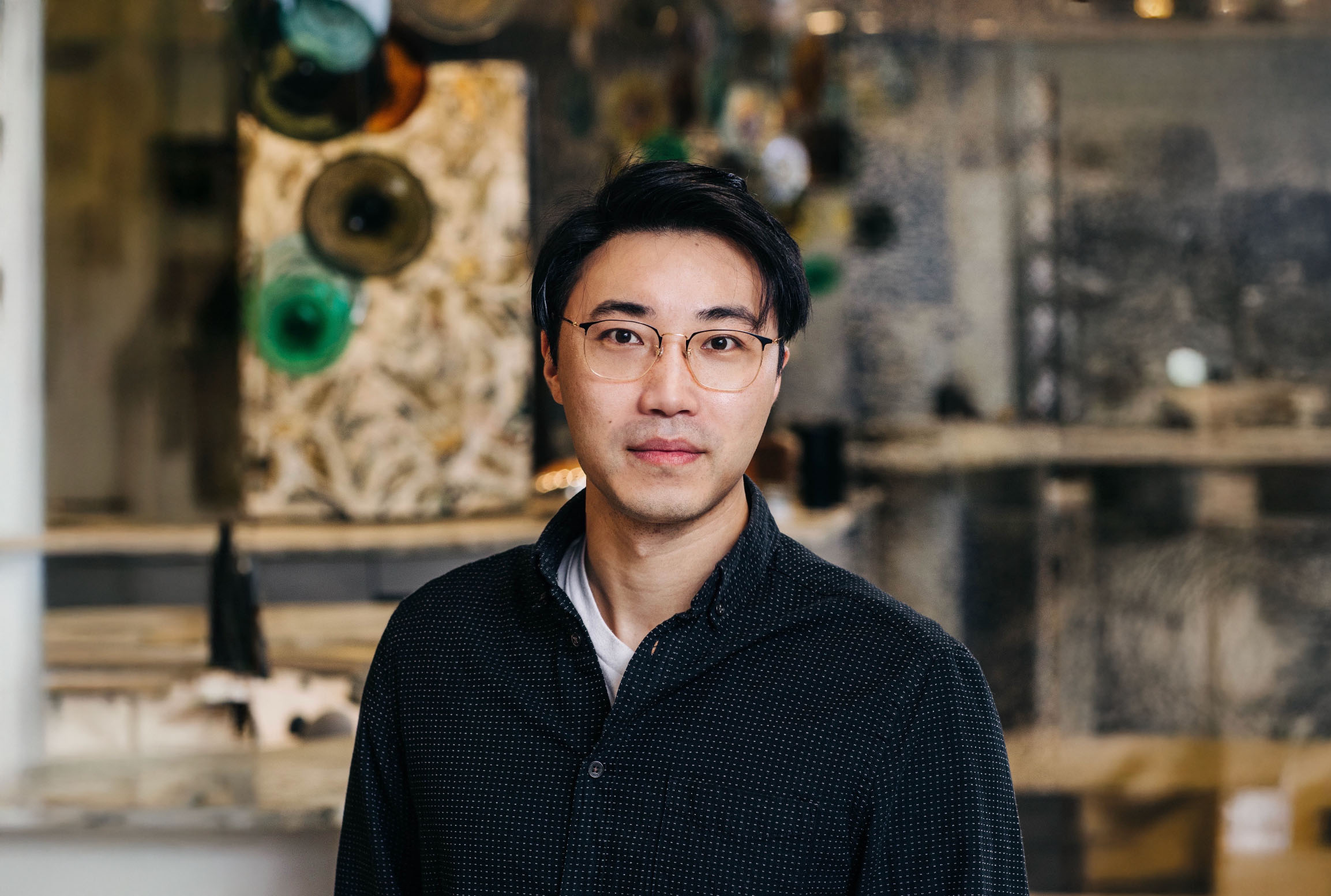

We caught up with the brilliant and insightful Chunxuan(kelvin) Yu a few weeks ago and have shared our conversation below.
Alright, Chunxuan(Kelvin) thanks for taking the time to share your stories and insights with us today. Can you walk us through some of the key steps that allowed you move beyond an idea and actually launch?
Starting my career as an in-house designer gave me firsthand experience in understanding how design can deeply impact both users and the business. Working at GE, for example, allowed me to see the direct influence of thoughtful design on customer experience and brand perception. This inspired me to go further, not just creating visually appealing designs but truly shaping products that met real needs.
The idea began with research and conversations—understanding what clients needed from an in-house designer’s perspective. I identified gaps in how design teams could deliver solutions that were functional, user-centered, and aligned with company goals. From there, I took steps to establish a unique design approach that prioritized both user experience and strategic problem-solving.
Working within an organization, I collaborated closely with cross-functional teams to ensure that each project not only met user expectations but also aligned with our business objectives. Building relationships internally was crucial; it helped me earn the trust to lead projects that demonstrated the value of design in achieving business goals. Each project became an opportunity to refine our process, strengthen our reputation, and prove the impact of in-house design solutions.
Today, my role as an in-house designer is about creating designs that resonate with users and solve real challenges for the business, proving that great design can drive both innovation and growth from within.
Chunxuan(Kelvin), love having you share your insights with us. Before we ask you more questions, maybe you can take a moment to introduce yourself to our readers who might have missed our earlier conversations?
I’m a Senior UX Designer currently working at GE Appliances, with a deep commitment to creating designs that are not only visually appealing but truly functional and user-centered. My journey into design began with an early fascination for how the world is shaped—from the way objects evoke emotions to how design can elevate everyday experiences. Over the years, I’ve had the privilege of working across industries like tech, healthcare, and manufacturing, including collaborations with companies like Alibaba, Philips, and Lenovo. These experiences helped me develop a human-centric approach to design, one that is grounded in understanding user behavior and creating solutions that address real-world problems.
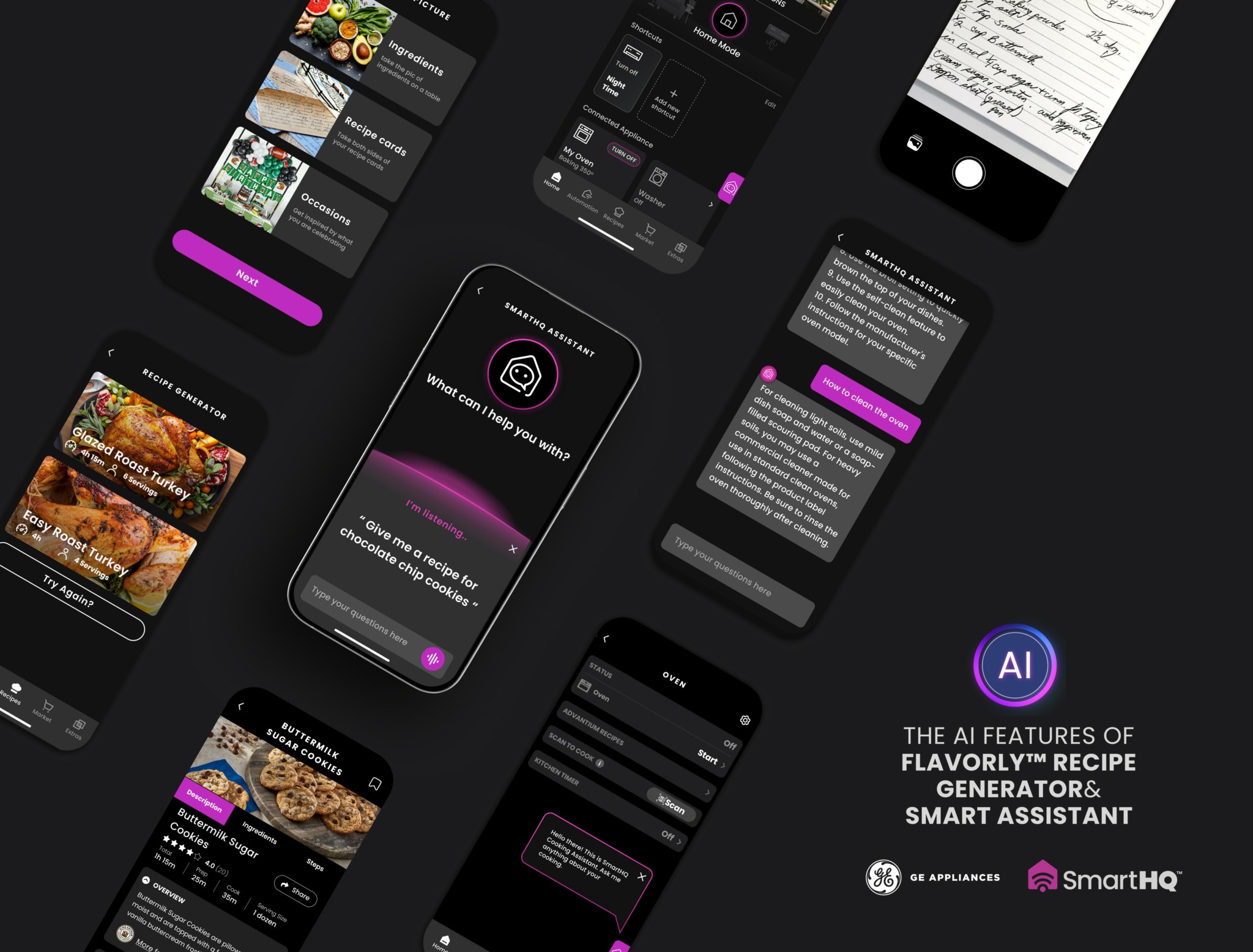
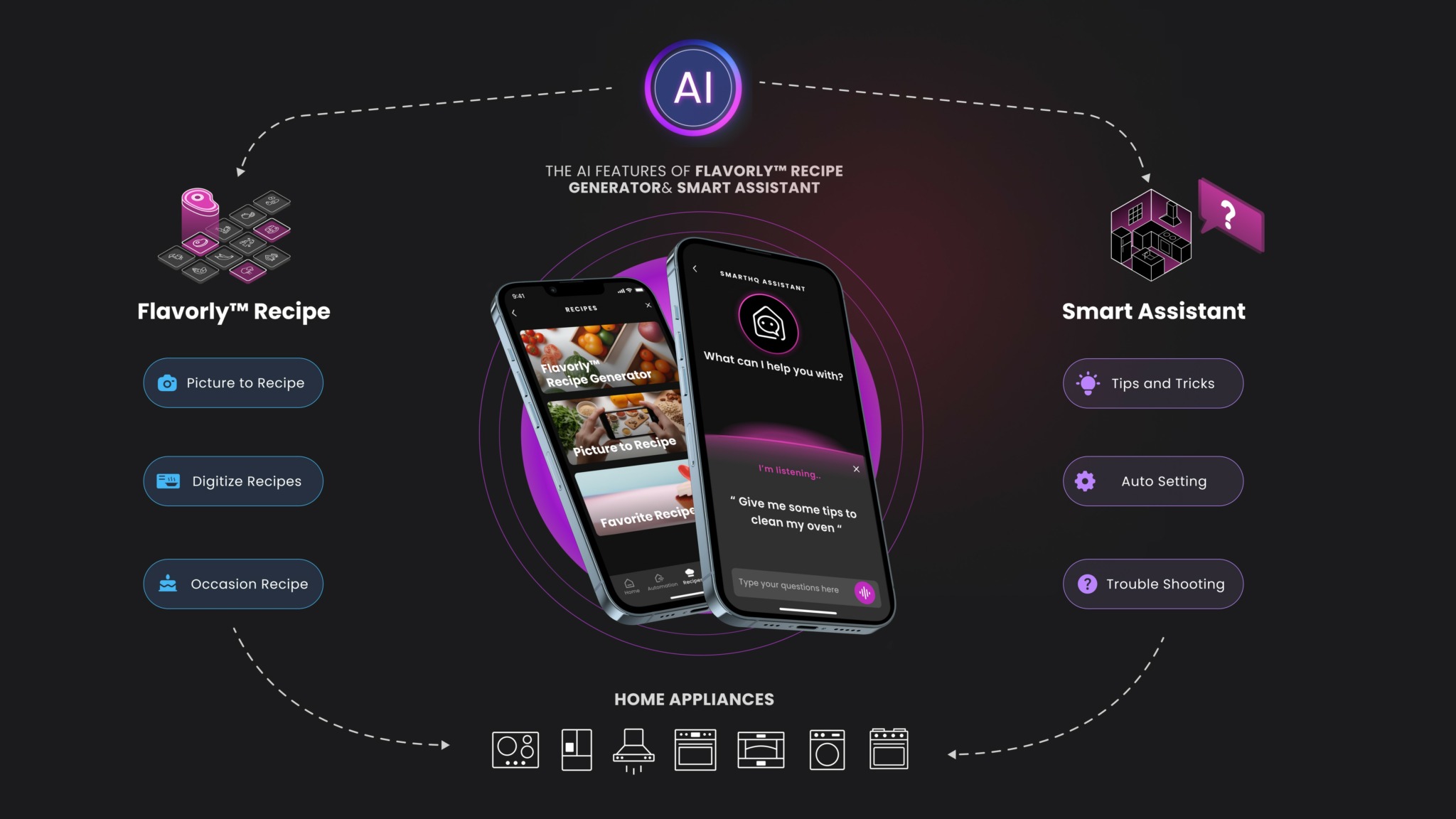
In my role at GE Appliances, I focus on designing user experiences that enhance the functionality and ease of use of our products. One of my major contributions is the development of the SmartHQ app, which allows users to remotely control and monitor connected appliances. This app, which has won awards like the IoT Breakthrough Award, combines cutting-edge technology with a straightforward, user-friendly interface, making everyday interactions with home appliances more intuitive and enjoyable. Additionally, I led the development of features like Flavorly AI and the SmartHQ Assistant, which bring personalization and seamless support to our users, further demonstrating how design can simplify and improve daily routines.
What sets my work apart is my dedication to blending innovation with empathy. I believe that successful design is rooted in understanding users’ needs, aspirations, and challenges. My design process prioritizes inclusive and participatory methods, where I involve users and stakeholders from the early stages to ensure our solutions resonate on a personal level. This commitment to collaboration has enabled me to create designs that are not just functional but also deeply impactful and accessible.
What I’m most proud of is the ability to drive positive change through design. Whether it’s helping users manage their appliances more efficiently or providing innovative solutions to common household issues, my goal is to create experiences that are genuinely beneficial and meaningful. For me, design is a tool for enhancing people’s lives, and I’m driven by the potential it has to transform everyday interactions. For clients, followers, and collaborators, I hope my work showcases a commitment to quality, empathy, and the power of design to make a difference.
Is there mission driving your creative journey?
Absolutely. My creative journey is driven by a mission to design with purpose—to create experiences that genuinely improve people’s lives. I believe that design isn’t just about aesthetics; it’s about functionality, empathy, and finding solutions to real problems. My goal is to create designs that seamlessly integrate into users’ lives, enhancing both usability and joy in everyday interactions. Whether it’s making appliances more intuitive or personalizing digital experiences through AI, I’m passionate about crafting solutions that feel both innovative and meaningful.
At the core of my work is a commitment to human-centered design. I’m dedicated to understanding users’ needs and pain points on a deeper level and using that insight to develop solutions that are inclusive and accessible. Each project is an opportunity to push boundaries, but always with the user in mind. This mission has kept me focused on creating designs that are not only functional but that resonate and make a positive impact on a wide range of users.
Ultimately, my goal is to inspire trust and bring ease into people’s daily routines, blending cutting-edge technology with intuitive, human-friendly design.
Learning and unlearning are both critical parts of growth – can you share a story of a time when you had to unlearn a lesson?
One lesson I had to unlearn was that “perfection is the ultimate goal.” Early in my career, I believed that achieving perfection in every design detail was the most important measure of success. I’d spend countless hours refining every aspect, often pushing deadlines to make sure everything felt flawless. However, over time—and through some challenging projects—I realized that striving for perfection can actually hold back progress, especially when working in a fast-paced environment where user needs and expectations evolve quickly.
A turning point came during a complex project that required integrating AI-driven features into a user experience. Initially, I was deeply focused on getting every interface element just right, but I soon discovered that spending so much time on the fine details was preventing us from moving forward at the necessary pace. The project required quick iterations and feedback from real users to refine the product in a way that would actually serve them better.
Through that experience, I learned that sometimes “good enough” is exactly what’s needed to keep the momentum going, and that real-world feedback is often far more valuable than hypothetical perfection. I began to focus more on creating flexible, iterative designs that could evolve based on user insights and changing requirements. Embracing this mindset has allowed me to be more adaptive and has helped me create solutions that are not only effective but also responsive to users’ needs in real time.
Contact Info:
- Website: https://uec.design/
- Linkedin: https://www.linkedin.com/in/kelvinxuan/
Image Credits
Photo Courtesy: Chunxuan(Kelvin) Yu