

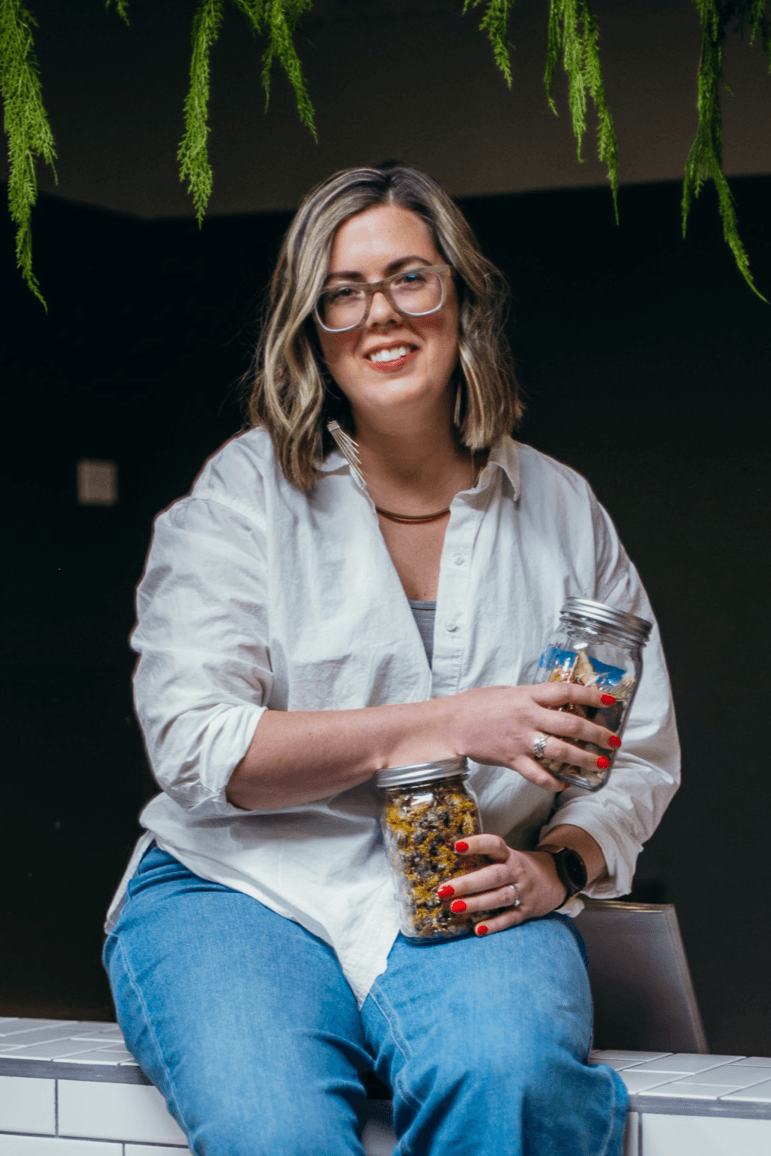

We’re excited to introduce you to the always interesting and insightful Christine Carpenter. We hope you’ll enjoy our conversation with Christine below.
Christine, looking forward to hearing all of your stories today. Learning the craft is often a unique journey from every creative – we’d love to hear about your journey and if knowing what you know now, you would have done anything differently to speed up the learning process.
I have always been deeply drawn to creating, but my current professional practice is primarily focused on watercolor and the craft of natural pigment-making. I picked up watercolors during the COVID-19 pandemic, teaching myself as a way to pay tribute to my late grandmother, who was a watercolor artist. I quickly came to love its portability, allowing my creativity to flow freely while I was outdoors. I began to create more regularly, and even started exhibiting my work in galleries.
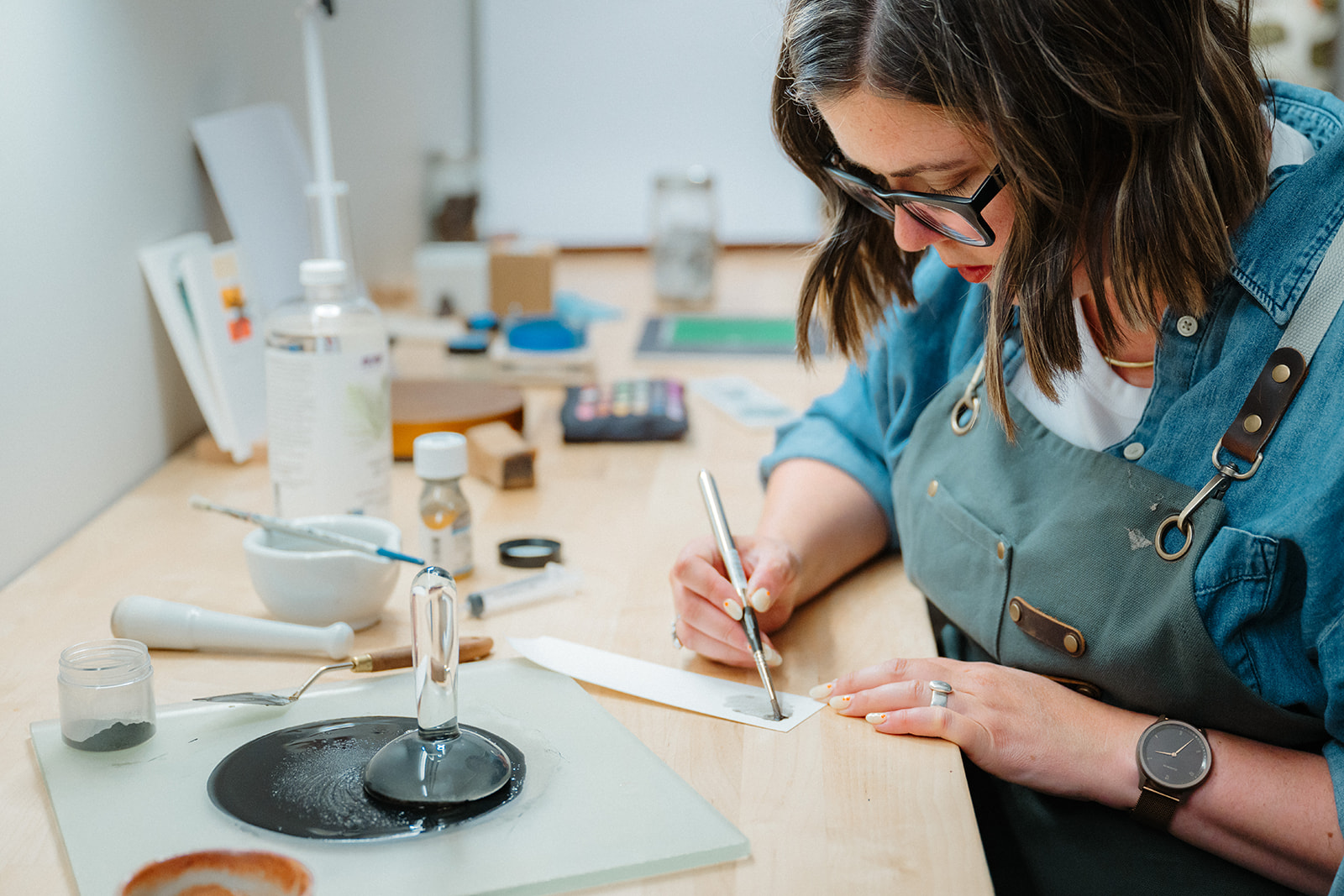
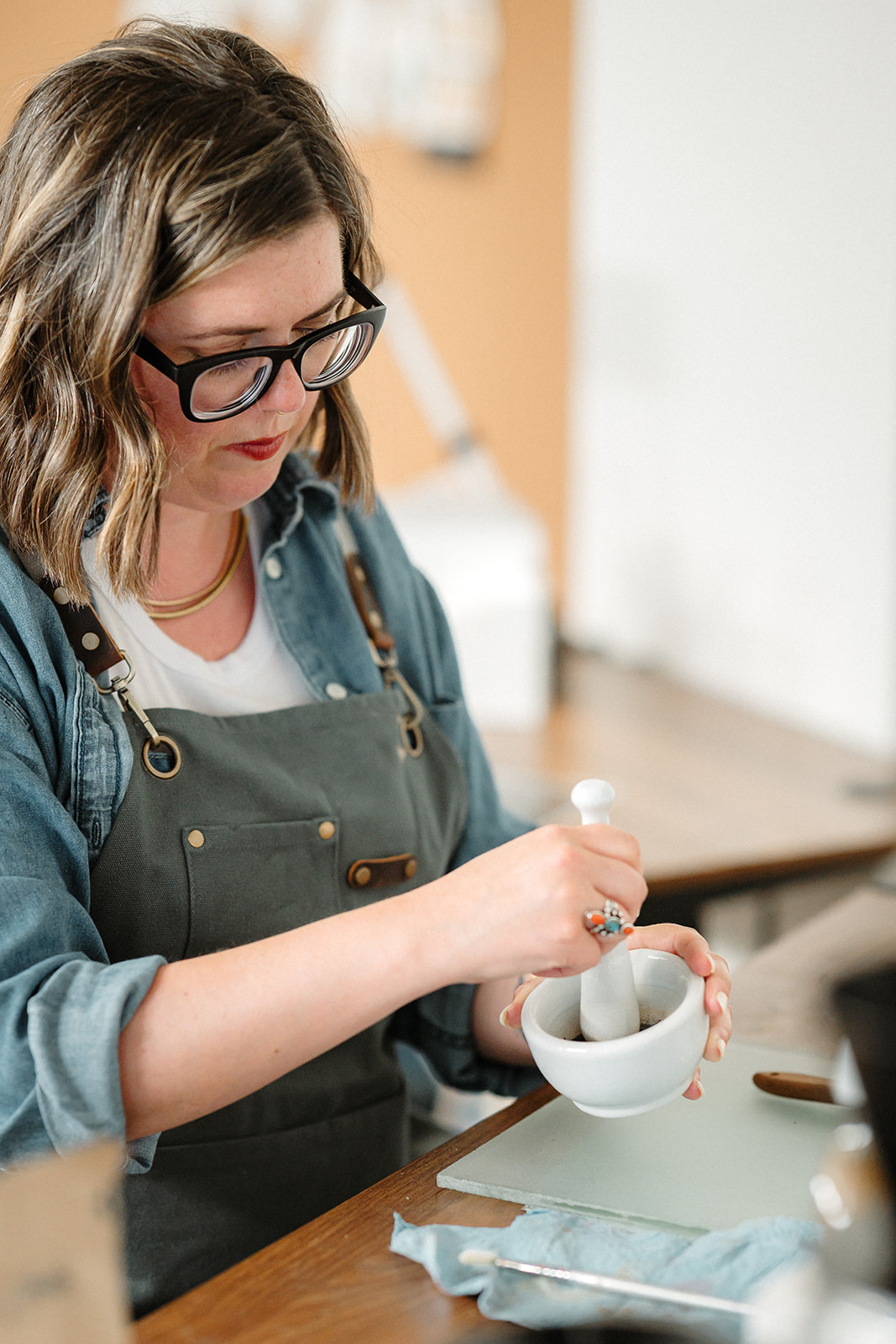
I began making to pigments about two and a half years ago following a visit to an artist’s studio in Kodiak, Alaska. Her workspace reminded me of a cabinet of curiosities, full of materials gathered directly from her environment. I was instantly captivated by the idea of bringing nature quite literally into my art, making things that were not just inspired by, but physically made by the environment itself. Over the past several years, I have intensively focused on the craft of processing foraged botanical and earth materials into pigments.
Given the niche nature of this work, there is no standard textbook. Therefore, my studio in Juneau has became my primary teacher, relying on extensive trial and error using what surrounds me. This process was slow, primarily because being in an isolated community meant that finding teachers and centralized learning tools was extremely difficult. Additionally, while natural dye documentations are abundant, there are fewer resources dedicated specifically to making natural pigments. I worked to overcome this by extensive reading, traveling to take some crucial in-person workshops, and connecting with peers through a natural dye and pigment working group based out of the UK.
While traveling and participating in in-person opportunities certainly accelerated my technical knowledge, the essential nature of my work is rooted in place—taking the time to truly notice and learn directly from my immediate environment.
As always, we appreciate you sharing your insights and we’ve got a few more questions for you, but before we get to all of that can you take a minute to introduce yourself and give our readers some of your back background and context?
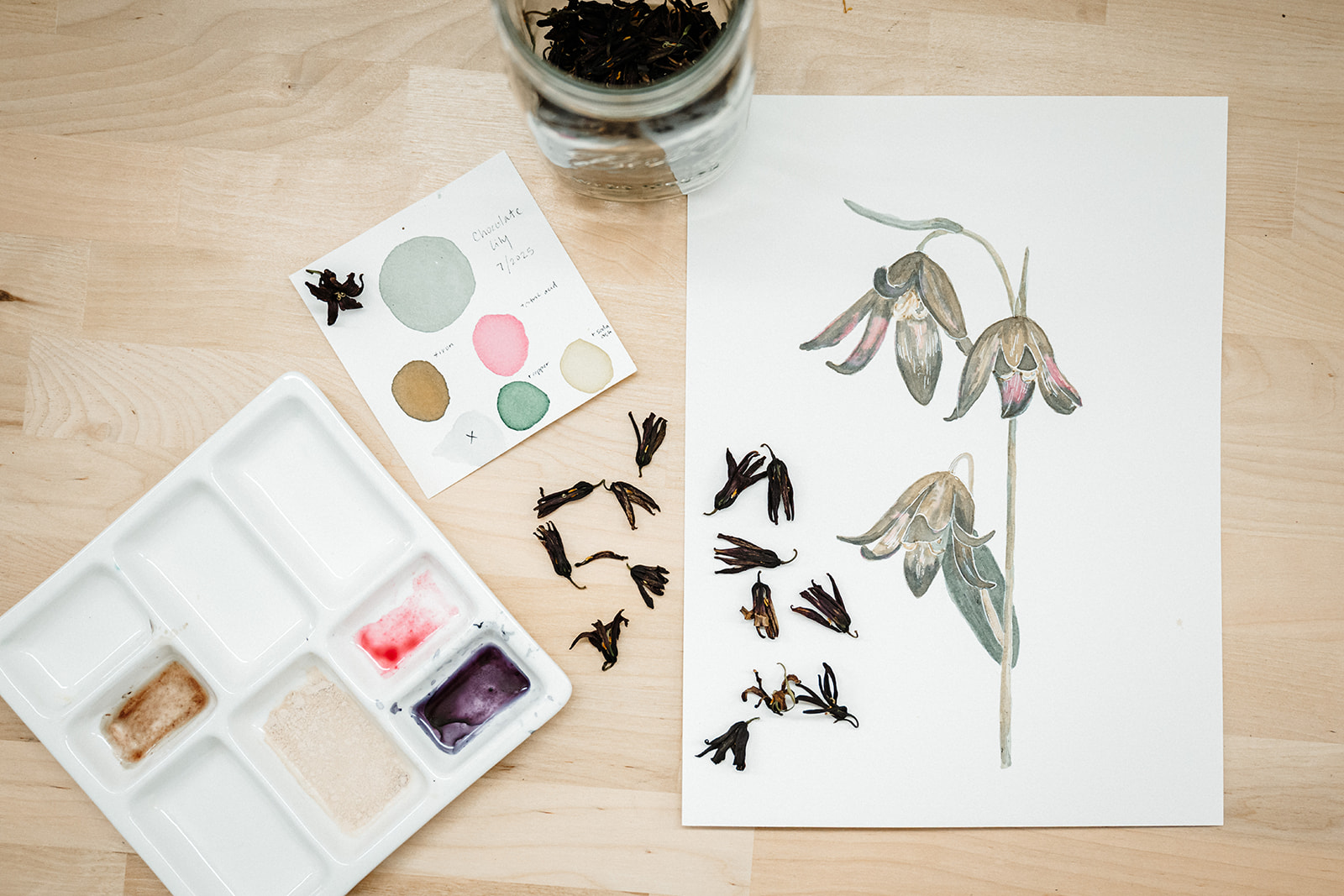
I am the artist, designer, and pigment-maker behind Liaise Studio, a creative practice based on Lingít Aaní (Juneau, Alaska), the ancestral homeland of the Tlingit people. For those unfamiliar with my work, I aim to foster a connection between our community, the environment, and my creative spirit. My creative output consists of several elements: I create original watercolor paintings that are distinct because they are made almost entirely with the hyper-local pigments I process myself, resulting in a color story intrinsically tied to the landscape. Beyond the finished art, I offer handcrafted, limited-edition watercolor paints, allowing other artists, hobbyists, and educators to integrate place-based color into their own work. I also host and teach educational workshops focusing on the sustainable collection, processing, and application of natural inks and pigments, sharing this niche knowledge with a broader community. This work is supported by a small storefront in downtown Juneau where I sell my work, foster this growing community, and provide art and stationery supplies that align with my practice.
I started my business a few years ago after a slow progression toward being a full-time artist and designer. While I’ve always been drawn to creativity, translating that passion into a viable career was not immediately clear in my younger years. It wasn’t until my mid-20s that I actively sought out relationships with other artists and creatives. Observing their professional successes helped me grasp what was truly possible. I give immense credit to my community in Juneau for fostering and believing in me as a creative; it is, quite simply, an exceptionally supportive place for artists. Today, my business is a reflection of my influences of this beautiful community and the environment around me.
What sets Liaise Studio apart is my unwavering commitment to place, process, and connection. I am not simply an artist who uses unique materials; I am a maker who transforms the landscape into art supplies. This approach allows my clients to authentically connect with the landscape through a product that has a verifiable, sustainable origin story. My audience deeply values this slow-craft process that stands in powerful contrast to mass-produced art and supplies. When you engage with my work, you are supporting a sustainable creative cycle that honors the natural world and connects you to the land. This is art where the story of the material is inseparable from the story of the finished piece.
Any resources you can share with us that might be helpful to other creatives?
Lately, several of my artist friends and I have been discussing the feeling of burnout. This has reminded me of a concept I was introduced to a few years back during a workshop with the artist Anna Brones, who eloquently reframed how we approach creative energy. She taught that rest should not be considered a break from the creative process, but rather, an integral and necessary part of it. Dedicated rest—not just mindless distraction—is the soil in which the next great idea takes root.
Creativity requires an immense amount of focused mental energy, often demanding the development of something entirely new while simultaneously executing complex technical skills. Understanding that this output requires a parallel system of input and recovery so the brain can build new pathways is essential for long-term sustainability. I wish I would have embraced this philosophy earlier—building it into my fee and schedule—so I could have avoided certain periods of exhaustion and maintained a more consistent, inspired flow in my work.
Today, my business model consists of a month-long rejuvenation period in February where I travel “down south”—what Alaskans refer to the 48 contingent United States)—to soak up some warmer weather and longer days and find new sources of pigments and inspiration. During this time, I don’t focus on any particular project. Instead, I allow myself space to reflect, shift literal and metaphorical perspectives, and embrace a slower way of life. Not surprisingly, I always come home inspired and energized to start something new.
How can we best help foster a strong, supportive environment for artists and creatives?
I love this question, as I think the idea of support is often so limited. There is a pervasive and often limiting idea that the only meaningful way to support an artist is through a direct financial transaction, primarily by buying artwork. At my storefront and at markets, I often hear, “I love your work, but I don’t have any more wall space.” Fundamentally, this anecdote reveals a lack of knowledge about other powerful ways to engage with art and the artist. We need to shift the narrative to emphasize that true patronage comes in many forms, and not every act of support requires a wallet.
There are countless non-financial ways to champion an artist’s career. Simple actions like sharing their work on social media, signing up for their newsletter, leaving encouraging comments, or directly recommending their creations to friends are invaluable forms of support that amplify their reach. Beyond that, tangible support can include participating in a workshop, donating unused space—such as an empty room or a rental property during the off-season—for an artist to carve out time for focused creation, or offering professional skills like photography or web assistance for marketing materials. Ultimately, while artists certainly need to make money to sustain their practice, teaching the public that their support ecosystem is vast and varied is crucial to creating a richer, more resilient, and truly supportive environment for all creatives.
Contact Info:
- Website: https://LiaiseStudio.com
- Instagram: @LiaiseStudio
- Facebook: https://www.facebook.com/liaisestudio
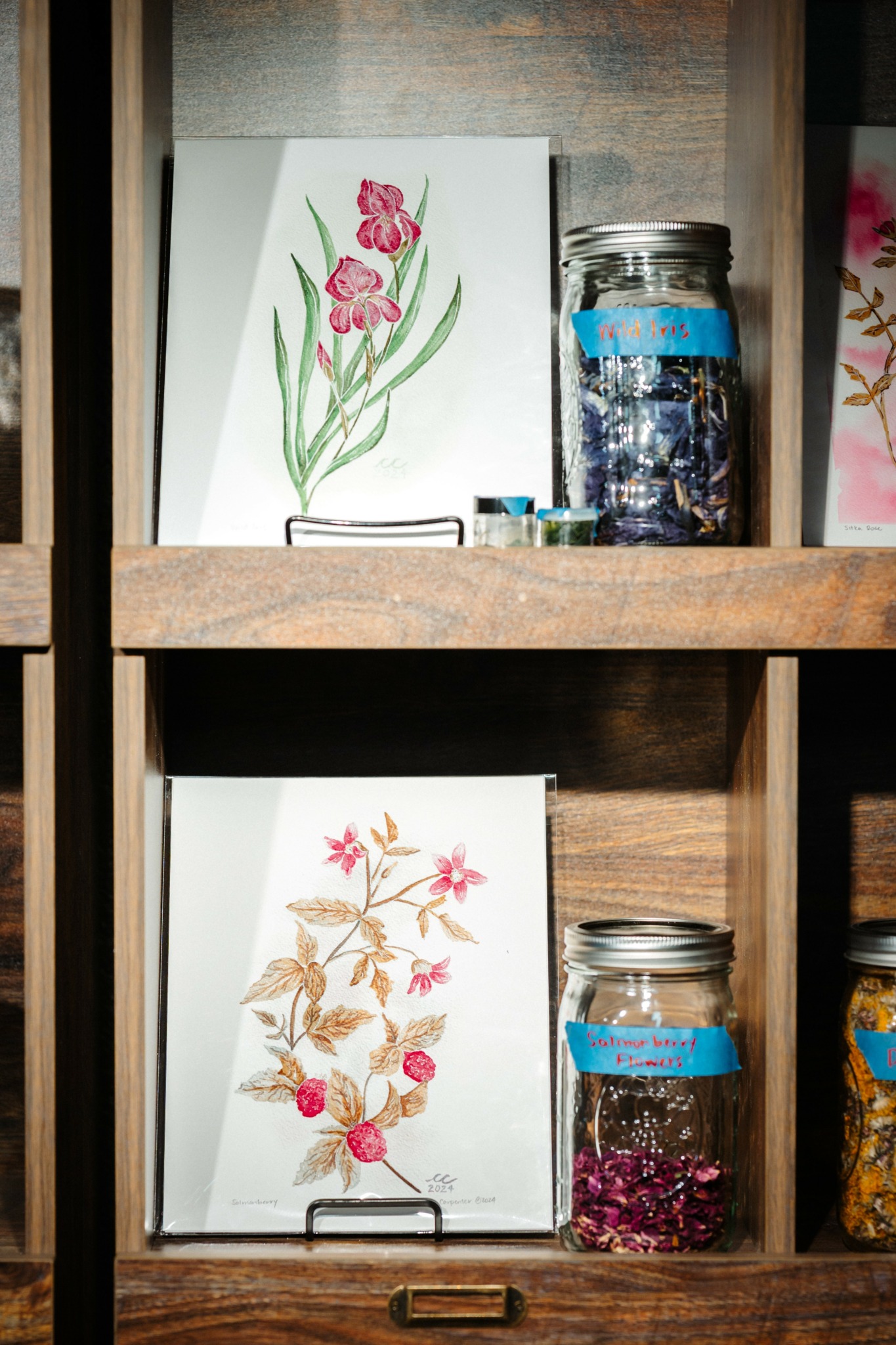
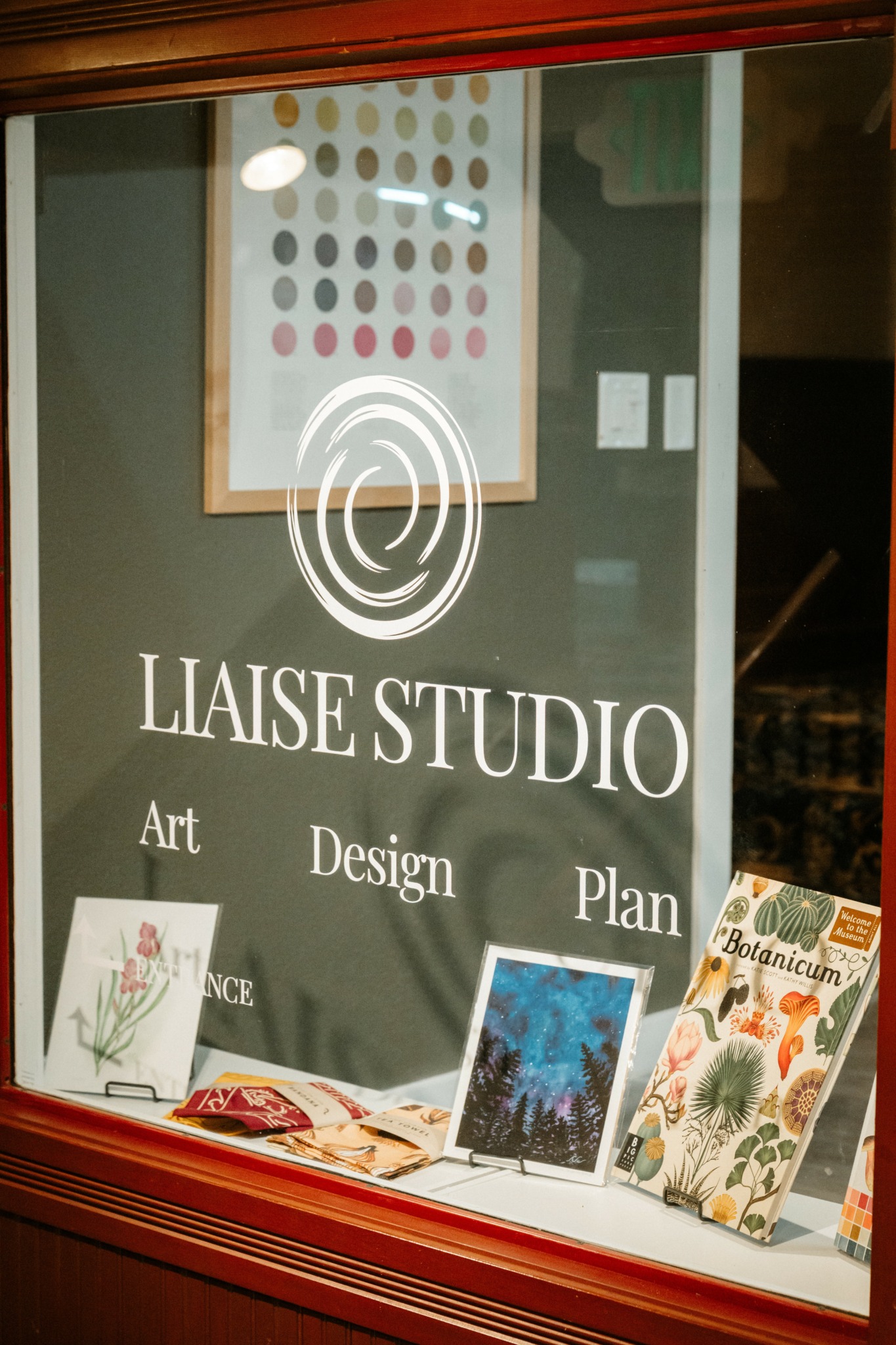
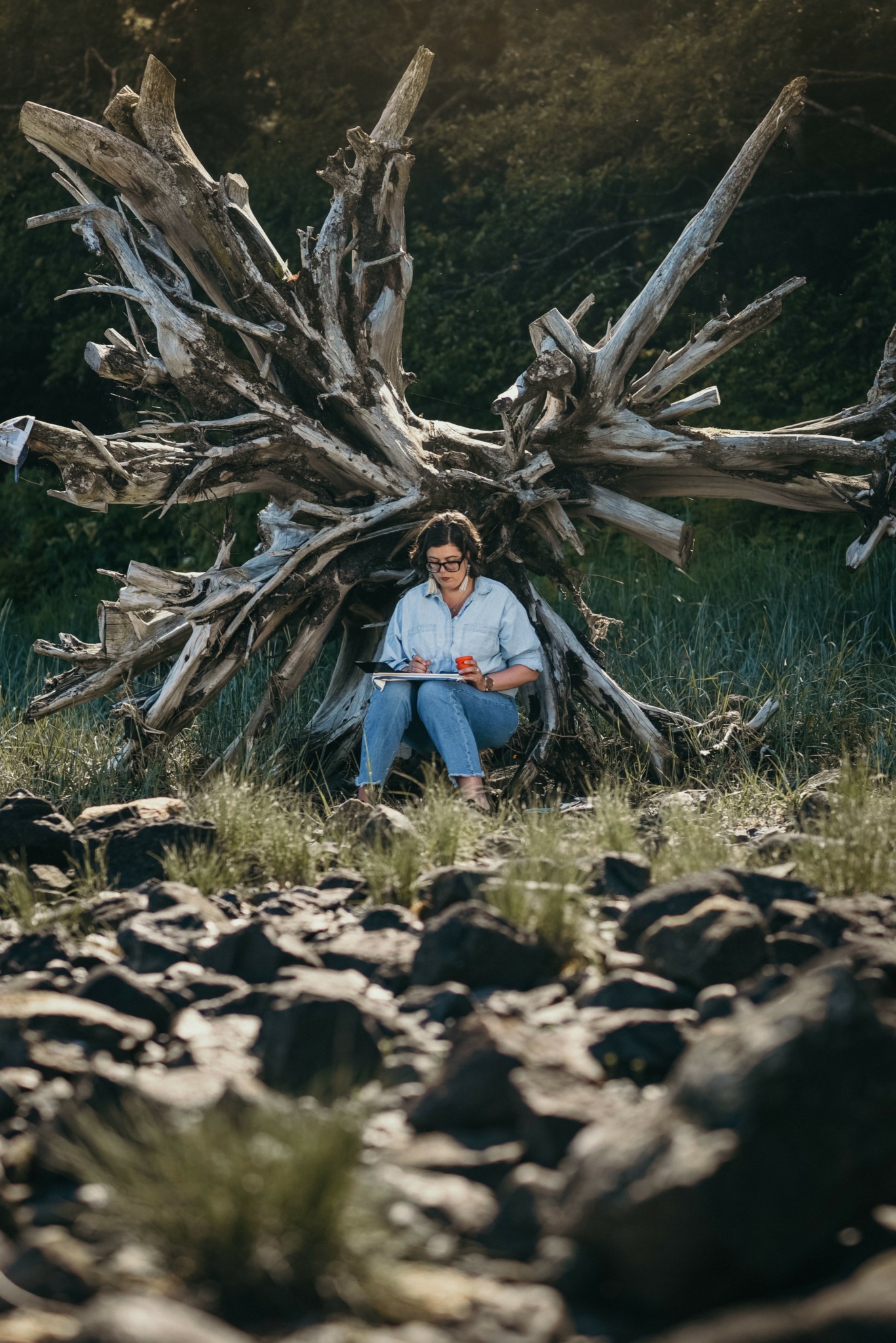
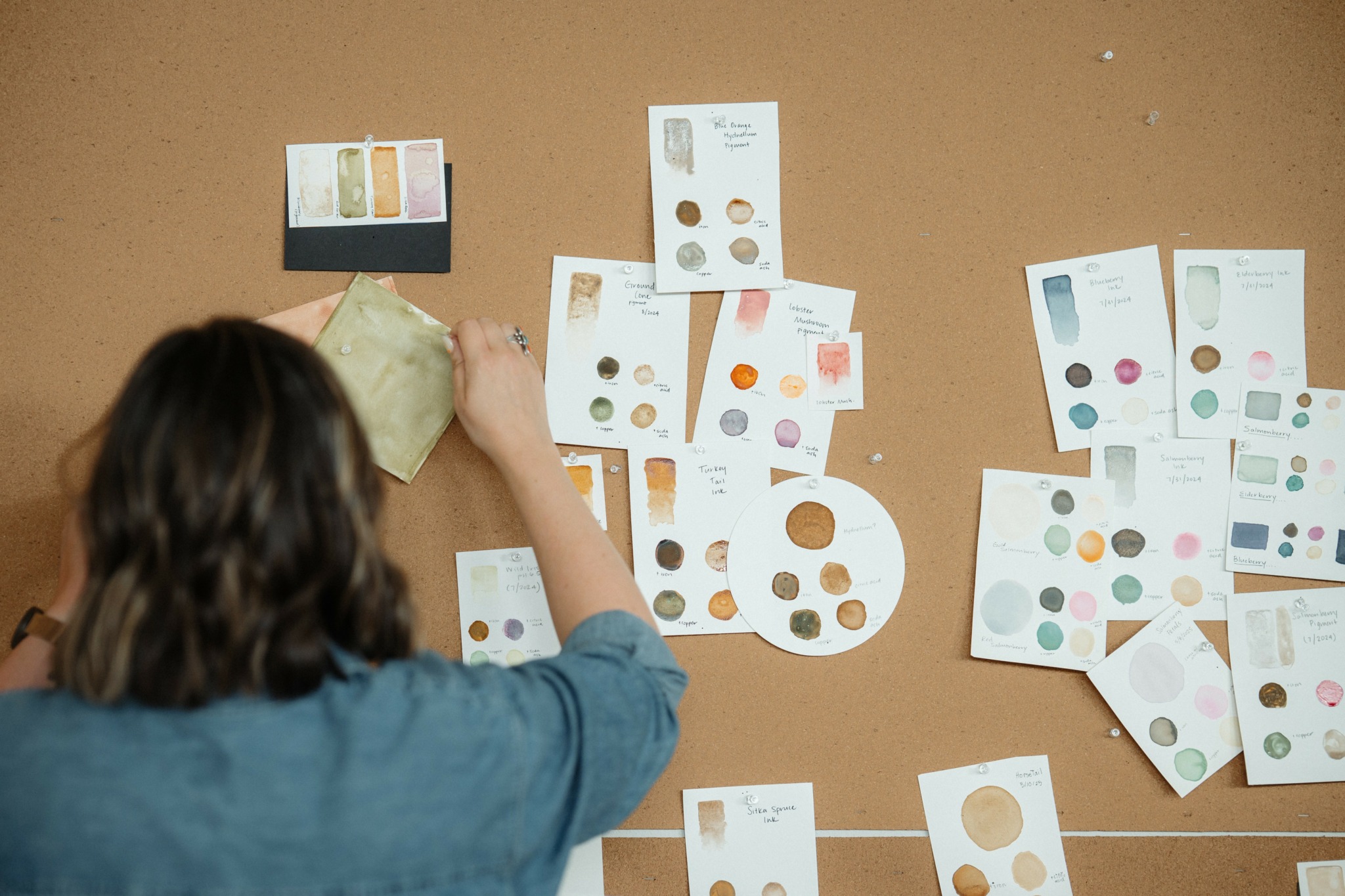
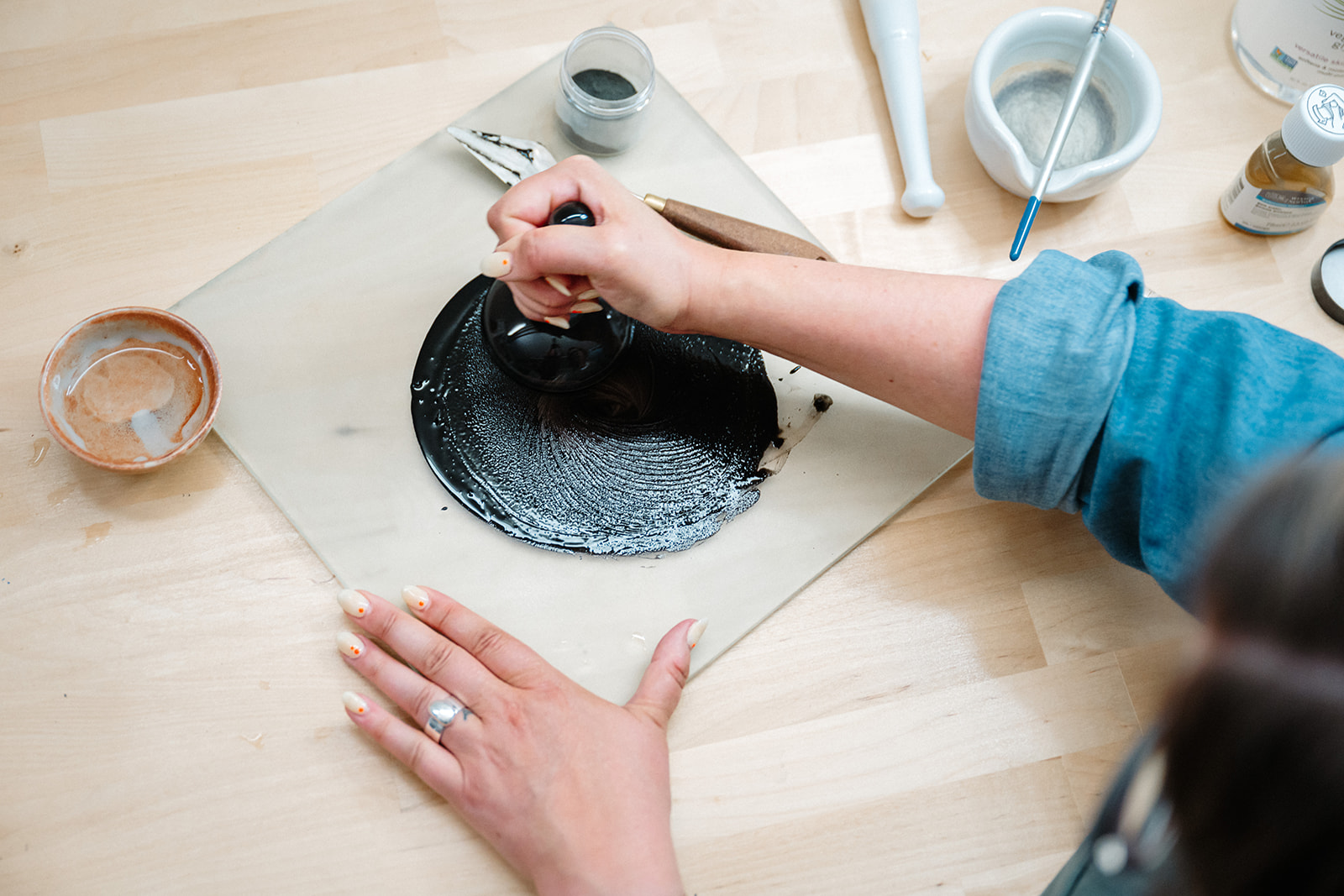
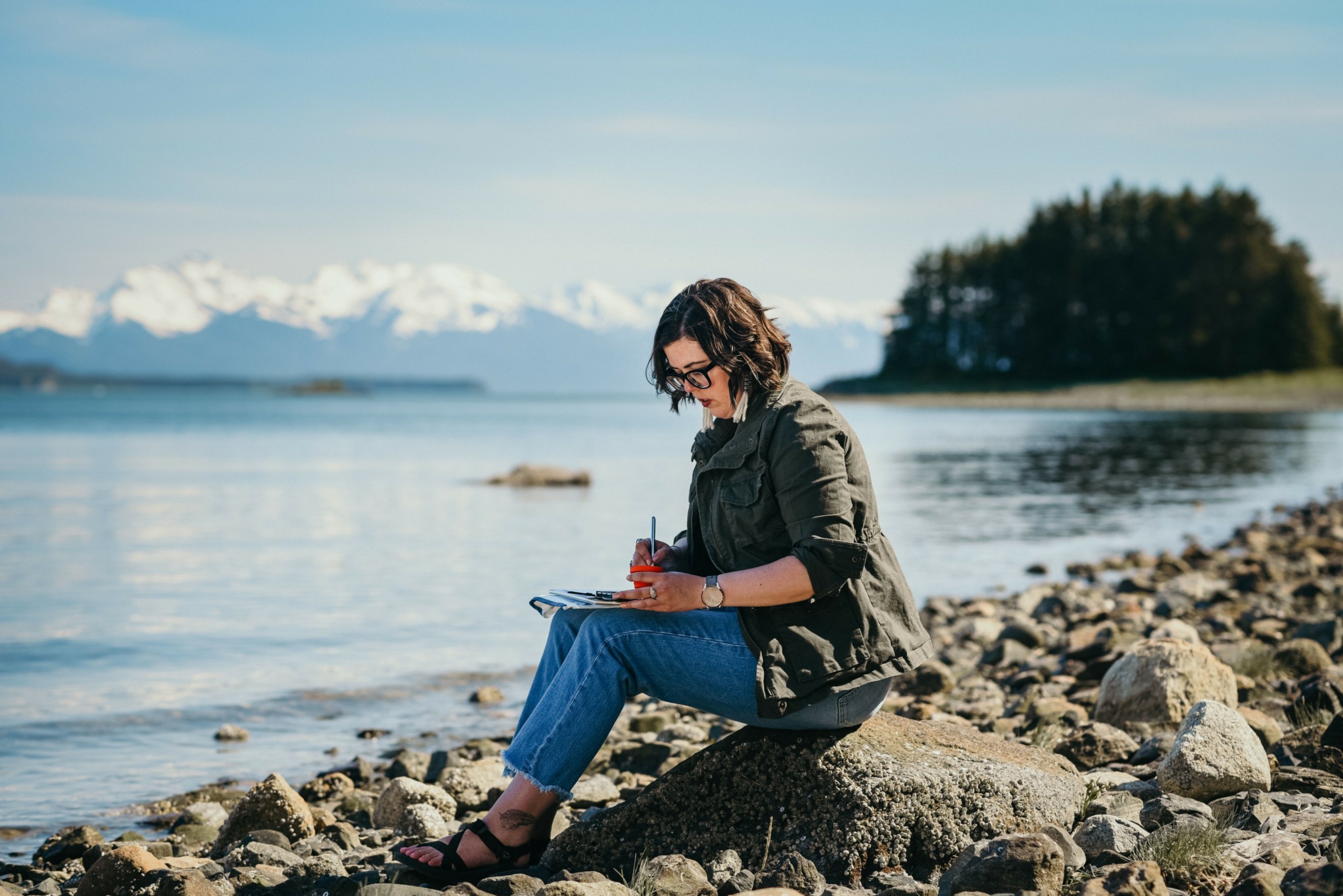
Image Credits
Personal Photo credited to Annie Bartholomew. Additional Photos credited to Wild Iris Studios