
We caught up with the brilliant and insightful Christian Valverde a few weeks ago and have shared our conversation below.
Alright, Christian thanks for taking the time to share your stories and insights with us today. We’d love to hear about a project that you’ve worked on that’s meant a lot to you.
The most meaningful project I’ve worked on isn’t a single painting — it’s a shift in how I approach my work at this stage of my life.
I’ve been painting since 2006, 2007. Life is a lot fuller now. I’ve always worked — my career is hands-on and technical and it demands a lot. But having children also changes the equation in a way nothing else does. I can’t create endlessly the way I once did — but instead of treating that as a limitation, it’s changed what meaningful even looks like for me.
My process has slowed down. I work on fewer pieces, usually a few at a time, and I spend longer with each one. I’m more intentional about subject, purpose, why a piece needs to exist at all. My best work now comes from focus and restraint, not from volume.
That’s also shown up in how I release work. Each year, I contribute select pieces to organizations I support — most recently the Sammie Sunshine Gala. Those decisions aren’t casual — these are works I care deeply about, and choosing to let them go in the right context has changed my relationship to my art.
Honestly, I’ve held onto some of this work for close to 20 years. I used to view these paintings as private archives of my own transitions—pieces I wasn’t ready to let the world define yet. But at some point you have to ask yourself — what’s the point of that? Someone else could be living with it. Someone else could be moved by it. Holding onto it doesn’t serve the work, and it doesn’t serve me. Learning to let go has been its own form of growth.
At this stage, that’s the project: intentional creation, a fuller life, and finally trusting the work enough to release it.
Christian, before we move on to more of these sorts of questions, can you take some time to bring our readers up to speed on you and what you do?
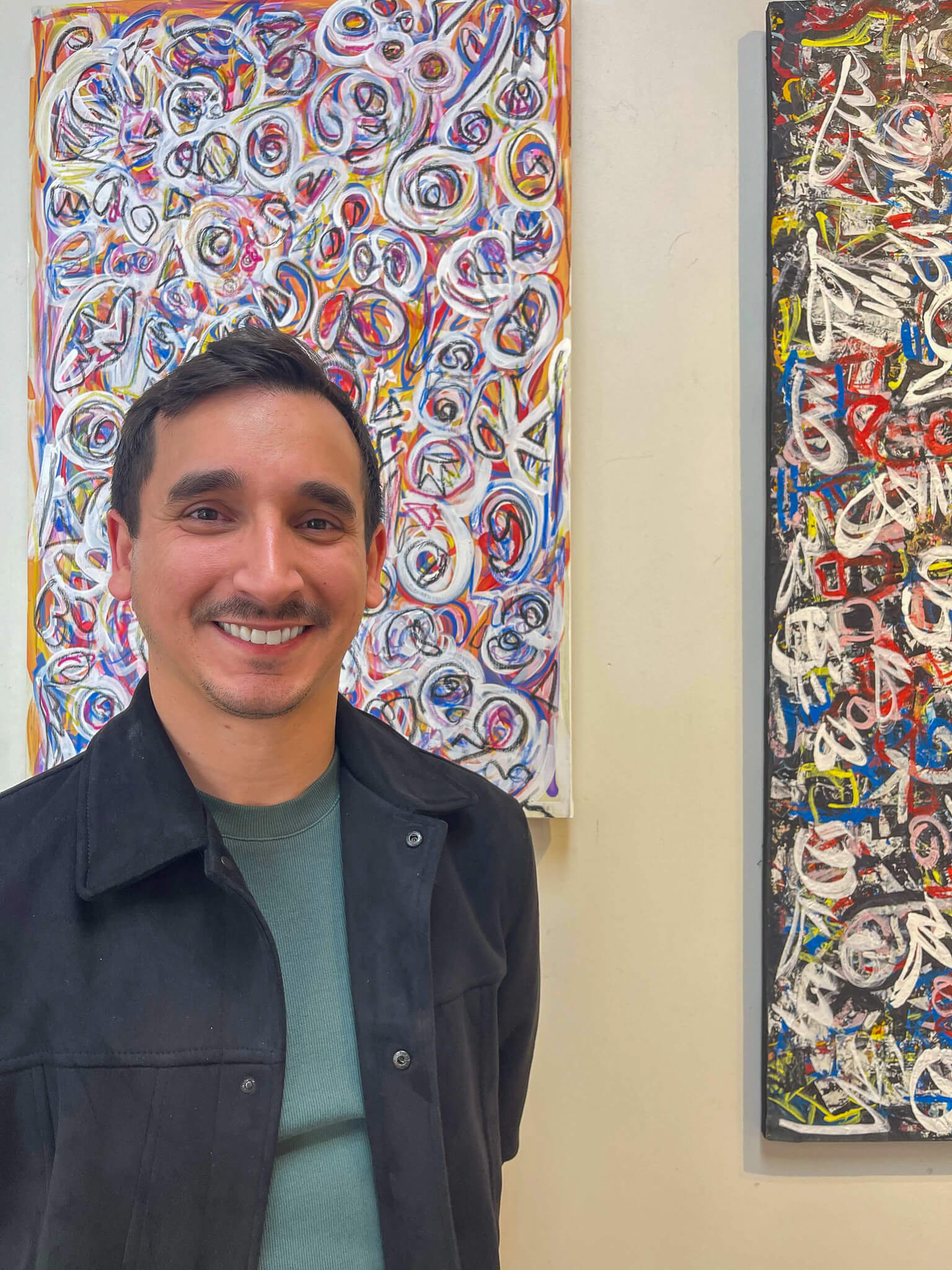
I’m a self-taught artist, and in a lot of ways that wasn’t really a decision — it was just the circumstance I started in. When I began painting, I had very little awareness of the art world or its history. I wasn’t trying to position myself within it. I was responding to what I felt and figuring things out as I went.
That resourcefulness has followed me everywhere. I’ve never been precious about process or pathways. If I didn’t know something, I learned it. If there wasn’t a clear door, I found another way in. That same mindset eventually carried me well beyond the studio — my career now spans design, web, automation, and technical AI-driven work. To me, whether I’m architecting an AI workflow or layering oil on a canvas, it’s the same impulse: I’m looking for the most elegant way to solve a problem or express a truth. Not because I was chasing titles, but because I’m wired to solve problems creatively. To me it’s all the same way of thinking, just expressed through different tools.
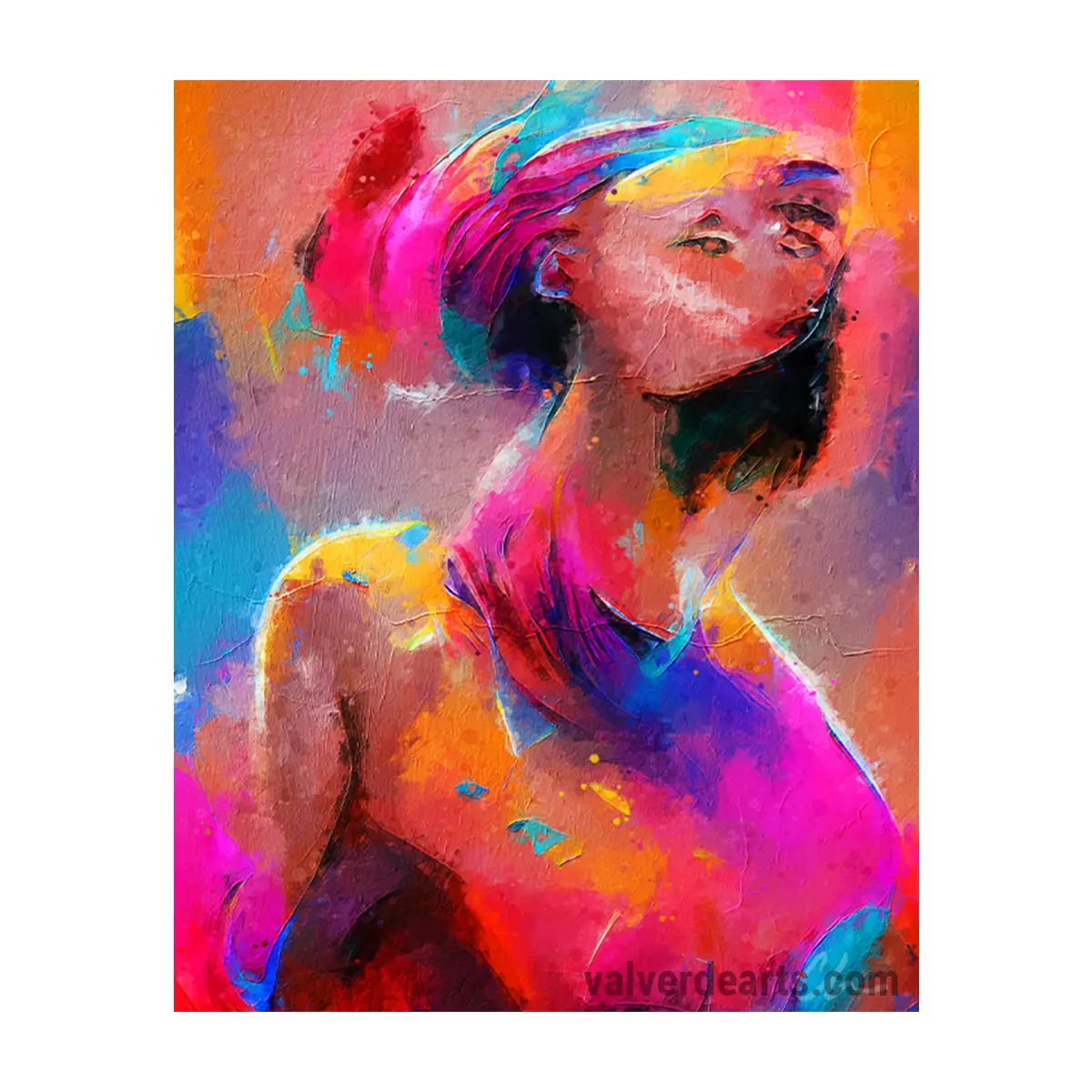
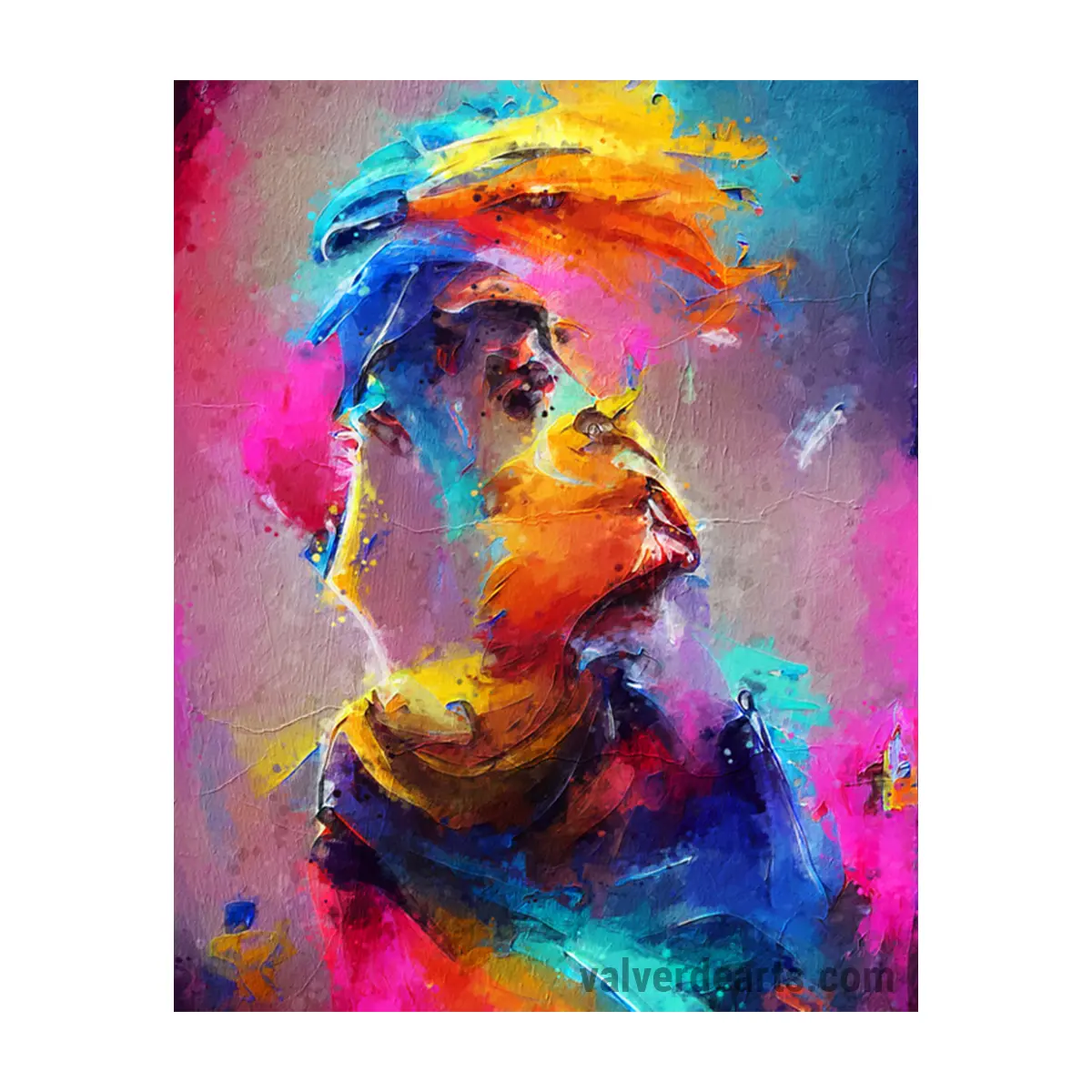
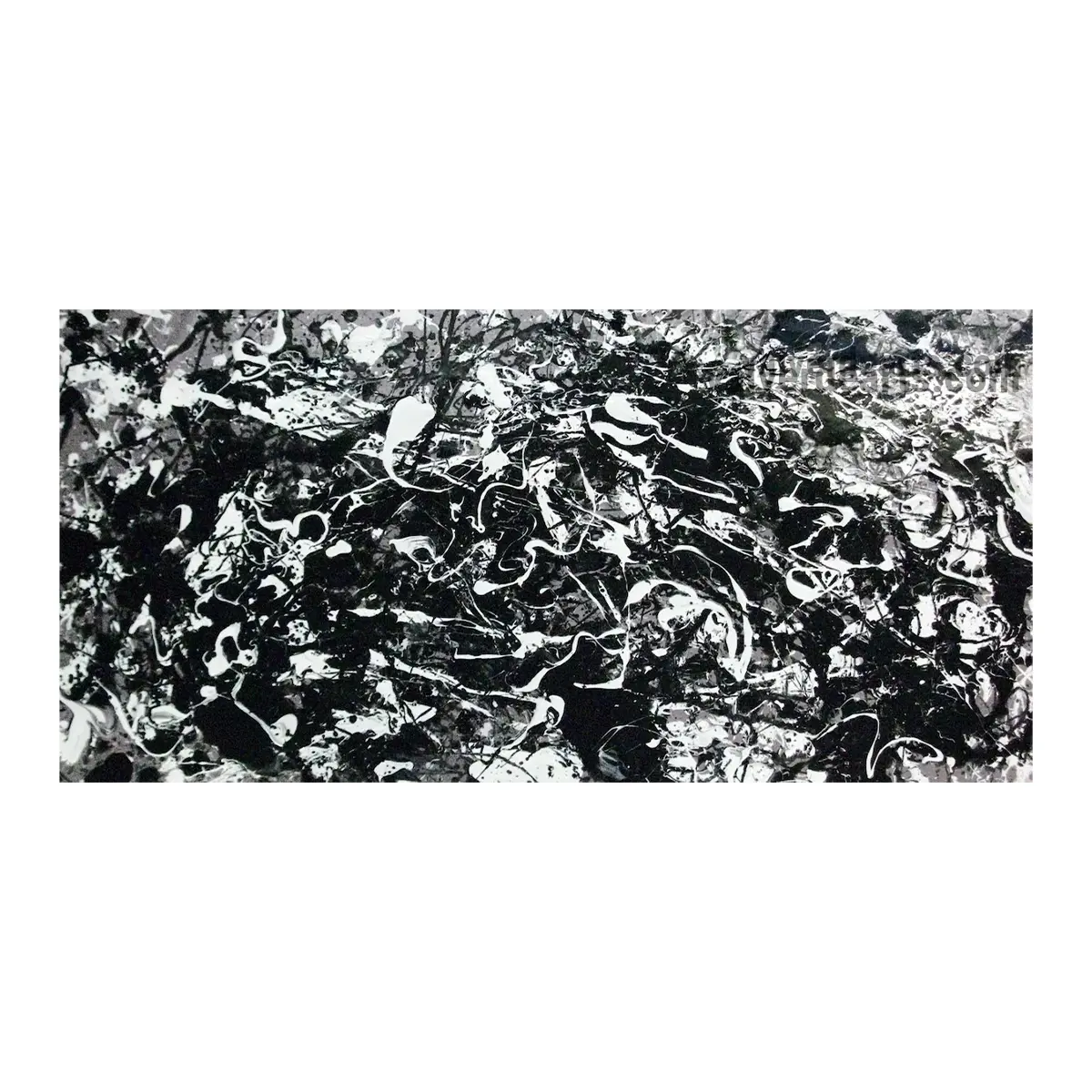
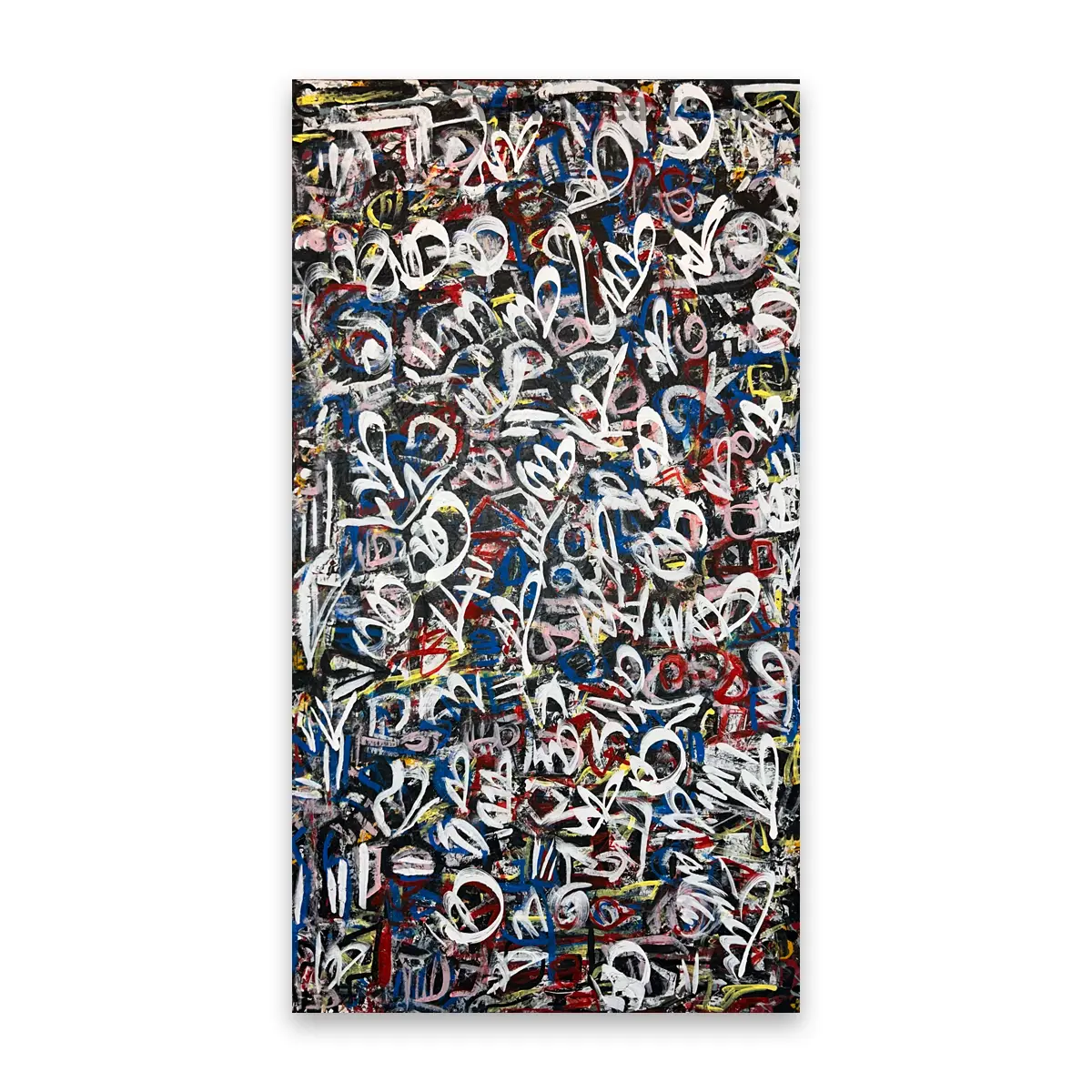
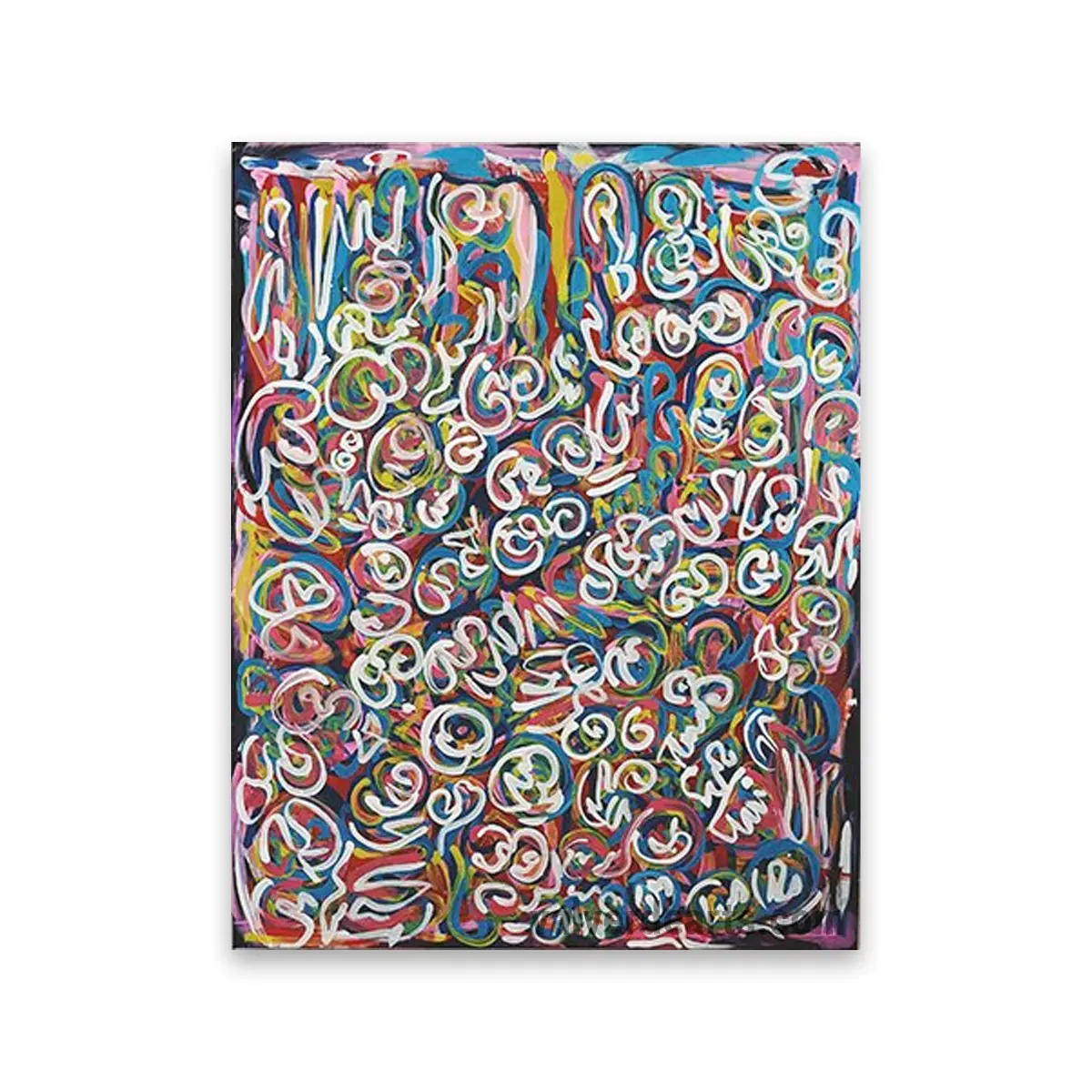
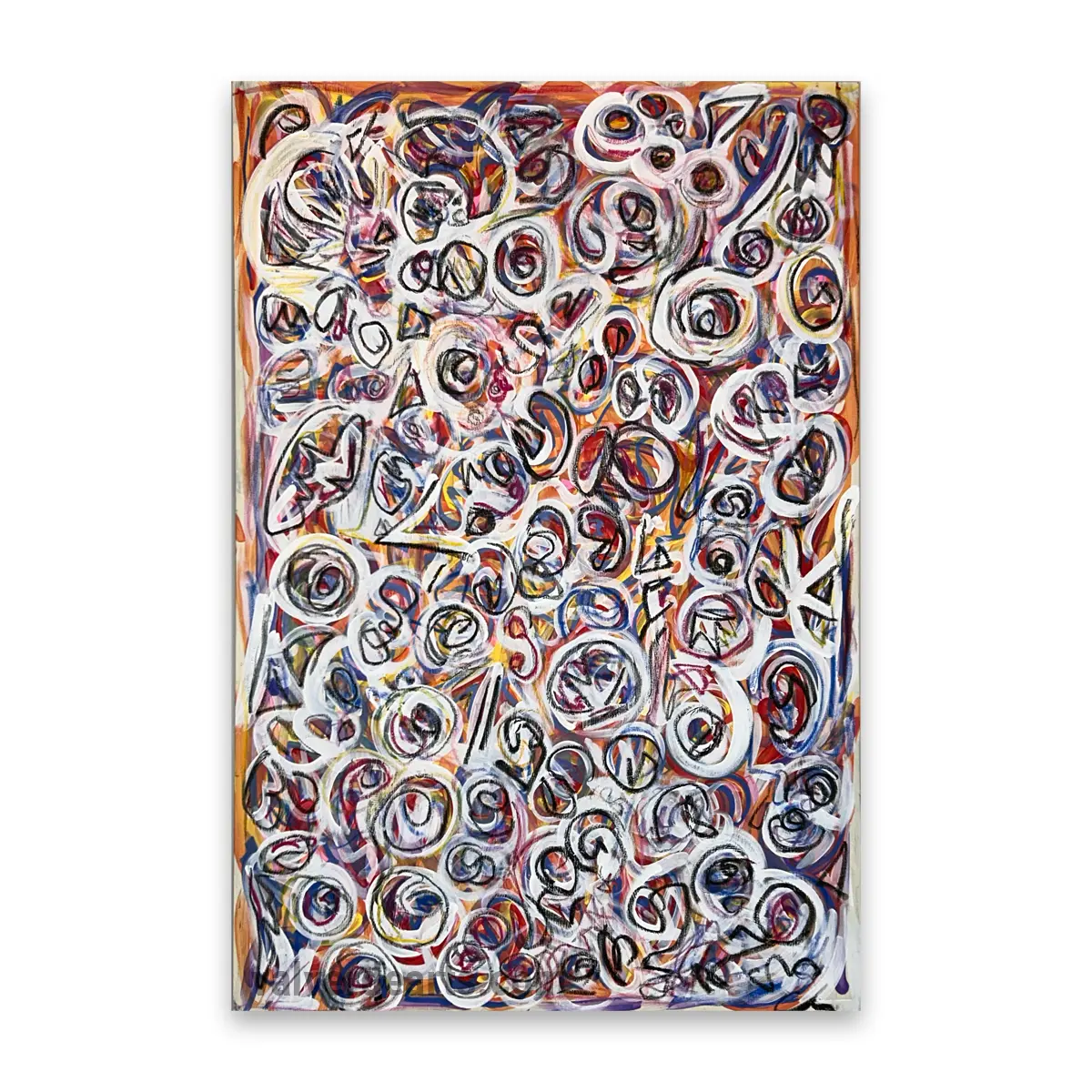
When it comes to my painting, what matters most is honesty. I don’t paint symbolically or from a distance. When I’m working I’m often processing something real — anxiety, pressure, transition — and the canvas becomes a place where that energy can move somewhere constructive. The work tends to be colorful, expressive, and direct. It doesn’t ask you to decode it. If it speaks to you, it speaks to you.
Because I believe art should be lived with, I make my work available as both originals and high-quality, accessible canvas prints. If you love colorful, expressive, intentional work and you want something on your wall that has real energy behind it, come take a look. I’m honored either time someone brings my work into their home or business.
What I’m most proud of is simple: I never stopped. I’ve been at this since my late teens. Trends came and went, life got fuller, seasons changed — and I stayed with it. Still painting, still showing, still selling work. There’s a version of this where I quietly faded out somewhere along the way. I didn’t. That consistency, over nearly two decades, is the thing I’d point to before anything else.
We often hear about learning lessons – but just as important is unlearning lessons. Have you ever had to unlearn a lesson?
One of the biggest lessons I had to unlearn was the belief that my identity was inseparable from my output.
Early on, I genuinely thought that if I wasn’t creating constantly, my creativity would die. I felt pressure to paint all the time, as if taking a break meant I was failing or losing something essential. Art wasn’t just something I did — it was the thing I thought gave my life meaning.
In hindsight, that belief came from a very limited season of life. I didn’t have much else filling my world at the time, and my work became something I clung to. It gave me purpose, but it also narrowed my perspective. I confused devotion with sacrifice, and intensity with depth.
What ultimately helped me unlearn that mindset was experiencing a fuller life. Marriage and becoming a father changed everything. For the first time, my sense of purpose extended beyond myself. I realized that my work doesn’t define me — it complements me.
Raising a family has been the hardest thing I’ve ever done, but also the most fulfilling. I’ve never laughed, cried, or felt more alive than I do now. That fullness didn’t diminish my creativity — it deepened it. My life became richer, and my work followed.
Unlearning that my art had to be everything made room for it to become something truer.
Do you think there is something that non-creatives might struggle to understand about your journey as a creative? Maybe you can shed some light?
One thing I think non-creatives struggle to understand is that creativity isn’t a personality type — it’s a way of moving through the world. Anyone who builds something with care and intention is doing something artful, whether that’s a painting, a technical system, or anything in between. It’s been the undercurrent of my entire life, across everything I’ve done.
What might actually surprise people is that I had no real interest in art growing up. No art classes, no grand vision, no romantic origin story. It found me organically, and when it did, it just spoke to who I was. Over twenty years later I’m still painting, still showing work, still building on it — and none of that came from following a script about what an artist is supposed to be.
I think that matters, because I genuinely believe art has lost some of its authenticity through the romanticizing of what it means to be a creative. There’s a lot of performance out there — the aesthetic, the persona, the role. I’ve never been interested in any of that. I want the work to speak for itself. In my experience, when it’s honest, it always does.
Contact Info:
- Website: https://valverdearts.com
- Instagram: https://instagram.com/valverdearts