

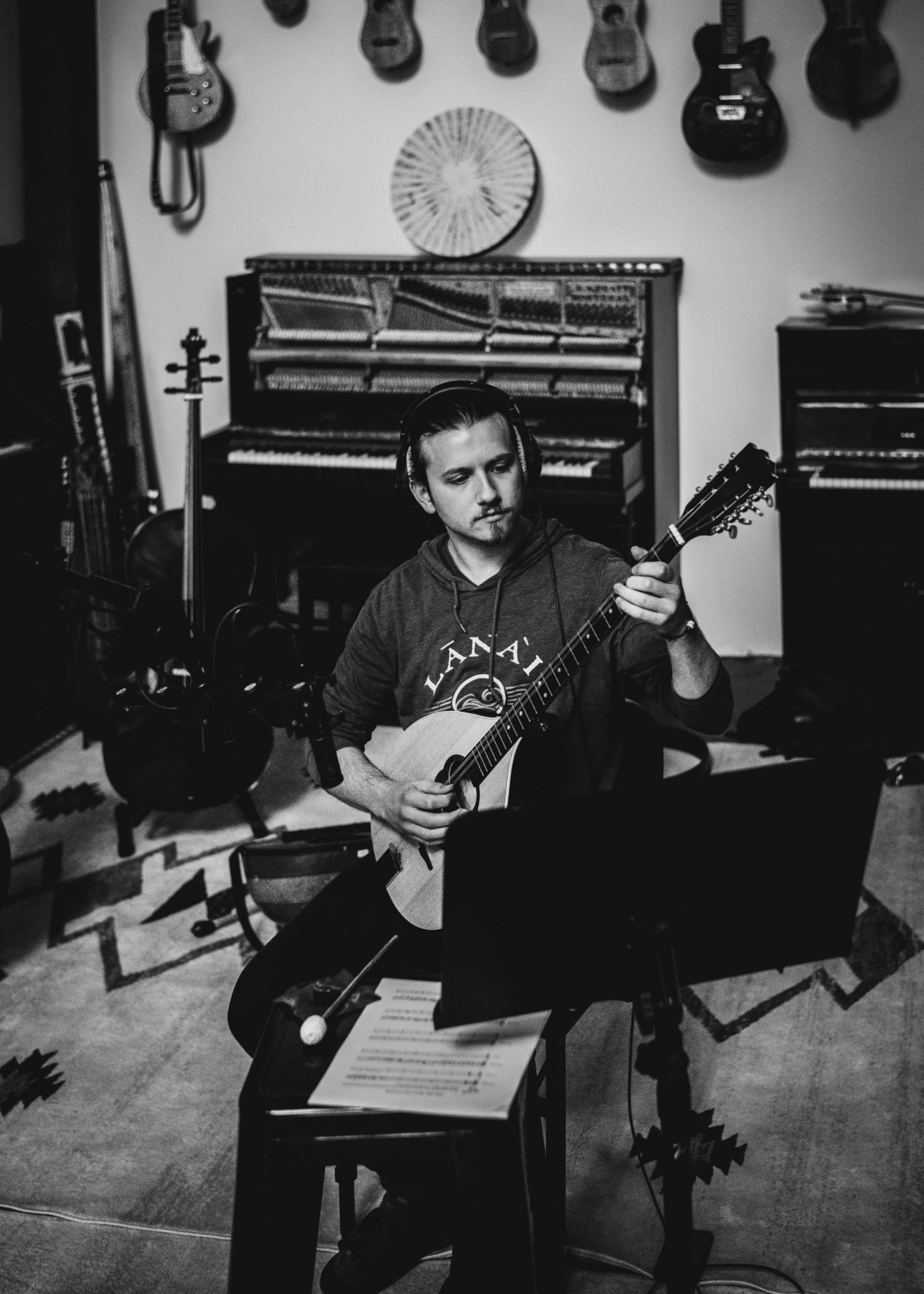

Alright – so today we’ve got the honor of introducing you to Christian Graham. We think you’ll enjoy our conversation, we’ve shared it below.
Christian, thanks for taking the time to share your stories with us today Let’s jump back to the first dollar you earned as a creative? What can you share with us about how it happened?
The first project I got paid for was co-writing the music for a TV documentary called “Qanuilirpitaa? How are we now” for CBC. It followed a health survey of the Inuit people in Nunavik in northern Canada. It went into the history of the people and the hardships they experience because of the lasting impacts of colonialization. It explored how they are recovering and building up their community. The director wanted us to work with artists from the community and create something unique for this film. I had the pleasure of working with a highly talented vocalist from Nunavik, Sylvia Cloutier, who did some Inuit throat singing for the film. It was a great experience to learn about a new style of music and be exposed to a new culture. We decided that we wanted to let her voice lead the way rather than write music and have her sing over it. We had her come in and record her singing before we wrote the music. We talked to her about the uses of the songs she sang so that we could then write music inspired by her performances. It was crucial to know the uses and what the songs she sang were about so that we approached each one correctly. We wanted Inuit viewers to be able to watch the film and hear their culture and voice in the music. Understanding the history and background of what Sylvia was doing was key to that. For example, it was essential for us to understand the context for a song that Sylvia sang about the killing of sled dogs as a means of controlling the Inuit people’s movement and freedoms. Knowing the history was key to the music writing process, and this experience profoundly impacted the way I approach writing for a film. Writing music for film is a form of storytelling, and understanding what the film is about is key to scoring a film. You can write the most beautiful music, yet it does not tell the film’s story. Now, I spend almost as much time researching and studying for every project I work on as I do writing. I see it as part of the job of a film composer to know the story, context, and culture of the film in and out.
Awesome – so before we get into the rest of our questions, can you briefly introduce yourself to our readers.
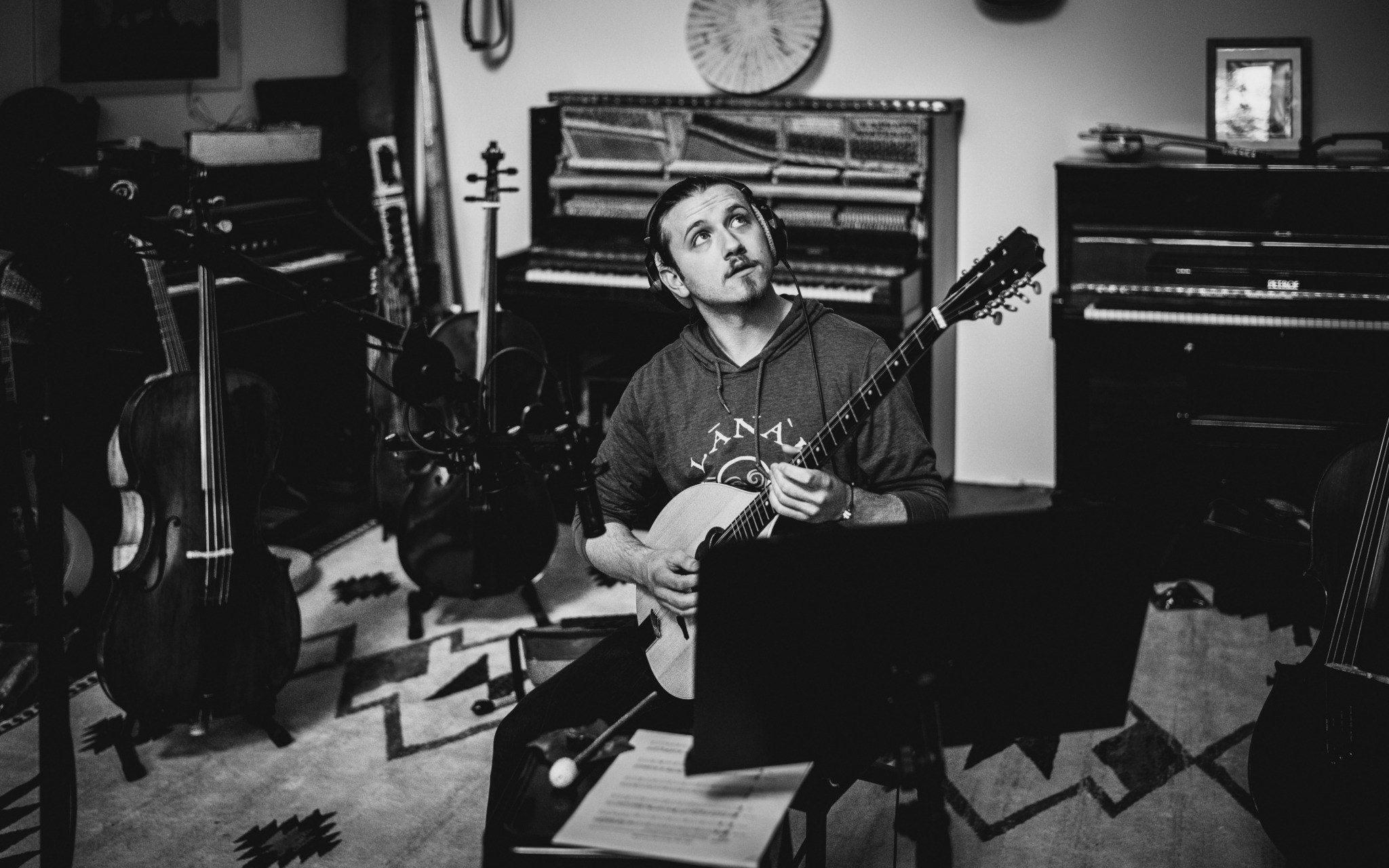
I am a music composer who primarily writes for film and video games. I’m originally from Canada but am currently based in Chicago. As a composer, I get to help people tell stories. I have had the privilege of working on large and small-budget projects, but the goal is always the same.
I perceive the world sonically. I am someone who always stops to appreciate an interesting sound (much to the chagrin of those around me). As I listen to the world, I constantly hear a symphony of sounds that inspire my work.
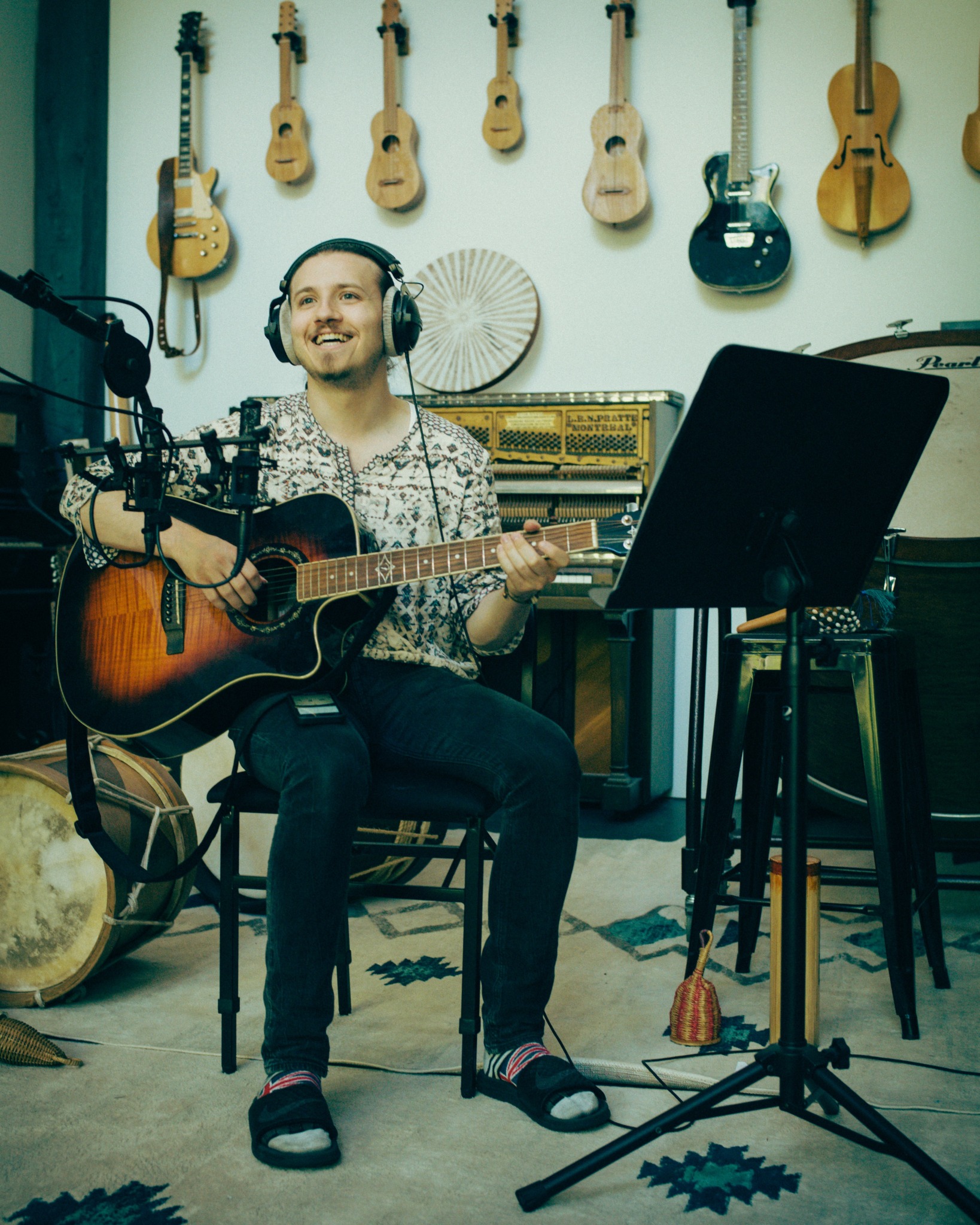
I collect sounds and instruments (much like one collects stamps or coins). I have over 45 instruments from around the world – including Morin Khuur, Gaita, Irish Bouzouki, Santoor, Death Whistle, and the Sao Truc – I often create unique virtual instruments for my projects, using technology to create new instruments and sounds. My incorporation of these sounds into my works has been a defining aspect of my style. I find great joy in blending physical acoustic instruments with technology to create new sounds and enhance the projects I work on.
For you, what’s the most rewarding aspect of being a creative?
For me, the most rewarding aspect is the collaboration with other artists. A film is a project with many artists contributing to making something great. The music is part of that, and I love the process of finding the sound of the film. For me, this is the most exciting part. The process is more than just getting into a “zone” and finding the sound; it is an open communication between me and the filmmakers. Whenever I get to collaborate and go through that whole process on a project, I walk away a better artist.
Is there mission driving your creative journey?
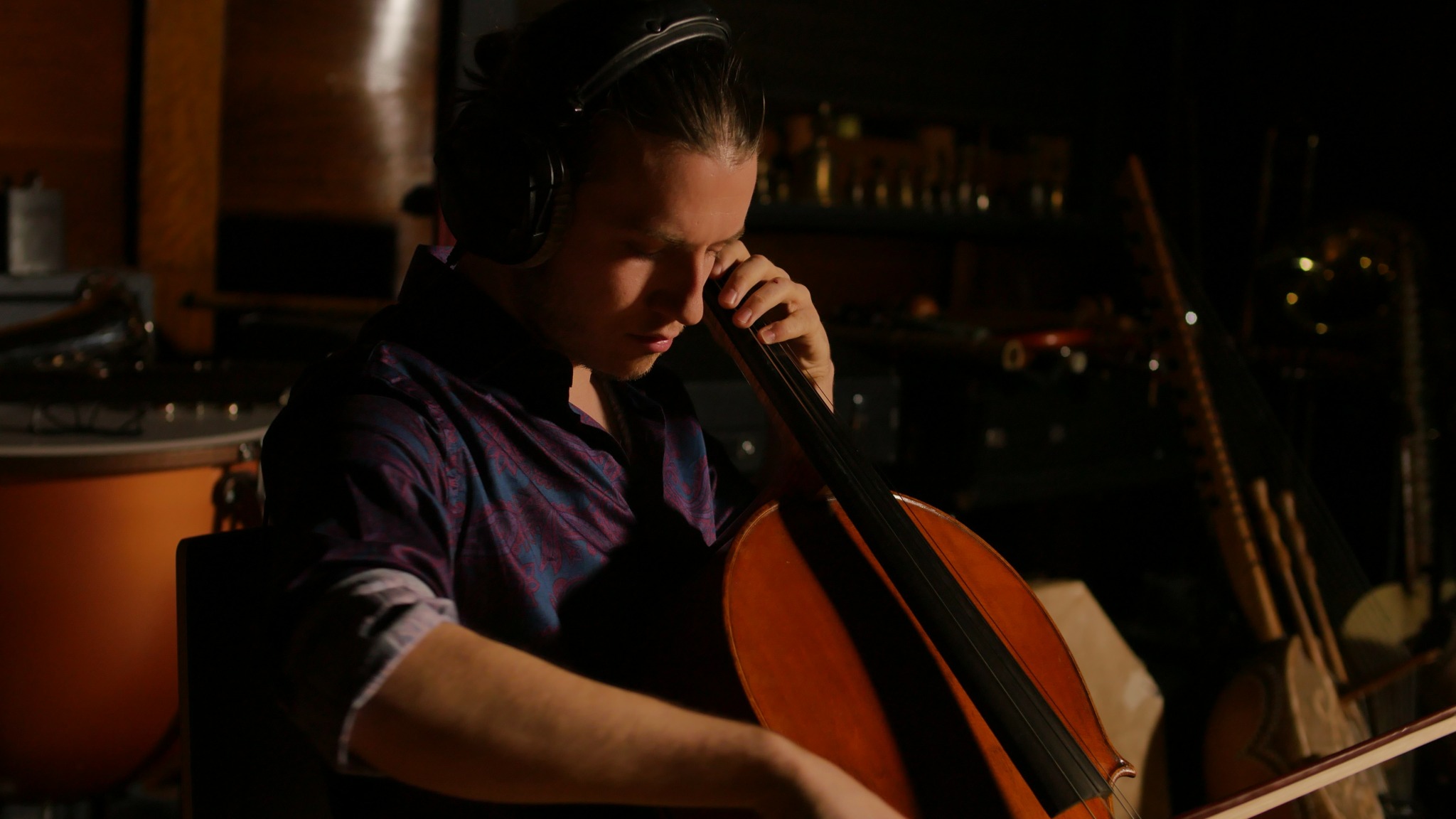
I have thought a lot about a quote from Quincy Jones: “Your music can never be more or less than you are as a human being.” I find that being creative helps me enjoy life and experience it on a deeper level. It also goes the other way; I find that when I am really experiencing life, I can create with more flow and ease. For me, experiencing life is really the driving force. Of course, we spend so much time thinking about bills, politics, and other stressors – which are important- but being creative helps center me and helps me remember to stop and smell the flowers as I go about my day. I don’t know if it’s my need to create that helps me live life or if living life drives the need to create, but my goal is to help create music to help others feel and experience things that make life worth living.
Contact Info:
- Website: https://christiangrahamcomposer.com/
- Instagram: https://www.instagram.com/christiangrahamcomposer/
- Linkedin: https://www.linkedin.com/in/christian-graham-174bb3188/
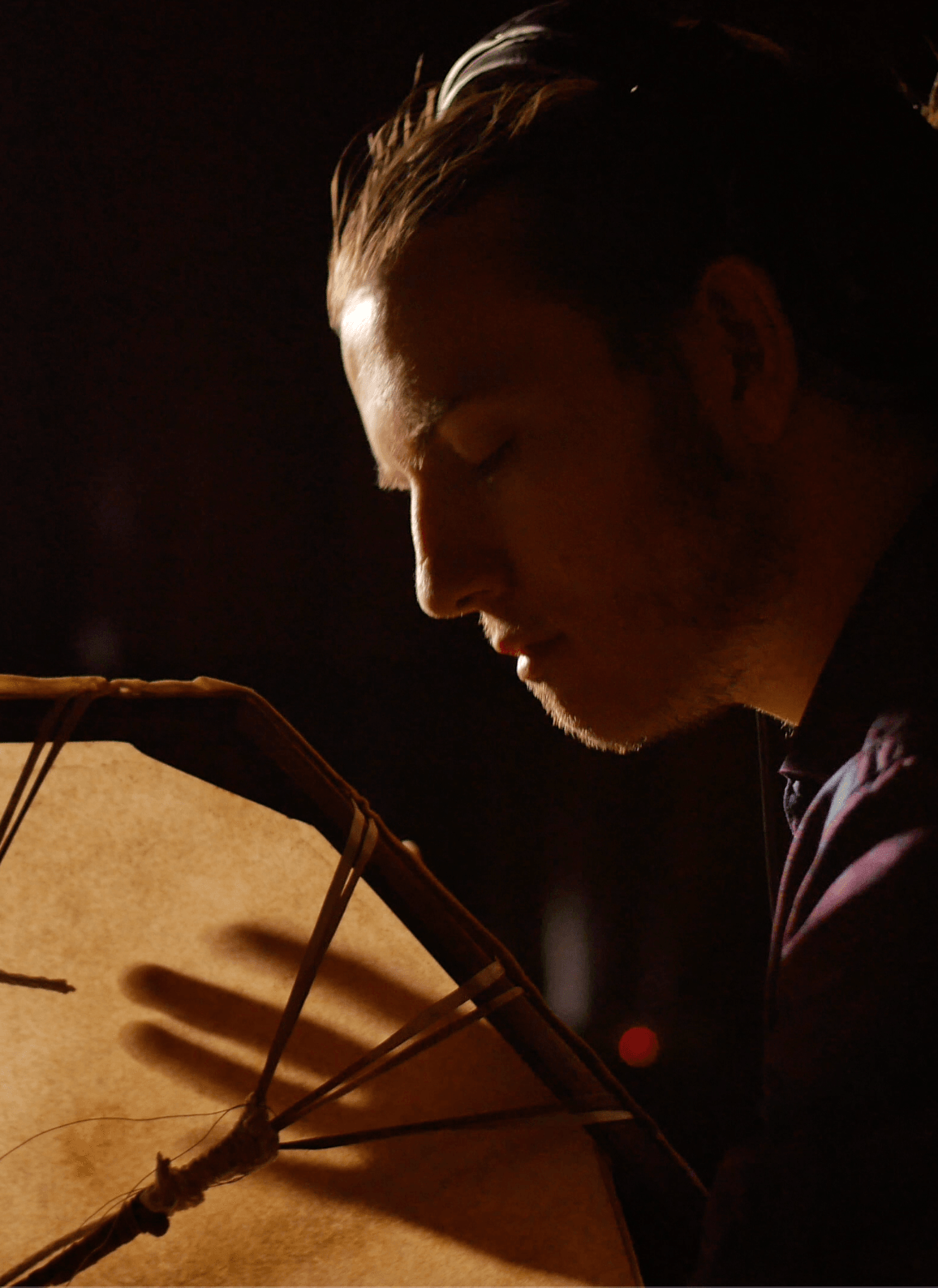
Image Credits
Koyo Sonae
Sebastian Splinter