

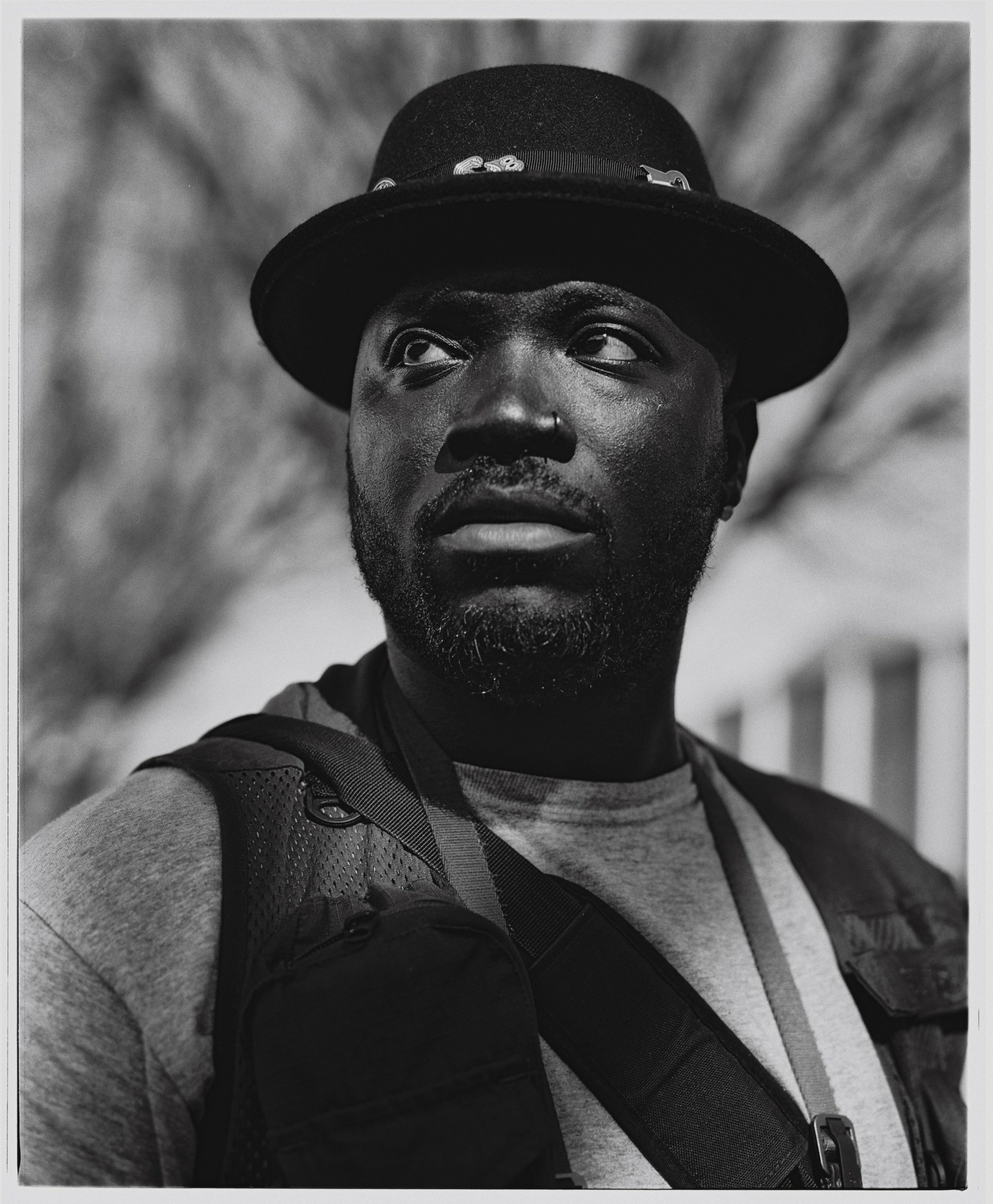

We caught up with the brilliant and insightful Chris Facey a few weeks ago and have shared our conversation below.
Chris , thanks for joining us, excited to have you contributing your stories and insights. Can you talk to us about a project that’s meant a lot to you?
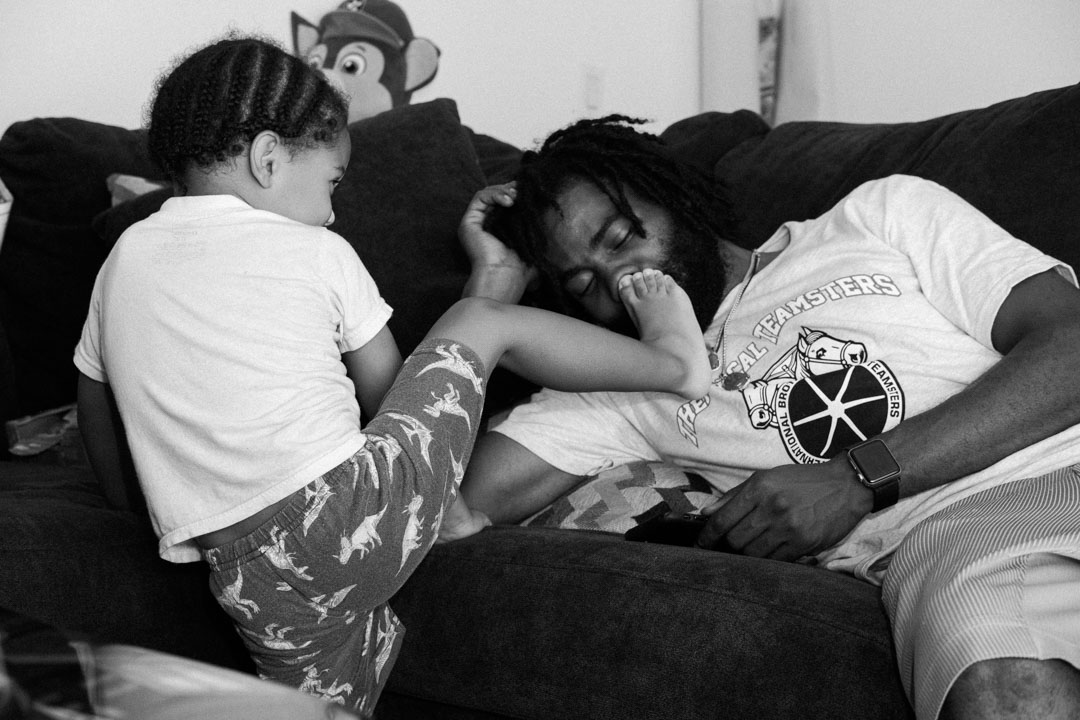
One of the most meaningful projects I’ve worked on is The Dad Duty Project, a documentary series about Black fatherhood. The idea came from my own experience as a father and from noticing how often Black fathers are portrayed in a narrow or negative way in media. I wanted to create something that showed a fuller picture -moments of care, responsibility, joy, and everyday presence.
The project involves photographing Black fathers in their daily lives and pairing those images with recorded conversations about fatherhood, responsibility, and legacy. What makes it meaningful to me is that it goes beyond portraits; it’s about listening to people’s stories and giving space to experiences that often don’t get enough attention.
As a photographer, I’ve always been interested in documentary storytelling and how images can challenge assumptions. This project allowed me to do that in a way that is both personal and communal. Many of the fathers I’ve photographed have shared that they rarely see themselves represented this way, and that feedback reinforced why the work matters.
Ultimately, the project is meaningful because it’s about presence. Showing that fatherhood is not just about big milestones, but about the everyday acts of care and commitment that shape families and communities.
As always, we appreciate you sharing your insights and we’ve got a few more questions for you, but before we get to all of that can you take a minute to introduce yourself and give our readers some of your back background and context?
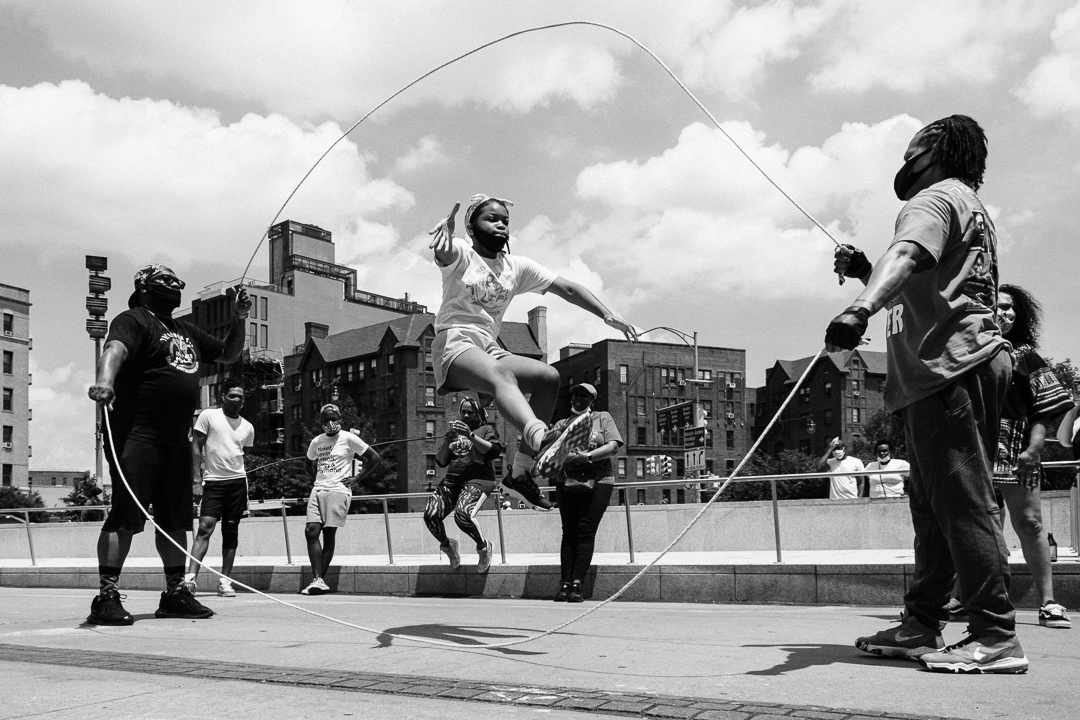
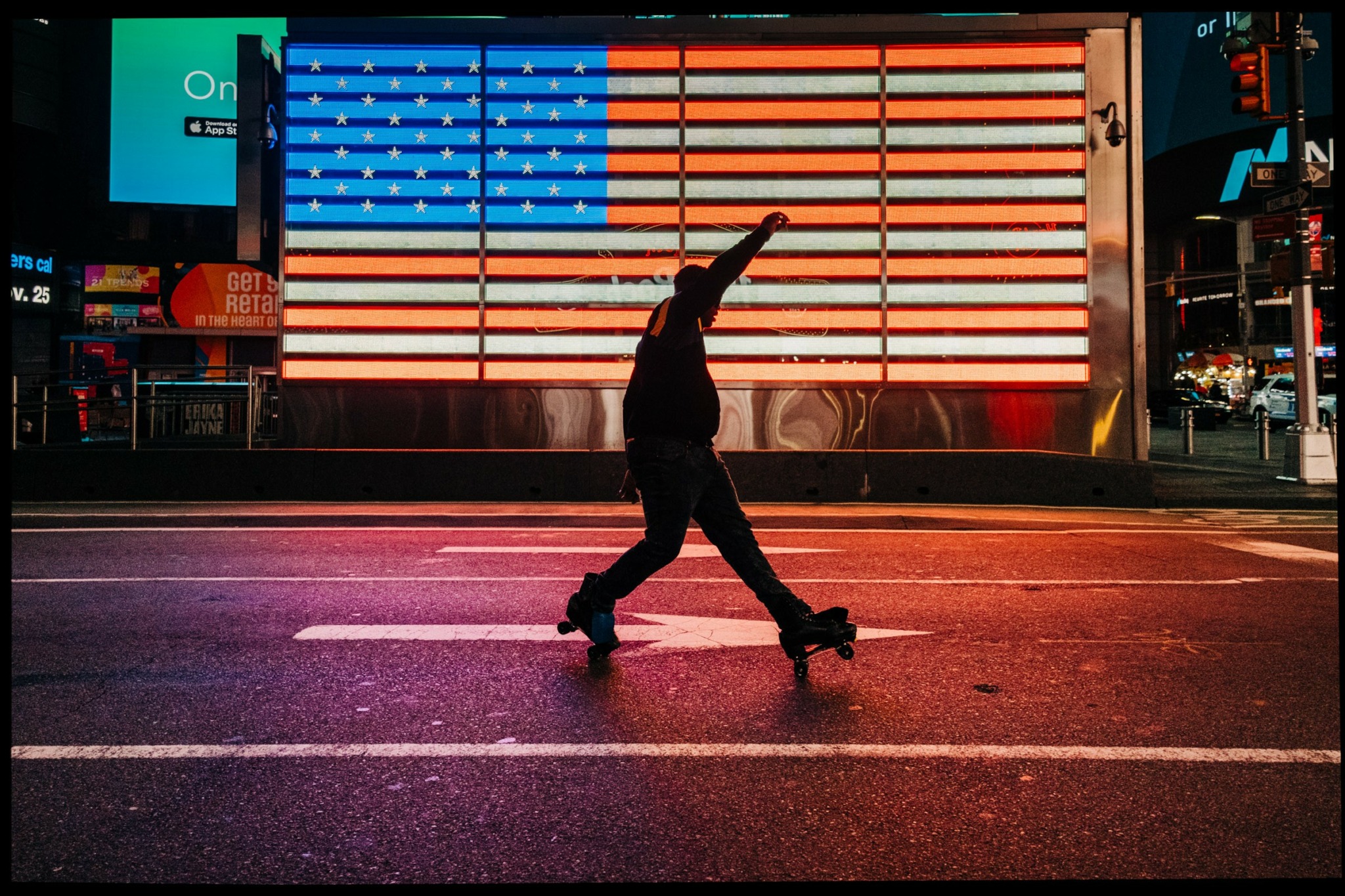
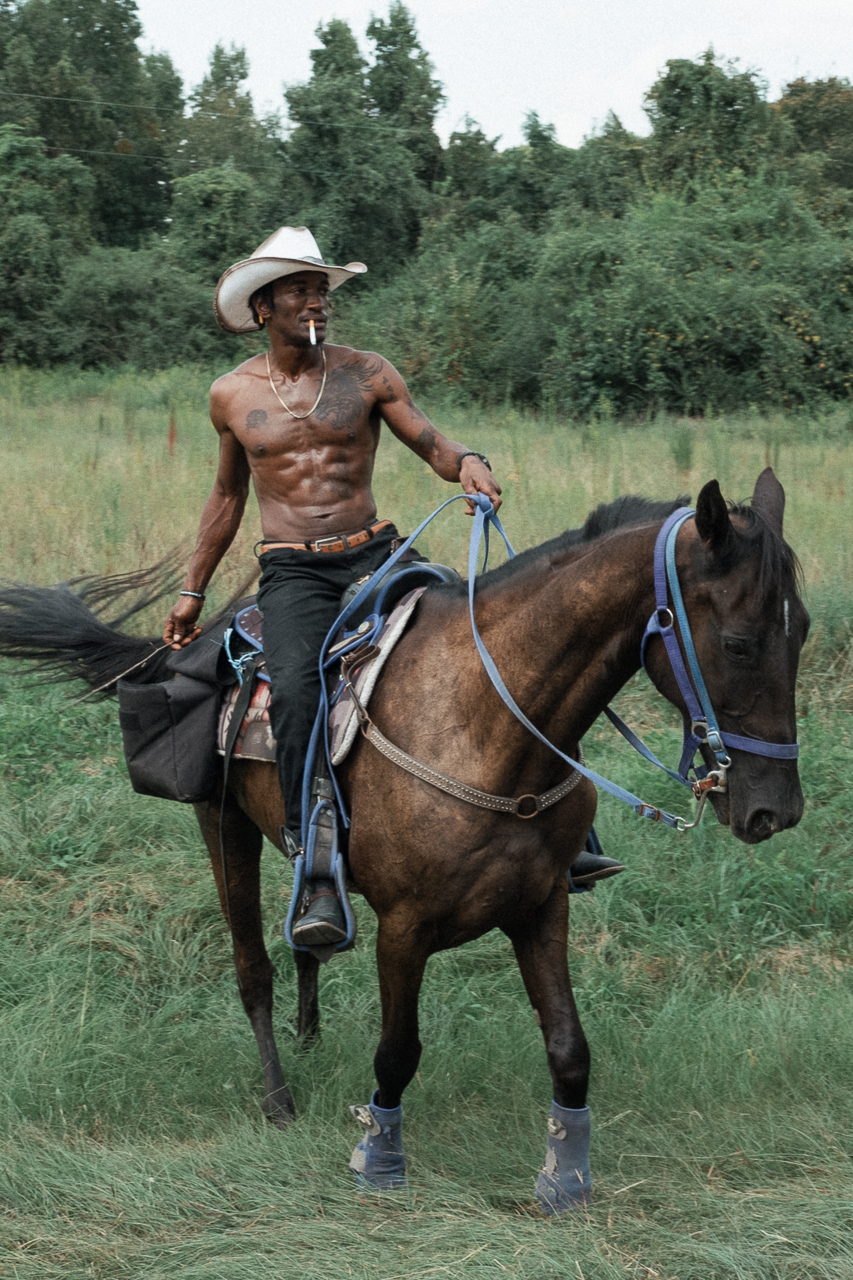
My name is Chris Facey and I’m a documentary and portrait photographer based in Raleigh, North Carolina. My work focuses on storytelling—particularly stories about everyday life, community, and identity within the Black experience. I’m interested in the quiet moments that often go unnoticed but say something meaningful about how people live, care for one another, and move through the world.
I approach photography as a form of observation and storytelling, often influenced by documentary photographers like Gordon Parks and W. Eugene Smith, who used the camera to explore social realities with empathy and depth.
Professionally, I create documentary-style photography for editorial publications, brands, and organizations that want authentic visual storytelling. Rather than highly staged images, my work focuses on capturing real moments, environments, and personalities. This approach helps clients communicate their story in a way that feels genuine and human.
Alongside photography, I also work in relief printmaking, creating linocut and woodcut prints that explore themes of culture, identity, and everyday life. Printmaking allows me to approach storytelling in a different visual language—one that is bold, graphic, and rooted in craft.
What sets my work apart is the balance between documentary observation and artistic interpretation. Whether I’m photographing a story for a publication, documenting a community project, or carving a print, my goal is the same: to create work that feels honest, thoughtful, and rooted in real human experience.
How can we best help foster a strong, supportive environment for artists and creatives?
I think one of the most important things society can do is simply take artists seriously. A lot of creative work shapes how we see the world, how we remember moments in history, and how communities tell their stories. But artists are often expected to do that work without the same support other professions receive.
Support can look like funding, grants, and residencies, but it also looks like everyday things—people buying art, attending exhibitions, commissioning work, or simply engaging with what artists create. When people invest in artists, they’re really investing in the cultural life of their community.
I also think mentorship and access matter a lot. Many artists find their path because someone opened a door, shared knowledge, or gave them an opportunity. A healthy creative ecosystem happens when institutions, communities, and artists themselves all work together to create space for new voices to grow.
At the end of the day, supporting artists is really about valuing culture and recognizing that creative work helps us understand ourselves and the world around us.
Is there a particular goal or mission driving your creative journey?
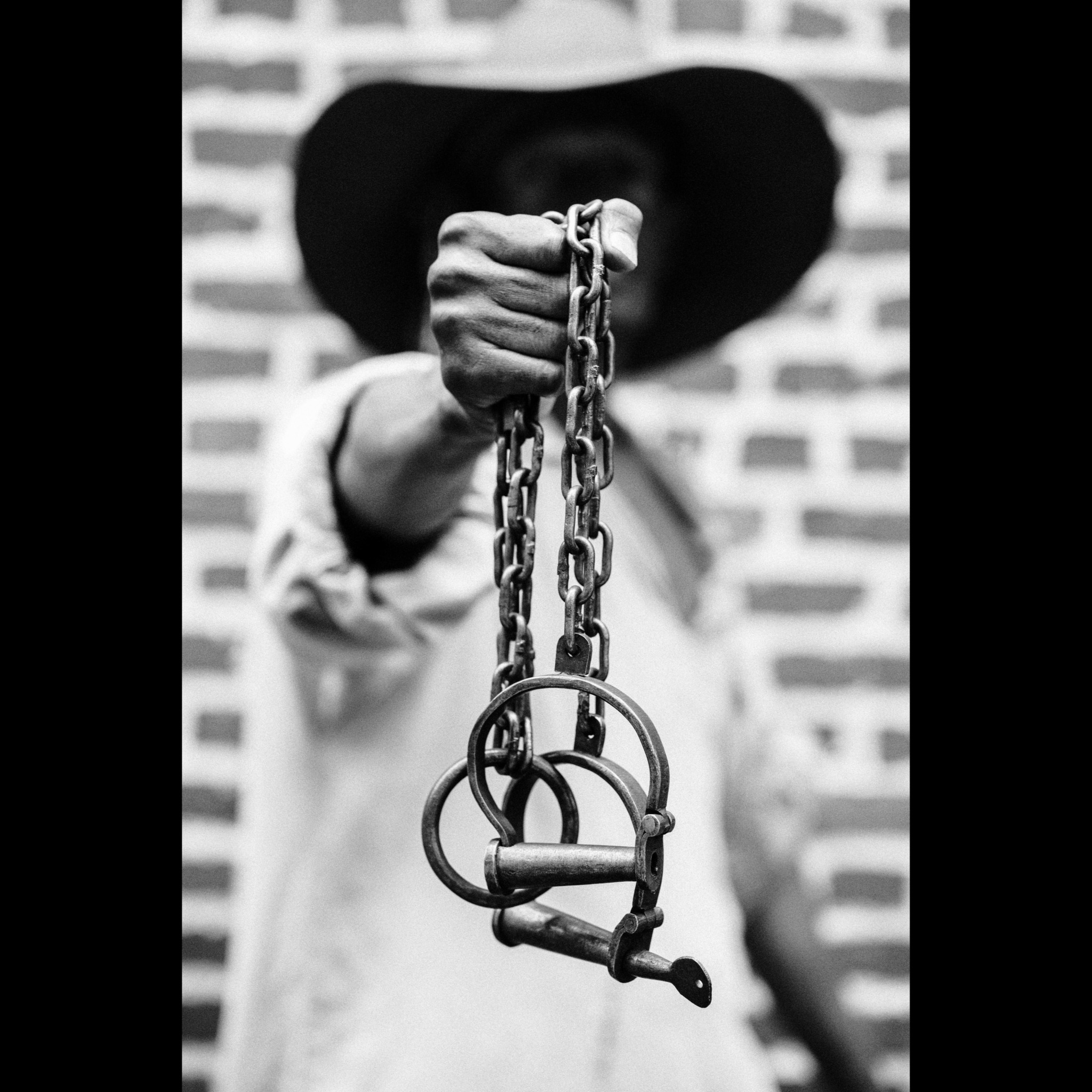
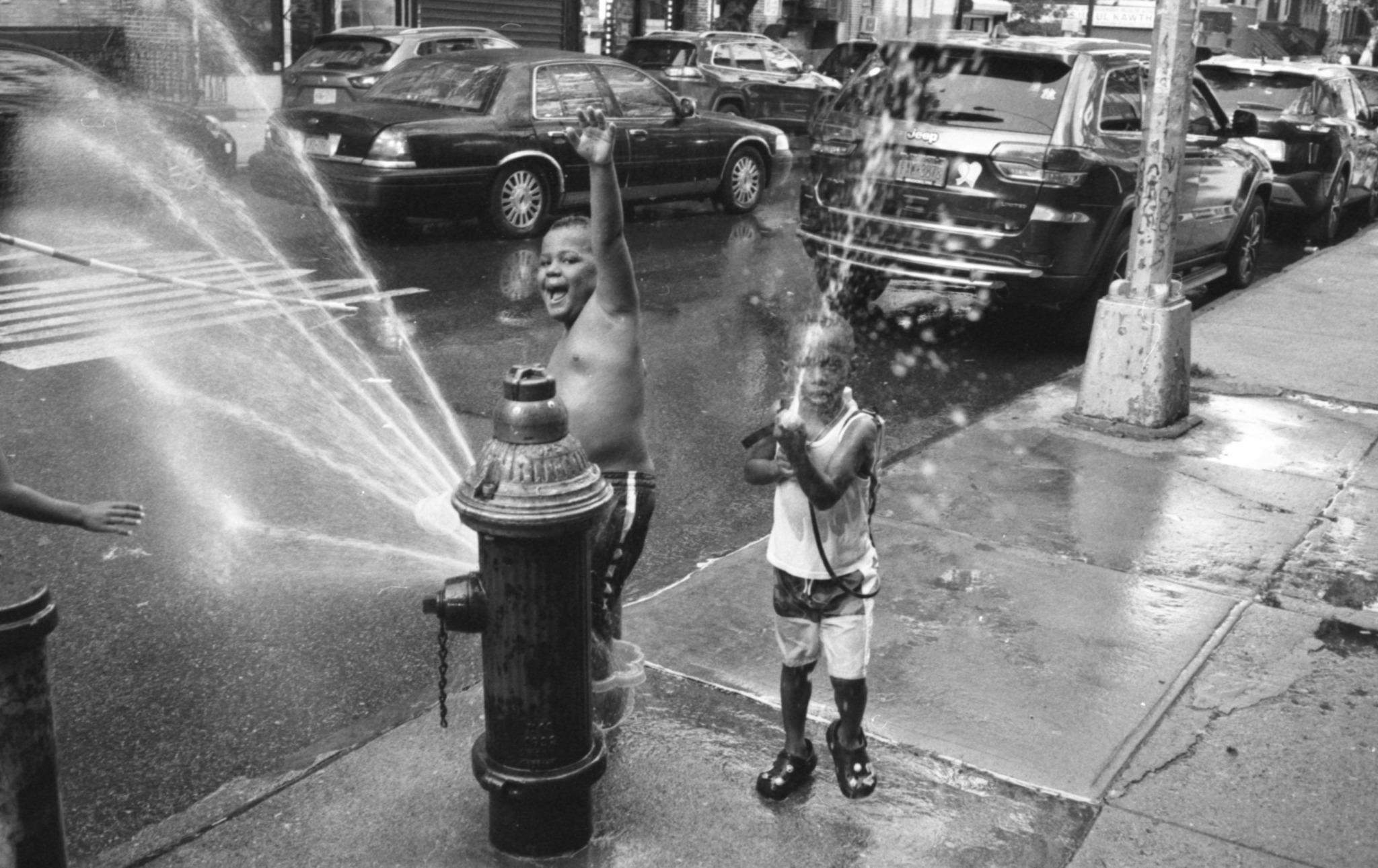
For me, the mission behind my work is pretty simple: I want to document everyday life in a way that feels honest and human. I’m especially interested in moments that might seem ordinary at first but actually say something deeper about how people live, love, and care for each other.
A lot of my work focuses on stories within the Black community—stories that often don’t get the space or nuance they deserve. More broadly, I think of my work as building a kind of visual record of the times we’re living in. Photography allows me to slow down, observe, and preserve moments that might otherwise disappear. My hope is that the images I make help people see one another with a little more empathy and understanding.
Contact Info:
- Website: https://www.cocobuttershutter.com
- Instagram: @Coco.butter.shutter
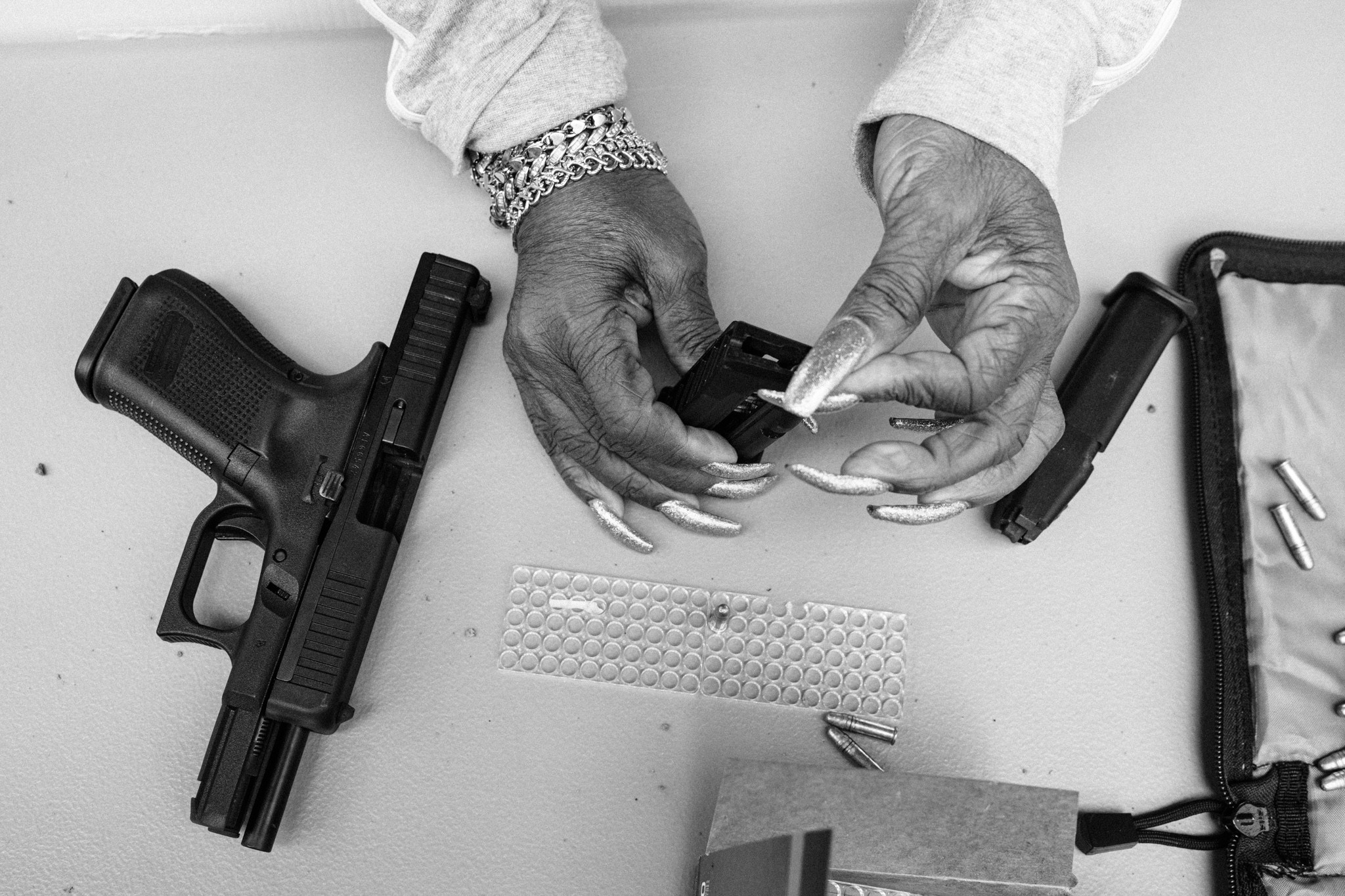
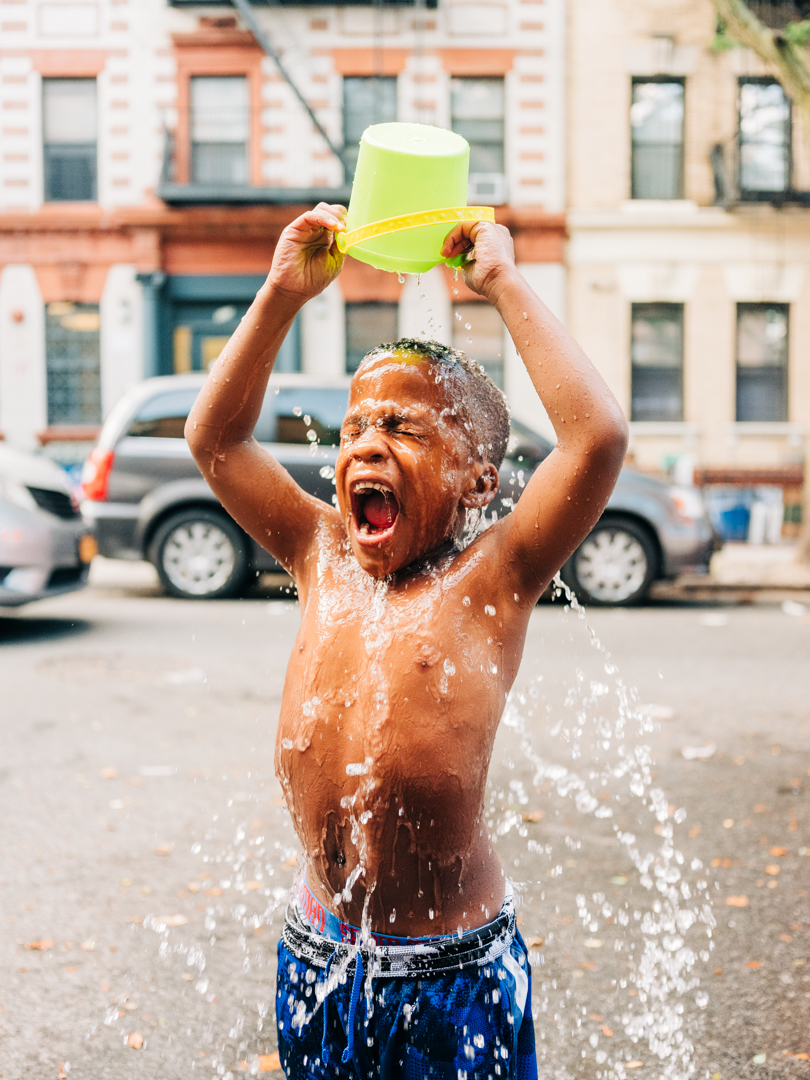
Image Credits
Headshot image of me is by Hans Rosemond
All other images are mine.