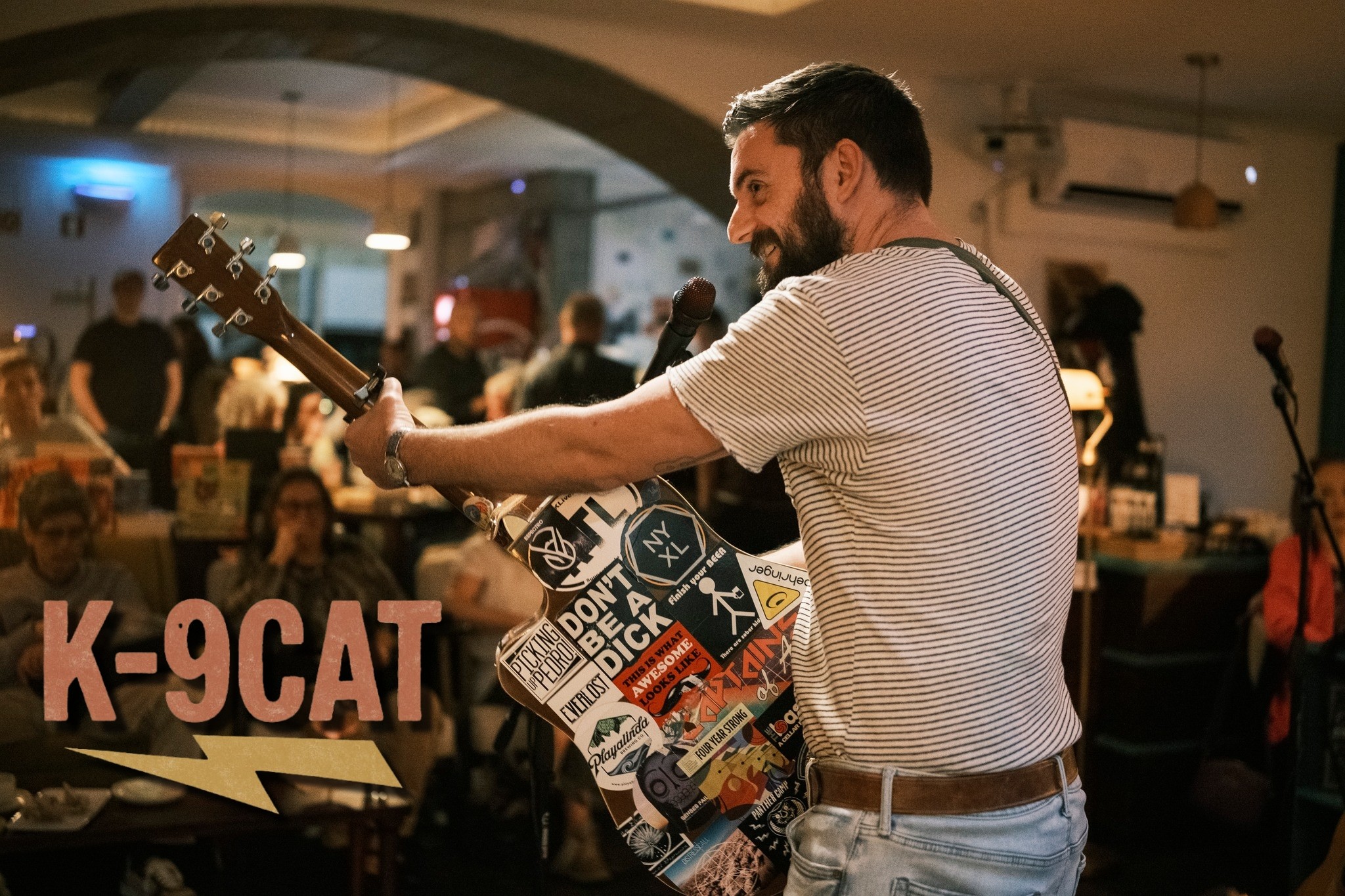

We caught up with the brilliant and insightful Chris Erwin a few weeks ago and have shared our conversation below.
Hi Chris, thanks for joining us today. How did you learn to do what you do? Knowing what you know now, what could you have done to speed up your learning process? What skills do you think were most essential? What obstacles stood in the way of learning more?
I taught myself how to write songs from a young age. I would hum melodies in my head and, if one stuck with me, I’d record it on a small handheld tape recorder. Over time, I learned how to give those ideas structure. I picked up a guitar, strummed basic chords, and slowly started shaping complete songs. I improved my lyrics by keeping a thesaurus nearby, searching for better ways to say what I was feeling.
For several years, songwriting was a very private hobby. That changed midway through high school, when I started reaching out to like-minded friends who played instruments. We began holding informal jam sessions in garages, bouncing ideas off one another, practicing our songs, and tightening up our craft together.
By the end of high school, my pop-punk band was performing regularly at any venue willing to give us a chance. We were sloppy, underprepared, and chaotic but we were having a lot of fun and learning fast.
After moving away from home, I continued forming bands and working on projects across different styles. At the time, I was chasing a version of “success” I thought only existed as mainstream, pop-leaning music played to massive crowds.
That mindset shifted when I met my longtime writing partner, former bandmate, and current producer, James Sims. Working together pushed me to embrace a writing style that I genuinely enjoyed, rather than one I thought would be more palatable to others. I stopped over-producing and trying to polish songs to fit an algorithm, and instead let the sound develop naturally. That led us toward a grungy, fuzzy, energetic aesthetic that brought me much more joy. With that approach, we formed the Orlando, Florida band ‘Captains of April’ and found an audience that truly connected with our sound.
Even though we now live on different parts of the globe, I still carry that philosophy into my current work. I focus less on pleasing the masses and more on writing and playing music that feels honest to me.
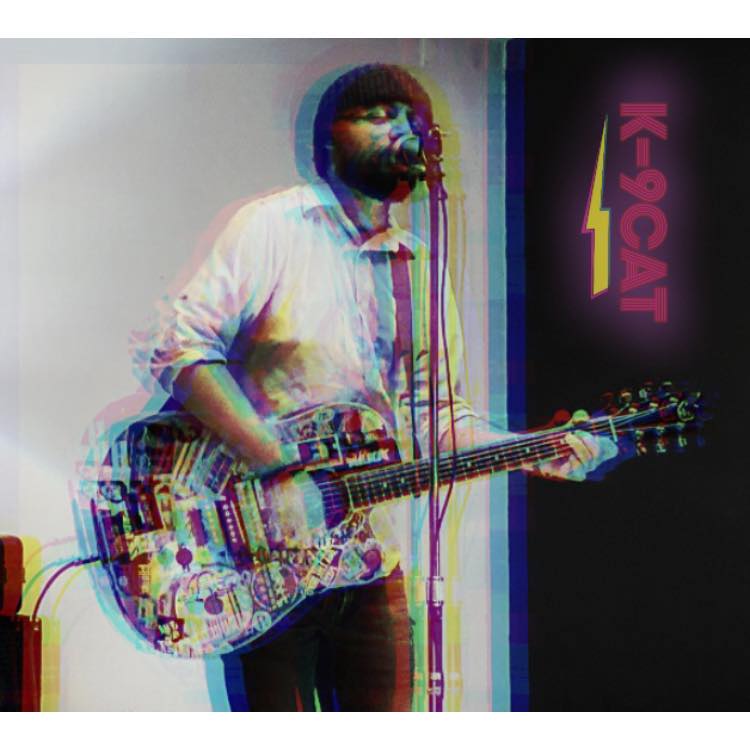
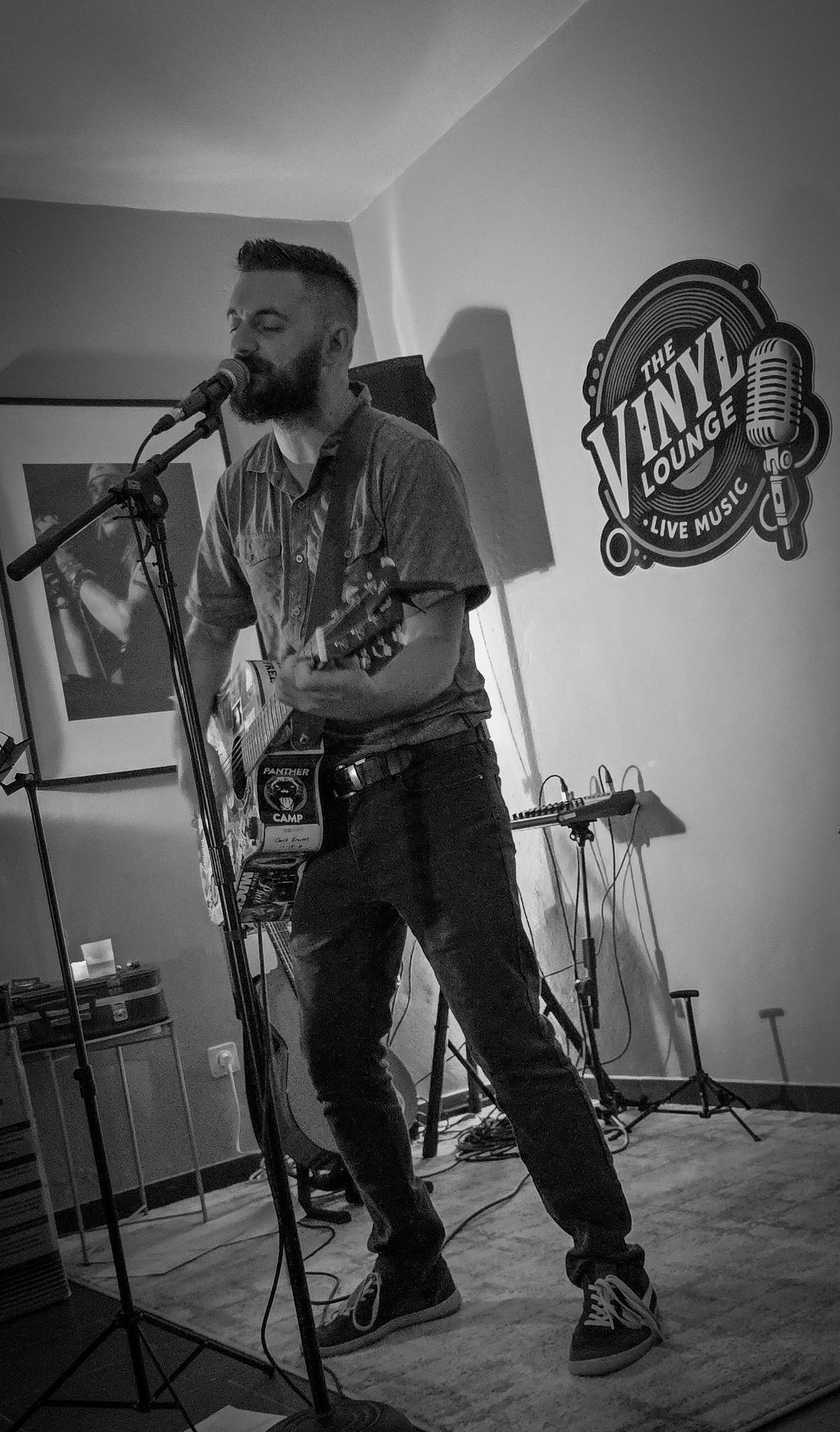
Today, I write and perform in the Azores as ‘K-9 Cat’. I’m grateful for everyone who comes out to shows and listens to my music. I feel genuinely fulfilled now and only wish I had adopted this mindset earlier in my career.
Chris, love having you share your insights with us. Before we ask you more questions, maybe you can take a moment to introduce yourself to our readers who might have missed our earlier conversations?
I write, perform, record, and sing indie music under the artist name ‘K-9 Cat’. I started the project in 2018 while living in the United States, originally as a way to explore a more personal and unfiltered approach to songwriting. In 2021, I relocated to the Azores, where the project has continued to grow and evolve.
To date, I’ve released five singles, with more music currently in development and planned for release in early to mid-2026. My longtime writing partner and former bandmate produces my music remotely from his studio in the UK, Pinehouse Sound & Design. Despite the distance, our collaboration remains central to the sound of K-9 Cat, allowing us to blend our shared history with fresh perspectives and ideas.
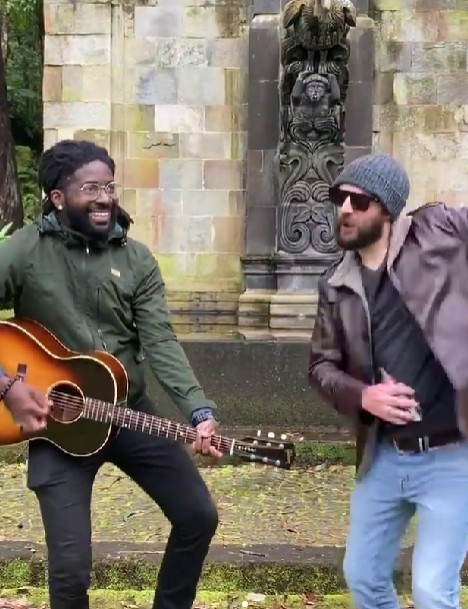
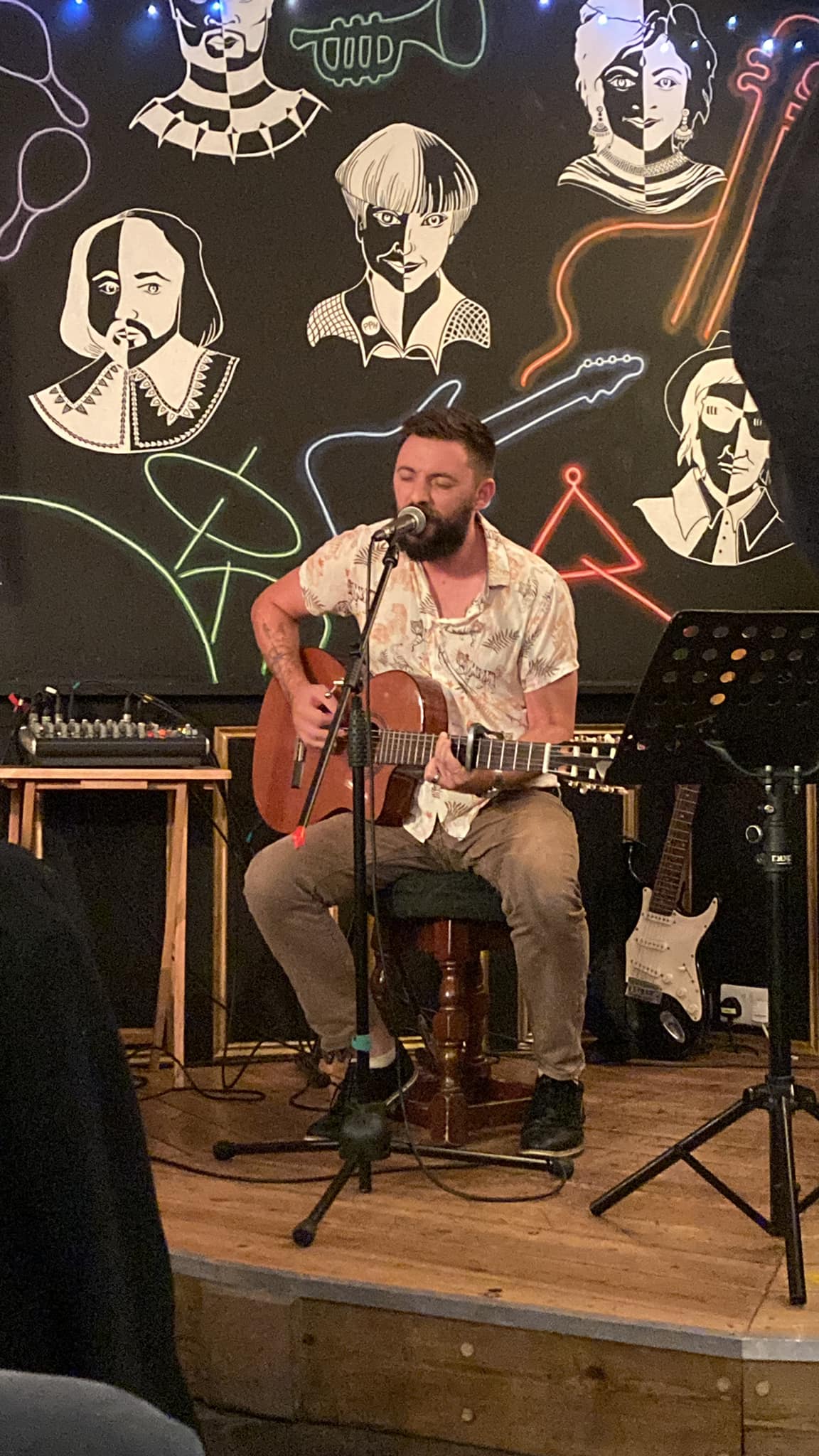
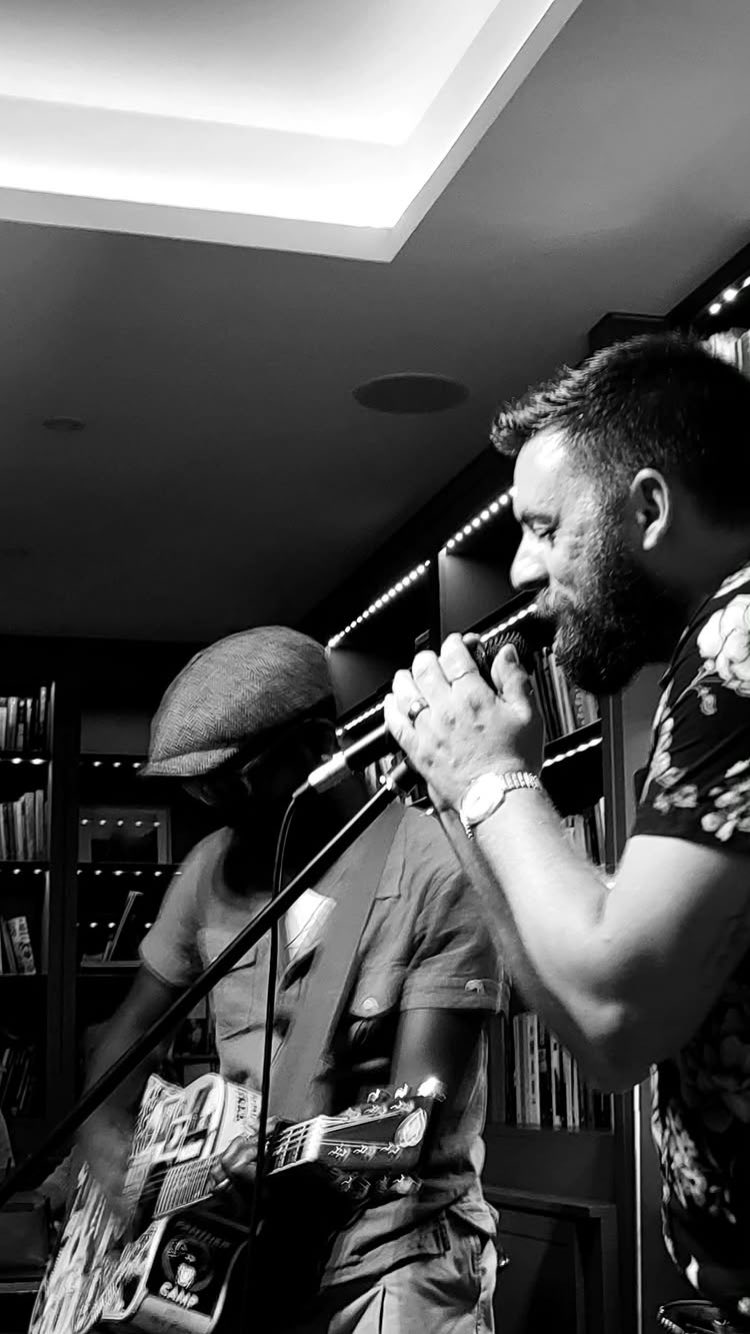
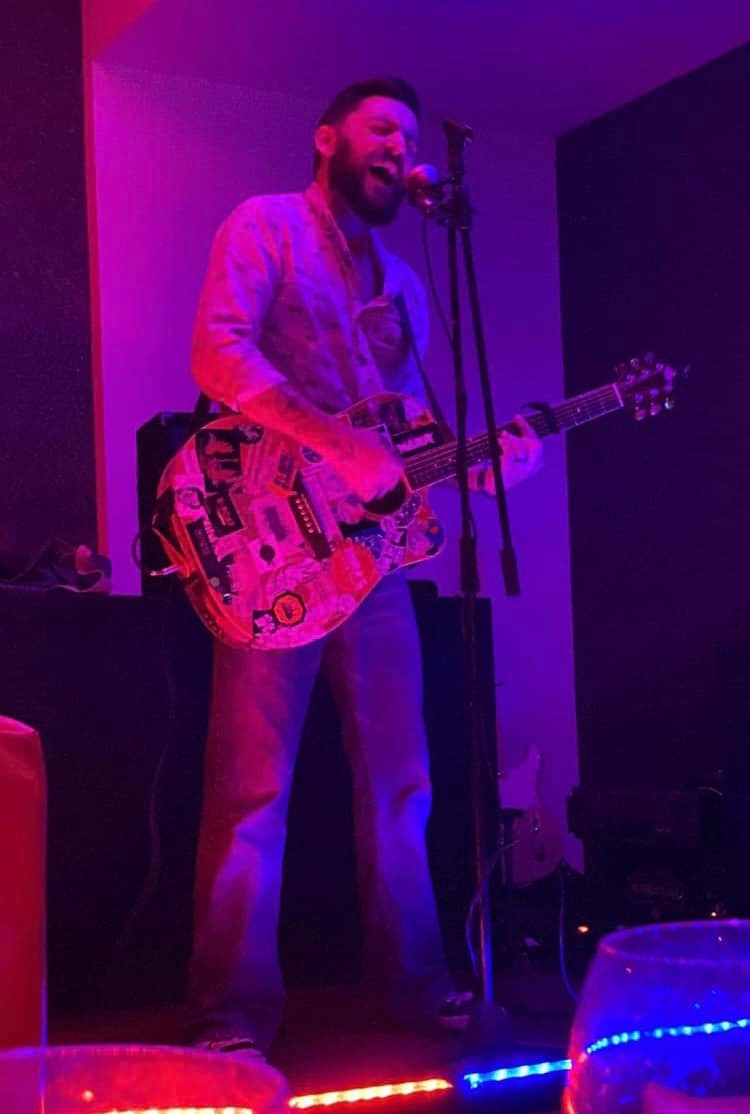
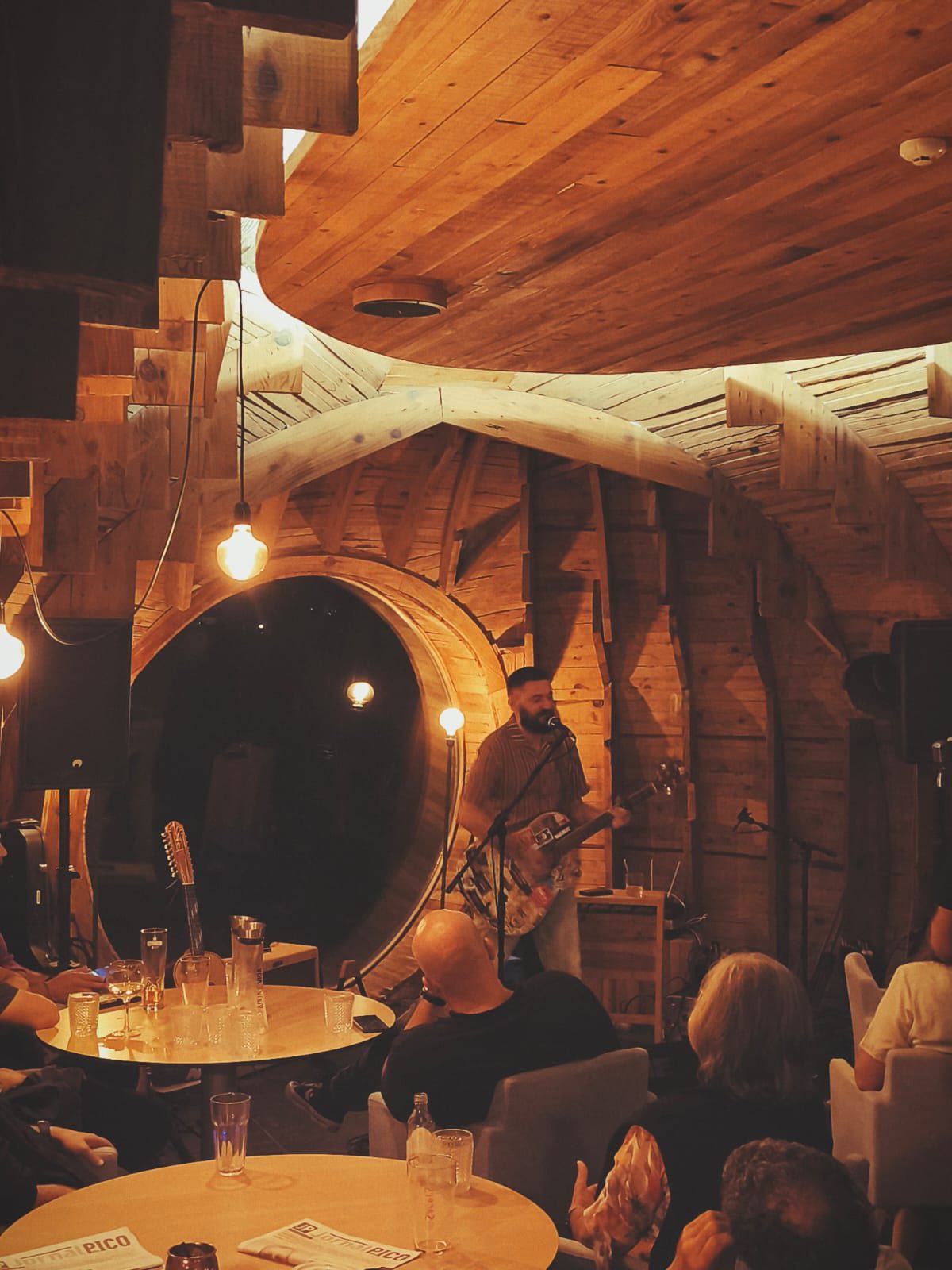
Since moving to the Azores, I’ve had the privilege of performing across multiple islands and taking part in long-running festivals, as well as smaller, intimate shows. Along the way, I’ve built a dedicated and supportive audience, many of whom I now consider friends. Being able to share my music in these spaces, and feeling that genuine connection with listeners, has been incredibly rewarding and something I’m deeply grateful for.
How can we best help foster a strong, supportive environment for artists and creatives?
I think the most meaningful way society can support artists and creatives is by shifting more attention and resources toward those who are still building. Especially smaller, independent artists who haven’t yet had the opportunity to find their audience. A thriving creative ecosystem depends on discovery, risk-taking, and space to experiment, not just on amplifying what’s already proven to be successful.
Right now, a disproportionate amount of funding, promotion, and visibility is directed toward artists who have already “made it.” While that support has its place, it often comes at the expense of emerging voices who simply need a chance—access to stages, fair pay for performances, affordable studio space, local grants, and platforms that prioritize discovery over algorithms and profit.
Society can help by investing in grassroots venues, community festivals, and local arts programs that spotlight new and lesser-known creatives. Media outlets, curators, and cultural institutions can play a huge role by intentionally programming diverse, emerging talent instead of relying on safe, familiar names. Even small things like transparent submission processes, open calls, and equitable compensation. This can make a massive difference.
Most importantly, supporting artists means trusting audiences to be curious. When we create pathways for smaller artists to be seen and heard, we don’t just help individuals, we strengthen culture as a whole by allowing new ideas, sounds, and perspectives to grow naturally.
Is there a particular goal or mission driving your creative journey?
Yes, at its core, my creative journey is driven by a desire for honesty and imperfection in a culture that often rewards polish, predictability, and conformity. K-9 Cat began less as a traditional “project” and more as a reaction or a conscious step away from chasing scenes, trends, or algorithms, and toward making music that feels unfiltered and human.
After spending time in environments where precision and marketability were prioritized, I felt a growing need to let songs exist as they were meant to, with the rough edges intact. K-9 Cat became a space where I could trust intuition over refinement, emotion over optimization, and process over outcome. It was a personal reinvention rooted in letting long-simmering ideas finally breathe without forcing them into a predefined mold.
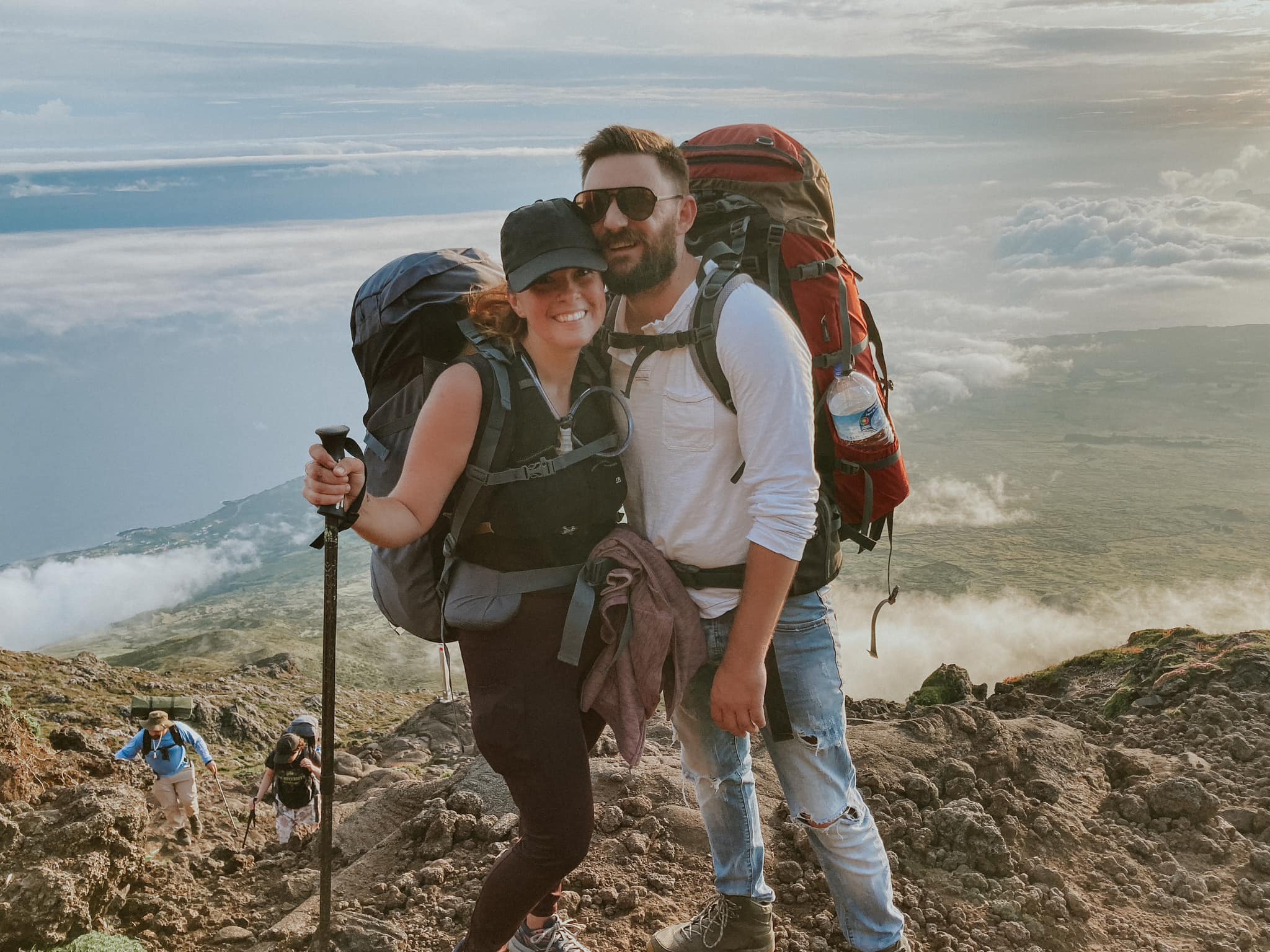
That mission deepened after relocating to the Azores. The landscape itself mirrors what I value creatively. It reinforced the idea that music doesn’t need to fit neatly into a scene or system to be meaningful. In fact, not fitting in can be the point.
Ultimately, my goal isn’t wide-scale recognition but genuine connection. I want the music to reach people who are willing to lean in, who find something familiar or comforting in its imperfections. If there’s a mission behind K-9 Cat, it’s to prove that art doesn’t have to conform to be valid. It just has to be honest enough to find its audience.
Contact Info:
- Website: https://bio.site/k9cat
- Instagram: https://www.instagram.com/k.9cat/
- Facebook: https://www.facebook.com/k9cat
- Linkedin: https://www.linkedin.com/in/christopher-erwin-7a41b775/
- Youtube: https://www.youtube.com/@k-9cat/videos
- SoundCloud: https://soundcloud.com/k-9cat
- Other: https://open.spotify.com/artist/6P8UQ54szY9r9n7otuYJ2M