

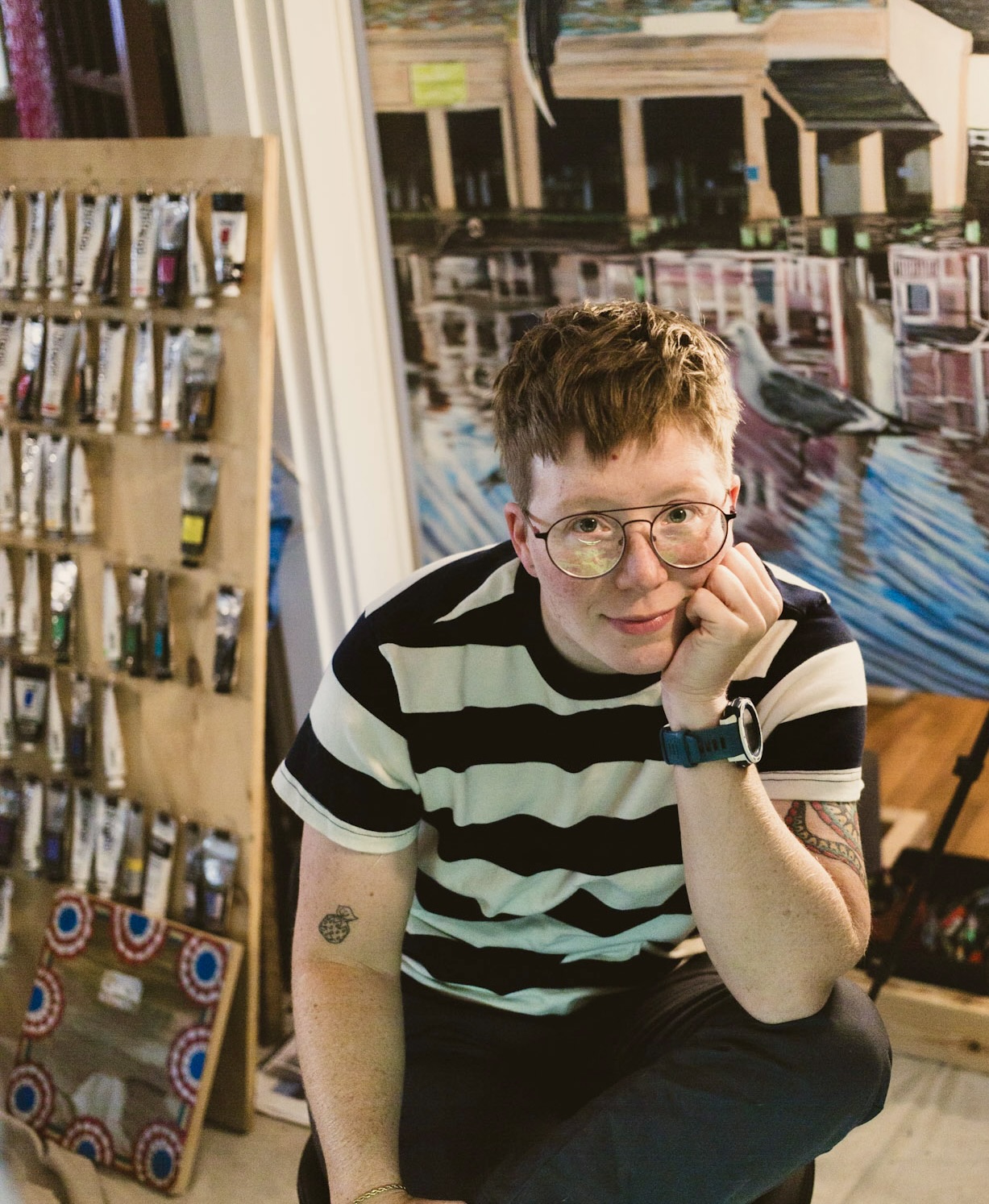

We were lucky to catch up with Chelsie Nunn recently and have shared our conversation below.
Chelsie, appreciate you joining us today. Can you open up about a risk you’ve taken – what it was like taking that risk, why you took the risk and how it turned out?
I held onto a four-wheeler while it spun donuts onto ice. We were all in a line, maybe four or five ATVs, spiraling on the snowiest East Tennessee night in a while. Two folks per four-wheeler in synchronized circles traveled down the icy city street like helicopters against a pavement sky. The problem here was that the man driving my ATV was rather large-bodied, and I was rather petite. He stood up as if to look over the balcony of air in front of the vehicle. Upon doing so, the physics of our combined weight and the geometry of our circular trajectory made my body levitate slowly off the seat. I suddenly found myself on a rising cloud of nothing. I floated up up and flipped completely over the back cargo rack I was desperately holding onto. Firstly, I couldn’t believe my ligaments could bend backwards in such a manner. Secondly, my boots had somehow managed to situate themselves firmly on the ice road as if my own knobby wheels were lost in the rhythm of a cold ringlet. I did, in fact, maintain my grip on the cargo rack throughout the whole ordeal.
My point about risk is this: sometimes a risk presents itself cloaked in the premise of a good time on a snowy night. Sometimes we don’t know we are taking a risk until we are already in its mechanism clicking away in the machine of it. On this night, I had no intention of entertaining a risk yet ended up skating behind an ATV backwards on my boots. I was fine, and it was fun as long as I don’t think about the alternatives that could have happened instead of a safe landing.
I find this process of inconspicuous risk to be present in artwork as well. Sometimes I enter the studio and end up hanging on for dear life as something swirls. I feel pulled behind the momentum of an idea. I levitate out of my seated reality into another realm where all possibilities continue to exist. That is, until a word or paint hits the surface.
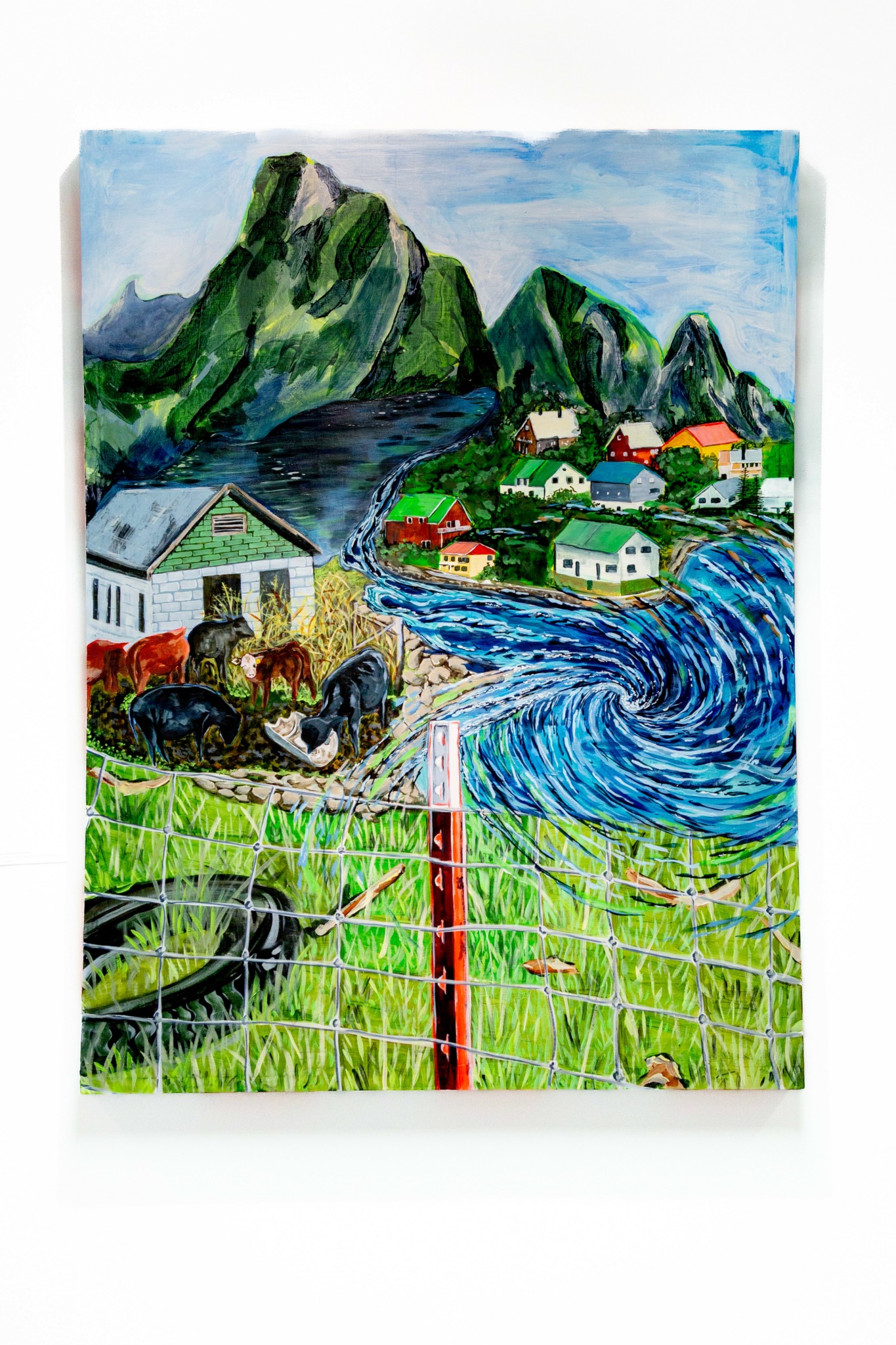
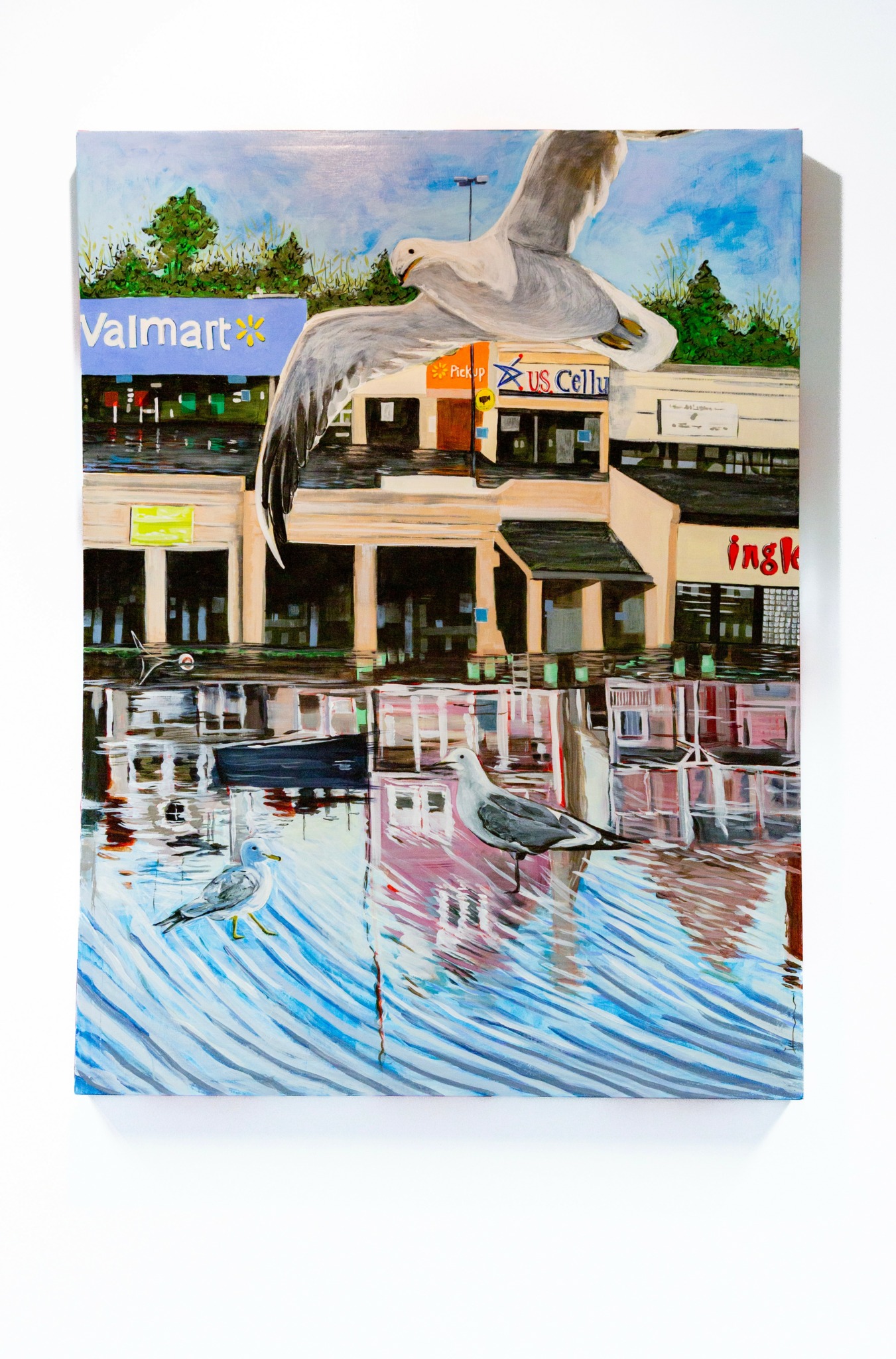
As always, we appreciate you sharing your insights and we’ve got a few more questions for you, but before we get to all of that can you take a minute to introduce yourself and give our readers some of your background and context?
The first thing I can tell you about my creative mission is this: it’s none of my business.
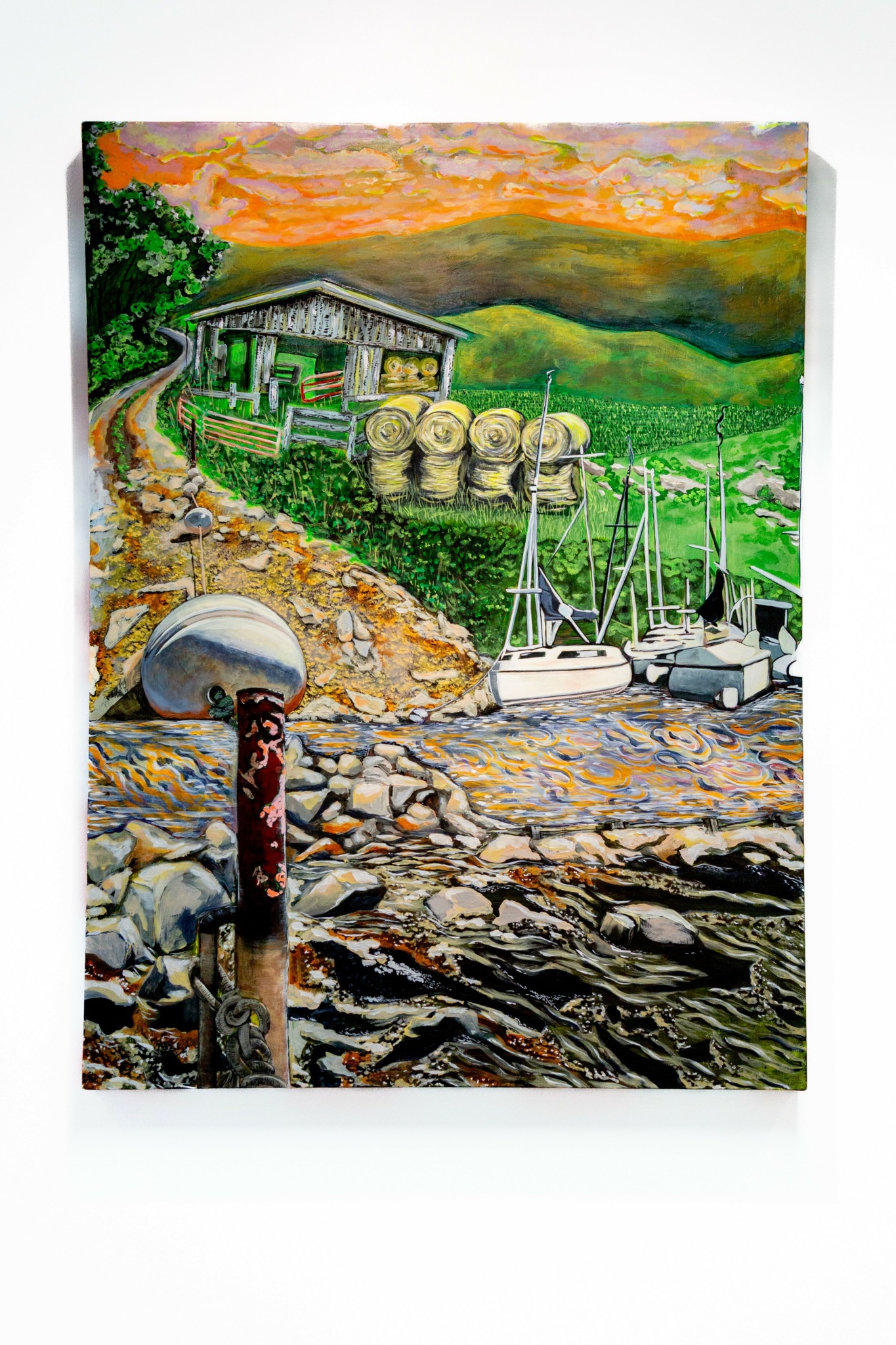
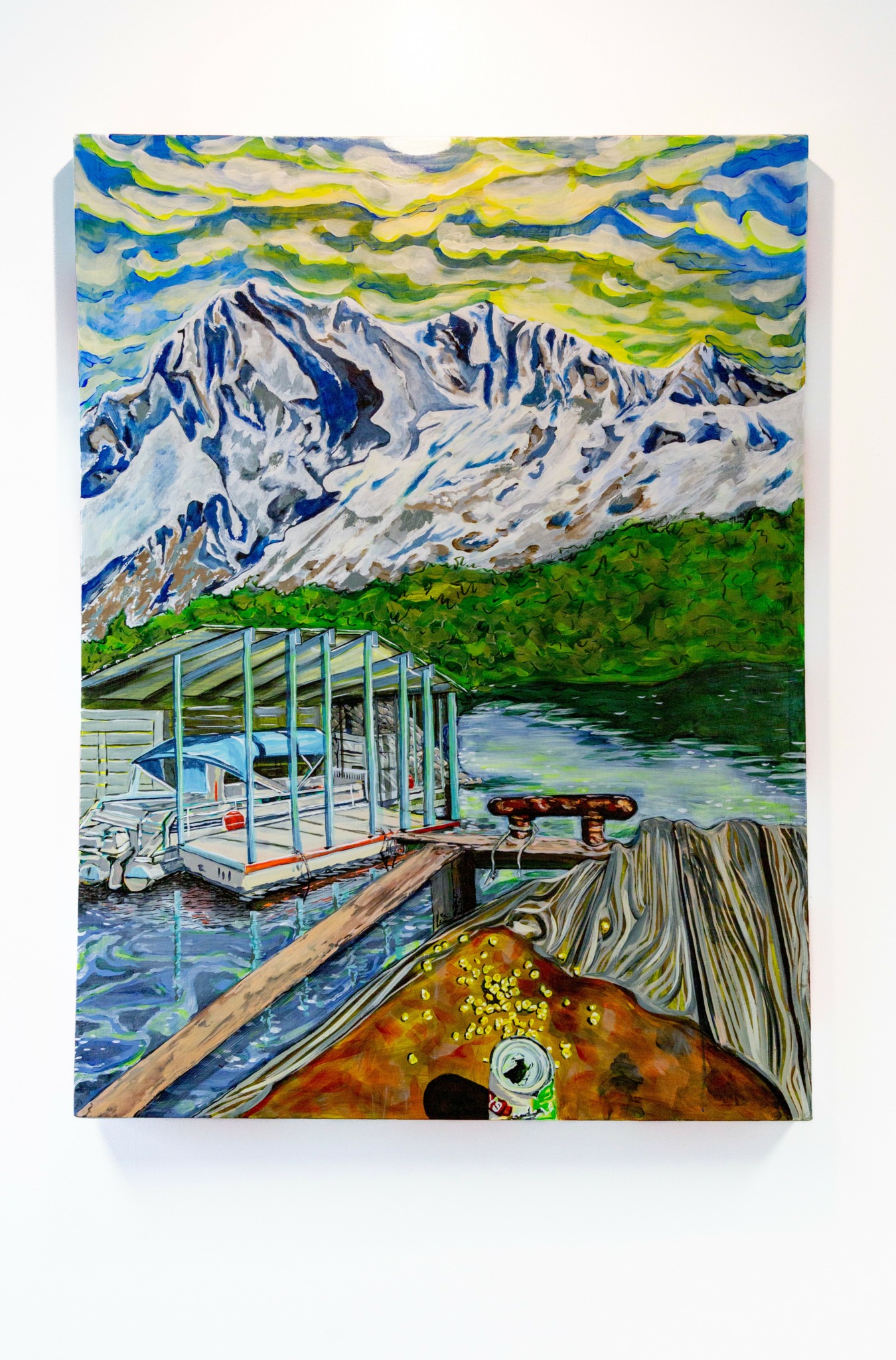
Perhaps this level of detachment is required in order make work so personal. My artwork and writing investigate personal narratives associated with place, family, queerness, and the complexity of holding many things at once in our one singular fragment of consciousness. I have always been interested in the mental landscape–I’m obsessed with the mind’s ability to simultaneously host worlds upon worlds of emotion.
What’s a lesson you had to unlearn and what’s the backstory?
In art school I felt that making work about my personal life was off-limits or distasteful. I’m not exactly sure what contributed to this mentality, but I have heard other artists express similar sentiments regarding their art school experiences. At that time I tried to abstract my work to the point of non-representation so that it would not read as “too personal”. Writing for me was always an indulgent act in the way of authenticity. I felt like I could be more honest in my poetry; although, it too was abstract, overall it was more personal. Where painting had limitations, in writing I was free to represent myself fully.
As I have gotten older I have also become braver. I have learned that my students depend on the representation my artwork and writing can offer. The more permission I allow myself to create honest artwork that is a genuine reflection of who I am, the more other students and artists might allow themselves the same.
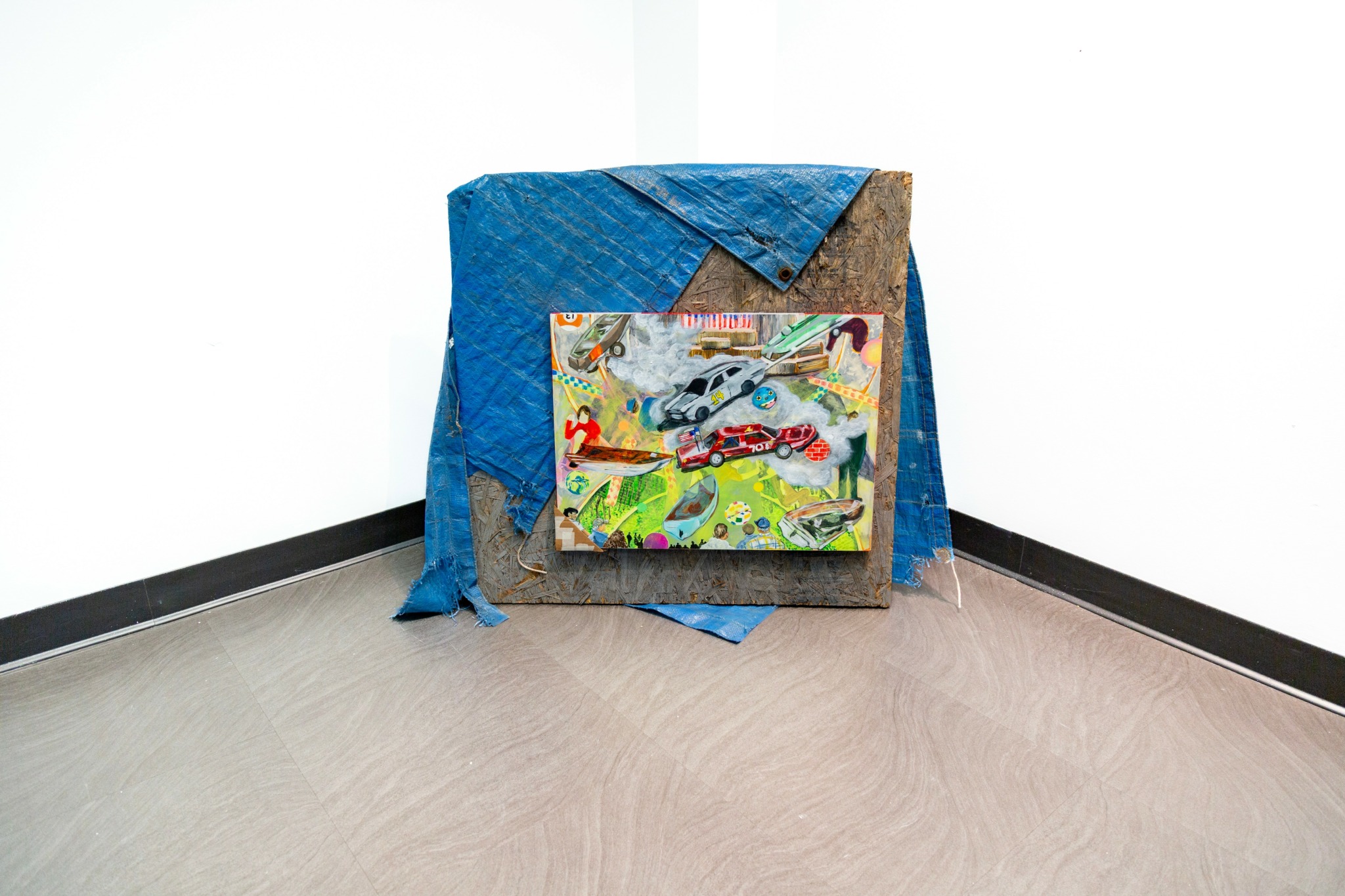
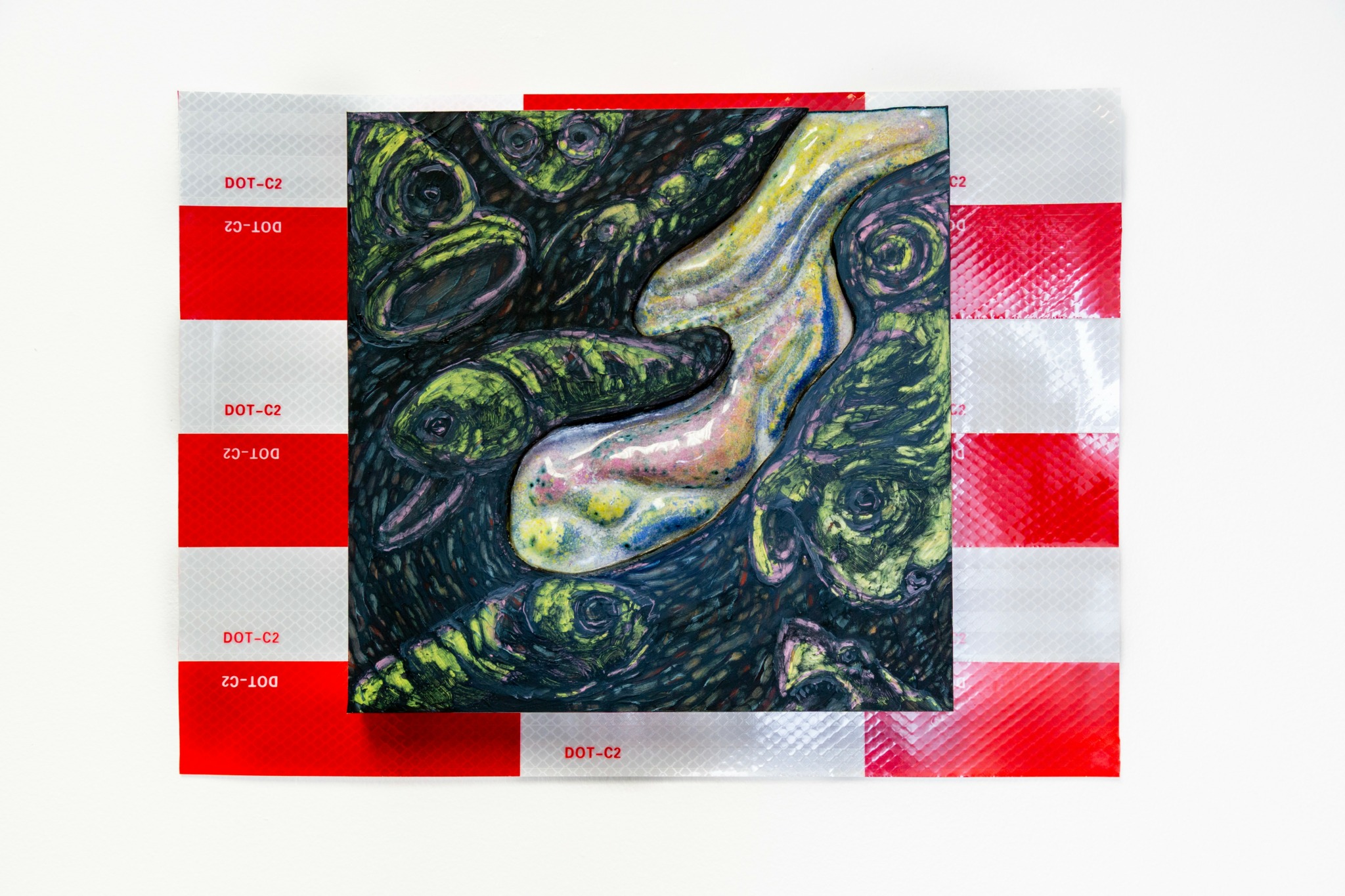
Speaking of taking risks, this type of honesty can be dangerous for underrepresented and marginalized groups, so it doesn’t come without consequence. As a public educator in a conservative state, it feels really exposing to wear certain labels proudly. Hearing that my work has in some capacity shined a light on someone else’s pathway to authenticity gives me the motivation I need to continue.
What’s the most rewarding aspect of being a creative in your experience?
Students respond to sincerity. They are like miniature walking lie detectors. They can sniff out a mistruth in one second flat. My students reward me by pushing me to lean into the sublime experience of being genuine. They challenge me to remain accountable to the version of myself I am presenting to the world.
Being an artist educator feels like standing in the light of my purpose. I enjoy working in a field that is regularly threatened by many systems because it makes me feel courageous to carry this light. Since I am an educator at many different age levels, I reap the benefits of my labor almost immediately. The outcomes of my coaching are instant when I see my students making work that is relevant to who they are, when I see my teaching candidates feel empowered in their own classrooms, and when I hear the feedback they so generously provide me.
Contact Info:
- Website: https://www.chelsienunn.com
- Instagram: @chelsienunn
- Linkedin: https://www.linkedin.com/in/chelsie-blair-nunn-0650ab44
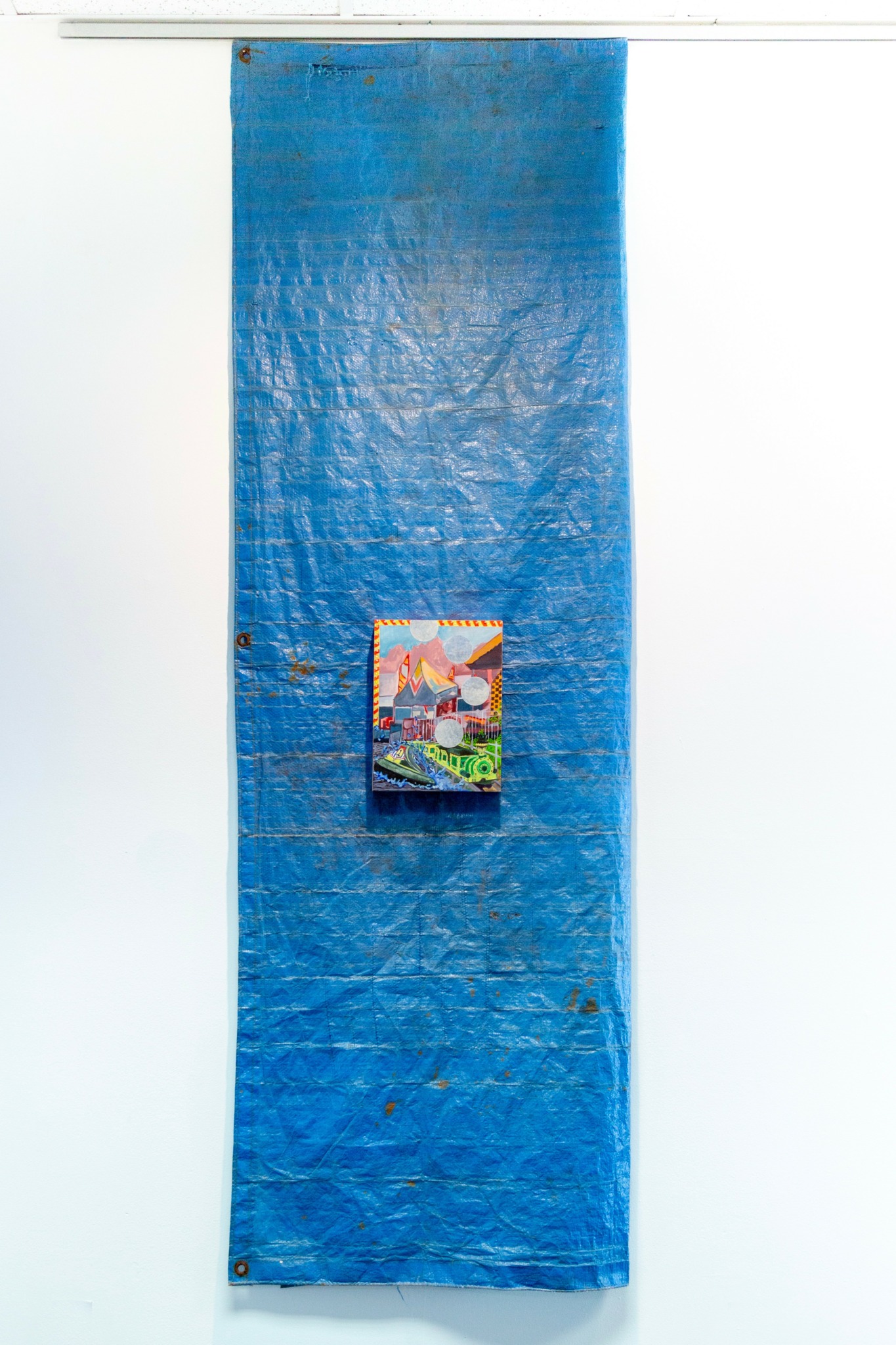
Image Credits
Lauren Farkas