

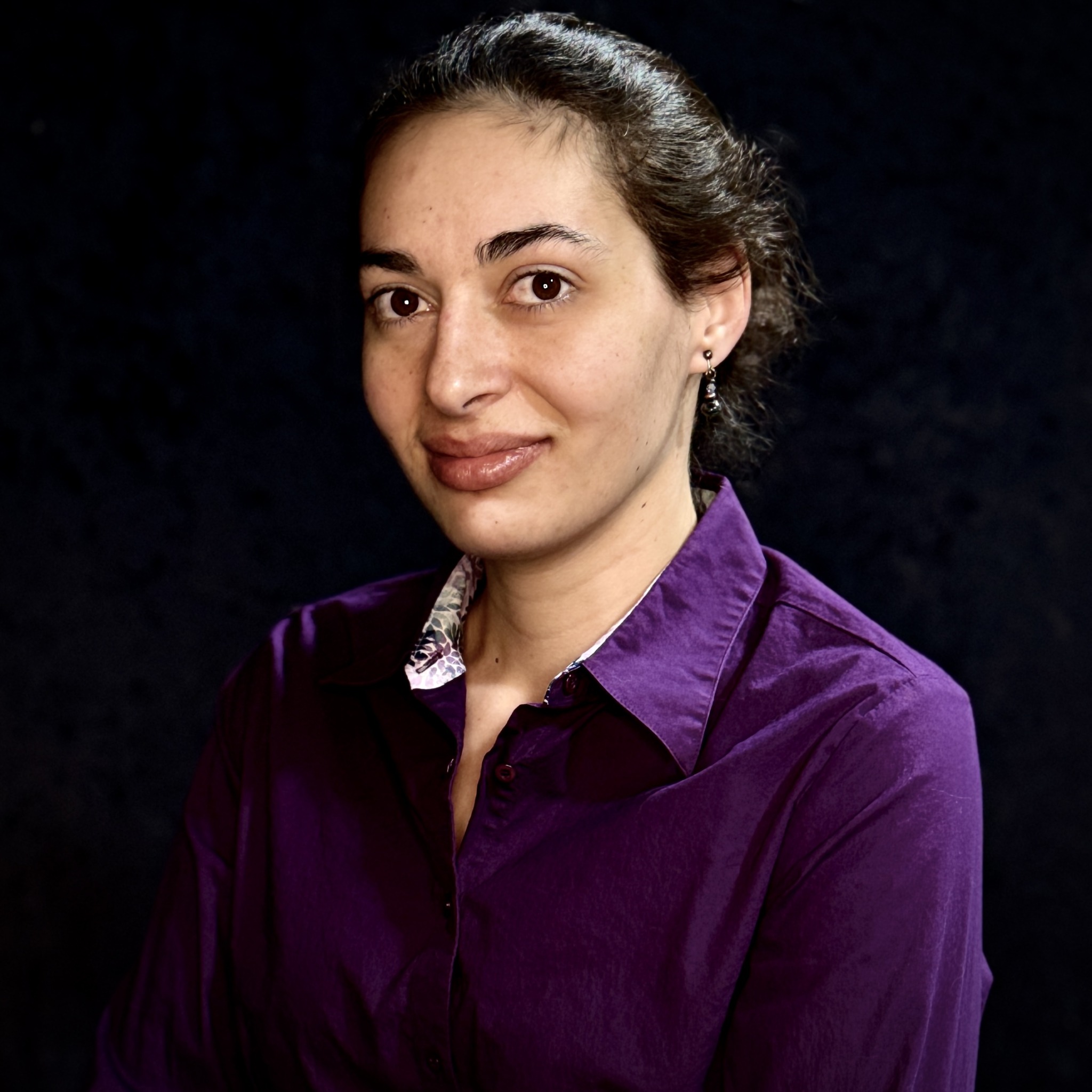

We’re excited to introduce you to the always interesting and insightful Channing Seideman. We hope you’ll enjoy our conversation with Channing below.
Channing, thanks for taking the time to share your stories with us today Was there a defining moment in your professional career? A moment that changed the trajectory of your career?
After suffering my second seizure in Nov 2003, I left the emergency room with a
diagnosis of epilepsy. A diagnosis that for 70% of people means their seizures will be
well managed with medication. My family and I were convinced that I was also part of
that 70%. We held on to that hope for 4 years.
But in May 2007, that hope was crushed after a VEEG revealed a lifelong diagnosis of
Juvenile Myoclonic Epilepsy. I didn’t allow my parents to say the word “seizure” or
“epilepsy.” I refused to accept epilepsy as part of my life despite the lifelong diagnosis.
My only hope now was a cure, and the organization leading that charge was CURE
Epilepsy, founded by a mom, Susan Axelorod, who has a daughter with epilepsy.
In 2015, I was presented with a once-in-a-lifetime opportunity that would force me to
share my story – it was an opportunity to tell my story to hundreds of clinicians and
researchers specializing in epilepsy at the annual American Epilepsy Society
conference as a guest of UCB.
The hotel elevator doors of Le Meridian Philadelphia opened, and my family and I
stepped out and stopped in our tracks. In front of us was a CURE Epilepsy sign, and lo
and behold, in a private meeting room with glass windows on the floor below was Susan
Axelrod and the CURE Epilepsy team.
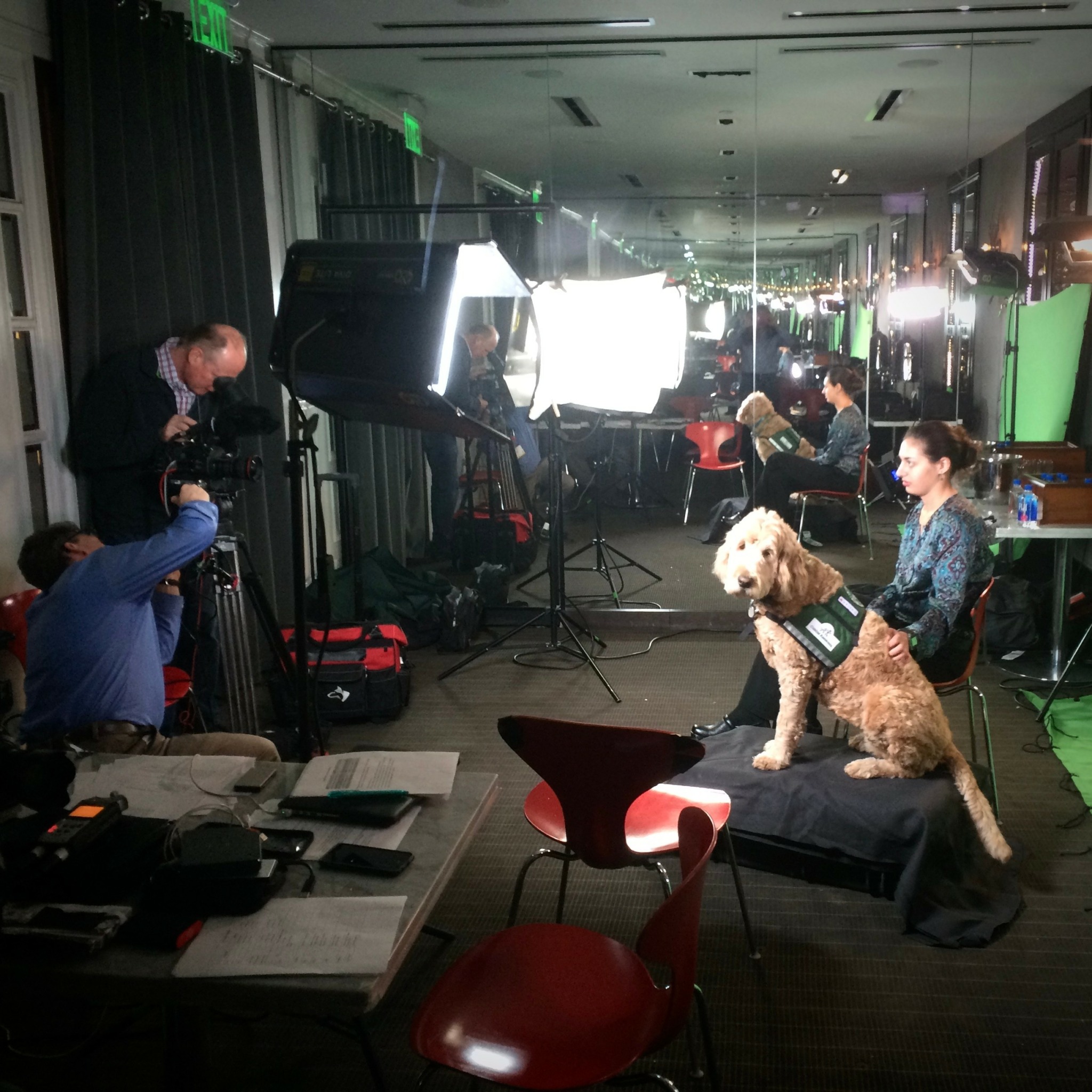
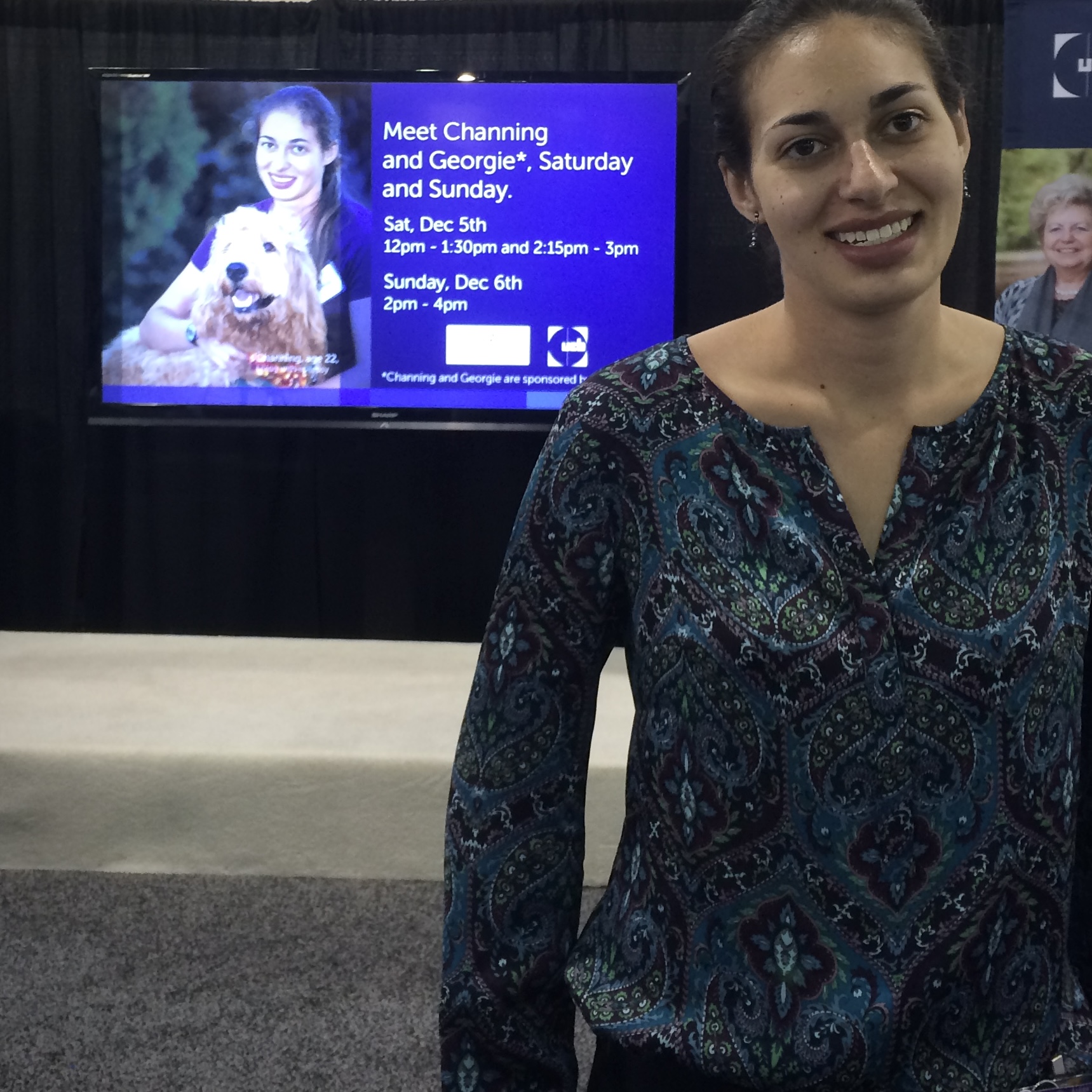
The following day we made our way to the UCB exhibit. For the first time in our epilepsy
journey we were surrounded by 5,000 people who understood epilepsy, who wanted to
talk about it, who didn’t fear it, who were accelerating the research! So, when my and
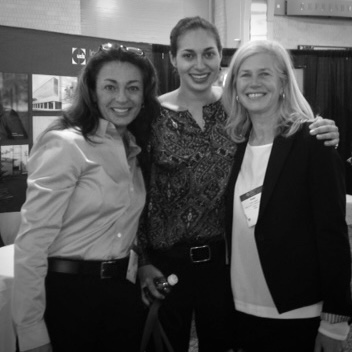
my mom’s eyes locked with Susan’s eyes, the tears started. We were staring at our only
hope, and Susan knew it. No words were said. We simply hugged.
Being a guest at The American Epilepsy Society conference changed my attitude about
epilepsy and launched my career in epilepsy advocacy. Just three years later I would
hold my first of several fundraisers as a CURE Epilepsy champion with a goal of funding
a $125,000 CURE Epilepsy research grant. To date, Team Channing has raised over
$62,000 towards that goal.
And in 2024, CURE Epilepsy offered me the opportunity to pilot their new internship
program – the Community Enrichment Program, providing people with epilepsy
workforce experience. Once again, UCB was the generous sponsor who made this a
reality.
Now, nearly 2 years later, UCB continues to sponsor my work at CURE Epilepsy. Never
in my wildest dreams could I have imagined being a part of the organization leading the
charge for a cure.
Channing, love having you share your insights with us. Before we ask you more questions, maybe you can take a moment to introduce yourself to our readers who might have missed our earlier conversations?
In 2024, CURE Epilepsy launched the Community Enrichment Program, a sponsored
internship providing people with epilepsy the opportunity to gain skills that will
assist them in the workforce, and I had the honor of being the inaugural participant.
The program’s core focus areas are professional development, event planning,
corporate giving, marketing and communications, fundraising, and individual giving.
A large part of my internship has been dedicated to the CURE Epilepsy Champions
program, where I assist other epilepsy warriors and their families in setting up their
grassroots events. This allows me to advocate for epilepsy warriors who are losing
or have lost their battle to epilepsy.
Aspects of the job that many would take for granted are what makes the job even
possible for me in the first place. CURE Epilepsy set me up for success. They
allowed me to start my work day at noon, since I have increased seizure activity in
the mornings. And working remotely and with a flexible schedule allows for the
daily nap needed as a result of seizures and side effects from my meds. But what
makes this job so special for me is having a voice in a leading epilepsy organization
and working with families living with refractory epilepsy or the grief of SUDEP
(Sudden Unexpected Death in Epilepsy).
Training and knowledge matter of course, but beyond that what do you think matters most in terms of succeeding in your field?
Lived experience brings passion and urgency to the heart of science and the efforts
to find a cure. Epilepsy is invisible, and the seizures themselves are only the tip of
the iceberg.
What we don’t see in the daily life of millions of epilepsy warriors is the continuous
challenge of side effects from meds, stigma and fear, and dark days that can take
hold when epilepsy is winning, when you’re faced with academic decline, social
impacts, career limitations, lack of independence, and overall decreased quality of
life.
For parents, loved ones, and caregivers, the one emotion shared is helplessness.
Countless nights with no sleep for fear of a night seizure, the haunting memory of a
crash from a drop seizure, or the calls from a school after their child has
experienced a seizure in front of classmates all leave caregivers helpless. And that’s
not even counting the debilitating headache and needed recovery that leaves their
loved one bedridden for several days after.
But when was the last time you saw someone having a seizure? Epilepsy is out of
sight and out mind. We don’t see epilepsy warriors when they are undergoing tests
at the hospital, recovering in bed, seizing in their parent’s arms, laid out on the couch
from side effects, or when they are climbing out of a bad place. We see epilepsy
warriors on their good days.
Understanding the urgency to unravel refractory epilepsy is to live with refractory
epilepsy.
Can you share a story from your journey that illustrates your resilience?
In 2020, Team Channing hosted its second annual Dressage for a Cause horse show
fundraiser, an event I’d spent a lot of time and resources on, as had all the members
of Team Channing, particularly my barn family.
That morning, I threw on my white breeches and headed downstairs. It was my day
to ride for the epilepsy warriors who are losing or have lost their battle to epilepsy.
Before I could even put my shoes on, my brain started acting up. The last thing I
wanted to do was let anyone down.
I didn’t have a tonic-clonic seizure that morning; instead, I had a cluster of myoclonic
jerks. A debilitating headache followed, forcing me to change back into my pajamas
and return to bed. Fortunately, this was a two-day event, and I could make up for it
tomorrow.
But the next morning, the headache had turned into the headache from hell. I didn’t
know how I was going to get a helmet on my head. However, some warriors don’t get
to ask that question. They require a helmet be worn as they go about their daily
lives.
The white breeches were back on, and this time so was the helmet. The warriors are my inspiration, and I was going to ride for them.
Contact Info:
- Website: https://linktr.ee/TeamChanning
- Instagram: @team_channing
- Facebook: @TeamChanningGeorge
- Linkedin: https://linkedin.com/in/channing-seideman
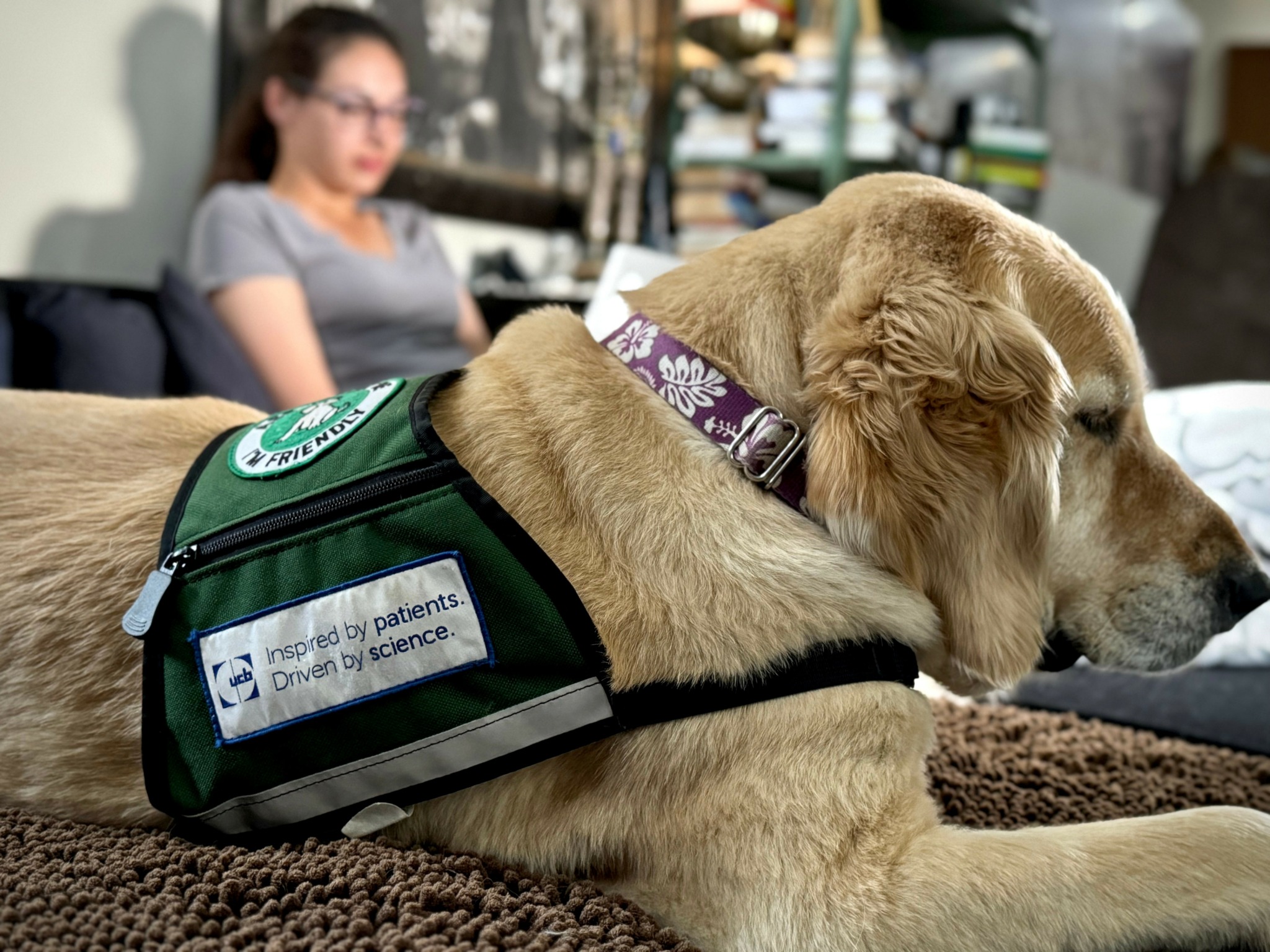
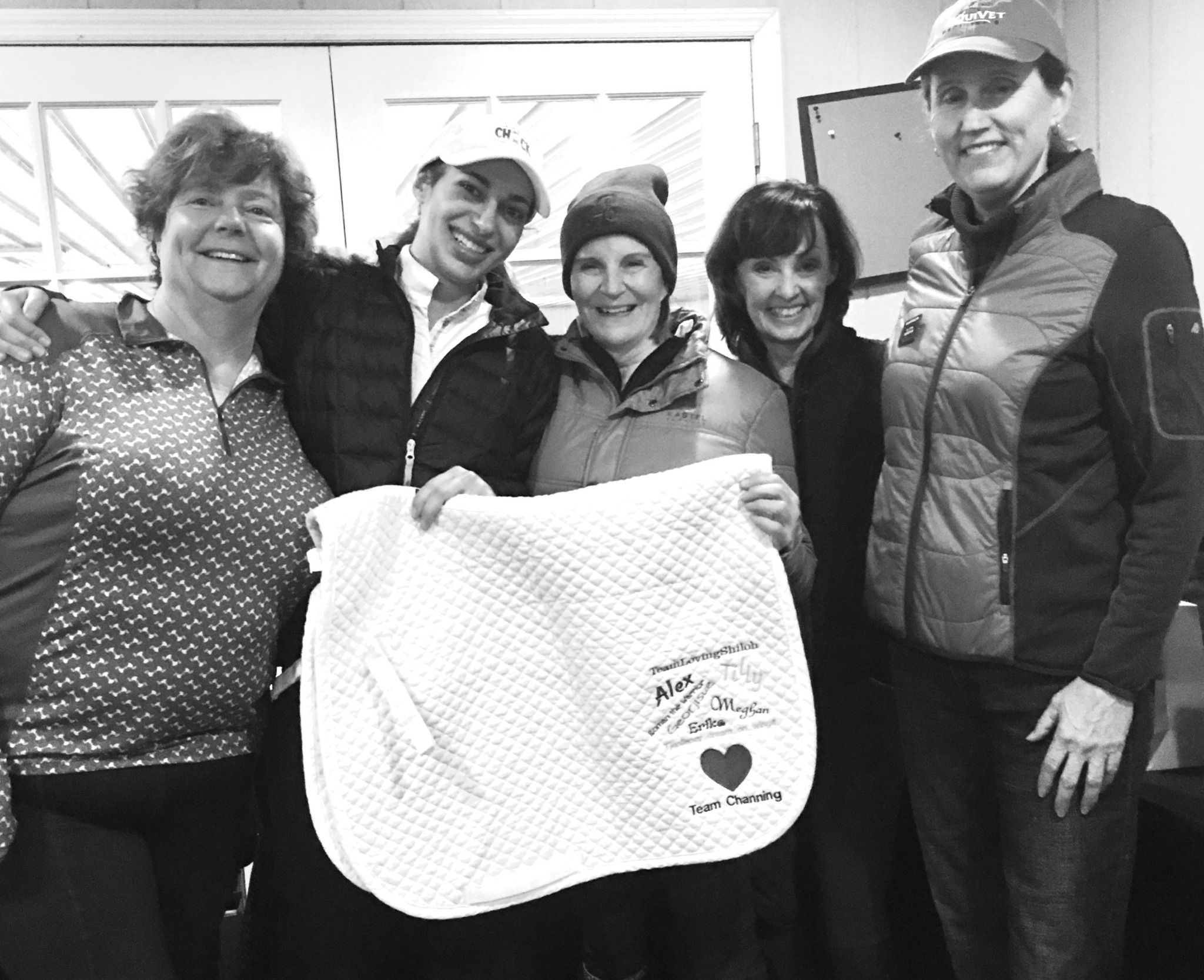
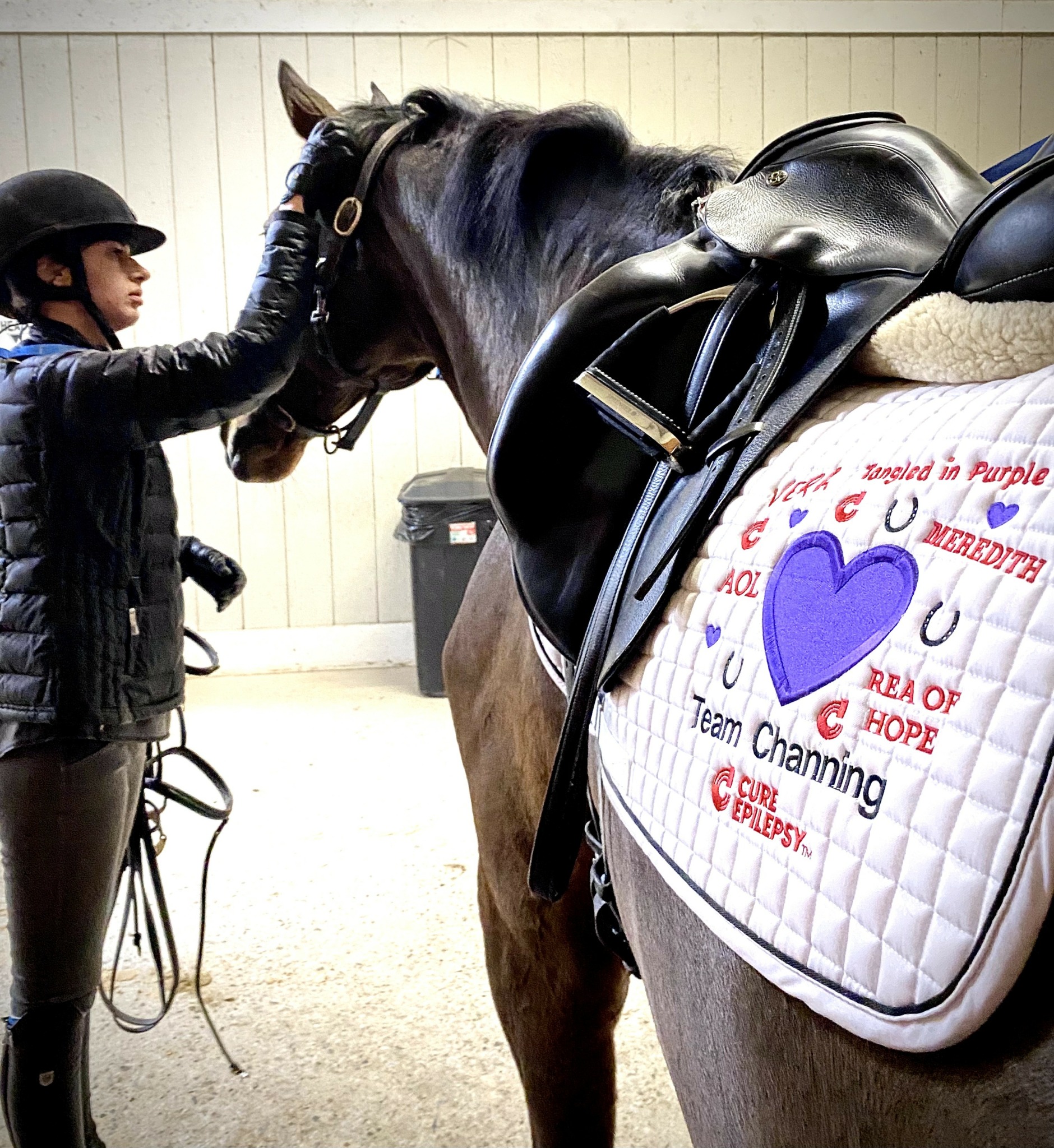
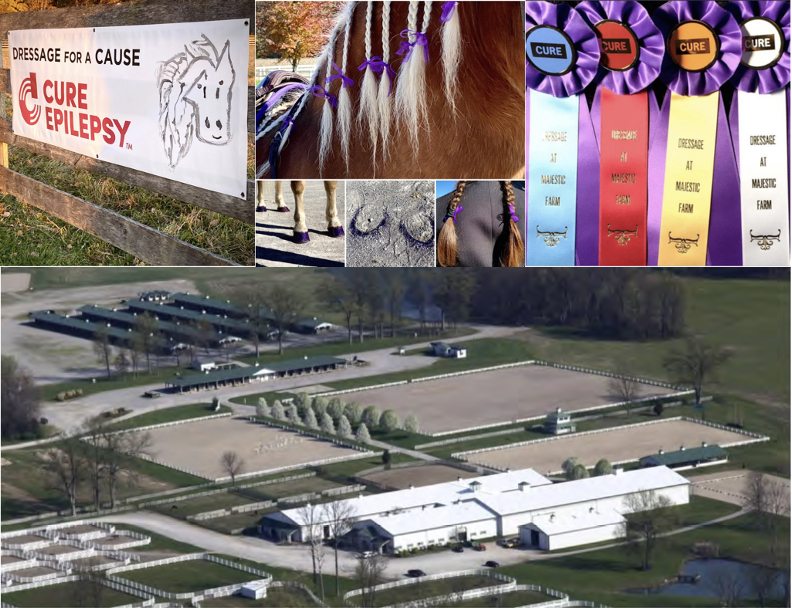
Image Credits
Kelly Hall