

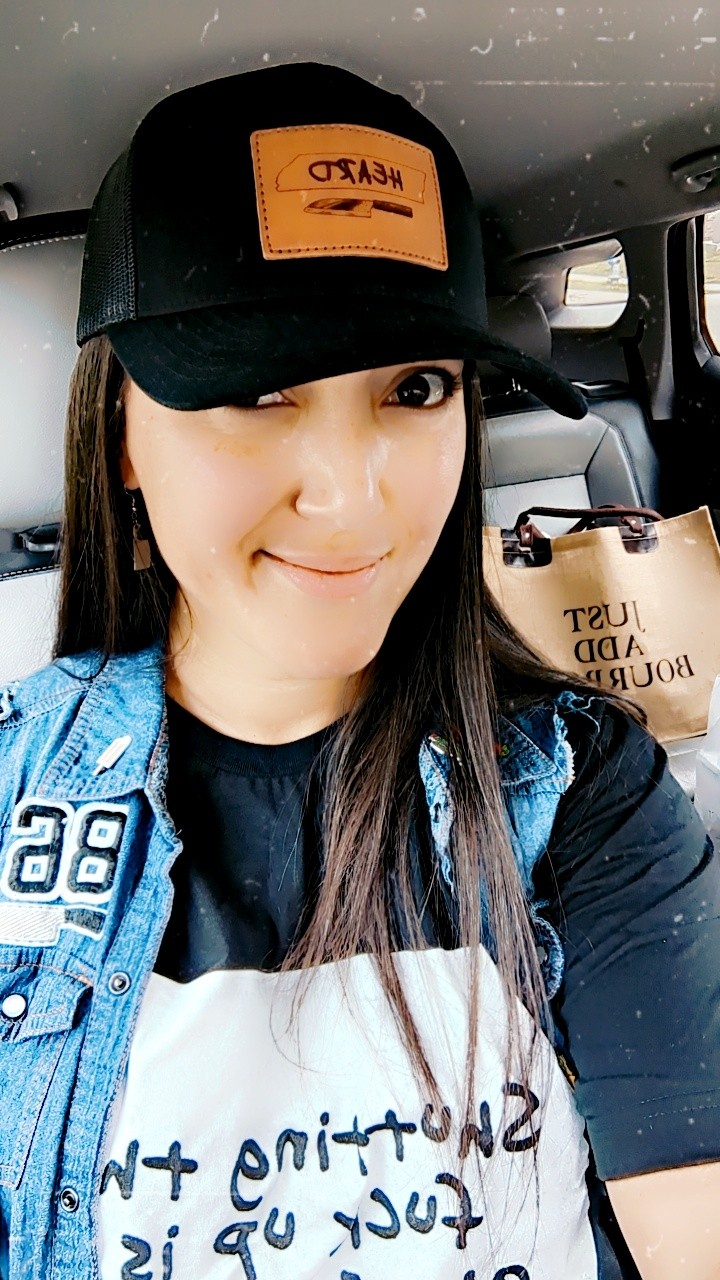

We were lucky to catch up with Chandler Tomayko recently and have shared our conversation below.
Hi Chandler, thanks for joining us today. Risk taking is something we’re really interested in and we’d love to hear the story of a risk you’ve taken.
The most recent risk I have taken was deciding to invest in myself. I had a business idea and decided to find a way to make it a reality. It started with zoom happy hours during the pandemic, followed by a ton of notes on legal pads. I came up with a game design and found a company that could make it tangible. I didn’t have enough money to get started. I decided I would take a little from my tips each week and donate plasma until I could come up with enough seed money to print enough copies of my game to get started.
My internal joke was that if I was going to follow through with my idea, it might as well be my blood money that made it happen. I felt like I was and still feel like I am taking a big risk. The game might not take off, I could be left with a ton of copies collecting dust, someone could swoop in and try to steal my idea, and people in my life might resent me for having less free time…
I decided to do it anyway. Still not sure how it has turned out, mainly because I hope this journey is far from over. There have been some really good ups. I have sold out twice and had to purchase more copies. I have watched people play my game across different states and feel seen. I have developed a loyal fan base. I have found awesome people to collaborate with. There have also been some disappointing lows. I have had money and game copies stolen. I have been chastised for using my free time to try and succeed rather than rest. I haven’t made enough money to register my company or trademark my idea yet.
At the end of the day, I’m glad I took the risk. I would do it again. I hope to keep growing and seeing more positive returns.


Chandler, love having you share your insights with us. Before we ask you more questions, maybe you can take a moment to introduce yourself to our readers who might have missed our earlier conversations?
I started in the service industry officially at the age of 16. I went to a culinary trade school while working 3 jobs to pay for it. I started washing dishes just to be closer to the action of a kitchen. I spent years working with mentors in kitchens across the world. I cooked my heart out with some of the coolest individuals from interesting cultures. Tradition, culture, and stories are incredibly important to me.
After a while in kitchens, I branched out. I started running venues, consulting, photographing for different projects, and bartending. Behind the bar or the stove, I have been fortunate to experience all sorts of settings, including dive bars, Michelin restaurants, grandmothers’ kitchens, concert stadiums, culinary schools, and more.
With over 20 years of work under my apron strings, the amount of people I have crossed paths with is hard to count. However, the stories they shared, shifts we commiserated over, or information we taught each other, stuck with me. We are all experiencing a lot of the same griefs and joys. That is how I came up with the game. I decided that if possible, I would put as much of our shared service industry and hospitality experience as possible in a box with the hope that it could then bring people together to create new memories and stories.

Okay – so how did you figure out the manufacturing part? Did you have prior experience?
My area is food and drinks…I have some photo editing skills but by no means am I a graphic designer. It was important to me when I started trying to make this idea a reality, that at the end of the day, it came across as something anyone could do. Throughout my years in hospitality, I have met so many creative individuals with ideas that don’t have access to funding, resources, or support. I wanted to find a way to create that, on my own, so that it could later be used as an example.
I used my editing skills and kept the design simple. Most service industry professionals at the end of the day enjoy a very abbreviated version of what we do for hours on end. The design didn’t need a ton of bells and whistles, just relatable imagery. As far as finding a way to get the game made, I started researching online and found an endless supply of overseas companies that could print my game.
I really wanted to find a small, US-based company. I think small should support small. Looking into my options, I realized that going overseas for production would be much cheaper but not align with my values. I chose a company in Wisconsin and haven’t looked back since. They do a lot of the production by hand, which is reflected in the quality. Their customer service has also been amazing in the instances where I have had issues with an order.


What’s been the best source of new clients for you?
Honestly, word of mouth. My demographic is primarily hospitality professionals. We are an odd bunch. Most of the time we go to bars, restaurants, venues, and other spaces based on the recommendation of someone we know in the industry. I have garnered a modest following on Instagram and I have sold approximately 300 games. Generally speaking, when I play the game in public or someone purchases one and shows it to friends or coworkers, it often leads to a new follower or purchase. 


Contact Info:
- Instagram: @heardcardgame
- Linkedin: https://www.linkedin.com/in/chandler-tomayko
- Other: linktr.ee/heardcardgame