We were lucky to catch up with Chaise Cortes De Vargas recently and have shared our conversation below.
Hi Chaise, thanks for joining us today. Can you open up about a risk you’ve taken – what it was like taking that risk, why you took the risk and how it turned out?
I took a risk that most people probably would’ve waited on—but I didn’t.
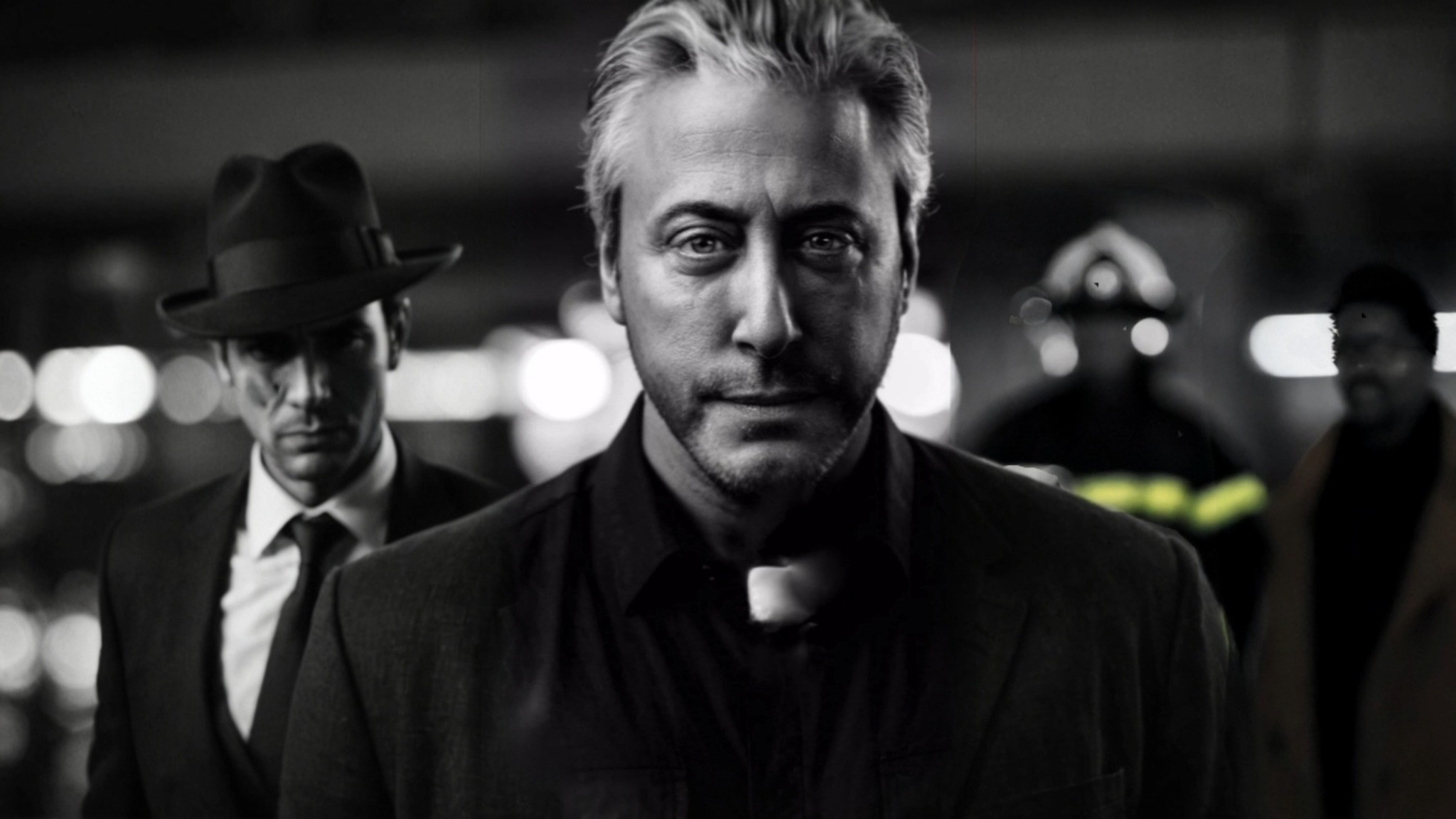
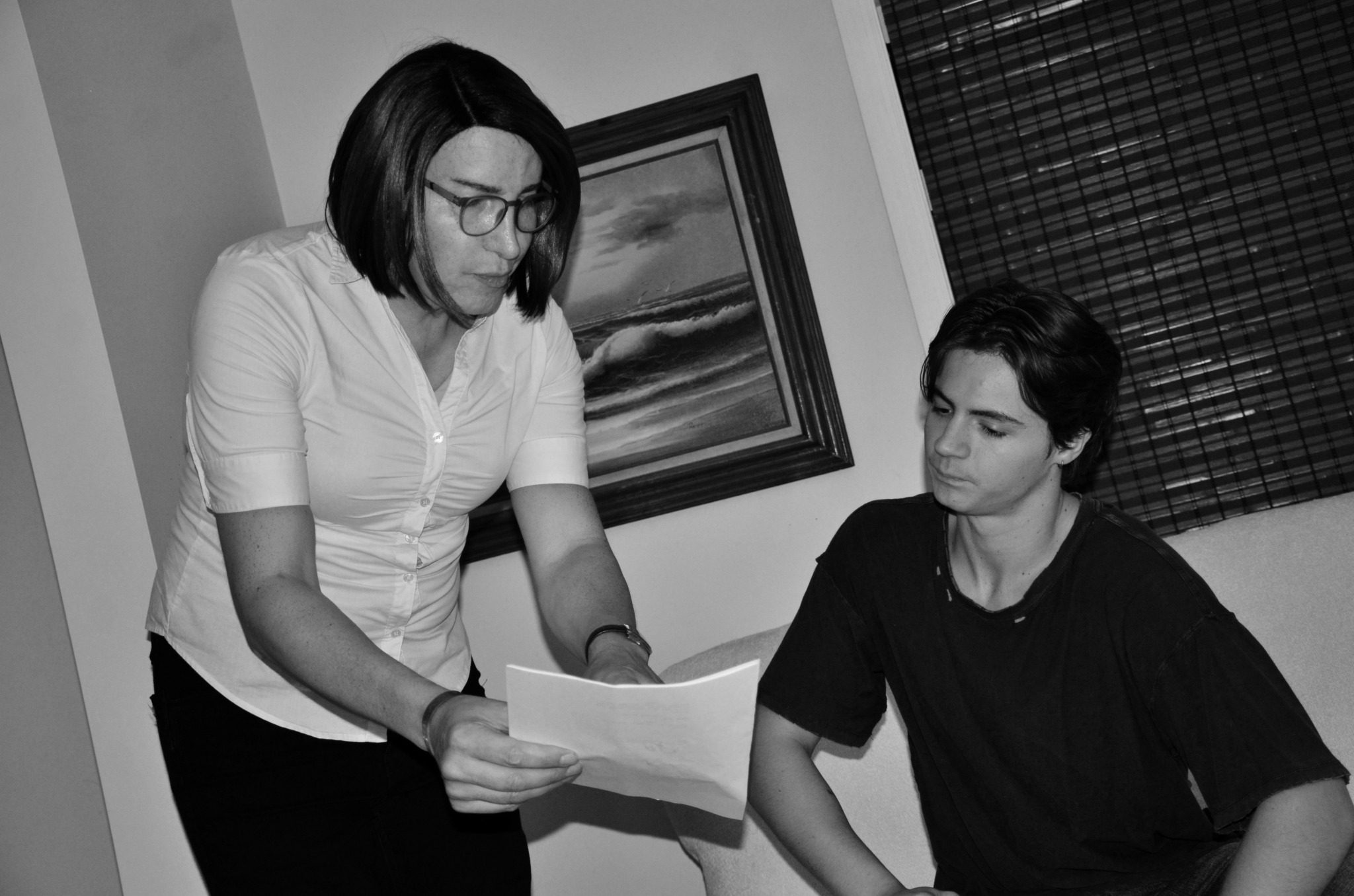
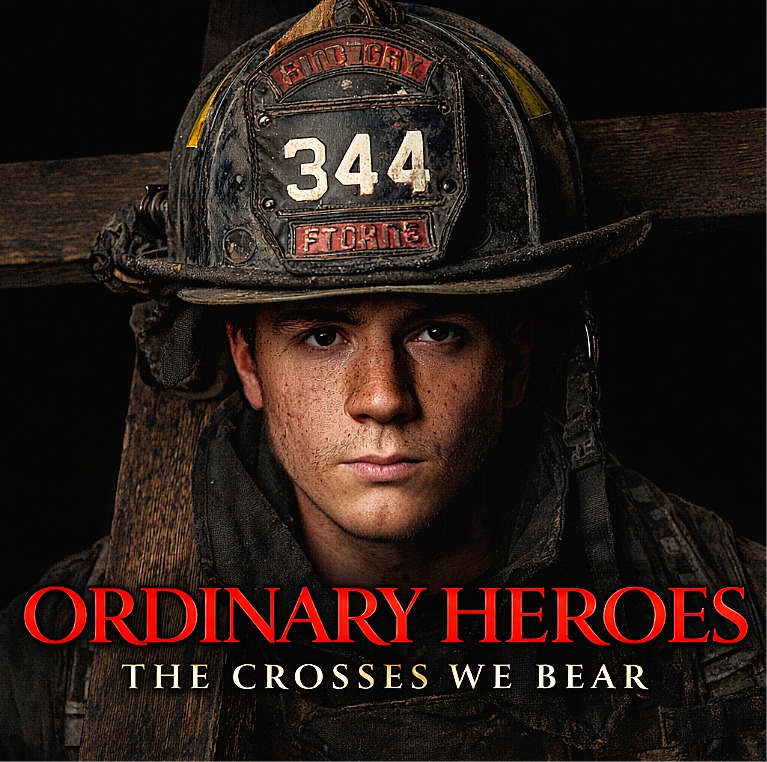
I created a film called Ordinary Heroes: The Crosses We Bear. It’s about the aftermath of 9/11—the loss, the grief, and what happens to people after the world moves on. At its core, it’s really about broken people who bury wounds so deep they don’t even recognize who they’ve become.
And honestly… we don’t talk about that part enough.
What happens after survival.
After the headlines fade.
I felt a real responsibility to tell that story.
So I didn’t wait for studio backing or permission—I just started.
At the same time, I was stepping more fully into who I am, both personally and professionally. So the risk wasn’t just making the film—it was putting myself at the center of it as a filmmaker, a leader, and a trans woman before the industry had really validated me as any of those things.
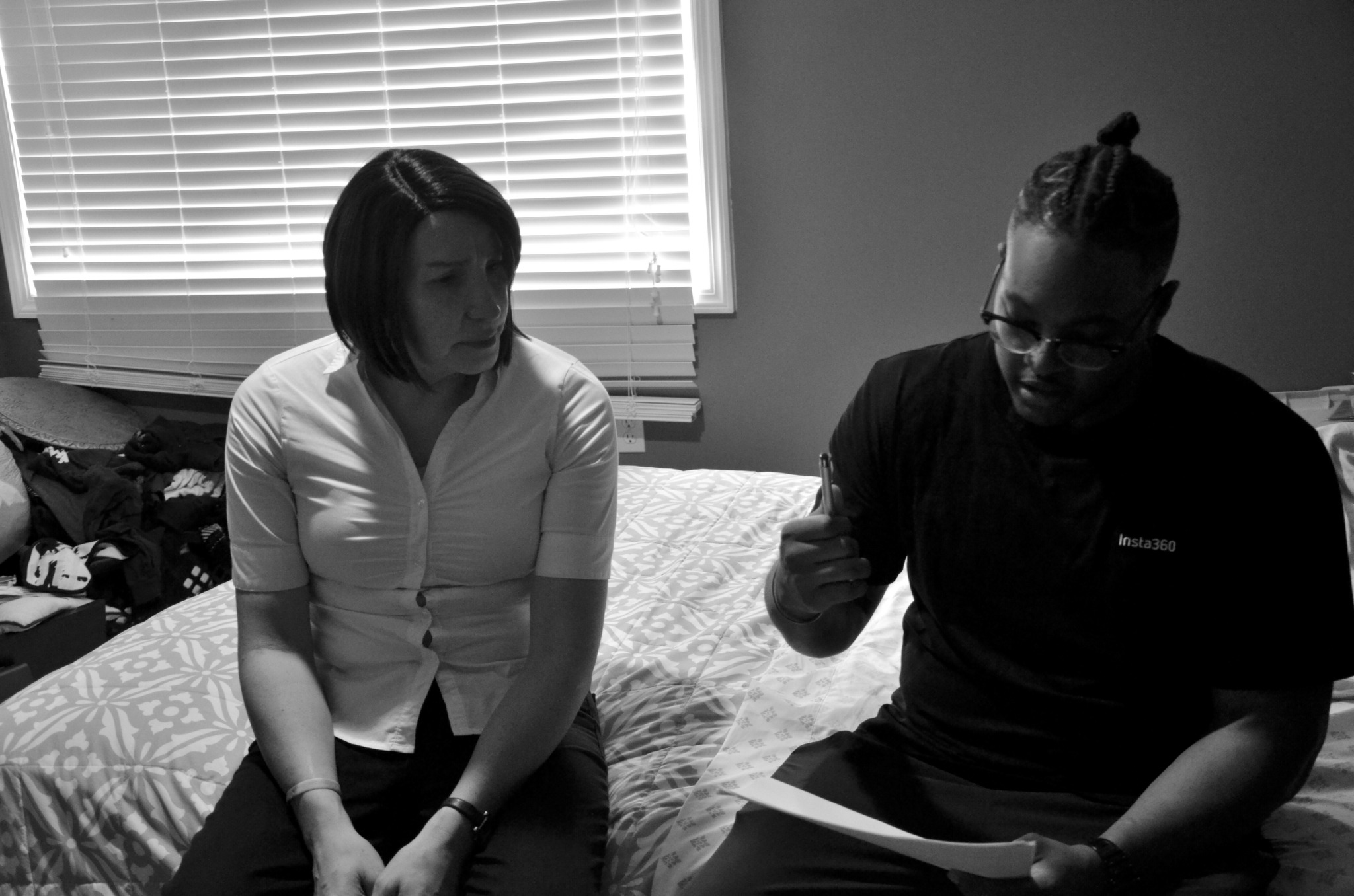
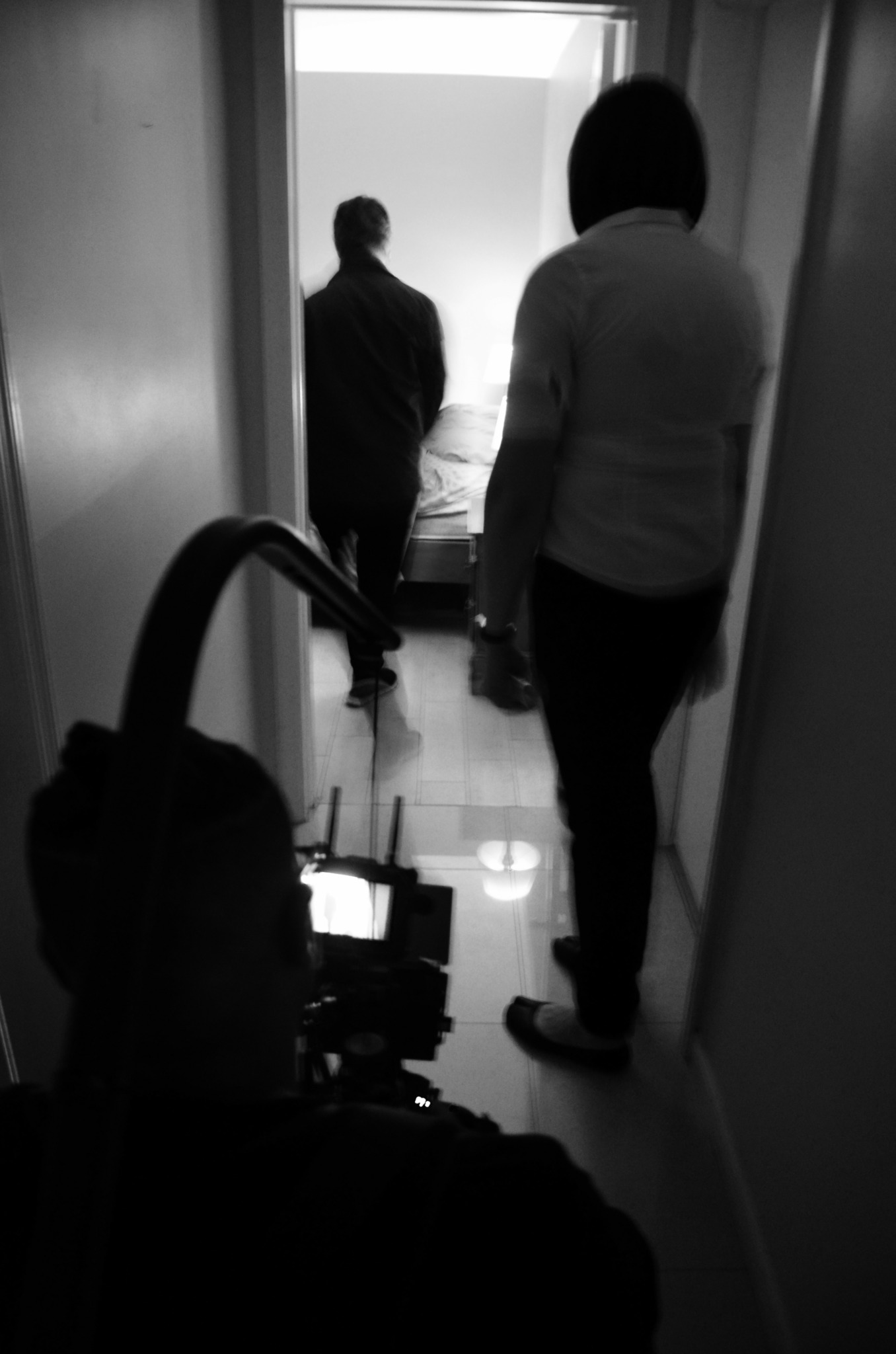
I wrote it, directed it, produced it—built the whole thing from the ground up. Even the cast came from places like the SAG-AFTRA picket lines—people who were just as hungry to be seen and taken seriously.
And now, as it’s growing, we’re in conversations with recognizable actors who are really connecting to the material, which has been incredible to see.
There’s never been a guarantee this would work. And to be real—we’re still in it.
We finished our first block of shooting, and right now I’m raising funds to bring the next phase of Ordinary Heroes to life.
But what’s been powerful is seeing how people respond when they hear what it’s about… because almost everyone has something they’ve buried.
And when they see themselves in it—they lean in.
That’s when it stops feeling like just my film… and starts becoming something bigger.
So the risk didn’t just happen at the beginning—it’s ongoing.
But it forced me to stop waiting for permission and actually step into leadership.
And I’m still taking that risk. Every day.
Great, appreciate you sharing that with us. Before we ask you to share more of your insights, can you take a moment to introduce yourself and how you got to where you are today to our readers.
I’m Chaise Cortes De Vargas—filmmaker, director, producer, and founder of Thematic Shift, a production company built around one core idea: stories shouldn’t need permission to exist.
I got into this work because storytelling, for me, was never just creative—it was survival. I’ve always been drawn to stories about people navigating identity, loss, pressure, and transformation—the kinds of internal battles most people don’t talk about out loud. And over time, I realized those were exactly the stories that weren’t being told at the level they deserved.
So instead of waiting for space in the industry—I started creating it.
What I do now sits at the intersection of filmmaking, world-building, and community-driven production. Through Thematic Shift, I develop films and documentaries that are emotionally grounded but cinematic in scope—projects like Ordinary Heroes: The Crosses We Bear, which explores the aftermath of 9/11 through the lens of grief, identity, and the unseen weight people carry.
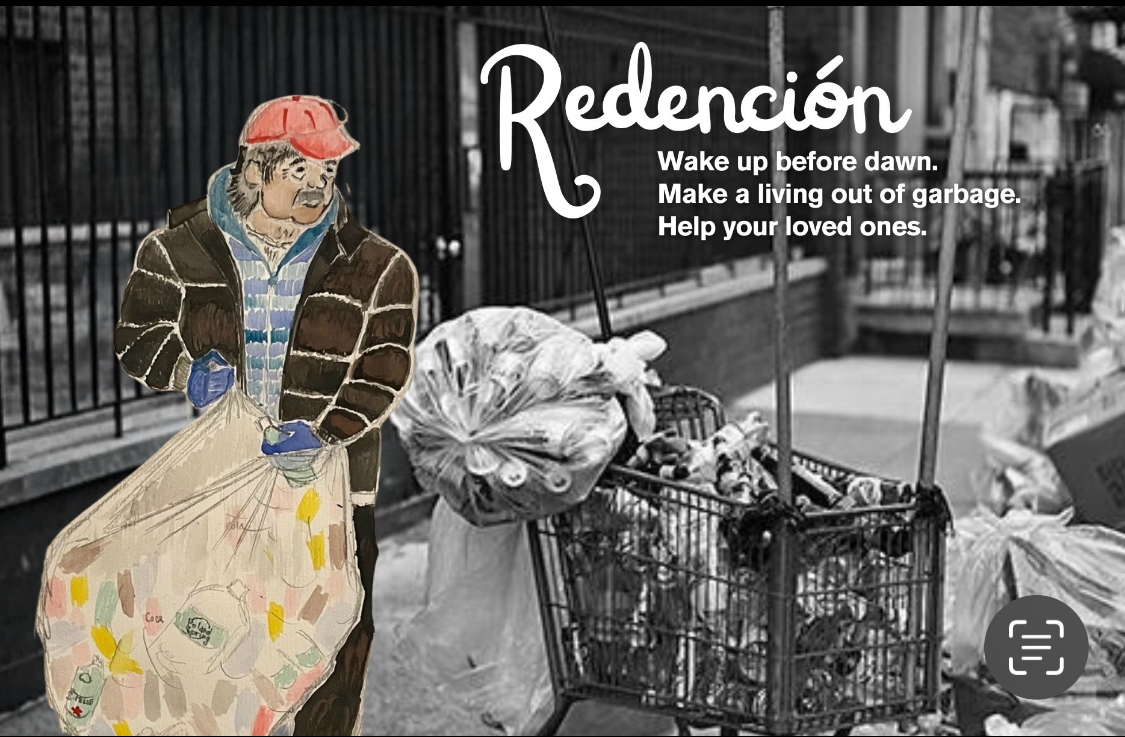
I’m also collaborating on Redencion, a docufilm set in New York City that follows canners—individuals who collect bottles and cans for survival—and reframes them not as invisible, but as resilient, complex, and deeply human. The project is written and directed by Andrea Vico, an incredibly thoughtful filmmaker whose work brings a raw, observational honesty to the screen. That collaboration has been important to me because it aligns with my mission: telling stories about people who are often overlooked, but whose lives carry real depth and meaning.
The problem I’m really solving is this: there are powerful, human stories that don’t get made because they’re considered too complex, too risky, or not “marketable” enough. And at the same time, audiences are craving something real—something that reflects their lived experiences.
I bridge that gap.
What sets me apart is that I’m not just creating content—I’m building systems around the work. I’m not waiting for gatekeepers to validate the story or the storyteller. I move first, and I bring people into that movement.
And I lead from a place of truth. As a trans woman, as a creator, as someone who has had to step into visibility in my own life—I bring that lived experience into everything I make. Not as a label, but as a lens.
What I’m most proud of is that I didn’t wait.
I didn’t wait to be chosen. I didn’t wait to be ready. I didn’t wait for the perfect conditions.
I started building anyway—and now that work is real. We’ve completed our first block of filming on Ordinary Heroes, we’re growing a community around it, and we’re actively expanding it with new collaborators and recognizable talent.
What I want people to know is this:
If you connect to the work, there’s a place for you in it.
Whether you’re an audience member, a collaborator, or a supporter—you’re not just watching something unfold, you’re part of what’s making it happen.
And that’s the future I’m building.
Have you ever had to pivot?
One of the biggest pivots I’ve made wasn’t just in a project—it was in how I approached my entire career.
There was a point where I was moving through the industry the traditional way—auditioning, waiting, trying to fit into existing spaces. And I started to realize that the stories I cared about, and the perspective I bring, didn’t always fit neatly into those boxes.
At the same time, I was stepping more fully into my identity and my voice. And that created a kind of tension—because I could either wait to be accepted into the system as I am… or I could build something that didn’t require that permission.
So I pivoted.
Instead of waiting for opportunities, I started creating them. That’s what led to the launch of Thematic Shift and the development of Ordinary Heroes: The Crosses We Bear.
And that pivot wasn’t theoretical—it came with real challenges. Funding wasn’t guaranteed. Structure wasn’t handed to me. I had to figure out how to lead a team, how to produce at scale, how to build momentum from nothing.
Even within Ordinary Heroes, there have been pivots. Adjusting how we approach production, how we build support, how we bring people into the process. We completed our first block of filming, and now we’re actively shifting into a community-driven funding model to carry it forward.
But that’s the thing about pivoting—it’s not about abandoning the vision. It’s about protecting it.
That shift forced me to grow from just a creative into a leader and a builder. Someone who doesn’t just tell stories, but creates the infrastructure for those stories to exist.
And looking back, that pivot changed everything—because now I’m not waiting to be included.
I’m creating the space.
What do you think is the goal or mission that drives your creative journey?
Yeah—there is. And it’s gotten a lot clearer over time.
At the core, my mission is to bring visibility to the parts of people that usually stay hidden—and to do it in a way that feels honest, not polished or performative.
I’m drawn to stories about people who are carrying something… grief, guilt, identity, pressure—and have learned how to function while quietly falling apart. Not because it’s dramatic, but because it’s real. That’s most people.
And I think there’s power in putting that on screen in a way that makes someone feel seen instead of judged.
But beyond the stories themselves, there’s a bigger mission driving me now.
I’m not just trying to create films—I’m trying to change how they get made, and who gets to be part of that process.
Because there are so many meaningful stories that never make it past the gatekeepers. Not because they’re not good—but because they don’t fit a formula.
So my work sits in that space between storytelling and disruption.
Projects like Ordinary Heroes: The Crosses We Bear are a reflection of that—it’s not just about the aftermath of 9/11, it’s about what people carry long after the world stops paying attention.
And the way I’m building it—through community, through shared investment—is just as important as the story itself.
Because when people see themselves in the work, they don’t just watch it… they stand behind it.
That’s the mission.
To create stories that make people feel seen—and build a system where those stories don’t have to ask for permission to exist.
Contact Info:
- Website: https://ThematicShift.com
- Instagram: @chaisecortesdevargas @ordinaryheroesmovie @thematicshift
- Facebook: https://www.facebook.com/ChaiseCortesDeVargas/
- Linkedin: https://www.linkedin.com/in/chaise-cortes-de-vargas-a7190830
- Other: TikTok: https://www.tiktok.com/@thematic_shift