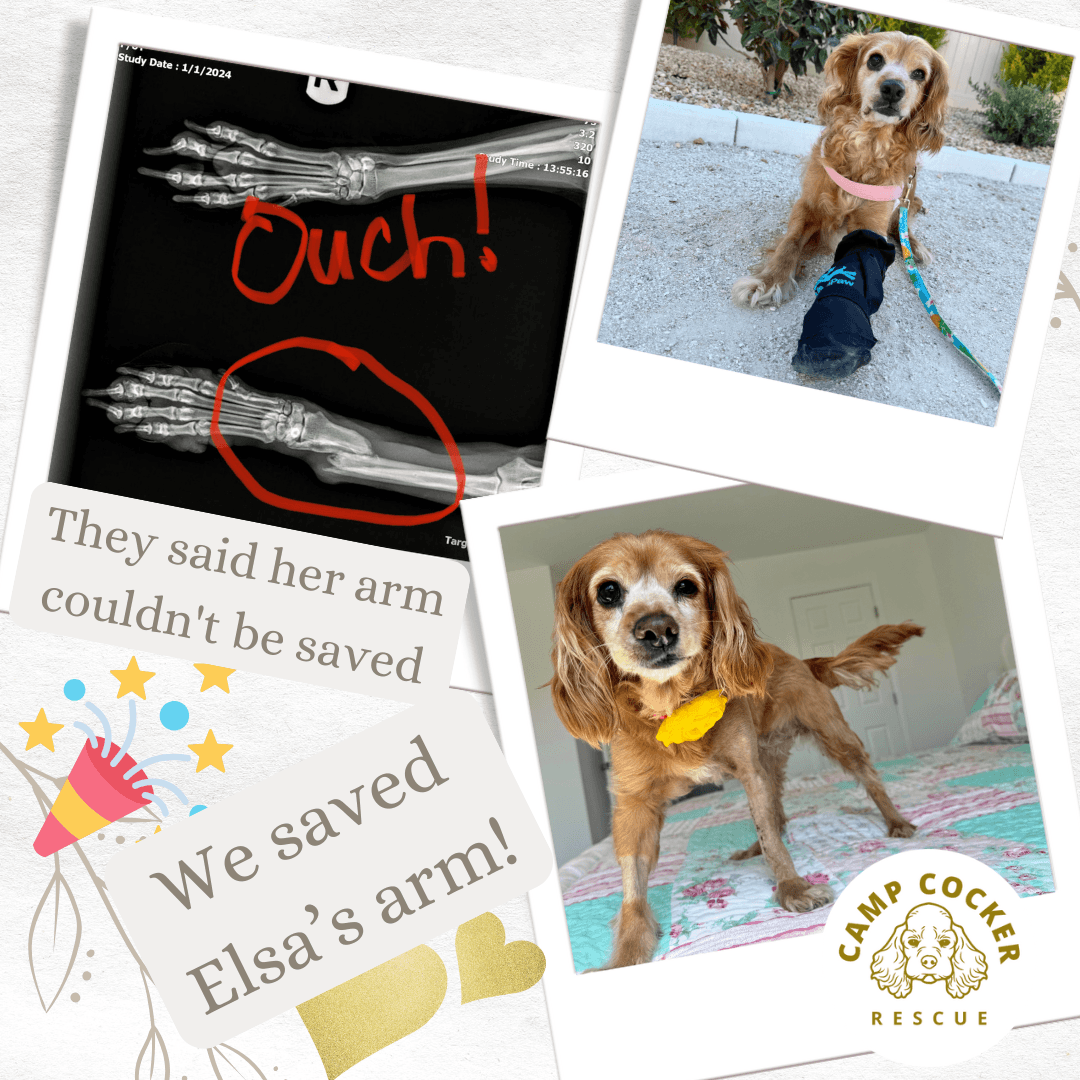
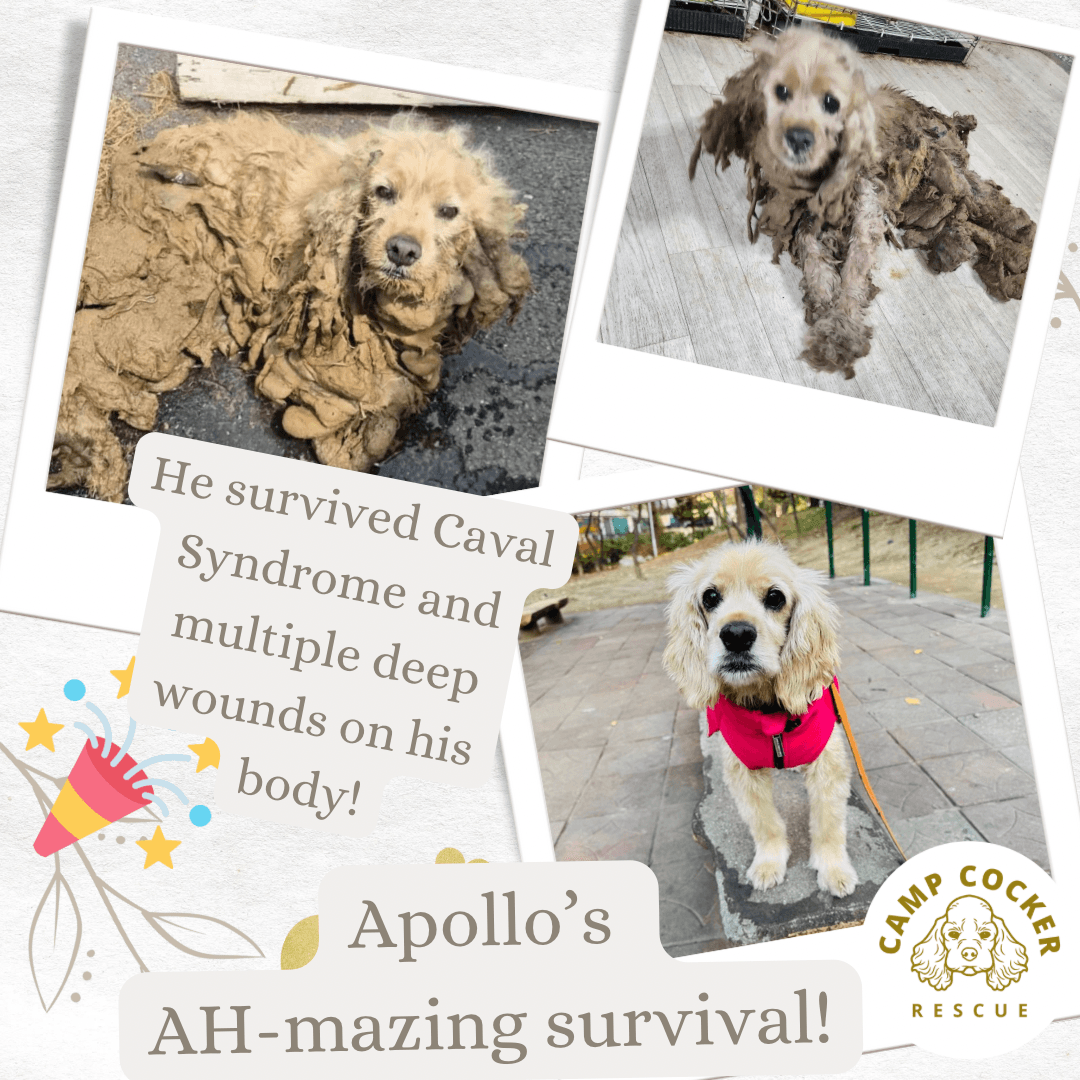
We recently connected with Cathy Stanley and have shared our conversation below.
Cathy, appreciate you joining us today. Can you tell us about an important lesson you learned while working at a prior job?
The best lessons I’ve ever had to prepare me for running my own business and starting a non profit, came from being a food server during my college years.
– I learned how to be a team player and to help out co-workers when they were overwhelmed, who helped me out in return. We all did better as a result of having each other’s backs. It gave me the values that I still have today where I see how supporting fellow human beings all over the world, raises us all up to do better.
– I learned the importance of being efficient with my time. An example of this was when a restaurant manager taught the staff to never waste a trip with empty hands. What this meant in terms of restaurant service was that if you were going to walk from the kitchen out to the dining area, don’t have empty hands. If there is an order of hot food waiting to be delivered to someone else’s customers, take it and deliver it for your co-worker. Then if you are walking from the dining area back into the kitchen, grab as many empty plates from customer tables as you can carry, no matter if they are your customers or someone else’s customers. This idea of never wasting a step, was a lesson that helped all of us to make more money, the customers had much better dining experiences and the diners waiting to get a table had a shortened wait time because of our efficiency with moving things along.
– I learned the importance of being organized. An example of this was to organize the needs of my customers, look at what everyone needed or was waiting for, triage it and combine steps. Being organized and multi-tasking are huge skill sets that only on the job experience could have taught me.
– I learned how to be proactive and think of my tasks in front of me like I was approaching a chess board. Predicting what customers were going to need, when they were going to need it and get it in front of them before they even had to ask. (refilling drinks, bringing more condiments or bread, more napkins, etc.) I was already steps ahead and this life skill has served me well.
– Process is everything! If you don’t have a solid process in place, then when the unexpected happens you have no foundation to stabilize you. A well thought out process is the first step to success in any small business (or non profit).

Cathy, before we move on to more of these sorts of questions, can you take some time to bring our readers up to speed on you and what you do?
ALWAYS BE LEARNING . . . that is the number one motto in my life.
I was struggling all through my twenties, had gone to film school in Chicago but then couldn’t get my foot in the door professionally. I moved to Los Angeles at age thirty, when a group of my Chicago friends moved to do a play. I was so lucky to have an air mattress to sleep on and to get a part time job doing errands and buying props for the play. I hadn’t done anything like this before but it was no different than waitressing, being organized and having a process.
I was trying to find full time work, it was frustrating as I was eager to work hard. I had interviews for entry level positions in the entertainment industry but was deemed “too old”. I tried out a housekeeping job for one day and learned a new appreciation for people that can do that for a living. (it was hard work!)
A friend of a friend gave me a part time job helping her with mundane assistant tasks. As a result of showing up, doing a good job, being professional, having a positive attitude (no task was beneath me), being reliable, that person then helped me to get my first job in the entertainment industry.
My first job was as an assistant at a film production company and from there, I began a career that I didn’t know existed and that I was going to be great at. I was an office assistant, answering phones, running errands, then I became a script reader, then I became a personal assistant to various high profile celebrities where I eventually worked my way up to becoming an integral part of their support team, running their estates, co-ordinating their schedules, their travel, etc.
People would say to me “how fun your job must be” and I would answer them that it is no different than waiting tables in a restaurant. It is a job that involves being of service and all of those skill sets I learned working in restaurants were the best training. The only additional skill I needed (and I was a quick learner) was to treat my employers with kindness and compassion by respecting their privacy and confidentiality. So many assistants to celebrities fail at this, for a chance to name drop and get something out of it to benefit themselves.
I did get burnt out after a long career and was aiming to work for myself. I started a small pet service business in Los Angeles called Pooch Potty. Dog owners in high rises would purchase a high quality dog potty box from me and get weekly service where the sod in the box would be changed out. In those early days, when I only had a handful of customers, I was still a personal assistant and would take my lunch break to go change my clothes, and go to a customer’s home to change out their sod. It was hard labor but I kept my eye on the future and once I had enough weekly customers I was able to afford to hire my first employee.
I eventually was able to phase out my career as an assistant to run my small business full time.
When I decided to start my non profit dog rescue, my skill set was ready to go!
Any insights you can share with us about how you built up your social media presence?
Ahhh, what a fantastic question and I love sharing this with others!
I have used social media to build and grow my non profit dog rescue with a very specific strategy.
Facebook is the first place where I really found my supporters.
I view my followers and donors as people who deserve to get transparency. I am asking them to support me, I had better step up and treat them with the respect that they deserve in return.
Sharing great photos and videos of our dogs is important, even though it takes some effort, it helps to bring in donations as well as to attract adopters for our dogs.
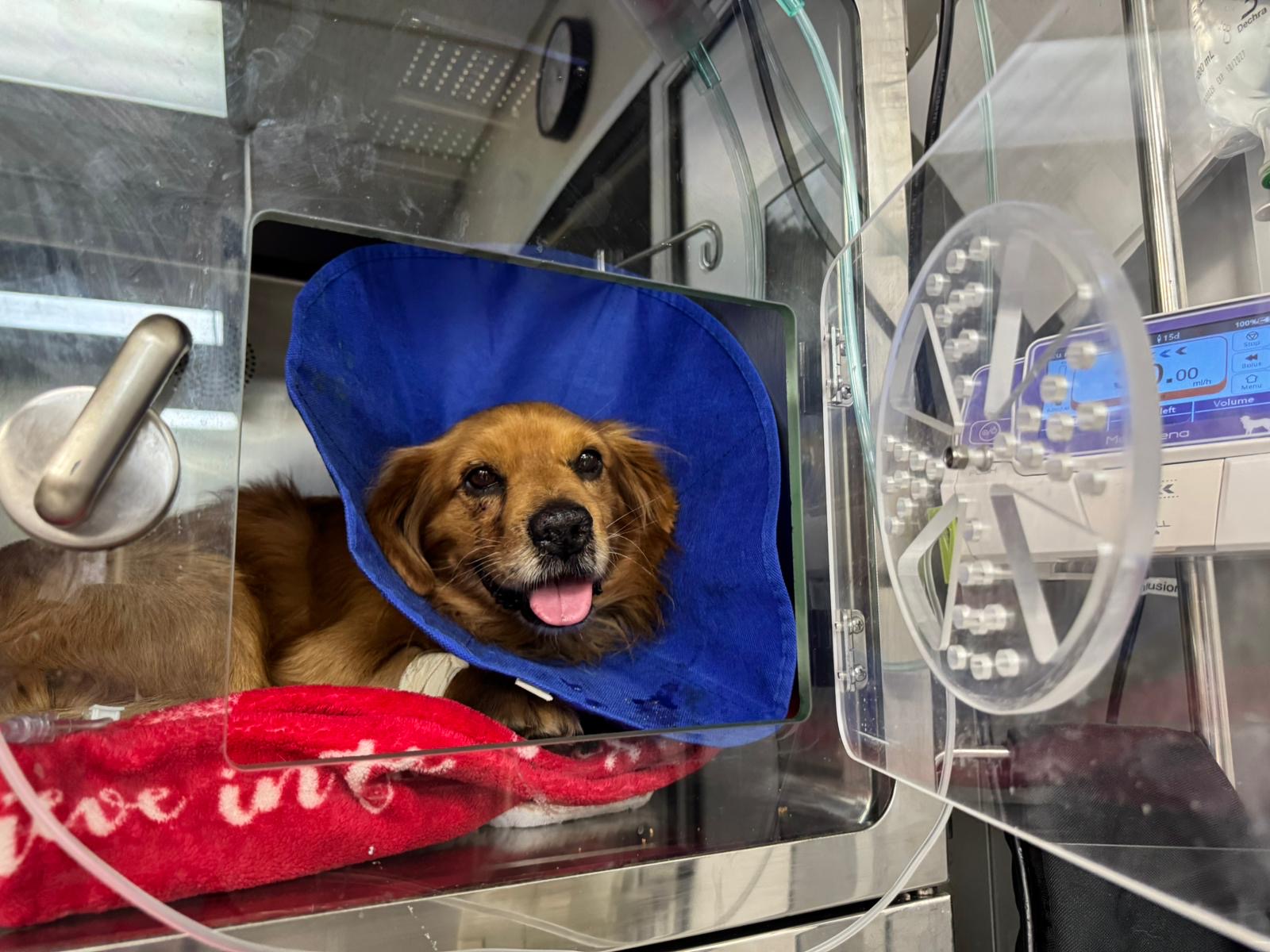
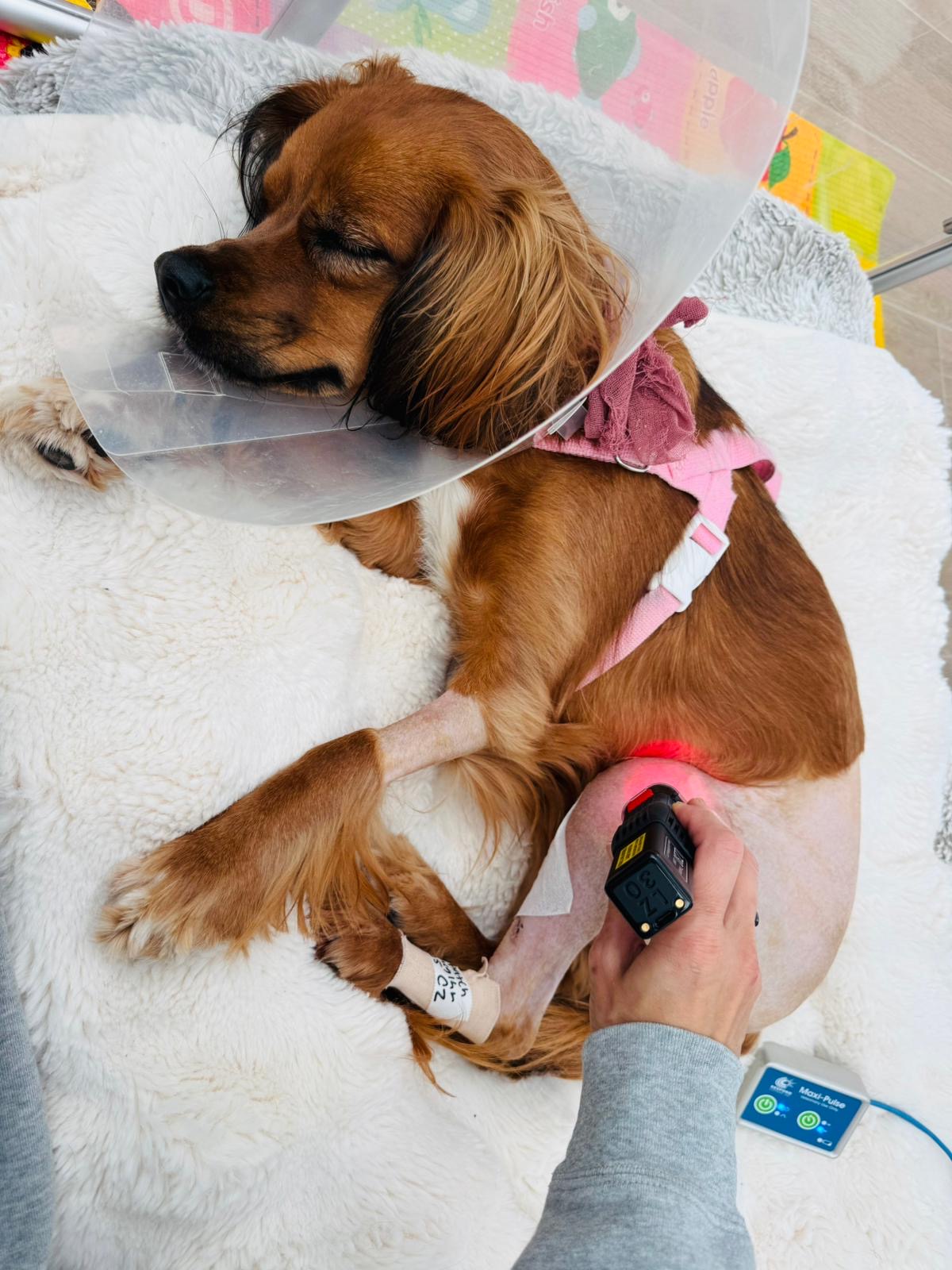
Live streaming has been a game changer for my non profit. What I’ve been able to do with live streaming is bring the supporters along with me, so they can get be there live for behind the scenes things that they would not normally get to see. Going to get a shelter dog, going to a vet, showing post op dogs or just live streaming adoptable dogs.
I feel so privileged to be able to rescue dogs, it feeds my sense of purpose. I get to experience so many emotions, good and sad. I feel that why should I keep that all to myself? It seems selfish to not share with the supporters of my dog rescue.
Whenever I can possibly live stream, I absolutely want to. It’s an opportunity to give the gift to supporters to be there live, to get to witness things as they are happening.
There have been times when it is in the middle of the night and I am at an emergency animal hospital with one of our dogs and I will start to live stream, not thinking anyone is going to be watching it . . . then I am surprised to see there are people watching, who maybe work night shifts are happen to be awake.
It’s comforting for me to feel like there are kind supporters out there to just be in the room with me when I am dealing with a scary medical emergency for one of our dogs. Sometimes I’m clearly very tired, I’m stumbling over my words from exhaustion or being so emotional, but the supporters are not judgemental.
During these dramatic animal emergency live streams, people feel like they are also emotionally invested in the dog. They may donate or they may be a future adopter, you never know who is watching and how they may wish to contribute in a meaningful way.
When there are not emergencies going on, my social media strategy for Facebook has been to consistently post three times a day.
One post will be to promote adoptions and talk about one of our adoptable dogs.
One post will be to ask for something from our supporters. Explaining which dogs need donations, maybe for a medical dog we’ve just rescued, or selling merch, or any other fundraising type of content.
One post will be to give back. Something that is simply cheerful such as updates on past dogs, an adoption update, or just anything that will be uplifting and give the supporters something to feel good about.
Another strategy I have used with Facebook specifically, is that for every single post I put up, I always add the Facebook donate button on the bottom of each post. This is a way to passively offer an easy way for people to donate at any time. It all adds up and since my dog rescue has a niche of rescuing a lot of major medical dogs, our expenses per dog are significant.
I know need to focus more energy on building up our Instagram audience. I’m really liking what our Instagram page has been looking like but I need to do more livestreams there to grow the audience. I love putting cheerful content into our Instagram stories, it’s like giving our followers a warm hug!
They truly are the reason I can keep my dog rescue going and I am grateful to them every single day.
How about pivoting – can you share the story of a time you’ve had to pivot?
Another great question and “pivot” is one of my favorite words ever! I’m always talking about the pivot when things are fluid and changing.
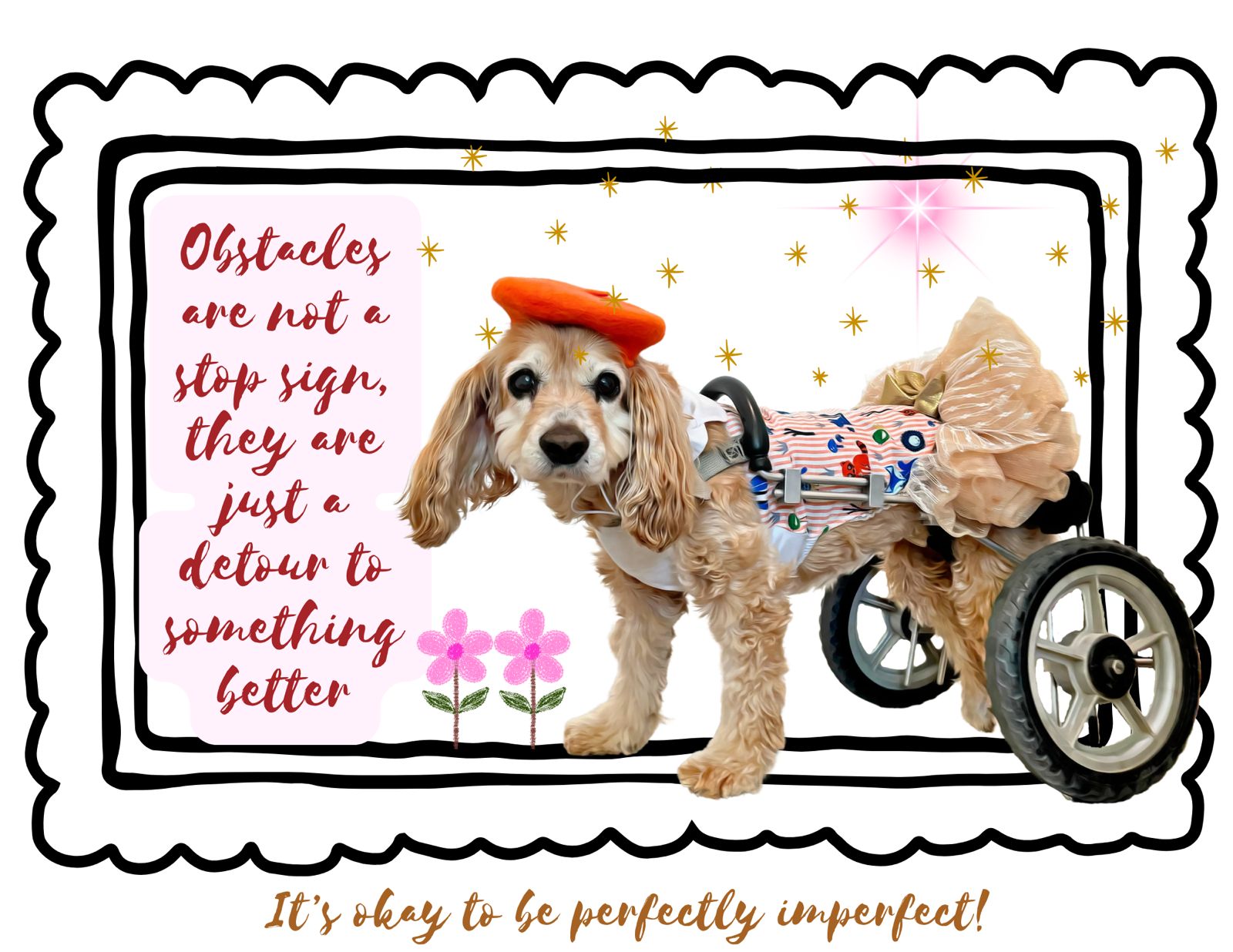
Running an animal rescue organization requires an ability to be flexible, be able to respond to a crisis quickly, and to have the agility to pivot at any moment.
For example, when the pandemic hit and donations were suddenly down, my pivot was to figure out how to raise funds. I identified a need for masks, no one could find them anywhere because this was not a standard item in the stores like it is now.
My generous rescue partners in South Korea had just air shipped me a huge box of KF94 masks to pass out to our volunteers and these masks were so valuable.
I found a manufacturer in China and I purchased several cases of masks and had them airshipped to get them as quickly as possible. I was able to sell masks online to help bring in funds for the non profit. At the same time, I was being of service to people who were desperate to get masks. About a month after I did this, masks were soon available in every store but it felt good to be able to get them early into the hands of people who desperately needed them, while also supporting my non profit at the same time.
Right now, I am going through a huge pivot for my non profit. I am worrying and scared about the future of my animal rescue organization, but I keep telling myself that things will not always be this bad. It is time for a major pivot and for me to figure out a solution.
As a result of the pandemic, households with dogs surged to never before seen numbers. In 2020 and 2021, our adoptions were through the roof, we were getting forty adoption applications on every dog we rescued. It was so overwhelming, we could barely keep up with the demand to adopt.
The consequences of all of this, is a huge market over saturation of dogs. Nice adoptable dogs are now taking a long time to find quality adopters. We rescued a six month old puppy in mid 2024 and here we are in January 2025 and this little dude is approaching one year of age with very little adoption interest. (the puppy was hit by a car and lost a leg, so he is a tri-pawd, but so sweet and worthy of a forever home)
My dog rescue is a small one but there are a high percentage of dogs that are either unadoptable or facing challenges to adoption. The young dogs who should be easy to adopt, are getting very few adoption applications. It’s quite scary because we do not have enough foster homes to keep taking in more new dogs until we can get our current ones adopted.
I also love rescuing senior dogs but those rarely get adopted.
So what is the new pivot?
It’s time to get a rescue facility, now more than ever this is needed.
Buying a property to build a rescue facility on is a mind boggling expense.
I recently was inspired by another non profit founder who says “what you think cannot be done, can be done”.
So what is the plan?
Funding is needed, I must put together a comprehensive and well thought out budget for a capital campaign to buy land.
Then continue on to raise funds to build a facility.
All this time while I am working on a capital campaign, I must must must pivot and focus my efforts from asking for one time donations, to asking for monthly donors.
Once a facility is built, the ongoing overhead for staff will need to be found. Only through a robust monthly donation program will I be able to make a budget for hiring caretakers.
This all sounds so overwhelming but I can figure it out. It’s one small step at a time.
This is literally how I started my rescue group, rescuing one dog at a time, figuring out how to raise the funds for their medical care, then figuring out a process for how they would be re-homed to the most appropriate well matched adopters.
I’ve done it before, one step at a time, I can do it now on a larger scale. #AlwaysBeLearning is leading the way for me, as I try to figure out the next steps for my non profit.
Just like in the movie Field of Dreams . . . “if you build it, they will come”. I need to inspire my supporters and donors that “if they come, I can build it”.
Contact Info:
- Website: https://CampCocker.com
- Instagram: https://instagram.com/campcockerrescue
- Facebook: https://Facebook.com/campcockerrescue
- Linkedin: https://linkedin.com/in/cathystanleycampcockerrescue
- Youtube: https://youtube.com/@CampCockerRescue
- Other: tiktok.com/@campcockerrescue
threads.net/@campcockerrescue