

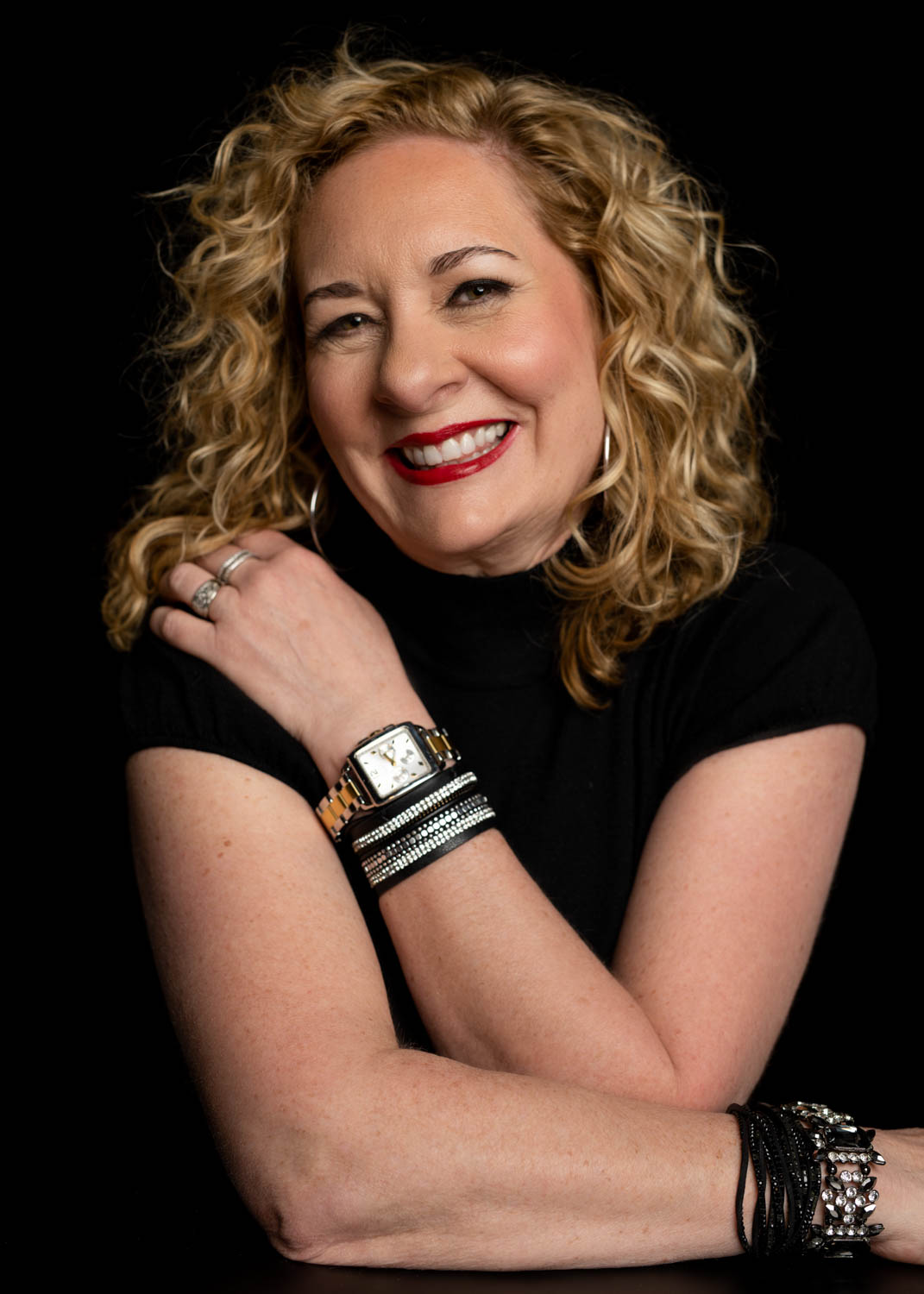

We caught up with the brilliant and insightful Catherine Lang-Cline a few weeks ago and have shared our conversation below.
Hi Catherine, thanks for joining us today. Risking taking is a huge part of most people’s story but too often society overlooks those risks and only focuses on where you are today. Can you talk to us about a risk you’ve taken – it could be a big risk or a small one – but walk us through the backstory.
I always wince a little when people say that business owners or leaders are risk takers. The people I have seen as the most successful, myself included, are better described as curious. From the outside, it may seem like I was taking a risk when I decided to start a business and knew very little about doing it. But I loved to learn, I loved to try new things, and I often thought, “Why not try it? It could lead to something exciting.”
From the outside, telling existing clients that I was no longer going to work with them but rather find other people for them because I was starting a staffing company may have sounded risky. In my head, I was thinking, “Why not see if I can duplicate myself and make some money along the way?” I had worked in large and small companies, and I generally knew how they functioned. I also knew what clients needed.
From the outside, it may have seemed risky to take on huge clients, hire more people, take out lines of credit, and go “all in” on believing that we could sail into uncharted waters. In my head, I wanted to see what it would be like to keep going a little farther into something new.
So I don’t feel like I have any stories of risk, but rather moments of nervousness as I dared to take bigger steps forward. So I would advise people not to be risky; rather, assess the information, measure the jump to see if you can do it safely, and then GO! If you calculations are correct, you looked like you took a risk, but instead it was very well thought out.

Catherine, love having you share your insights with us. Before we ask you more questions, maybe you can take a moment to introduce yourself to our readers who might have missed our earlier conversations?
After getting an art degree, I was not sure I would get a “real job” doing anything I loved. But luckily, I took a few computer classes in college and broke into advertising because I knew how to use a Macintosh computer. That first jump led to a fifteen-year career in advertising, marketing, and design. Seeing that this wasn’t taking me where I wanted to go, someone I worked with suggested we start a business together. And why not? After 20 years as a CEO at the company we started, I sold it to move to the next level of sharing my wisdom. I wrote down everything I learned about building my own brand, networking, getting in the room, winning the awards, and getting on the boards.
I had been coaching a number of women, especially after I sold, and I discovered that many common things kept women stuck. The Rules of the Game for Women in Business” was written to help women on a larger scale. This book is based on everything that I learned to be an award-winning CEO and business owner. Key things I believe can get more women heard in the room, be more effective, and be in “the game” with the other big players. Think of it as a very reasonable coaching experience.
From the business to the book, I have always believed in helping others reach their fullest potential. As a designer, I wanted the company to look its best. As a business owner, I would find amazing opportunities for people. As an author and speaker, I want to give people the playbook I followed, hoping they can improve their skills and get them where they want to go. I have also taken the time to go back to my roots and begin to paint again.

We’d appreciate any insights you can share with us about selling a business.
A very, very small percentage of women who own a business grow it to $1 million or more in revenue, and an even smaller percentage of those women sell their businesses. I did both. What I learned was that businesses come in various sizes, and very few are at a revenue level that would allow a huge payout. Here are some thoughts I have and actions I took to make it work for me.
1. Pay yourself the wage you would pay an outside individual to do your work. After our six-month start-up period, we always paid ourselves a fair salary. Not outrageous, but good. 2. Before reinvesting in the business with earned revenue, make sure that you have put some away for retirement. Make it a point to pile money away because if you save enough, it won’t matter that you sell your business for. Put it into an investment you can access without penalty for emergencies. An emergency occurs only after everything else has been considered. Let the business pay for the business. 3. Know that it costs money to sell, paying lawyers, accountants, and specialists. Believe the people on this team you have assembled to tell you what the company’s worth is, and then plug in your financial planner to see if this all makes sense with what you have both planned for retirement. 4. Delegate to the point where you are not needed for the day-to-day work, which makes the company more valuable.
How’d you meet your business partner?
The one thing that my business partner and I told everyone is that “we are not friends.” (Insert the laughing emoji.) As odd as it may seem, it is a little true. We met at a company where we both worked. We went our separate ways and regrouped a few years later when she was a marketing manager at a corporation, and I was freelancing and looking for projects. She needed help and knew me and my skillset. I knew that she was a very organized and hardworking person. She took great pride in what she did and, overall, shared many of the work values I felt were important. We had never hung out together and never really did in those 20 years of working together. But it worked because we both had a mutual respect for each other. We also brought different strengths to the table. For example, she was not a social butterfly, and I was. I hated building spreadsheets, and she loved it. It was easy to divide tasks when we started the business because everything I wanted to do and was good at was different from hers. The key to selecting a partner is to do it without emotion. If your best friend is reliable and wants to do all of the things you don’t, you may have a match. When two cooks are in the kitchen, angst builds because no one is selling or invoicing.
Contact Info:
- Website: https://catherinelangcline.com/
- Instagram: https://www.instagram.com/thesecretartofbusiness/
- Linkedin: https://www.linkedin.com/in/catherinelangcline/
- Youtube: https://www.youtube.com/@TheSecretArtofBusiness
- Other: https://substack.com/@catherinelangcline1
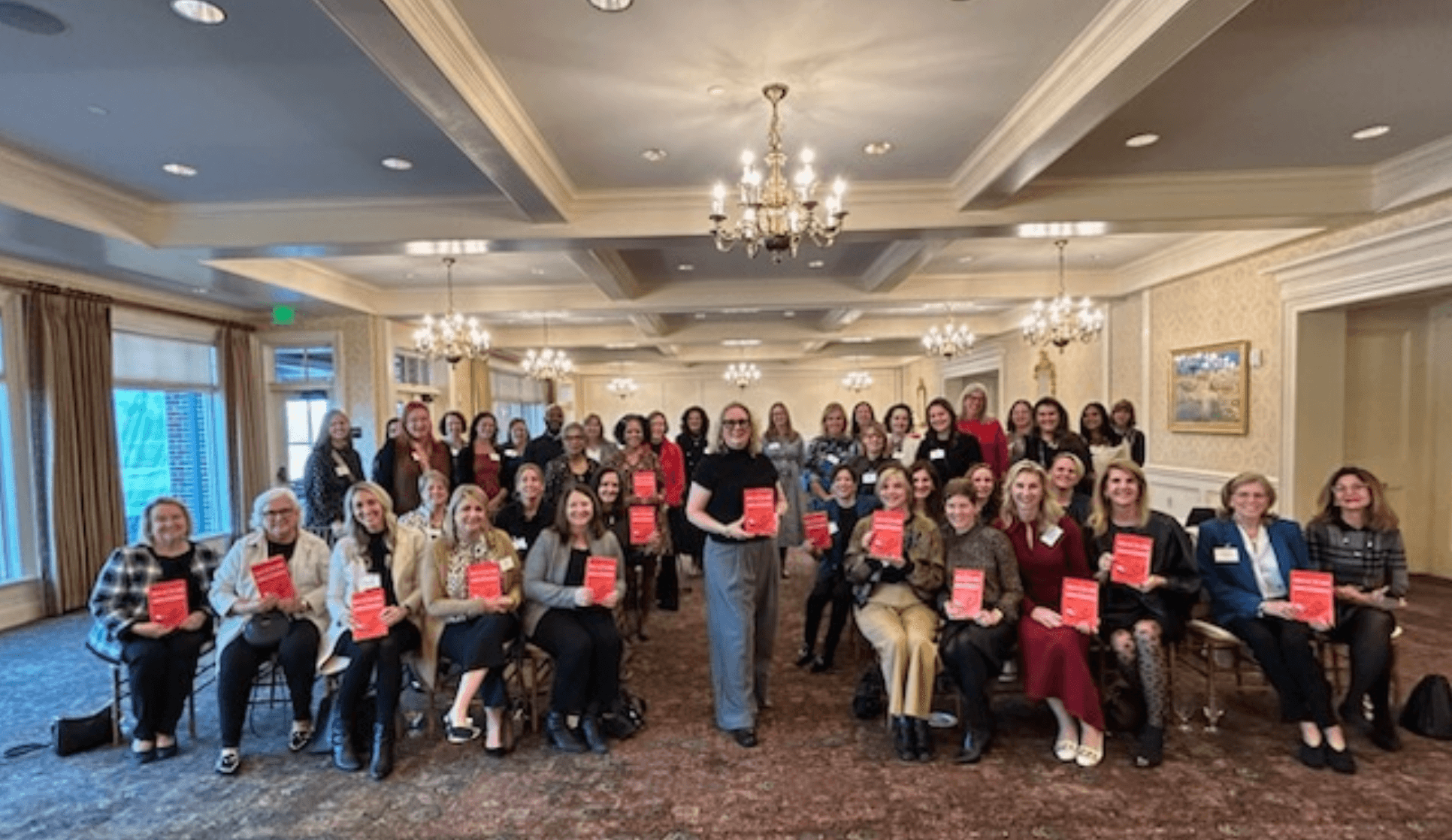
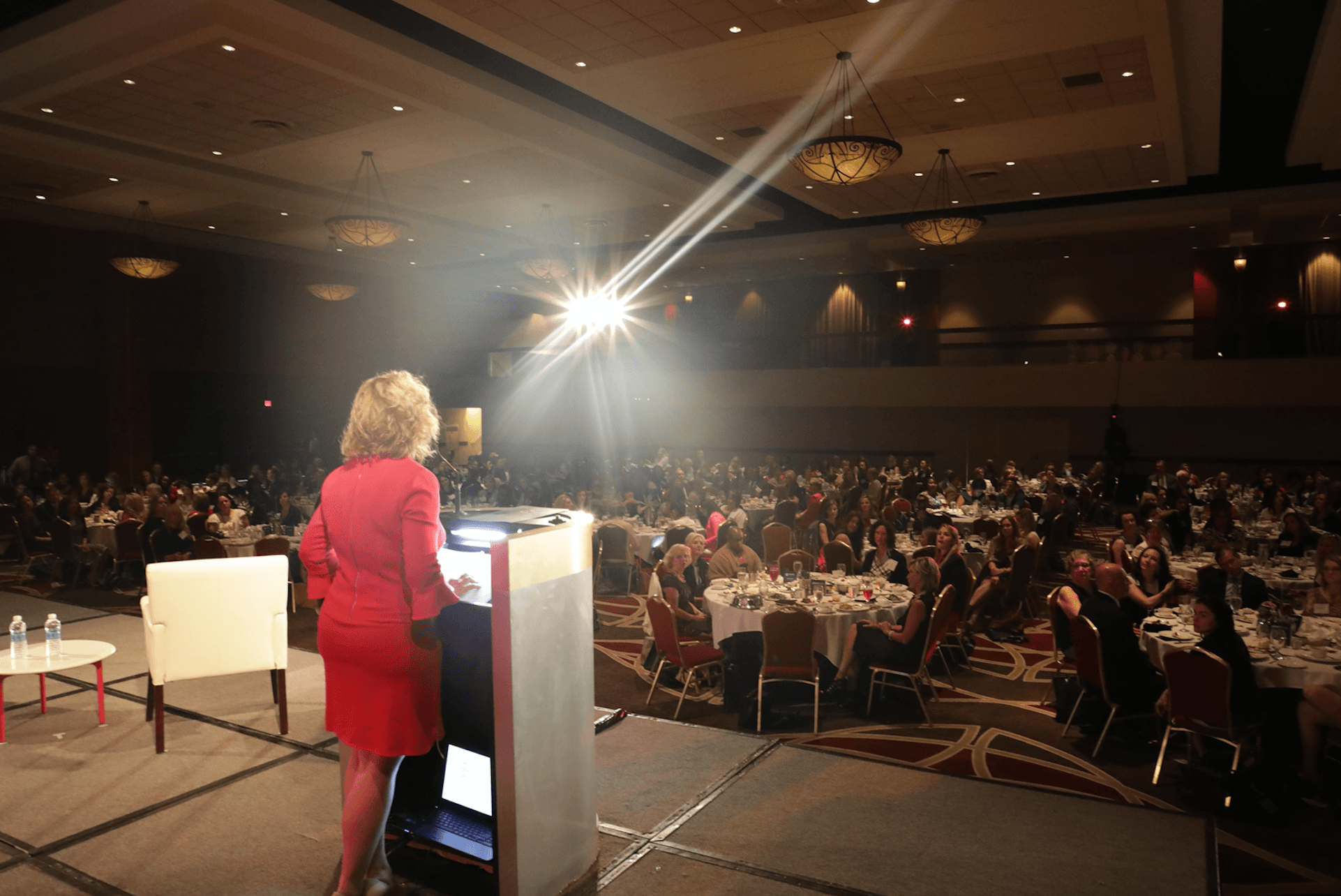
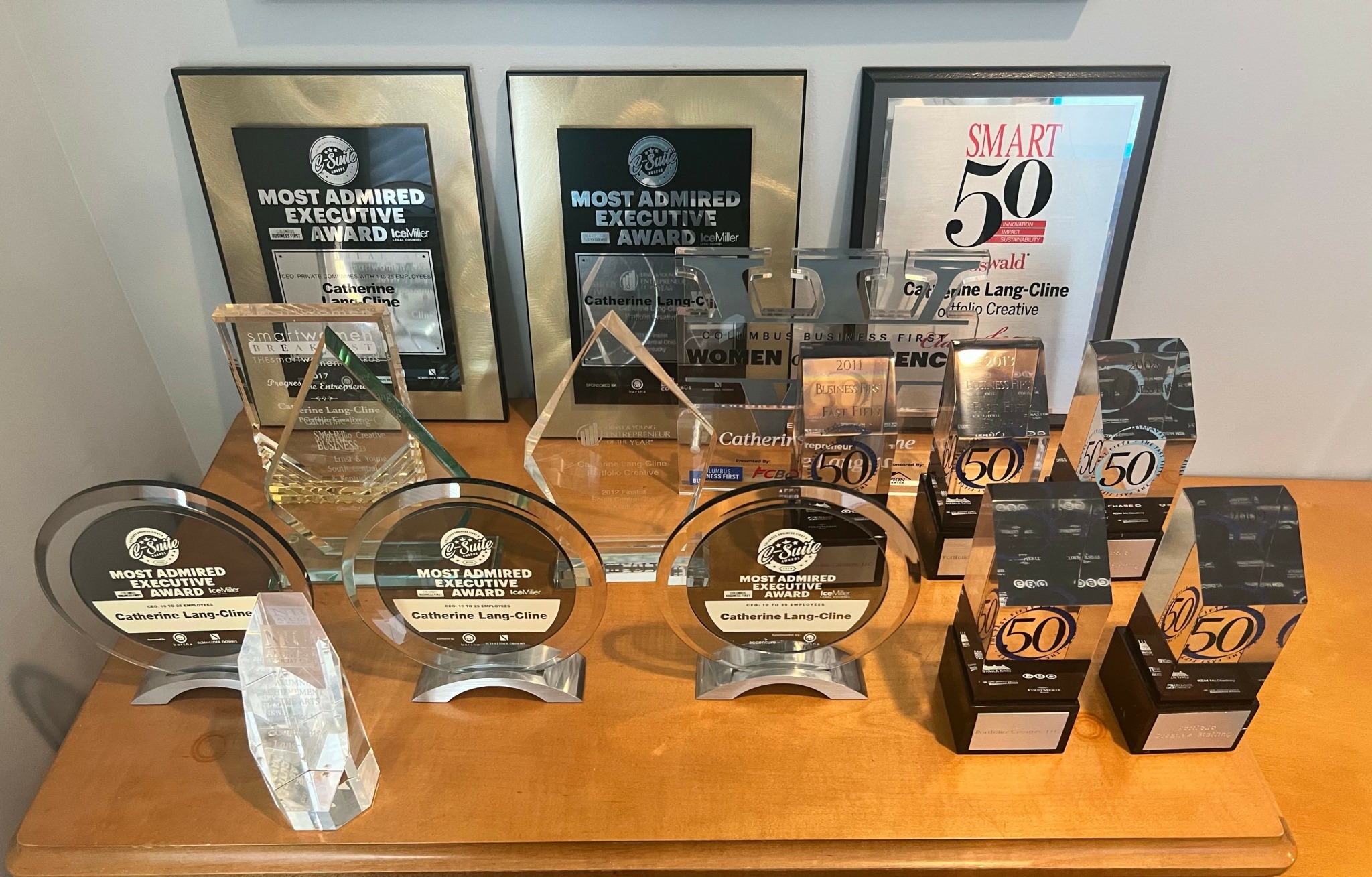
Image Credits
Headshot only: Karianne Munstedt