
We’re excited to introduce you to the always interesting and insightful Cassidy Mccurdy. We hope you’ll enjoy our conversation with Cassidy below.
Cassidy, appreciate you joining us today. Was there a moment in your career that meaningfully altered your trajectory? If so, we’d love to hear the backstory.
A defining moment for me, was the moment I decided to become a pelvic floor therapist. At the time, I was working in acute care and treating a man in his 30s who was recovering from his third or fourth spinal surgery. As part of my routine, I asked him about his bowel habits, and what he shared with me deeply struck me. He told me that it took him several hours every morning to have a bowel movement, and that this disruption not only affected his physical comfort but also his social life and ability to hold down a job. He would sit on his back patio for hours, going back and forth to the bathroom struggling to p**p.
He explained how he had seen numerous gastroenterologists, yet nothing seemed to help. Instead, he was often sent away with pain medications or advice that didn’t address the root of the issue. His frustration was palpable, and I could sense how much this problem had taken a toll on him.
At the time, I only had a small amount of knowledge from a course I’d taken, but I shared a few recommendations with him—simple, practical tips that might help. I told him I’d check in again the next day. When I returned, he was so happy to see me, which, in acute care, is a rarity. People don’t usually look forward to occupational therapy in the hospital; in fact, we often joke that we’re like the grim reapers of the healthcare world. But this man was thrilled, and he couldn’t wait to talk about his bowel movements.
He excitedly told me that the changes I’d suggested had made a an ounce of a difference; this patient felt empowered for the first time in a long while. He even demonstrated the new strategies I’d shared with him, and it turned into one of the most rewarding sessions I’ve had. Then, he started to cry. “Cassidy,” he said, “how come no one ever taught me this before? I’ve seen so many doctors, and nobody ever told me what you showed me in just 20 minutes.”
That moment was a turning point for me. I went home that day knowing that if I could make such a significant difference in just a short amount of time, this was a field I needed to pursue. I realized that pelvic floor therapy wasn’t just a career—it was a way to truly help people transform their lives.
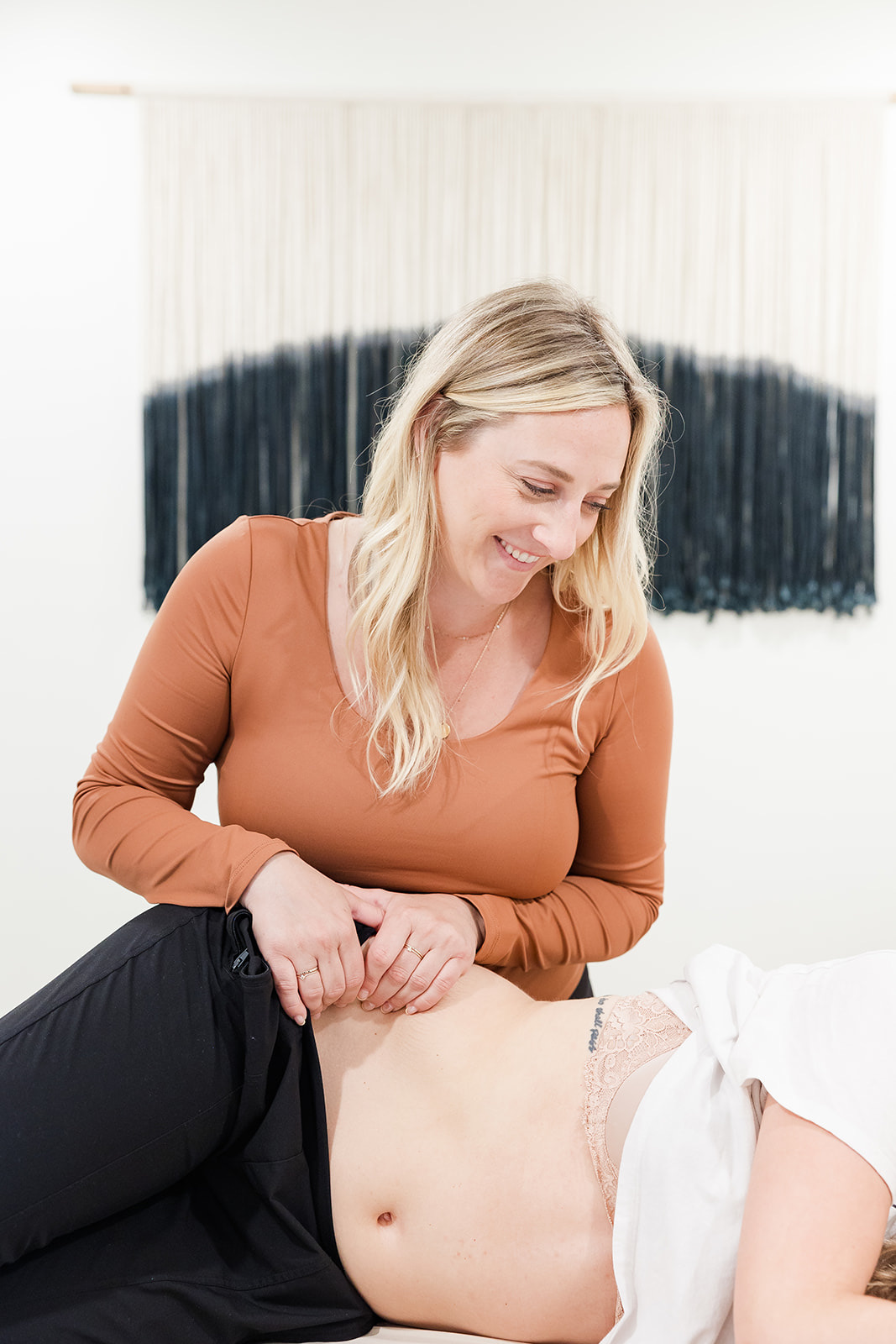
Awesome – so before we get into the rest of our questions, can you briefly introduce yourself to our readers.
My background started in the United States Air Force, I was a medic for 8 years before finding my way to occupational therapy. From there, I found my way into pelvic floor therapy after working in acute care. I started to notice a pattern with acutely injured patients—many people weren’t experiencing the fullness of life because they were struggling with urinary incontinence, chronic pelvic pain, or bowel dysfunction. As I saw more and more patients facing these challenges, I began to research pelvic floor therapy and realized that it was not well-known or commonly practiced in my area. This gap motivated me to dive deeper into this specialty and with a lot of passion, here I am today.
I was drawn to pelvic floor therapy not just because it’s an area of great need, but because it aligned with my own personal experiences. Back in 2016, I was diagnosed with IBS, which was a challenge on its own. Aside from the embarrassing urgent calls for the bathroom, navigating the healthcare system and advocating for myself was difficult, especially when diagnostic tests kept coming back “normal,” leaving me without clear answers. Many of my patients come to me with similar experiences—frustrated, unheard, and stuck in the cycle of tests and inconclusive results. While my own struggles weren’t why I first entered this field, they certainly give me a deep empathy for what my patients go through, and I’m grateful that I can relate to them in a meaningful way.
My friends joke that I am always the person at the party talking about p**p and pee, but it wasn’t until another therapist pointed out to me that this is actually a skill. Being able to talk so openly about these topics and make others feel comfortable is a unique strength, and it’s become a cornerstone of my practice. I’m passionate about breaking the stigma around pelvic health. These are normal bodily functions, and we shouldn’t feel shame talking about them. Just yesterday, I told a class at the local university, “If you’re in this class and you’re not pooping or peeing regularly, please come see me. We all do it, and we shouldn’t be ashamed to talk about it.”
One of my core missions is to normalize these conversations and make it easier for people to speak openly about their pelvic health. We hold so much emotion around issues like incontinence, digestive dysfunction, and intimacy, but my goal is to create an environment where it’s safe, accepted, and even comfortable to discuss these topics.
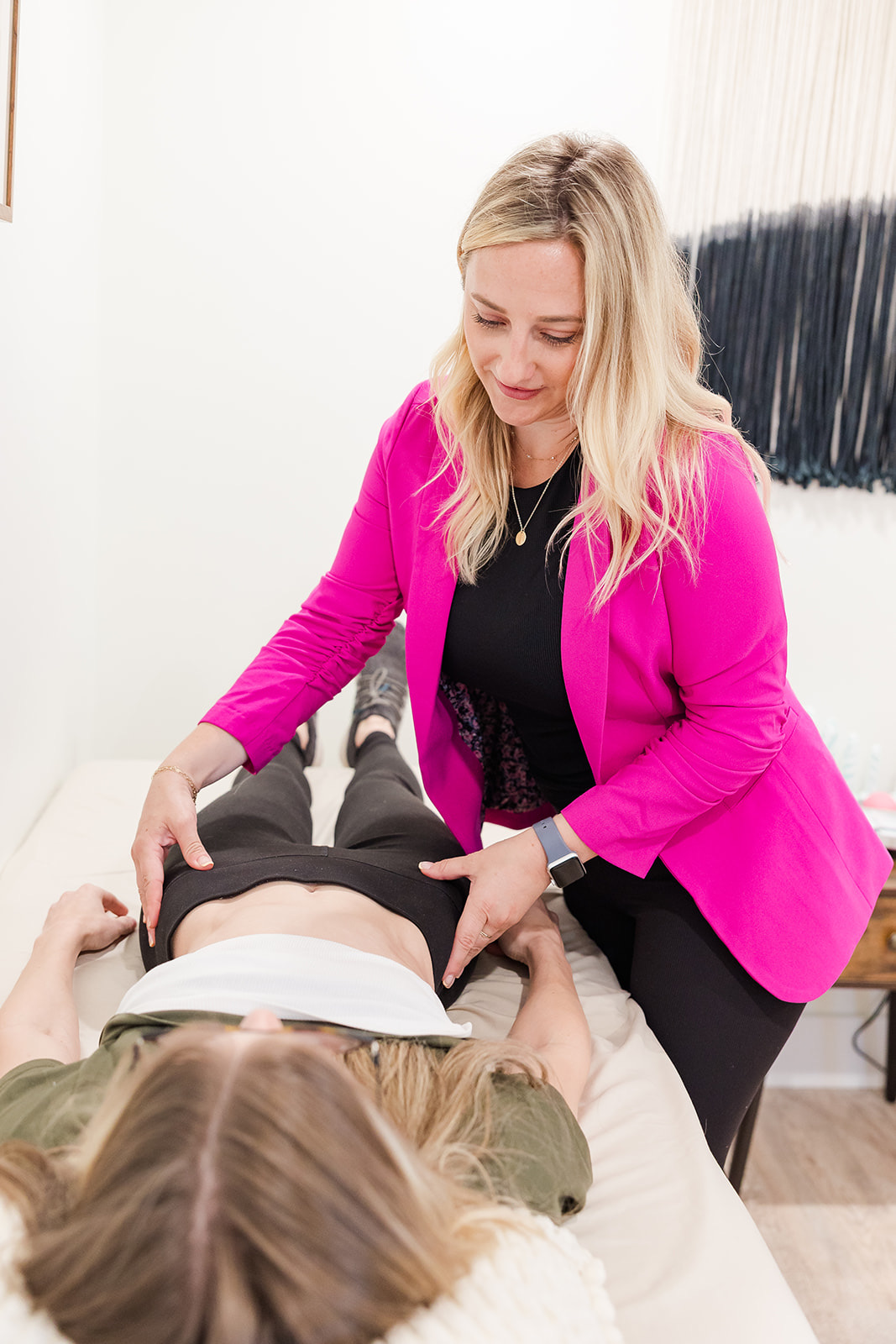
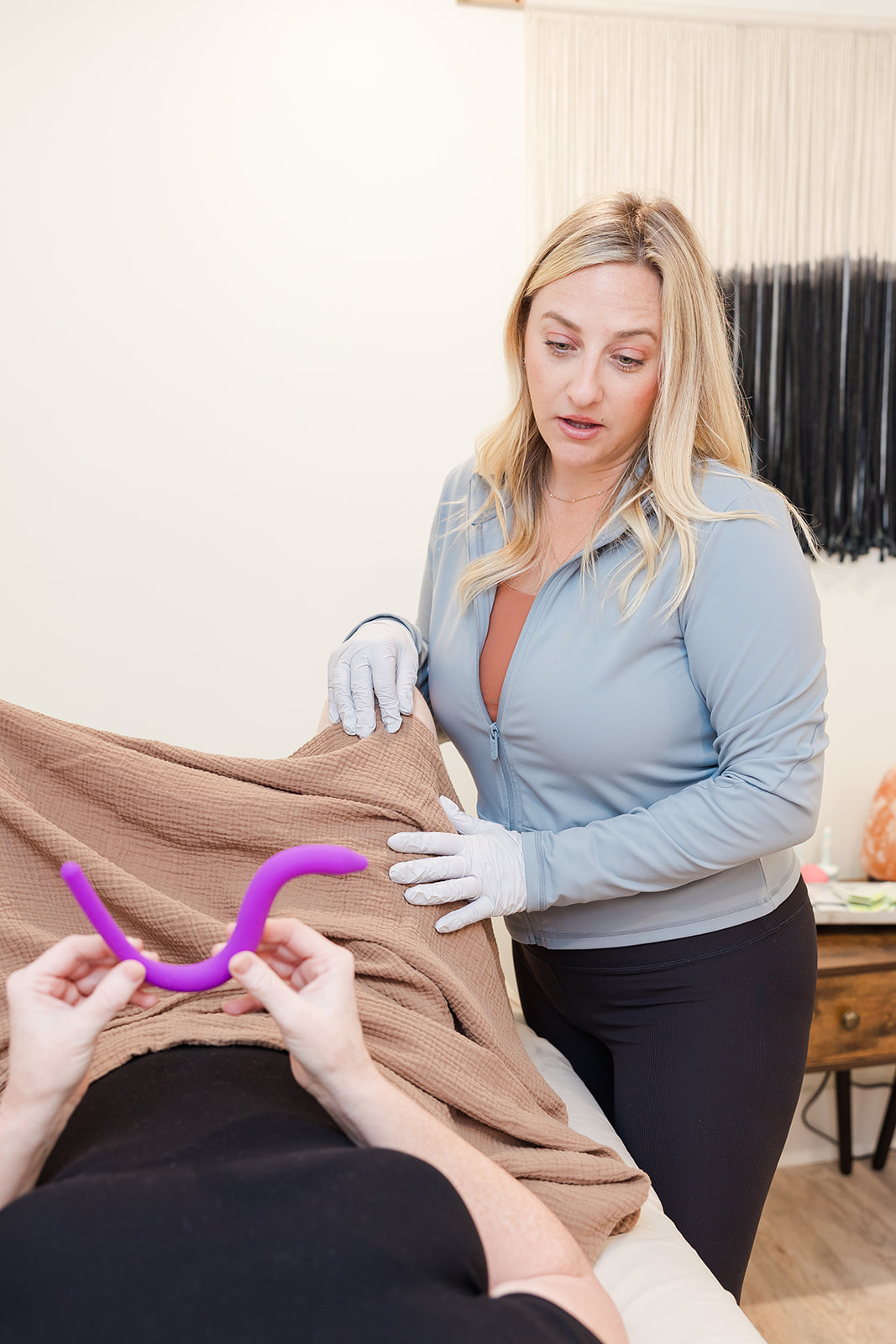
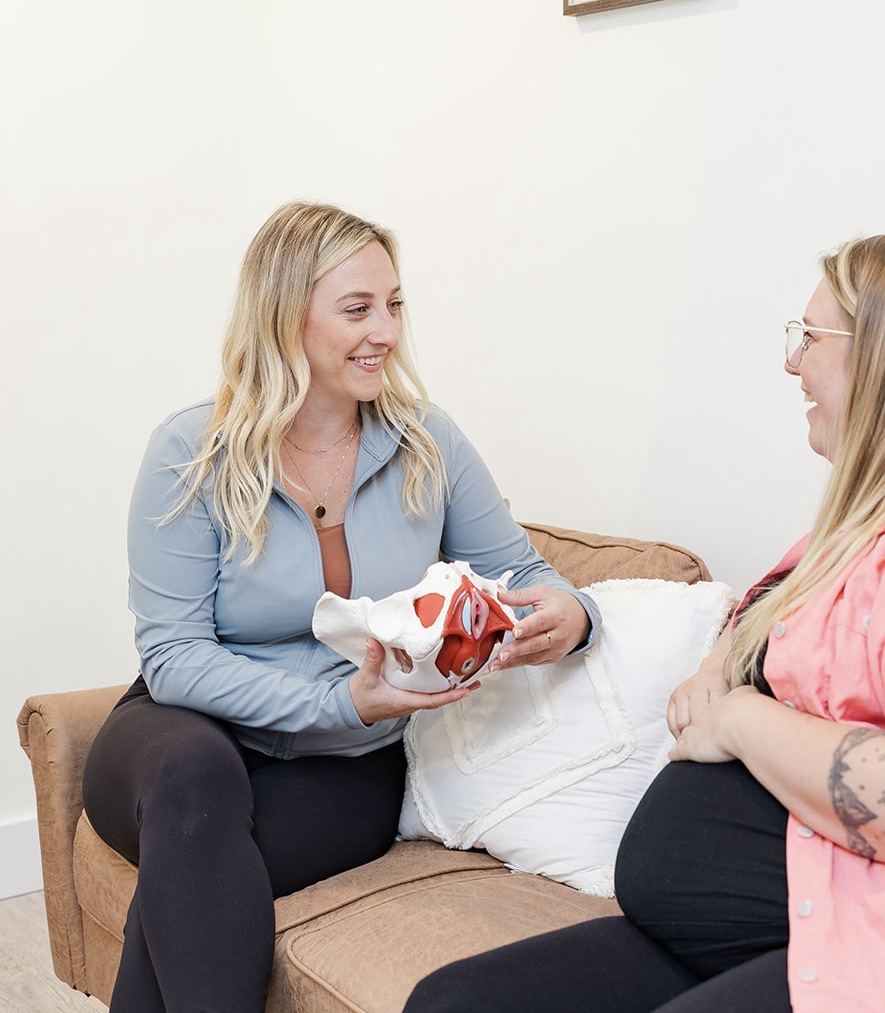
What sets me apart as a pelvic floor therapist is my background in occupational therapy. While physical therapists are more commonly associated with this field, I bring a unique perspective by focusing on the nervous system, stress management, and the sensory aspects of pelvic floor therapy. I approach treatment by considering how all these factors—mind, body, and environment— and how they interact to influence pelvic health. I also strongly believe that in order to make lasting changes, my patients need to understand how their bodies work and how they can take an active role in their healing.
As for why I decided to open my own business instead of working for someone else—well, I spent eight years in the U.S. Air Force, and honestly, I got tired of working for someone else. I’m a hard worker, and I was ready to put that energy into building something of my own—something that reflects my values, my vision, and the type of care I want to provide. Owning my practice gives me the freedom to be the practitioner I strive to be and foster a culture of care that empowers both my patients and myself.
What sets me apart as a business owner is my commitment to transparency. If I’m not the best fit for a patient, I’ll be honest with them and help connect them with the right provider. I see this as a mutual relationship, and I believe that my patients are just as much a part of the healing process as I am in guiding them. It’s important to me that they feel informed, empowered, and active in their care.
I’m most proud of my clients and their resilience. I work with incredible men and women who show up every day, ready to put in the hard work to improve their health. I am truly honored that they trust me with their care and share their personal stories with me. When they meet their goals, or when something clicks for them—when they realize they’re making progress—it’s the most rewarding feeling. I can’t help but cheer them on (probably a bit over the top sometimes!), but I am so proud of their achievements.
I’m also proud of the community I’ve found here in Petaluma. I’m fortunate to be part of a supportive professional network that has been invaluable as I navigate the challenges of being a new business owner. I feel deeply supported, not just by other professionals, but by the amazing patients I get to work with. I’m proud of where I am, and I’m excited to continue growing and supporting my clients along their journeys.
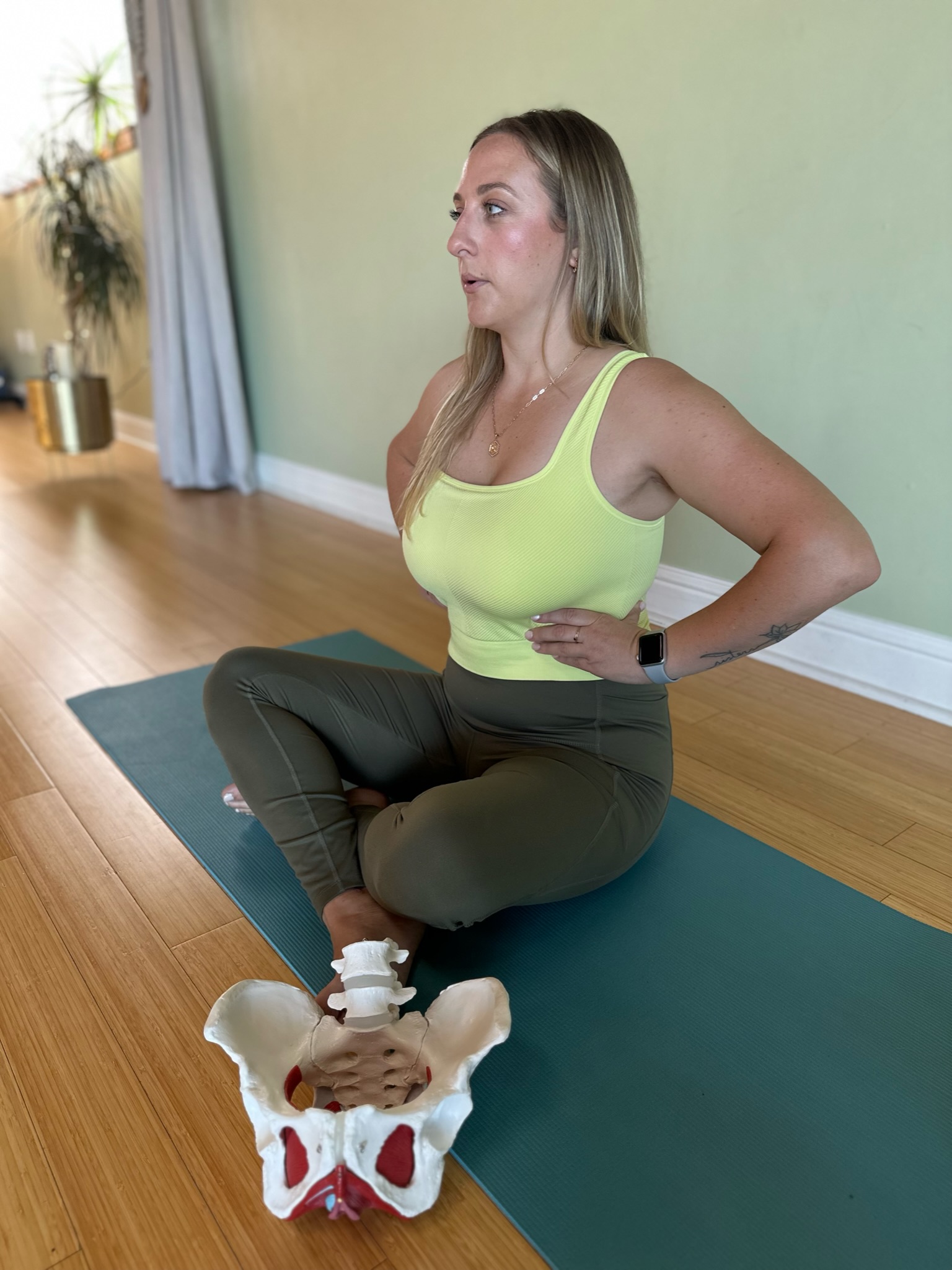
How’d you build such a strong reputation within your market?
I’m a big believer in the power of networking because I know that building a strong network of trusted referral sources is essential to providing the best care for my patients. I rely on other professionals—like dietitians, massage therapists, chiropractors, acupuncturists, midwives, and more—to ensure my patients have access to a full range of resources. These connections are invaluable not just for referrals I can make, but also for when other practitioners send patients my way. Each professional brings a unique set of skills to the table, so understanding their strengths allows me to match the right patient with the right provider, ensuring the best possible outcome.
I truly believe that what you put out into the world comes back to you. When my patients experience positive change—whether it’s progress, relief, or simply meeting their goals—they share their success stories. They tell their friends, family, doctors, and coworkers, and soon those people come to me. Word-of-mouth referrals have been one of the most powerful ways I’ve built my reputation. As human beings, we value the trusted feedback of those around us more than anything else, and that trust is what keeps my practice growing.
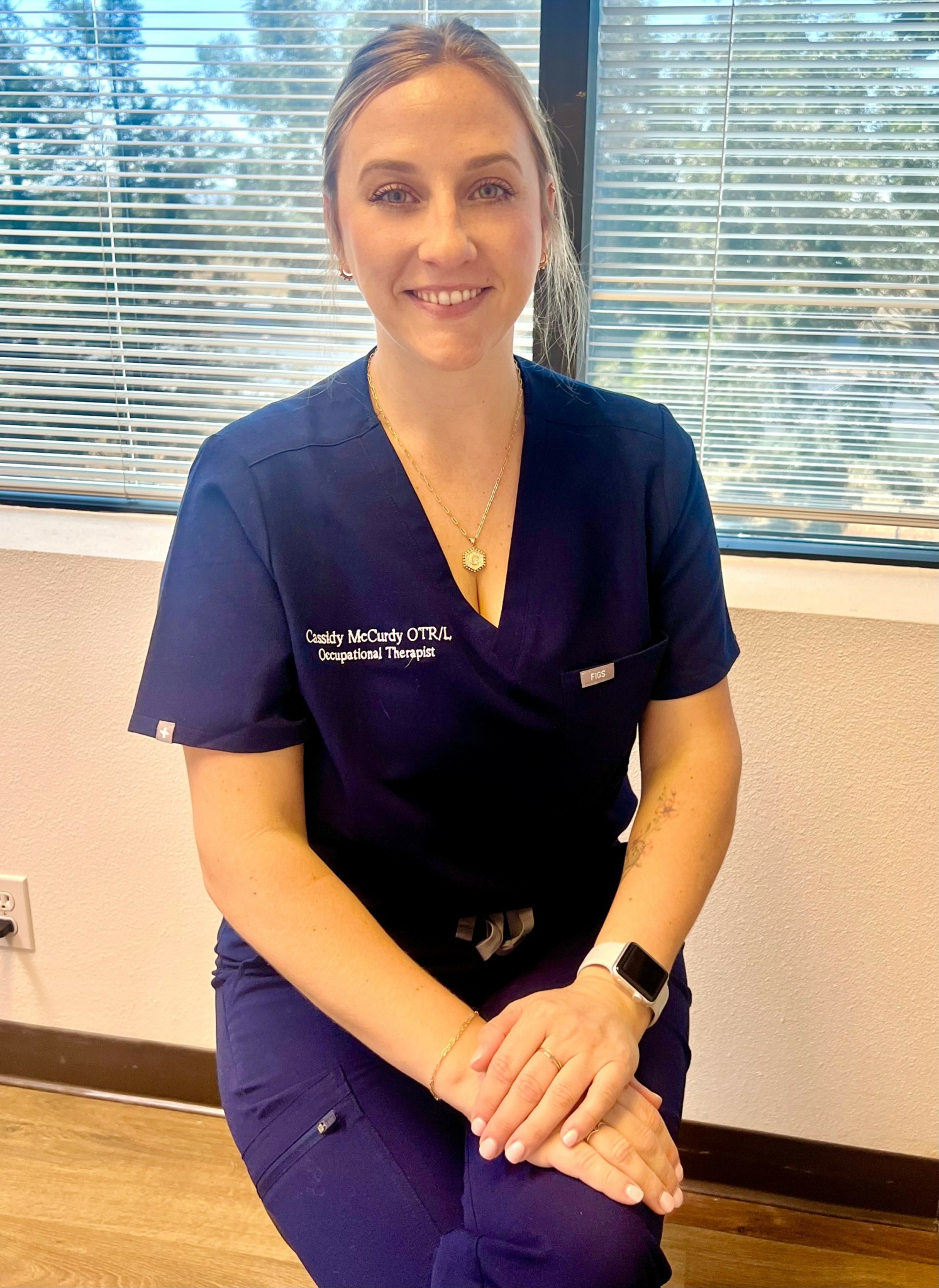
What’s a lesson you had to unlearn and what’s the backstory?
I’ve learned that too much of anything isn’t good for you, especially when it comes to work. I’ve often been known to throw myself wholeheartedly into my career and professional life, but over time, I’ve had to unlearn that pattern. Finding occupational balance and prioritizing self-care have become essential, especially now that I’m a business owner.
I’m so passionate about pelvic floor therapy that it feels like I sleep, eat, and breathe it. Add in the responsibilities of running a clinic, and managing the business side of things, and it’s easy to find myself working around the clock. But as much as I love what I do, I’ve had to learn how to balance my passion with personal time, because at the end of the day, I can’t pour from an empty cup.
Growing up, I was taught to create a life for myself so that no one else would have to take care of me. While that mindset fueled my drive and independence, it also led to a bit of hyper-independence—a tendency to overwork and take on too much. Right now, I’m in the process of unlearning that, especially as a business owner. I’ve realized that you can’t do it all yourself. Even the most successful business can’t thrive if you’re burning out, and there’s only one “Cassidy” at the end of the day. Learning to delegate, to share responsibility, and to set boundaries is key to maintaining my own health and keeping my business sustainable in the long run.
Contact Info:
- Website: https://www.pivotalpelvis.com
- Instagram: Pivotalpelvis
- Facebook: Pivotalpelvis