
We recently connected with Cashmere Morley and have shared our conversation below.
Hi Cashmere, thanks for joining us today. What’s the backstory behind how you came up with the idea for your business?
Pendulee came from a desire to story tell.
Imagine standing in a public park or a museum gallery. On one side, you have some permanent artwork—expensive, beautiful pieces dropped into a space that have no conversation with the ground they stand on. They don’t know the history of the space or the people walking past them. On the other side, you have educational signs that are full of facts but have zero soul, treating a vibrant ecosystem like a dry textbook.
I spent years navigating these two worlds: the rigid, sometimes sterile structure of institutional work and the raw, hyper-local energy of the creative communities in Detroit and Ann Arbor. I come from a journalism background, and wanted to tell stories, and when I learned how to do that with art, I noticed a disconnect that occurred between place and part piece that was interesting to me, and warranted further exploration.
There really wasn’t a single ‘moment’ where Pendulee happened, it was more a slow, steady realizing that these two things shouldn’t be separate, the artwork and the place it was occupying space in. It wasn’t just about making things look “nice”; it was about solving the problem of disconnection between people and place. I’ve seen a lot of amazing public art, but I’ve also seen public art that felt like an outsider in the space it was inhabiting. I’ve seen amazing museum exhibits and have had wonderful, engaging experiences with those places, but I’ve also seen interpretive signage that felt like a chore. The logic behind Pendulee was to create a studio that functions as a bridge between concept and interpretation, one that felt human and interesting.
Whether I’m working with a park to create some engaging interpretive panels, or designing an exhibit for a museum that’s meant to evoke a particular emotion, the goal is always spatial and emotional activation. It’s about making sure the work feels like it grew there. I knew this was a worthwhile endeavor because I saw how people respond when they finally encounter a space that acknowledges its own context. When you treat a municipal wayfinding project with the same artistic reverence as a gallery installation, you don’t just provide information, you give a community back its sense of place.
Great, appreciate you sharing that with us. Before we ask you to share more of your insights, can you take a moment to introduce yourself and how you got to where you are today to our readers.
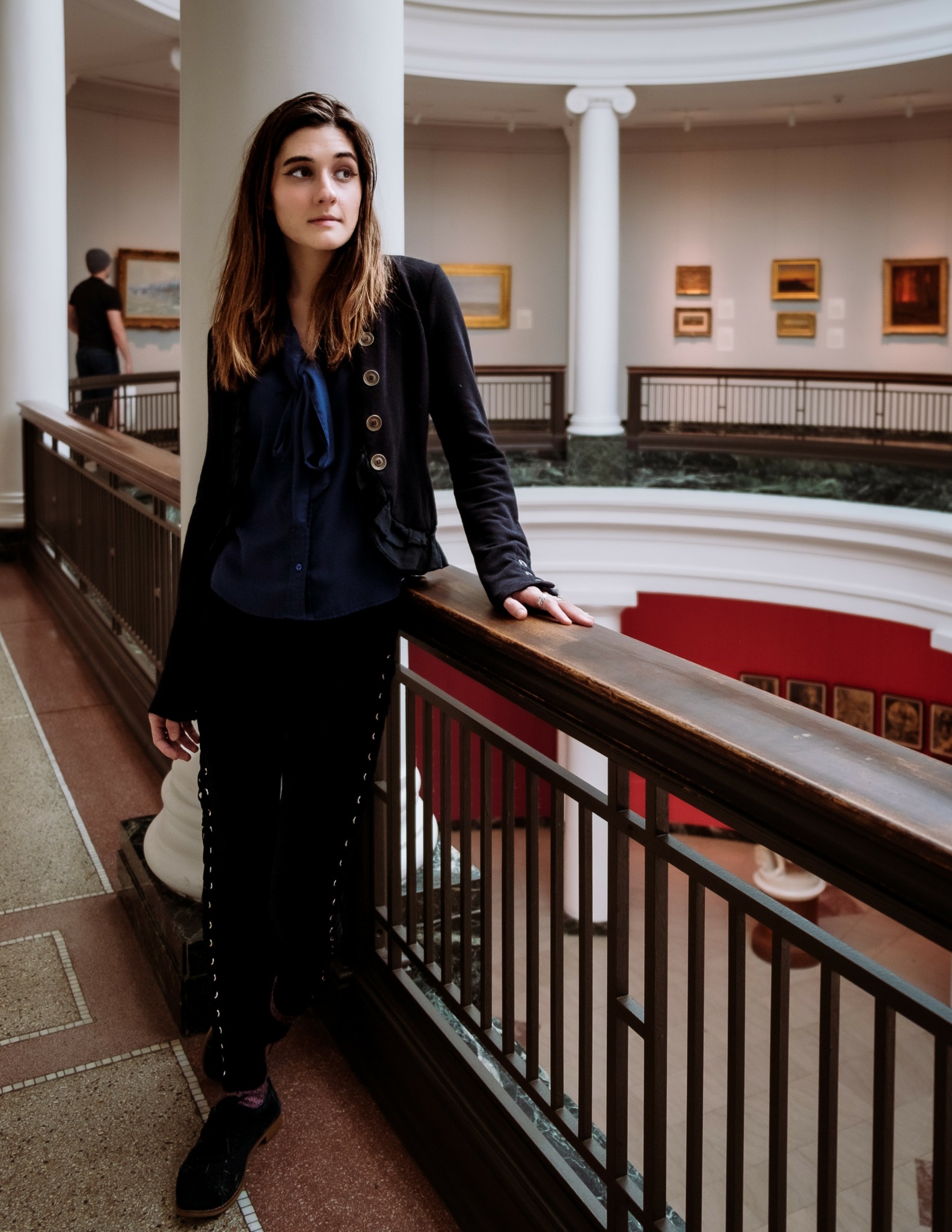
I’m the owner of Pendulee, an exhibit design and public art studio with offices in both Detroit and Ann Arbor. While we service the greater southeast Michigan area, we also work with clients all over the United States. If you’ve ever walked through a museum and felt like you were reading a dry textbook on a wall, or seen public art piece in a park that looked like it fell out of a spaceship with no regard for the neighborhood—that’s the problem I’m here to solve.
My way into this discipline wasn’t a straight line; it was a slow evolution. For years, I’ve navigated the rigid, technical world of institutional museum work—the kind of environment where precision is everything, but the soul of the story can get lost in the red tape. At the same time, I saw firsthand the raw, collaborative creative scenes in Detroit and Ann Arbor. I knew a traditional desk job was never the cards for me. I liked to story tell, to create, to inspire, and those things can’t be done behind a desk.
As I said, I also saw a massive disconnect: public art that felt like a “stranger” to its own space, and educational exhibits that felt like a chore to read. I started Pendulee because I realized those two things shouldn’t be separate.
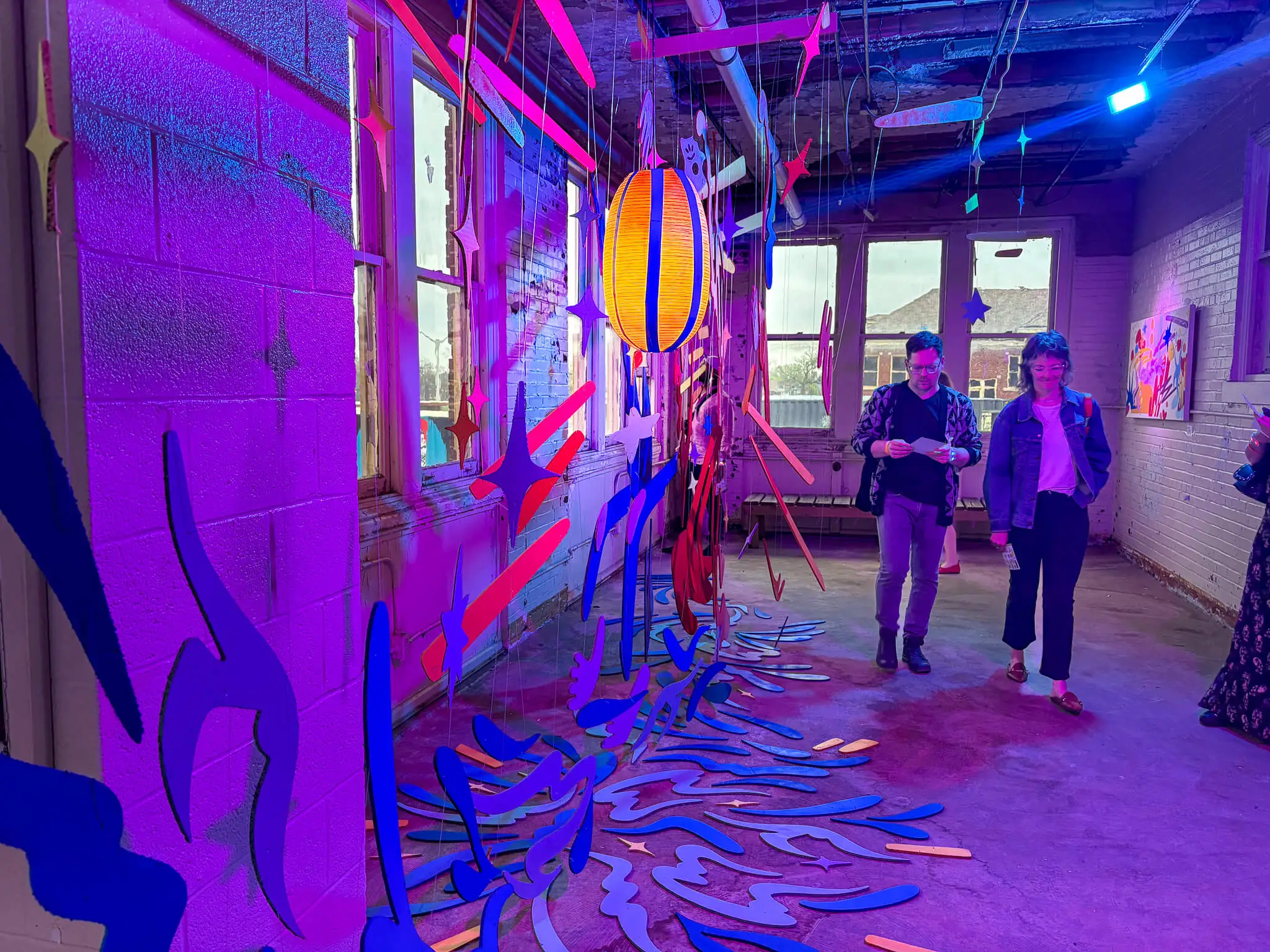
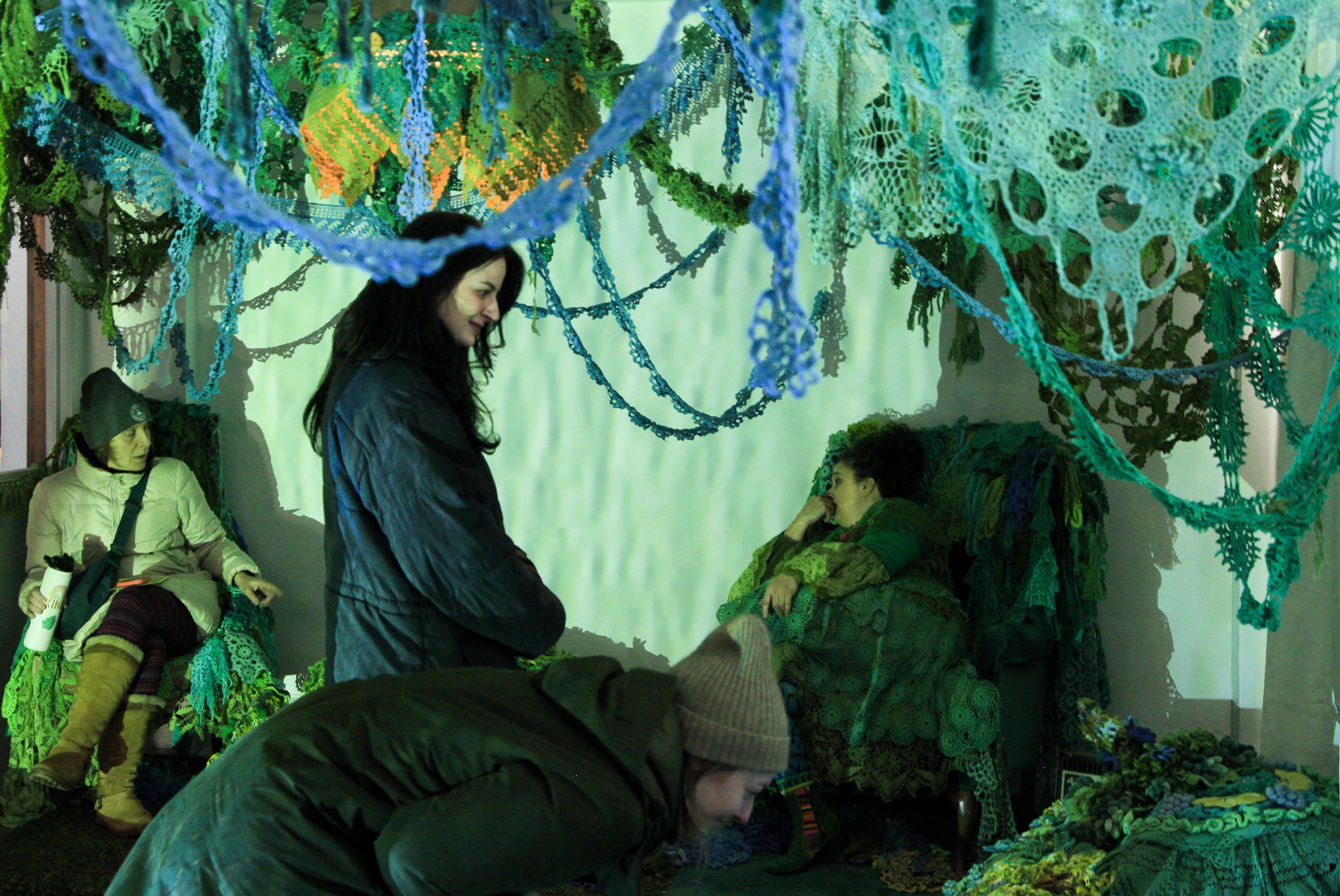
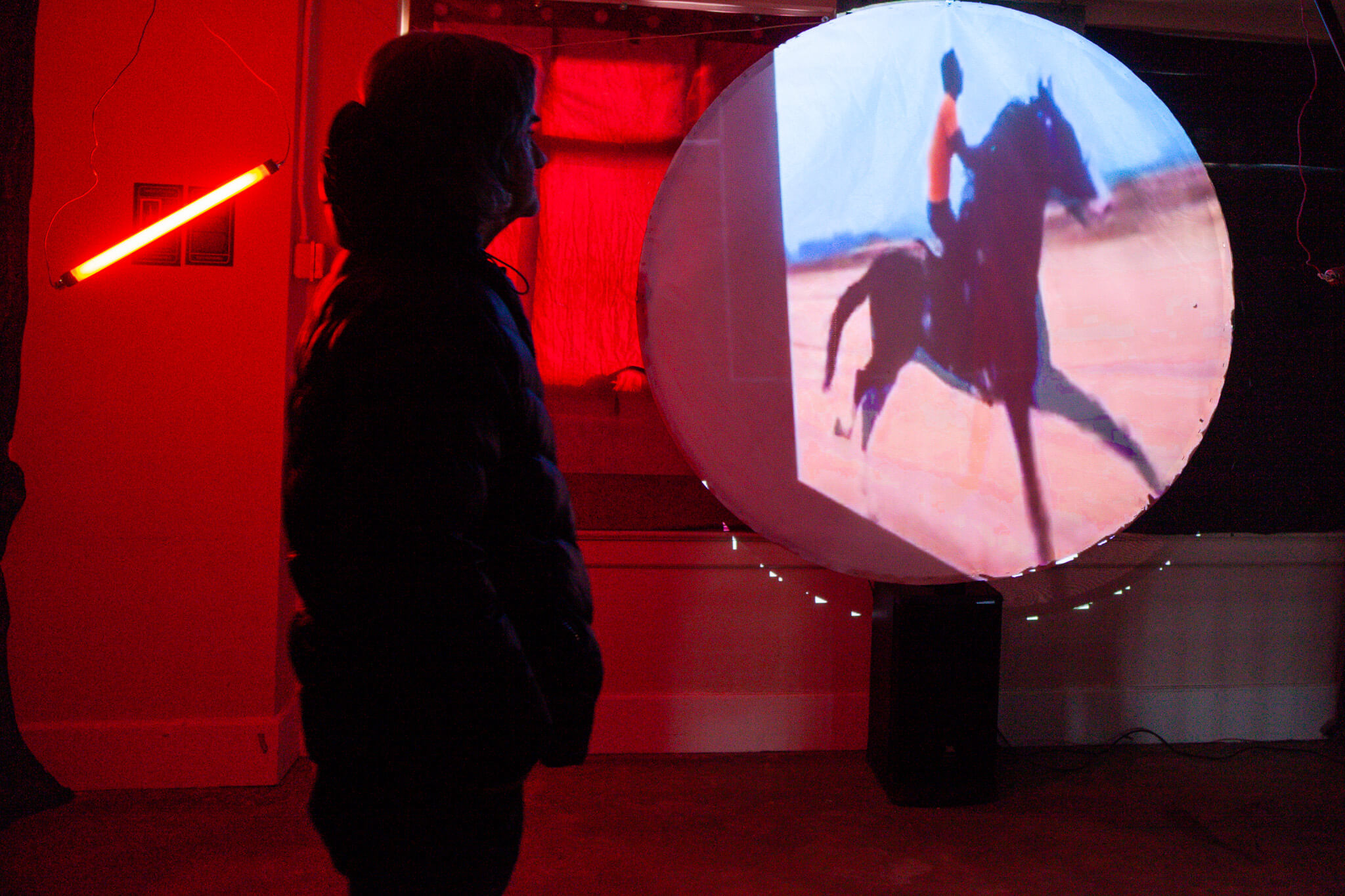
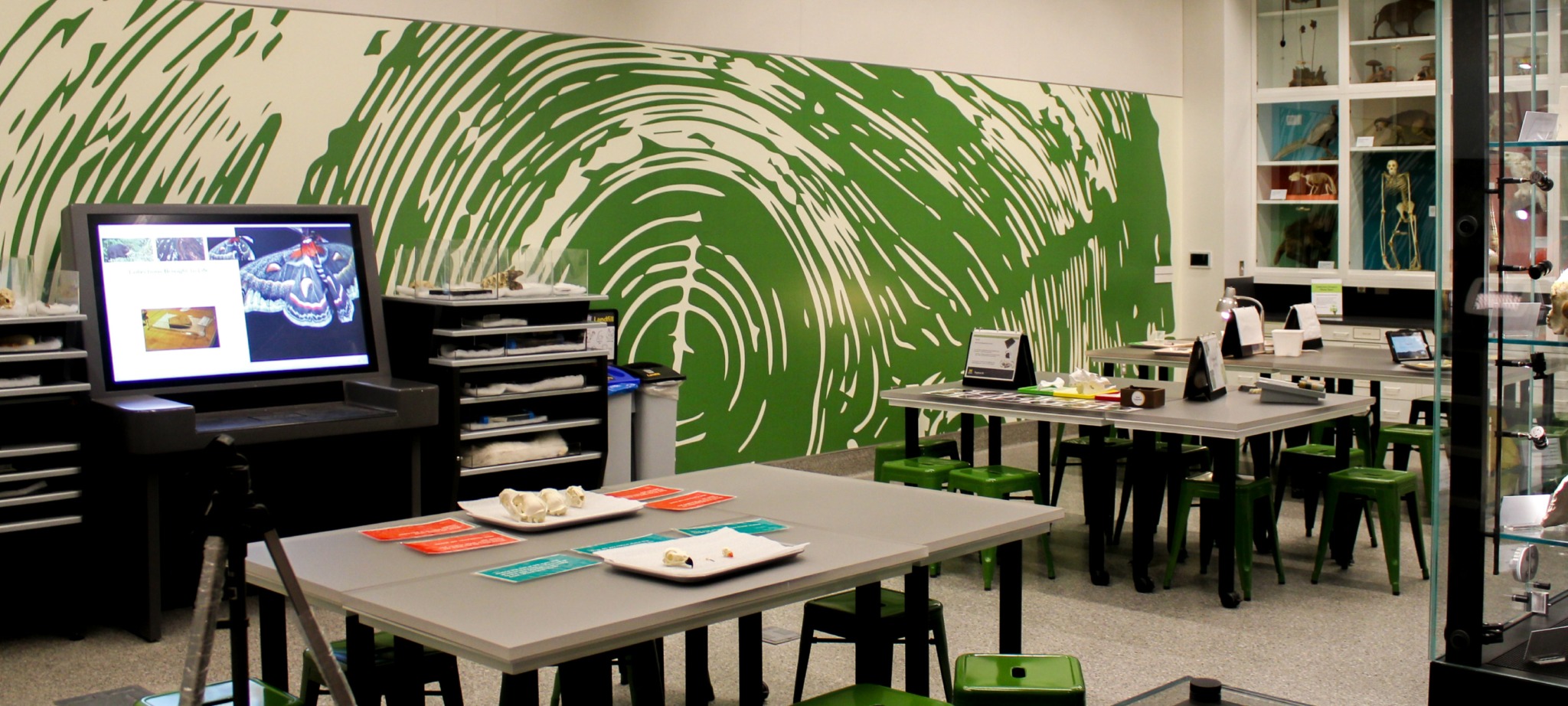
I wear many hats. But in summary, people come to Pendulee for interpretive signage: think panoramic, weather-resistant signs for nature trails that turn complex ecological data into something beautiful you actually want to stop and read. They come for interactive experiences: custom-designed exhibits and public art pieces that inspire and connect. And they come for spatial activation: whether it’s a wall mural for a commercial space or an exhibit identity for an immersive exhibition, I’m building environments, not just displays.
I’m most proud of the moments where the “click” happens, when a person stops at a park sign or a visitor engages with a kiosk and you can see them actually connect with the space.
Context is everything. I don’t believe in one-size-fits-all design. Whether we’re building an interactive for a major museum or a mural for a local coffee shop, the work is going to be rooted in the specific physics and history of that spot. I’m here to make sure that when someone stands in front of your project, they aren’t just looking at a sign, they’re experiencing a the story of that space.
Any stories or insights that might help us understand how you’ve built such a strong reputation?
I think building a reputation in this niche business comes down to a specific kind of reliability. In the art world, you often have “visionaries” who dream up concepts that can feel decontextualized. Beautiful work can come from those people, but that work feels disconnected from the space the work inhabits. And usually those kinds of folks can’t deliver an end product that is fulfilling both in the physical sense and the emotional sense.
Being able to thread that needle, so to speak, has helped me build a reputation. That, and showing up, showing the community you’re invested in what they have to say and offer.
What’s been the most effective strategy for growing your clientele?
In the exhibit design and public art world, traditional marketing usually falls flat. You can’t just run ads for “community-driven interpretive signage.” Growth, for me, has come from word of mouth, and that kind of marketing only comes from hard work and getting lucky enough to have collaborators who share the end goal of making cool art that brings people together.
It’s about being seen not just as a designer-for-hire, but as a specialized partner who understands the “physics” of a project as much as the “feeling” of it.
Contact Info:
- Website: https://pendulee.com/
- Instagram: https://www.instagram.com/penduleedesign/
- Facebook: https://www.facebook.com/penduleedesign
- Linkedin: https://www.linkedin.com/company/pendulee/