
We were lucky to catch up with Carrie Gensler And Kristen Faircloth recently and have shared our conversation below.
Carrie Gensler and Kristen Faircloth , thanks for joining us, excited to have you contributing your stories and insights. We’d love to hear about how you went about setting up your own practice and if you have any advice for professionals who might be considering starting their own?
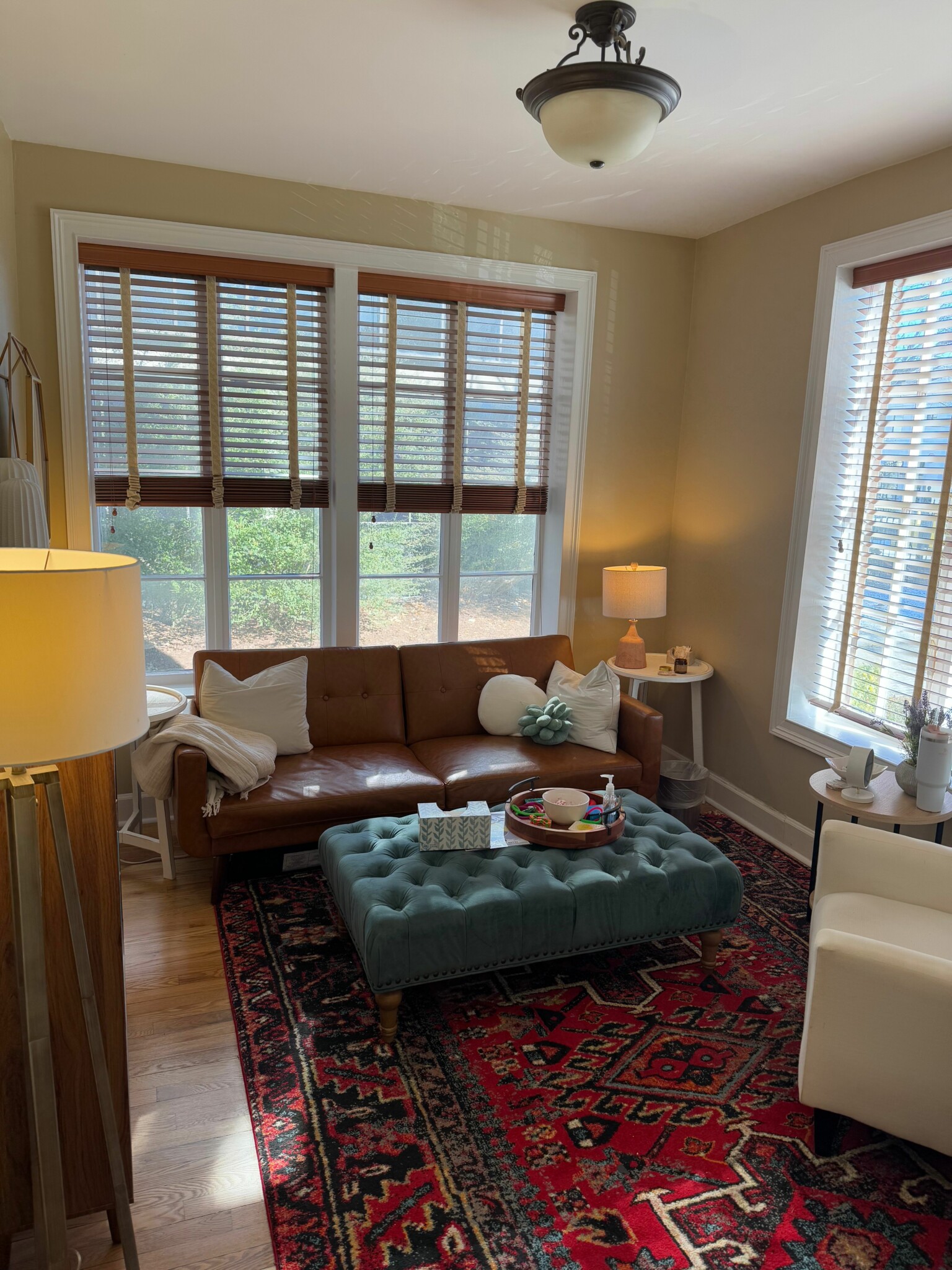
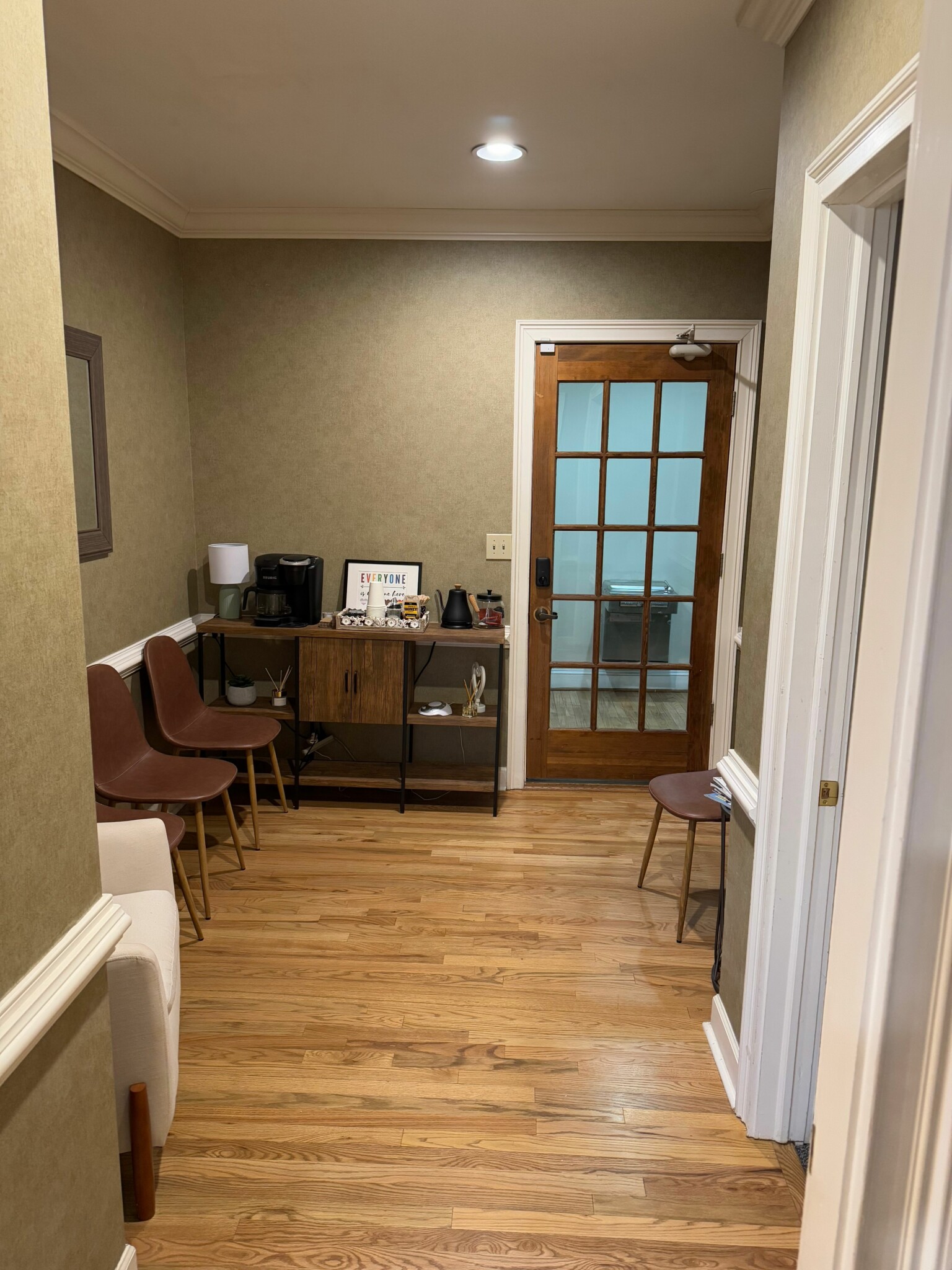
Kristen and Carrie were both working at a mental health hospital in an outpatient setting. We became fully licensed and decided that we wanted to pursue our dreams of opening up a holistic mental health private practice. The first steps were figuring out how to establish a business in Georgia, how to rent office space, how to get individual liability insurance, and all the things needed to start a small business. Figuring taxes and pay, managing a business checking account, that was all something we had to figure out. The first year, we tried to handle all the taxes on our own, and I would very much say that was something I would not do again. I think going from a W-2 to paying taxes as a self-employed person was the biggest shock for us. We were coming at this from a place of absolutely no knowledge or understanding, so we made a few wrong turns along the way. This is not something we learned in our Master’s program, so we had to figure it out by trial and error. It was a huge learning curve, but it was something we both enjoyed learning. The first couple of years were exciting, and we learned so much. We learned that it is lonely going from an outpatient setting, sharing offices with others, to individual therapy where you are sitting with a client most of the day and get very little peer interaction. We both missed collaborating with other professionals on a daily basis. We eventually changed things so that we have more people in our office, and we get to interact with others on a daily basis, prioritizing peer interactions. We had to learn how to balance how many clients to see on a daily basis, and adjust to not working a traditional 40-hour work week. For psychotherapists, burnout can happen if you see too many clients, and the average number of people to see in a week ranges vastly for each therapist. It was hard to learn what that number was for us and how to manage making the income we wanted with how many clients we could reasonably see. For young professionals coming into the field, I would recommend consulting with someone who owns a private practice and consulting with them as to how to set up a private practice and ongoing consultation with other professionals, especially in the first couple years of starting your own practice.
Great, appreciate you sharing that with us. Before we ask you to share more of your insights, can you take a moment to introduce yourself and how you got to where you are today to our readers.
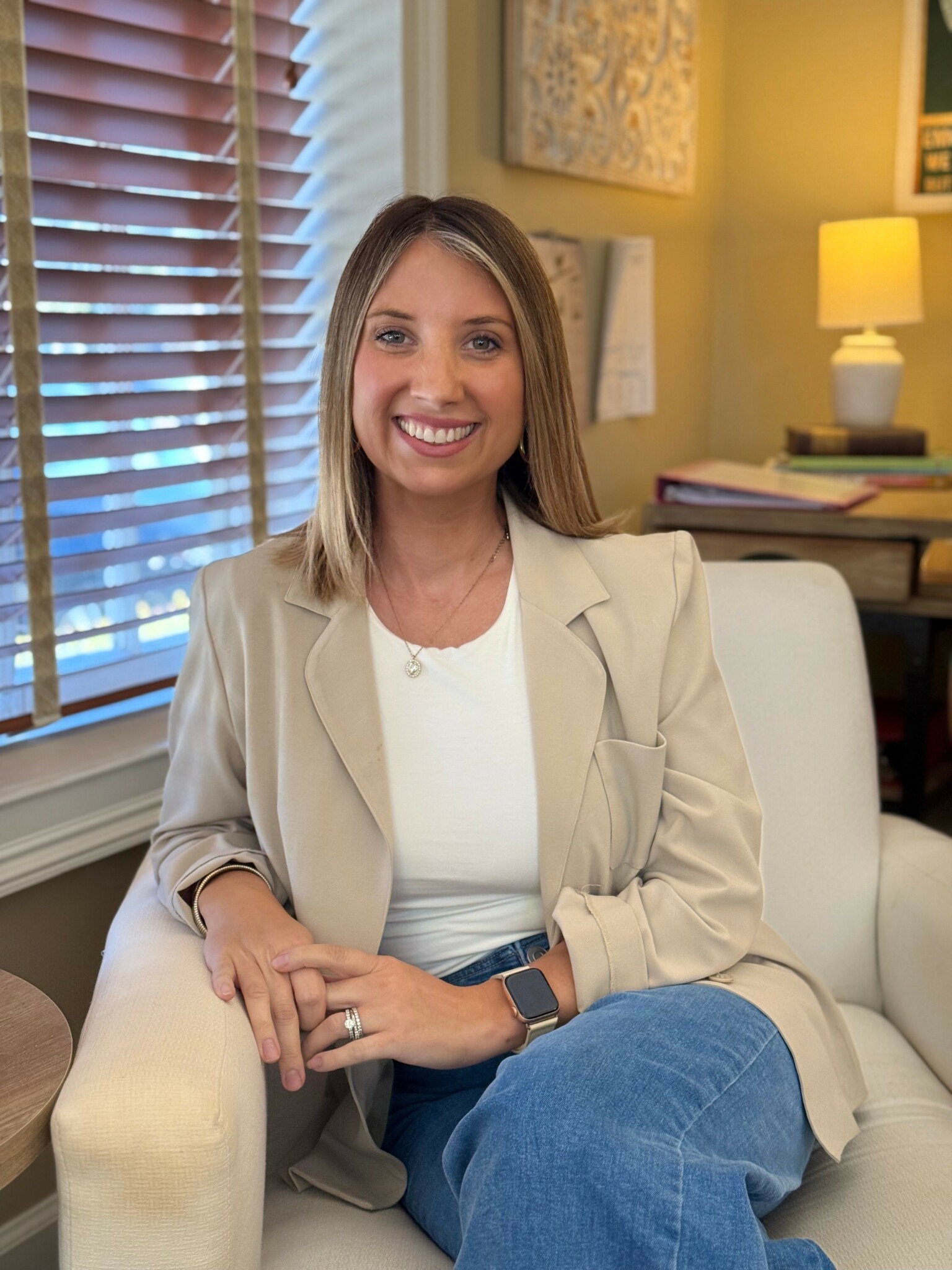
We are both psychotherapists who hold licenses in the state of georgia as licensed professional counselors. We primarily work with trauma and have found that this is the area we have a great passion for. We both got into the field after knowing that we had a passion for helping people, but also because we were interested in why people behave the way they do. I think the thing we are most proud of is our ability to approach clients from a nonjudgemental and empathy-based lens. We want to understand you as an individual and then use that information to help people get a deeper knowledge of themselves. We approach trauma work from an attachment frame work, believing that events that happen in childhood can affect the way that we see ourselves in the present. When we can work on those core beliefs or attachment wounds, we can start to make progress. Kristen and Carrie also utilize hypnotherapy in their work and are national board certified clinical hypnotherapy. This is very helpful in their approach to trauma work. Hypnotherapy is a proven method to help with PTSD and complex trauma. We have a huge passion for guiding people through core wounds from childhood or traumatic events later in life.
Can you tell us the story behind how you met your business partner?
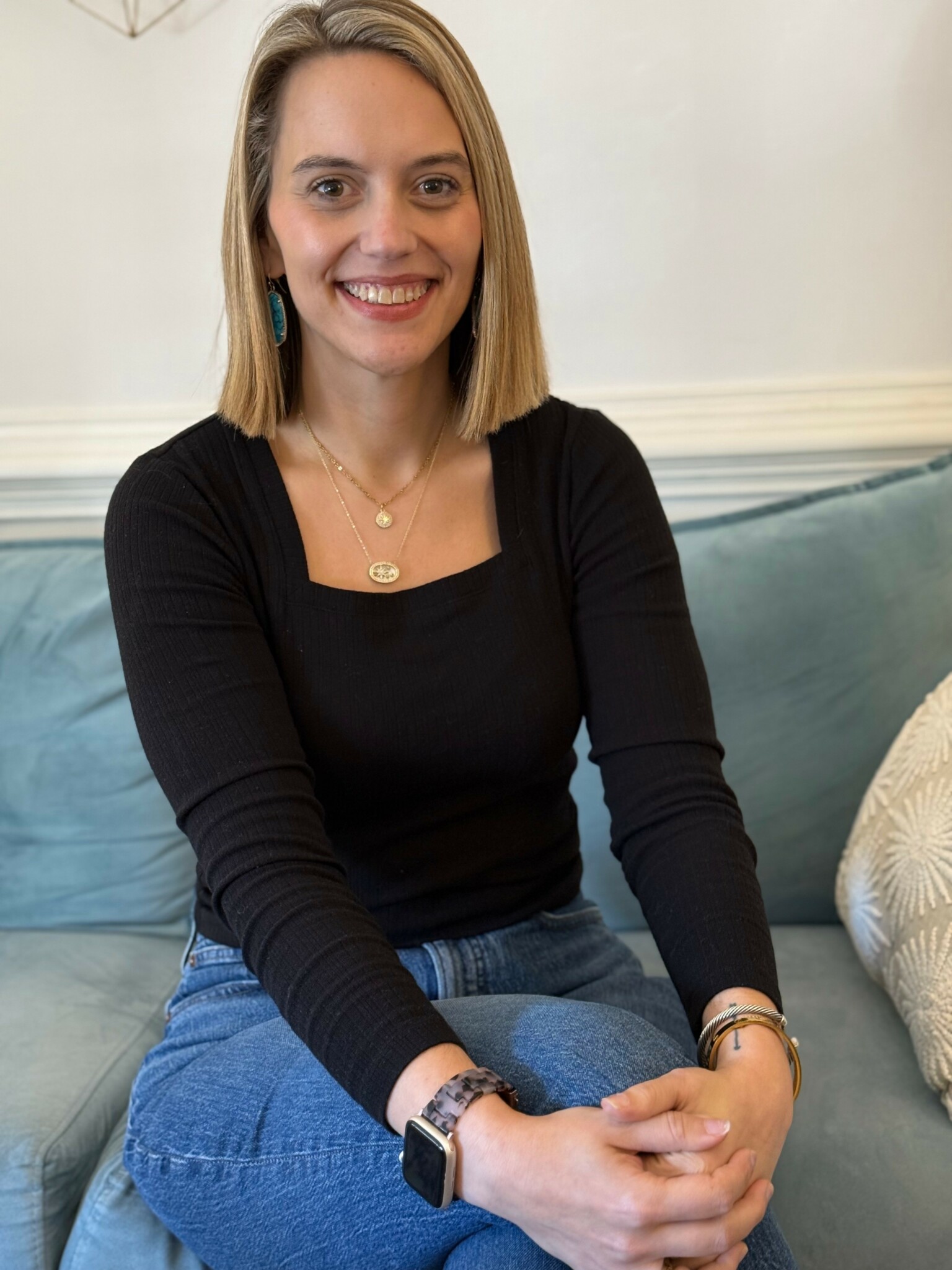
Kristen and Carrie met while working at a mental health hospital. At first they worked on different units and only saw each other in passing. I (carrie) remember the day I came back from maternity leave and Kristen walking by my office, and I was having a hard time going back to work, and she just wrapped me up in a big hug. From that moment forward we started a friendship. We then went on to share an office, and we knew we fit well together, communicate well, and we wanted to go into business together. We both were becoming fully licensed around the same time, which allowed us to go out into the field on our own and open a private practice. We both had the idea that we wanted to grow something and have a practice where people could feel accepted, welcome, and nurtured.
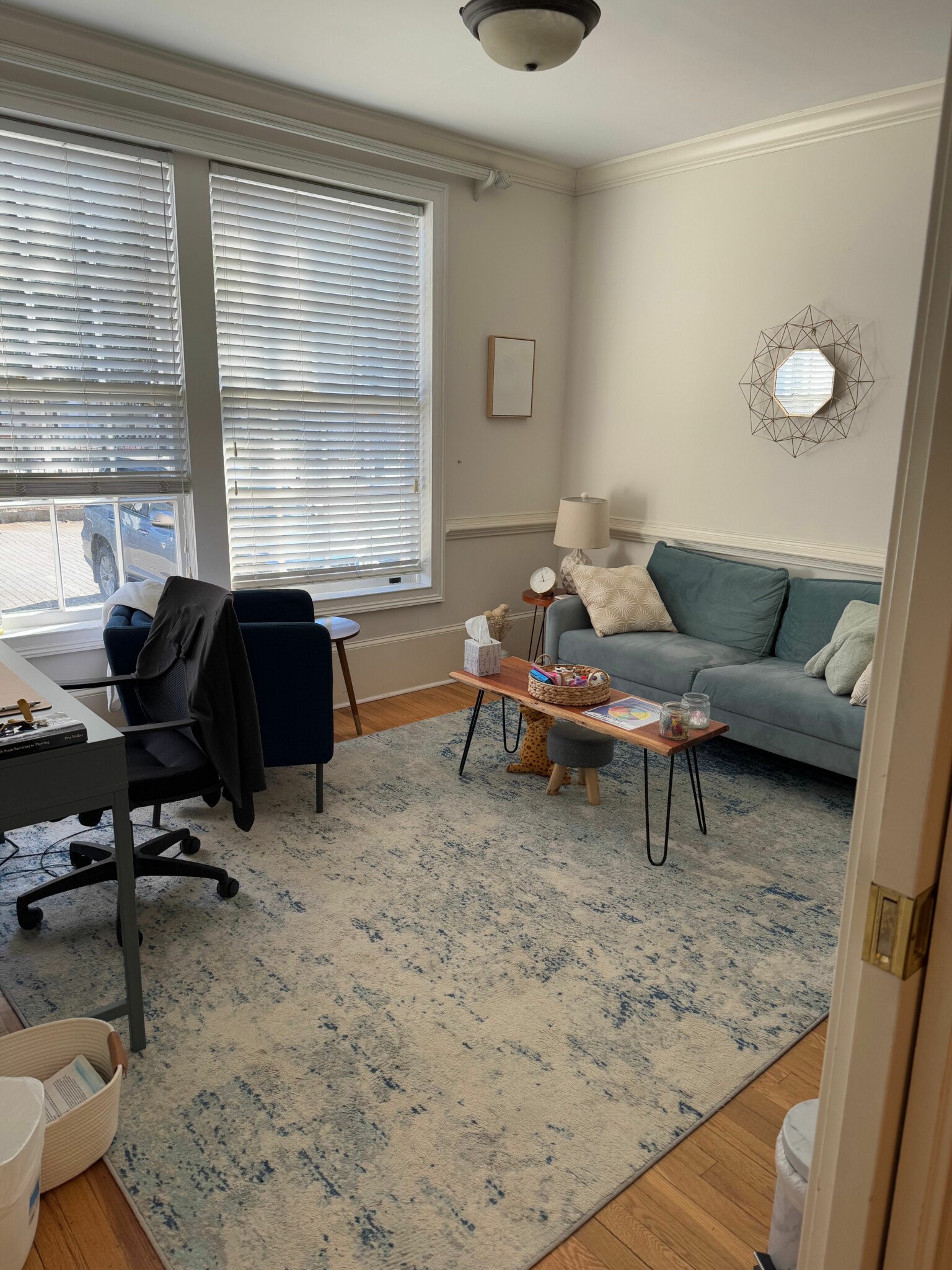
Can you talk to us about how your funded your firm or practice?
When we first started we were working full time at our hospital jobs. We started to take on clients after hours here and there which allowed us to start the business with very little loss. We started out by sharing an office where one of us would use it on certain days. We quickly grew out of that and were able to expand. All of our funding came from continuing to work, and taking little risk by finding cheaper office space, and keeping costs as low as possible as we built our clients. We didn’t have to take out loans, but we did have to balance working additional hours after our full time jobs. I would 100 percent do this the same way, and it is a very practical way for clinicians looking to start in private practice to approach the transition.
Contact Info:
- Website: https://www.restorebalanceatl.com
- Instagram: restorebalancetherapy