

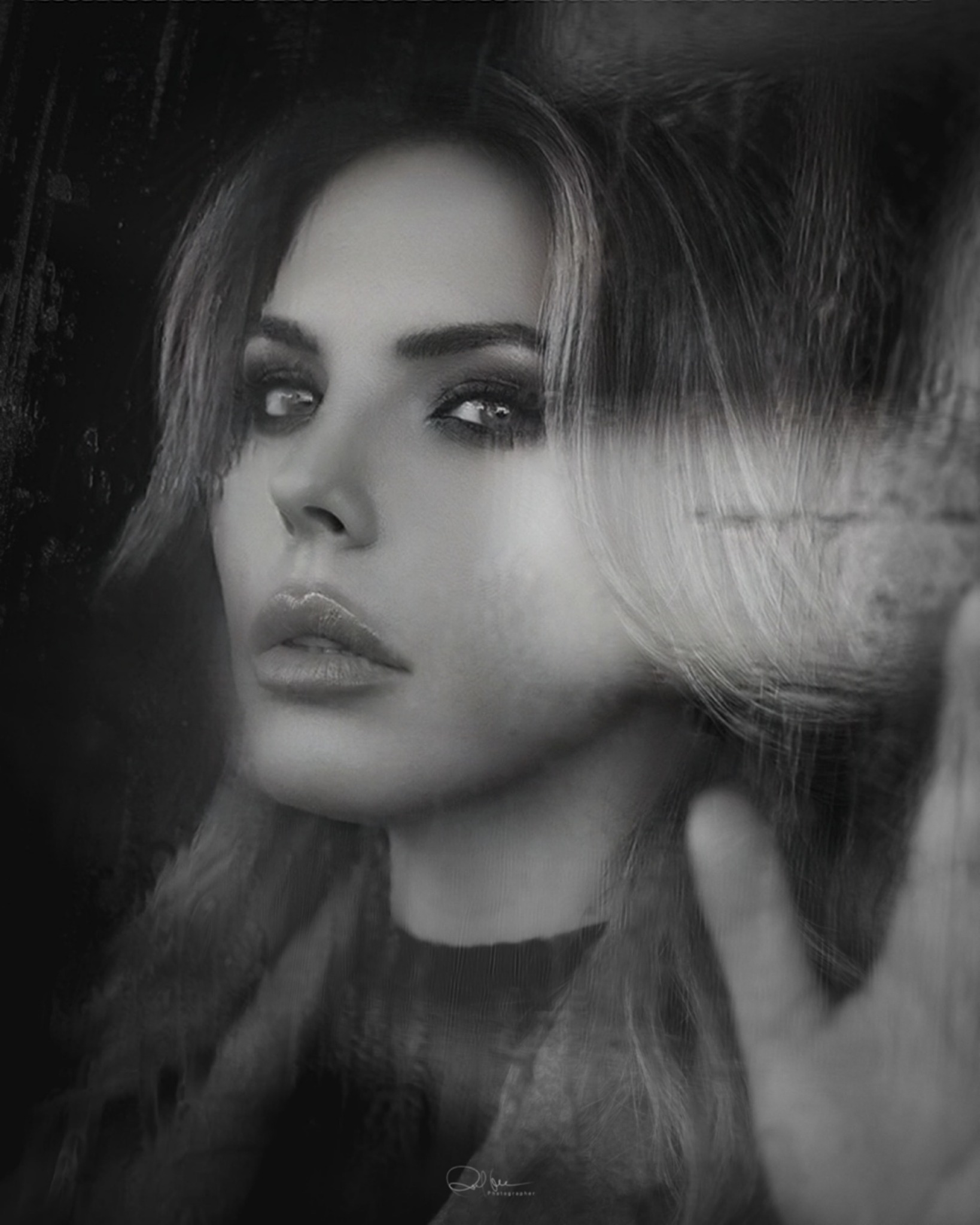

We recently connected with Carlotta Parodi and have shared our conversation below.
Carlotta , thanks for taking the time to share your stories with us today Are you able to earn a full-time living from your creative work? If so, can you walk us through your journey and how you made it happen?
Yes, I have been able to earn a full-time living from my creative work, and that happened relatively early in my career.
From the beginning, I approached this as a profession, not just a passion. I worked consistently across a range of projects, including several significant productions in Italy and across Europe, which allowed me to build both financial stability and industry credibility early on.
That body of work helped establish my visibility and made it possible for me to sustain myself through acting. It wasn’t about a single breakthrough moment, but about continuity—working steadily, building relationships, and being recognized as a reliable professional.
Over time, my career evolved beyond acting alone. I became more involved in developing my own projects and shaping my creative direction. Works like Sabbie Mobili represent that shift toward a more author-driven path, but they came after I had already built a solid foundation within the industry.
Of course, the process wasn’t without challenges. This is a field that requires constant adaptation and strategic thinking. If anything, what I could have done differently is step into that strategic mindset even earlier—being more intentional not just about the work itself, but about long-term positioning.
Overall, what made the difference was treating this as a real career from day one, maintaining consistency, and understanding that longevity in this industry comes from building, not waiting.
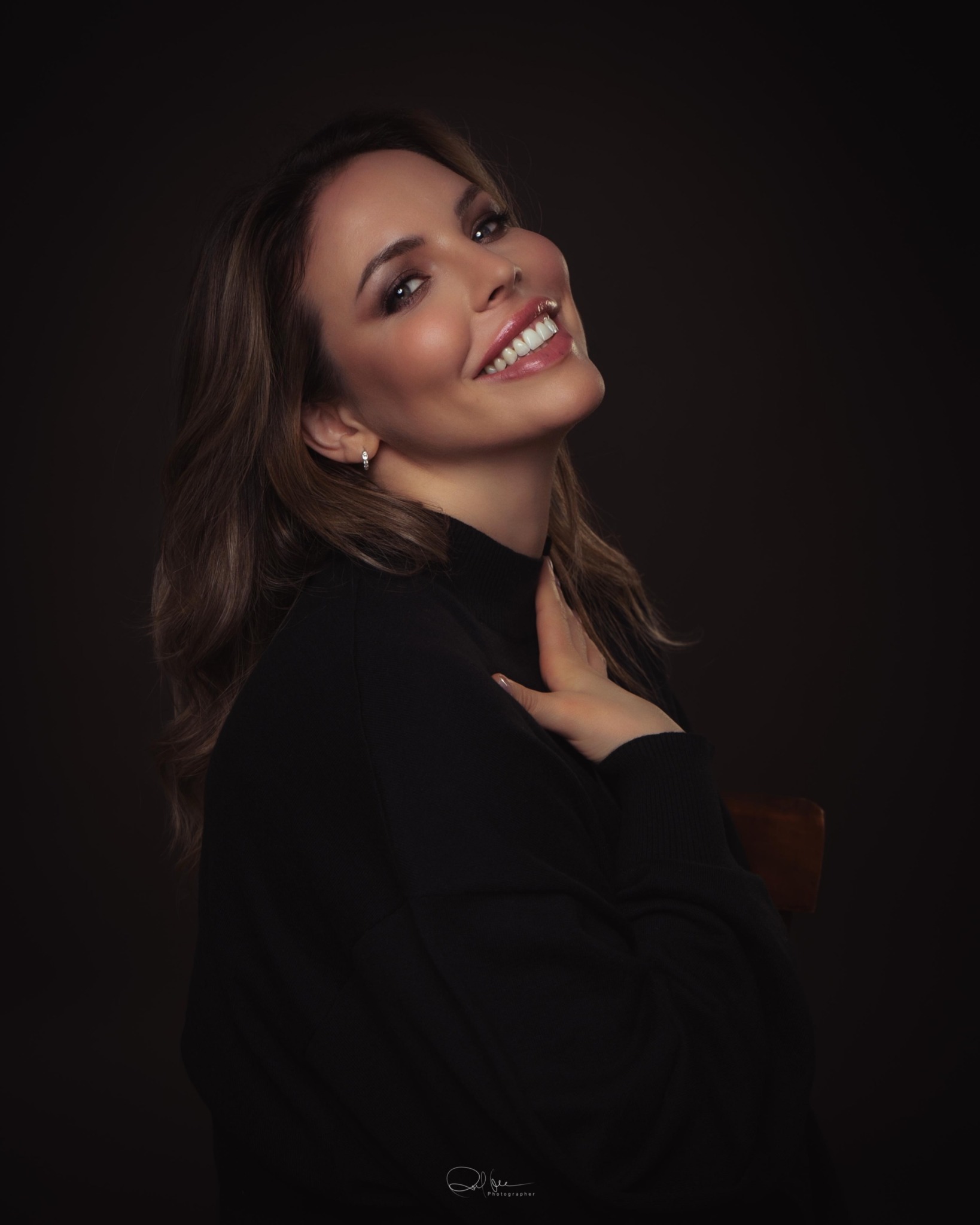
Carlotta , love having you share your insights with us. Before we ask you more questions, maybe you can take a moment to introduce yourself to our readers who might have missed our earlier conversations?
I’m an Italian actress and screewriter, and my work sits at the intersection of performance and authorship.
I started working as an actress in my early twenties, and from the beginning I approached this path as a profession, not just a dream. I worked consistently across a range of productions in Italy and across Europe, gradually building a solid foundation and establishing myself within the industry. That experience shaped not only my work as a performer, but also my perspective on storytelling and the human value behind it.
At a certain point, I felt the need to move beyond interpretation and engage more directly with the material. I began writing and developing projects that explore complex emotional and psychological landscapes, often centered on people and realities that rarely find space or are not represented with depth.
Projects like Sabbie Mobili, whose international title is Big Noise, fully reflect this direction. It is a work that deals with psychiatric themes and aims to give space and visibility to experiences that are too often simplified, misunderstood, or treated superficially. Redención, on the other hand, is a documentary project that was a finalist for the Premio Solinas—one of the most important screenwriting awards in Italy—and focuses on the lives of canners, people who collect and redeem recyclable materials. Here as well, the core themes are dignity, survival, and the need to make visible lives that the system tends to overlook.
At the core of my work is a strong sense of responsibility. I’m very aware that I’ve had the opportunity to pursue this path, while many people don’t even have the chance to try. Because of that, I feel a deep need to use my work to give voice to those who don’t have one, or who are not represented.
I also believe that anyone who feels they have something to say should try to express it. Not everyone starts from the same place, and not everyone has the same opportunities, but I believe that when there is a genuine truth to express, sooner or later that voice finds its way.
As an actress, I bring a high level of commitment and depth to every project. I build characters both psychologically and physically, and I approach each role with a strong sense of responsibility toward the story and the reality it represents.
What sets me apart is the combination of discipline and emotional risk. I’m drawn to complex, often uncomfortable territories, and I’m willing to challenge myself in order to truly serve the role and the meaning of the project. At the same time, I approach my career with clarity and structure, understanding the importance of continuity, positioning, and long-term vision.
What I’m most proud of is never separating my work from my values. For me, art has to serve a meaningful purpose.
For anyone discovering my work, what I would want them to know is that everything I do is rooted in authenticity. I’m interested in stories that matter—stories that give visibility to what is usually left at the margins and that leave a lasting impact.
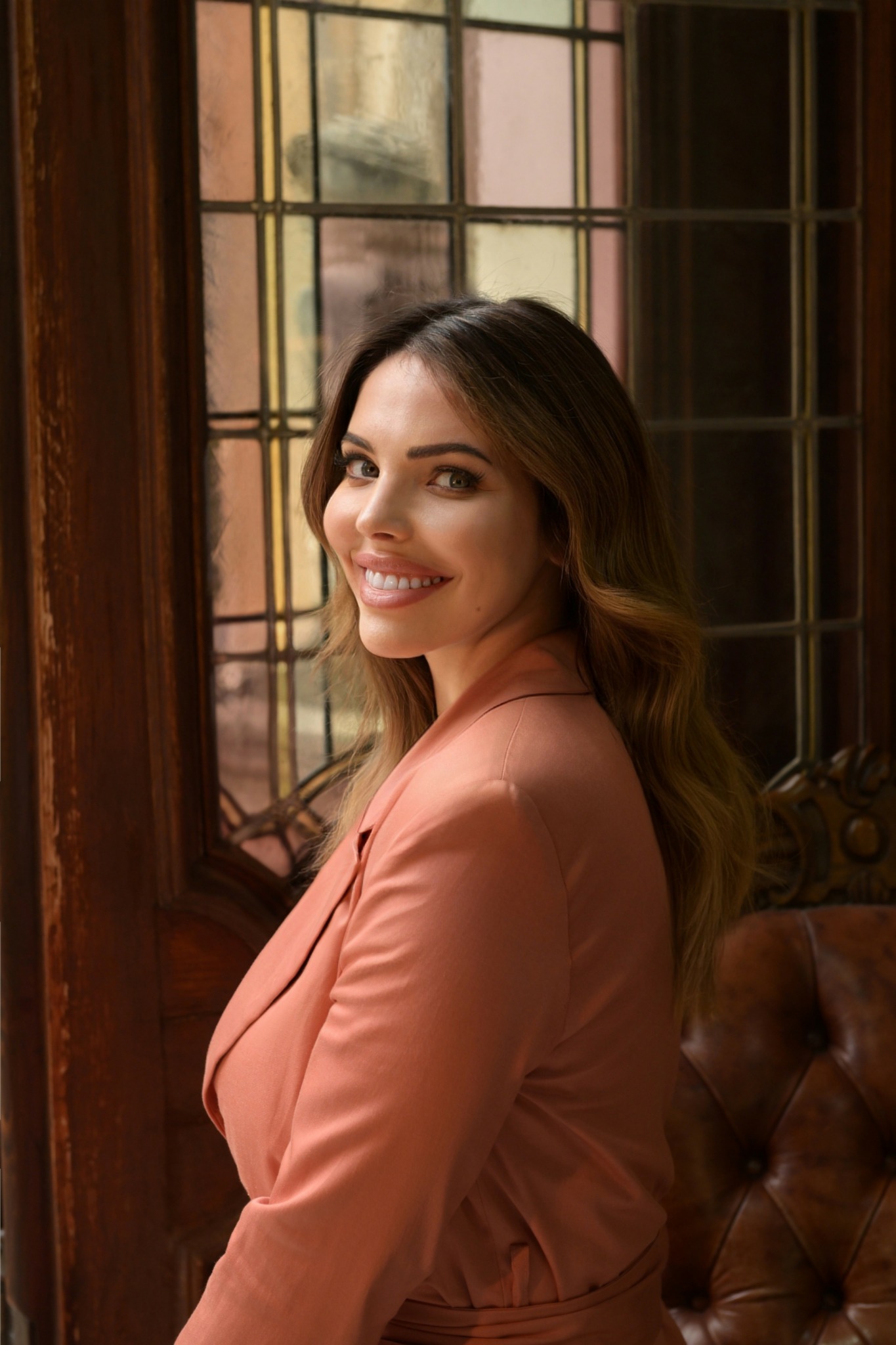
Is there a particular goal or mission driving your creative journey?
Yes, very much so.
At the core of my work there is a clear intention: to give voice to those who are not heard, and to bring visibility to realities that are often overlooked or misunderstood.
I’m deeply aware of the fact that I’ve had the opportunity to pursue this path, while many people don’t even have the chance to try. That awareness comes with a sense of responsibility, and it shapes the kind of stories I choose to be part of.
For me, art is not just about expression—it’s about meaning. It has to serve something beyond itself. Whether I’m acting or writing, I’m drawn to projects that explore complex human experiences and that can leave a real impact on the audience.
Ultimately, my goal is to build a body of work that is not only authentic, but also necessary—stories that give space to what is usually left at the margins, and that stay with people long after they’re over.

Is there something you think non-creatives will struggle to understand about your journey as a creative?
Yes, I think one of the biggest misconceptions is that a creative path is driven only by inspiration or talent.
What people outside this field often don’t see is the level of discipline, consistency, and resilience that it requires. It’s not just about having ideas or being passionate—it’s about showing up every day, even when there is uncertainty, even when there are no immediate results.
There is also a level of sacrifice that is difficult to fully understand from the outside. This work often asks you to give up stability—sometimes even basic forms of it. It can mean moving to another country, spending long periods away from the people you love, and building a life that is constantly shifting, without clear guarantees.
Another aspect that can be hard to grasp is how much of this journey happens without validation. There are long phases where you’re working, growing, and investing in yourself without any external confirmation, and you have to rely on a very strong internal sense of direction.
It’s also a path that requires patience and a high tolerance for uncertainty. One day things seem aligned, the next day everything can feel completely open again. You learn to live without fixed certainties, and to keep going anyway.
At the same time, what makes it sustainable is the level of passion and devotion you have for it. You accept the instability because the work itself is fulfilling. But from the outside, I think it can be difficult to understand how we choose, every day, to stay in that space of uncertainty.
If there’s one thing I would want people to understand, it’s that being a creative is not just about self-expression—it’s about responsibility, discipline, and the willingness to stay committed to a vision even when the outcome is uncertain.
Contact Info:
- Website: https://www.zaccariacommunication.com/carlottaparodi1/
- Instagram: https://www.instagram.com/carlotta.parodi?igsh=YzA2MG01bmFwcjl2&utm_source=qr
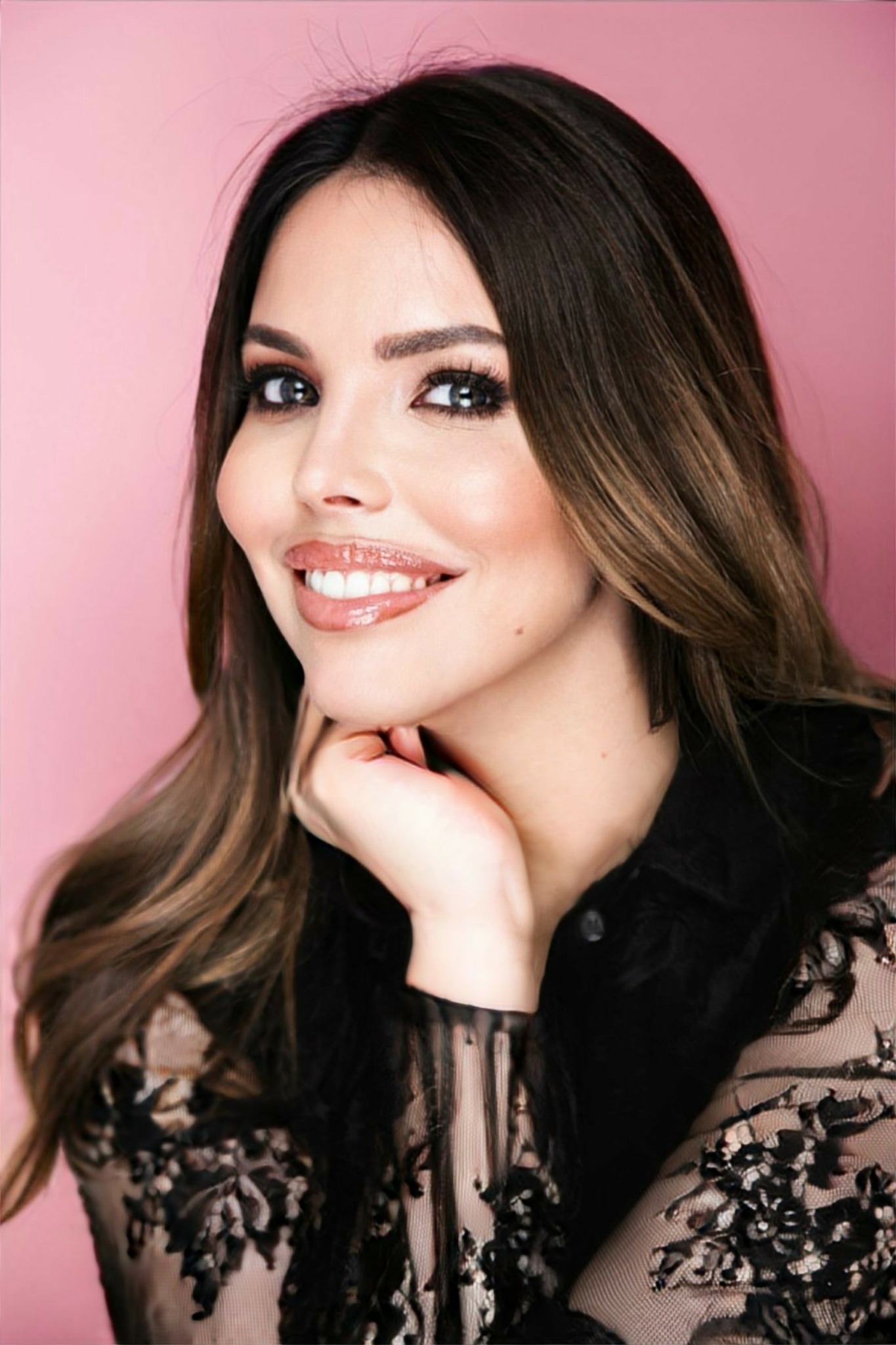
Image Credits
Osmel Fabre
Piergiorgio Pirrone
Francesca Marino