

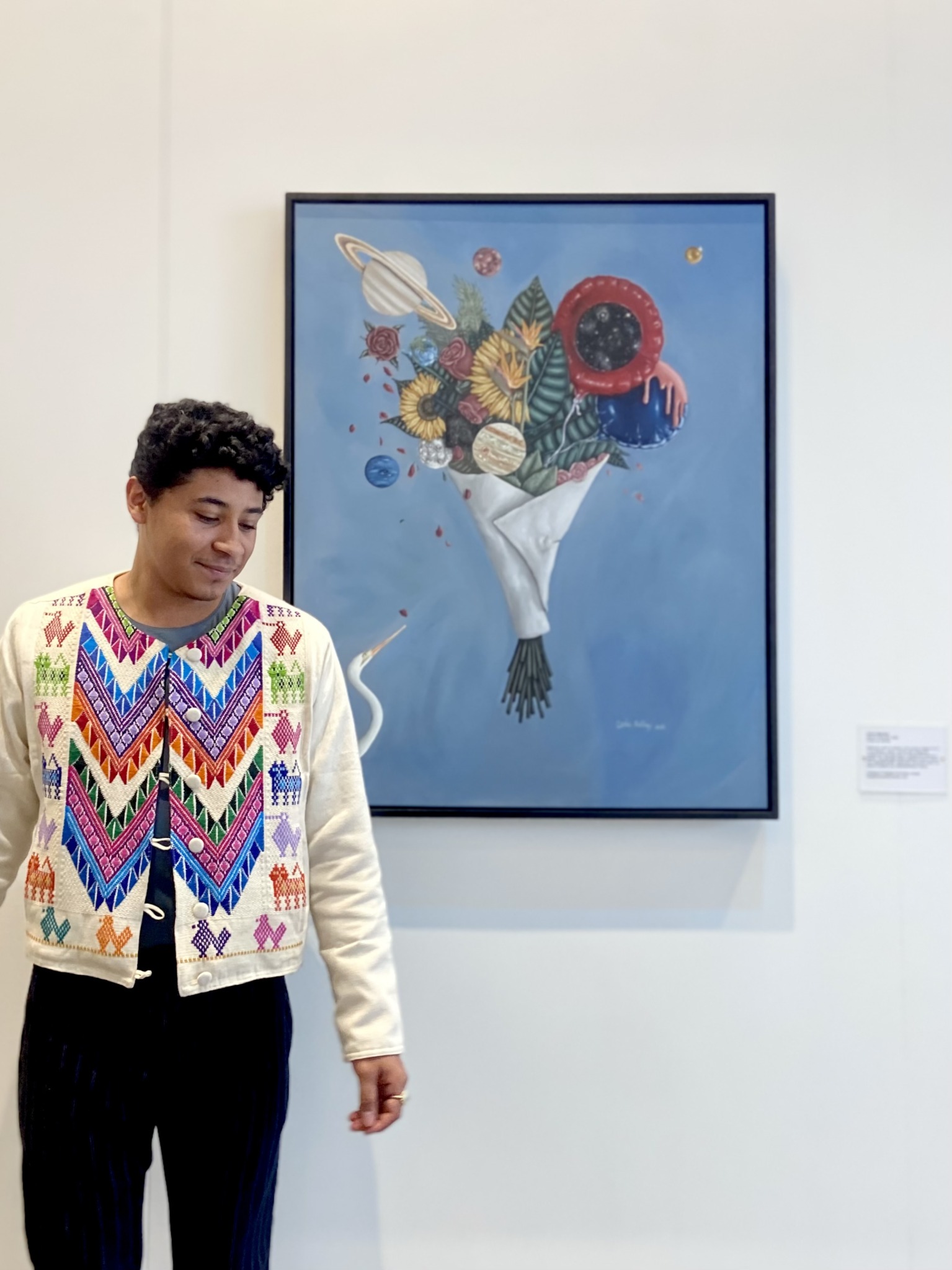

We caught up with the brilliant and insightful Carlos Martinez a few weeks ago and have shared our conversation below.
Carlos, looking forward to hearing all of your stories today. Earning a full time living from one’s creative career can be incredibly difficult. Have you been able to do so and if so, can you share some of the key parts of your journey and any important advice or lessons that might help creatives who haven’t been able to yet?
I’m very proud of the fact that I’m able to make my living off my art and creativity. It took a long time to get to this point. I know the thought of supporting yourself solely as a working artist can feel like a daunting hill to climb, but it’s very possible. If I can shed some light on how it can be done, and tell my journey as just one of many examples, I’m more than happy to do so.
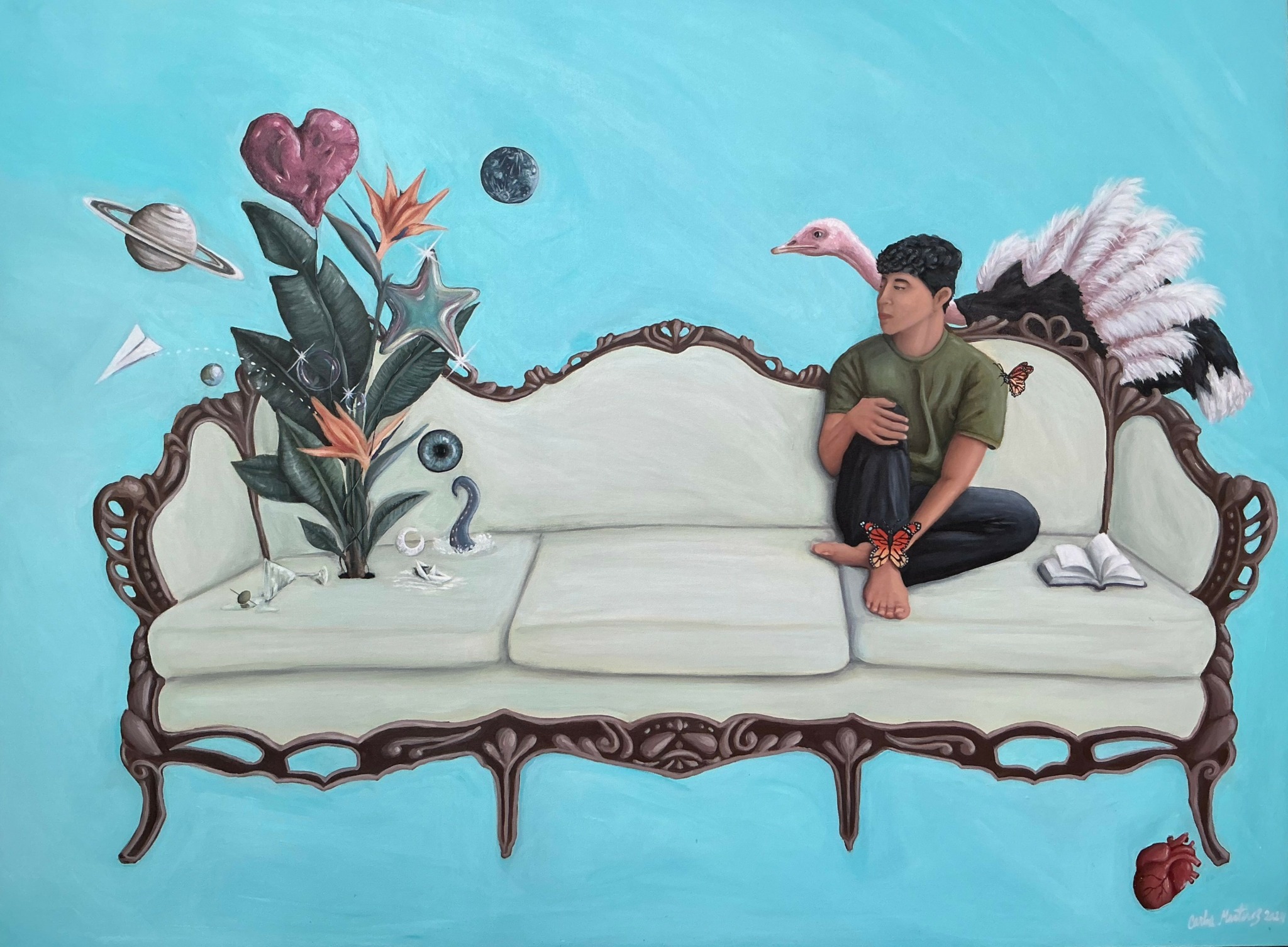
I want to highlight first and foremost that I am only able to live off my art thanks to my community. I’ve been doing art as a full time career since 2021 but I began creating and sharing my artwork in 2014. When first started out I was sharing a lot of progress photos and videos of my paintings as well as sharing a little about myself on social media. Through that a small audience slowly began to grow. I also started to participate in local art shows to get my name out there. By doing so I was able to make in person connections with other local artists and art enthusiasts. These artists soon became friends and colleagues and I was genuinely invested in their careers and supporting them by sharing their work and attending their shows. I never view anyone as competition, that would take so much fun out of being an artist and I like to think most of us feel the same way. Mutual and genuine love and support is the name of the game and through years of building and being a part of community, folks began to have a familiarity with me and an interest in my artwork began to grow.
One way I sell my art is by participating in pop up markets – at these events I find people are more inclined to purchase a print than a painting because of how accessible they are. Through the markets I also get to meet new people as well as catch up with familiar faces. By regularly participating in these I can also share my newest works, so there’s usually something new I can offer every few months.
Another way I sell my art is through my website. It’s super important to have a space outside of social media where buyers and curators are able to see your body of work. It doesn’t have to be anything fancy; my website is quite minimalist. It’s also the place where I have a contact form for people who would like to commission me for an artwork. To have a centralized place where people can view, buy, and contact you is essential (in my opinion).
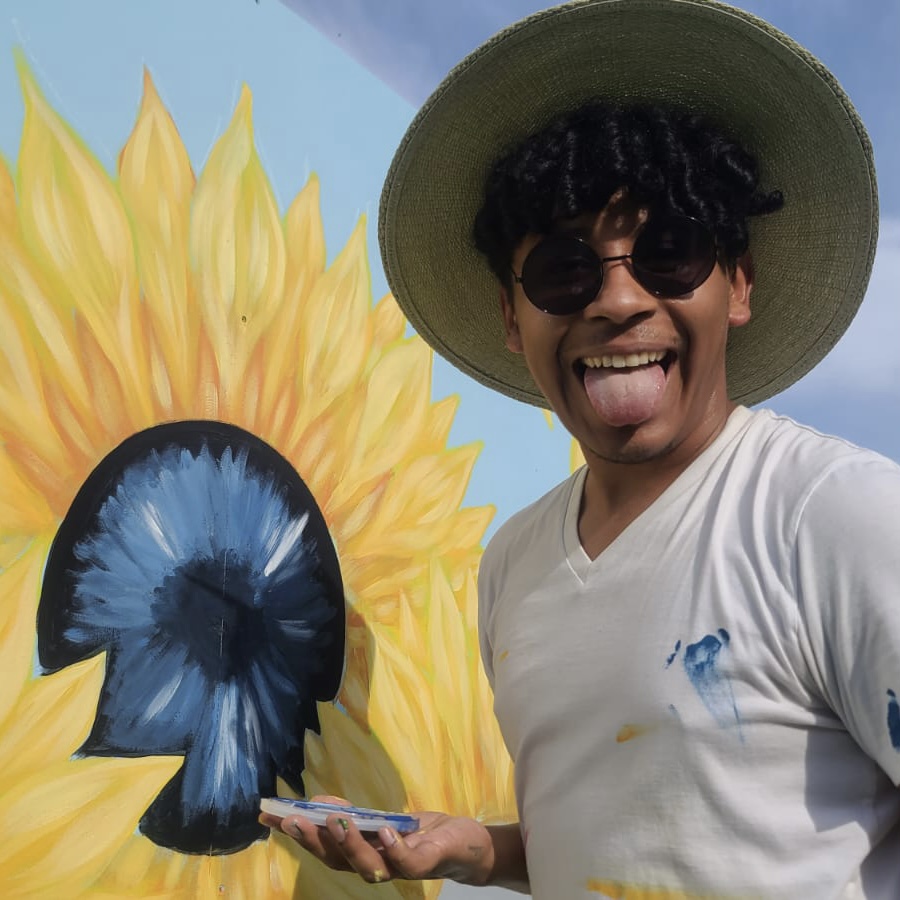
Diversifying my income is definitely key. A part from selling original paintings, prints and commissioned artwork, I paint murals as well. I also give workshops every now and then in the community with local organizations and art schools.
I honestly think that a way that I could have sped up this process of becoming a full time working artist would have been building a bigger online audience by showing a bit more of my personal side on social media (day in my life, talking directly to the camera, etc) – audiences love that, myself included. I sill do post a fair amount on my Instagram to promote my art and share what I’m working on as authentically as I can, but recording and editing on a regular basis is a whole other job I don’t want to take on at the moment. I’d rather watch for now :)
Carlos, love having you share your insights with us. Before we ask you more questions, maybe you can take a moment to introduce yourself to our readers who might have missed our earlier conversations?
My name is Carlos Martinez and I am a painter based in Seattle, Washington. I was born to Mexican parents in Los Angeles, California and grew up in the Redmond, Washington just 25 minutes outside Seattle.
I began painting out of curiosity for acrylic when I was 18 years old in 2013. I wasn’t very good at it but I really enjoyed the feeling that working with paint gave me. The following year was when I decided to try to sell some of my paintings. At that point it was friends and family that were buying them. I slowly realized that this is what I wanted to dedicate my life to. Before then I wasn’t really sure what I wanted to do. I knew I wanted to do something creative but never could pinpoint exactly what. In 2017 things started to change when I participated in my first pop up market hosted by Colectiva Noroeste here in Seattle. I saw in their previous events that artists were selling prints of their work, so I decided to do the same. The pop up market went really well and I quickly realized that a print is much more accessible to people than an original painting. So I began to sell them on my website and promoted them on my social media.
During then I was working my regular job but really wanted to just focus more of my time on my art as the years went by. I knew that I needed to continue creating, sharing, and building genuine connections with people (both in person and online) to get to that point in my artistic career.
As I kept at it, people were starting to pay attention and reach out to me to either to create an artwork for them, or connecting me to opportunities to showcase and sell my art. It just kept growing from there.
I moved to Seattle in 2020 during the height of the pandemic. I wasn’t sure when things would settle down but I knew that I needed to be here in order to further establish myself as an artist. It was then that I had more physical and mental space to dive into my creativity and find opportunities. In 2021 was when I decided to take the step to quit my non-profit job and commit to being a full time artist. By then I had saved up a small safety net and had projects lined up that would sustain me for about a year. Still, I knew I had to continue finding opportunities and keep the momentum going if I wanted to make this work out in the long run – I still have to and I’ve come to realize that as a working artist, the hunt for work and the need to make things happen will never end. I find that to be the exciting part about being an artist – to not know what the future has for me is thrilling. Luckily I feel like I have more stability these days.
It’s been because of my community that I have been able to live this beautiful life. Because of them I’ve been given amazing opportunities like having my paintings be a part of an exhibition celebrating Latino artists in the northwest at the Tacoma Art Museum with Cheech Marin as a special guest, and being featured in and having my work on the cover of a local arts magazine (PublicDisplay.Art). My community gave me a platform and I’ll forever be grateful.
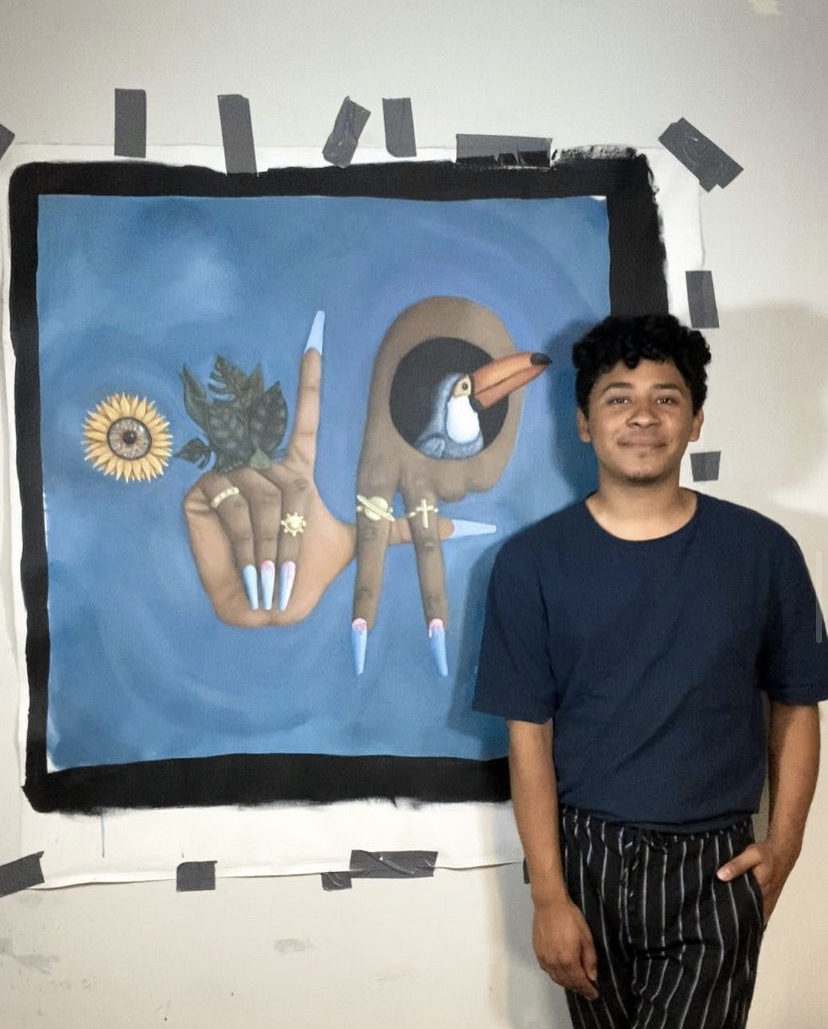
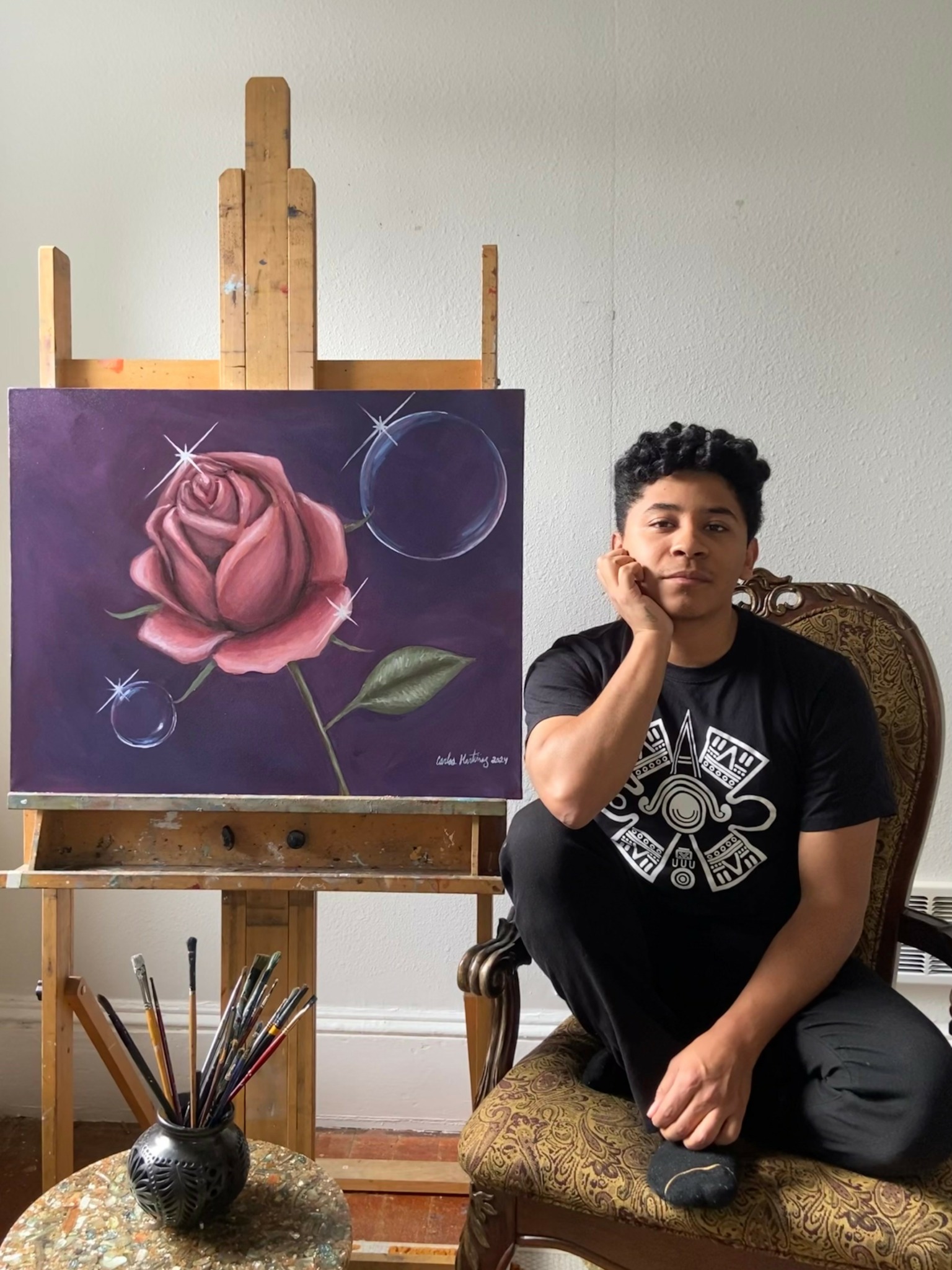
What do you find most rewarding about being a creative?
There is this rush I feel when I’m nearing the completion of a painting – when I’m adding the small details and highlights that bring the piece together. Before then, I’m so focused on color blocking, getting the correct shapes, and the composition in order and it very much feels like work. It’s the most satisfying and rewarding feeling in the world seeing all the layers of paint come together in those final moments. Bringing ideas out into the physical world is a form of magic.
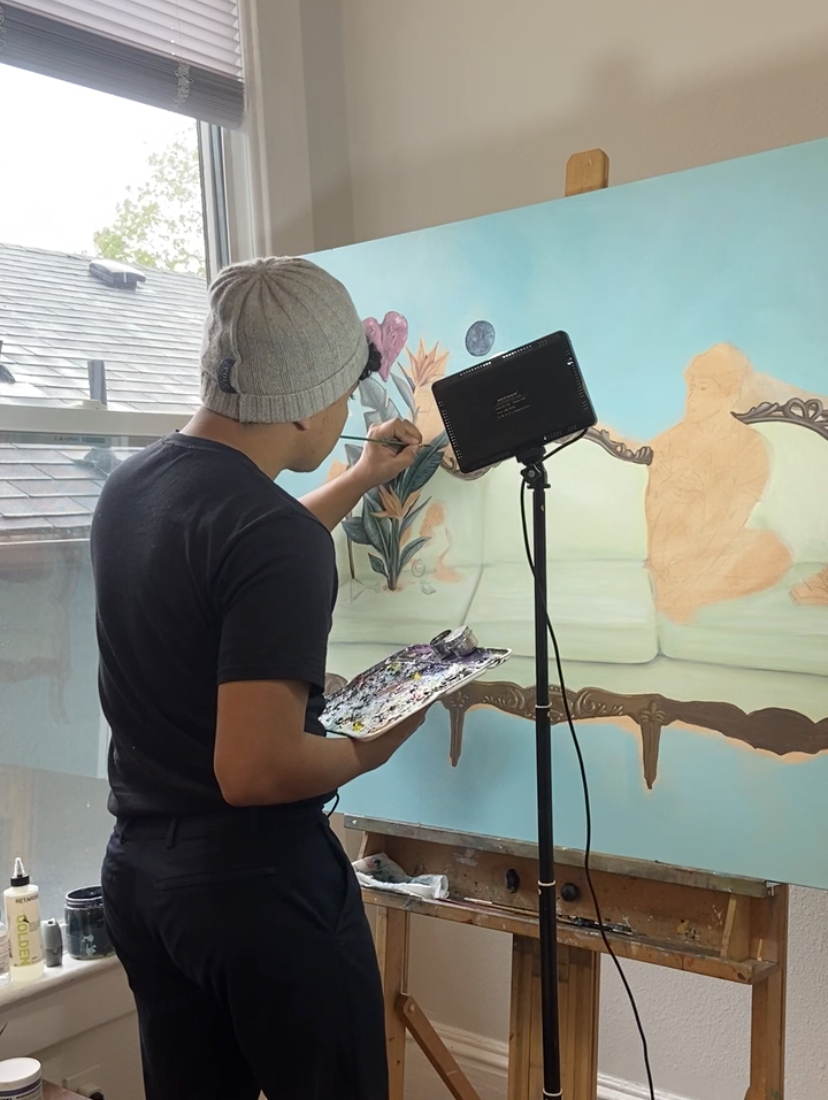
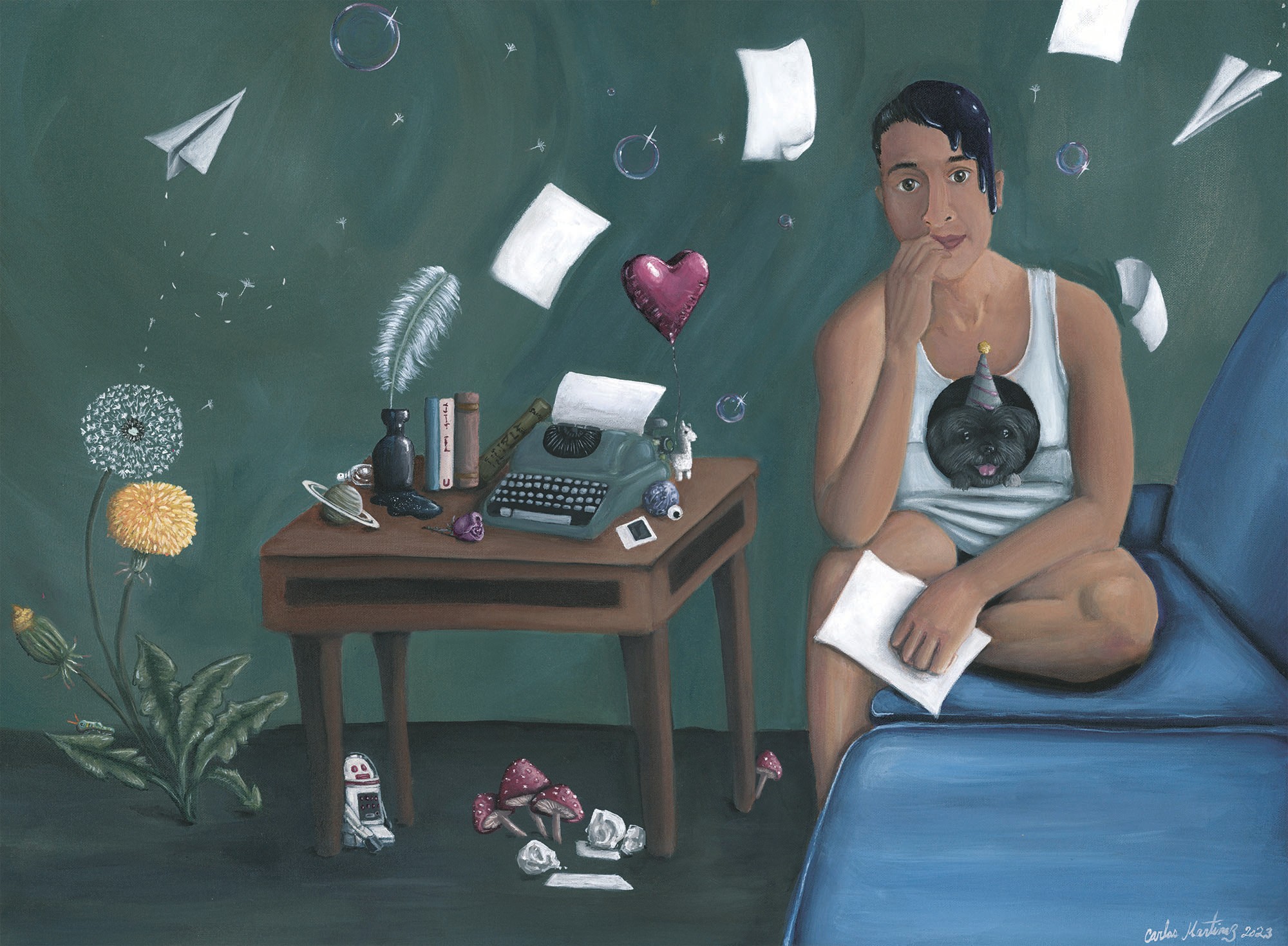
Is there something you think non-creatives will struggle to understand about your journey as a creative?
I think a lot of people will find it hard to understand that my job is a difficult one. There is this misconception that the life of an artist is a life of fluff and leisure but that is far from the truth. In order to make my living, it’s not enough to just paint. I have to market my art, take and edit photos of it, coordinate with print shops, while juggling commissioned work (and making sure I am being paid my worth for it), exhibitions, pop up markets, workshops, and seeking opportunities. I’m a one man show when handing these things. I’d say 40-50% of my job is creative, the rest is admin.
Contact Info:
- Website: https://Carlosmartinezart.com
- Instagram: @carlosmartinezart
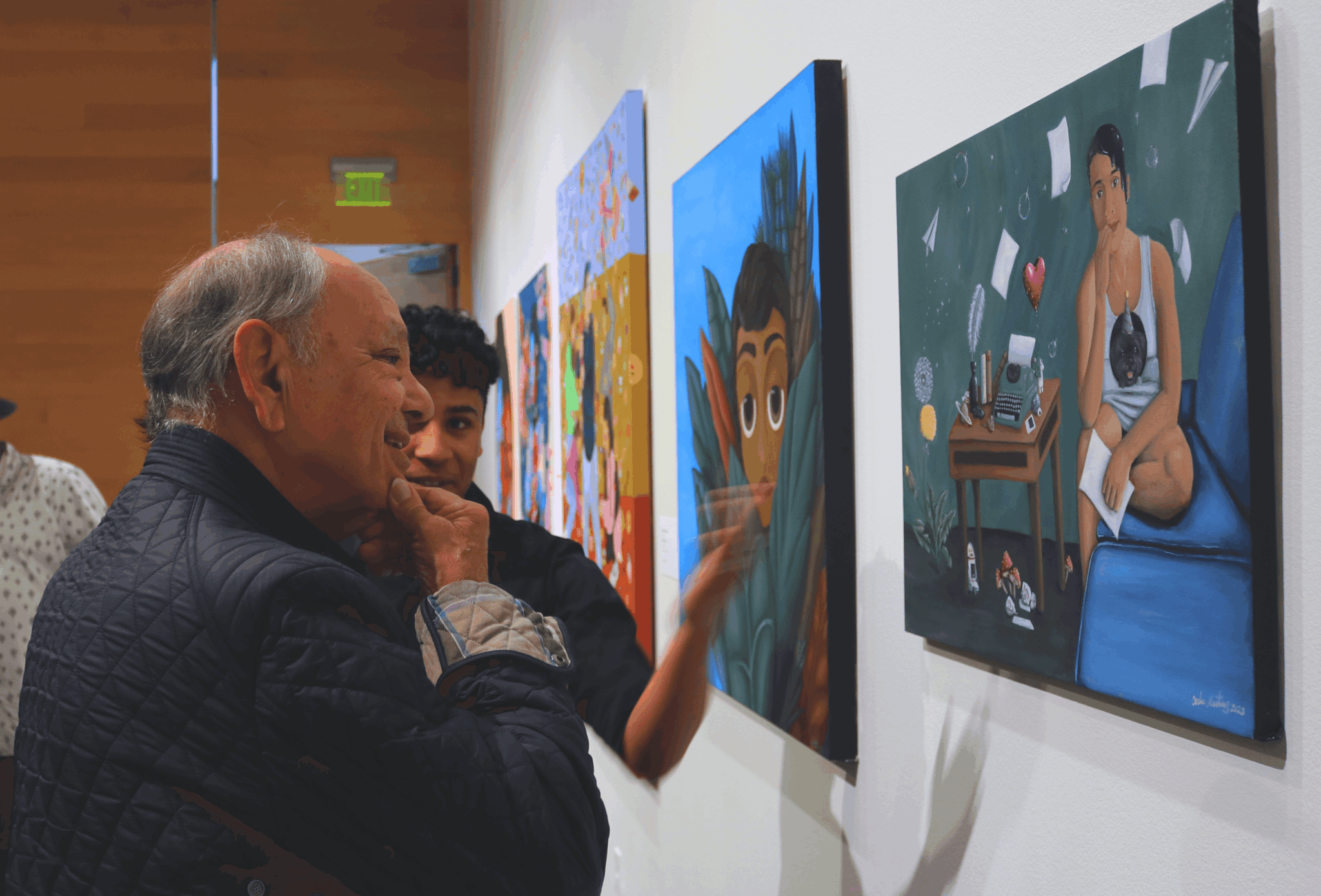
Image Credits
8th Image Credit: Tacoma Art Museum.